Florida Ixora Looking Fried? Do This Now For Blooms By September
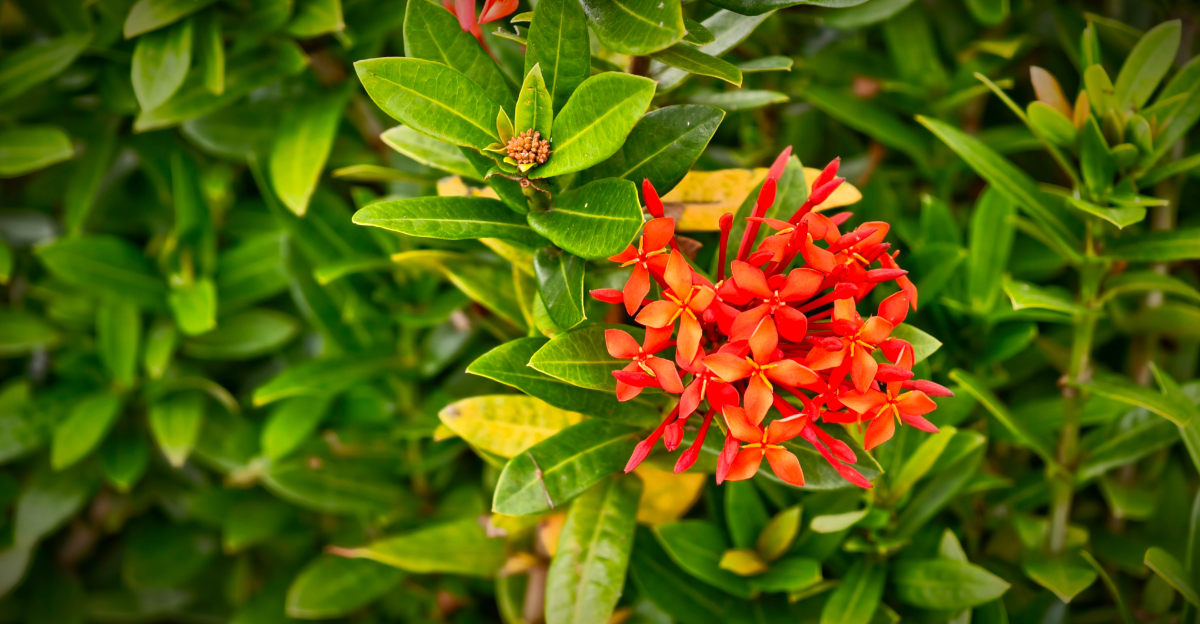
Florida ixora can look gorgeous in spring, then absolutely betrayed by July.
One month it is glossy, green, and covered in color. The next, the leaf tips crisp, the blooms vanish, and the whole shrub looks like it spent the afternoon arguing with the driveway heat.
That panic moment gets homeowners into trouble.
A sun-stressed ixora does not need every fix at once. Heavy watering, hard pruning, and a quick fertilizer blast can pile more stress onto roots and stems already trying to recover.
The better rescue starts with patience and order.
Check the soil. Look for living wood. Ease the plant out of the harshest reflected sun. Water deeply but not wildly. Let recovery begin before demanding another round of blooms.
So can a scorched-looking ixora still flower again before September?
Often, yes. The trick is helping the plant rebuild without turning your good intentions into one more Florida summer problem, and here is how to do it.
1. Check For Green Growth First
Before you water more, prune anything, or reach for a fertilizer bag, take sixty seconds and scratch a stem.
Use your fingernail or the edge of a pocket knife and lightly scrape the outer bark on a few branches.
Green tissue underneath means your shrub is still very much alive and has real recovery potential. Brown or gray tissue all the way through tells a different story.
According to UF IFAS Extension, this simple scratch test is one of the most reliable ways to assess whether a woody shrub has living wood worth saving.
Even a shrub that looks completely fried on the outside can have active green growth hiding just beneath the surface.
Check multiple stems, including ones closer to the base. Outer branches often take the worst heat damage while inner branches stay healthier.
Look for small clusters of new leaf buds pushing out near the base or along lower stems. Those tiny green sprouts are a very encouraging sign.
Ixora often puts out new growth from the base after stress, especially when roots are still intact and healthy.
If you find green tissue on most stems, your shrub is worth saving and the steps below will help.
If only the lowest stems show any life, focus your care and attention there.
Knowing what you are actually working with before taking action prevents wasted effort and helps you make smarter decisions moving forward.
2. Trim Lightly Not Deeply
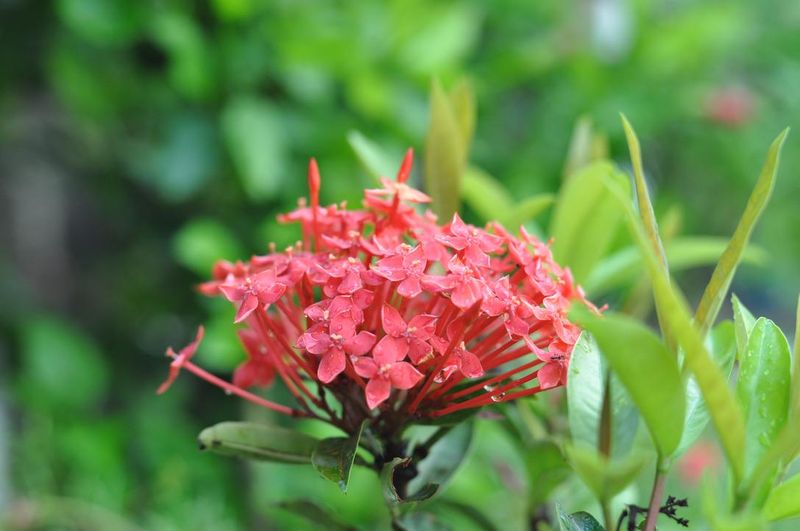
Crispy brown tips on ixora are hard to ignore.
The urge to grab the hedge trimmer and shear the whole shrub back hard is completely understandable.
Resist that urge.
Aggressive pruning right now removes the very wood where your next round of blooms will form, and that sets your recovery back by weeks or even months.
UF IFAS Extension advises against heavy pruning of ixora during periods of heat stress.
Ixora blooms on new growth, which means the shrub needs time to push fresh shoots before it can flower. If you cut too deep, you force the plant to spend all of its energy on replacing basic foliage instead of developing bloom clusters.
Your Florida Garden Changes Every Week. Your Plan Should Too.
Gardening in Florida changes quickly throughout the season. Every Friday you’ll receive a simple weekly plan showing exactly what to plant, prune, fertilize, harvest, and protect so you never miss the right timing.
What you should do is remove only the clearly dead or scorched tips, cutting just above a leaf node or a visible bud.
Think of it as a light cleanup rather than a reshape. You are removing the damage without stripping away the structure the shrub needs to recover and bloom.
Use clean, sharp bypass pruners rather than hedge shears for this job.
Sharp blades make cleaner cuts that heal faster and resist disease better. Wipe the blades with rubbing alcohol between shrubs to avoid spreading any fungal issues from one plant to another.
Light trimming also improves airflow around the shrub, which helps during humid Florida summers when fungal problems tend to sneak in.
3. Water At The Root Zone
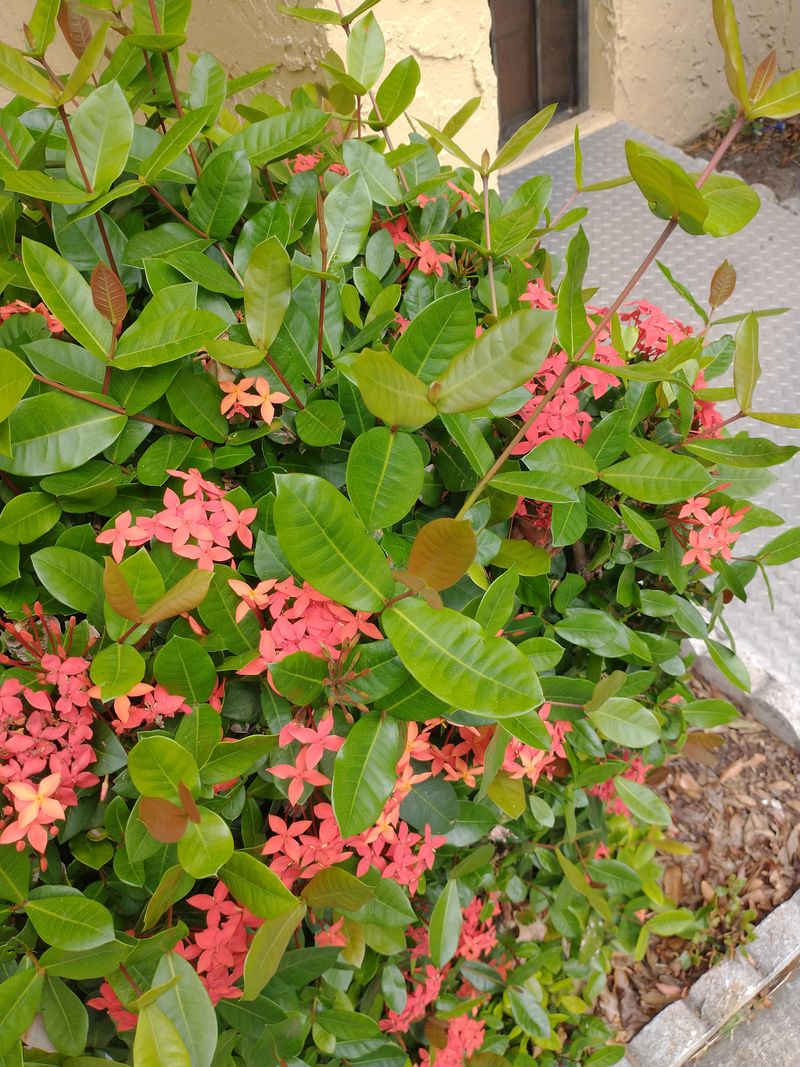
Shallow sprinkles on the leaves do almost nothing useful for a heat-stressed ixora.
Worse, wet foliage sitting in humid Florida air can invite fungal problems that compound your shrub’s existing stress.
The roots are where water actually does its job, and getting water down deep is what matters most right now.
UF IFAS Extension recommends slow, deep watering that allows moisture to penetrate the root zone rather than run off the surface.
A soaker hose or a garden hose set to a slow trickle placed at the base of the shrub for twenty to thirty minutes works far better than a quick spray.
The goal is to moisten the soil six to eight inches deep where the active roots are doing their work.
Florida soil can be tricky.
Sandy soil drains fast and dries out quickly between rains. Clay-heavy soil holds water longer but can become waterlogged and stress roots just as much as drought can.
Stick your finger two inches into the soil before watering. If it feels moist, skip the session. If it feels dry and crumbly, water slowly and thoroughly.
During the rainy season, watch for dry pockets under roof overhangs or near walls where rain rarely reaches. Those spots can stay bone dry even after a heavy afternoon storm.
Consistent root-zone moisture without overwatering gives stressed ixora the best foundation for pushing new growth and, eventually, those bright flower clusters you have been waiting for.
4. Refresh Mulch Before Heat Peaks
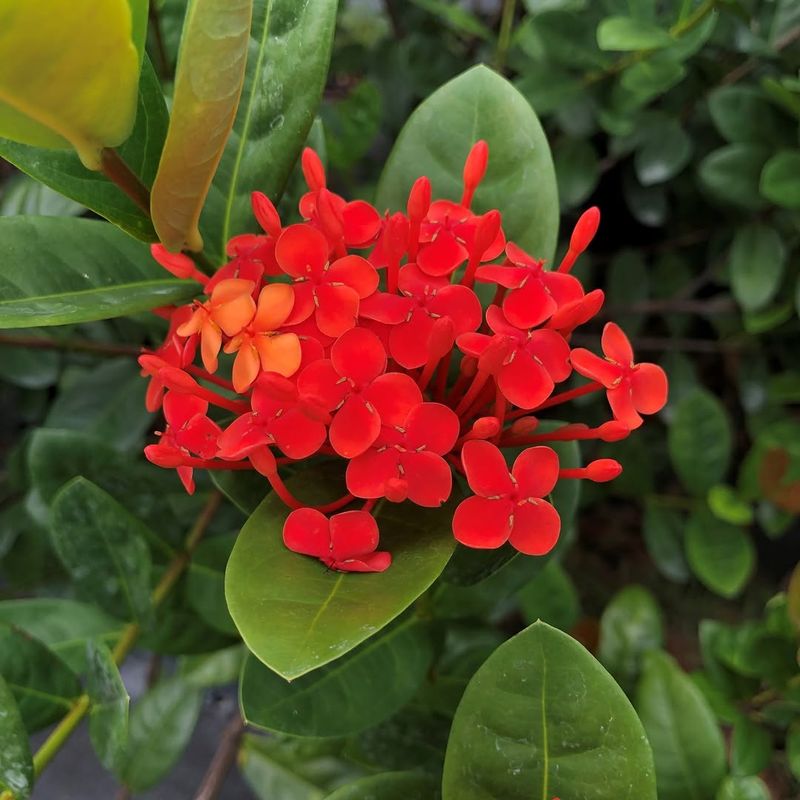
A hot, bare root zone is one of the fastest ways to push an already-stressed ixora shrub over the edge.
Soil surface temperatures in Florida can exceed 130 degrees Fahrenheit on a sunny summer afternoon, and roots sitting in that kind of heat struggle to absorb water and nutrients effectively.
Fresh mulch changes that equation quickly.
UF IFAS Extension recommends a two-to-three-inch layer of organic mulch around landscape shrubs to moderate soil temperature, retain moisture, and improve soil health as the mulch breaks down over time.
Pine bark, eucalyptus mulch, and melaleuca mulch are all good options commonly available in Florida garden centers.
Pull back any old compacted mulch first and check the soil underneath.
Old mulch can mat together and actually repel water rather than hold it, which defeats the whole purpose. Fluff it up or replace it entirely if it looks dense and crusty.
When you spread the fresh layer, keep it at least two to three inches away from the main stem of the shrub.
Mulch piled against the stem traps moisture against the bark and creates conditions where rot and pests can move in. Think of it as a donut shape around the base rather than a volcano mound.
Fresh mulch also suppresses weeds that compete with your ixora for water and nutrients. It is one of the simplest, most effective things you can do for any Florida shrub during the summer heat.
5. Feed After Stress Eases
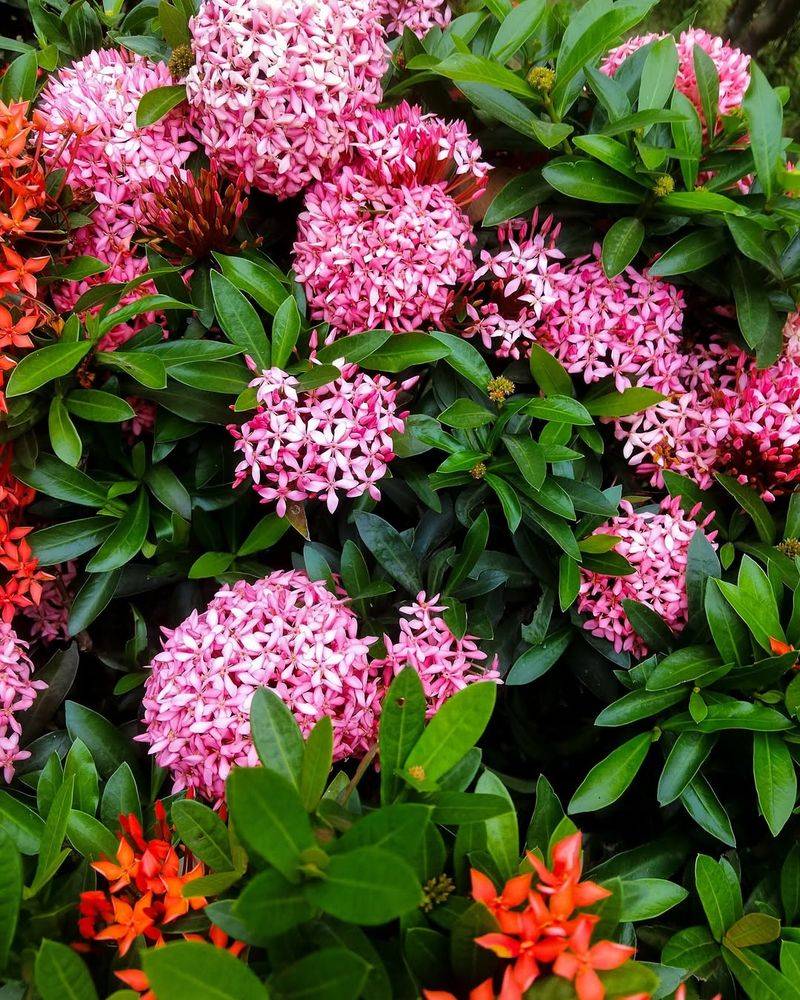
Reaching for fertilizer the moment your ixora looks rough feels like the logical fix.
More food equals faster recovery, right? Not exactly.
Fertilizing a shrub that is actively heat-stressed, drought-stressed, or both can push salt into the root zone at the worst possible time and make things worse rather than better.
UF IFAS Extension advises waiting until you see clear signs of new growth before applying any fertilizer to a stressed shrub.
New leaves pushing out, fresh stems extending, or visible bud clusters forming are all signals that the plant has stabilized enough to actually use nutrients productively.
Before that point, fertilizer mostly just sits in the soil and adds unnecessary stress to already-struggling roots.
When the shrub does show recovery signs, choose a slow-release granular fertilizer formulated for acid-loving plants.
Ixora thrives in slightly acidic soil with a pH between 5.0 and 6.5, according to UF IFAS Extension.
Look for a product that includes micronutrients like iron and manganese, since Florida’s alkaline soils often lock those out and cause the yellowing that ixora gardeners know all too well.
Apply fertilizer according to label directions and water it in well immediately after application.
Consistent, properly timed feeding supports steady growth far better than heavy doses applied at the wrong moment.
A shrub that has eased out of stress responds to feeding enthusiastically and often rewards you with a visible flush of new growth within a few weeks.
6. Move Potted Ixora From Harsh Walls
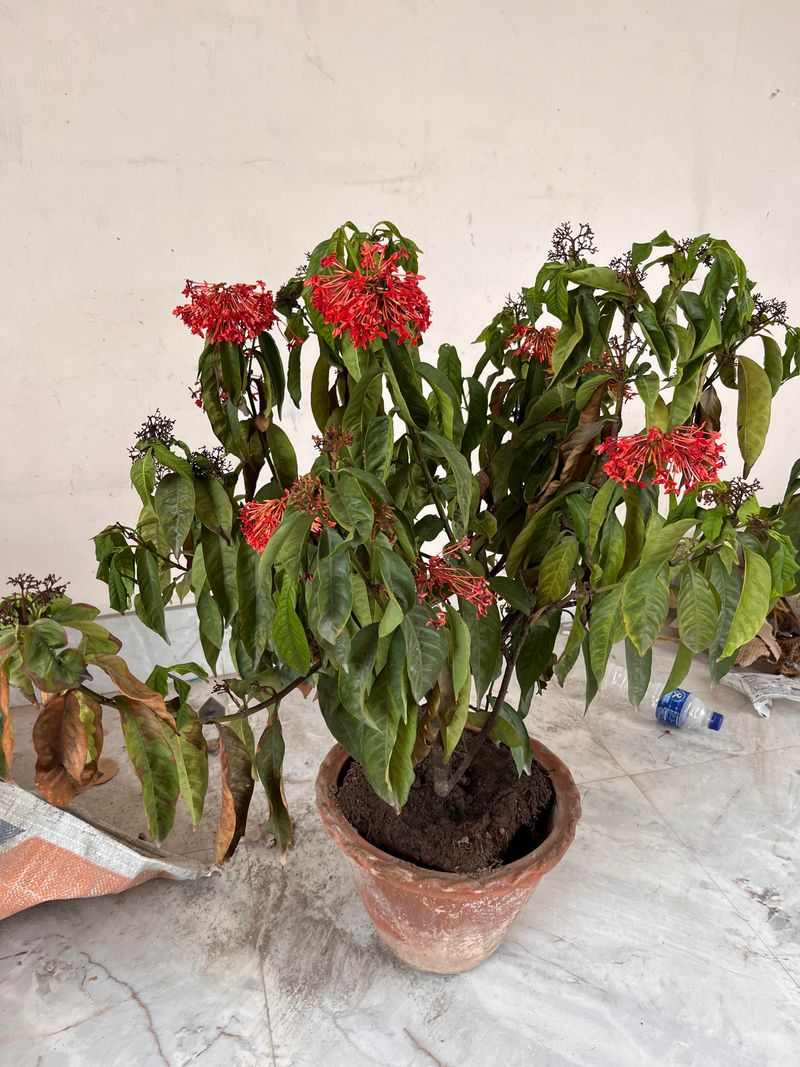
Concrete block walls in Florida are basically solar ovens by mid-afternoon.
A potted ixora sitting against a white or light-colored wall in full sun can experience temperatures far above what even the toughest tropical shrub tolerates comfortably.
Reflected heat from patios, driveways, and stucco walls adds to the direct sun load in ways that leaf-scorching makes very obvious, very fast.
If your ixora is in a container near a south-facing or west-facing wall, that location may be the primary reason it looks fried right now.
Moving it is one of the fastest improvements you can make with zero cost and minimal effort.
A spot with morning sun and afternoon shade gives ixora the light it needs to bloom while protecting it from the most intense heat of the day.
UF IFAS Extension notes that ixora performs best with at least six hours of sunlight but benefits from protection against harsh afternoon sun in South and Central Florida.
Container plants dry out much faster than in-ground shrubs because pot walls heat up and accelerate evaporation. Check the soil in potted ixora daily during summer.
Switching to a lighter-colored container can also help lower root-zone temperatures noticeably.
Once you relocate the pot to a gentler spot, give the shrub a few weeks to adjust before expecting visible improvement.
Recovery from wall-reflected heat stress takes time, but the change in environment alone can be genuinely transformative for a struggling container ixora.
7. Watch Yellow Leaves Closely
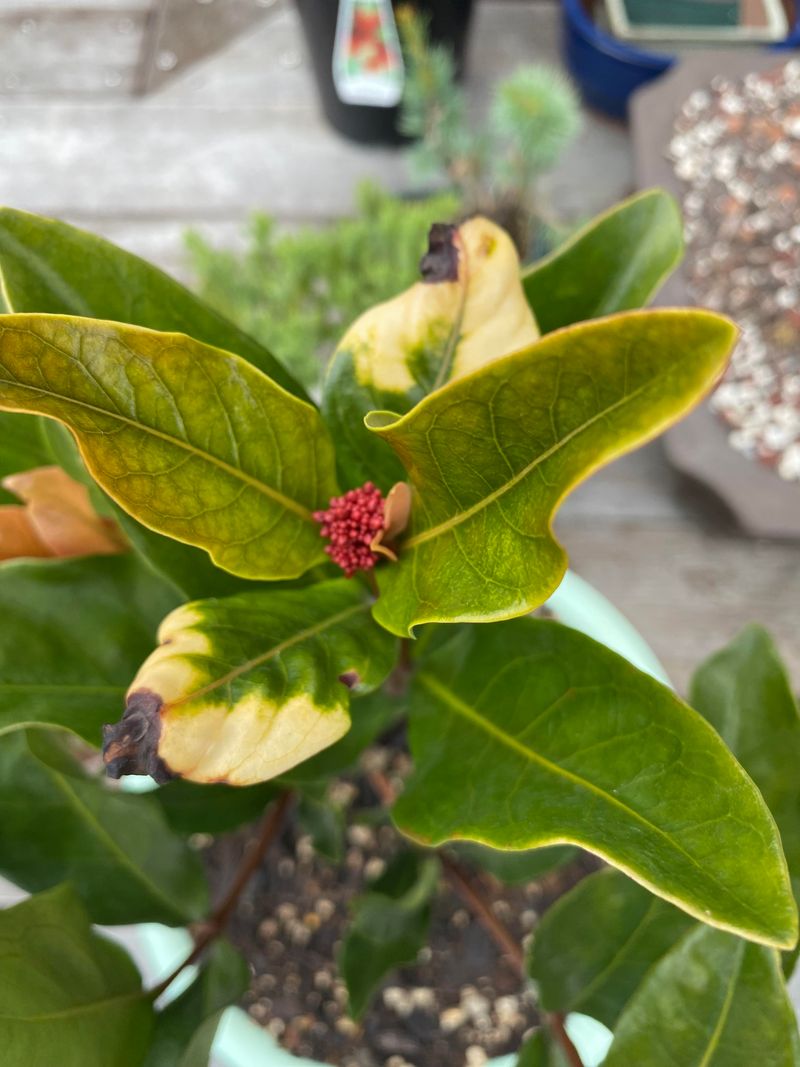
Yellow leaves on ixora are the plant’s version of a text message saying something is off.
The tricky part is that several different problems can cause yellowing, and treating the wrong one wastes time and money while the real issue keeps going.
Learning to read the pattern of yellowing gets you to the right answer faster.
Interveinal chlorosis, where leaf veins stay green but the tissue between them turns yellow, is the classic sign of an iron or manganese deficiency.
Florida’s naturally alkaline soils lock out these micronutrients even when they are present in the soil, because high pH prevents roots from absorbing them.
Lowering soil pH with sulfur applications and using a micronutrient supplement containing chelated iron is the UF IFAS-recommended approach for this common ixora problem.
Yellowing of older, lower leaves that then fall off can point to overwatering or poor drainage keeping roots too wet.
Pull back mulch and check whether the soil stays soggy for more than a day after rain. Root stress from wet feet is just as damaging as drought stress.
A simple soil test through your local UF IFAS Extension office gives you actual numbers rather than guesswork.
Extension offices in most Florida counties offer affordable soil testing that takes the mystery out of shrub nutrition problems.
Yellowing that comes with sticky residue or tiny insects points toward pests, which need a completely different response than nutrient work.
8. Give September Buds A Chance
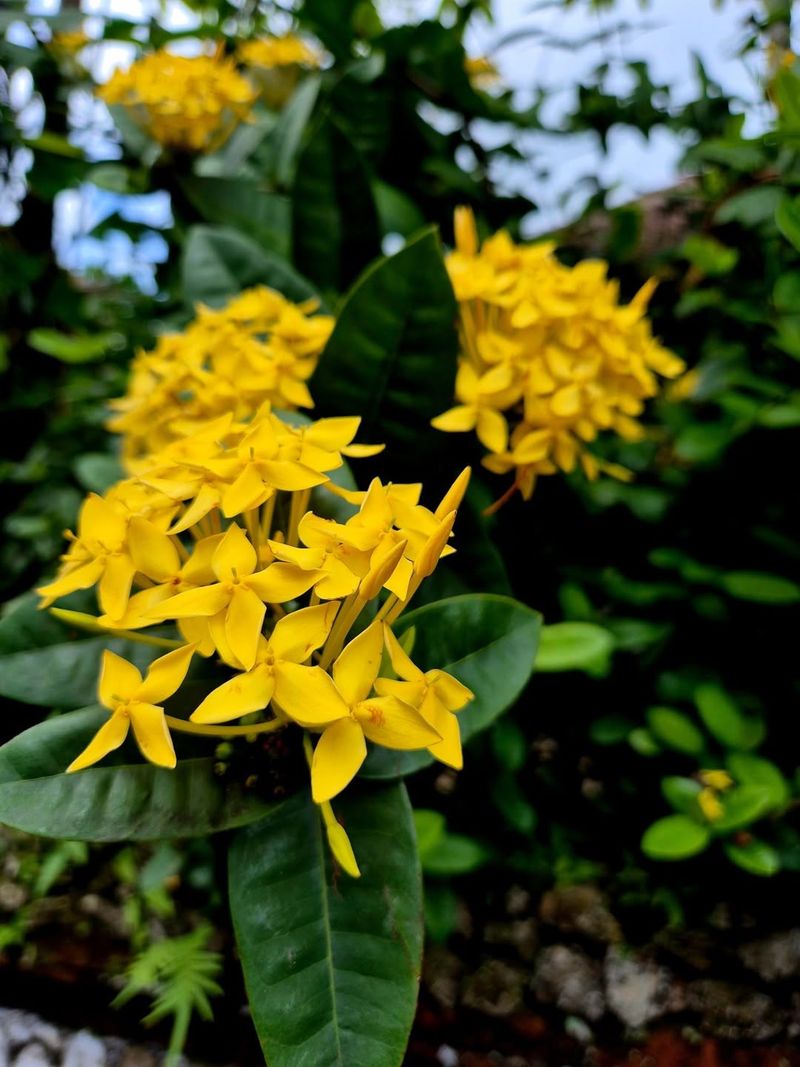
After weeks of scratching stems, adjusting watering, refreshing mulch, and watching for new growth, the waiting part begins.
Ixora does not snap back overnight, and expecting blooms the week after you start recovery care sets you up for frustration.
Steady, consistent effort over several weeks is what actually moves the needle toward September blooms.
UF IFAS Extension notes that ixora blooms on new growth, meaning the shrub needs time to push fresh stems, develop leaves, and then form flower buds at the tips of those new shoots.
That process takes weeks, not days.
If you started your recovery steps in early to mid-summer, September is a realistic and encouraging target for new bloom clusters to appear, though results vary based on shrub age, root health, and local conditions.
Keep up with light, selective pruning as new growth appears.
Removing old, spent stems encourages the shrub to redirect energy toward productive new shoots. Avoid any heavy cutting once you start seeing bud formation, because that removes exactly what you have been working toward.
Consistent watering, a stable mulch layer, and properly timed fertilizer all continue to matter right through late summer.
Do not ease up on care just because the shrub looks better. That improvement is the result of what you have been doing, and stopping early can stall the bloom push before it fully develops.
Florida ixora is tougher than it looks during a rough summer.
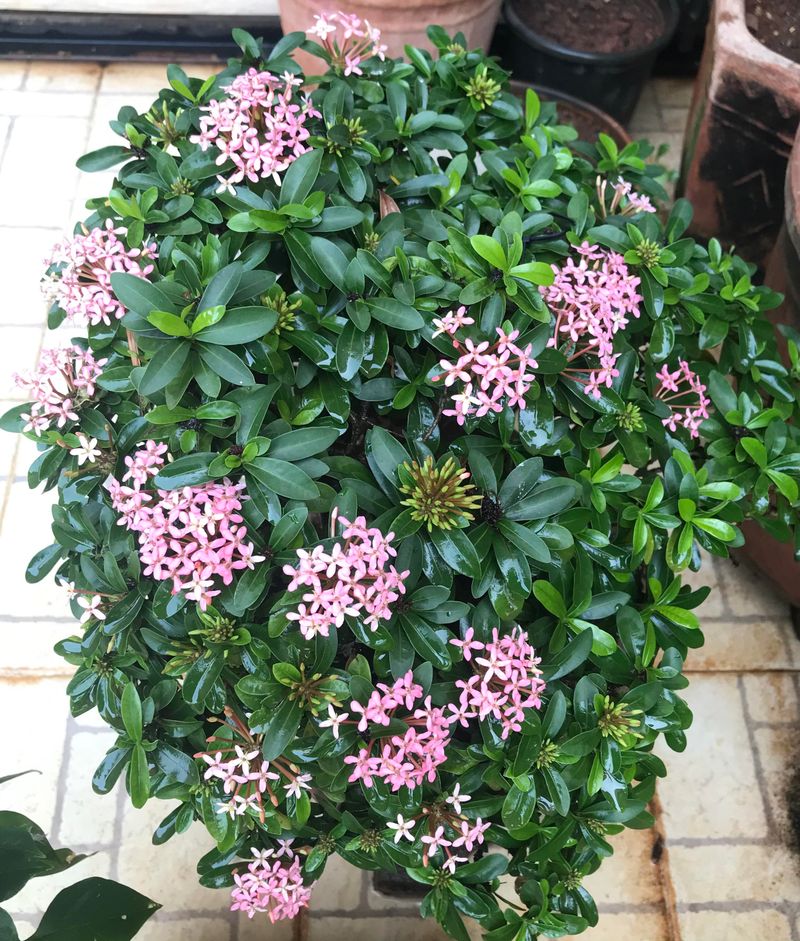
Give it steady support, a little patience, and a few more weeks of good care, and those signature red, orange, or yellow flower clusters may surprise you with a comeback worth celebrating.