Most Ohio Gardeners Wrap Fig Trees The Wrong Way
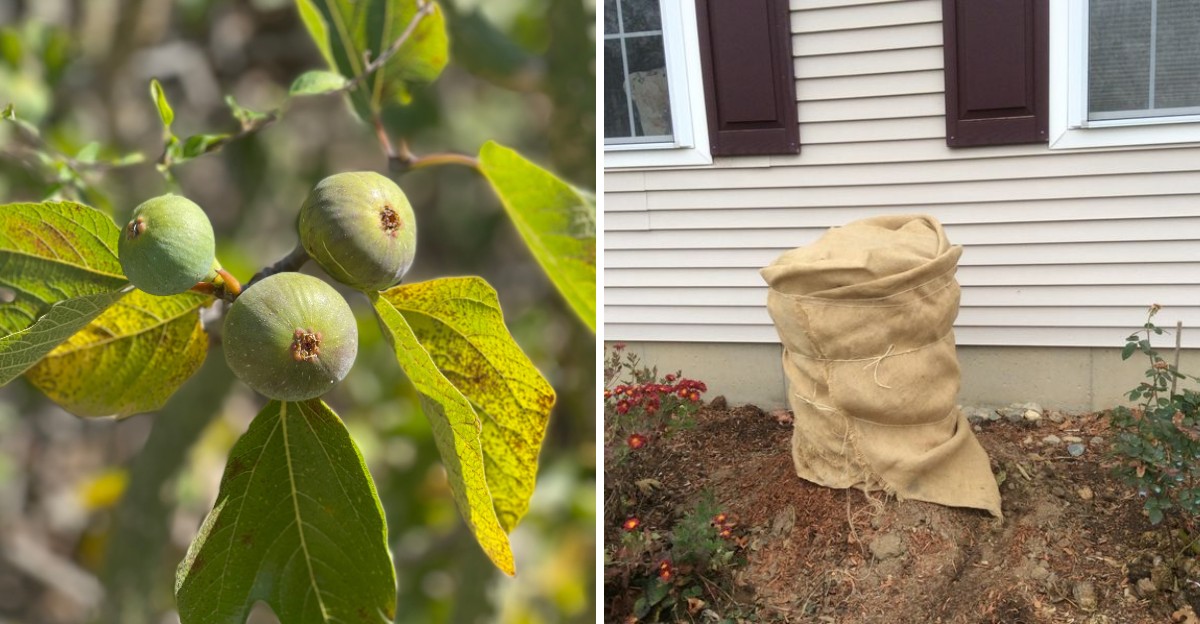
Everyone tells you figs and Ohio don’t mix, and winter takes the blame every time.
Fair enough. Those cold snaps are no joke, and plenty of gardeners throw in the towel after one rough season.
But the cold isn’t always the real villain. Some of the damage comes from the very thing you did to protect the tree.
You bundled it up with good intentions, tucked it in tight, and walked away proud. Spring tells a different story.
The tree that should have bounced back shows up sulking, and you’re left with a puzzle.
How you wrap matters more than how much you wrap. A few small details separate a fig that wakes up strong from one that never gets the chance.
Pull out your old method and give it a hard look before this winter. Your fig deserves better than a guess.
1. Plastic Wrap Is The Big Mistake
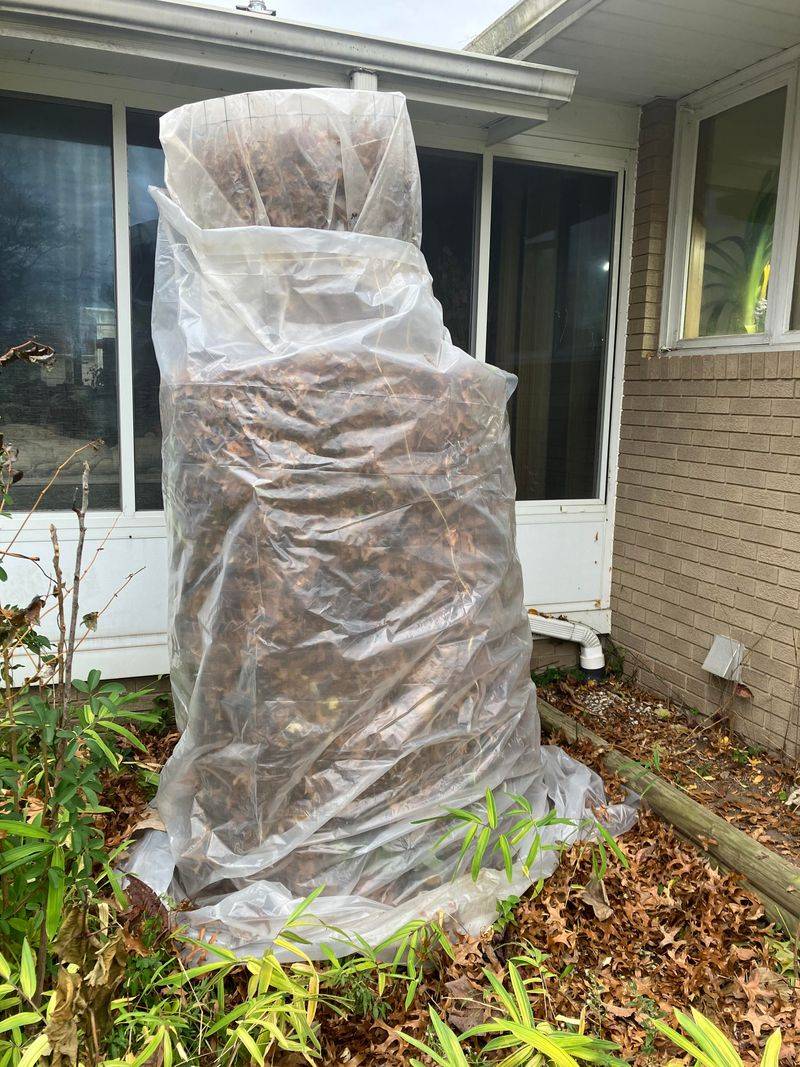
Walk down almost any Ohio street in December and you might spot a lumpy shape wrapped in shiny plastic. It looks cozy and tidy from the sidewalk.
Underneath, though, the fig tree inside may be having a rough winter.
Plastic feels like the perfect shield because it blocks wind and rain. Sadly, it also blocks air.
Without airflow, the branches cannot breathe the way they need to, even while resting for the season.
Plastic also does a poor job of keeping cold away. Thin film can pass chilly temperatures right through to the bark.
Some gardeners notice a problem called winter burn, where the wood dries out and turns brown in patches.
So why do so many people still reach for it? Plastic is cheap, easy to find, and simple to wrap around a tree.
Those reasons make sense, but they do not help the plant much.
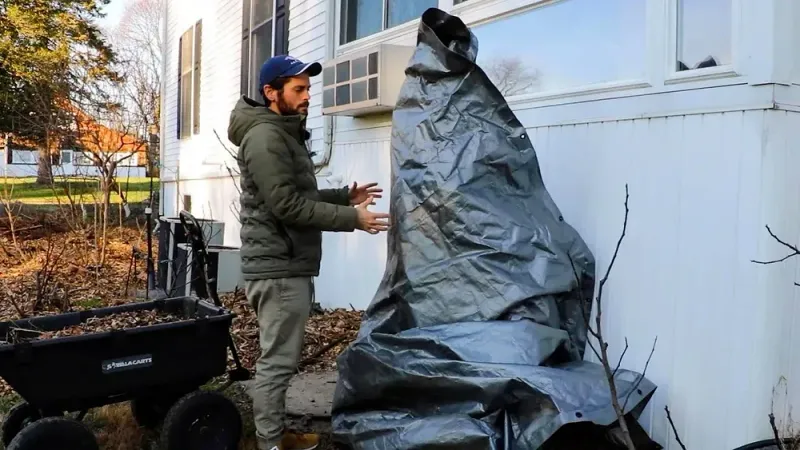
Here is a helpful rule of thumb to remember. If you want to use a plastic tarp, keep it as the very last outer layer.
Place it over breathable insulation so it never touches the branches directly.
Think of it like a winter jacket over a sweater. The sweater keeps you warm, and the jacket just keeps off the weather.
Your fig deserves the same layered approach this season.
2. Plastic Traps Moisture Against The Branches
Ever left a sandwich in a plastic bag in a warm car? By lunchtime, the bread is soggy and the bag is foggy.
The same thing happens to fig branches sealed inside plastic all winter long.
On sunny winter days, the air inside the wrap warms up. Moisture rises from the soil and the wood, then has nowhere to go.
It collects on the inside of the plastic and drips right back onto the bark.
That damp, stuffy pocket is a dream home for fungus. Mold, rot, and even powdery mildew can settle in quickly.
By spring, gardeners may unwrap their tree and find fuzzy spots or soft, mushy branches.
Leftover leaves and figs make the problem worse. As they break down, they add even more moisture.
Your Ohio Garden Changes Every Week. Your Plan Should Too.
Gardening in Ohio changes quickly throughout the season. Every Friday you’ll receive a simple weekly plan showing exactly what to plant, prune, fertilize, harvest, and protect so you never miss the right timing.
Condensation builds faster, and mold has extra food to grow on.
Breathable materials solve this issue in a simple way. Burlap, paper, and straw let a little air move through.
Extra moisture can slip out instead of sitting against the wood for months.
A quick test can help you check your setup. Peek under the cover on a mild winter afternoon.
If you see heavy fog or water drops, your wrap needs more airflow before spring arrives.
3. Gather Burlap, Brown Paper And Tar Paper Now
Shopping for fig supplies in late November can feel like hunting for snow shovels after a blizzard. Shelves get picked clean fast.
Smart Ohio gardeners grab their materials early, while stores still have plenty in stock.
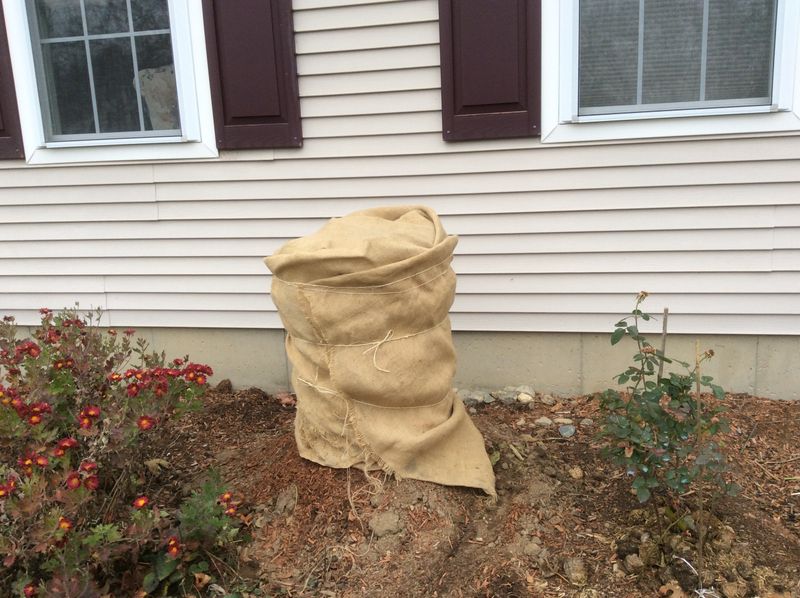
Burlap is the star of the show. It is a rough, breathable fabric that blocks wind and holds in some warmth.
Many garden centers sell it in long rolls, and it can be reused for several winters.
Brown paper or cardboard comes next. Wrapping it around the tree creates a pocket of trapped air.
That still air works as insulation, much like the space inside a double-pane window.
Tar paper, also called roofing felt, makes the outer shell. It sheds water well but still lets a bit of air move.
You can usually find it at hardware stores in the roofing aisle.
Fun fact for history buffs: Italian immigrants helped make fig wrapping popular in chilly American cities. Many families brought cuttings from home and refused to let cold winters stop their harvest.
Their old methods still guide gardeners today.
Toss some sturdy twine and a pair of scissors into your cart too. Having everything ready means you can wrap quickly once the right weather arrives.
4. Stock Up On Straw, Not Hay
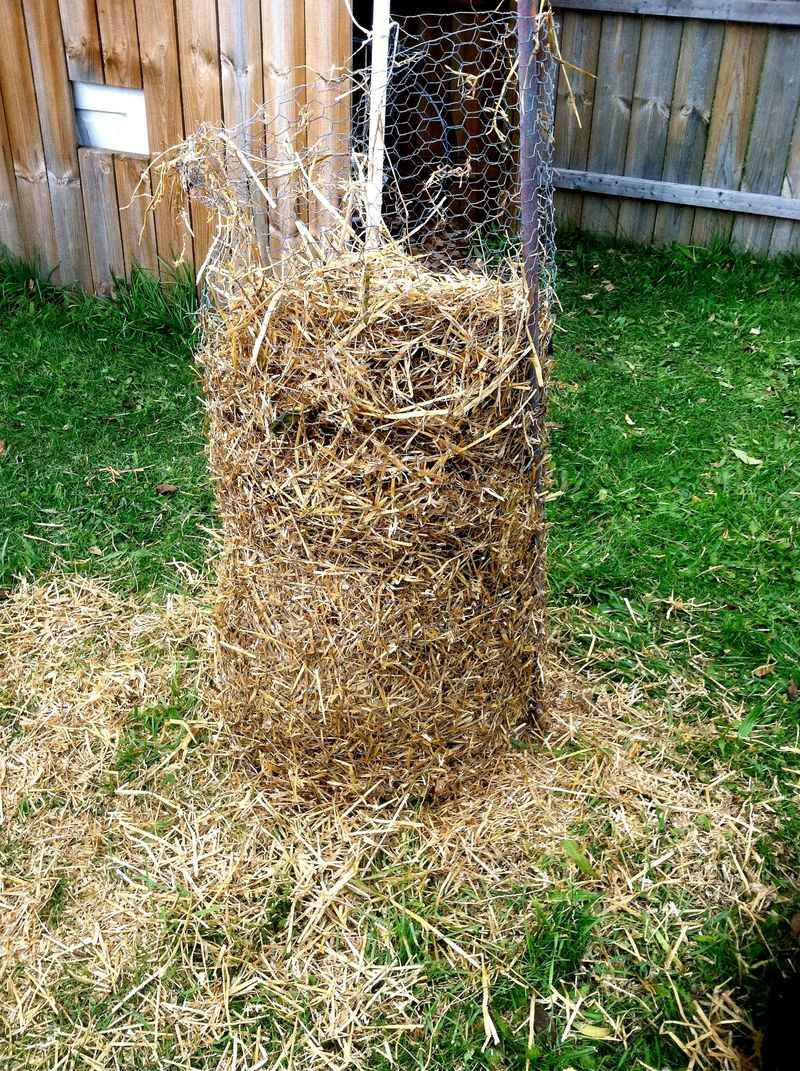
Straw and hay look like twins at the farm store, but they behave very differently. Mixing them up is one of the sneakiest mistakes in fig care.
One helps your tree, while the other can invite trouble.
Straw is the leftover stalks from grain crops like wheat. It is hollow, dry, and mostly free of seeds.
Those hollow stems create tiny air pockets that hold warmth without soaking up too much water.
Hay, by contrast, is dried grass meant for feeding animals. It often carries seeds, bacteria, and fungus.
It also stays damp longer, which is the exact opposite of what a wrapped fig needs.
Hay brings another problem with it: hungry visitors. Mice and voles love the seeds and soft bedding.
Once they move in, they may chew on the tender bark all winter long.
When buying straw, look for bales that are golden and dry. Skip any that smell musty or feel heavy and wet.
A couple of bales usually covers a medium fig with room to spare.
Pack the straw loosely around the branches inside your burlap or paper layer. Do not cram it in too tight.
Fluffy straw traps more air and keeps your fig snug until spring.
5. Wait Until A Hard Frost Strips The Leaves
Patience is a gardener’s secret weapon, and fall proves it. Wrapping your fig too early is like putting a toddler to bed at noon.
The tree simply is not ready to sleep yet.
Figs need time to slip into dormancy. That is their winter rest, when growth slows down and the sap settles.
A hard frost or two sends a clear signal that the season has changed.
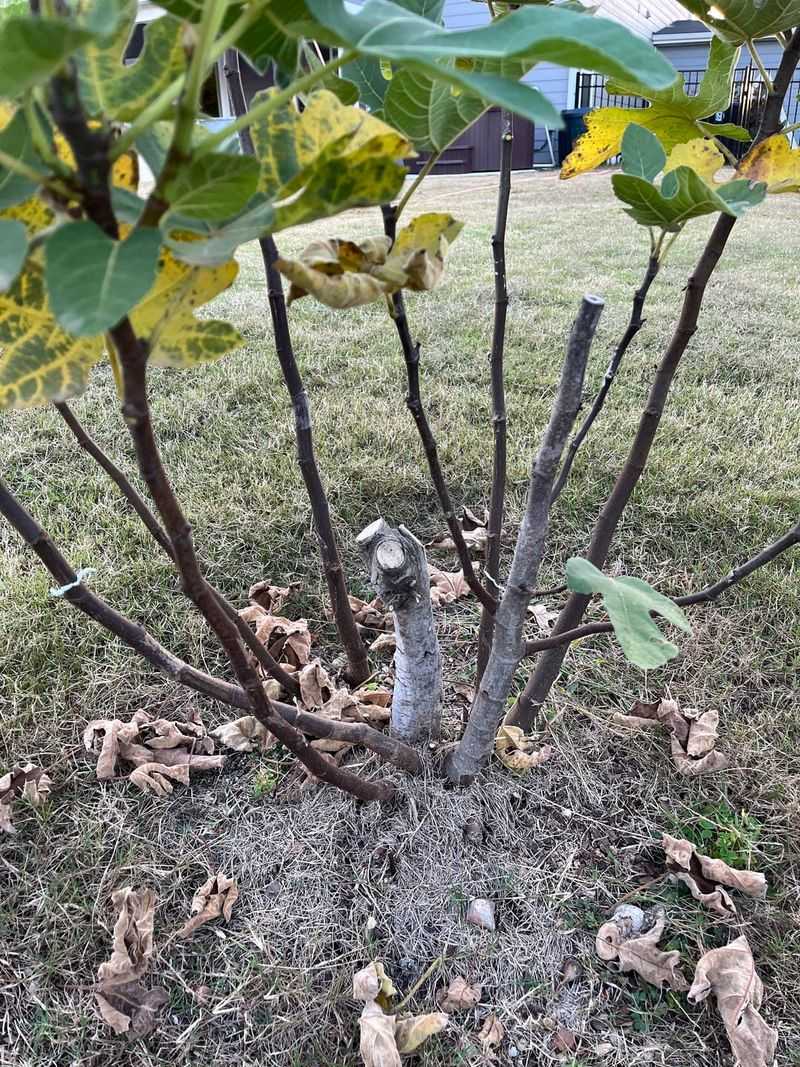
Watch for nights between about 25 and 31 degrees Fahrenheit. After a couple of those, fig leaves droop, turn dark, and start falling off.
That limp, wilted look means your tree is ready.
In much of Ohio, this happens in late November or early December. Many gardeners treat Thanksgiving weekend as wrapping weekend.
It is a handy reminder, and family members can lend a hand after the big meal.
Wrapping too soon can cause real problems. A warm spell under the cover can wake the tree up or invite mold.
Waiting for real cold helps the branches harden and toughen up first.
Keep an eye on your local forecast as fall winds down. A simple outdoor thermometer near the garden helps too.
When the leaves drop, grab your supplies and get to work.
6. Remove Leftover Leaves And Unripe Figs
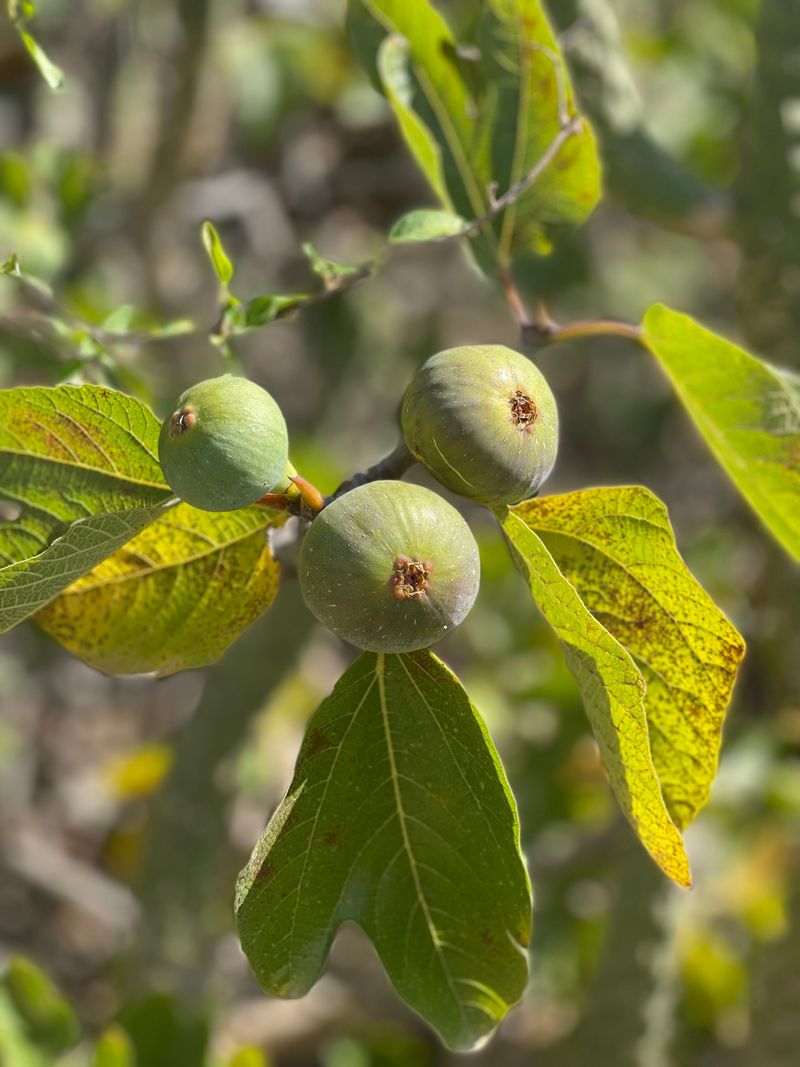
Those little green figs clinging to the branches look so hopeful. It is tempting to leave them, hoping they will ripen next summer.
Unfortunately, they will not finish growing after winter.
Unripe figs stay hard and green once cold weather hits. Come spring, they simply shrivel or rot.
Your tree will grow a fresh crop on new growth instead, so those leftovers serve no purpose.
Worse, they can become a mess under the wrap. As old figs and leaves break down, they hold water and feed mold.
Remember how condensation builds inside covers? Rotting fruit adds fuel to that soggy fire.
Pests also love leftover fruit. Sweet, mushy figs attract insects and critters looking for an easy snack.
Clearing them away makes your tree far less inviting.
The job goes quickly with a pair of gloves and a bucket. Gently pull or snip each fig and any stubborn leaves.
Rake up fallen ones from the ground around the trunk too.
Toss the cleanup in your yard waste bin rather than the compost if you notice any spots of mold. That keeps possible fungus far from your garden.
A clean tree heads into winter with a much better shot at thriving.
7. Tie The Branches Into A Tight Bundle
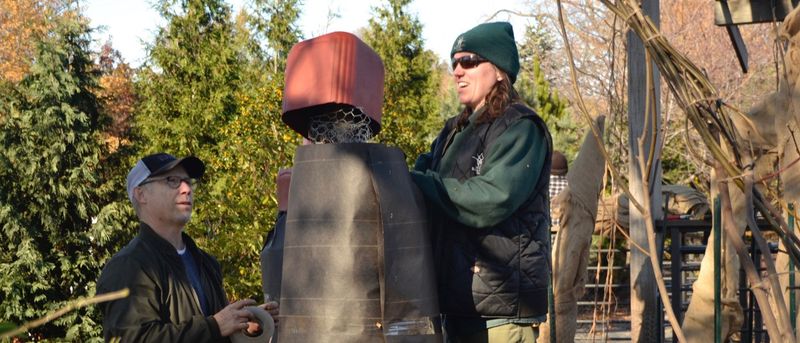
Imagine trying to gift-wrap an umbrella while it is open. That is what wrapping a sprawling fig feels like.
Pulling the branches together first makes the whole project much easier.
Good news: fig branches are surprisingly bendy. They can be drawn upward and inward without snapping, as long as you move slowly.
Start at the bottom and work your way up the tree.
Jute twine is a favorite choice because it is soft and grips well. Rope or bungee cords work too.
Loop the line around the branches and tighten a little at a time, like lacing up a boot.
A tight bundle saves both time and money. You will need less burlap, paper, and straw to cover a slim column than a wide bush.
It also leaves fewer gaps where wind can sneak in.
Here is a pro tip from longtime growers. Tie the bundle in several spots, maybe every foot or two.
That keeps branches from springing loose during a gusty storm.
If a branch fights back or creaks loudly, ease up. Forcing it could cause a crack.
Gentle pressure and a bit of patience will give you a neat, upright bundle ready for its winter layers.
8. Overlap Tar Paper Like Shingles To Shed Rain

Take a quick look at the roof on your house. Each shingle sits over the one below it, so rain slides right off.
Your fig’s outer layer should work exactly the same way.
Start wrapping tar paper at the bottom of the tree. Then add the next strip higher up so it laps over the first by a few inches.
Keep going until you reach the top.
Why start low? If you begin at the top, rain runs down and slips into the seams.
Water then soaks the straw and burlap inside, which leads straight back to mold and rot.
Secure each layer with twine wrapped snugly around the outside. Avoid stapling through to the branches.
A few ties at the top, middle, and bottom usually hold well against Ohio winds.
Now for a clever finishing touch. Set an upside-down plastic bucket over the very top of the bundle.
It acts like a little hat, keeping rain and snow out while letting some warm, moist air escape around the edges.
Some growers even poke a few small holes near the bucket rim for extra airflow. Step back and admire your work.
Your fig now looks like a quirky backyard sculpture, and it is ready for whatever winter brings.
9. Unwrap On A Cloudy Day After Frost Danger Passes
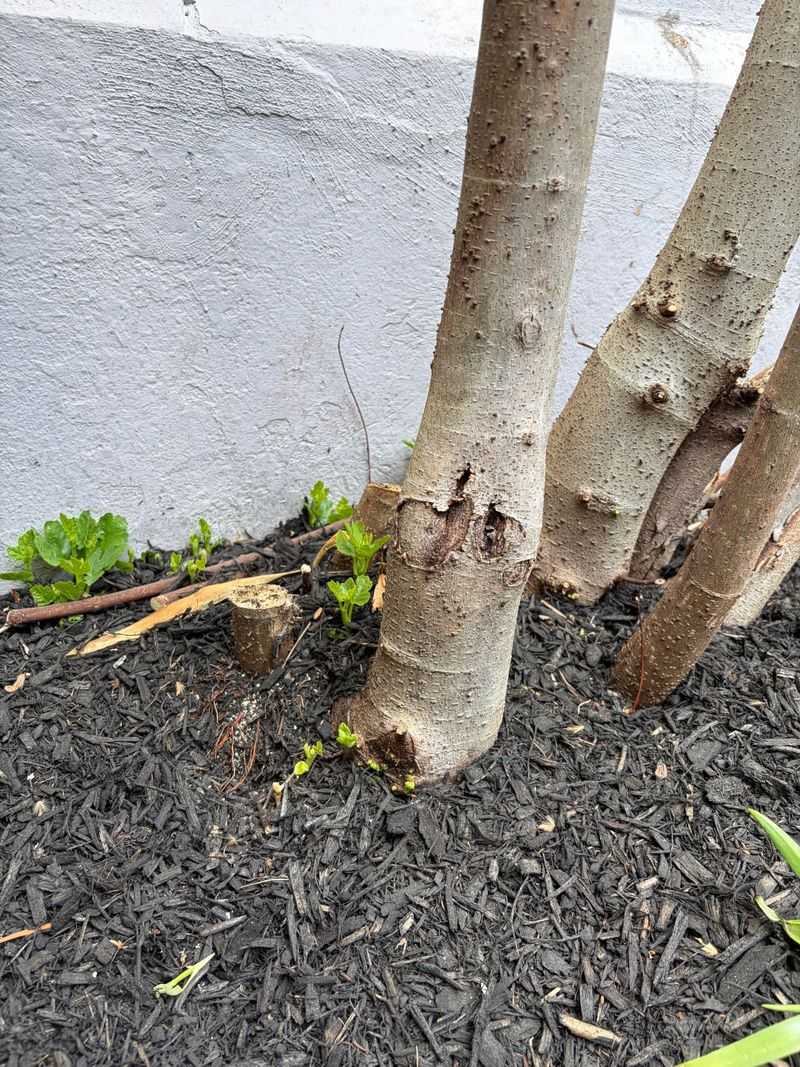
Spring fever hits hard after a long Ohio winter. The first warm afternoon makes everyone want to rip the covers off their plants.
Hold on just a little longer for your fig’s sake.
Wait until the danger of a long hard frost has passed. In Northeast Ohio, many growers unwrap around Easter or late March.
Southern parts of the state may be ready a bit earlier.
Timing works both ways, though. Leave the wrap on too long, and warm days heat up the inside.
That stuffy air can bring back the mold and rot you worked so hard to avoid.
Choose a cloudy, calm day for the big reveal. After months in the dark, the bark is tender and pale.
Soft, gray light lets the tree adjust slowly instead of getting a shock from bright sun.
Remove the layers in reverse order. Take off the bucket and tar paper, then the burlap, then the straw.
Finally, snip the twine and let the branches relax back into place.
Keep an old sheet handy just in case. If a surprise frost appears in the forecast, toss it over the tree overnight.
Before long, tiny green buds will pop out and reward your careful work.