This Is The Cool-Named Houseplant Florida Homes Can Grow In Low Light
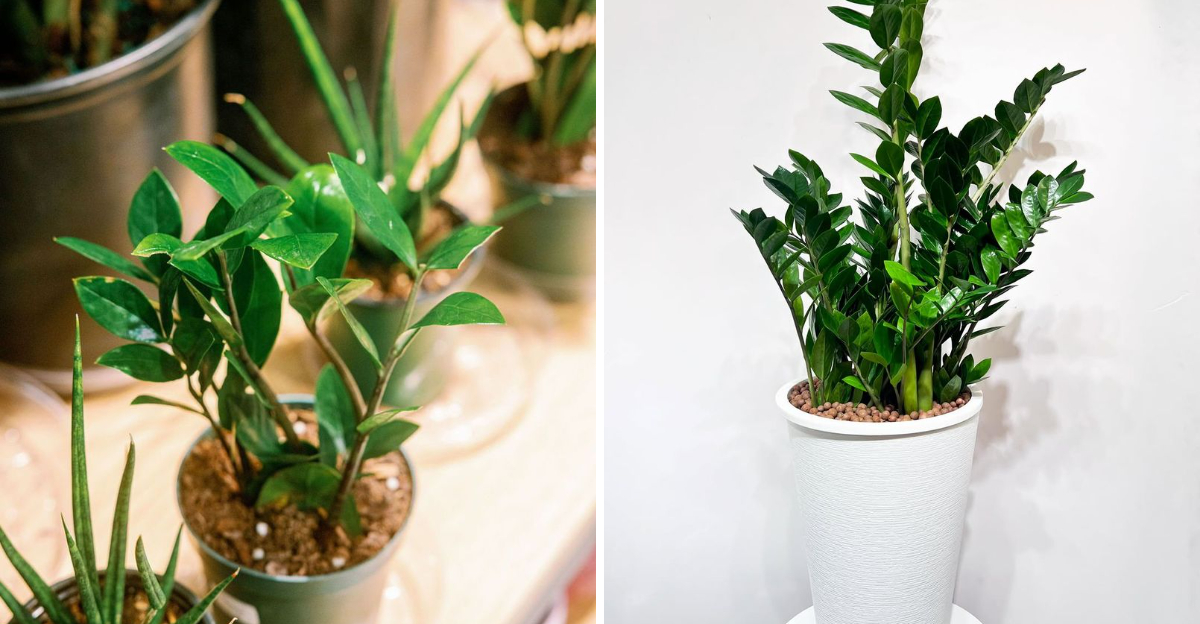
Many Florida plant owners have that one spot. A dim hallway, a shaded corner, or that bathroom that gets approximately four minutes of usable light per day.
Plant after plant goes in. Nothing comes out alive. Then there is the cool-named houseplant that seems almost built for those tricky corners.
Low light? Fine. Forgot to water it for two weeks? It is not here for drama. Indoor air conditioning running around the clock? Barely registers.
Florida homes are gorgeous, but they are not always generous with natural light in the right places. The spots that need greenery the most are usually the spots that get the least sun. Most plants treat those spots like a personal insult.
This plant treats them like a perfectly reasonable living situation, and it shows up looking glossy, upright, and polished while everything else in the room sulks. There is a reason this plant keeps appearing in Florida homes, offices, and lobbies everywhere you look.
1. Meet The Plant That Makes Dim Rooms Look Polished
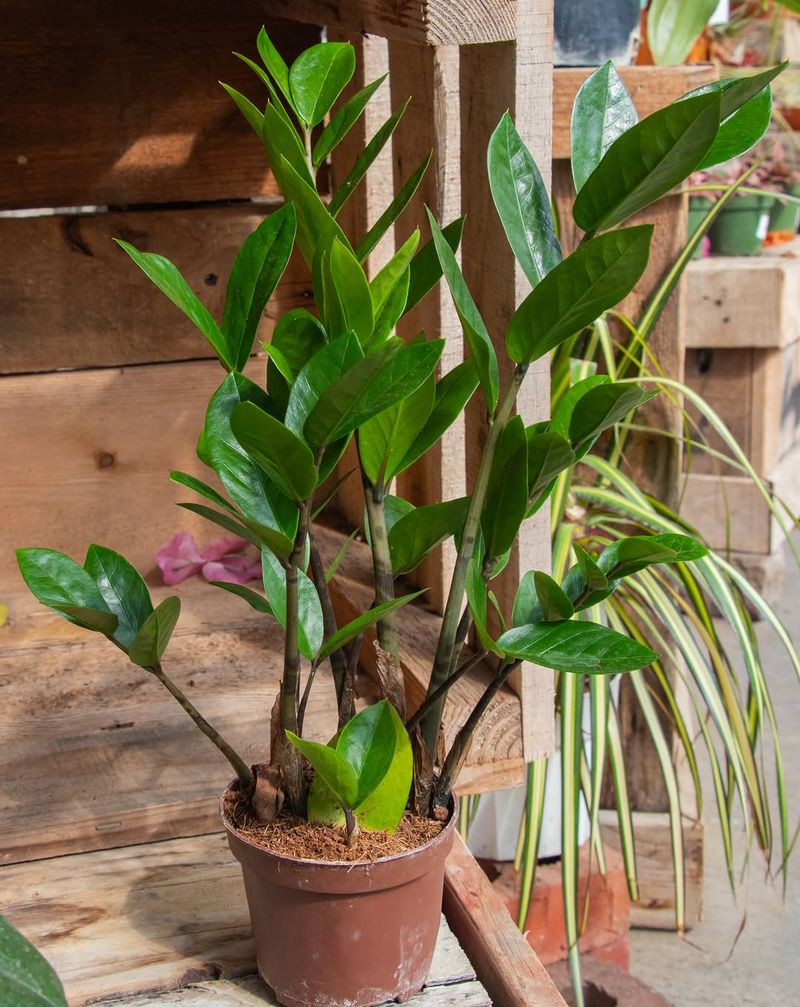
Some rooms are not exactly sun-soaked. You know the ones. That is where the ZZ plant can step in with serious low-light confidence.
This plant is often a good pick for spaces that receive limited natural light. It does not need a bright windowsill to keep its glossy look. It can sit in a dimmer area and still bring structure, color, and a little calm green energy.
That makes it especially useful in Florida homes and apartments. Some rooms may face shaded courtyards. Others may be blocked by neighboring buildings, porch overhangs, or thick landscaping. Bright sunlight is not always available in every corner.
The ZZ plant handles those spaces better than many common houseplants. Its thick underground rhizomes store water and help it ride out less-than-perfect conditions. That is part of its quiet superpower. Still, low light does not mean no light.
A totally dark room is not a fair setup for any plant. The ZZ plant still needs some ambient light to stay healthy. A room with a small window, nearby reflected light, or steady artificial light may work better.
Try this in your own space. Look around for the spot where other plants have struggled. If there is still some light there, a ZZ plant might be worth testing.
Think of it as the plant world’s dim-corner diplomat. It does not demand the spotlight. It just makes the shadows look more intentional.
That is a pretty neat ZZ-top performance.
2. The Low-Light Charmer That Still Appreciates A Brighter Seat
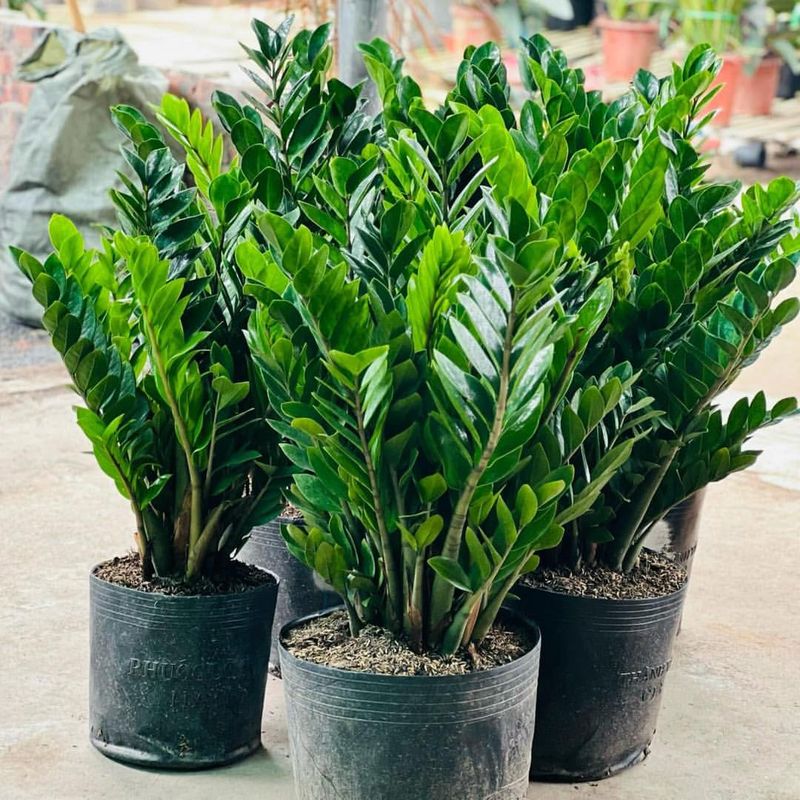
The ZZ plant can tolerate low light, but here is the little twist. Surviving and growing are not the same thing.
In a dim room, your ZZ plant may stay green and upright. It may look calm, polished, and perfectly fine. But if you want more new shoots, better growth, and a fuller plant, brighter indirect light can help.
Bright indirect light means the plant gets plenty of brightness without harsh sun hitting the leaves.
Your Florida Garden Changes Every Week. Your Plan Should Too.
Gardening in Florida changes quickly throughout the season. Every Friday you’ll receive a simple weekly plan showing exactly what to plant, prune, fertilize, harvest, and protect so you never miss the right timing.
Think near a window, but not pressed against blazing glass. A spot a few feet from an east-facing window can work well. A bright room with sheer curtains can also be a good fit.
Florida sunlight can be intense. That matters. A ZZ plant placed directly in strong afternoon sun may get scorched leaves.
Those glossy leaflets can develop brown patches or faded areas if the light is too harsh. The plant may be tough, but it is not trying to become a fried green accent piece.
If you have a sunny window, filter the light. Use sheer curtains, blinds, or distance. Let the plant enjoy the glow without taking the full blast.
Watch how your ZZ plant behaves. Is it barely growing for months? Are the stems leaning toward the brightest side of the room? That may be its polite way of asking for a brighter seat.
Move it gradually if you change its location. Plants can be surprisingly sensitive to sudden shifts. Give it time to adjust and watch for fresh green shoots near the soil. That new growth is the plant’s little thumbs-up.
So yes, the ZZ plant can handle shade. But give it better light, and it may reward you with a little more razzle-ZZ-dazzle.
3. The Built-In Water Backup That Makes ZZ Plant So Forgiving
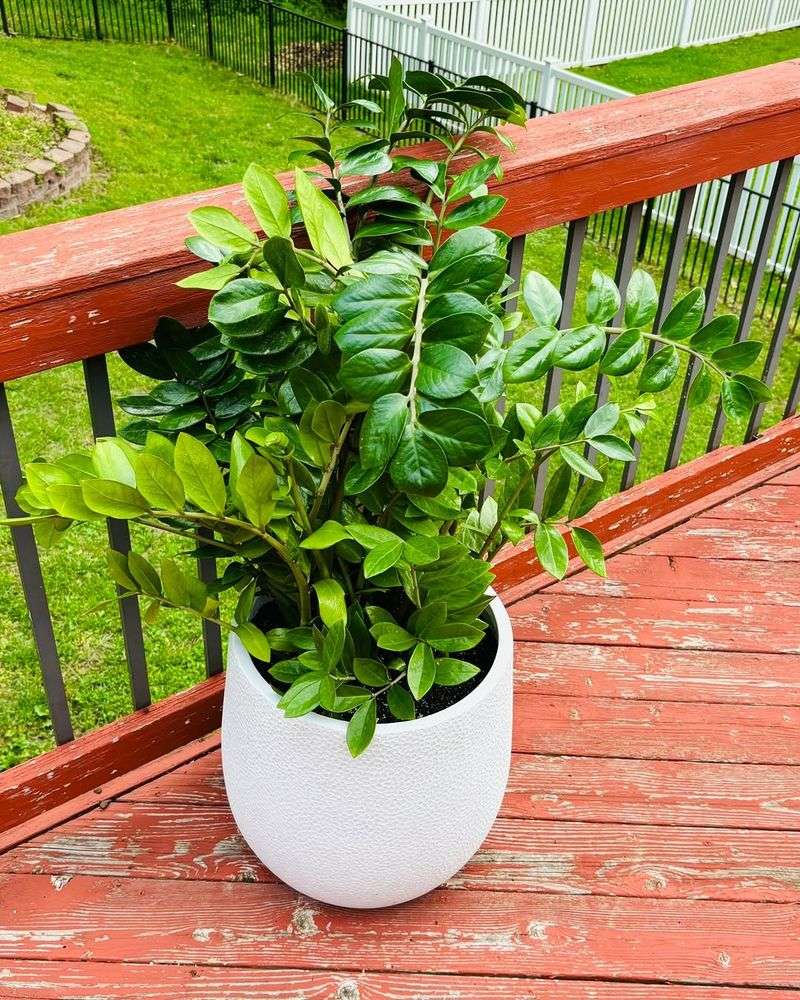
If you tend to forget watering day, the ZZ plant may not hold a grudge. That is part of its charm. This plant stores moisture in thick rhizomes beneath the soil. Those rhizomes act like little backup tanks.
They help the plant get through dry spells without collapsing into drama. But that does not mean it wants to stay wet.
In fact, one of the easiest ways to upset a ZZ plant is to water too often. Soggy potting mix can cause trouble around the roots and rhizomes. Once rot starts, the plant can be hard to rescue. So the best watering routine is simple. Water well, then wait.
Before you water, check the potting mix with your finger. Push down about one or two inches. If it still feels damp, hold off. If it feels dry at that depth, the plant may be ready for a drink.
When you do water, water thoroughly. Let moisture run through the mix and out the drainage hole. Then let the pot drain completely before returning it to its spot.
This rhythm matters more than a strict calendar. Florida homes can vary a lot indoors. Air conditioning may dry the air. A shaded room may keep soil moist longer. A brighter room may dry the mix faster.
So listen to the soil, not just the date. If leaves start yellowing and the mix stays wet, watering may be too frequent.
If stems wrinkle or the plant looks unusually limp, it may be too dry. Your finger is the best moisture meter you already own.
Think of ZZ watering as sip, settle, repeat. Not a daily splash party. Not a desert forever. Just enough care to keep the plant comfortable. That is how you keep this low-fuss beauty from turning into a wet mess express.
4. The Easygoing Plant That Wants A Drink, Not Wet Feet
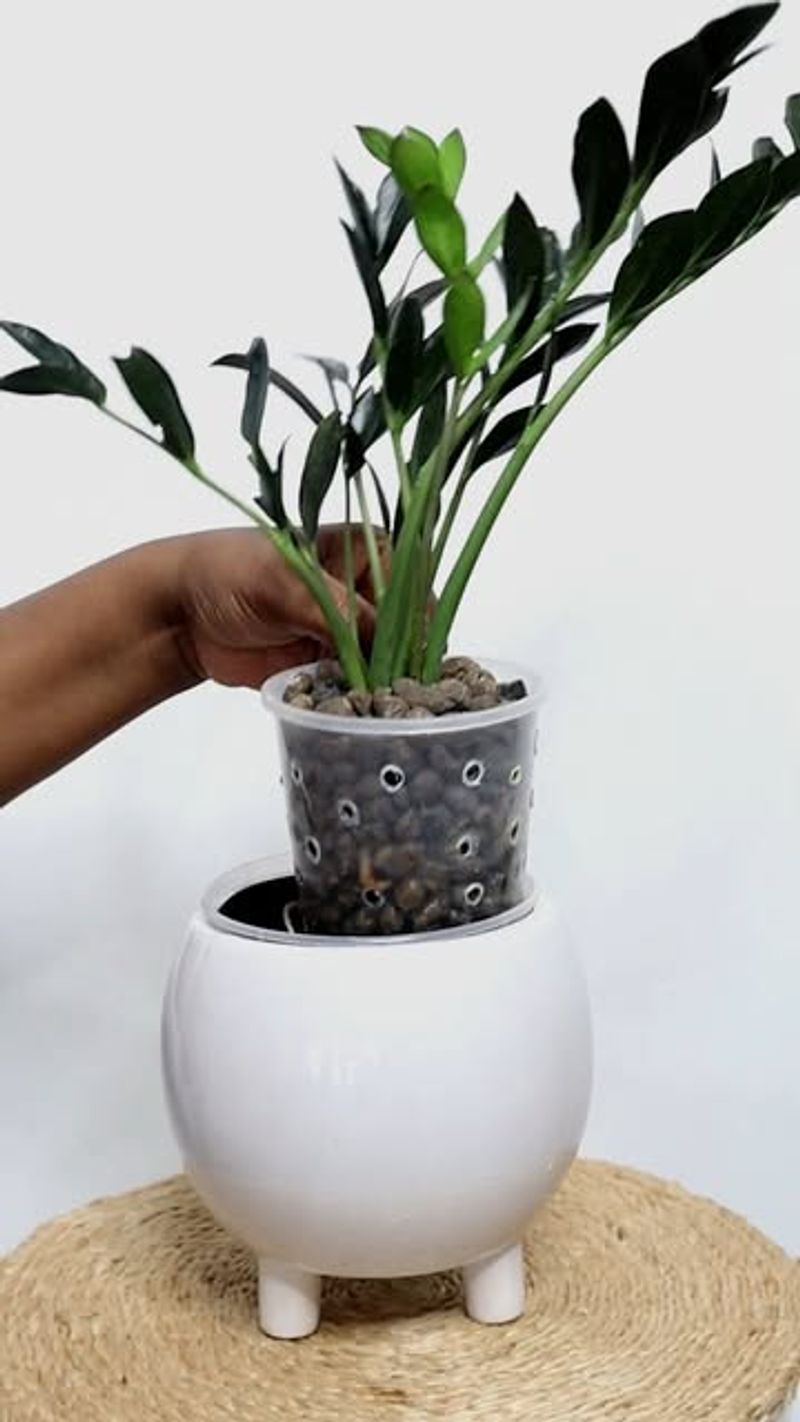
Drainage is not the glamorous part of plant care. Nobody usually brings home a plant and says, “Wow, look at that saucer management.” But for a ZZ plant, drainage can make a huge difference.
This plant has thick rhizomes that store water. That storage helps it tolerate dry periods. But it also means the roots do not love sitting in wet soil for too long. Standing water can turn a sturdy plant into a sad one. And the problem can sneak up quietly.
The leaves may look fine at first. Meanwhile, the roots below can be struggling. By the time the plant shows stress, the damage may already be underway.
So start with the pot. Use a container with at least one drainage hole. That hole lets extra water escape after you water. Without it, moisture can collect at the bottom and keep the roots too wet.
If you love a decorative pot with no hole, you can still use it. Just treat it as a cachepot. Keep the ZZ plant in a plain nursery pot with drainage. Then place that pot inside the prettier outer container.
When watering, remove the inner pot first if needed. Let it drain fully in a sink or tub. Then place it back once excess water has finished running out.
Also check saucers. Florida homes often use saucers to protect floors and furniture, which makes sense. But a saucer full of water can create a problem.
After watering, check back in about half an hour. If water collected underneath, dump it out. This small habit can save the plant from a lot of root trouble.
Think of it as giving your ZZ plant dry feet after a good drink. A little water is welcome. A swampy staycation is not. Good drainage may sound boring, but it is the root of the matter.
5. Its Got That Glossy Green Look That Brings Instant Polish Indoors
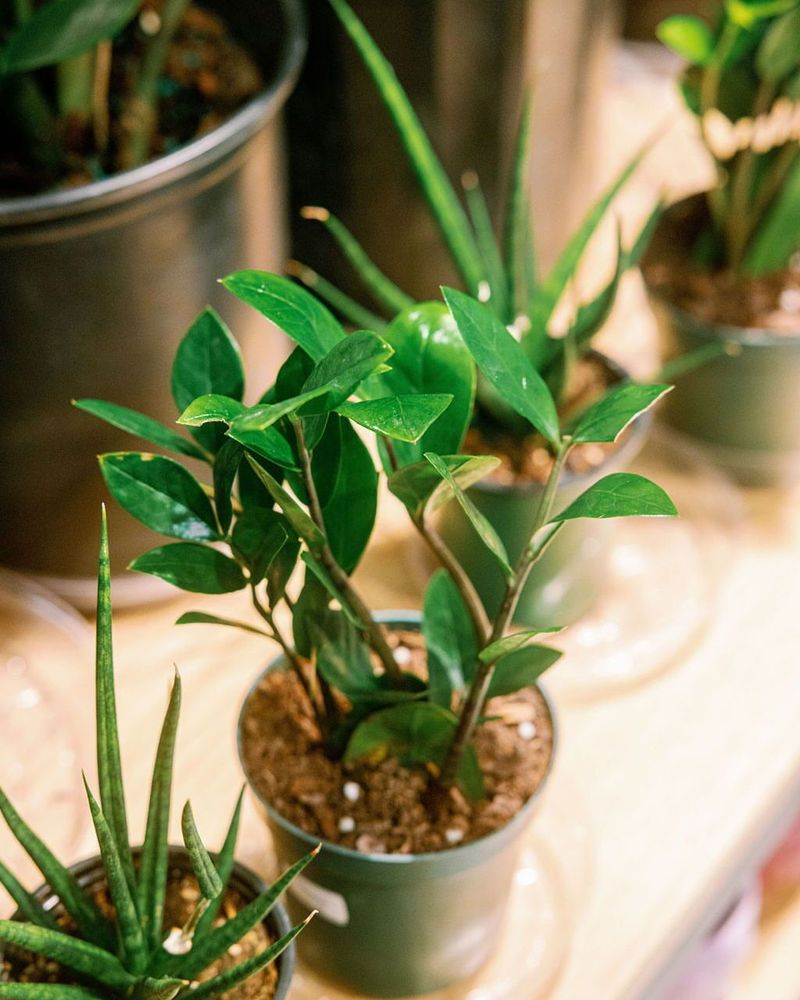
Some plants look tired the moment they leave the nursery. The ZZ plant is not usually one of them.
It has a sleek, polished look that works beautifully indoors. Its leaves are thick, deep green, and naturally glossy. They catch the available light and bounce it back with a soft shine.
That shine is part of why the plant looks so good in dimmer rooms. Even when light is limited, the leaves can still bring a clean, finished look to the space.
If your Florida home leans bright, airy, or coastal, the ZZ plant fits right in. It pairs well with pale walls, woven baskets, wood furniture, and simple ceramic pots. It also works in modern offices, small condos, and calm bedrooms.
The shape helps too. ZZ stems grow upright with paired leaves along each stalk. The plant looks structured without feeling stiff. It does not sprawl wildly across the floor or demand a whole corner to itself.
That makes it useful for tight spaces. You can place it beside a chair, on a plant stand, near a desk, or in an entryway. It adds height without becoming a leafy takeover.
Here is a small care move you can try. Wipe the leaves with a damp cloth every few weeks. Dust can dull the shine and block some light from reaching the leaf surface.
Skip heavy leaf-shine sprays. The ZZ plant already has a natural gloss. It does not need a fake sparkle treatment. A clean leaf is usually enough.
Think of this plant as low-light luxury without the high-maintenance attitude. It brings the shine, but not the schedule stress. That is ZZ elegance with easy-going energy.
6. The Calm Coworker For Offices, Hallways, And Forgotten Corners
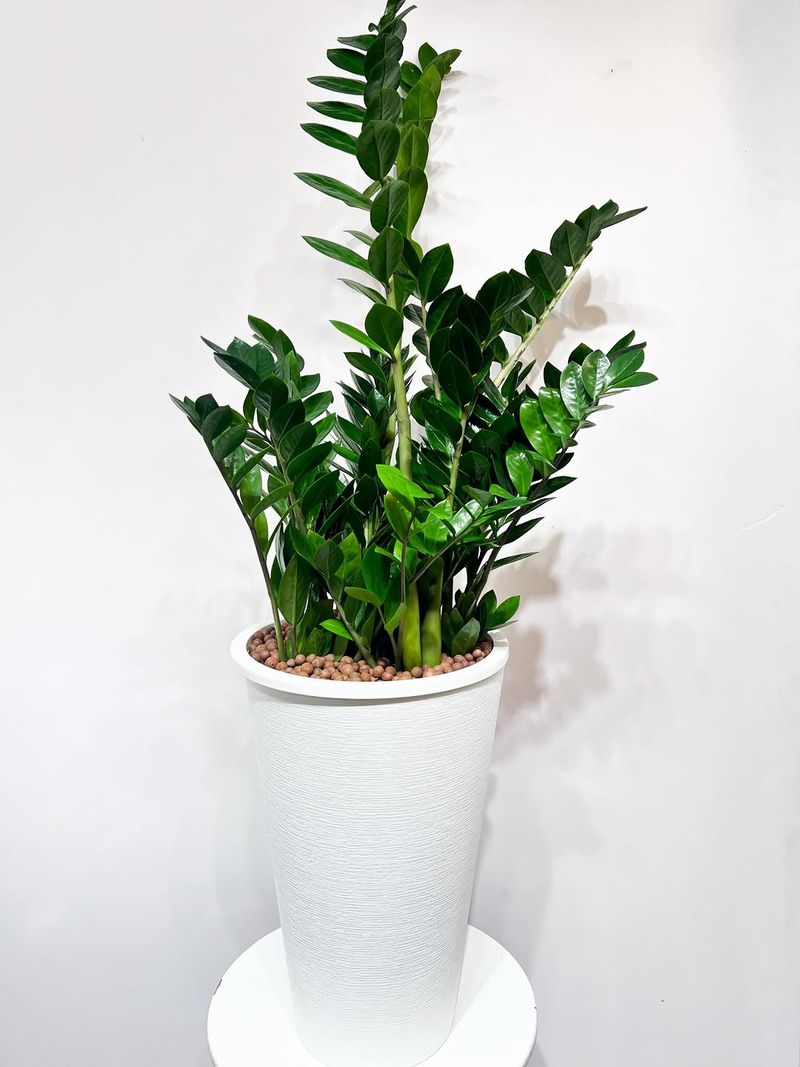
Offices can be brutal for houseplants. The air is dry. The light is strange. The watering schedule is basically “whenever someone remembers.” And somehow, everyone still wants the space to look fresh.
This plant is often a strong choice for workspaces because it can handle less-than-perfect indoor conditions. It can grow under artificial light, though it may grow more slowly there. It can also tolerate missed waterings better than many thirstier plants.
That makes it helpful for Florida offices, reception areas, home workstations, and dim corners that need a little life.
Think about your own space. Is there a desk that feels too bare? A hallway that feels forgotten? A corner where décor goes to disappear? A ZZ plant can make those spots feel more intentional.
Its upright shape is especially handy. It fills vertical space without spreading all over your papers, shelves, or floor. You get greenery without the “jungle ate my workspace” problem.
In a home office, place it near indirect light if possible. A few feet from a window is often better than a dark corner across the room. If there is no window nearby, steady office lighting may still help it hold its look.
Do not tuck it into total darkness and expect miracles. Even easy plants need some light. The ZZ plant also has a calm, tidy presence. It does not shed petals. It does not need constant pruning. It does not throw a tantrum every time the AC kicks on.
That is why it feels so useful in busy spaces. It shows up, stays sharp, and asks for very little. For a plant lover with a packed schedule, that is a pretty good coworker.
7. One Of The Few Houseplants That Does Not Beg For Fertilizer
The ZZ plant is not a greedy grower. Yes, it takes its time. But it does not need constant feeding to look good.
That can feel refreshing if you have cared for pickier plants before. Some houseplants seem to want fertilizer, misting, rotating, trimming, and emotional support. The ZZ plant is much calmer.
During the active growing season, a light feeding can help. Spring and summer are usually the best times to offer fertilizer. Use a balanced houseplant fertilizer at a diluted strength or follow the product label carefully.
Once or twice during that growing period may be enough for many plants. More frequent feeding is not always helpful.
Too much fertilizer can cause salt buildup in the potting mix. That can stress roots and lead to burned tips or weak growth. With ZZ plants, more food does not mean more fabulous.
In fall and winter, skip the feeding. The plant often slows down during those months. It does not need extra nutrients when it is not actively pushing much new growth. Let it rest.
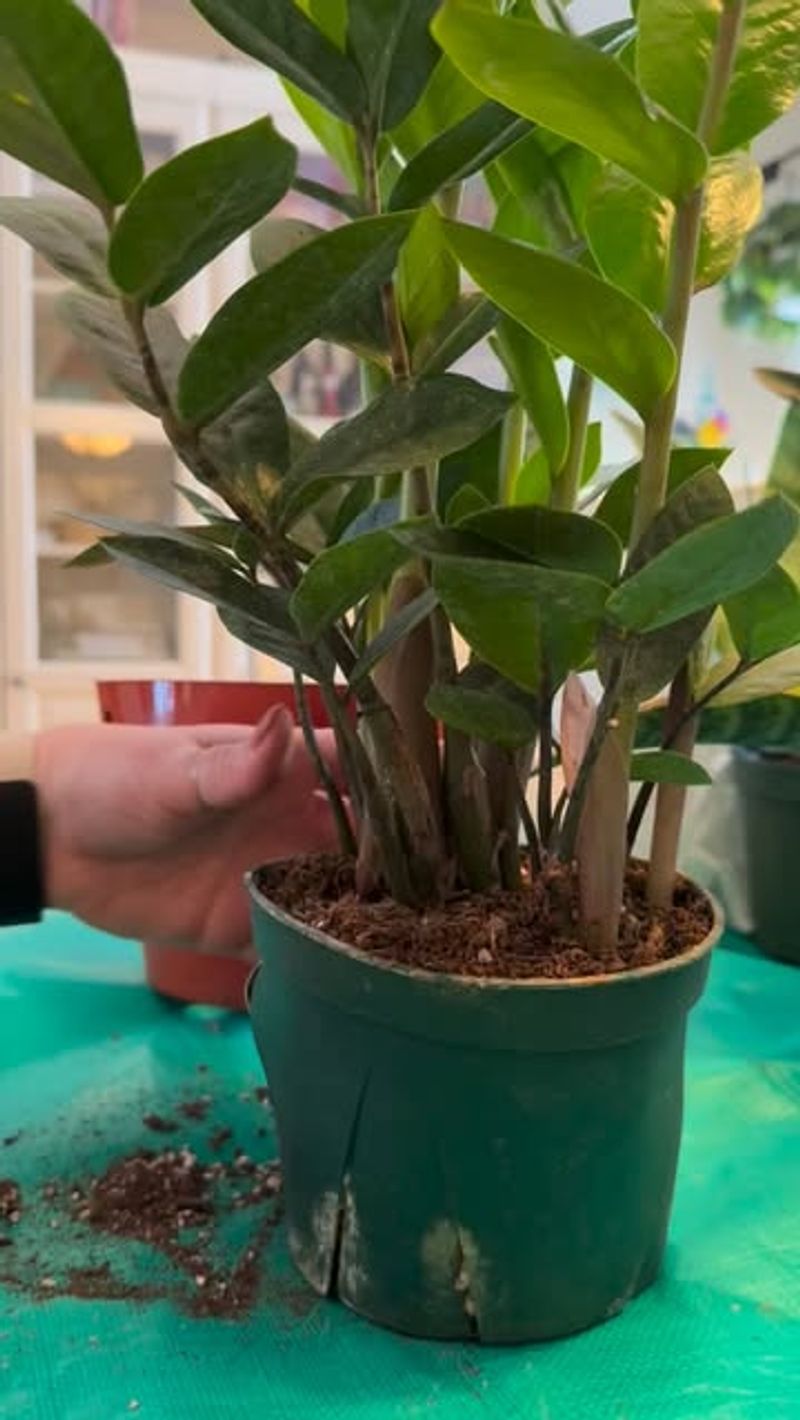
If your ZZ plant has lived in the same pot for several years, the mix may get tired. In that case, repotting may help more than extra fertilizer. Fresh, well-draining potting mix can refresh the root zone.
Choose a mix that does not stay soggy. A blend for tropical plants or succulents may work well, depending on your home conditions.
Watch the plant after feeding. Healthy new growth should appear firm and green. If leaves yellow or the soil develops crusty white buildup, ease back.
Your ZZ plant does not need a buffet. It needs a light snack and good conditions. Simple, steady, and never overdone.