Florida Strawberry Season Starts Much Earlier Than Most Gardeners Expect
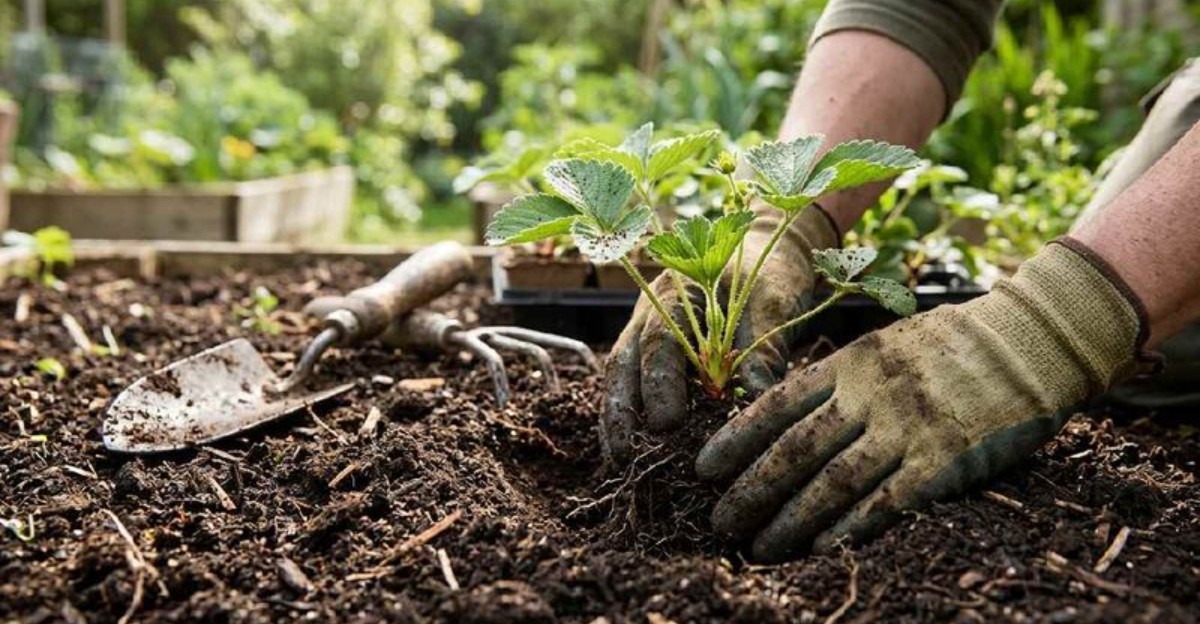
Some of the sweetest red berries in Florida get planted while pumpkins are still sitting on porches across the state. I nearly dropped my trowel when I learned local farms pick fruit before many families hang holiday lights.
Up north, gardeners wait for warm spring days, but our sunny calendar runs on a very different clock. You’re in for a big surprise if you planned to wait until March to tuck plants into the soil.
Cool October nights in Florida are a signal, not a reason to hang up your garden gloves for the year. I love how the air smells like damp mulch and fresh soil when this short planting window opens.
Timing matters a lot here, and a few weeks can mean the difference between a basket and a handful. So are your beds ready for a sweet harvest that could arrive in time for the winter holidays?
Your Planting Window Opens In October
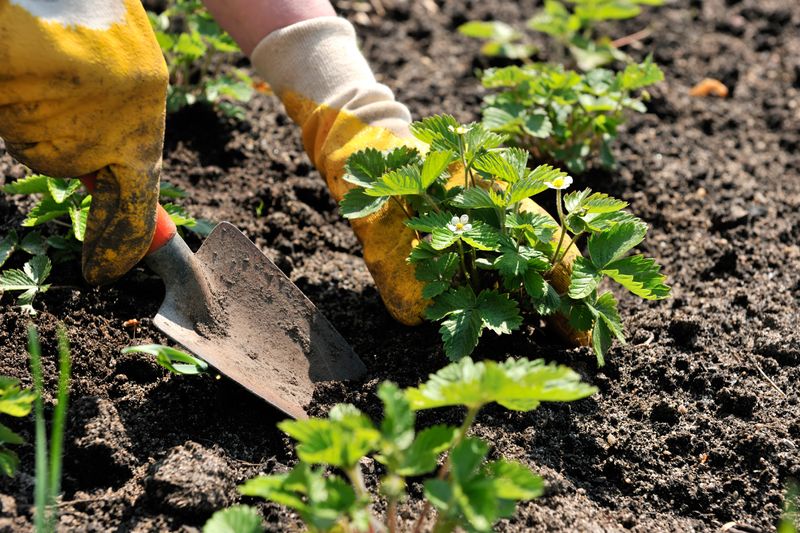
Commercial growers around Plant City set out millions of young transplants between late September and mid October each year. Home gardeners in Florida can follow that same rhythm, which surprises almost everyone who moved here from colder states.
University of Florida extension experts suggest planting from mid September through late October, depending on where you live. Southern gardeners can wait until early November.
The reason comes down to heat, because these plants struggle when daytime temperatures stay high for long stretches. Fall gives them mild days and cool nights, which is exactly the weather they need to settle in.
Most local gardeners grow them as annuals, planting fresh each fall instead of keeping the same plants for years. Summer heat and heavy rain usually wear the plants down long before a second season could ever arrive.
That means October is not a time to slow down, even if your tomatoes are winding down. Many garden centers stock bare root or plug transplants this month, and the best ones sell out quickly.
I suggest calling your local nursery early in the month to ask when their shipment of young plants arrives. A quick phone call can save you a wasted trip and help you grab healthy plants before they disappear.
Your county extension office can also share planting dates that match your exact area and local soil conditions. Their advice is free, and it often beats anything printed on a plastic plant tag from a big store.
Fresh Berries Can Arrive Before The New Year
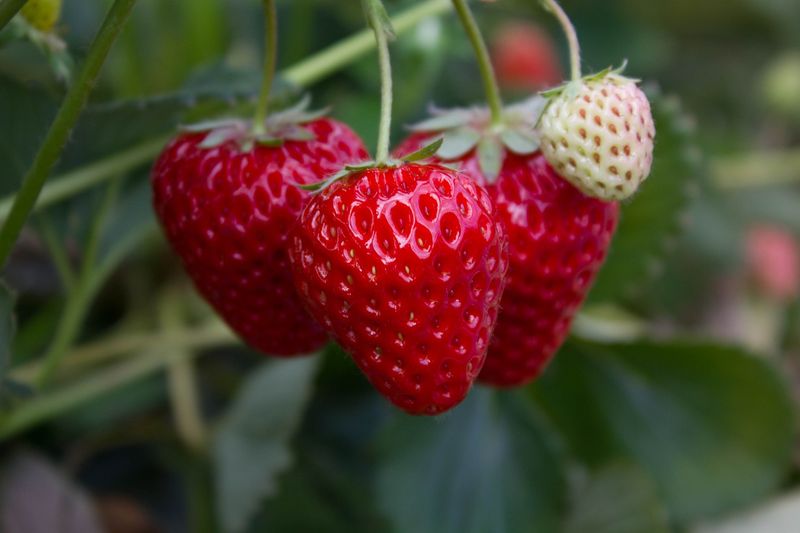
Ever bitten into a ripe red berry while wearing shorts on a breezy December afternoon in your own backyard? Plants set out in early October often produce their first ripe fruit somewhere between late November and December.
Commercial farms in Florida usually begin picking in late November or December, then keep harvesting into early spring. That long stretch makes the state one of the main winter suppliers of fresh berries for the whole country.
Backyard plants follow a similar pattern, though your timing depends on weather, variety, and how healthy the transplants were. A warm fall can speed things up, while a string of chilly weeks may slow the first flowers.
Your Florida Garden Changes Every Week. Your Plan Should Too.
Gardening in Florida changes quickly throughout the season. Every Friday you’ll receive a simple weekly plan showing exactly what to plant, prune, fertilize, harvest, and protect so you never miss the right timing.
Peak picking for most home gardens lands somewhere between January and March, when plants are full and busy. During those months, you may find yourself checking the bed every two or three days for newly ripened fruit.
Fun fact for berry lovers, the famous Florida Strawberry Festival in Plant City runs each year from late February into early March. That timing lands right in the peak of the season, when berries are at their most plentiful.
Once late spring heat rolls in, fruit tends to get smaller and softer, and flavor starts to fade. Most gardeners pull their plants around April or May and use the open bed for summer crops.
So if you plant this month, your holiday dessert table could feature berries you grew with your own hands. That kind of bragging right is worth every minute you spend kneeling in the garden this fall.
Northern Habits Can Cost You A Harvest
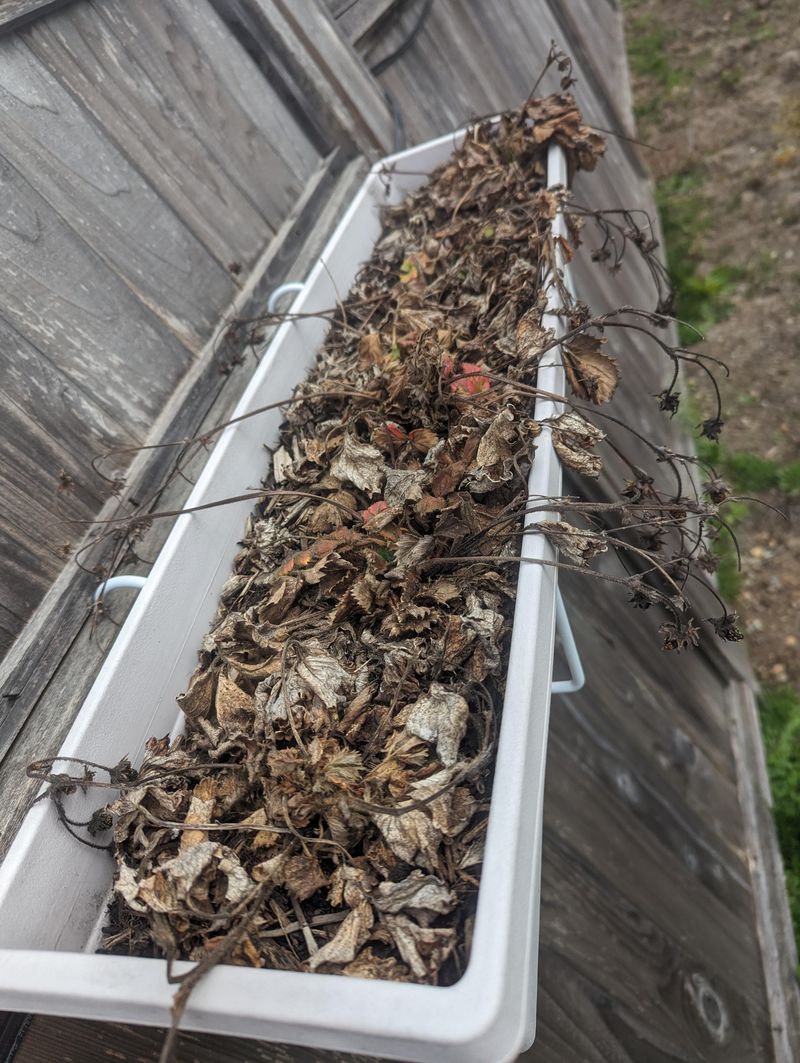
Plenty of transplanted Northerners learn this lesson the hard way, usually after buying plants at a spring garden sale. They tuck them into warm soil in April, then watch the leaves wilt as summer heat arrives.
In cooler regions, berry plants are perennials that sleep through winter and wake up to fruit in late spring. Our growing calendar flips that schedule, so winter becomes the busy season instead of the resting one.
Another common slip is buying June bearing varieties meant for places like Michigan or New York. Those plants need long periods of winter chill, which our mild climate rarely provides in any useful amount.
Waiting too long in the fall can also shrink your harvest, even if you choose the right type. Plants set out in December have less time to grow strong roots and leaves before the main fruiting months.
Some gardeners also try to keep last year’s plants going, hoping to save a little money this season. Old plants often carry diseases and pests through summer, and they usually produce fewer berries the second time.
I get the temptation, because a scraggly plant still looks like it has a little life left in it. Fresh transplants each October are cheap insurance, and they give you a cleaner start with far fewer headaches.
Think of your garden calendar in Florida as upside down compared to the charts printed in national magazines. Once that idea clicks, planning your berry patch gets much easier and a lot more rewarding each year.
Pick Varieties Bred For Short Southern Days
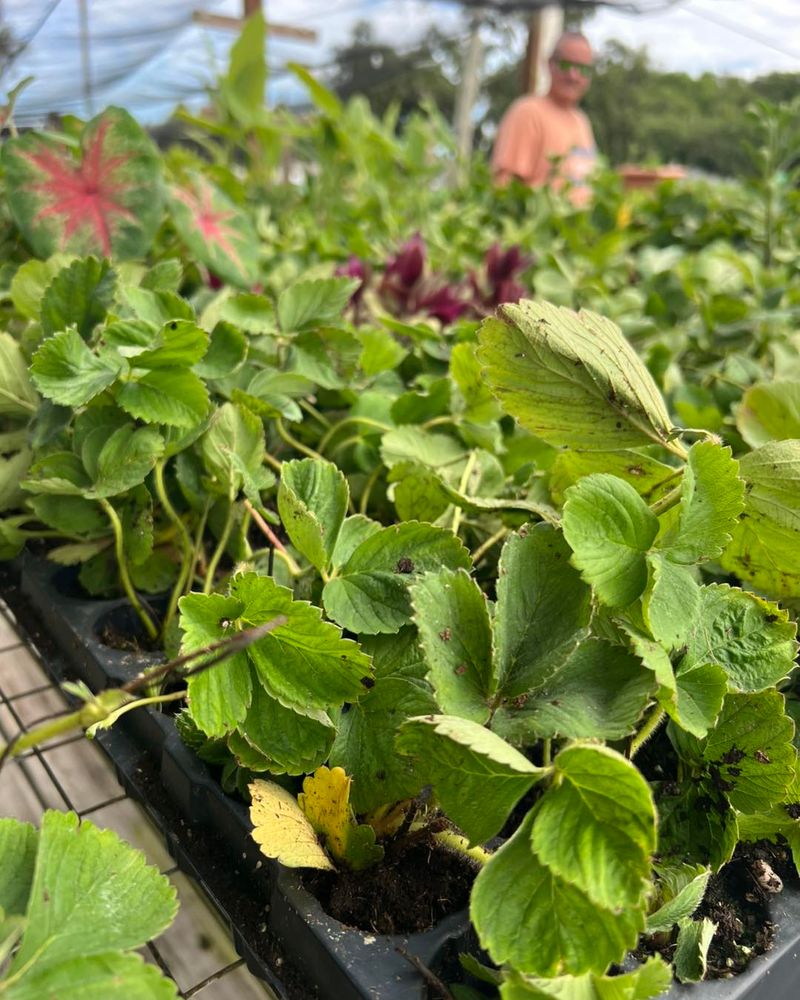
Breeders at the University of Florida have spent decades creating berries that thrive under short winter days and mild nights. Their work explains why local farms can pick fruit months before growers in most other states get started.
Popular choices include Sweet Sensation and Florida Brilliance, two varieties that fruit well during our warm, short winters. Sweet Sensation is known for large, glossy berries with a flavor that many home gardeners rave about.
Brilliance tends to produce early fruit with firm texture, which helps the berries hold up after picking. Older favorites like Festival and Radiance still appear at some nurseries, and they can grow well too.
The varieties are called short day types, meaning cooler weather and shorter daylight hours help trigger their flower buds. That trait lines up nicely with our fall planting window and the long, gentle growing season that follows.
Day neutral varieties sold in big box stores can work, but results in our climate are often mixed. Reading the plant tag closely helps you avoid types bred for cold northern gardens with very different needs.
I like asking nursery staff which varieties sold best last season, since local feedback is hard to beat. Neighbors and garden club members are another great source, and many happily share what worked in their beds.
Planting two varieties side by side is a fun experiment that spreads out your harvest a little. You can taste test both in January and decide which one earns a bigger spot next October.
Your Beds Need A Little Fall Prep
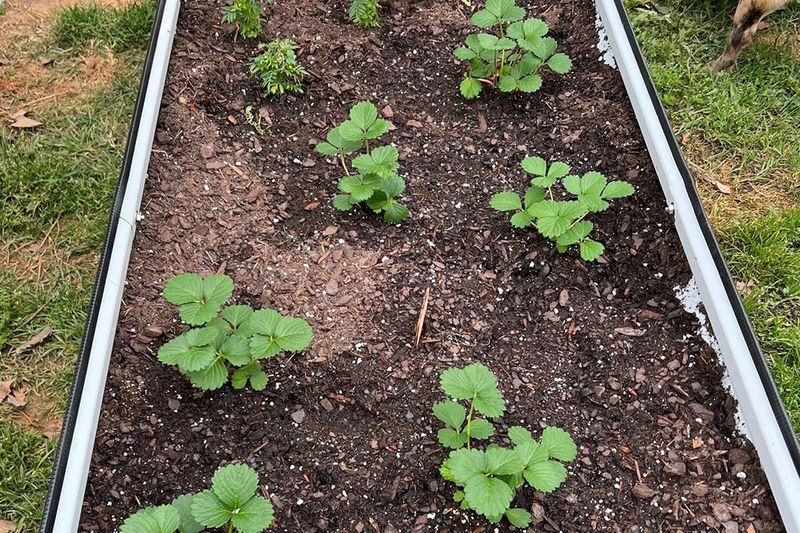
Healthy berries start with soil that drains quickly, because soggy roots invite rot and weak, spindly growth. Raised beds or mounded rows about eight inches tall help water move away from the crown of each plant.
Sandy soil is common across much of the state, so mixing in compost helps hold moisture and nutrients. Extension guides also suggest a soil test, which shows your pH and tells you exactly what fertilizer to add.
Berry plants prefer slightly acidic soil, with a pH somewhere around 5.5 to 6.5 for the best growth. Your local extension office can process a sample for a small fee and explain the results in plain language.
When planting, set each crown so it sits level with the soil, not buried and not perched too high. Space plants about twelve inches apart so air can move freely between the leaves after rainy afternoons.
Mulch is a big helper here, whether you use plastic sheeting like the farms or a layer of pine straw. It keeps berries off the dirt, which reduces rot and keeps your harvest cleaner and much easier to pick.
New transplants need steady water for the first week or two while their roots settle into the bed. Drip irrigation or a soaker hose works well, since wet leaves can encourage fungus during humid fall weather.
Short on garden space, you can still grow berries in containers or hanging baskets on a sunny patio. Aim for at least six hours of direct sun, and water pots more often because they dry out fast.
Cold Snaps Deserve A Quick Response
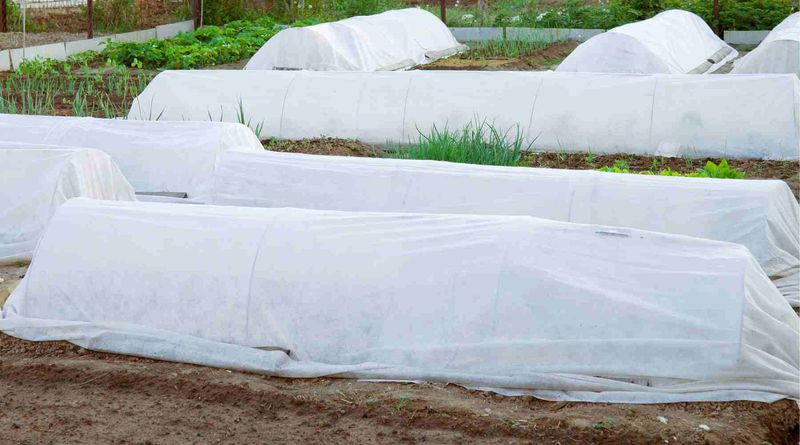
Most winters here stay mild, yet a sudden cold front can sweep through and bring frosty mornings overnight. Leaves often handle a light frost, but open flowers and young green fruit are much more sensitive.
Commercial growers in Florida often run sprinklers on cold nights, coating plants with a thin protective layer of ice. That method takes careful timing, so home gardeners usually stick with simpler tricks that work well in small spaces.
Frost cloth draped over the bed in the evening traps warmth rising from the soil during chilly nights. Old bedsheets work in a pinch, but remove them in the morning so plants can soak up sunlight.
Keep an eye on weather alerts from November through February, since cold fronts can arrive with little warning. A covered bed on one frosty night can protect several weeks of upcoming fruit from turning brown.
Gray mold is another common winter problem, especially after long stretches of cool, damp, cloudy weather. Picking ripe berries often and removing any fuzzy or soft fruit helps reduce its spread through the bed.
Birds and squirrels also love ripe berries, and they rarely wait politely for you to finish your morning coffee. Lightweight bird netting stretched over simple hoops keeps most visitors out without blocking the sunshine your plants need.
Checking the bed every few days lets you catch small problems early, before they grow into bigger troubles. I believe that habit is the real secret behind sweet winter harvests that keep coming back each season.