Smart Ways Floridians Use Lemongrass Beyond The Kitchen
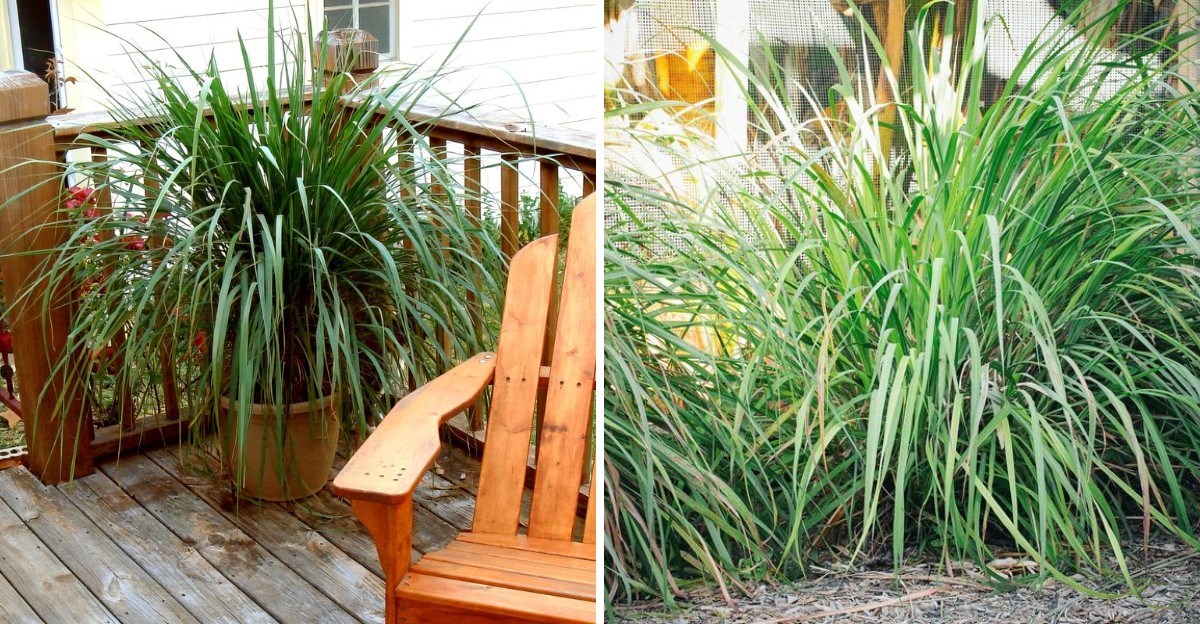
Lemongrass has been sitting in your yard looking pretty, and the old-timers know it can do a whole lot more.
Most folks stop at the soup pot or the stir-fry. Floridians who grow it by the patio have found a handful of other jobs for those long green blades, and a few sound almost too good to be true.
Some save money. Some save a little sanity on a muggy evening.
The plant thrives in sandy soil, shrugs off the heat, and grows back after every haircut. That makes it free ammunition for experiments.
A few of these uses take under five minutes and need nothing but scissors. Others take a bit of planning, but the payoff makes them worth the effort.
Snip a stalk and give a couple a try this week. Your clump is ready to work.
1. Edge Fence Lines And Wide Walkways
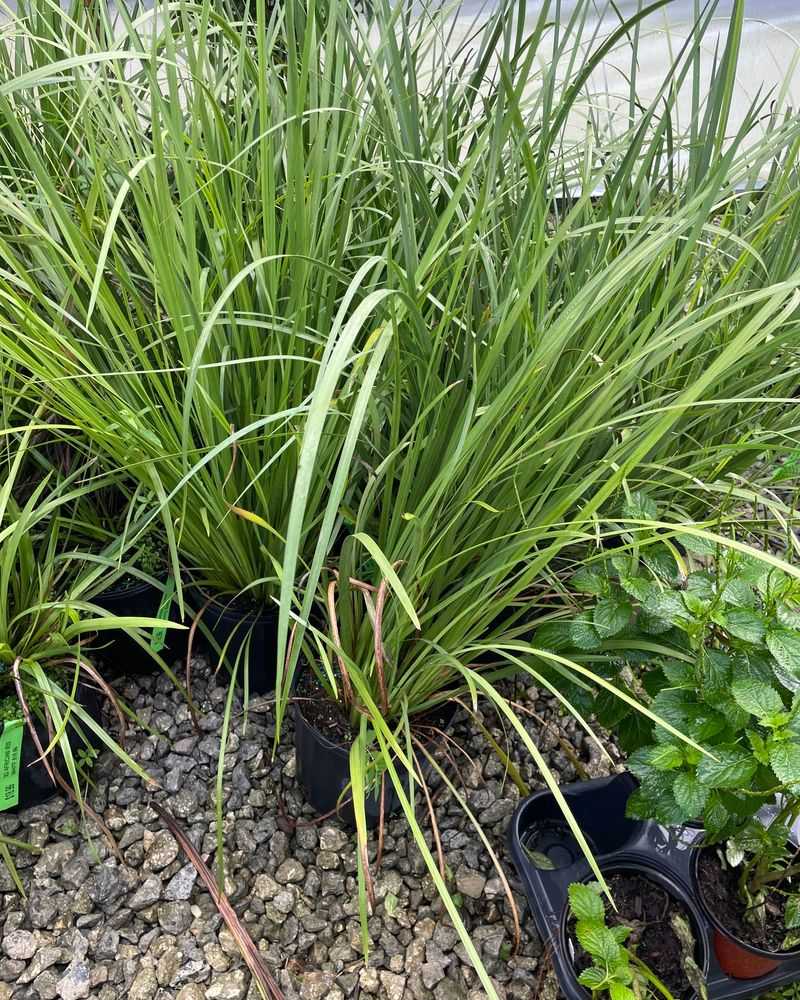
Picture a plain chain-link fence turning into a soft green wall of waving leaves. Many Florida homeowners pull off that magic trick with a simple row of lemongrass.
Tall, arching blades give fence lines a sense of movement every time the wind blows. Along wide walkways, the clumps create a living edge that guides visitors right to your door.
Kids and pets also seem to stay on the path better when a leafy border marks the way.
Size matters here, so plan ahead. Mature plants can reach 3 to 6 feet tall and 2 to 5 feet wide.
Space each one about 24 to 36 inches apart so they have room to fill out without crowding the path.
Keep narrow sidewalks in mind, though. Those long leaves have rough edges that can scratch bare legs, which is why wider paths work best.
Leave a foot or two between the plants and the walking surface for comfort.
There is a bonus perk too. The leaves hold lemony oils related to those in citronella candles, which may help discourage mosquitoes near the edges of your yard.
You still need other bug control, but a fragrant fence line is a pleasant start.
Water new plants a few times a week until they settle in. After that, Florida rain usually handles most of the work for you.
2. Plant It As A Bold Border Or Accent
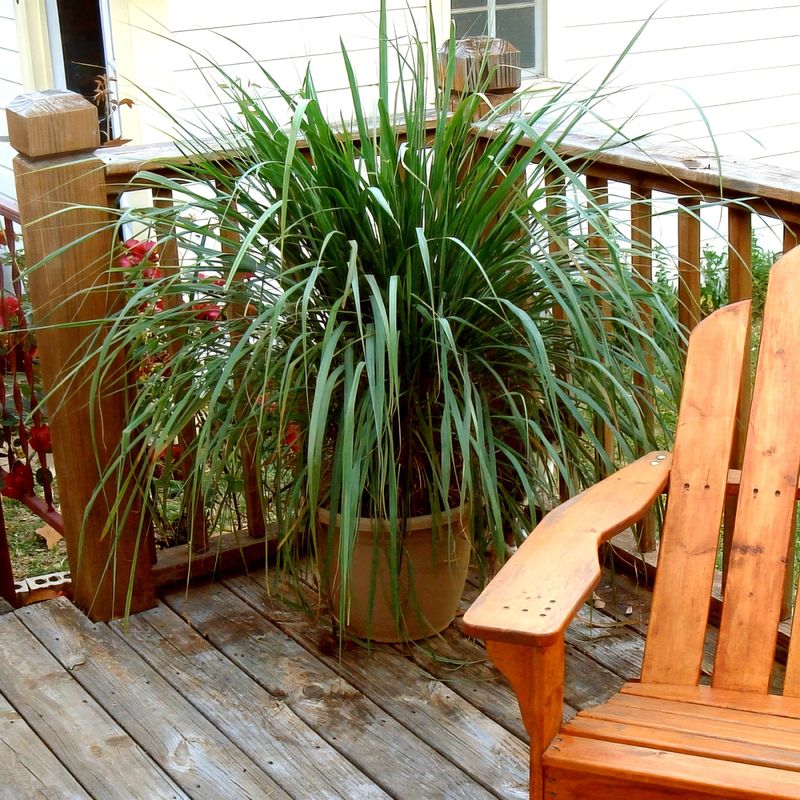
Every garden bed needs a showoff, and lemongrass is happy to take the stage. Its fountain shape bursts upward and spills outward like green fireworks frozen in time.
Designers love plants with strong form, and this clumping grass delivers. Place a single clump in the center of a round bed for an eye-catching focal point.
Or line the back of a border so shorter flowers can shine in front.
Color pairings make the look even better. Try bright pentas, firebush, or blue porterweed at its feet.
The fine, sleek leaves contrast nicely with broad or flowery neighbors.
Lemongrass adores Florida weather. Heat, humidity, and full sun push it to bulk up fast, often in just one summer.
Give it at least six hours of direct sunlight for the fullest, most upright shape.
Your Florida Garden Changes Every Week. Your Plan Should Too.
Gardening in Florida changes quickly throughout the season. Every Friday you’ll receive a simple weekly plan showing exactly what to plant, prune, fertilize, harvest, and protect so you never miss the right timing.
Soil should drain well, since soggy roots can cause trouble. A little compost mixed in at planting time gives it a strong start.
A light feeding of balanced fertilizer in spring is usually plenty.
Here is a fun fact to share with garden visitors. Lemongrass is native to tropical Asia, yet it fits right in among Florida favorites.
Guests often lean in close, rub a leaf, and smile when that citrus scent appears. Few accent plants offer such a memorable surprise.
3. Fill Big Spaces With A Mass Planting
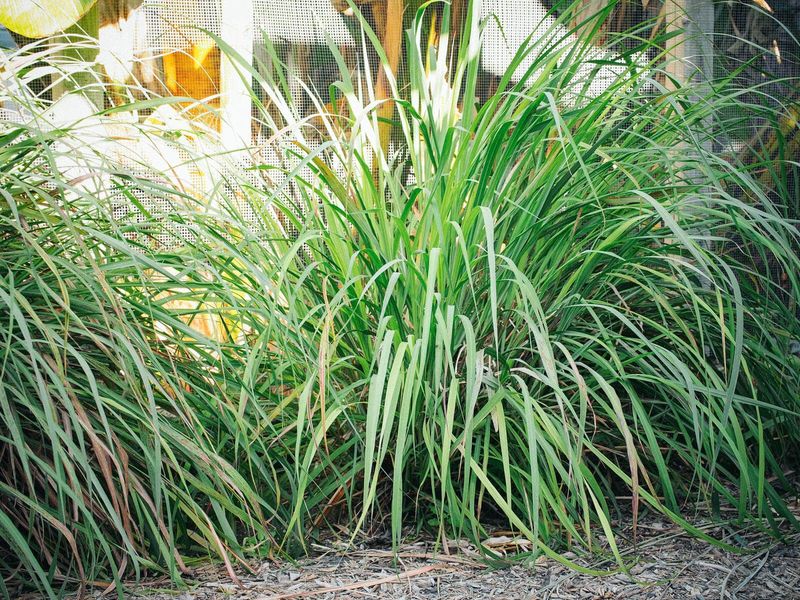
Got a bare stretch of yard that makes you sigh every time you mow it? A mass planting of lemongrass could turn that boring patch into a lush, rustling meadow.
Speed is the big selling point. During hot Florida summers, single clumps can grow 3 to 5 feet tall and just as wide.
That means a few small starter plants can cover a lot of ground in one season.
Layout is simple. Set plants in rows with about 2 to 3 feet between each one.
Staggering the rows, like seats in a theater, helps them knit together into one solid block faster.
Think about the money you might save, too. Fewer square feet of lawn means less mowing, less fuel, and fewer weekends spent pushing a mower in the heat.
Once established, lemongrass handles dry spells better than most turf grass.
Weeds will try to sneak in at first. Lay down a few inches of mulch between young plants to block them until the clumps fill the gaps.
After that, the thick leaves shade the soil and keep most weeds in check.
Plan one yearly haircut in late winter. Trim the clumps down to about a foot tall, and fresh green growth will return quickly.
Your big empty space will look tidy and full again by early summer.
4. Enjoy Its Red Fall And Winter Color
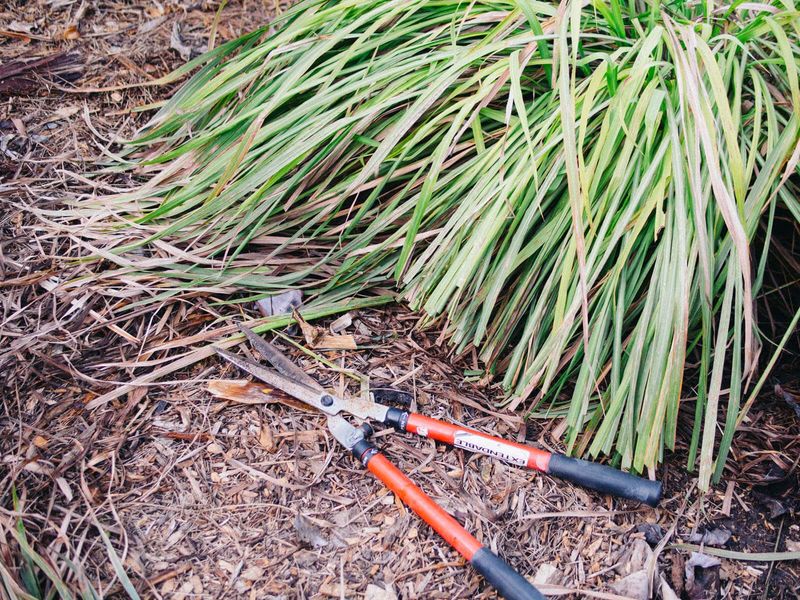
Florida may not get the blazing maple trees of New England, but your garden can still put on a small autumn show. Lemongrass sneaks in some seasonal drama when temperatures dip.
For most of the year, the leaves stay a fresh, bright green. Then cool nights arrive, and the blades can blush with shades of scarlet or deep wine red.
Many gardeners are surprised the first time they spot it.
Where you live affects how much color you see. In North Florida, around USDA Zone 9a, the red tones show up more often.
Central and South Florida gardens may notice only a hint during an unusually chilly year.
That reddish shift can mean the plant is slowing down for winter rest. Growth pauses, and some outer leaves may turn tan.
Resist the urge to rip it out, because fresh shoots usually return in spring.
Enjoy the colorful phase while it lasts. Pair the clumps with evergreen shrubs like Indian hawthorn, so the red really pops against green backdrops.
Pansies or snapdragons planted nearby add even more cool-season cheer.
When a hard frost is coming, toss a sheet or frost cloth over the clumps overnight. Remove it the next morning once things warm up.
A little care keeps the roots cozy until the warm weather returns.
5. Let Its Lemony Fragrance Scent The Garden
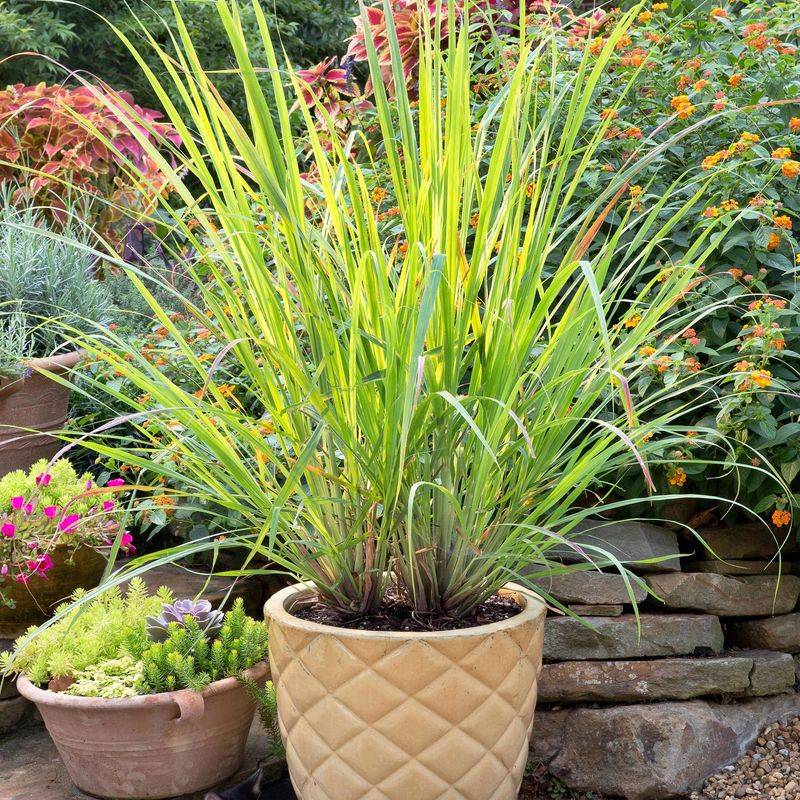
Brush your hand across a lemongrass leaf, and your fingers will smell like a lemon drop for an hour. That bright scent is one of the best reasons to grow it outdoors.
The fragrance comes from natural oils in the leaves, mainly a lemony compound called citral. Lemongrass is a close relative of citronella grass, the plant behind those bug-repelling candles.
Lemongrass carries a similar fresh, clean aroma right in the plant itself.
Placement makes all the difference. Tuck clumps beside patios, porch steps, or garden benches where people pass and brush against them.
Every bump releases a fresh puff of citrus perfume into the air.
Many Floridians also hope the scent helps keep flying pests at bay. The plant alone will not stop every mosquito, but it can be part of a friendly barrier around seating spots.
Crushing a few leaves just before sitting down can boost the scent.
Evenings are when the aroma seems strongest. Warm air holds the smell, and a light breeze carries it across the yard.
Sitting outside after sunset becomes a little more relaxing.
Want a quick trick? Snip a few leaves, twist them, and drop them in a bowl on the outdoor table.
Your guests will wonder where that lovely lemon smell is coming from, and you get to share the secret.
6. Grow It In Containers On A Sunny Patio
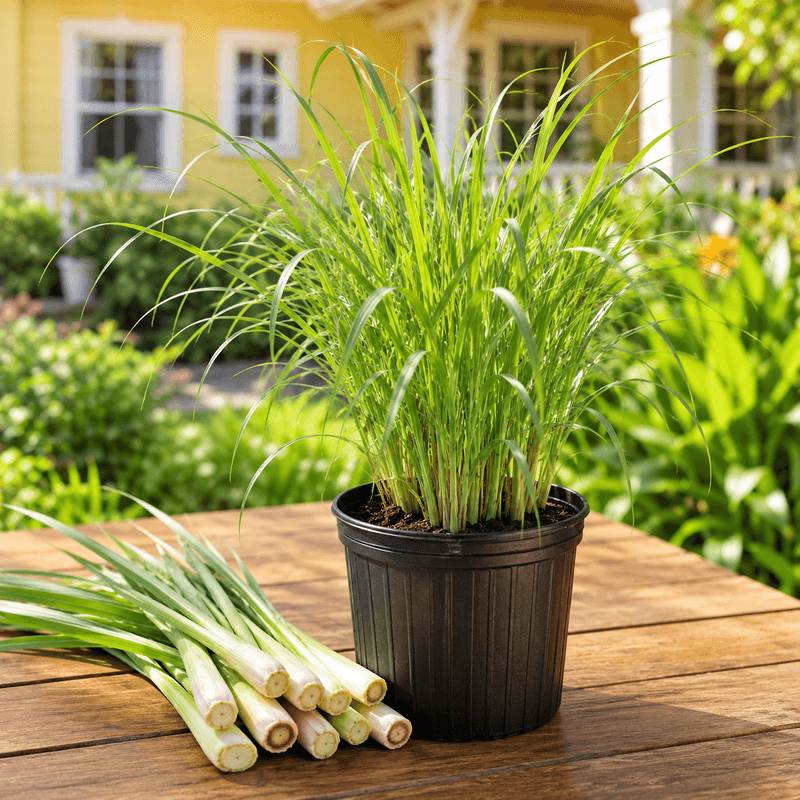
No yard? No problem.
Apartment dwellers and condo owners across Florida grow happy lemongrass right on their balconies and patios.
Pot size comes first. Choose a heavy container at least 12 to 14 inches wide, or a 5-gallon pot.
The roots spread fast, and a lightweight pot may tip over once the leaves grow tall and catch the wind.
Fill it with quality potting mix that drains well. Skip regular garden soil, since it packs down tightly in containers.
Make sure the pot has drainage holes so extra water can escape.
Thirst is the main challenge. Container plants dry out much faster than ones in the ground.
On hot, windy days, you might need to water daily, so poke a finger into the soil to check moisture.
Sun keeps it strong, so pick the brightest spot you have. A south- or west-facing patio is ideal.
Feed it every few weeks in summer with a liquid fertilizer for lush growth.
Here is a perk of pots. In cooler parts of Florida, you can roll or carry the plant indoors when cold snaps hit.
Set it near a sunny window until spring returns.
Every couple of years, the roots may fill the pot. That is your signal to divide it or move it to a bigger home.
7. Cut The Leaves For Garden Mulch
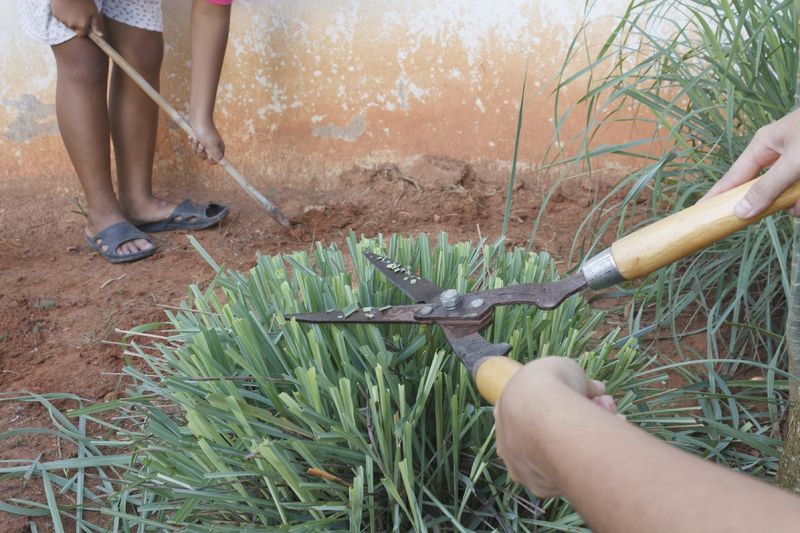
Free mulch that grows back on its own? Thrifty Florida gardeners call that a win.
Lemongrass leaves make an excellent homemade ground cover for beds.
The process is easy. Grab sharp shears and cut a handful of long leaves from a mature clump.
Chop them into shorter pieces, then spread them around your plants a few inches deep.
Moisture stays in the soil longer under this layer. That really helps during Florida’s dry spring months, when the sun bakes bare ground fast.
Less evaporation means less time holding a hose.
The fibrous leaves also stop rain from splashing dirt onto lower foliage. Soil splash can spread certain plant problems, so this simple barrier may keep tomatoes and peppers healthier.
The tough blades break down slowly, too.
As the mulch breaks down, it feeds the soil with organic matter. Earthworms and helpful microbes enjoy the buffet.
Over time, your beds get richer and easier to dig.
Fresh-cut leaves release a strong lemony smell. Some gardeners believe it confuses or discourages certain garden pests.
Even if the effect is mild, your garden will smell wonderful while you work.
Best of all, the clump regrows quickly after trimming. One or two healthy plants can supply mulch several times a year.
Just leave at least a foot of growth so the plant stays vigorous.
8. Use It To Hold Soil In Place On Slopes
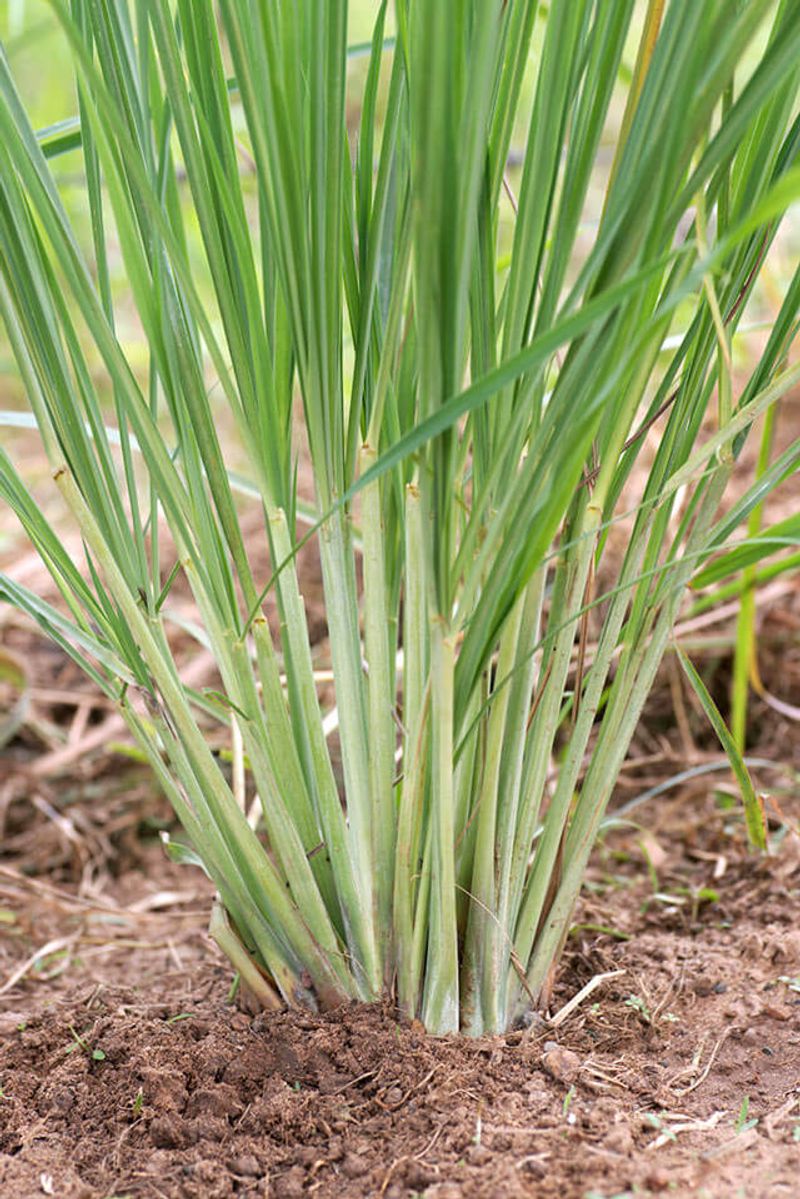
Summer storms in Florida can dump inches of rain in an hour. On sloped ground, that rushing water often carries soil away, leaving ruts and muddy messes behind.
Lemongrass offers a natural fix. Beneath each leafy clump lies a deep, dense root system that grips the earth tightly.
Those roots act like underground netting, holding soil in place when rain pours down.
Gentle slopes beside driveways, ditches, and walkways are prime spots. Plant clumps in staggered rows across the slope, not up and down.
That pattern slows running water and gives roots more chances to trap loose dirt.
A similar grass, vetiver, is famous worldwide for erosion control. Lemongrass is a close cousin and shares many of the same soil-saving talents.
Farmers in tropical countries have used both for generations.
Getting started takes a little effort. Water new plants regularly for the first several weeks until roots dig in.
Adding mulch between them helps protect bare soil while they fill out.
Steep hills or serious washouts may need extra help, like erosion blankets or a landscape professional. For modest slopes, though, lemongrass is an affordable, good-looking solution.
Once established, the clumps need little care. Trim them back each late winter, and they will keep standing guard over your soil through every rainy season ahead.
9. Divide Clumps To Start New Plants
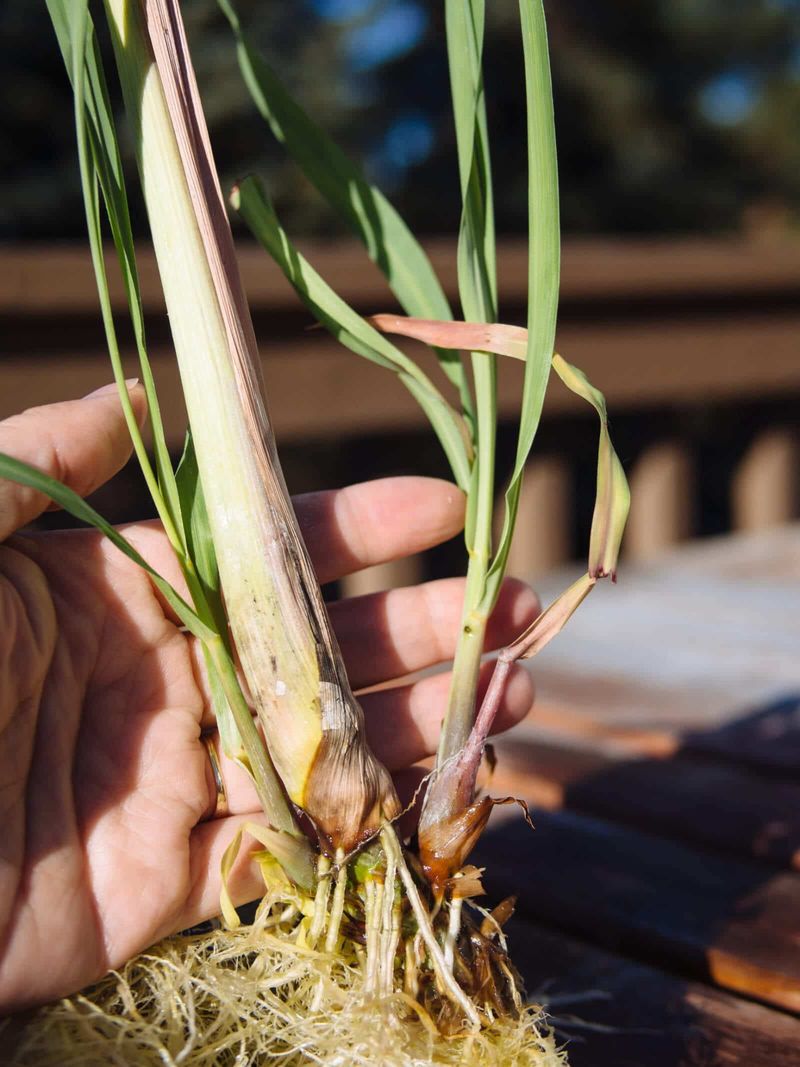
One lemongrass plant can quietly turn into ten. All it takes is a shovel, a spring morning, and a little elbow grease.
Spring is the ideal season to divide. Wait until any risk of frost has passed, especially in North Florida.
Warm soil helps new divisions root quickly and grow strong.
Start by cutting the stalks back to about a foot tall. Shorter tops are easier to handle and lose less water while roots recover.
Then dig around the clump and lift it from the ground.
Next, pull or cut the clump into smaller sections. A sharp knife or spade works well for tough root masses.
Make sure every piece has healthy roots attached.
Replant the divisions 24 to 36 inches apart and water them well. Keep the soil moist for a few weeks while they settle in.
Soon you will spot fresh green shoots poking up.
Dividing helps the parent plant too. Old, crowded clumps can grow weak in the center.
Splitting them every few years keeps growth lively and full.
Here is a fun shortcut for beginners. Buy fresh lemongrass stalks at the grocery store and stand them in a glass of water.
Within a couple of weeks, roots often appear, and you can plant them outside. Extra divisions also make wonderful gifts for neighbors.