These Low Growing Grasses Are Perfect For Clean Edges In Texas Yards
Clean edges can make or break a yard. You could have the most beautiful flower beds, the greenest lawn, and the most carefully chosen plants on the block.
But without sharp, defined borders, the whole thing just looks a little unfinished. It’s the kind of detail that separates a yard that looks “nice” from one that looks like someone actually put thought into it.
That’s where low growing grasses come in. These underrated plants are absolute workhorses when it comes to creating those crisp, polished borders that make your whole yard look pulled together.
And in Texas, where the heat is relentless and you need plants that can handle serious conditions, finding the right ones matters even more. The good news?
There are some fantastic options that stay low, spread beautifully, and hold their shape through the worst Texas weather. Your edges are about to look seriously good.
1. Blue Grama (Bouteloua Gracilis)
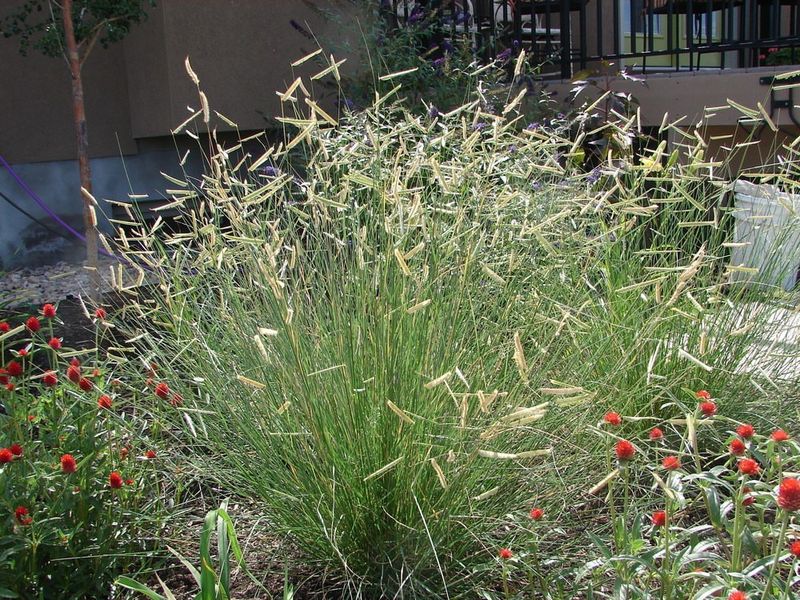
Native to the Great Plains and perfectly at home in Texas, Blue Grama is one of those grasses that quietly earns its keep without asking for much in return. It grows low to the ground, usually reaching only six to twelve inches tall, which makes it a natural fit for clean yard edges.
What really sets Blue Grama apart is its charming, eyelash-like seed heads that curve and fan out like tiny combs. They add a soft, subtle texture to your yard without creating a wild or unkempt look.
Many Texas homeowners appreciate this detail because it gives the lawn personality without extra upkeep.
Blue Grama is incredibly drought-tolerant, which is a huge win in a state where summer heat can be relentless. It thrives in full sun and does well in sandy or clay soils, both of which are common across Texas.
Once established, it needs very little water to stay healthy and green. Mowing is rarely a concern with this grass.
Because it grows so slowly and stays naturally short, you can go weeks without touching it. That means less time pushing a mower and more time enjoying your yard.
For Texas gardeners who want a low-maintenance, native option that holds a clean edge beautifully, Blue Grama is a top pick. It blends practicality with natural charm, making it one of the most reliable choices for tidy borders and neat lawn edges across the Lone Star State.
2. Buffalo Grass (Bouteloua Dactyloides)
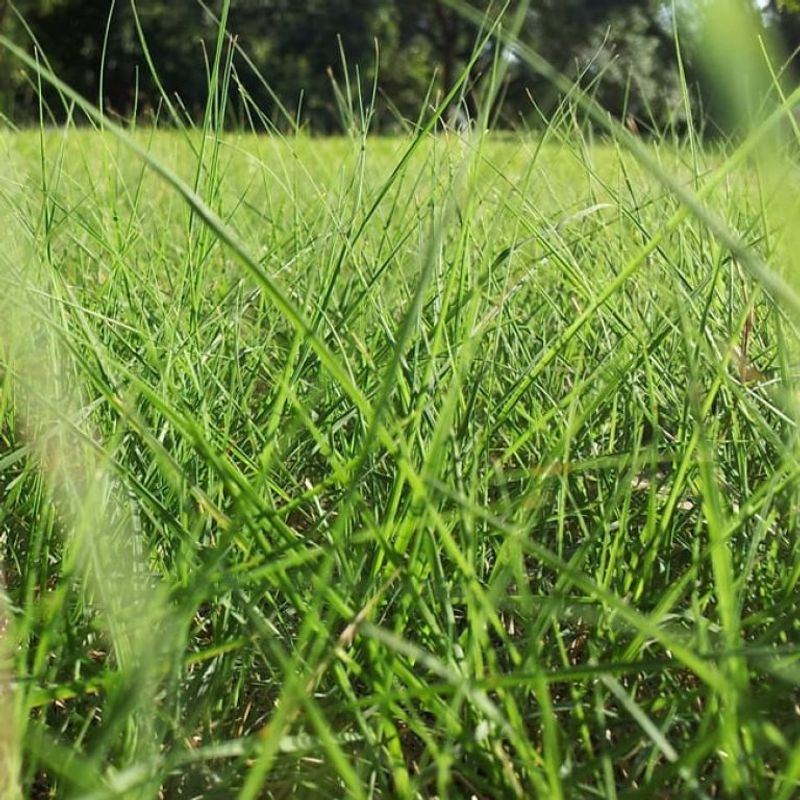
Ask any seasoned Texas landscaper about the best native lawn grass, and Buffalo Grass will almost always come up in the conversation. It has been covering the prairies of Texas for centuries, and its reputation for toughness is well earned.
One of the standout qualities of Buffalo Grass is how naturally low it grows. Left on its own, it stays between three and six inches tall, which means you can go longer between mowing sessions.
For homeowners who want a clean, uniform edge along walkways or garden beds, this grass practically does the work for you.
Buffalo Grass spreads through stolons, which are above-ground runners that help it fill in gaps and create a dense, even mat.
Your Texas Garden Changes Every Week. Your Plan Should Too.
Gardening in Texas changes quickly throughout the season. Every Friday you’ll receive a simple weekly plan showing exactly what to plant, prune, fertilize, harvest, and protect so you never miss the right timing.
That dense growth is exactly what makes it so effective as a border grass. It does not leave patchy or thin spots that allow weeds to sneak in.
In Texas, where water conservation is always a concern, Buffalo Grass stands out because it can survive on rainfall alone in many parts of the state.
It goes dormant during dry spells but bounces back quickly when moisture returns. That resilience makes it a smart, eco-friendly choice.
Homeowners in central and west Texas especially love this grass because it matches the region’s natural landscape. It handles full sun beautifully and does not need rich soil to perform well.
If you want a lawn edge that looks sharp without demanding constant attention, Buffalo Grass is one of the best options available in Texas.
3. Dwarf Mondo Grass (Ophiopogon Japonicus ‘Nana’)
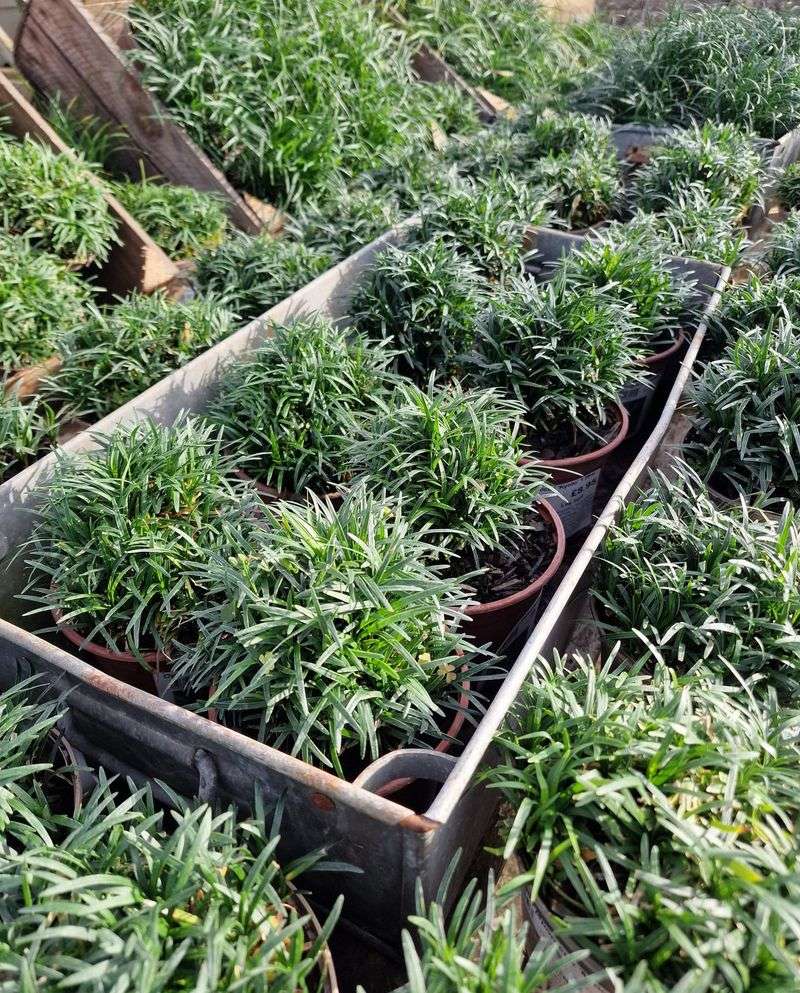
Compact, dark, and remarkably tidy, Dwarf Mondo Grass is the kind of plant that makes a yard look professionally landscaped without requiring professional maintenance.
Technically a member of the lily family rather than true grass, it behaves so much like grass that most Texas homeowners use it exactly the same way.
Growing only two to four inches tall, the Nana variety is one of the shortest options available. Its deep green, blade-like leaves form dense, rounded clumps that stay neat and structured throughout the year.
There is no flopping, spreading, or unruly growth to deal with. One of the biggest advantages of Dwarf Mondo Grass is its year-round appearance. Even in the cooler Texas winter months, it holds its dark green color when many other grasses go brown or dormant.
That consistency makes it especially appealing for borders and pathways where looks matter every season.
It grows slowly, which might sound like a downside, but for edging purposes it is actually a benefit. Slow growth means it stays in place, holds its shape, and rarely needs trimming.
Once you plant it along a path or garden bed edge in your Texas yard, it tends to stay right where you want it.
Dwarf Mondo Grass handles partial shade well, which is useful in yards with trees or structures that block direct sunlight.
It pairs beautifully with larger shrubs, stone borders, and ornamental plants, making it a versatile and dependable choice for clean, polished edges anywhere in Texas.
4. Mexican Feather Grass (Nassella Tenuissima)
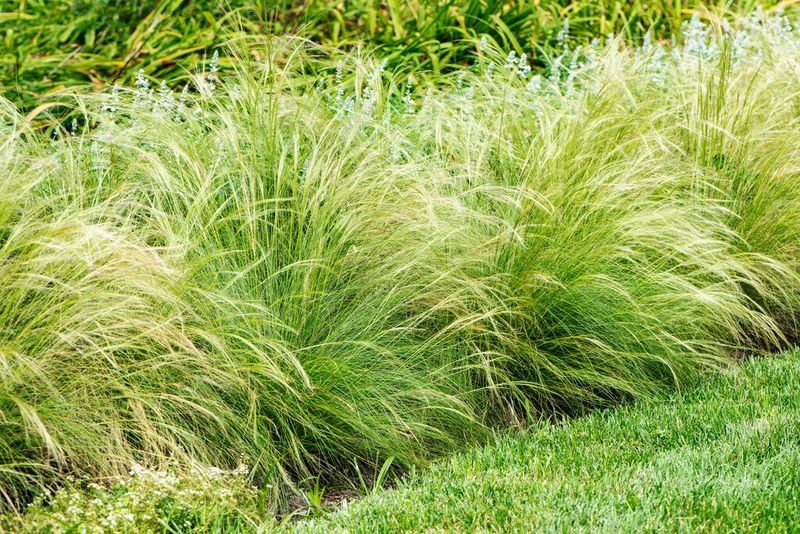
There is something almost magical about the way Mexican Feather Grass moves. Its ultra-fine, hair-like blades catch even the slightest breeze and create a soft, flowing motion that no other grass quite replicates.
For Texas yards, where summer winds are common, this grass adds life and movement to any border or edge.
Despite its airy appearance, Mexican Feather Grass can absolutely work along clean yard edges when planted in controlled clusters. The key is placement.
Group it in defined spots rather than letting it spread freely, and it creates a beautiful, soft transition between lawn areas and garden beds.
This grass thrives in the Texas heat and is highly drought-tolerant once established. It prefers full sun and well-drained soil, both of which are easy to find across most of Texas.
It does not need much fertilizer or extra care to look its best, which is always a bonus for busy homeowners.
One thing to keep in mind is that Mexican Feather Grass can self-seed generously. Deadheading the seed heads after bloom season helps keep it contained.
With just a little management, it stays exactly where you want it without taking over neighboring areas.
The color is another reason Texas gardeners love this grass. It starts as bright green in spring, shifts to golden blonde in summer, and takes on warm amber tones in fall.
That seasonal color change adds visual interest to yard edges throughout the year, making it both functional and genuinely beautiful to look at.
5. Sideoats Grama (Bouteloua Curtipendula)
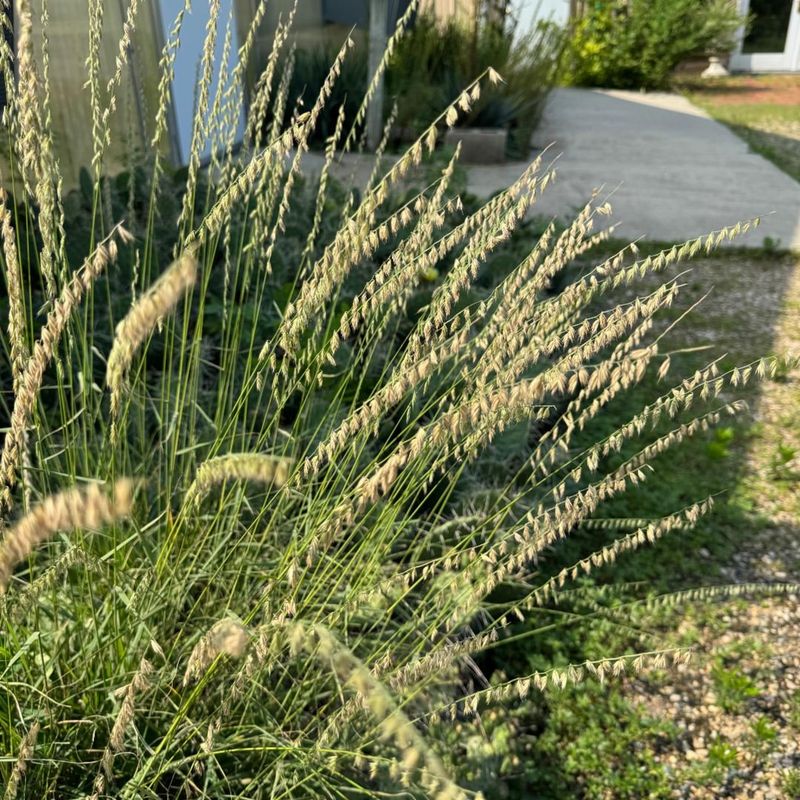
Sideoats Grama holds a special place in Texas landscaping because it is the official state grass of Texas. That alone says a lot about how well it performs in the local climate and how deeply it belongs in Lone Star yards.
Compared to some of the shorter options on this list, Sideoats Grama grows a bit taller, typically reaching twelve to twenty-four inches. However, with occasional trimming or strategic placement, it works beautifully as a soft border transition grass.
Its upright but graceful form creates a natural edge that feels both structured and relaxed at the same time.
The seed heads are one of its most distinctive features. They hang in a row along one side of the stem, which is exactly where the name comes from.
These seed heads add a charming, prairie-inspired look to yard edges and attract birds, which is a bonus for nature-loving Texas homeowners.
Sideoats Grama is extremely heat and drought tolerant, making it a reliable performer during Texas summers. It grows well in rocky, clay, or sandy soils, which covers a wide range of yard conditions across the state.
Full sun is its preference, and it rarely struggles in the intense Texas sunshine. For homeowners who want a native grass that feels a little wilder and more natural along garden borders, Sideoats Grama delivers that look without becoming difficult to manage.
It strikes a balance between untamed beauty and practical function, making it a smart and meaningful choice for Texas yard edges.
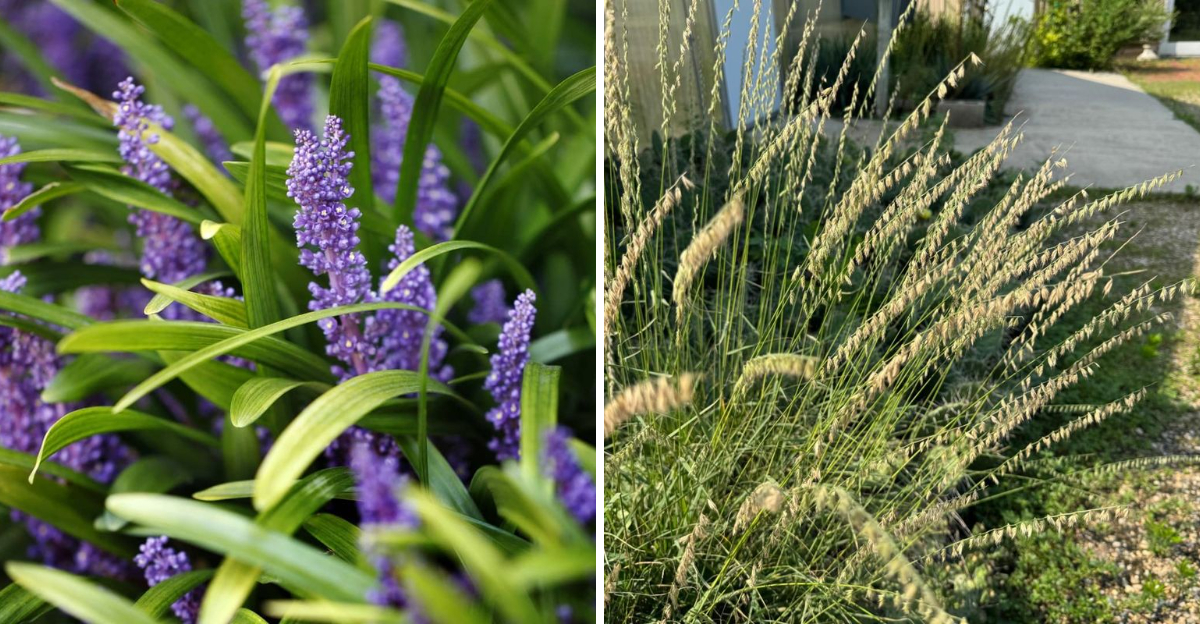
6. Liriope (Lilyturf)
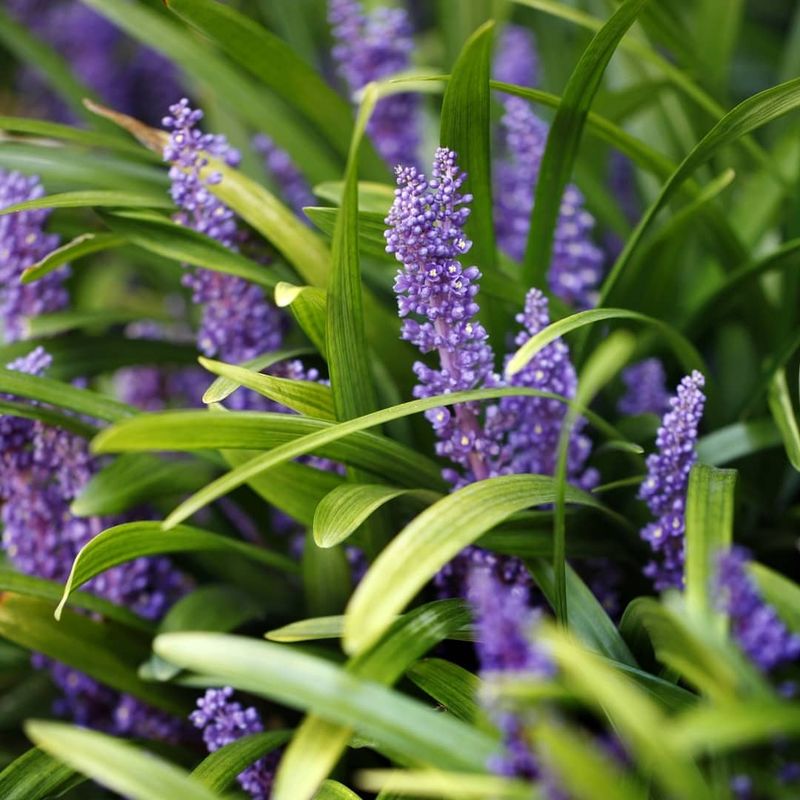
Liriope might just be the most hardworking edging plant in the entire Texas landscaping world. It looks like grass, grows like grass, and behaves like a well-disciplined border plant all at once.
Homeowners across Texas rely on it heavily because it simply refuses to look bad. Growing in dense, arching clumps that reach about twelve to eighteen inches tall, Liriope forms a clean, defined line along garden beds, driveways, and pathways.
Its dark green, strap-like leaves stay tidy and upright, giving any yard edge a polished, intentional appearance that holds up through all four Texas seasons.
One of Liriope’s biggest strengths is its flexibility. It handles full sun, partial shade, and even deep shade, which makes it useful in spots where other grasses struggle.
Under large oak trees, along shaded fence lines, or in open sunny beds, Liriope adapts and continues to look great.
In late summer, it produces small spikes of purple or white flowers that rise above the foliage. These blooms add a pop of color to yard edges and attract pollinators, turning a simple border plant into a multi-purpose feature.
After the flowers fade, small dark berries follow, adding another layer of visual interest. Texas heat does not rattle Liriope at all. It handles high temperatures and humidity without wilting or browning.
Established plants need very little supplemental watering, which makes them a practical and cost-effective choice for homeowners who want beautiful, low-maintenance edges throughout the entire Texas growing season.
7. Dwarf Fountain Grass (Pennisetum Alopecuroides ‘Hameln’)
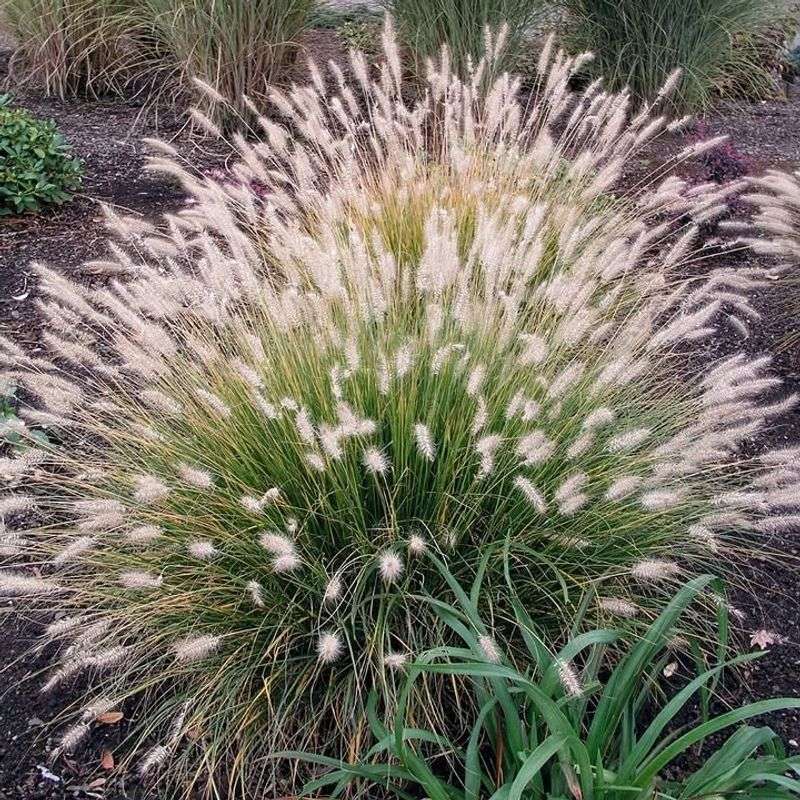
Soft, rounded, and surprisingly well-behaved, Dwarf Fountain Grass is the compact cousin of the larger fountain grass varieties that can sometimes take over a yard.
The Hameln cultivar stays manageable, typically reaching only eighteen to twenty-four inches in height, which makes it a great fit for neat yard edges in Texas.
What makes this grass so visually appealing is its fluffy, bottlebrush-like plumes that appear in late summer and persist into fall. They start out creamy white and gradually shift to a warm tan as the season progresses.
Along a yard edge, those plumes create a soft, elegant look that stands out without being overwhelming.
The foliage itself is attractive too. Fine, arching green blades form a dense, fountain-shaped mound that stays tidy throughout the growing season.
In fall, the blades turn golden yellow before going dormant in winter. That seasonal color show adds variety to Texas yard edges when many other plants are winding down.
Dwarf Fountain Grass thrives in full sun and handles Texas heat without much fuss. It prefers well-drained soil and once established, it needs only occasional watering during extended dry periods.
Cutting it back hard in late winter encourages fresh, vigorous new growth each spring. For Texas homeowners who want a grass that combines structure with a soft, ornamental flair, Dwarf Fountain Grass hits the mark.
It stays in its lane, looks beautiful through multiple seasons, and requires minimal effort to maintain, making it an excellent border choice for yards across the state.