Found A Hole Under Your Ohio Deck? Who’s Living There This Winter
Mother skunks can squeeze through gaps about four inches wide. That is roughly the size of a softball, and it explains a lot about the mystery hole by your deck stairs.
In Ohio, the dark space under a deck stays drier and calmer than the open yard all winter. Snow piles on top like a blanket, and the wind barely reaches the ground below.
To a furry neighbor, that sounds like a five-star hotel with free parking.
I can’t imagine a cozier rental, honestly. You walk across those boards every day without knowing who is curled up a few feet below your boots.
Some of these tenants sleep for months, while others wander out at midnight to raid the bird feeder.
Your deck might already have an unexpected winter guest, and the clues are easier to miss than you might think.
1. That Fresh Burrow By Your Deck Steps Has A Story
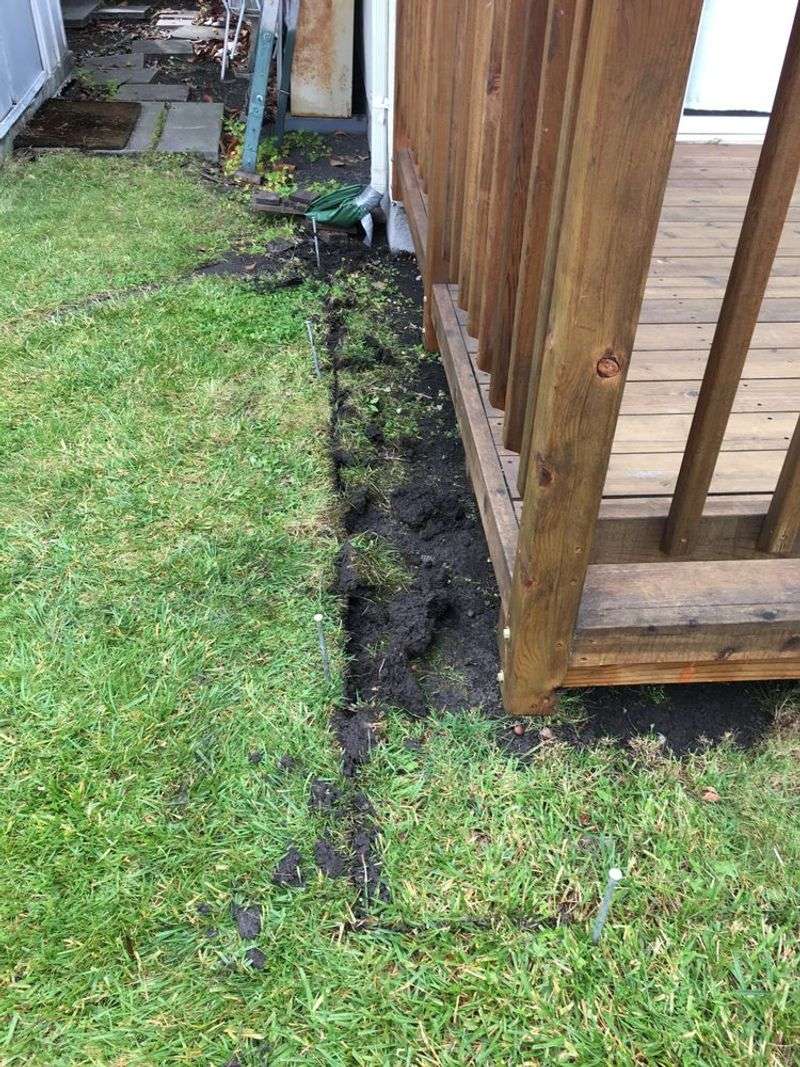
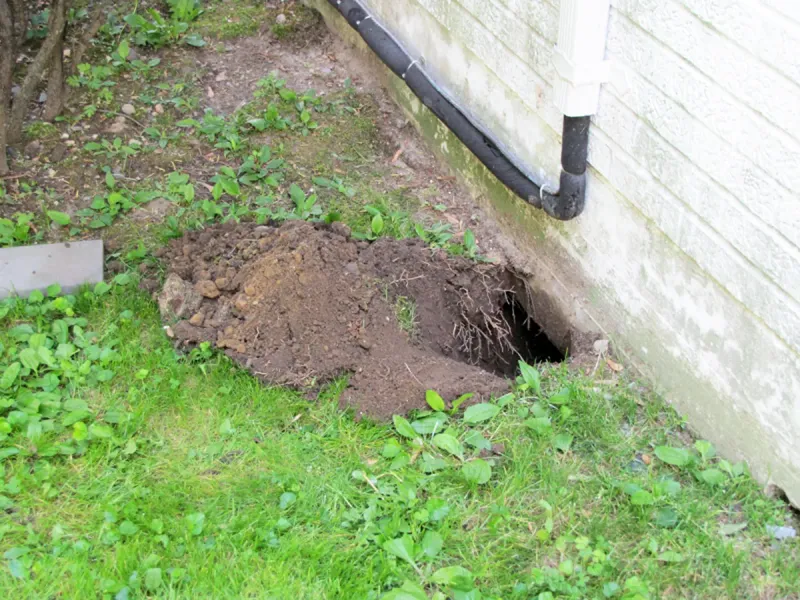
Holes under decks rarely appear by accident. The size, shape, and dirt pile around the opening are your first big clues about who moved in.
Start by measuring the hole with a ruler or tape. An opening around 4 to 6 inches wide with little loose dirt often points to a skunk.
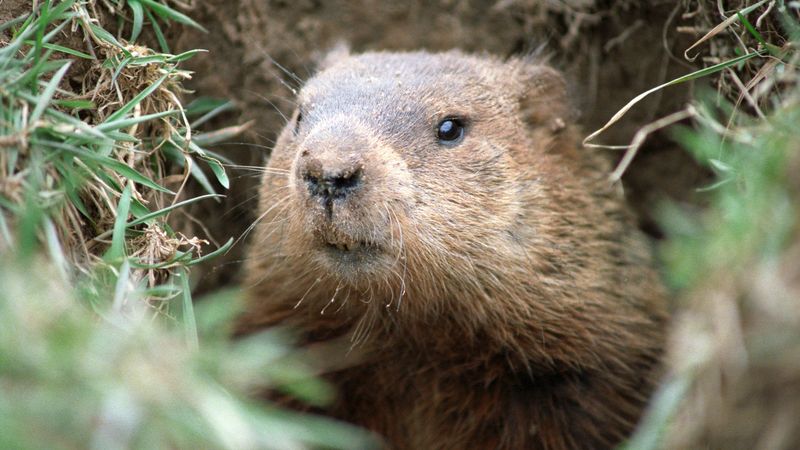
A larger hole, closer to 10 to 12 inches, with a big fan of fresh soil spread out front, usually means a groundhog did the digging.
Raccoons and opossums rarely dig much on their own. They tend to slip through gaps in deck skirting or borrow a tunnel someone else already built.
So a torn lattice panel may matter more than the hole itself.
I like to sprinkle a thin layer of flour or sand in front of the entrance before bedtime. By morning, the tracks tell the tale.
Skunks leave small five-toed prints with long front claws, while raccoon tracks look like tiny human hands.
Snow works even better. After a fresh snowfall in Ohio, check the deck edge early.
Clear tracks, or a lack of them, can show whether the den is active or quiet right now.
2. A Sleepy Groundhog Might Be Snoozing Right Under Your Boards
Groundhogs are true hibernators, and that makes them unusual among deck squatters. From roughly late fall until February or March, many sleep deeply in their burrows.
During hibernation, a groundhog’s heart rate drops dramatically, and its body temperature falls close to the temperature of the burrow. It lives off fat stored all summer while munching on your clover and garden greens.
Their tunnels can be impressive. A single burrow system may stretch 20 feet or more, with several entrances and separate chambers for sleeping and waste.
Under a deck, that much digging can loosen soil near posts and footings.
So what does this mean for you this winter? If you spot a big, older hole with no fresh tracks in December, a groundhog may be sound asleep inside.
Sealing it now could trap a living animal underground.
Personally, I mark these holes and wait. Males often wake first in late winter to look for mates, and you will see fresh dirt and tracks when activity returns.
That is your signal to plan exclusion, ideally after any spring babies have grown and left in summer.
3. That Musky Whiff Could Mean A Skunk Moved In
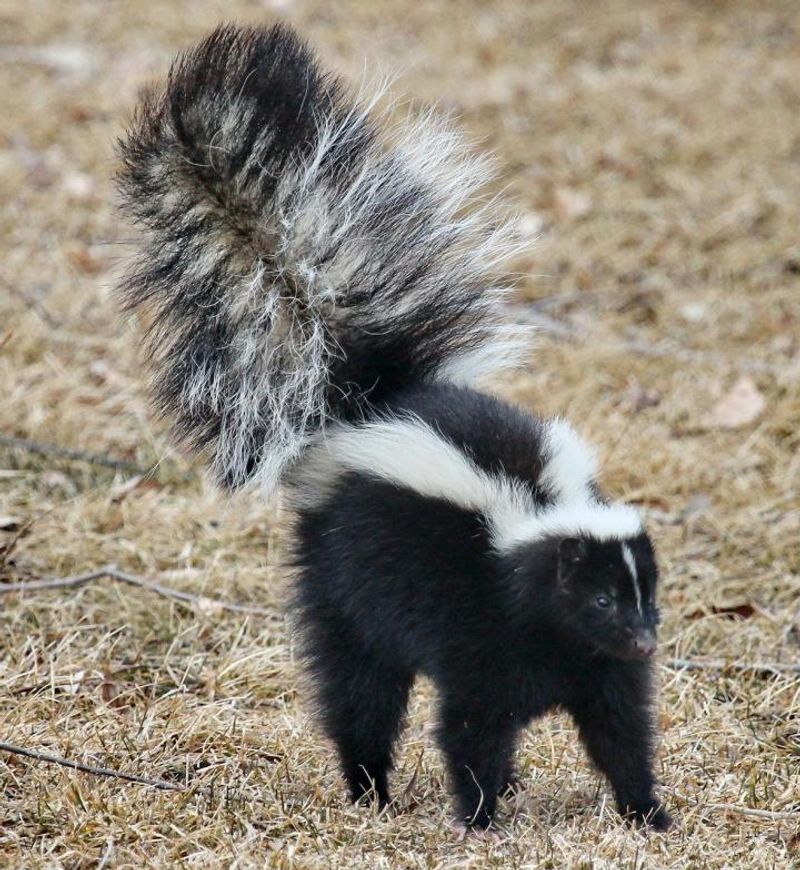
Nobody forgets that smell. Even when a skunk has not sprayed, a den under a deck can give off a faint musky odor on cold, still mornings.
Striped skunks do not truly hibernate. Instead, they enter periods of deep sleep called torpor during the coldest stretches, then wake up on milder nights to look for food.
Several females may even share one den to stay warm, while males often stay solo.
Late winter brings a twist. Skunk breeding season in Ohio runs mostly from February into March, so nighttime activity often picks up then.
You may notice more tracks, more odor, and occasional squabbles under the deck.
Skunks are also a rabies vector species, so please keep pets and kids away from any skunk acting oddly in daylight. Make sure dogs and cats are current on rabies shots.
For a gentle nudge, you can place a bright light or a radio near the opening on a mild night. Many skunks simply pack up and leave when their quiet, dark bedroom suddenly feels like a busy hallway.
4. Masked Raccoons Love A Torn Lattice Panel
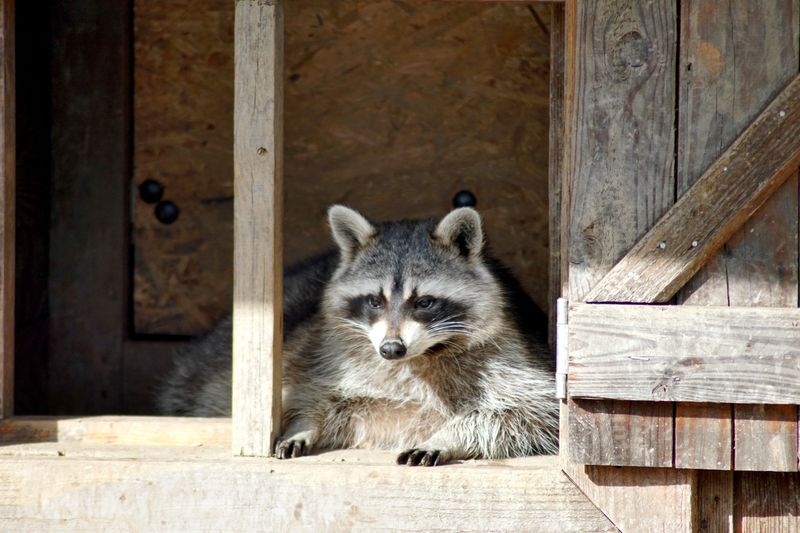
Raccoons are clever, strong, and surprisingly picky about real estate. A dry, sheltered spot under a deck close to trash cans or a bird feeder checks every box.
Like skunks, raccoons do not truly hibernate. They hole up during harsh cold snaps and may sleep for days or even weeks, living off fat reserves.
Once temperatures rise a bit, they head out again at night.
Watch for clues such as bent or ripped lattice, muddy handprints on deck posts, and tipped garbage bins. Raccoons often use latrines, which are piles of droppings in one favorite spot.
Avoid touching those, since raccoon droppings can carry roundworm eggs that are harmful to people.
Mating season starts in late winter, often January through March. Females then look for safe, quiet dens to raise kits in spring.
Honestly, the best defense is removing the snack bar. Secure trash lids with bungee cords, bring pet food inside at night, and clean up spilled birdseed.
A raccoon that finds nothing to eat nearby is much more likely to move along on its own.
5. Opossums With Frosty Ears Borrow Empty Burrows
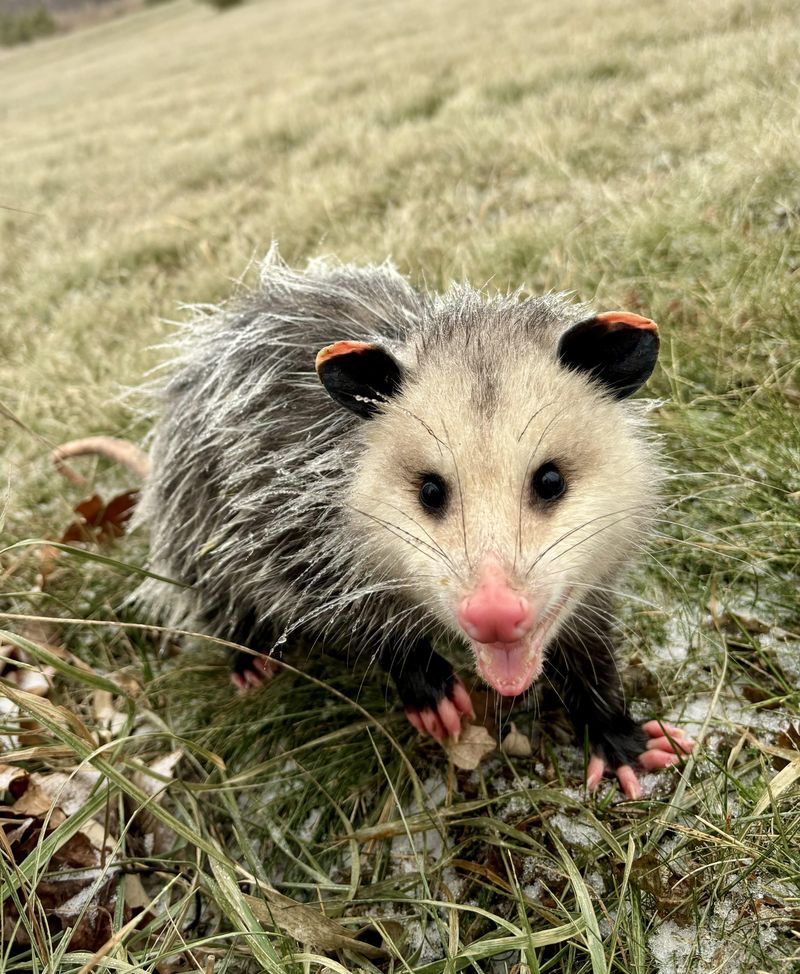
Few backyard animals look as surprised as an opossum caught in a flashlight beam. These quiet wanderers are North America’s only marsupial, and they are frequent winter guests under Ohio decks.
Opossums are not great diggers. They prefer moving into an abandoned groundhog burrow or slipping through a gap in the skirting.
Their thin, hairless ears and tails are sensitive to cold, so some opossums in northern areas show frostbite damage on their ear tips.
They do not hibernate, but they may stay tucked inside for several days during very cold weather. On warmer nights, they come out to look for fallen fruit, insects, and leftovers.
Opossums may occasionally eat ticks while grooming, but research does not support the widespread claim that they consume large numbers of ticks.
They are also less likely to carry rabies than many mammals, partly because of their low body temperature.
Still, nobody wants a surprise tenant. Opossums often move from den to den every few days, so waiting for one to leave and then closing the gap usually works well.
6. Tiny Mice And Chipmunks Leave Smaller Holes Around Deck Posts
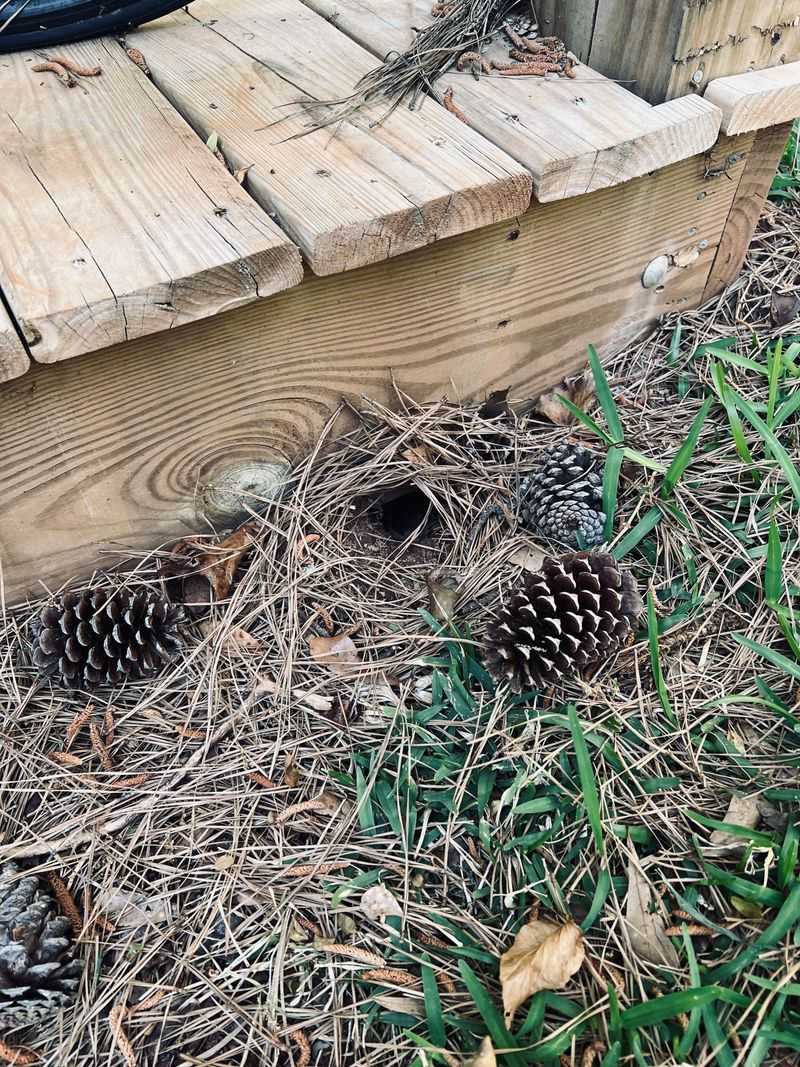
Not every hole belongs to a big critter. A neat opening about 2 inches wide, often near a post or under a step, usually points to smaller visitors.
Eastern chipmunks are common in Ohio yards. They dig tidy holes with no dirt pile, since they carry soil away in their cheeks.
In winter they stay underground in burrows, waking now and then to snack on seeds stored all fall.
Voles create shallow runways and small holes in lawns and garden beds. Mice may nest in leaf piles or stored items under the deck.
Norway rats, when present, leave larger burrows and greasy rub marks along edges.
Food is the main magnet here. Spilled birdseed under a feeder can feed a whole rodent family through the cold months.
Try a seed tray or no-mess seed blends to cut down on scraps.
Also clear clutter from under the deck. Old firewood, stacked pots, and leaf piles make perfect hiding spots.
A cleaner space gives these little guests fewer places to tuck in and wait out the snow.
7. Hold Off Sealing That Hole Until The Critter Steps Out
Blocking the hole right away feels satisfying. Sadly, it can trap an animal inside, which leads to frantic digging, damage, and a terrible smell later.
Start with a simple test. Loosely stuff crumpled newspaper or a few sticks into the opening, then check it for two or three nights in mild weather.
If the plug stays put, the den is likely empty.
Next, think about timing. Late winter and spring bring babies for raccoons, skunks, and groundhogs.
Closing a den then can separate a mother from her young, so many experts suggest waiting until young can travel with their mother.
A one-way exclusion door is a smart option. It lets the animal leave but blocks its return.
Many wildlife pros install these over active holes.
Legal rules matter too. In Ohio, the Division of Wildlife regulates nuisance wildlife, and moving rabies vector species like raccoons and skunks is restricted.
If trapping becomes necessary, I strongly suggest hiring a licensed nuisance wild animal control operator who knows current state rules.
8. An L-Shaped Wire Barrier Keeps Your Deck Critter-Free
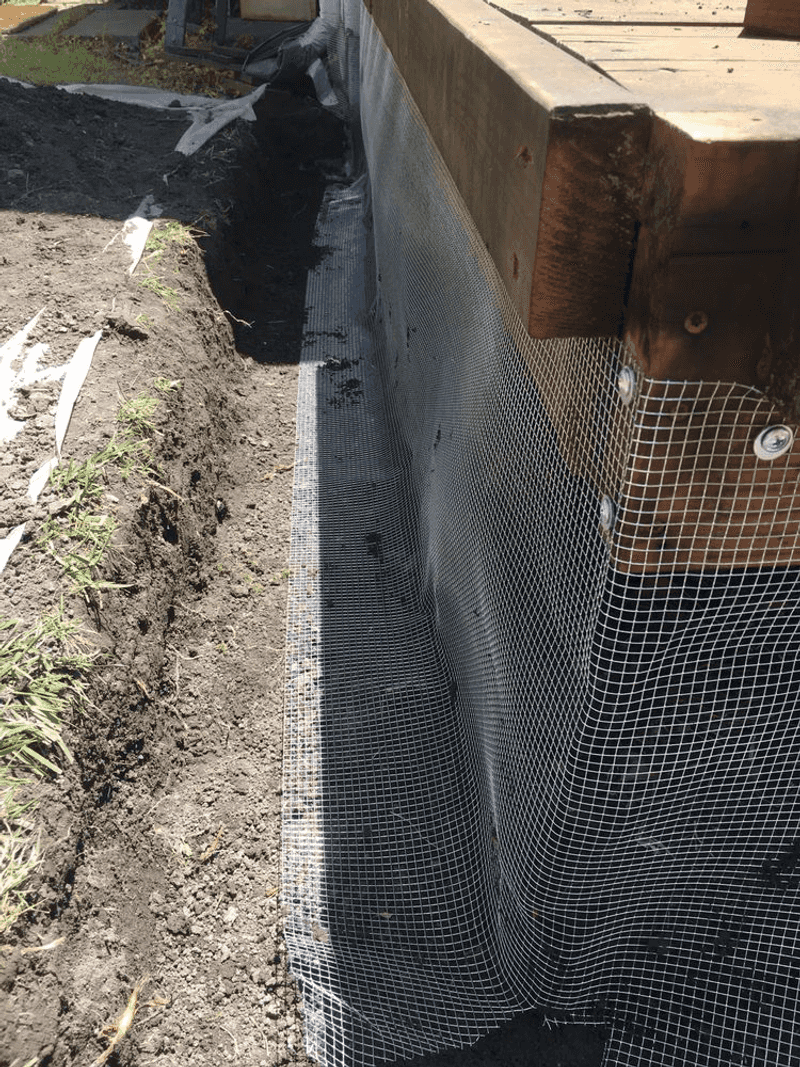
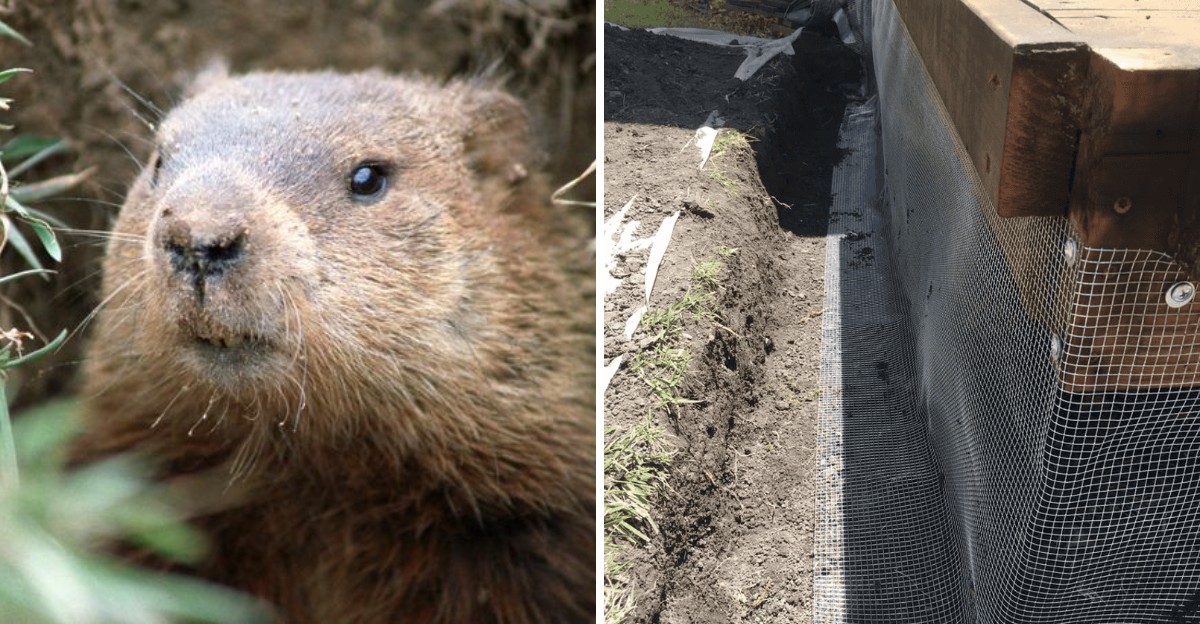
Once the space is empty, it is time to build a wall critters cannot outsmart. Wildlife experts widely recommend an L-shaped barrier made of sturdy galvanized hardware cloth.
Dig a trench along the deck edge about 12 inches deep. Bury the mesh in it, then bend the bottom outward about 12 inches, forming an L.
Animals digging at the wall hit buried wire and usually give up.
Pick half-inch to quarter-inch mesh for small rodents, or heavier welded wire for raccoons and groundhogs. Fasten the top securely to the deck frame with screws and washers or heavy staples.
Lattice alone rarely stops a determined raccoon.
Timing helps a lot. Frozen Ohio ground makes trenching tough, so many homeowners finish this job in early spring or late summer, after young animals have moved on.
Then keep the area boring. Trim shrubs away from the deck, store trash in sealed bins, and move bird feeders farther out.
My favorite takeaway is simple. A deck with no gaps and no snacks becomes a lot less tempting for next winter’s house hunters.