Why Ohio Gardeners Should Leave Rose Hips On Their Roses This Fall
Ohio gardeners love a tidy rose bush in October. The roses would rather look a little messy.
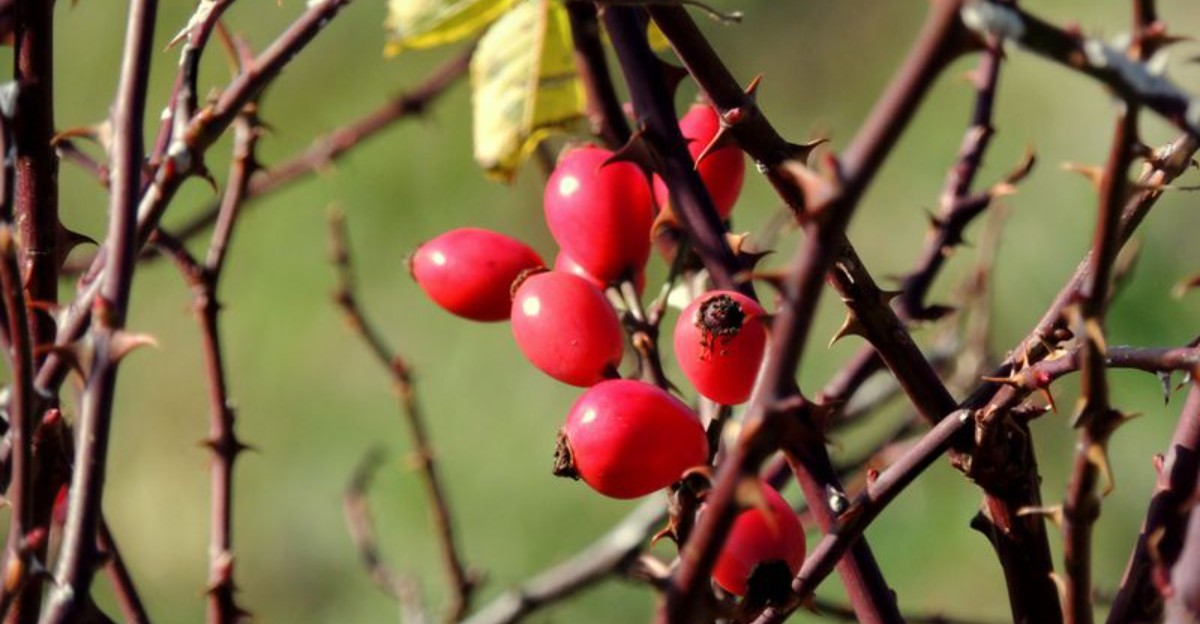
Those small red and orange globes that swell where the flowers once bloomed are rose hips, the fruit of the plant. Most people see them as clutter and snip them off.
Few realize the hips pack more vitamin C than an orange.
Autumn cleanup habits run deep. It feels like good care to tidy every cane and keep the bush neat.
Yet each cut sends the wrong signal to the plant at the worst possible time of year, and the effects show up months later, after a hard Ohio winter.
The hips matter to more than your roses. Some of the most beautiful birds in the state count on them once the snow falls.
Put down the pruners. What you leave on the bush could do more good than anything in the shed.
1. Rose Hips Add Color After Roses Fade
Think of the final act of a great show, when the lights dim but one spotlight keeps shining. Rose hips play that role in an Ohio garden once the last petals drift to the ground.
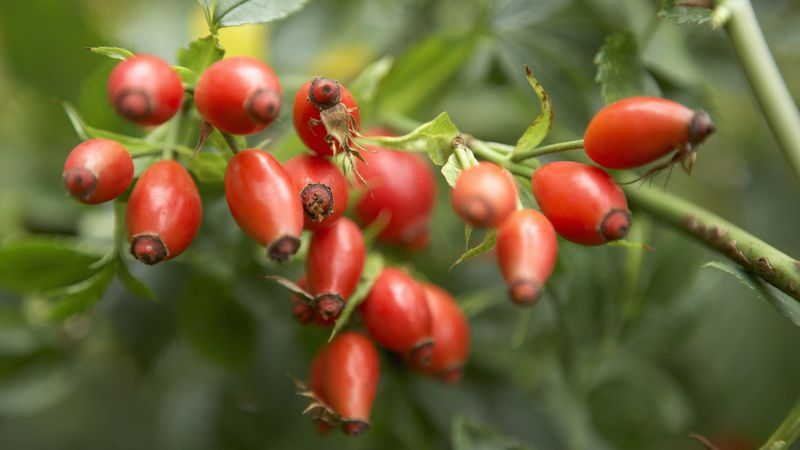
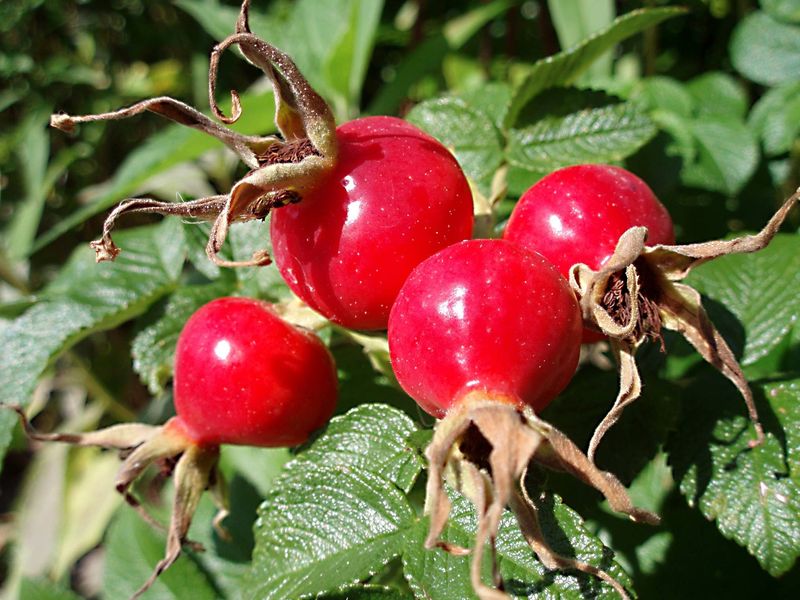
These round little fruits start out green in late summer. Between late August and October, they slowly blush into bright orange, scarlet, or deep red.
The color arrives right when your yard needs it most. Maples drop their leaves, mums turn brown, and the lawn fades to a dull tan, yet the hips keep glowing on the canes.
Some roses are even grown mainly for their fruit instead of their flowers. Rugosa roses, for example, make plump hips that look like cherry tomatoes hanging on a shrub.
If you want to enjoy the show, plant your roses where you can see them from a window. A kitchen or living room view lets you admire the color on chilly days without boots.
You can also pair rose shrubs with ornamental grasses or evergreens for extra contrast. The soft tan grasses and deep green needles make those red hips pop even brighter.
Best of all, this color costs you nothing extra. You simply let nature finish what it started, and your garden rewards you with a second season of beauty.
2. Birds Rely On Rose Hips For Fall Food
Ask any bird watcher in Ohio, and they will tell you that fall is a hungry time for backyard birds. Insects disappear, seeds get scarce, and flocks start searching hard for a reliable meal.
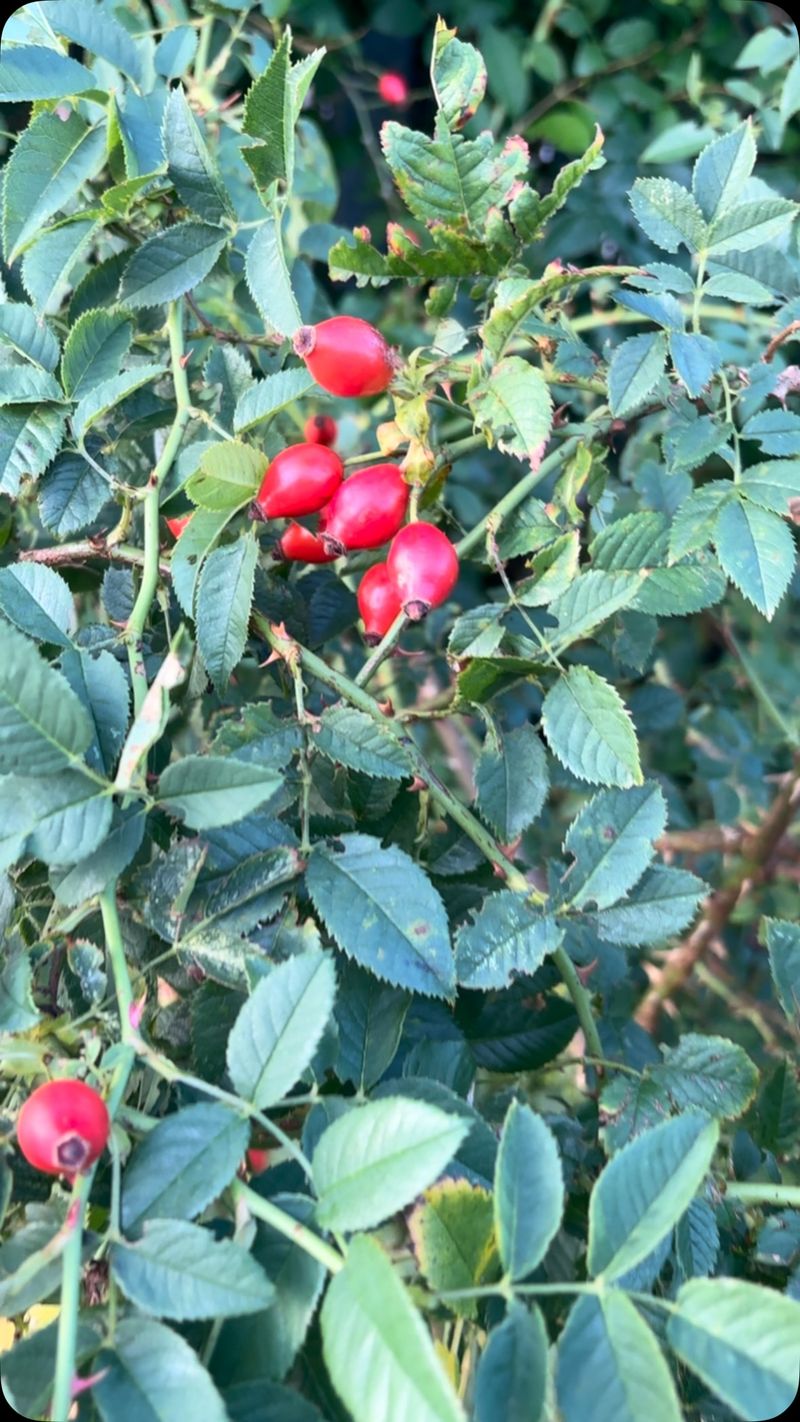
Rose hips step in like a well-stocked pantry. The fruits are packed with nutrients, and they hang on the branches right where birds can reach them.
Cedar waxwings, American robins, northern mockingbirds, and bluebirds are known to snack on rose fruit. Some birds gobble the whole hip, while others peck it open to reach the seeds inside.
Here is a fun fact to share at dinner. Rose hips are loaded with vitamin C, and people in Britain once gathered them to make syrup for children during World War II.
Your Ohio Garden Changes Every Week. Your Plan Should Too.
Gardening in Ohio changes quickly throughout the season. Every Friday you’ll receive a simple weekly plan showing exactly what to plant, prune, fertilize, harvest, and protect so you never miss the right timing.
That same goodness helps birds stay strong as temperatures drop. When snow covers the ground, a shrub full of hips can provide an additional food source when other foods are harder to find.
To help your feathered visitors, leave your hips on the plant instead of clipping them off. Place a birdbath nearby, because birds need fresh water in winter just as much as food.
You get free entertainment, and they get a free buffet. That sounds like a fair trade for simply putting your pruners away a little early.
3. Late Fruit Keeps Wildlife Visiting Your Garden
Your garden does not have to go quiet when the growing season ends. With a few rose hips left on the shrubs, it can turn into the busiest diner on the block.
Birds are the most common guests, but they are not the only ones. Squirrels, chipmunks, rabbits, and even deer may stop by to nibble on the fallen or low-hanging fruit.
In wild areas, rose hips are an important food for birds and small mammals. Bears munch on them in some regions, though Ohio gardeners are more likely to spot a curious squirrel.
More visitors means a more balanced backyard. When animals feel welcome, they bring life, movement, and sound to a space that might otherwise feel sleepy and still until spring.
Want to see who shows up? Set a small trail camera or simply keep a notebook by the window and jot down each creature you spot.
Kids especially love this kind of backyard detective work. It turns a gray November afternoon into a fun game of guess who stopped by for lunch.
If rabbits or deer become a bother, wrap the lower canes with wire mesh. That way, the birds still get their treats while your shrubs stay safe from too much chewing.
4. Seed Production Begins Once Blooms Are Finished
Every rose hip starts with a busy bee. When pollinators visit your roses in late spring or early summer, they carry pollen from flower to flower, and that sets the whole process in motion.
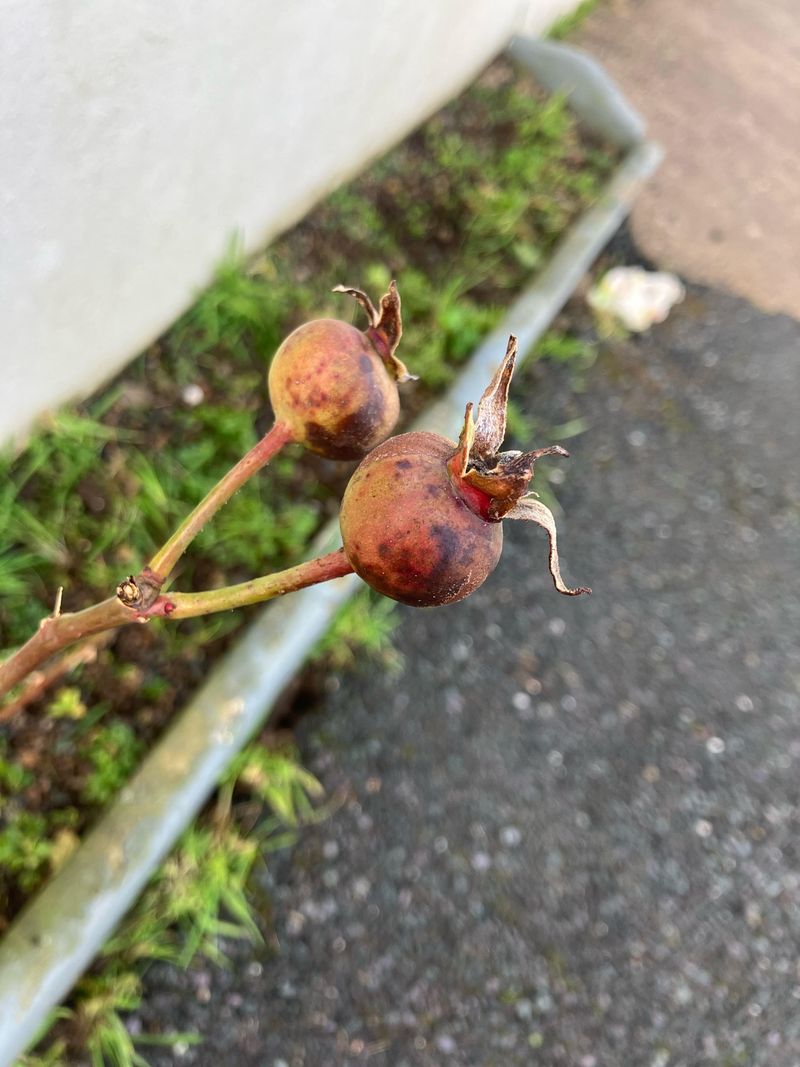
Once a bloom is pollinated, the petals fall away. Left behind is a small green knob at the base of the flower, and that knob is the beginning of a hip.
Over the next several weeks, the hip swells as seeds grow inside it. You can think of it like a tiny treasure chest slowly filling up with gold.
As the seeds mature, the outside of the hip changes color. Green turns to yellow, then orange, and finally a rich red or even purple-black on some varieties.
Did you know that roses are close cousins of apples? Both belong to the same plant family, which is why a sliced rose hip looks a bit like a miniature apple with seeds in the middle.
Curious gardeners can try growing new roses from these seeds. Collect a ripe hip in fall, scoop out the seeds, and keep them in damp paper towels in the fridge for about two months before planting.
Seedlings may not look exactly like the parent plant. That surprise is half the fun of the experiment.
5. Fall Hips Give Shrubs Winter Interest
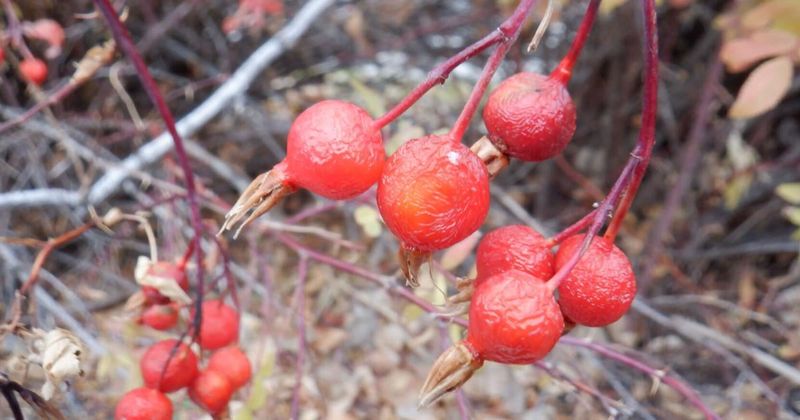
Grandma used to call it the garden’s winter jewelry. After the first snowfall, she would stand at her kitchen window and point out every red hip sparkling against the white.
Ohio winters can feel long and gray, with weeks of cloudy skies and slushy roads. A rose shrub dotted with bright fruit gives your eyes a cheerful place to rest.
Garden designers use the phrase winter interest to describe plants that look good in cold months. Rose hips fit that idea perfectly, adding color, texture, and shape when most plants have gone bare.
Picture fresh snow balanced on top of each hip like a tiny cap. Or imagine frost outlining the thorny canes on a sunny January morning.
Many rose types produce big crops of hips that stay attractive for months. Rugosa, dog rose, and many shrub roses are known for putting on a strong winter display.
For extra charm, clip a few hip-covered stems for indoor decorating. They look lovely in a vase with pine branches or tucked into a holiday wreath.
Just leave most of the fruit outdoors for the birds and for your own winter views. A little sharing keeps everyone happy until spring returns.
Snap a photo each month to track how the colors shift. You might be surprised how beautiful a quiet garden can be.
6. Skip Trimming Spent Blooms If You Want More Hips
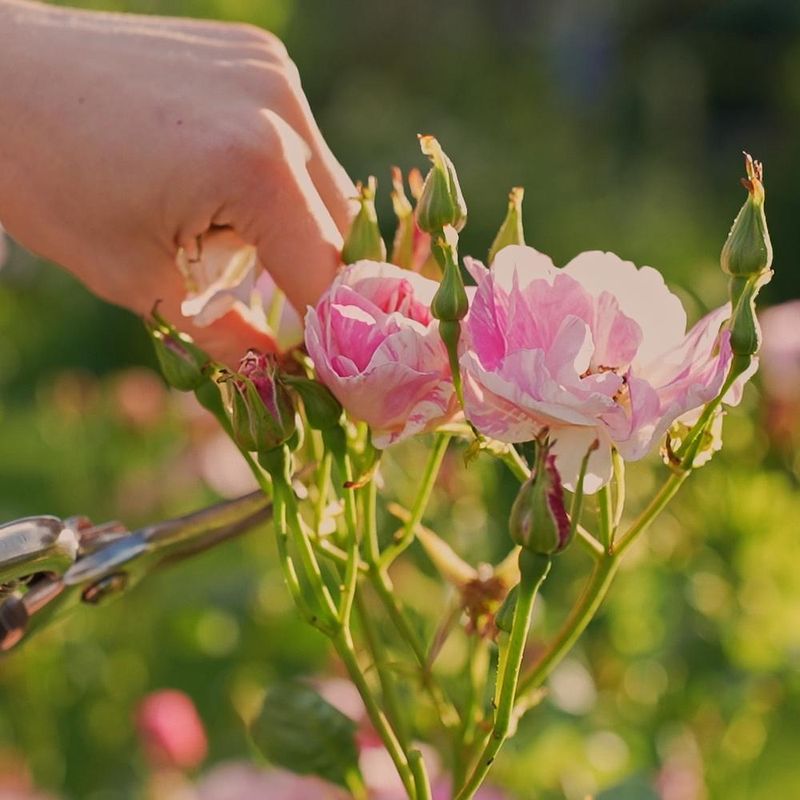
Here is some great news for busy gardeners: doing less can give you more. If you want a big crop of rose hips, the trick is to stop snipping off faded flowers.
All summer long, many of us clip old blooms to keep roses looking tidy and fresh. That habit tells the plant to make more flowers instead of putting energy into seeds.
When you stop clipping, the plant shifts gears. Instead of pushing out new buds, it focuses on building hips that hold the next generation of seeds.
Timing matters here. If you want hips, stop trimming well before fall so the developing fruit has time to mature before cold weather arrives.
That schedule gives the fruit enough weeks to form and color up. Stop too late, and the hips may not have time to ripen before cold weather sets in.
Keep in mind that some modern hybrid roses rarely make many hips. Species roses, rugosas, and older shrub types tend to be far more generous with their fruit.
If you love both blooms and hips, try a middle path. Clip flowers on one side of the bush through summer, then let the other side go to seed for a fall show.
7. Let The Fruit Mature Before Winter
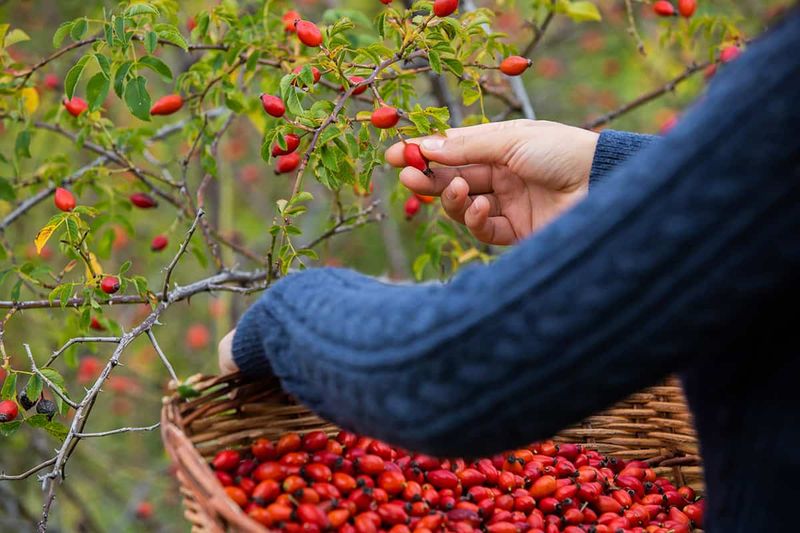
Patience is a gardener’s best friend, and rose hips prove it. Pick or cut them too early, and you miss out on their best color, flavor, and value for wildlife.
Most hips ripen between late August and October in Ohio. A fully mature hip turns deep orange or bright red and feels slightly soft when you give it a gentle squeeze between two fingers.
Hard, pale fruit simply needs more time on the plant. Leave it on the stem and check back every week or so as the fall weather cools.
Here is a neat trick that nature handles for you. Cold weather can change the flavor and texture of ripe hips, which may make them more appealing to wildlife.
Some people like to harvest a few ripe hips for tea or jelly. If you try it, gather only from unsprayed roses and remove the hairy seeds inside first.
Those tiny hairs can irritate your mouth and throat. Old-timers even called them itching powder, so a careful scoop with a small spoon is well worth the extra effort.
Whatever you do, save plenty for the wildlife. A mature hip left on the branch keeps feeding birds long after you have finished your own harvest.
8. Save Heavy Pruning For The Right Season
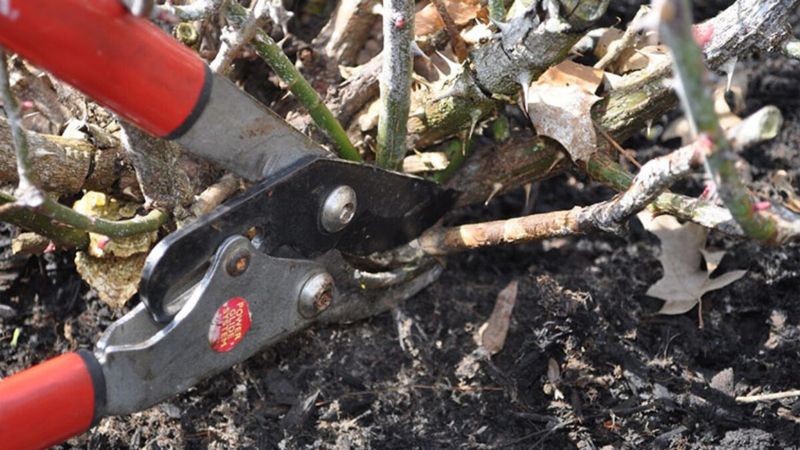
Cutting your roses back hard in October might feel like smart cleanup, but it can backfire. Fall pruning can wake the plant up just as it should be settling in for a long winter nap.
When you make big cuts, roses often respond by pushing out fresh shoots. That tender new growth has little time to toughen up, and Ohio’s freezing nights can easily damage it.
The better time for heavy pruning is late winter or early spring. In most of the state, that means waiting until around March or early April, when forsythia starts blooming yellow.
At that point, the plant is still resting, and you can easily see which canes are healthy. Cut out broken or brown stems, and shape the shrub while it is bare.
There is one small exception to the fall rule. Tall roses in windy spots can be trimmed lightly to prevent wind rock, which happens when strong gusts twist and loosen the roots.
Just take off a few inches of the longest canes to lower the height. Leave the rest of the shrub, and its hips, alone until spring.
Waiting also protects your fall fruit display. If you want rose hips, try not to prune between late summer and spring, and your shrubs will reward you with color and bird visitors.
9. Give Rose Hips Room To Stand Through Winter
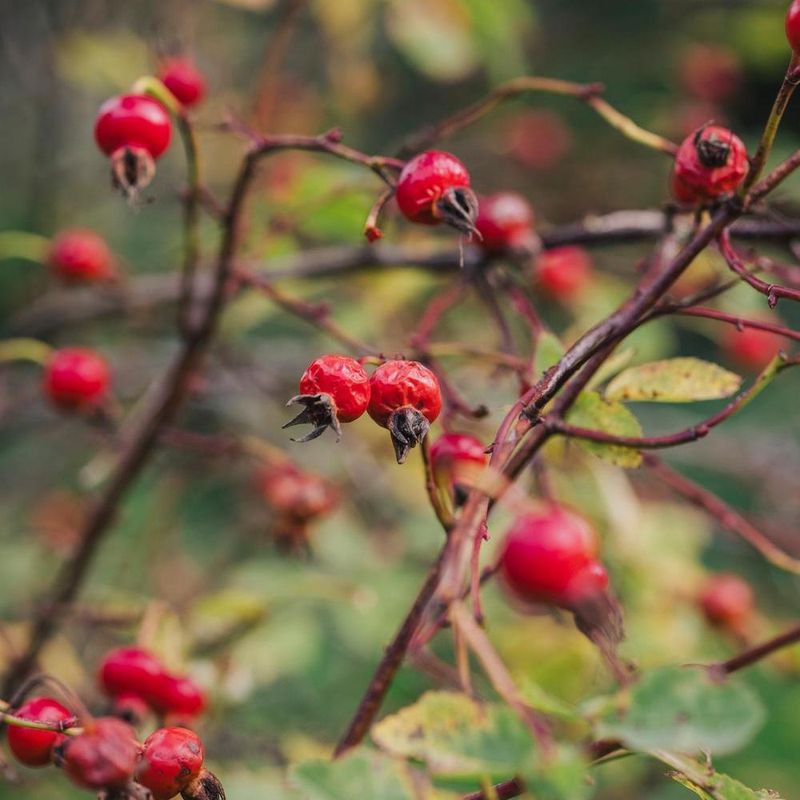
A tidy garden in November can look nice, but a slightly wild one often works harder. Letting rose hips stay put through winter gives your shrubs and your local critters a real boost.
Leaving hips on the canes allows the fruit to remain available for wildlife while the rose naturally slows its growth as winter approaches.
That natural slowdown makes the shrub tougher. A rose that settles in on time is often healthier and more vigorous when spring warmth returns.
In milder parts of Ohio, hips may hang on well into January. Some years, you might still spot a few red dots peeking out from snowy branches in February.
To give the fruit space to shine, avoid crowding your roses with piles of leaves or tall covers. A few inches of mulch around the base protects the roots without hiding the hips.
Resist the urge to cut every stem back for a neat look. Those upright canes add height and structure to a flat winter bed, much like a sculpture in an outdoor gallery.
Come spring, simply prune as usual and enjoy watching fresh leaves appear. Your roses will be rested, the birds will be fed, and your garden will have stayed lovely all winter long.