The Best Winter Blooming Shrubs For California Gardens That Need More Seasonal Color
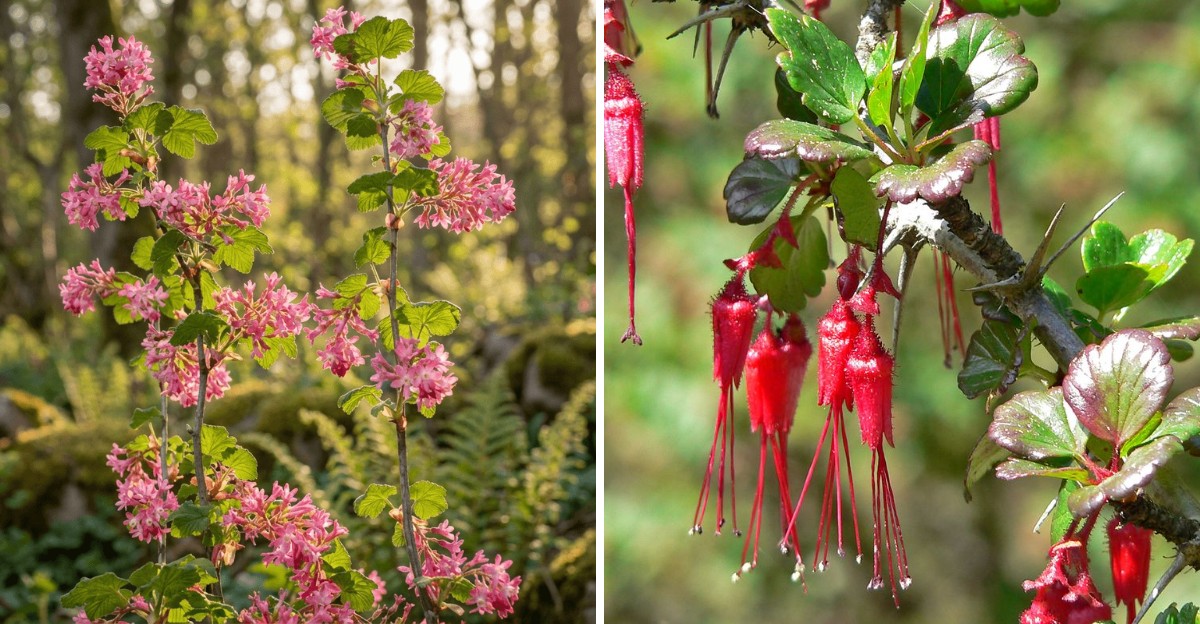
Pink petals can drift down one at a time from a glossy shrub in December, leaving a soft carpet on the path instead of soggy brown clumps. Few winter flowers exit that gracefully.
That tidy habit is one perk of planting for winter color. Several tough natives open flowers in the gray months, feeding bees and hummingbirds when little else offers nectar.
Fall is the ideal time to put them in, since winter rain coaxes young roots to settle before summer heat.
Mark my words, one cheerful bloomer by the front door can rescue an entire gloomy season. My own walkway used to look like a gray parking lot every January. Now it greets me with color, a sweet scent, and the occasional hummingbird zooming past my ear.
A few smart picks this fall could have blossoms opening on the chilliest mornings.
1. Sasanqua Camellia
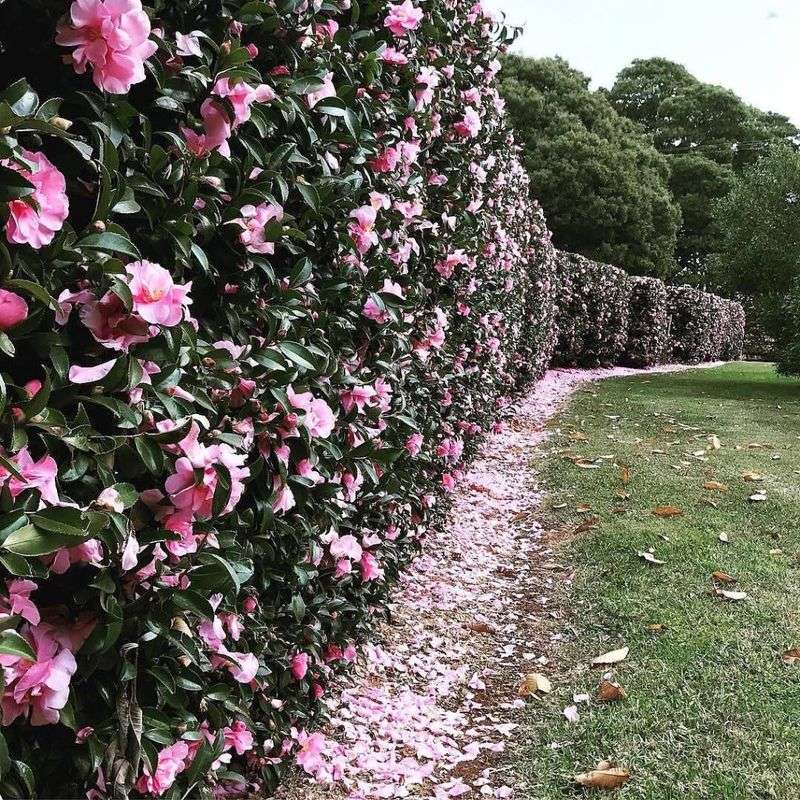
Camellia sasanqua is a close cousin of the tea plant, yet it puts on a far showier winter performance. Its flowers open flat and fresh against shiny dark leaves, often in soft pink or crisp white shades.
I like how the petals drop one by one, leaving a pretty carpet under the shrub instead of brown blobs. That habit makes sasanquas much tidier than their larger cousins, the japonica camellias that bloom a little later.
Sasanquas also handle more sun than most camellias, though afternoon shade helps in hot inland valleys of California. Morning sun with bright filtered light later in the day usually gives the heaviest bloom and the happiest leaves.
Soil matters a lot, since these shrubs prefer slightly acidic ground that drains well after winter rains soak through. Mixing in compost or planting in a raised bed helps if your yard has heavy clay.
Most varieties grow about six to ten feet tall, but smaller types fit nicely in containers on a patio. You can also train taller ones along a fence as an espalier, which saves space in narrow side yards.
Water deeply during dry spells, and spread a few inches of mulch to keep the shallow roots cool and moist. Feed lightly with an acid-loving plant food in spring, after the flowers fade and fresh growth begins to appear.
Pruning works best right after blooming, because next season’s flower buds start forming during the summer months. Personally, I think a single sasanqua by the front walk can make an ordinary December morning feel special.
2. Mahonia Charity
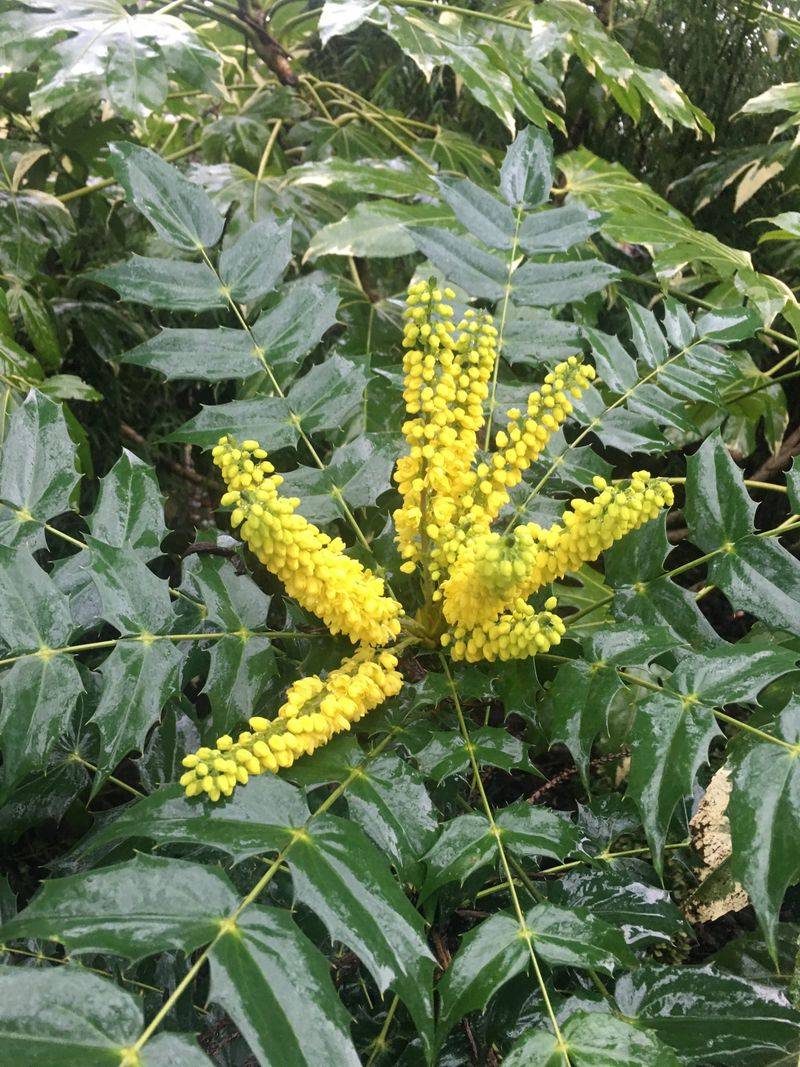
Spiky leaves and bright yellow flower spikes make Mahonia Charity look like a firework frozen in the middle of winter. The upright flower clusters open from late fall into winter, and they carry a light, sweet scent.
Charity is a hybrid selected in England during the 1950s, and gardeners have loved its bold shape ever since. Botanists now sometimes list mahonias under the barberry genus Berberis, so you may spot both names on labels.
I have to admit the holly-like leaflets are prickly, so plant it away from paths where kids run around. Those same spines make it a smart barrier plant along a fence or under a window you want protected.
Partial shade suits it best, especially in warm inland areas where strong afternoon sun can scorch the leaves. Along the cooler coast, it often handles more sun and still keeps its deep green color looking healthy.
Give it rich, well-drained soil and regular water while roots settle in during the first year or two. Once established, it handles short dry spells, though occasional deep watering in summer keeps it looking its best.
Hummingbirds sometimes visit the flowers, and bees appreciate the early pollen when little else is open in the garden. Later, blue-black berries form, and birds often pick them off before you even notice they have ripened.
Mature plants commonly reach six to ten feet, so leave plenty of room in a shady corner or border. Cut leggy stems back after flowering, and new shoots will fill in the base with fresh, lush leaves.
3. Howard McMinn Manzanita
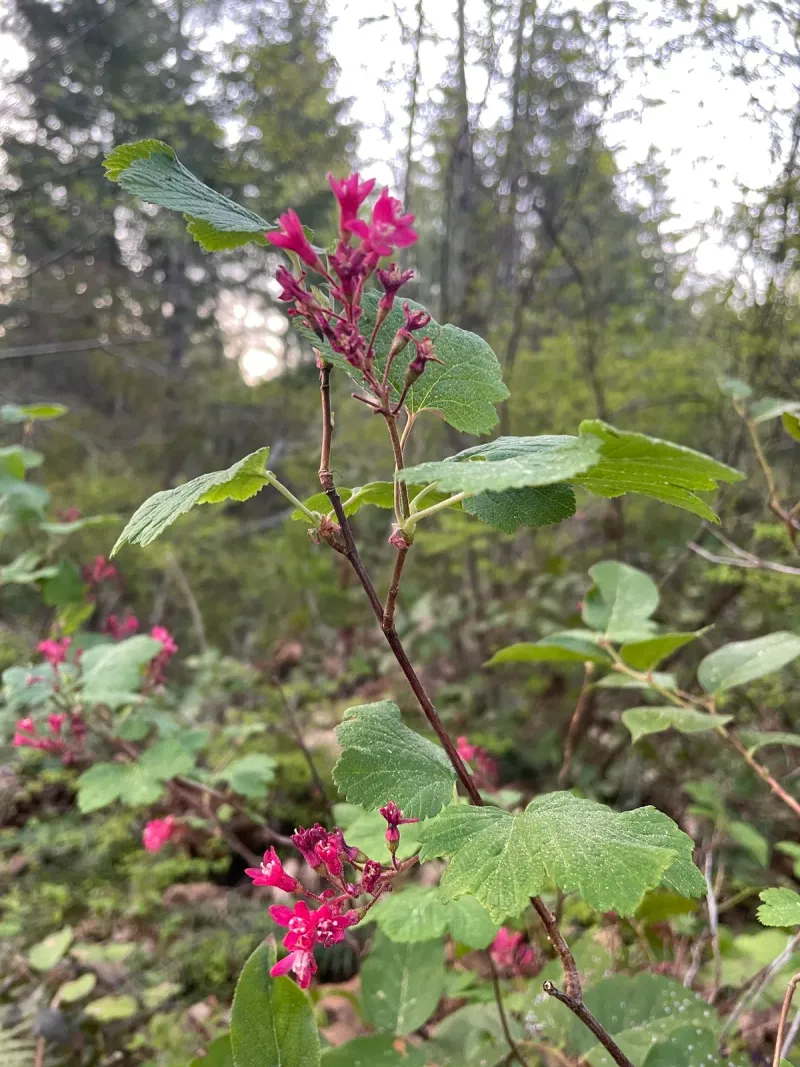
Smooth reddish bark that feels almost like polished wood is reason enough to love this tough native shrub. Add clusters of tiny pink and white bells in late winter, and you get a real neighborhood showstopper.
Howard McMinn is a selection of Vine Hill manzanita, a rare species that grows wild in Sonoma County. It carries the name of a botanist who taught at Mills College and championed native plants in gardens.
What surprises me most is how forgiving it feels compared with many other manzanitas that sulk in garden soil. It handles clay better than most relatives and accepts a little summer water without much fuss at all.
Plant it in full sun or light shade, with room for a mounded shrub around five to seven feet tall. Its spread is often wider than its height, so give it space near a slope or a dry border.
Fall planting works best, because winter rains help new roots settle in before summer heat arrives in force. During the first summer, water deeply every week or two, then taper off as the plant gets established.
Hummingbirds and native bees work the little bell flowers, which offer nectar when food is often scarce. Skip the fertilizer, since manzanitas grow happily in lean soil and can struggle when fed rich plant food.
Light shaping after bloom keeps it dense, but heavy pruning into old wood is rarely a good idea. I think a single plant beside a boulder can make a dry garden look natural and well loved.
4. Pink Flowering Currant
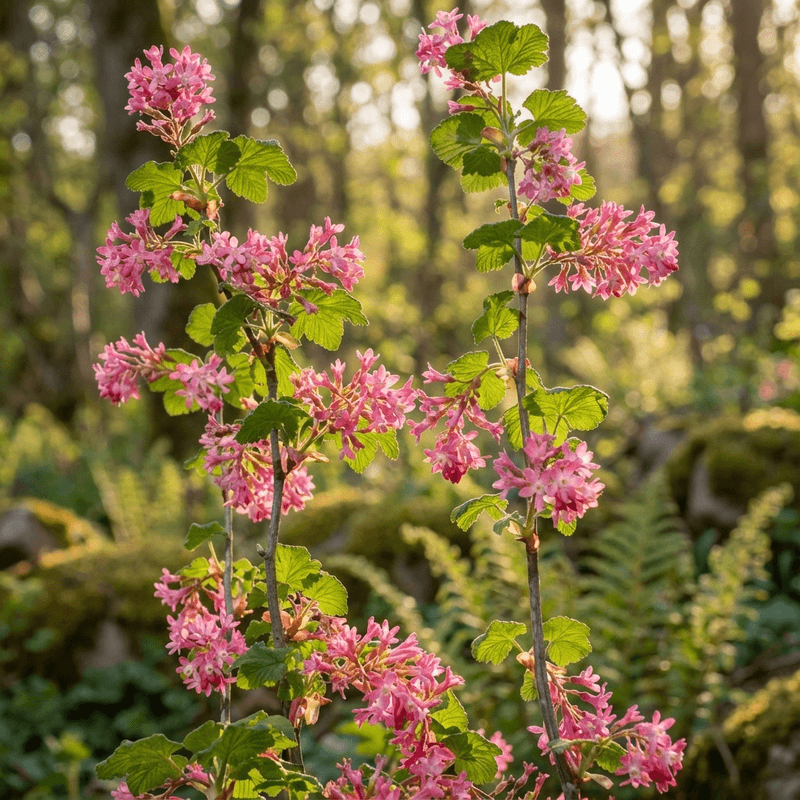
Long before most trees leaf out, pink flowering currant hangs dangling clusters of rosy blossoms among its fresh new leaves. The show often starts in January along the coast and can last for many weeks into early spring.
Hummingbirds treat this shrub like a winter buffet, and Anna’s hummingbirds especially seem to know when it opens. I can’t imagine a native garden without one, because it brings so much life to a quiet season.
The plant is native to coastal ranges and foothills, where it grows in open woods and on shady slopes. Botanists call it Ribes sanguineum variety glutinosum, and the leaves give off a spicy scent when you brush them.
Partial shade suits it well, especially inland, though coastal gardeners can often grow it in fuller sun. It prefers soil that drains reasonably well and appreciates a layer of leaf litter or mulch around the base.
Expect a loose, upright shrub around five to eight feet tall, with soft, maple-like leaves and no thorns. It usually drops its leaves in late summer, which is normal behavior for a plant adapted to dry summers.
Water occasionally during its first summer, then cut back, since established plants handle summer dryness fairly well. In hot inland gardens, a deep drink once a month during summer can help it keep looking fresh.
After the flowers fade, small blue-black berries form, and songbirds such as robins happily snack on them. Prune lightly right after blooming to shape the shrub, and you protect next winter’s flower show.
5. Winter Daphne
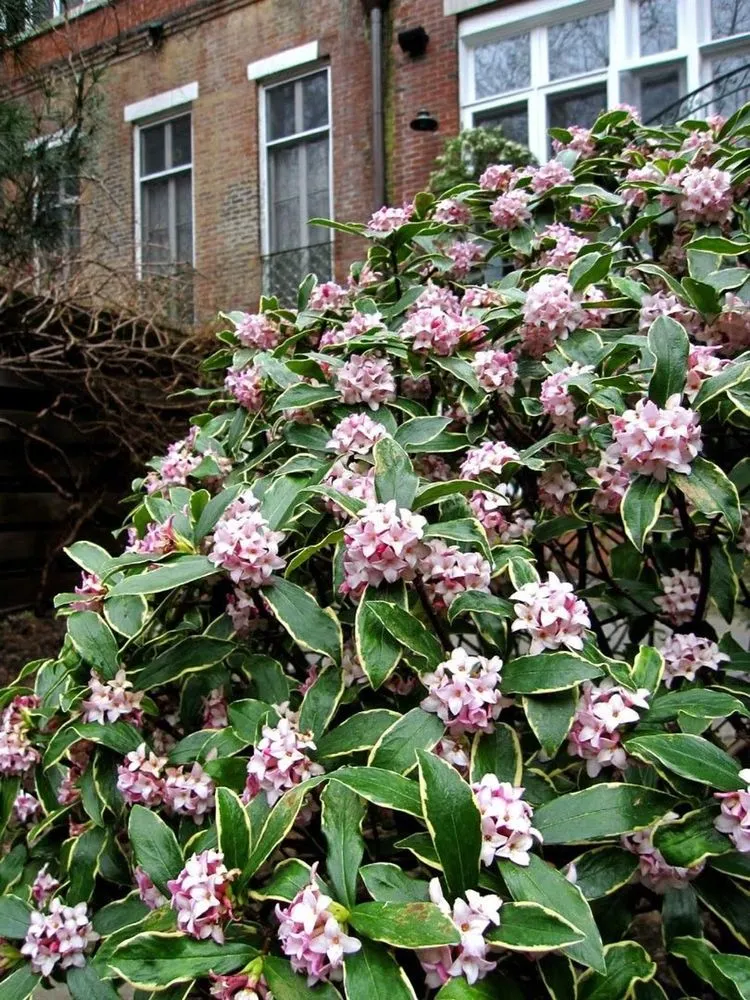
One whiff of winter daphne on a chilly morning can stop you in your tracks halfway down the driveway. The small pink and white flowers smell rich and citrusy, which feels almost unfair for such a modest shrub.
Blooms usually appear from late winter into early spring, opening from reddish buds clustered at the branch tips. Personally, I plant it near a door or window so the fragrance drifts inside whenever someone comes home.
The popular variety Aureomarginata has glossy green leaves edged with a thin creamy band that brightens shady corners. Most plants stay compact, around three to four feet tall, which makes them easy to tuck into beds.
Drainage is the big secret, since soggy roots can make this shrub collapse with very little warning. Raised beds, slopes, or large containers with gritty potting mix give it the best chance at a long life.
Morning sun and afternoon shade work well across most of California, especially in hot inland neighborhoods. Water regularly but lightly, letting the top inch of soil dry a bit before you reach for the hose again.
Avoid moving it once planted, because winter daphne dislikes root disturbance and often sulks after being dug up. Pruning is rarely needed, though you can snip a few stems for a fragrant little vase indoors.
All parts of the plant are toxic if eaten, so keep it away from curious pets and small children. Wear gloves when trimming, since the sap can irritate sensitive skin in some people who handle it often.
6. Grevillea Noellii
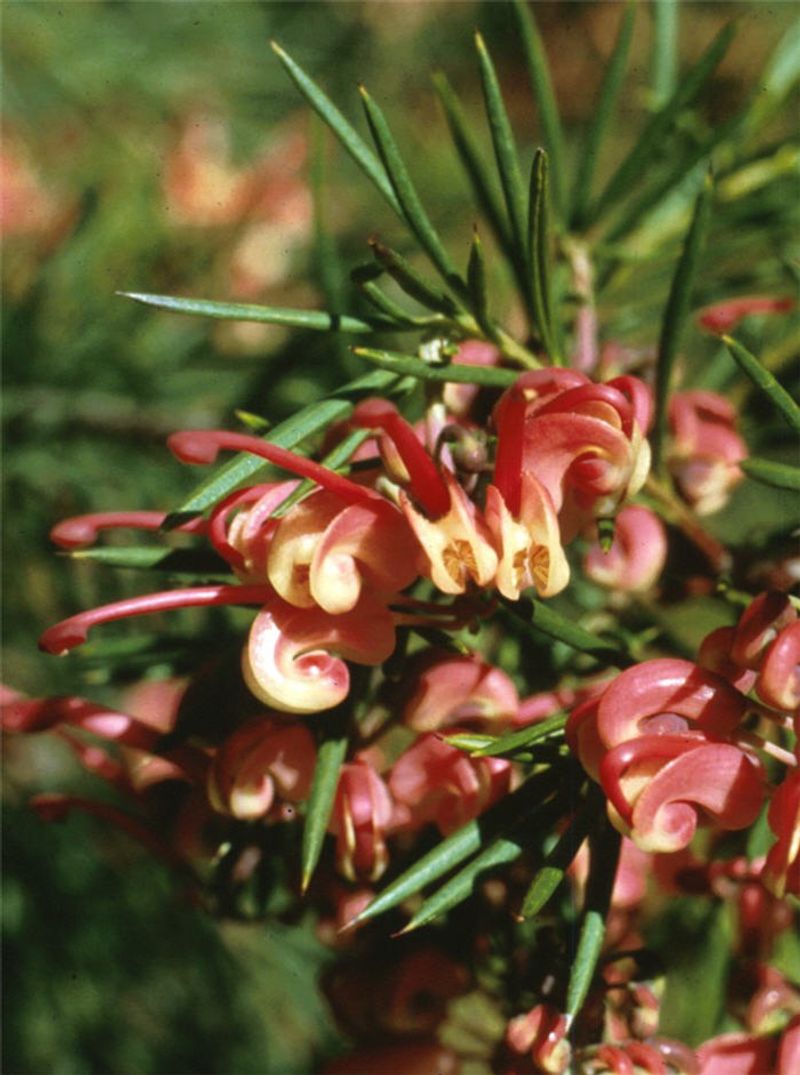
Australian shrubs often feel right at home here, and Grevillea Noellii proves it with a flood of curly blossoms. The flowers look like tiny pink and cream spiders, which kids usually find hilarious when they look closely.
Blooms usually begin in late winter and keep going into spring, with a few stragglers appearing at other times. Hummingbirds adore the nectar, and I love watching them zip between branches on a cool, bright afternoon.
Its narrow, needle-like leaves resemble rosemary, giving the shrub a fine texture that contrasts nicely with broad-leaved plants. Plants typically grow around three to four feet tall and spread a bit wider into a neat mound.
Full sun gives the heaviest bloom, though light afternoon shade is fine in the hottest inland valleys. Sharp drainage matters most, so slopes, gravelly beds, or mounded soil help keep the roots healthy through rainy spells.
You need to skip regular fertilizer here, because many grevilleas react badly to phosphorus found in common plant foods. Lean soil keeps them compact and blooming, while rich soil tends to produce weak, floppy growth instead.
Water deeply but infrequently once the plant settles in, usually after its first year in the ground. Too much summer irrigation can cause problems, so group it with other drought-tolerant plants that share its tastes.
Light tip pruning after the main bloom keeps the mound dense and encourages more flowers next season. Hard frosts can damage tender tips, so gardeners in colder areas should choose a sheltered, sunny spot near a wall.
7. Fuchsia Flowered Gooseberry
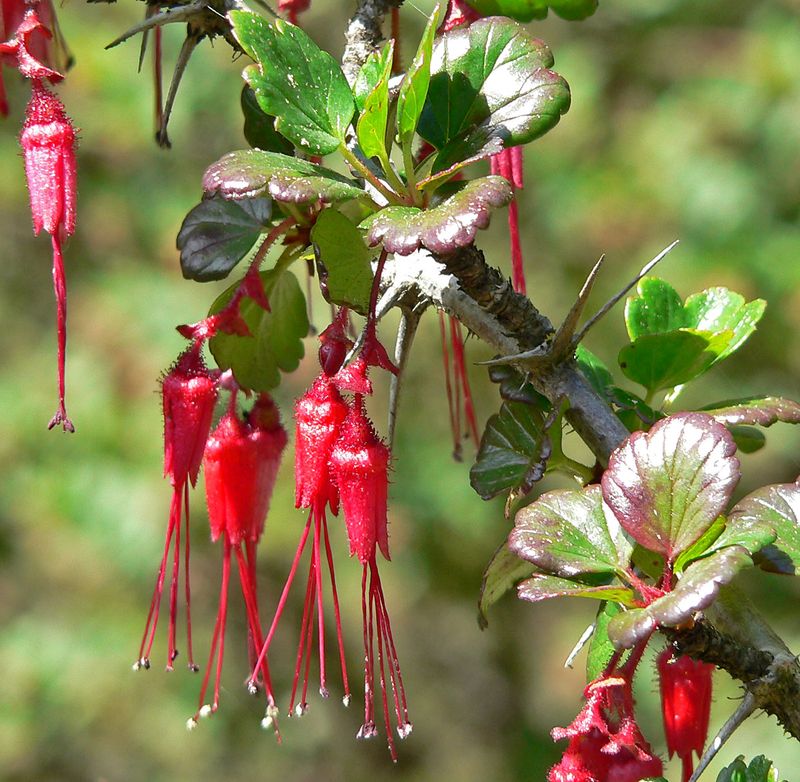
Bright red flowers dangle from this native shrub like tiny earrings, and hummingbirds find them almost impossible to resist. Fuchsia flowered gooseberry often starts blooming in winter, sometimes as early as January in mild coastal gardens.
Each flower has long red stamens poking out, giving it the look of a miniature fuchsia hanging upside down. I believe it ranks among the best hummingbird plants in the state, and the birds clearly agree with me.
Wild plants grow mostly in coastal canyons and scrub from the Bay Area south into northern Mexico. Botanists know it as Ribes speciosum, and it often keeps glossy leaves through the cooler months.
Fair warning, the stems carry sharp spines, so plant it where nobody will brush against it by accident. Those prickles make it a handy barrier hedge, and small birds sometimes shelter safely among the branches.
Partial shade works nicely, especially under oaks or on a north-facing slope that stays a little cooler. It tolerates many soil types if drainage is decent, including clay, which surprises plenty of new gardeners.
Expect it to drop leaves during hot, dry summers, since going dormant is how it handles drought. Resist the urge to soak it then, because extra summer water can invite root problems and weak growth.
Most plants reach about four to six feet tall, with arching branches that spread wider over time. Plant one in fall, water it through the first year, and you will soon have winter visitors.