Found a Tick on You After Raking Leaves in North Carolina? Here’s What to Do Next
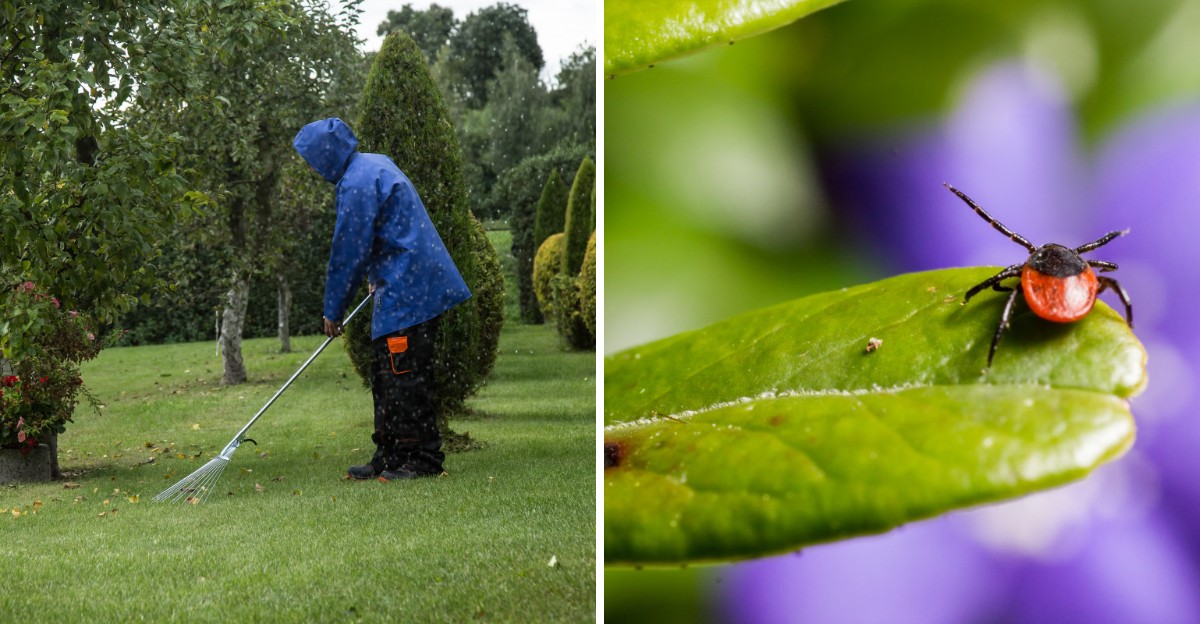
A tick can stay attached and feeding for several days, and many people never feel the bite at all. That tiny creature on your arm might have been there since your first pile of leaves.
I rake my yard every fall, and I used to think ticks took a break once the weather cooled. Blacklegged ticks stay active on mild days all through autumn and winter. North Carolina gets plenty of those warm, sunny breaks between cold snaps.
So a pleasant afternoon of yard work can come with an unwanted souvenir. Personally, I find it a little unsettling how a creature smaller than a sesame seed can hide so well. You need a calm plan, not panic.
The first few minutes after you spot one matter most. What you do with your tweezers, and what you do afterward, can make a real difference for your health.
1. That Tick In Your Leaf Pile Was Waiting For Exactly This
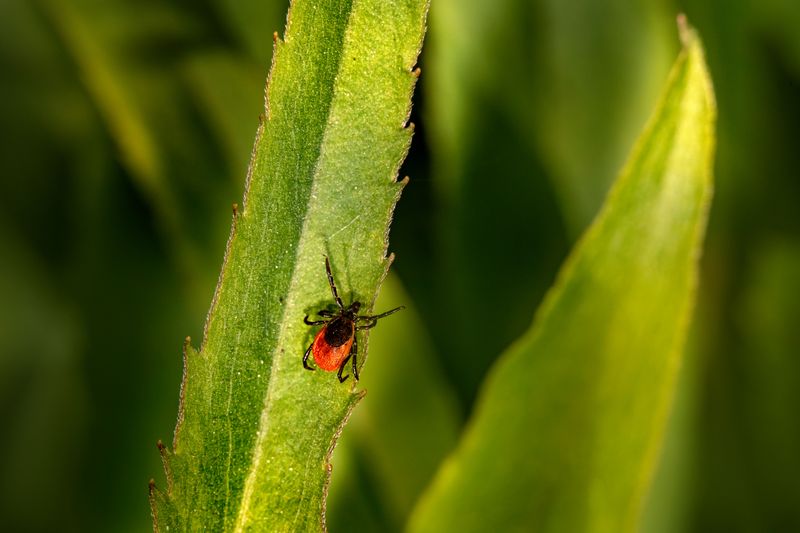
Fallen leaves feel like a cozy blanket to a tick. These tiny arachnids dry out easily, so they hunt for cool, damp spots where moisture stays trapped close to the ground.
A thick layer of leaf litter is perfect for them. It holds humidity, blocks wind, and keeps temperatures steady even when the air turns chilly.
Blacklegged ticks, often called deer ticks, are especially fond of this habitat, and adult blacklegged ticks are most active in fall and winter.
When you rake, you stir all that up. Ticks waiting on leaves, twigs, or low plants grab onto your shoes, socks, or gloves as you pass by.
Scientists call this waiting posture questing, where a tick stretches out its front legs and latches on to anything that brushes past.
Once aboard, a tick usually crawls upward looking for a warm, hidden spot. Behind the knees, around the waistband, the armpits, and along the hairline are favorite places.
Here in the Southeast, lone star ticks and American dog ticks also turn up in yards, though they are more active in warmer months. On a mild fall day, any of them could catch a ride. Knowing where they hide helps you stay one step ahead.
2. Grab Fine-Tipped Tweezers And Pull The Tick Straight Out
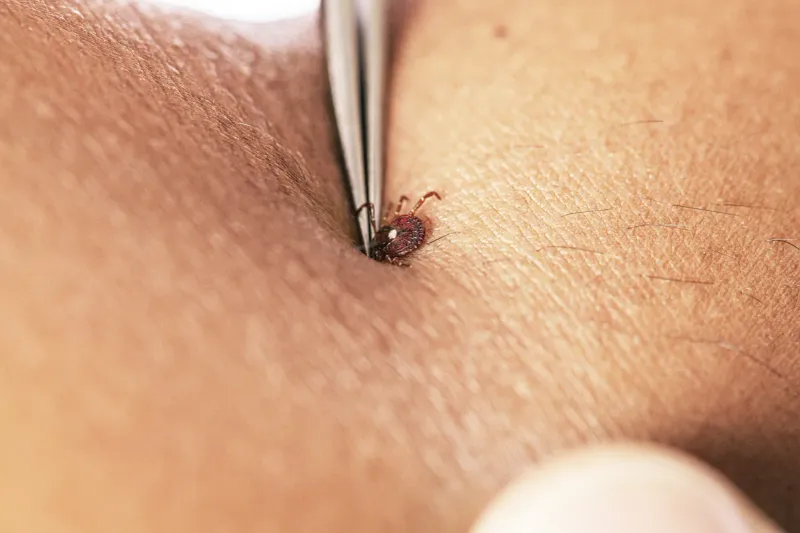
Stay calm and reach for a pair of clean, fine-tipped tweezers. The Centers for Disease Control and Prevention recommends this simple tool over any fancy trick.
Grasp the tick as close to your skin as you can. Try to grab its head and mouthparts, not its round body, because squeezing the body may push fluids back into the bite.
Pull upward with slow, steady pressure. Avoid twisting or jerking, which can snap off the mouthparts and leave them stuck in your skin. If that happens, try to remove the pieces with the tweezers.
If they won’t budge, leave them alone and let your skin heal. Skip the old folk remedies. Painting a tick with nail polish, smothering it with petroleum jelly, or touching it with a hot match is not recommended by health experts.
Those tricks waste time, and the goal is to get the tick off fast. Speed matters because many germs need hours of feeding before they pass into your body.
For Lyme disease, the risk often rises after a tick has been attached for 36 to 48 hours or more. Removing a tick quickly is one of the best protective steps you can take.
3. Clean The Bite And Bag Up That Tiny Hitchhiker
Out it comes, and now the cleanup begins. Wash the bite area and your hands well with soap and water, or wipe them with rubbing alcohol.
Next, deal with the tick itself. The CDC suggests placing it in a sealed bag or container, wrapping it tightly in tape, flushing it down the toilet, or dropping it in rubbing alcohol.
Please don’t crush it between your fingers, since that can expose you to whatever it may be carrying.
I like to keep the tick in a sealed bag for a little while. If you get sick later, your doctor may want to know what kind of tick bit you. A clear photo on your phone works well too.
Write down the date and the spot on your body where the tick was attached. A quick note on your phone calendar is plenty. It sounds fussy, but symptoms can show up days or even weeks later, and that detail helps your provider a lot.
Snap a picture of the bite as well. Checking it again in a few days makes it easy to see if redness is spreading. That tiny bit of record keeping turns a stressful moment into useful information.
4. Blacklegged, Lone Star, Or Dog Tick Makes A Big Difference
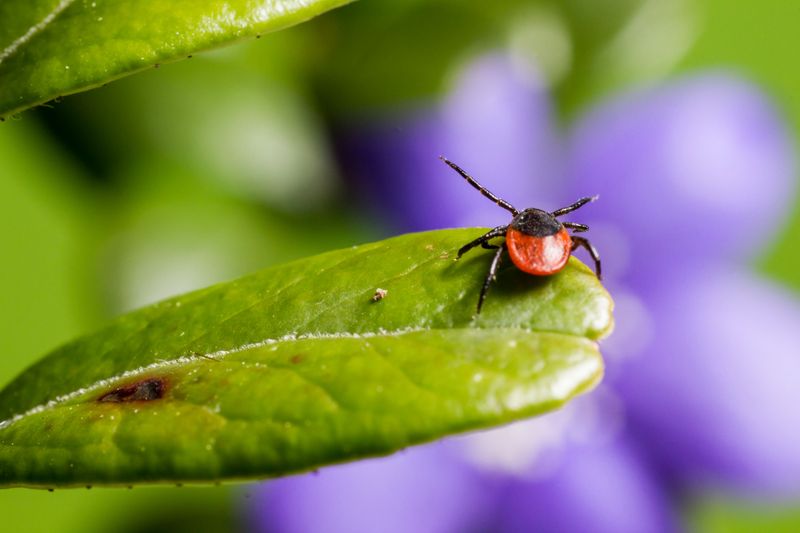
Not all ticks carry the same germs, so a quick ID can be surprisingly helpful. Three types are common around North Carolina homes.
Blacklegged ticks are small and dark, with a reddish-orange body on adult females. They can spread Lyme disease, which has been reported more often in the northwestern mountain counties of the state.
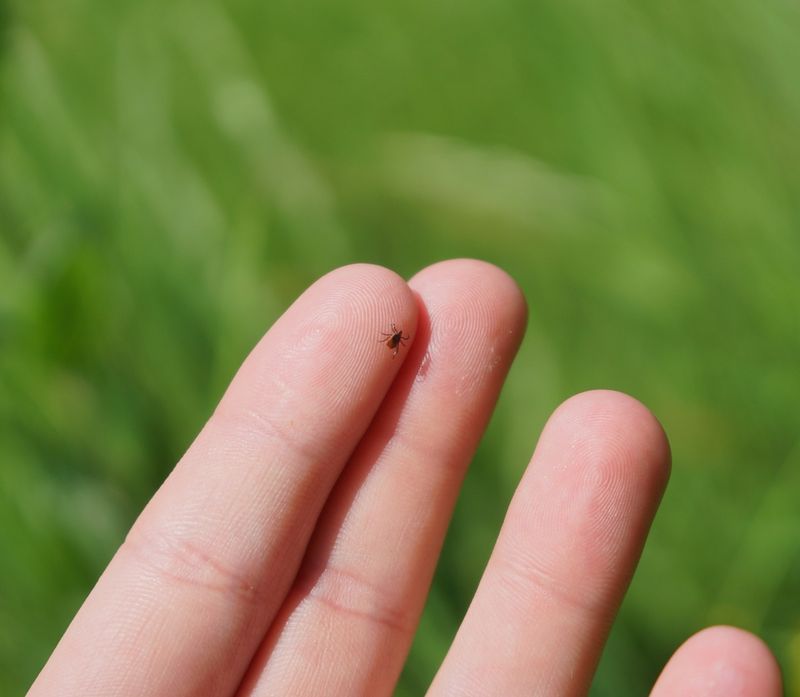
Nymphs are about the size of a poppy seed, which is why they are easy to miss. Lone star ticks are the easiest to spot. Adult females have a single white dot on their backs.
They are linked to ehrlichiosis and to alpha-gal syndrome, an odd allergy to red meat that can develop after a bite. American dog ticks are brown with grayish-white markings on their backs.
They can carry Rocky Mountain spotted fever, which belongs to a group called spotted fever rickettsiosis. North Carolina reports some of the highest numbers of these spotted fever cases in the country.
Don’t worry if you can’t tell them apart. Snap a clear photo and compare it with pictures from the CDC or NC Department of Health and Human Services. Your county Extension office can also help identify one.
5. A Spreading Red Rash Deserves Your Attention
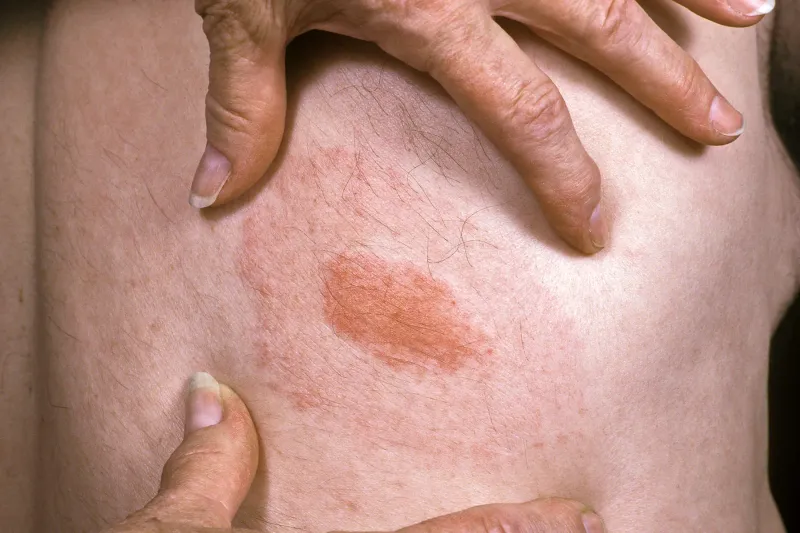
Most tick bites leave nothing more than a small red bump that fades in a day or two. That little spot is often just irritation, much like a mosquito bite.
A rash that keeps growing is a different story. The classic Lyme disease rash, called erythema migrans, often expands over several days and can reach several inches across.
It may look like a bull’s-eye, yet many of these rashes are simply solid red ovals with no rings at all.
Watch your body for about 30 days after a bite. Fever, chills, headache, tiredness, muscle aches, and achy joints can all be early signs of a tick-borne illness. Some people also notice nausea or stomach upset.
Rocky Mountain spotted fever deserves extra respect. It often starts with fever and headache, and a rash of small spots may appear a few days later, sometimes beginning around the wrists and ankles.
That illness can become serious quickly without treatment. Not every rash shows up, either. Some people get sick with no skin signs at all. Your photos and notes from the bite day are very handy during this watch-and-wait period.
6. Call Your Doctor When Fever Follows A Tick Bite

Feeling feverish a week after raking? Pick up the phone. Your doctor would much rather hear from you early than late.
Contact a healthcare provider if you develop a rash, fever, chills, severe tiredness, headache, muscle aches, or joint pain within a few weeks of a bite.
Let them know you found a tick, share the date, and show your photos. Many tick-borne illnesses respond well to antibiotics like doxycycline when treatment starts early.
Doctors often begin treatment based on symptoms, without waiting for lab results. Blood tests can come back negative in the first days of illness, so your story about the tick really matters.
Watch the bite site itself too. Growing pain, swelling, warmth, or pus could signal a skin infection that needs care. If you could not get the whole tick out and the spot looks angry, that is another reason to check in.
Some providers may offer a single preventive antibiotic dose after certain high-risk blacklegged tick bites, mainly where Lyme disease is common.
Ask whether it makes sense for you. Above all, trust your gut. If something feels off after a bite, a quick visit offers real peace of mind.
7. Long Sleeves, Tucked Socks, And Repellent Before The Rake Comes Out
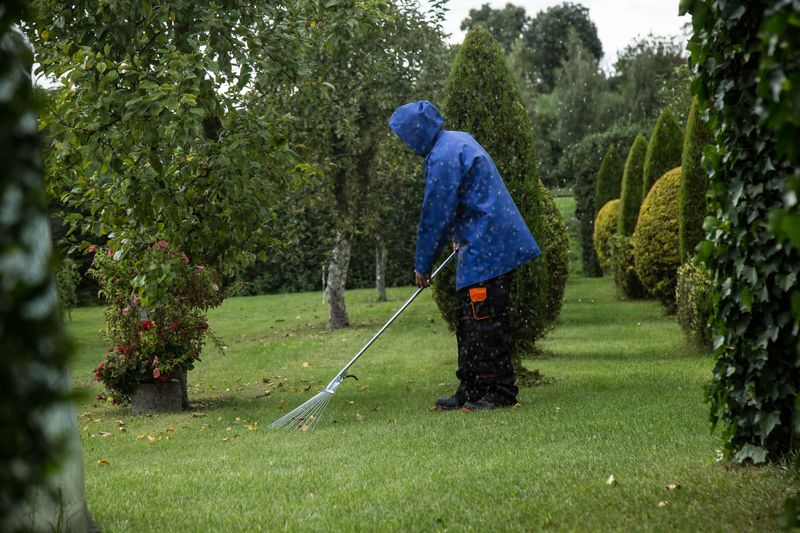
Dressing like a slightly goofy gardener is one of the smartest moves you can make. Tuck your pants into your socks and wear long sleeves when you head out to tackle those leaves.
Light-colored clothing helps you spot crawling ticks before they reach skin. Gloves and closed shoes add another barrier.
Repellent gives you extra protection. The EPA lists products with DEET, picaridin, IR3535, or oil of lemon eucalyptus as effective against ticks. Follow the label carefully, especially for children.
Permethrin is another favorite of mine for yard clothes. It goes on shoes, socks, and pants, not on skin, and it can last through several washes. You can buy pre-treated clothing too.
After raking, toss your clothes in the dryer on high heat for at least 10 minutes. The CDC notes this step handles ticks that hitched a ride. Washing alone in cool water may not do the job.
Shower within two hours of coming inside, then do a full-body check with a mirror. Look behind the ears, in the belly button, behind the knees, and along your hairline. Check pets as well, since dogs carry ticks indoors all the time.
8. A Wood Chip Border And Shorter Grass Keep Ticks Out Of Your Yard
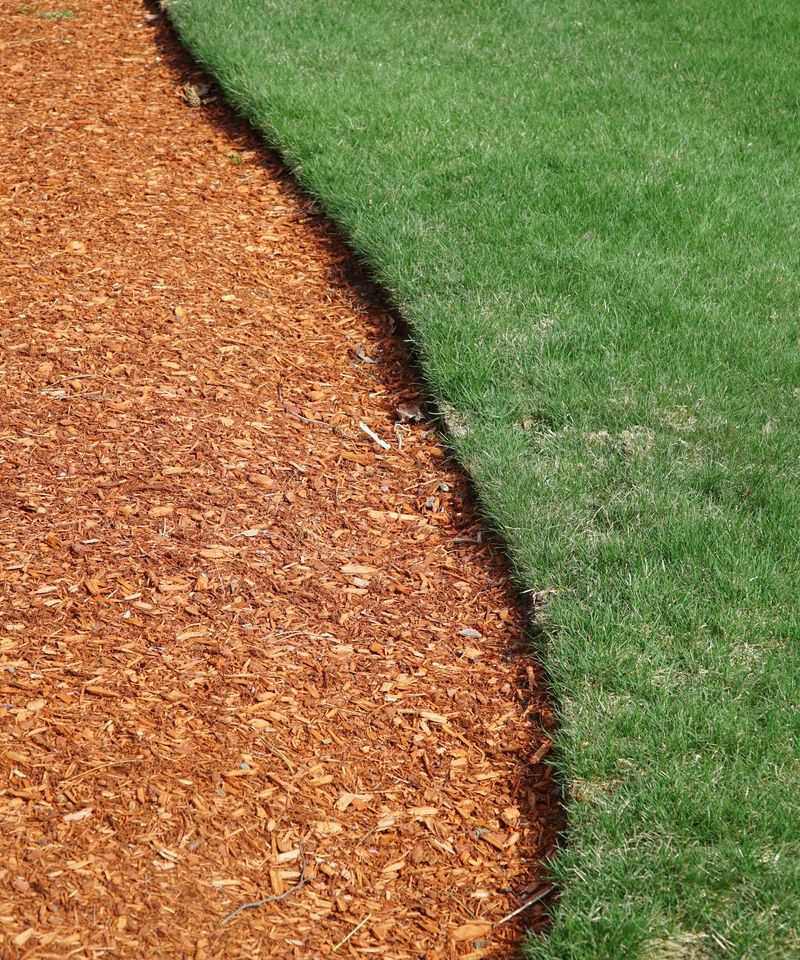
Raking was actually a smart move, so keep it up. Clearing leaf litter from places where you walk and play removes the damp shelter ticks love.
Mow regularly and trim tall grass and brush around the house. Ticks struggle to survive in short, sunny areas because they dry out quickly.
Many university Extension programs recommend a buffer strip of wood chips or gravel about three feet wide between lawns and wooded edges. That dry barrier discourages ticks from crawling into the spaces where you spend time.
Move play sets, patio chairs, and picnic tables away from the edge of the woods. Sunny spots are best.
Stack firewood neatly in a dry location, since mice hide in woodpiles and often carry young ticks. Bird feeders can also attract rodents, so keep spilled seed cleaned up.
Discouraging deer helps too. A fence or deer-resistant plants reduce visits from the animals that adult blacklegged ticks often feed on.
Leaves don’t have to go to waste, either. Pile or compost them in a back corner away from paths, or shred them for mulch in garden beds. A tidy, sunny yard and a quick tick check make fall chores feel easy again.