What It Means When You Hear Coyotes Near Your North Carolina Yard At Night
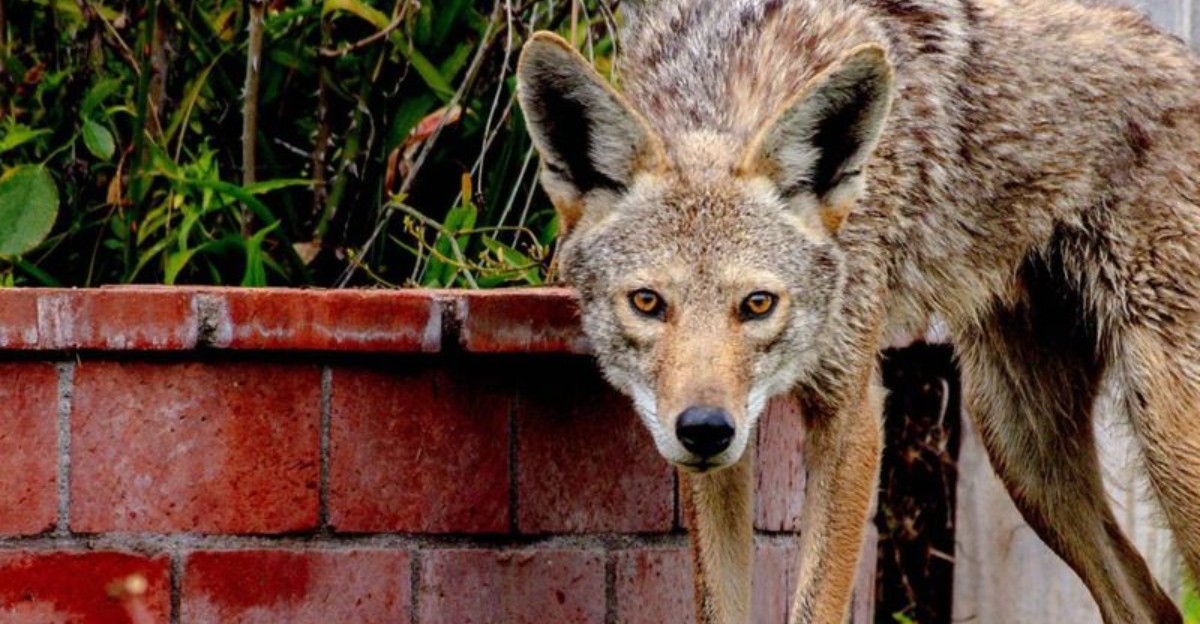
Hearing coyotes yipping and howling near a North Carolina yard after dark can be unsettling, but this vocal behavior is a completely normal part of their nightly routine.
Coyotes use these calls primarily to communicate with other members of their family group, marking territory and reinforcing social bonds rather than signaling aggression toward nearby homes.
This activity often increases in fall as young coyotes disperse from their parents to establish territories of their own, leading to more overlapping calls across a neighborhood.
While the sound can carry surprisingly far and make coyotes seem closer than they actually are, hearing them doesn’t necessarily mean one is right at the edge of the yard.
Understanding this seasonal pattern can help put those nighttime calls into better context for North Carolina homeowners.
1. Coyotes May Be Passing Through Looking For Food
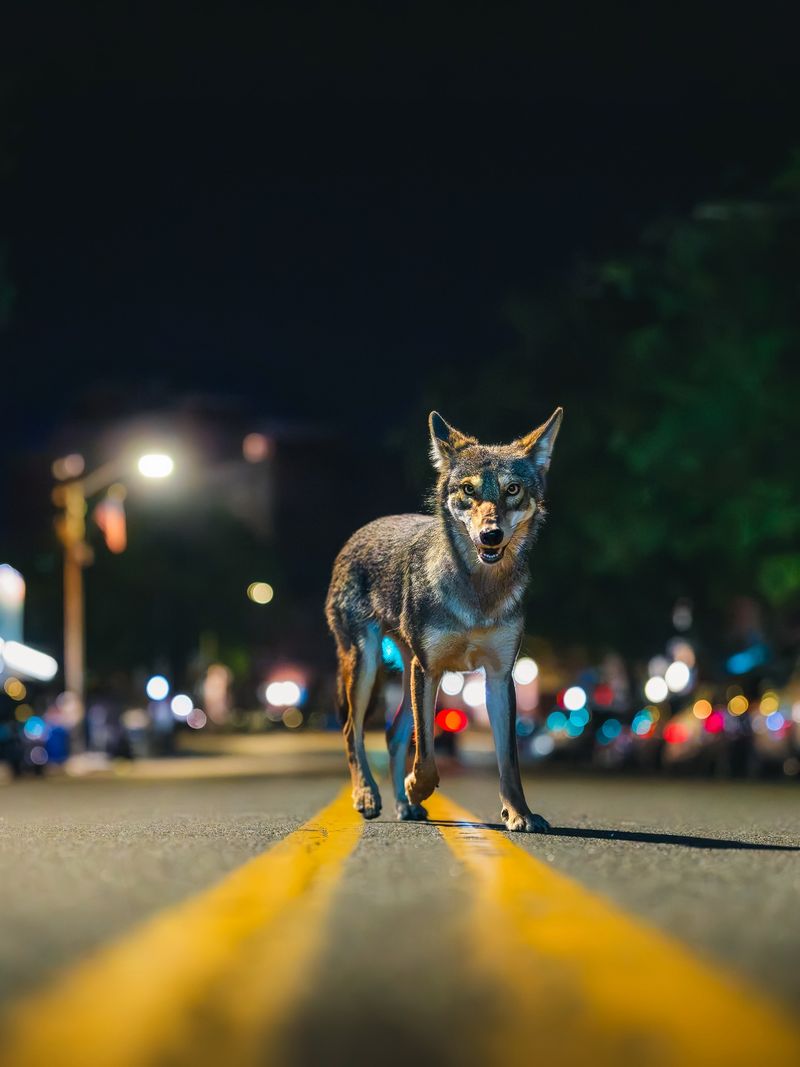
Most coyotes you hear at night are simply on the move. They wander across large areas each evening, following scents and searching for their next meal. Your neighborhood might just be one stop along their nightly path.
These animals eat a wide mix of foods. Mice, rats, rabbits, insects, frogs, and even fallen berries all make up their menu.
When rodents are active in gardens or fields, coyotes naturally follow, and that can bring them close to homes without any real interest in people.
North Carolina offers plenty of open land, wooded lots, and greenbelts that connect one area to the next. Coyotes use these natural highways to travel between hunting spots. A yard near a creek, park, or patch of trees often sits right along one of these routes.
Hearing them nearby usually means they are hunting small animals, not looking for trouble. They tend to be shy and prefer to avoid humans whenever possible. Once the easy pickings in one area run low, they simply move on to the next.
You can lower the odds of frequent visits by keeping your yard tidy and free of easy snacks. Cleaning up spilled birdseed and picking up fallen fruit removes some of the reasons they linger. Reducing rodents also makes your property far less interesting.
Think of the sounds as a natural part of living near wildlife. Coyotes have adapted well to sharing space with people, and a passing group is a normal event rather than a warning sign.
2. Their Howls Help Them Communicate
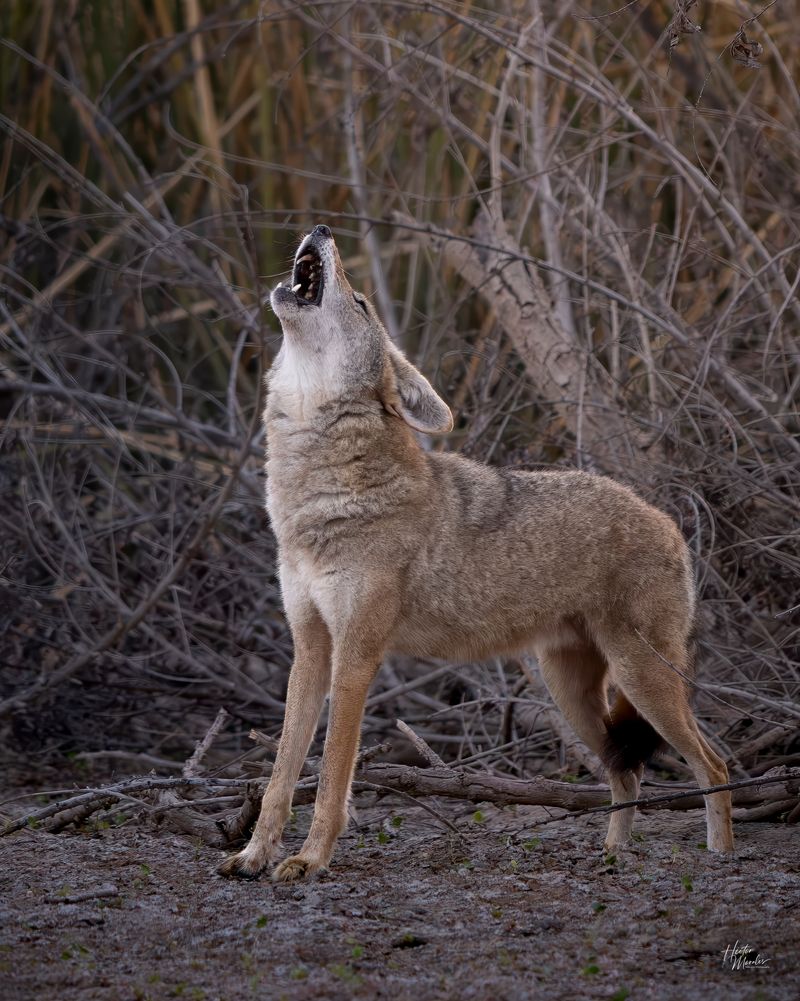
Those long howls and sharp yips are basically coyote conversation. Each sound carries a message, whether it is a greeting, a check-in, or a call to gather. Far from random noise, their voices work like a language shared across the group.
Family members often use howls to find one another after spreading out to hunt. A lone coyote might call to say where it is, and others answer to stay connected. It is a simple way to keep the group together across wide, dark spaces.
Coyotes also use sound to mark their turf. A strong chorus can tell nearby groups that a certain area is already claimed. This helps them avoid clashes and keeps neighboring families spaced apart.
Your North Carolina Garden Changes Every Week. Your Plan Should Too.
Gardening in North Carolina changes quickly throughout the season. Every Friday you’ll receive a simple weekly plan showing exactly what to plant, prune, fertilize, harvest, and protect so you never miss the right timing.
Different sounds mean different things. Short yips often signal excitement or playfulness, while longer howls travel far and reach distant listeners. Pups even join in early, practicing their voices as they grow.
Weather and land shape how these calls carry. On clear, quiet nights, sound travels farther, which is why coyotes can seem closer than they really are. Hills, water, and open fields all bounce the noise around.
Understanding this can turn a scary moment into an interesting one. Instead of assuming danger, you can picture a family staying in touch or a group reuniting after a hunt.
Next time you hear them, try to notice the patterns. You might catch the back-and-forth rhythm of one group answering another across the night air, a natural part of how these animals live.
3. A Loud Chorus Does Not Mean A Large Pack Is Attacking
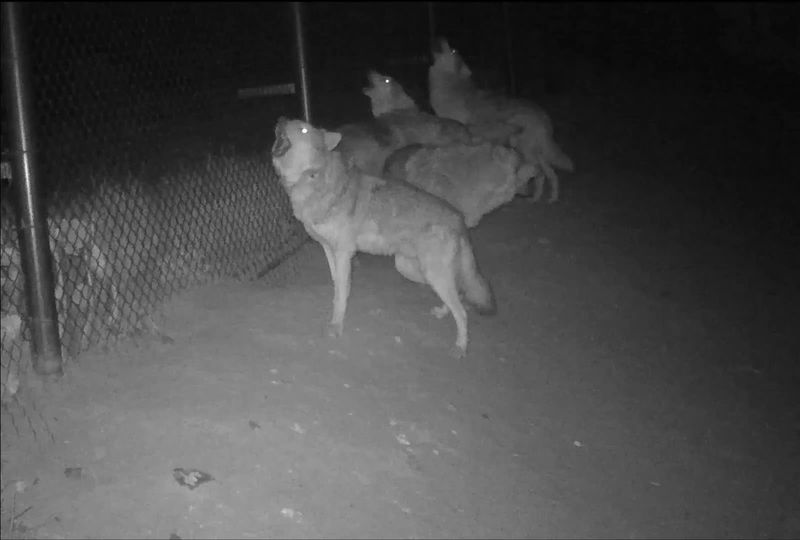
A big wall of howling can trick your ears in a big way. Just two or three coyotes can sound like a whole crowd. Researchers have described how a few coyotes can sound like a much larger group.
The reason is clever. Coyotes change the pitch and speed of their calls, and the sounds overlap and echo. All those layers blend together and fool listeners into thinking a huge group is nearby.
This works in their favor. By seeming larger than they are, a small family can warn other coyotes to keep away from their territory. It is a smart bluff that saves them from real conflict.
So a loud burst of noise outside your window rarely means an attack is coming. Coyotes are not gathering to charge your home. They are usually celebrating a reunion, marking their space, or reacting to a passing siren.
Sirens, trains, and even barking dogs can set off a chorus. When one group starts, others often answer, and the sound spreads across the neighborhood. It fades just as quickly once the trigger passes.
Knowing this can ease a lot of worry. What sounds like a dozen animals is often just a couple having a noisy moment together in the dark.
Stay calm and observant instead of alarmed. If you feel uneasy, turn on a porch light or make some noise from your doorway. The sound alone is rarely a sign that anything is truly wrong.
4. Your Yard May Offer Easy Food
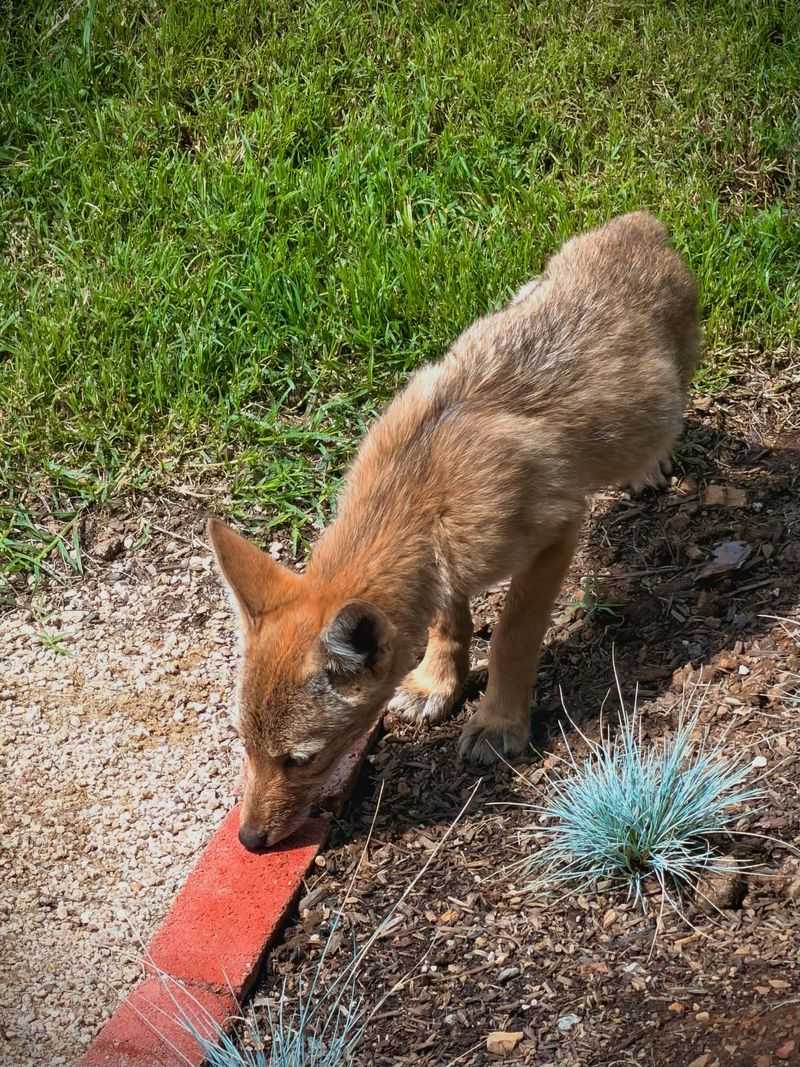
Sometimes coyotes stick around because your yard is basically a free buffet. Easy snacks left outside can turn a quick pass-through into a regular stop. Once they learn a spot is reliable, they come back again and again.
Trash is a top temptation. An unsecured garbage can with loose lids releases smells that carry far in the night air. Coyotes have sharp noses and quickly figure out where the easy meals are.
Pet food is another big draw. A bowl left on the porch overnight can attract coyotes and other wildlife. The same goes for spilled birdseed under feeders, which also attracts the rodents coyotes love.
Fallen fruit adds to the problem. Apples, figs, and other soft fruit dropping from backyard trees rot on the ground and pull in all kinds of wildlife. Compost piles with food scraps can do the same thing.
Removing these attractions makes a real difference. Secure your trash with tight lids, bring pet bowls inside before dark, and clean up fruit and seed often. Keep compost in a closed bin rather than an open heap.
Small habits add up fast. When the easy food disappears, coyotes usually decide your yard is not worth the trip and move along to better hunting grounds.
Think of it as removing the welcome mat. A clean, snack-free yard sends a clear message that there is nothing tasty waiting, which naturally keeps these clever visitors farther away.
5. Small Animals Can Draw Coyotes Closer
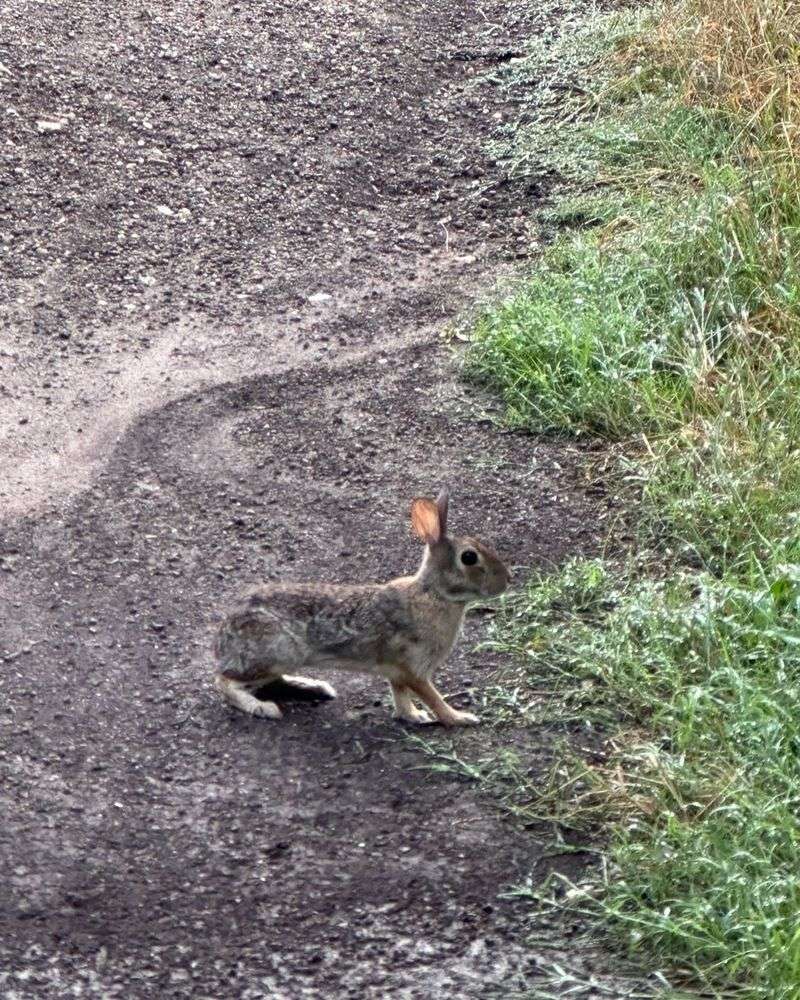
Where the little critters gather, coyotes soon follow. Yards full of mice, rats, rabbits, and other small animals become natural hunting grounds. The coyotes are not really interested in you, just the tasty wildlife you may be hosting.
Brush piles are a common magnet. Stacks of branches and yard waste give rodents and rabbits a cozy place to hide and nest. That safe cover creates a steady food supply that coyotes quickly notice.
Dense plants and tall grass do the same thing. Overgrown corners and thick shrubs shelter small animals during the day and at night. Sheds with gaps underneath also make perfect hiding spots for critters.
Gardens can add to the appeal. Vegetable patches attract rabbits and rodents looking for an easy meal, and those visitors bring hungry coyotes right behind them. It becomes a chain reaction of wildlife.
You can break this cycle with some cleanup. Clear out old brush piles, trim thick vegetation, and seal gaps under sheds and decks. Keeping grass shorter removes hiding places for the small animals.
Protect your garden too. Fencing around vegetable beds and cleaning up dropped produce cuts down on the rodents and rabbits that lure predators near.
The goal is to make your yard less inviting to the whole food chain. When the small animals have nowhere to hide, they leave, and the coyotes lose their reason to hunt near your home.
A neat, open yard simply offers fewer meals, and that quietly encourages coyotes to search elsewhere.
6. Keep Pets Away From Coyotes At Night

Your furry family members deserve extra care when coyotes are active. Late-night hours are when these animals roam most, so a little caution goes a long way. Keeping pets close protects them and gives you peace of mind.
Small dogs and cats need the most attention. Coyotes may see tiny pets as prey, especially if they wander alone in the dark. Keeping cats indoors overnight is one of the smartest choices you can make.
Dogs should not roam free after sunset. Even in your own yard, it helps to go outside with your dog for bathroom breaks. Use a leash and keep a porch light on so you can spot movement.
Fences offer good protection, but they are not perfect. Coyotes are strong jumpers and clever climbers, so a low fence may not stop a determined one. Taller fences with rollers or extenders work better.
Never leave food or water bowls outside overnight. These bring coyotes closer and put your pets right in the path of a hungry visitor. Bring everything indoors before dark.
Timing matters too. Feeding your pets inside and finishing outdoor play before nightfall lowers the risk during the busiest coyote hours.
If you spot a coyote while your pet is outside, calmly bring your animal in and make loud noise from a safe spot. Staying alert and setting simple routines keeps your beloved companions safe while still letting everyone enjoy the yard during daylight hours.
7. Remove What Attracts Them
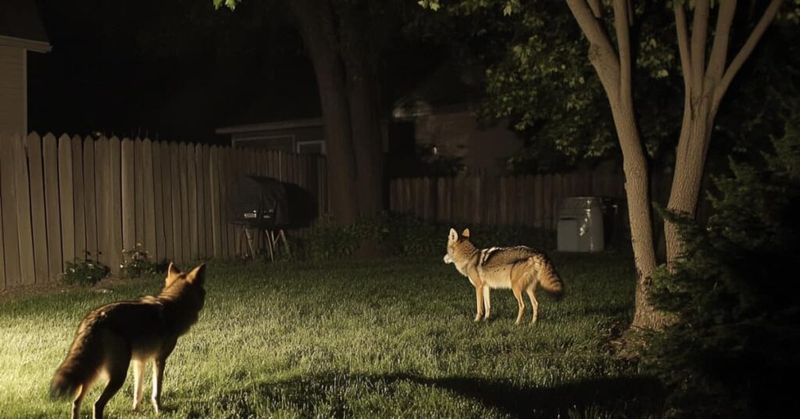
The best way to discourage coyotes is to erase the reasons they come. When your yard offers nothing worth the trip, they naturally lose interest. A few smart changes can make your property far less appealing.
Start with the trash. Use bins with tight, locking lids and store them in a garage or shed if you can. Sealing away those strong smells removes one of the biggest attractions.
Handle pet food carefully. Feed animals indoors and never leave bowls sitting out overnight. Even empty bowls can carry scents that draw curious noses.
Fruit trees need regular attention. Pick up apples, figs, pears, and any produce that drops to the ground before it rots. Fallen fruit feeds coyotes directly and also attracts the rodents they hunt.
Manage your compost the right way. Keep food scraps in a closed bin rather than an open pile. Meat and dairy scraps especially should stay out of any open compost.
Trim back the wildlife hideouts too. Cutting tall grass, clearing brush, and sealing gaps under decks removes shelter for the small animals coyotes chase.
Birdseed can be sneaky. Spilled seed under feeders feeds mice and rats, which then pull coyotes in. Clean up regularly or use no-mess seed.
Consistency is key with all of this. One tidy weekend will not do much if the habits slip. Keeping these routines going week after week sends a steady message that your yard is simply not a good place to find a meal.
8. Know When A Sighting Is Concerning
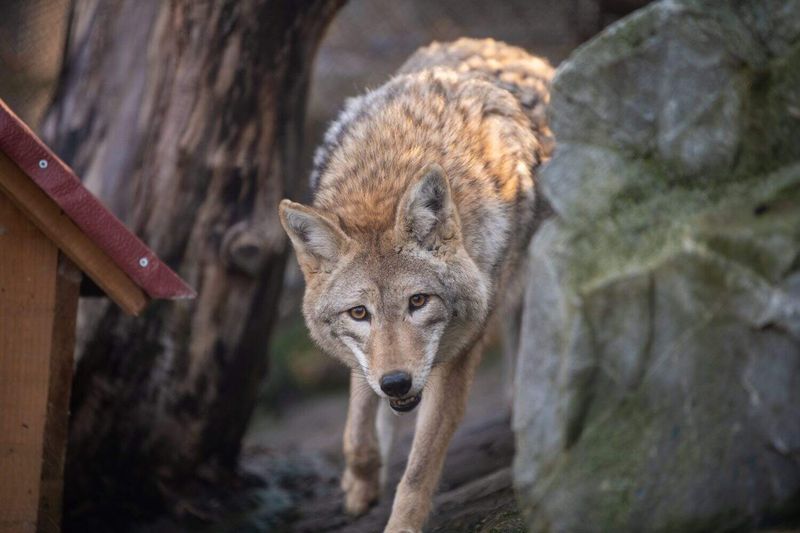
Most coyote activity is completely normal, but a few behaviors are worth watching closely. Knowing the difference helps you react calmly and correctly. Healthy, wild coyotes usually keep their distance and avoid people.
Normal behavior looks shy. A coyote crossing a yard, hunting rodents, or howling in the distance is just being a coyote. These animals typically run off the moment they notice a human.
Certain signs should raise a flag. A coyote that repeatedly walks toward people, shows no fear, or follows someone is not acting the way wild ones should. That boldness is unusual and worth reporting.
Watch for strange movements too. An animal that seems confused, wobbly, disoriented, or unusually aggressive may be unwell. Daytime boldness combined with these signs is a reason for extra caution.
Never approach or corner a coyote acting this way. Do not try to feed it, touch it, or get a closer look. Keep children and pets indoors until the animal leaves the area.
Instead, contact the professionals. The North Carolina Wildlife Resources Commission can offer guidance and connect you with the right help. They handle these situations far more safely than any homeowner can.
You can also try gentle hazing for a bold but healthy coyote. Making loud noise, waving your arms, or clapping from a safe spot can remind it to fear people again.
Trust your instincts and stay informed. When something feels off, reaching out to wildlife experts is always the smart and responsible choice for you, your family, and the animal.