This Mouse-Sized Animal Has A Venomous Bite And Could Be Hiding Under Georgia Mulch
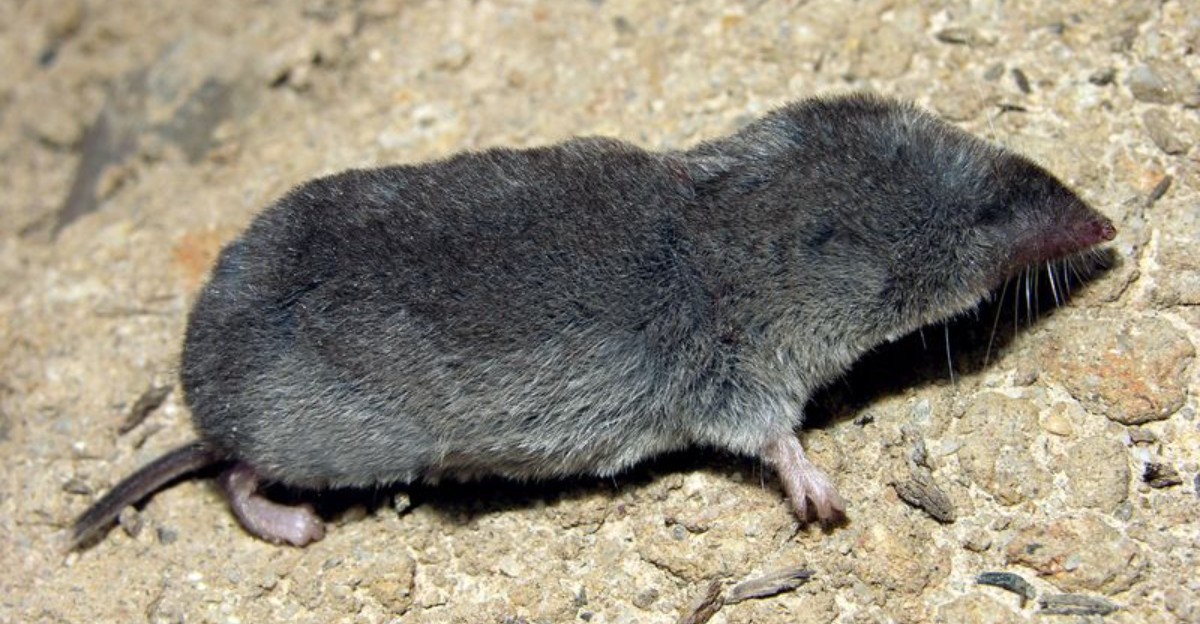
This tiny creature weighs less than a slice of bread and carries venom in its saliva. It’s one of only a handful of mammals on Earth that can make venom at all.
I still find that fact hard to believe every time I read it.
The little hunter chews earthworms, slugs, and beetle grubs day and night. It eats so much that a few hours without food can leave it in real trouble.
Its heart races, its nose twitches nonstop, and its tiny eyes barely see.
You may have walked right over one while spreading pine straw or bark in your Georgia flower beds. Damp mulch is like a buffet table and a cozy bedroom rolled into one for this animal.
I like knowing my garden beds are busier than they look.
This gray, velvety neighbor has a surprisingly powerful bite for its size. But is it something homeowners should worry about, or could its presence actually be good news for the garden?
1. That Gray Mouse In Your Mulch Bed Might Not Be A Mouse
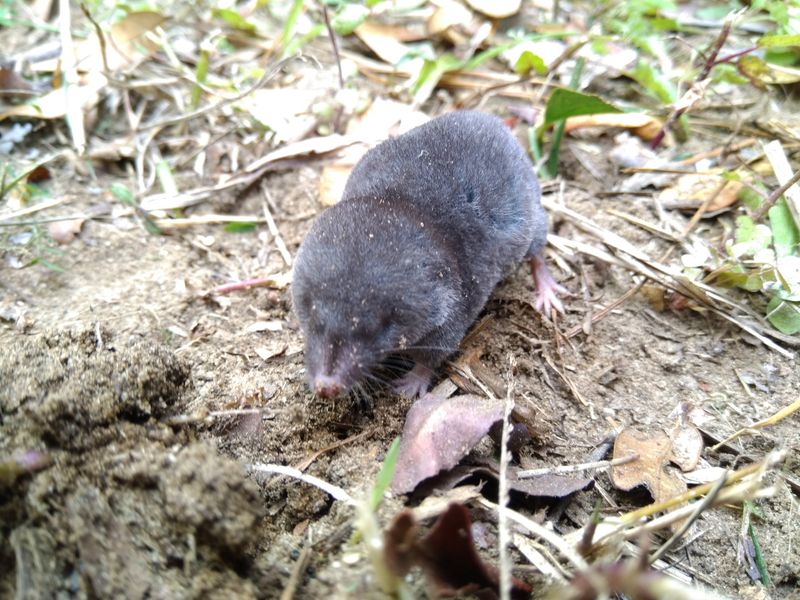
Pull back a layer of pine bark on a cool morning and you might spot a small gray blur racing for cover. Most folks shout “mouse!” and move on.
Look closer, though, and the details tell a different story.
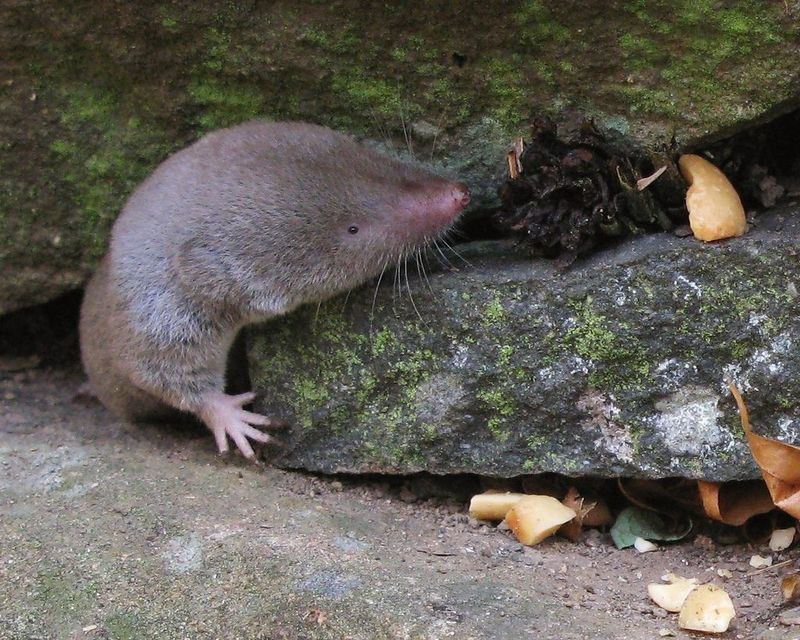
Short-tailed shrews have a long, pointed nose that wiggles constantly. Their fur is thick, soft, and slate gray, almost like velvet.
The eyes are so small they nearly vanish, and the ears hide under the fur. The tail is short, usually about a quarter of the body length.
Mice look quite different. They have big round ears, bulging eyes, and long tails.
They also have chisel-like front teeth for gnawing seeds. Shrews are not rodents at all.
They belong to an insect-eating group of mammals and are related to moles.
Two species live in Georgia. The southern short-tailed shrew, Blarina carolinensis, covers much of the state.
The northern short-tailed shrew, Blarina brevicauda, reaches into the northern mountains. Telling them apart in the field is tricky, even for experts.
Body size is a decent clue that you have a shrew. Adults run about three to five inches long, including the tail.
Many weigh under an ounce.
2. Short-Tailed Shrew Saliva Packs A Real Venom
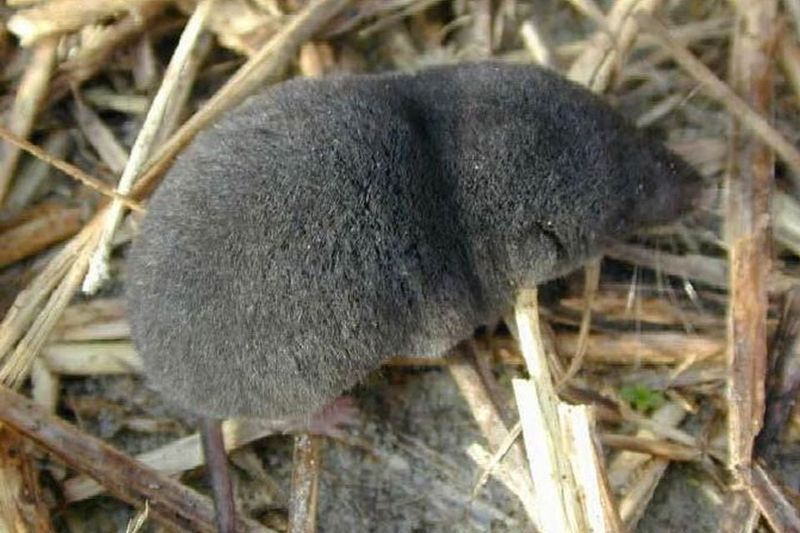
Venom in a mammal sounds like a tall tale. It isn’t.
The short-tailed shrew makes venomous saliva in glands under its jaw, and it flows into the wound as the animal chews.
Scientists have studied the northern species closely. Its saliva contains a toxin called blarina toxin, along with other compounds.
These slow down and partly paralyze small prey like insects, earthworms, and even young mice. Shrews have no fangs, so the venom works through a gnawing bite rather than a quick strike.
Researchers have looked at this venom for medical ideas too. A related compound from shrew saliva, called soricidin, has been explored in early cancer research.
That’s a surprising career path for a garden critter.
The southern species found across much of Georgia is closely related. It’s widely described as venomous as well, though it has received less lab study than its northern cousin.
That’s an honest gap in the science worth knowing.
Fun fact for your next cookout. Only a few mammals worldwide produce venom.
The list includes the platypus, some shrews, and solenodons from the Caribbean. Your mulch bed may hold one of the rarest kinds of mammal on the planet.
3. A Shrew Bite On Your Hand Hurts But Rarely Causes Real Harm
Short-tailed shrew bites are rarely life-threatening to humans, but any bite that breaks the skin should be assessed for infection risk, and medical attention may be needed.
It’s painful, it’s annoying, and it can make a lasting impression on your gardening day.
People who have been bitten often describe a burning feeling around the wound. Some notice swelling and soreness that lingers for a few days.
The venom is built for worms and beetles, not humans, so the effect on us stays local and mild.
Bites happen almost only when someone grabs or traps the animal. A cornered shrew will defend itself fiercely.
Left alone, it just wants to escape back into the dirt.
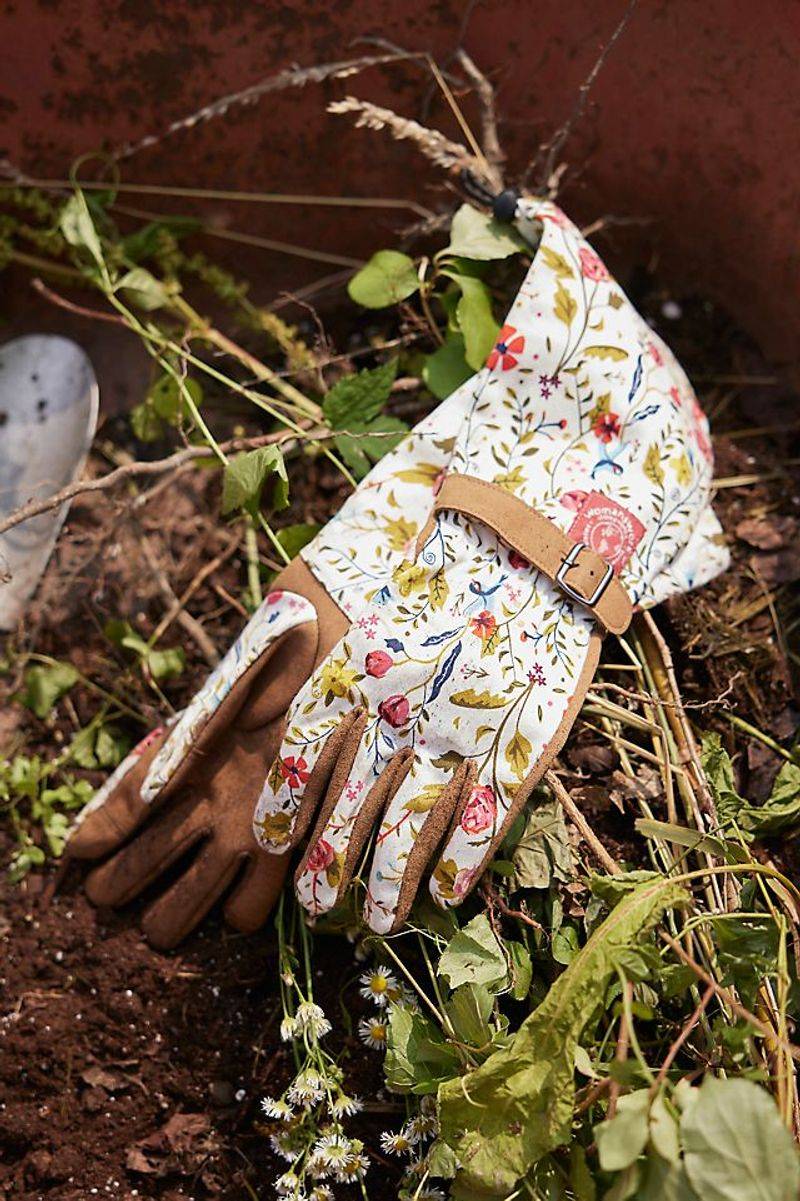
Wear gloves while weeding, mulching, or turning compost. That simple habit protects you from shrews, spiders, and splinters all at once.
Never try to pick one up barehanded, even if it seems slow or hurt.
If you do get bitten, wash the area well with soap and water. Watch for redness that spreads, pus, or fever, which can point to infection.
Call your doctor if symptoms worsen or if you have any health concerns. Rabies in shrews is very rare, but a doctor can help you decide on next steps.
4. Damp Pine Straw And Leaf Litter Make Perfect Shrew Hideouts
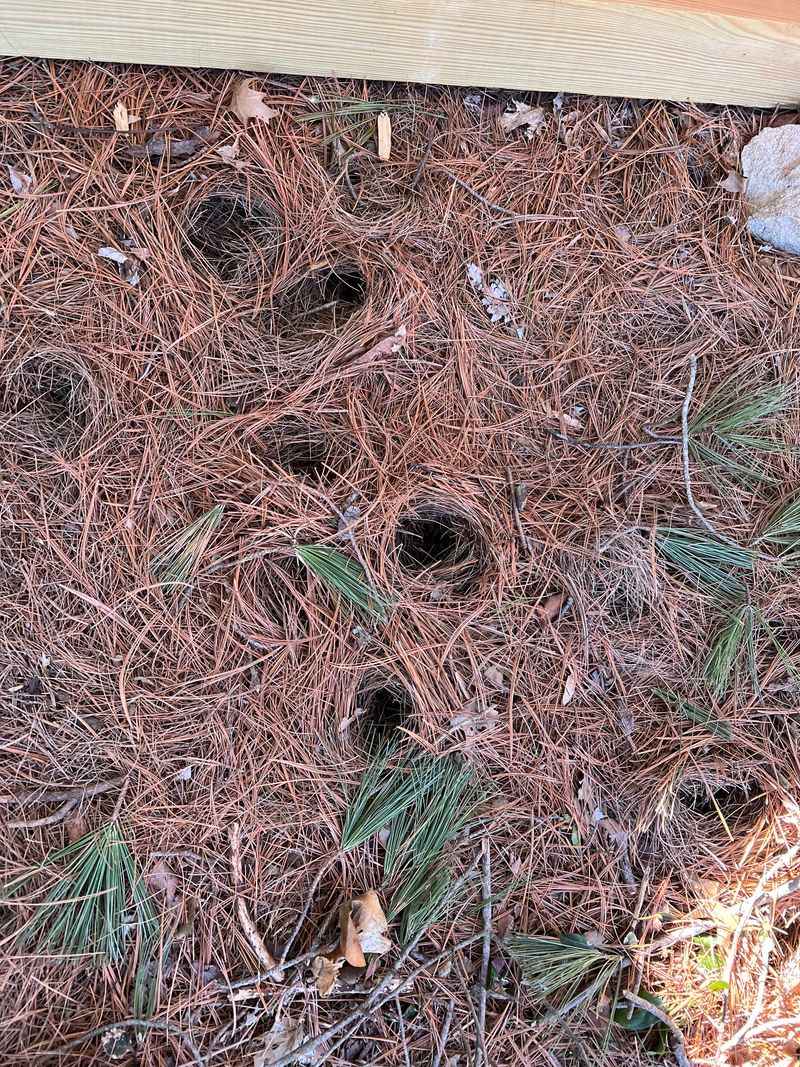
Mulch is basically a five-star hotel for a shrew. It’s cool, moist, loose, and packed with tiny snacks.
Georgia gardeners love pine straw, hardwood bark, and shredded leaves, and so do these little diggers.
Short-tailed shrews are semi-fossorial. That means they spend much of their lives in shallow tunnels and runways just under the surface.
They dig their own paths and also borrow tunnels left by moles and voles.
Moisture matters a lot. Shrews lose water quickly, so they favor shady beds, woodland edges, and spots that stay damp after rain.
A deep layer of mulch under azaleas or hydrangeas fits the bill nicely.
You may notice signs before you ever see the animal. Look for small round holes about an inch wide at the edge of beds.
Tiny runways under leaves or along a fence line are another clue.
Compost piles, brush piles, stacked firewood, and old boards also attract them. Anything that holds moisture and shelters insects is fair game.
Keeping mulch at two to three inches deep is a smart middle ground. It feeds your soil and plants without creating an overly soggy jungle along your foundation.
5. Earthworms, Slugs, And Grubs Keep This Tiny Hunter Racing
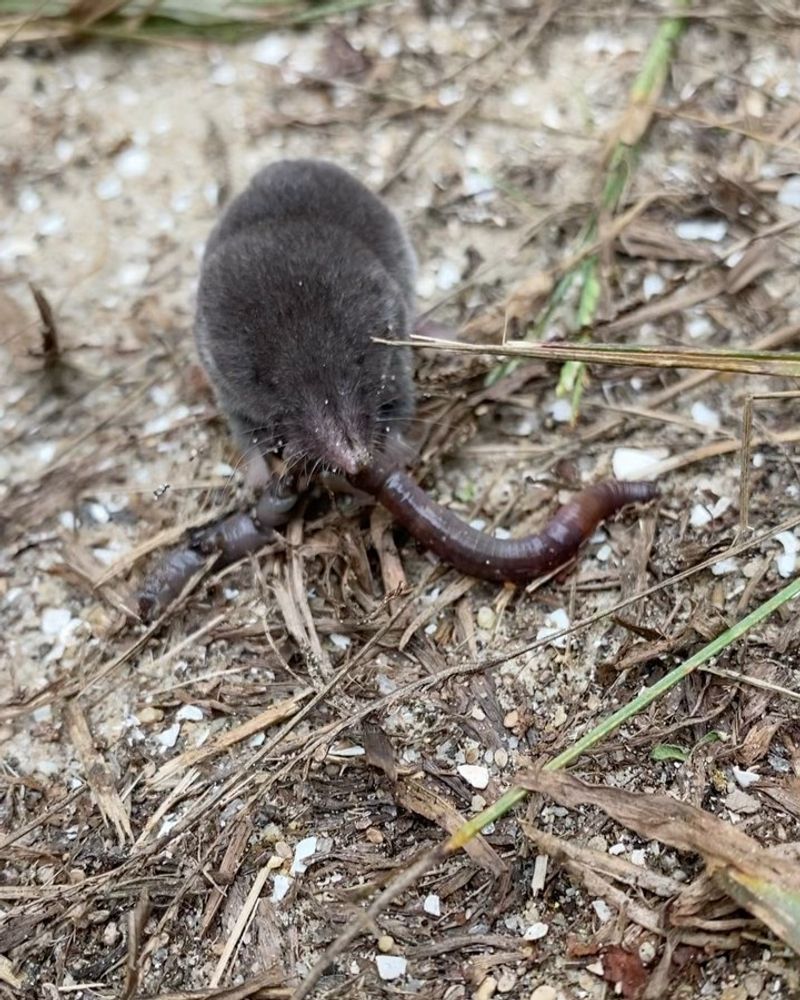
My grocery bill would scare me if I ate like a shrew. These animals have a sky-high metabolism and need to eat often, day and night.
Many sources say they can eat around their own body weight or more in food each day.
So what’s on the menu? Earthworms top the list.
Shrews also eat slugs, snails, beetle larvae, centipedes, spiders, crickets, and caterpillars. Now and then, they’ll grab a small salamander, a baby mouse, or some seeds and fungi.
Here’s a quirky twist. Short-tailed shrews sometimes store food for later.
Researchers have found caches of paralyzed but living prey, like snails and beetles, tucked inside burrows. The venom keeps the meal fresh, almost like a pantry that never spoils.
This constant hunt shapes their whole life. They take short rests between bursts of activity and rarely sleep for long stretches.
Winter doesn’t stop them either, since shrews don’t hibernate. They keep foraging under leaves and snow-free soil through Georgia’s mild cold months.
For gardeners, that hunger means fewer critters chewing on hostas and lettuce. A busy shrew is a hardworking helper you don’t need to pay.
6. Nearly Blind Shrews Use Echolocation Clicks Underground
Bats get all the fame for echolocation. Short-tailed shrews deserve a little credit too.
Studies on the northern short-tailed shrew found it gives off high-pitched clicks and uses the echoes to sense its surroundings.
This system is simpler than what bats use. Scientists think it helps shrews explore tunnels and new spaces rather than chase flying prey.
It’s still impressive for such a small mammal, which typically measures several inches long.
Their eyes can mostly tell light from dark. That’s fine, because life under mulch is dim anyway.
Instead, shrews lean on smell, hearing, and touch.
That twitchy nose is lined with sensitive whiskers. Shrews sweep them across the ground to feel for movement and find worms and larvae.
Their sense of smell is sharp too.
You may even hear one before you see it. Shrews make soft twittering, clicking, and squeaking sounds while they hunt or argue with neighbors.
On a quiet evening near a flower bed, listen closely.
Here’s a fun backyard project for kids. Sit quietly near a leafy border at dusk with a flashlight covered in red cellophane.
You might catch rustling and tiny chirps from a busy forager working the night shift.
7. Your Vegetable Garden Gains A Free Slug Patrol
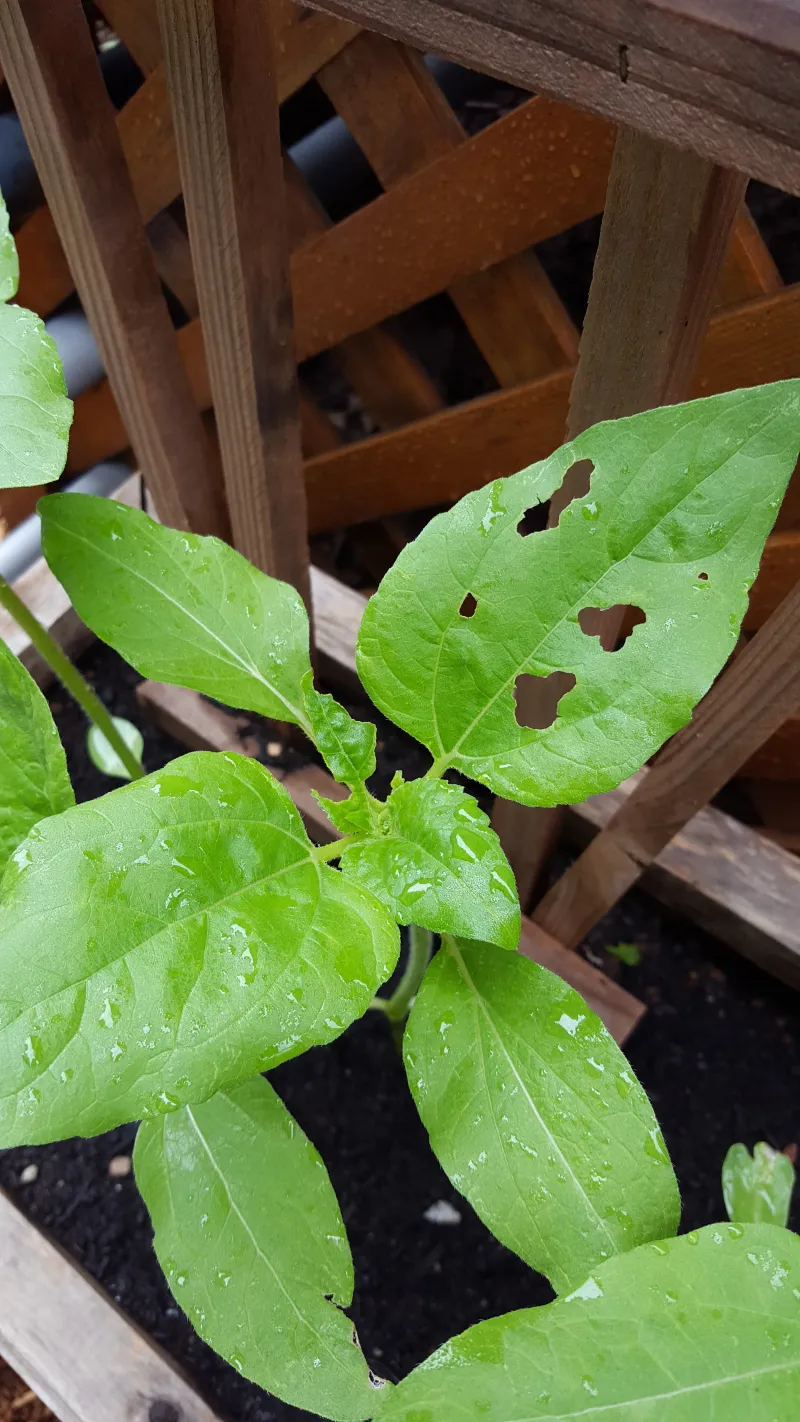
Slugs shredding your lettuce? A shrew might be your quiet backup.
These little hunters eat many critters gardeners struggle with, including slugs, snails, cutworms, and beetle grubs.
Shrews don’t eat your plants. They aren’t interested in bulbs, roots, or tomatoes the way voles and rats can be.
Damage blamed on “shrews” usually comes from voles using the same tunnels.
That difference matters for how you respond. Removing shrews could mean losing a natural pest control helper and leaving voles to thrive.
If plants are chewed at the roots, look for vole signs like gnawed stems and bark.
To keep shrews happy, cut back on broad insecticide use. Heavy sprays reduce the insects and worms shrews need to eat.
Healthy soil life supports healthy predators.
Leaving a few leaf piles in back corners also helps. Native shrubs, groundcovers, and a small brush pile add shelter.
Shrews themselves are food for owls, hawks, snakes, and foxes. Cats sometimes catch them but often won’t eat them, likely because shrews have musky scent glands that taste bad.
So a shrew in your yard supports a bigger web of life too.
8. Spot A Shrew In The Garage Or Mulch Pile And Keep Calm
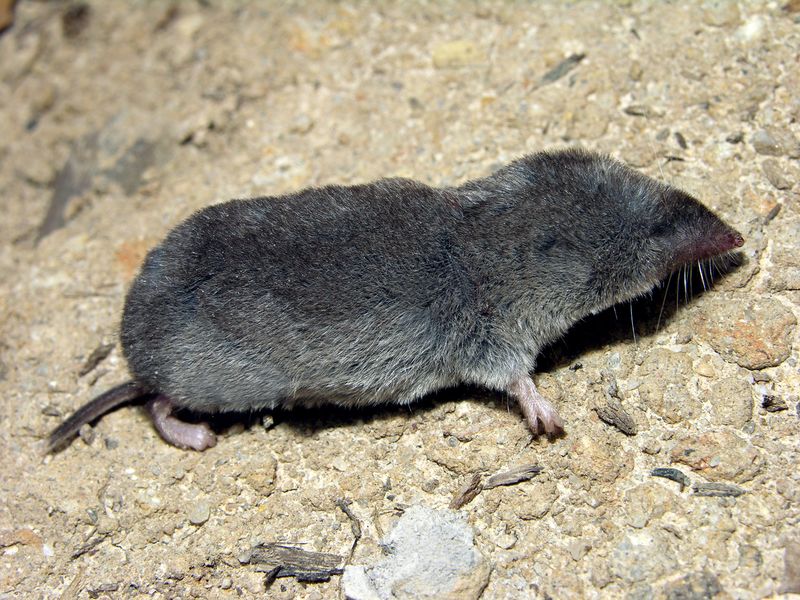
Finding a shrew in your yard is a sign your soil is alive and well. Most encounters end with the animal vanishing back under the leaves in seconds.
Your best move is to step back and let it go.
Pets may get curious. Dogs and cats sometimes catch shrews and may get a sore mouth from a bite or the bad taste.
If your pet seems to be in pain or has swelling, check in with your veterinarian.
Sometimes a shrew wanders into a garage, basement, or shed in fall. They’re chasing insects and shelter, not your pantry.
Place a shoebox on its side with some leaves inside and gently guide it in with a broom. Then release it outside near cover.
To prevent indoor visits, seal gaps around doors, vents, and pipes. Pull mulch a few inches away from your foundation.
Store firewood off the ground and away from the house.
Skip poison baits. They often don’t work on shrews and can harm pets, owls, and other wildlife.
Snap traps should be a last resort.
Share this with a gardening friend. Most people have no idea their flower bed holds such a fierce little helper.