Stop Transplanting Ohio Fall Brassicas Without Shade Cloth This Weekend
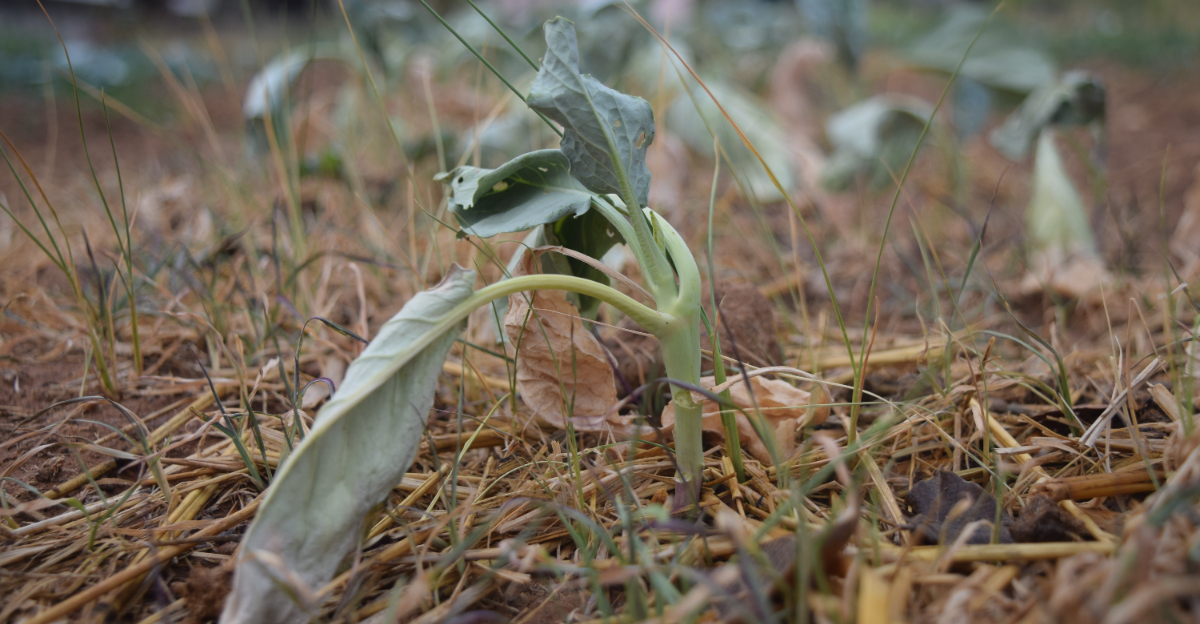
If you’re planning to move your fall brassicas outside this weekend, pause for a second. Ohio still runs punishingly hot this time of year, and those tender transplants need far more protection than most gardeners assume.
Plenty of growers make the same mistake right now, and their plants pay for it within days of hitting the soil. One simple, low-cost step can decide whether your crop settles in strong or ends up wilted and stalled.
Moving broccoli, cabbage, kale, and kohlrabi into the ground during these warm weeks calls for a small trick most people skip entirely. Without it, root systems struggle to establish, and growth stalls for weeks.
Luckily, the fix takes only a few minutes of prep, and the difference shows up after the very first scorching afternoon.
Young Transplants Face A Rough Shock In Late Summer Heat
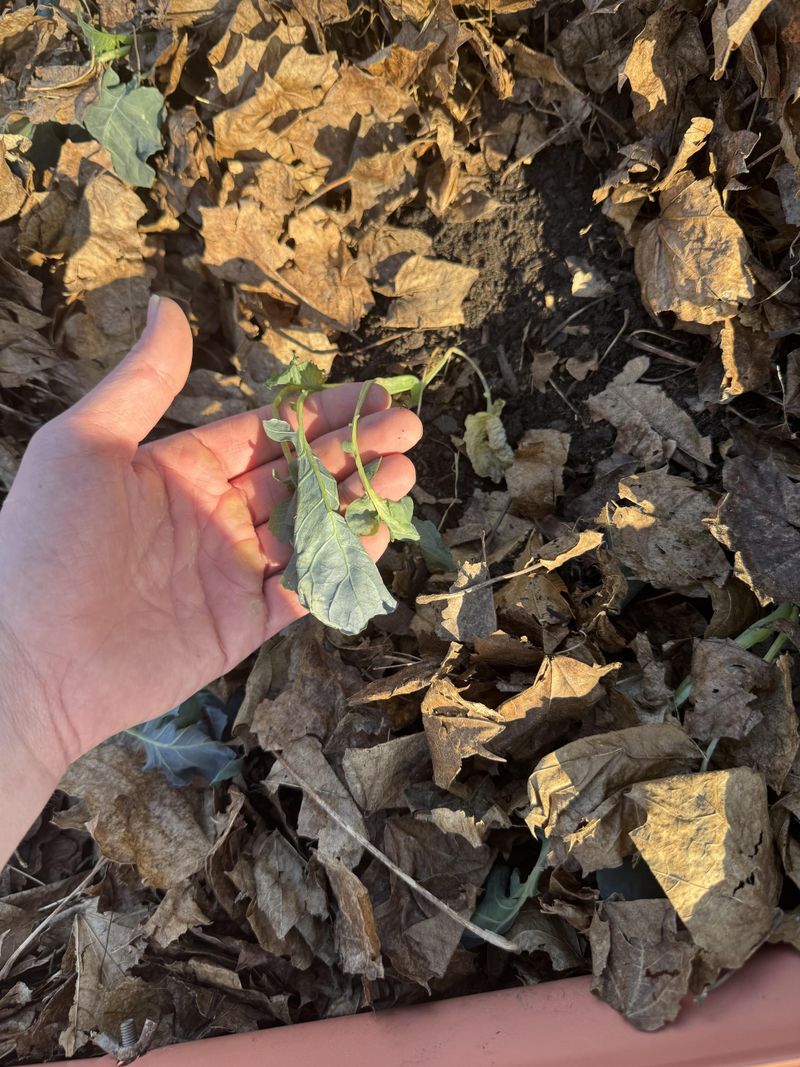
Heat shock is real, and it hits fast. When you pull a seedling from a shaded tray and drop it into open garden soil, the change is immediate and intense.
Brassica transplants have spent their early lives in a controlled, sheltered space. Moving them into direct late-summer sun without shade cloth is like moving a shade-loving houseplant straight onto a sun-baked patio in August.
The plant’s root system is tiny at this stage. Roots have not yet spread wide enough to pull up enough moisture to replace what the leaves are losing to evaporation.
Transplanting Ohio fall brassicas without protection during this window causes what gardeners call transplant shock. Leaves curl, stems droop, and the plant burns precious energy just trying to survive instead of growing.
Broccoli and cabbage are especially vulnerable because their large, broad leaves lose water quickly. Kale is slightly tougher, but even kale seedlings struggle when soil temps hover above 80 degrees Fahrenheit.
The first several days after transplanting are a critical window. How your plant handles that stretch sets the tone for the rest of the fall season.
Shade cloth creates a buffer zone that softens the transition. Your transplant gets time to establish roots without fighting the sun at the same time.
Think of it as a gentle handshake between the seedling and the garden. Start strong, and your brassicas will reward you all the way into November.
Ohio Afternoons Still Push Soil Temperatures Too High
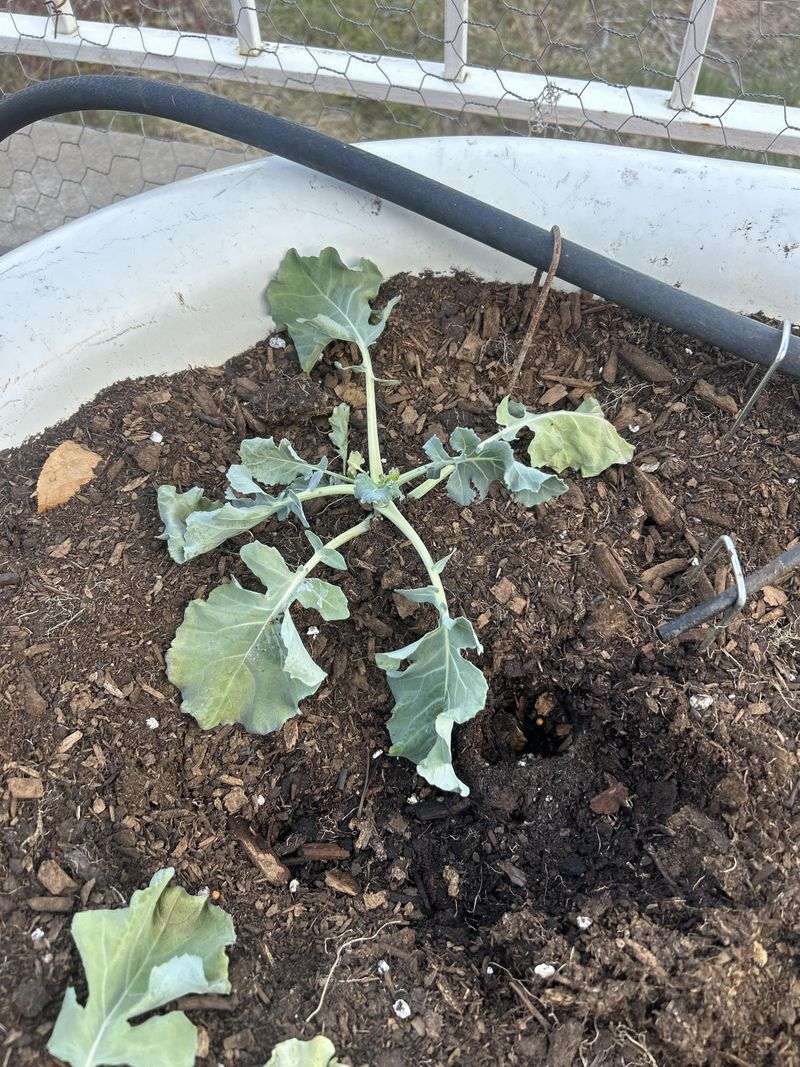
Grab a soil thermometer and stick it two inches deep on a sunny afternoon. The number you see will probably surprise you.
Even in late August and early September, Ohio garden beds regularly hit soil temperatures between 80 and 90 degrees Fahrenheit during peak afternoon hours. That range is far too warm for brassica roots to function well.
Brassicas prefer soil temps between 60 and 75 degrees. Above that range, root activity slows down, water uptake drops, and the plant starts showing signs of stress within hours.
Hot soil also speeds up the drying process. Moisture evaporates faster from warm ground, which means your freshly transplanted seedling is fighting thirst from below and sun exposure from above at the same time.
Your Ohio Garden Changes Every Week. Your Plan Should Too.
Gardening in Ohio changes quickly throughout the season. Every Friday you’ll receive a simple weekly plan showing exactly what to plant, prune, fertilize, harvest, and protect so you never miss the right timing.
Stopping this cycle starts with blocking direct sunlight from hitting the soil surface. Shade cloth does exactly that by reducing the solar load on both the plant and the ground beneath it.
A 30 to 40 percent shade cloth is the sweet spot for most fall brassicas. It cuts heat without blocking so much light that the plant slows its growth.
Placing the cloth before you transplant lets the soil beneath it cool down for a few hours first. That pre-cooling step gives your transplants a noticeably better start.
Transplanting Ohio fall brassicas into cooler soil, even just five degrees cooler, makes a measurable difference in how quickly roots spread and how fast the plant stabilizes after being moved.
Wilting Leaves Signal Roots Struggling To Keep Up
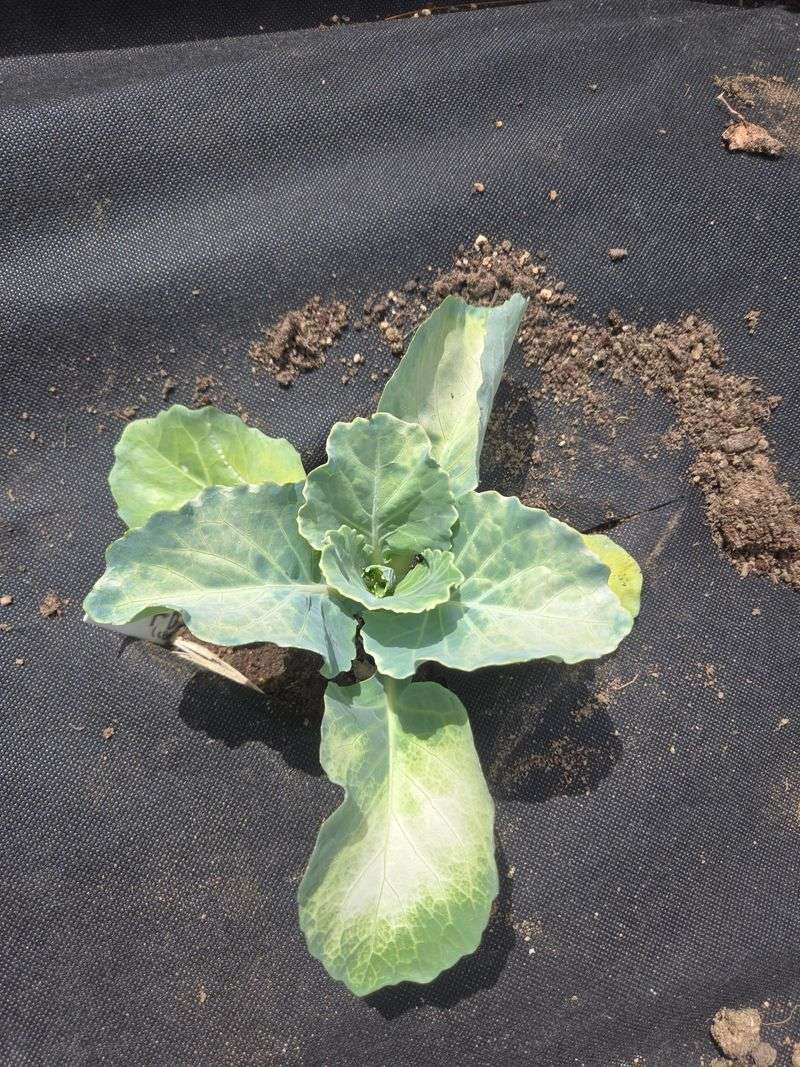
Wilting is the plant’s loudest cry for help. When leaves droop in the afternoon, most gardeners assume the fix is just more water.
But often, the real problem is not the amount of water in the soil. The issue is that roots cannot pull moisture up fast enough to replace what leaves are losing to the hot, dry air above them.
This gap between supply and demand is called transpiration stress. Leaves lose water through tiny pores called stomata, and on a hot day, that loss happens faster than any root system can compensate for.
New transplants are especially prone to this because their root systems are still small and shallow. The roots have not yet had time to spread out and tap into deeper, cooler soil moisture.
Shade cloth reduces the temperature around the leaves, which slows transpiration down. When leaves are not losing water as fast, roots have a fighting chance to keep up.
Without that cover, wilting becomes a daily pattern. The plant droops in the afternoon, partially recovers overnight, then droops again the next day, never fully bouncing back.
Each wilting cycle weakens the plant a little more. After a week of this, you are looking at a stunted, stressed transplant that will produce poorly even when cooler fall weather finally arrives.
Protecting transplanting Ohio fall brassicas with shade cloth breaks that cycle before it starts. Healthy leaves stay firm, roots spread faster, and the whole plant settles in with far less drama.
A Simple Cover Makes Transplant Stress Far More Manageable
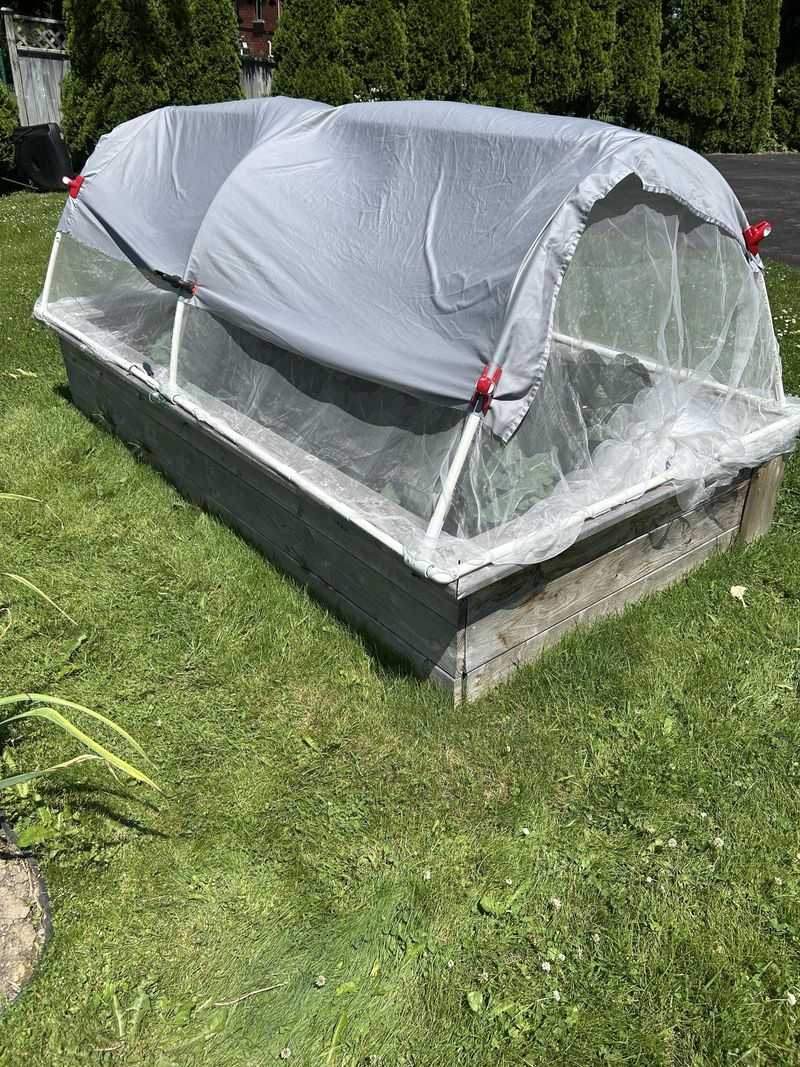
Shade cloth is not complicated gardening gear. You can find it at any farm supply store, and setting it up takes about ten minutes.
The basic setup involves a few wire hoops or stakes pushed into the ground around your transplants. The cloth drapes over them and gets clipped or pinned at the edges to hold it in place.
A 30 percent shade cloth is the most common choice for fall brassicas. That rating means it blocks roughly 30 percent of incoming sunlight while still letting plenty of light through for photosynthesis.
Extension gardening programs consistently point to shaded transplants establishing roots noticeably faster than unshaded ones in warm conditions. That faster root establishment translates directly into earlier, stronger growth.
Transplanting Ohio fall brassicas under shade cloth also reduces your watering needs during that first critical week. Cooler soil and slower leaf transpiration mean moisture stays in the root zone longer.
The cloth pays for itself quickly. A single roll can cover a 4-by-8-foot bed and last for several seasons with basic care. The cost per use is genuinely minimal.
Some gardeners use old bedsheets or row cover fabric as a substitute. Those materials work reasonably well in a pinch, though they tend to hold more heat than proper shade cloth.
That might sound like a small step, but the results are visible within days. Your plants will look noticeably perkier, and you will feel noticeably less anxious about the whole process.
Timing The Move For Cooler Evening Hours
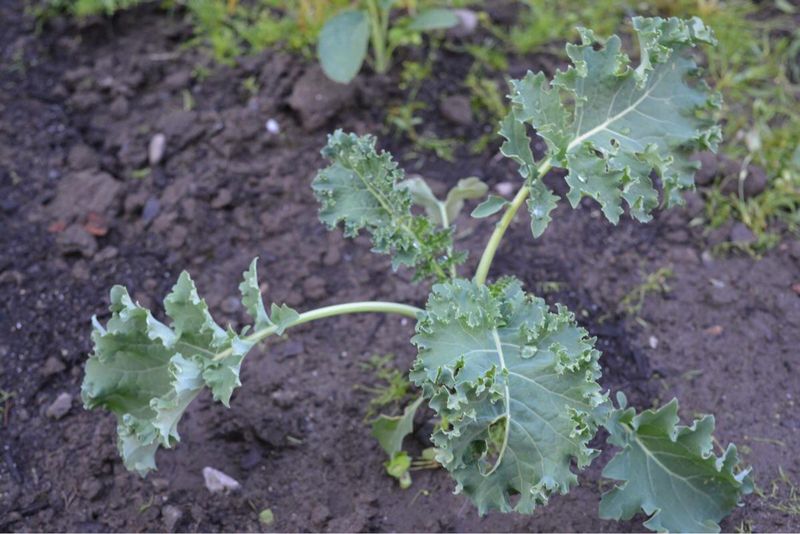
Transplanting at the right time of day is just as important as using shade cloth. Moving plants during the hottest part of the afternoon is asking for trouble, even with a cover in place.
The best window for moving transplants is between 5 p.m. and 8 p.m. in the evening. Temperatures are dropping, the sun is lower in the sky, and your plants have the whole night ahead to start settling in.
Evening transplanting gives roots several hours of relative cool before they face their first full day in the ground. That overnight window is when most of the initial root establishment happens.
Morning is the second-best option, ideally before 9 a.m. when soil is still cool from the night and temperatures have not yet climbed. Avoid midday and early afternoon entirely if you can help it.
Cloudy days are a gift for transplanting. An overcast afternoon provides natural shade and softer conditions that rival even the best setup with cloth and hoops.
Check your local forecast before you pick your transplanting day. A stretch of mild, partly cloudy weather is far more forgiving than a bright, dry stretch with no relief in sight.
Pairing evening timing with shade cloth gives your transplants a double layer of protection. Together, those two strategies handle the heat problem from two different angles at once.
Transplanting Ohio fall brassicas at the right hour, under the right cover, sets up a chain reaction of healthy growth that carries your plants straight into the cooler weeks ahead.
Watering Habits That Support New Root Growth
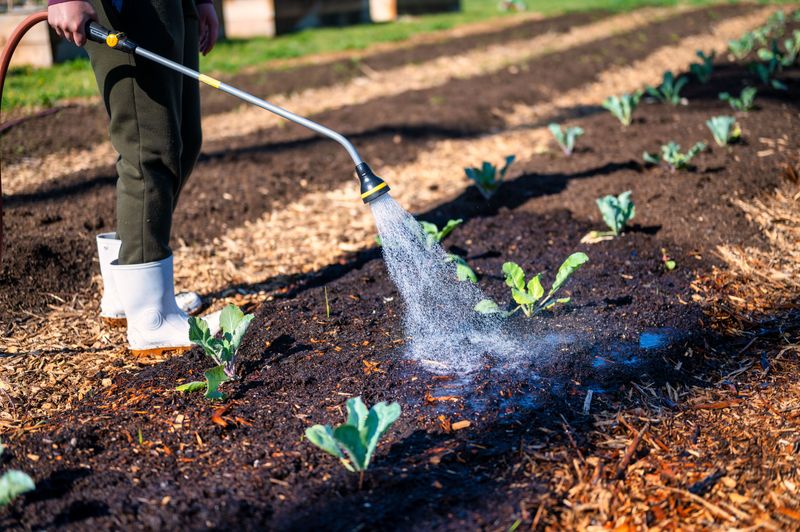
Watering a new transplant wrong is almost as harmful as skipping the shade cloth. Too much water suffocates roots, and too little leaves them struggling in warm soil.
The goal right after transplanting is to keep the soil consistently moist but never soggy. Think of a wrung-out sponge as your target moisture level for that top two to three inches of soil.
Water deeply at the time of transplanting to settle the soil around the roots and remove air pockets. A slow, thorough soak at planting time is far more effective than a quick splash.
After that first deep watering, check the soil daily by pressing your finger one inch into the ground near the base of the plant. If it feels dry at that depth, water again slowly and thoroughly.
Avoid overhead watering during the hottest part of the day. Water sitting on warm leaves can cause minor scorch marks and invites fungal issues that young transplants cannot fight off easily.
Morning watering is ideal because moisture soaks in before heat builds, and leaves dry off quickly in the morning sun. Evening watering works too, as long as you aim at the soil and not the foliage.
Mulching around your transplants right after watering locks in that moisture and keeps soil temperatures lower throughout the day. A two-inch layer of straw or shredded leaves makes a noticeable difference.
Watering smart, combined with shade cloth, gives transplanting Ohio fall brassicas the best possible foundation for a productive and rewarding autumn harvest season.