Why Watering A Little Every Day Is Hurting Many California Plants
Some garden habits feel responsible, even virtuous, yet quietly work against the plants they’re meant to help.
One of the most common shows up on timers across California every single morning.
The leaves still yellow, the shrubs still droop on hot afternoons, and the confusion grows, since the effort seems so consistent.
The real story unfolds underground, in places nobody sees during a quick walk through the yard.
A small change in rhythm, rather than amount, often makes the biggest difference, and it can save water and money along the way.
Fall makes a natural time to rethink the schedule, with cooler days and the rainy season approaching.
What looks like care on the surface may be telling roots something else entirely.
Shallow Watering Grows Shallow Roots
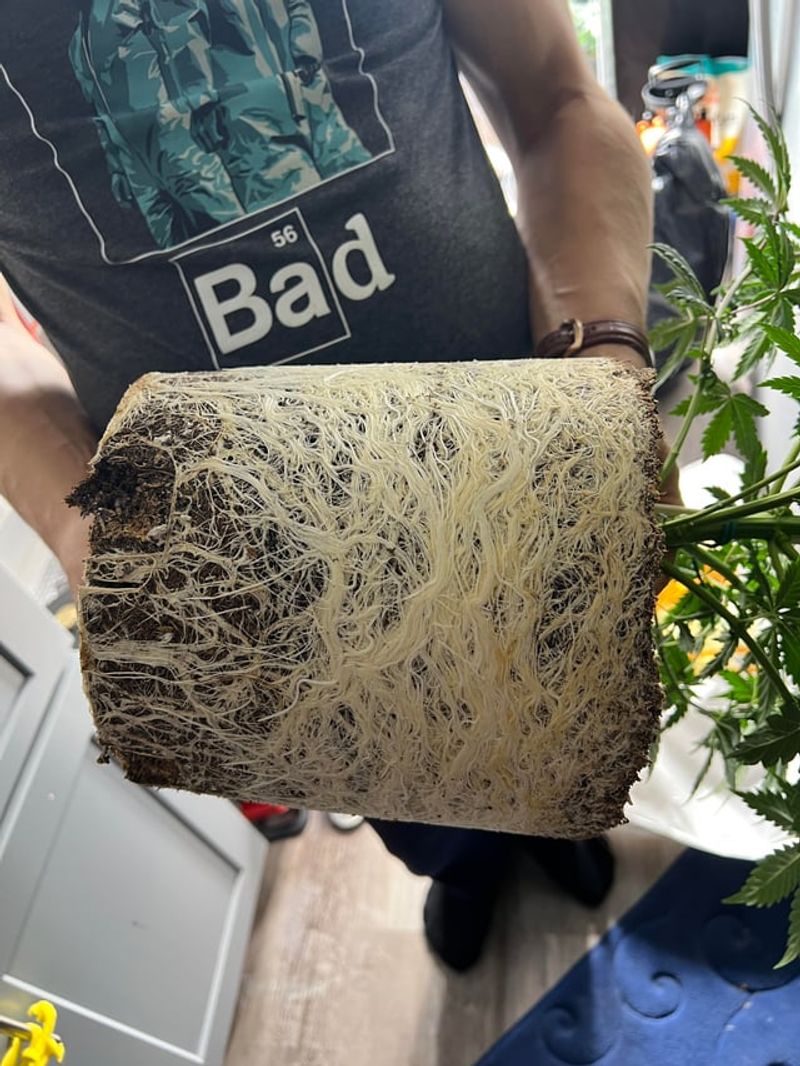
A struggling marigold pulled up after a summer of daily sprinkles often reveals a tiny, flat root ball. Roots behave sensibly in their own way, growing where water and air come easiest.
A quick ten-minute spray usually soaks only the top inch or two of soil, leaving the ground below dry. Roots stay up top, spreading sideways instead of reaching down.
Over weeks and months, the plant builds its entire life-support system in the thinnest, hottest layer of the garden. Daily habits like this often start with good intentions during summer heat.
That top layer warms fast in California sun and can dry out within hours on a breezy afternoon. A plant with roots living there is essentially camping on a griddle, and a single skipped day can bring wilting almost immediately.
A simple test reveals what’s happening. About an hour after a usual watering, a long screwdriver or soil probe pushed into the ground slides easily through moist soil and stops at dry dirt.
Stopping after just a couple of inches means the water isn’t reaching deep enough.
The fix involves running irrigation longer but less often. Many shrubs do well when water reaches 12 to 18 inches deep, while lawns usually need moisture about 6 inches down or more.
UC ANR guidance covers specific plants in more detail. Once roots have a reason to dig, they tend to go the distance, building a sturdier plant season after season.
Roots Never Reach Deeper Moisture
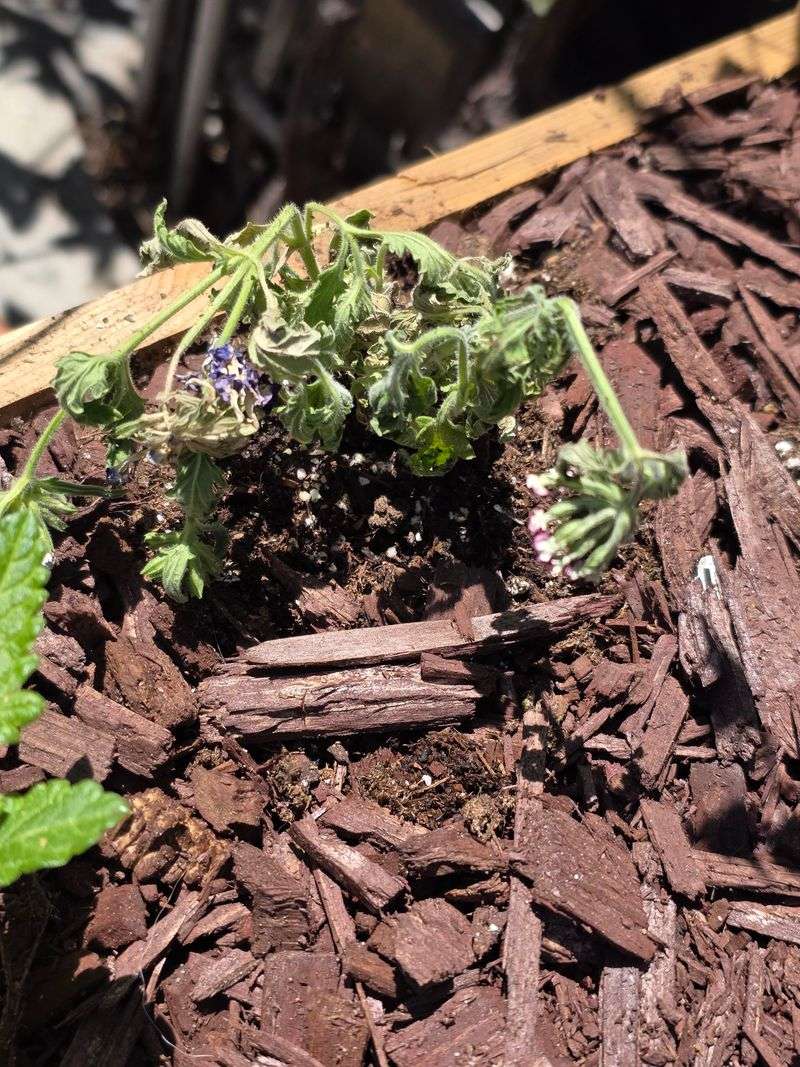
Deep beneath many yards sits a hidden savings account of water. Winter rains and earlier deep soakings leave moisture stored in lower soil layers, and plants with long roots can tap into it for days or even weeks.
Daily light watering keeps roots from ever finding that reserve. With the surface constantly damp, they have no reason to explore, so a plant can sit just inches above plenty of moisture and still look thirsty.
Soil type plays a big role. Clay, common across much of California, holds water well but absorbs it slowly, while sandy soil drains fast and dries quickly, and loam falls in between.
In all three, deeper soil stays cooler and moist far longer than the top layer.
Roots act a bit like explorers. A deep watering pushes moisture down, and roots follow it, growing longer each time the top dries out. After a season, they can reach water a shallow-rooted plant rarely touches.
Slow delivery helps water sink in rather than run off, and drip lines and soaker hoses work especially well.
On clay, the cycle-and-soak method makes a big difference. Sprinklers run a few minutes, pause for about half an hour, then run again, letting water seep down instead of puddling on the sidewalk.
Many smart controllers include a cycle-and-soak setting. Patience pays off underground, since a little delay between waterings trains roots to dig for that buried reserve.
Constant Wetness Invites Root Rot
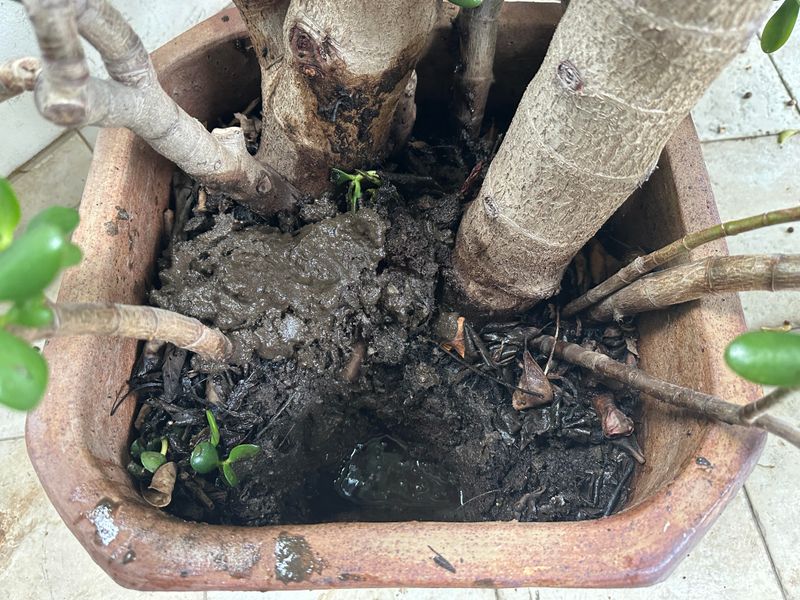
Yellow leaves, wilting stems, and soil that feels like a wet sponge often send gardeners reaching for the hose. Unfortunately, extra water can be the very cause of the droop.
Roots need air as much as water. Healthy soil holds tiny pockets between particles that carry oxygen, and when soil stays soaked, water fills those pockets.
Roots then struggle for oxygen and stop pulling up water efficiently, so the plant wilts even while sitting in mud.
Weakened roots open the door to trouble. Water molds such as Phytophthora thrive in soggy ground, causing root rot that turns healthy white roots into brown, mushy strands.
UC ANR notes the problem shows up often in heavy clay and poorly drained spots.
California natives are especially sensitive. Ceanothus, flannel bush, and manzanita evolved with dry summers, and frequent summer water can push them into decline, even when they look happy at first.
Many established natives need little or no summer irrigation once their roots settle.
A quick check before watering helps. A finger or trowel pushed a few inches into the soil tells the story, and damp soil signals time to wait.
Letting the top layer dry between waterings allows air to return to the soil. Fall offers a good time to adjust, since cooler weather slows drying.
Improving drainage where water pools, and keeping mulch a few inches away from trunks, gives roots room to breathe. Healthy roots, in turn, reward the gardener with steady, sturdy growth.
Daily Sprinkles Feed Fungal Disease
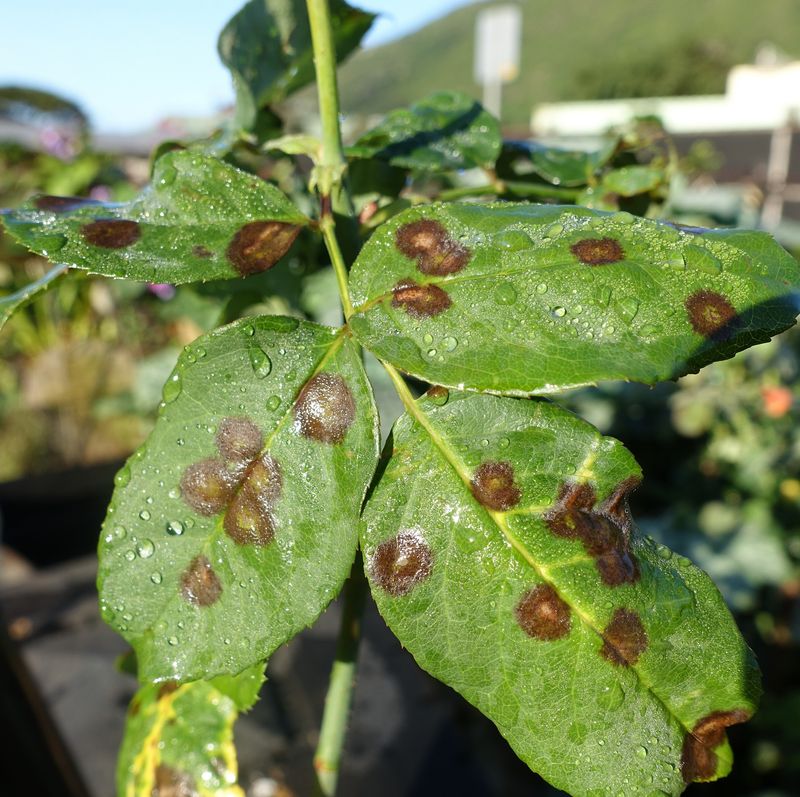
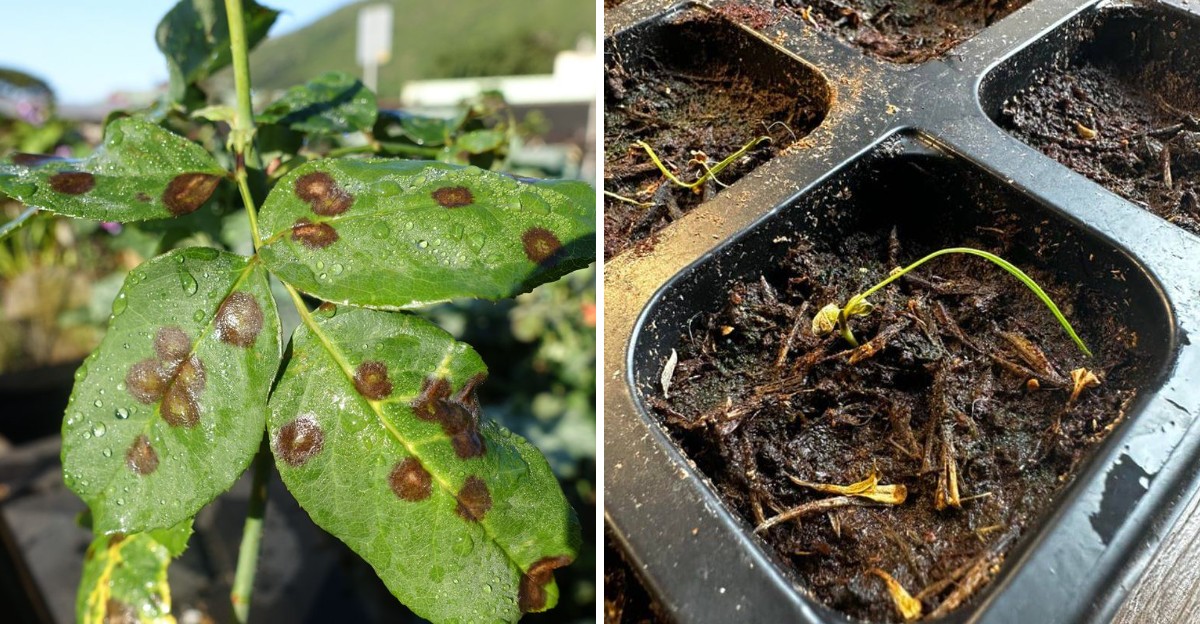
Black spots on roses and rusty orange bumps on snapdragons both point to fungal disease, and daily overhead watering often rolls out the welcome mat.
Many fungi need wet leaves to get started. Spores land on foliage, absorb moisture, and begin to grow, and a sprinkler that wets leaves every day keeps those conditions going nonstop.
Leaves rarely dry fully before the next shower arrives.
Timing makes it worse. Evening watering leaves foliage damp all night, prime time for fungal growth, and even morning sprinkles cause trouble when they happen daily, especially along the foggy coast where leaves dry slowly.
Powdery mildew works a little differently. It favors humid, shaded, crowded conditions rather than wet leaves, so the white dust on squash and roses has more to do with airflow than sprinkler spray.
Crowded plants worsen nearly every leaf disease. Dense growth traps humidity, keeping leaves in the middle damp much longer, so thinning tangled branches improves airflow.
The fix stays fairly simple. Watering the soil rather than the leaves makes a huge difference, and drip irrigation and soaker hoses deliver moisture right to the root zone while keeping foliage dry.
Hand watering at the base works too.
Where sprinklers remain necessary, early morning runs let the sun dry leaves quickly. Black spot spores spread largely through splashing water, so drip lines cut that route as well.
Fewer, deeper waterings mean fewer wet leaves and far fewer fungal problems over the season.
Salts Build Up Near The Surface
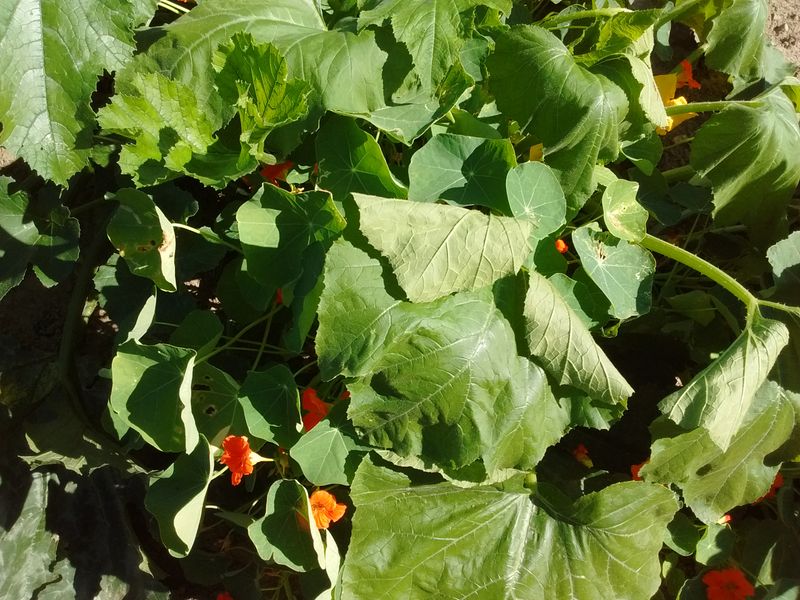
A white crust on the soil or crispy brown edges on leaves can point to a sneaky culprit. Plenty of California tap water carries dissolved salts, especially in Southern California and parts of the Central Valley.
Each watering brings a little salt along. When water evaporates from the surface, the salt stays behind, and light daily watering rarely carries it down and away.
Instead, salts accumulate right where shallow roots live.
Fertilizers add salts too. Over time, the top few inches of soil can turn quite salty, making it harder for roots to pull in water.
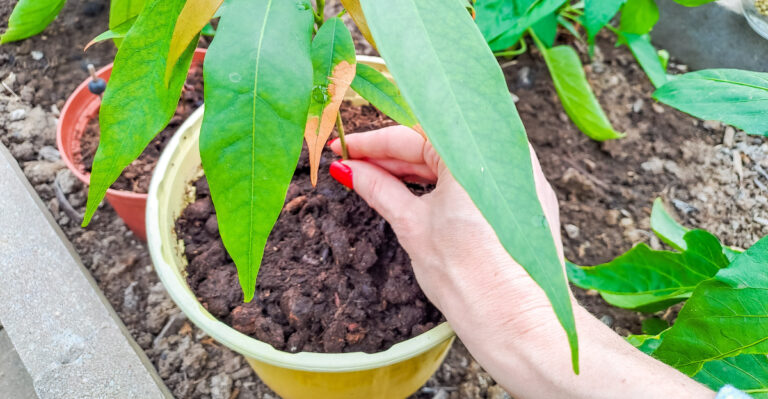
Leaves may show burned tips, stunted growth, or a dull, tired look even when the soil feels moist. Avocado leaf tips turning brown in late summer and fall often trace back to salt buildup.
Some plants handle salt better than others. Avocados, citrus, strawberries, and azaleas are notably sensitive, often showing leaf burn first and acting as an early warning for the rest of the garden.
Deep watering offers the cure. UC ANR explains that applying extra water, a process called leaching, pushes salts below the root zone, and a long, slow soak every so often flushes the soil.
Winter rains help with this naturally, though dry years leave more of the job to the gardener. A deep soak ahead of the rainy season gives soil a head start.
A lighter hand with fertilizer, combined with occasional deep watering, keeps salts moving down and away from roots, and new growth on sensitive plants usually comes in cleaner.
Weeds Love Constantly Moist Topsoil
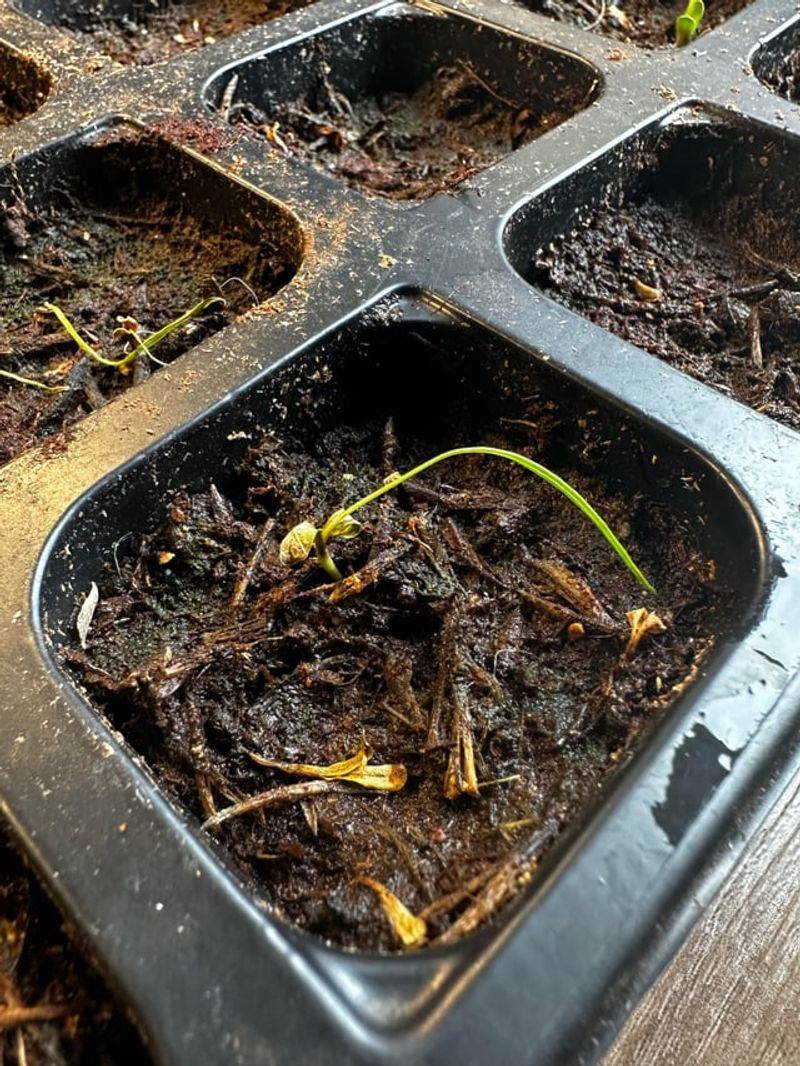
Seedlings that pop up seemingly overnight often had a little help. Most yards hold a huge bank of weed seeds waiting near the surface.
Many weed seeds are small and sit in the top inch of soil, needing steady moisture to sprout and survive their first tender days. A daily sprinkle provides exactly that, essentially running a nursery for crabgrass, spurge, and oxalis.
Established garden plants carry deeper roots, while weed seedlings don’t. When the surface dries between waterings, many young weeds shrivel before they settle in, so constant moisture removes that natural control.
Spotted spurge makes a great example. It spreads flat across warm, damp patches, and UC IPM notes that a single plant can produce thousands of seeds.
A lawn or bed watered lightly every day can become its favorite hangout by midsummer. Fall rains soon wake another round of seeds, so timing matters now.
Stretching the time between waterings lets the top layer dry. Drip irrigation wets only the area near plants, leaving paths and open spaces dry, and fewer damp spots mean fewer sprouts.
A layer of mulch about two to four inches deep over bare soil blocks light from reaching weed seeds and holds moisture deeper where plants can use it.
In Zone 0 areas, gravel or stone takes the place of bark mulch within five feet of the house.
Pulling weeds before they set seed shrinks next year’s seed bank. A dry surface ranks among the most effective weed controls available.
Plants Struggle In Heat Waves
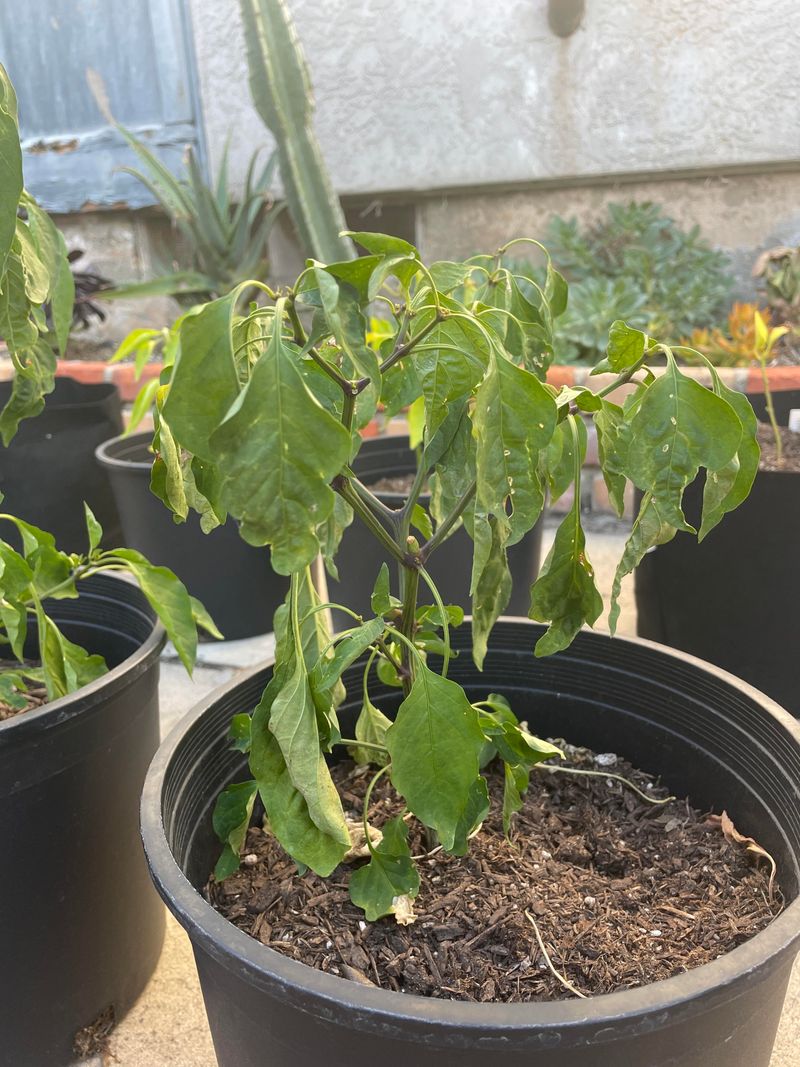
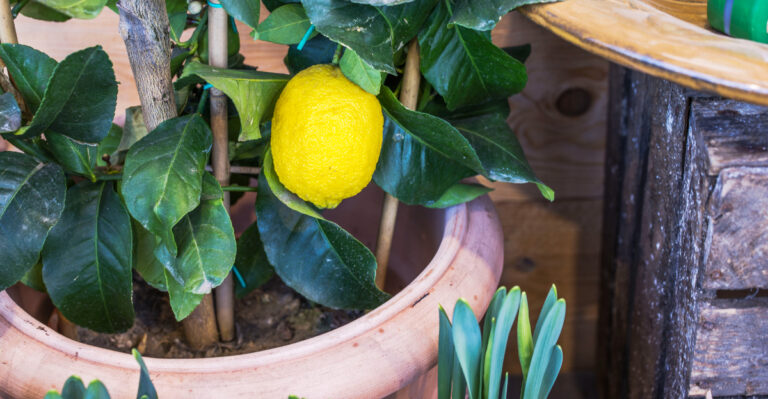
When the forecast hits 105 degrees, hydrangeas can look like wet paper towels by noon, while a long-established lemon tree barely blinks. The difference often lies underground.
Shallow roots live in the hottest, driest layer of soil, which can dry out within hours during a heat wave.
Plants lose water through their leaves faster than roots can replace it, leading to wilting, scorched leaves, and dropped flowers or fruit.
Deep roots work like an insurance policy. They reach cooler soil that holds moisture far longer, so a deeply rooted shrub rides out a hot spell with steady access to water while a shallow-rooted plant struggles.
California heat waves have grown more frequent, and many arrive in late summer and early fall, including October in parts of the state. Plants trained on daily sprinkles rarely build the toughness to handle them.
Even extra water mid-heat may not help much when roots are too short.
Preparation works best ahead of time. A deep soak a day or two before a forecast spike, mulch over the root zone, and temporary shade cloth for tender vegetables and new plantings all help.
Some plants, hydrangeas included, wilt at midday even in moist soil and recover by evening, so a soil check before extra watering avoids waterlogging roots.
Deep watering habits built early pay off for years, since strong roots take time to grow and keep a garden steady when summer turns up the heat.
Water Deeply And Less Often Instead
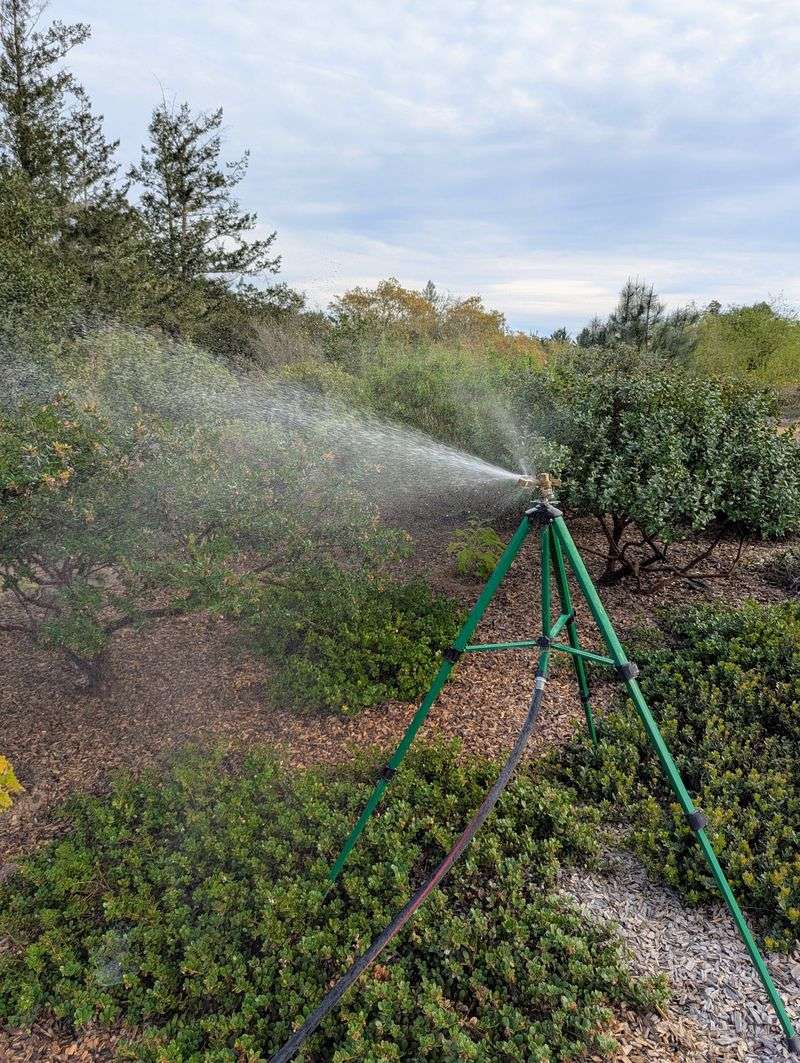
Trading ten minutes a day for a long, slow soak once or twice a week can transform a garden. Roots grow deeper, leaves stay healthier, weeds lose their edge, and the water bill may shrink too.
Learning the soil and plants comes first. Running irrigation, waiting a few hours, then probing shows how deep the water traveled, with the goal of wetting the whole root zone.
The next watering waits until the top few inches feel dry.
Schedules shift with the seasons. Plants need more water in July than in March, and many need little or none during rainy winters, so monthly controller adjustments or a smart controller tied to local weather data keep things on track.
October makes a perfect time to trim run times as days shorten and temperatures cool. Many controllers also include a rain sensor or seasonal adjust feature that handles part of the job automatically.
Some plants do need more frequent drinks. New transplants have small root balls and need regular water for several weeks until they settle, seedlings need a steady, moist surface to sprout, and containers can dry out daily in hot weather.
Local water agency rules on watering days and times still apply, and many California cities limit when sprinklers can run, especially during droughts.
UC ANR resources offer exact depth and timing guidance, since needs vary by plant, soil, and climate. With a little observation, a deeper, slower rhythm soon becomes second nature.