Arizona Perennials That Triple in Size in One Season and Fill Beds Fast
A single nursery plant the size of a coffee mug can sprawl six feet across a desert bed by next fall. I still remember staring at one spot in my yard, wondering where all that bare gravel had quietly gone.
Some low desert perennials grow so quickly that one plant can replace three or four you might have bought. Many are native to Arizona or nearby deserts, so they shrug off brutal heat with surprisingly little water.
I love how these fast fillers also feed hummingbirds and night moths while shading the soil beneath them. You might notice lizards lounging under the leaves too, and those lizards happily snack on pesky insects.
October is prime planting time across much of Arizona, since cooler soil lets roots settle before summer returns. So which bloomers deserve that empty corner, and which ones will politely stay inside their borders?
1. Trailing Lantana
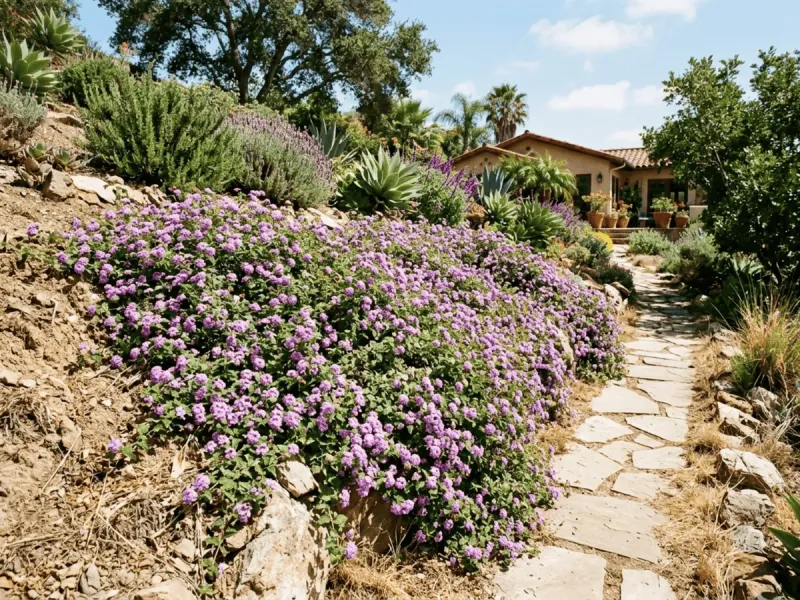
Purple flower clusters spill over rocks and curbs so fast that trailing lantana can stretch four to six feet wide. I have watched one gallon pot swallow a whole sunny corner before the monsoon storms even rolled in.
Lantana montevidensis stays low, usually one to two feet tall, with vine-like stems that weave into a dense groundcover. Unlike its humid-climate cousin Lantana camara, this trailing species is not considered a problem spreader in our dry desert air.
Butterflies and bees visit the blooms for months, and the strong scent tends to keep rabbits and deer from nibbling. That bitter taste is a real bonus if your yard backs onto open desert where hungry critters roam freely.
Plant it now in full sun and well-drained soil, even the poor rocky kind that frustrates most other flowers. Water deeply every week or two until roots settle, then stretch the schedule once winter weather cools things down.
Leaves may freeze back near twenty degrees, but the roots usually push fresh growth when spring warmth arrives again. Keep curious kids and pets away from the berries, since all plant parts are considered toxic if eaten.
2. Hardy Ice Plant
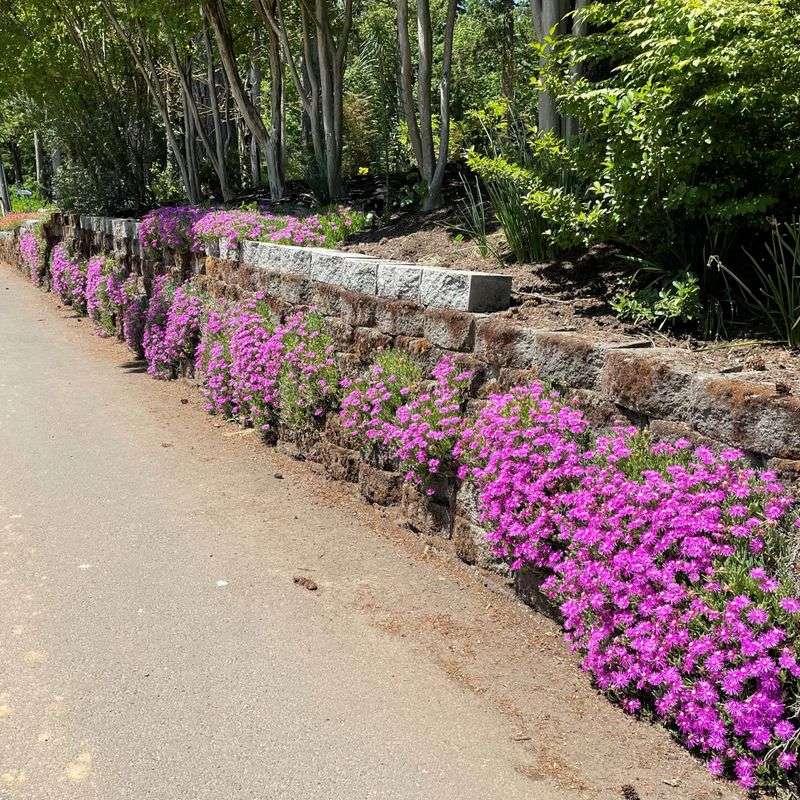
Sunlight hits those magenta petals and they seem to glitter, almost like someone sprinkled sugar across your gravel bed. Hardy ice plant earns its name from tiny shiny cells on the leaves that sparkle under bright afternoon light.
Delosperma cooperi forms a tight succulent carpet only a few inches tall, spreading two feet or more in short order. Personally, I like tucking it along walkways where its fleshy mat softens hard edges without blocking the view.
Drainage matters more than anything else with this one, so sandy or gravelly soil keeps the roots happy and healthy. Heavy clay that stays soggy causes rot quickly, so build a slight mound if your yard holds water.
October planting gives roots a cozy window before cold nights, and the foliage often stays green through mild desert winters. Bees find the flowers in spring and summer, while rabbits mostly ignore the juicy leaves in favor of tastier snacks.
Skip it in spots with daily sprinklers, since too much water makes the stems weak and patchy over time. Do not confuse it with the large coastal ice plant, Carpobrotus, which behaves very differently and spreads far more aggressively.
3. Frogfruit
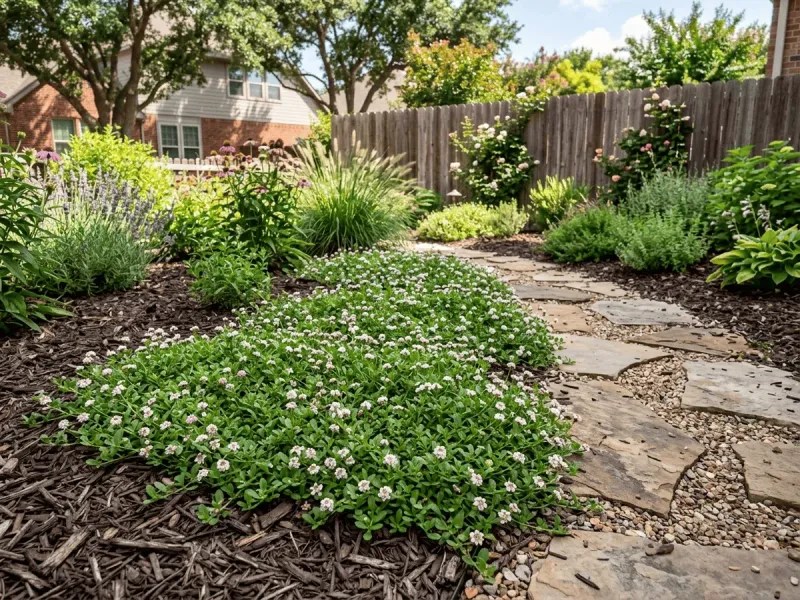
Tiny flower heads that look like miniature lollipops pop up all over frogfruit, and small butterflies treat them like a buffet. I have to admit I fell for this humble native the first time a common buckeye landed right beside me.
Phyla nodiflora creeps along the ground with runners that root at each node, weaving a mat just a few inches tall. That rooting habit lets one plant spread into open soil quickly, which makes it a clever lawn replacement for sunny yards.
It handles light foot traffic, clay or sand, and long hot stretches once established in the bed for a season. You will still want an edging strip nearby, because those runners love sneaking into neighboring flower beds and paths.
Wildlife value is where frogfruit really shines, serving as a host plant for phaon crescent and white peacock caterpillars. The cool shady mat also invites toads, and toads eat plenty of the insects you would rather not see.
Plant plugs this month about a foot apart, then water regularly until runners begin stretching across the soil surface. Keep pets from grazing on it, since some sources list the plant as mildly poisonous when eaten in quantity.
4. California Fuchsia
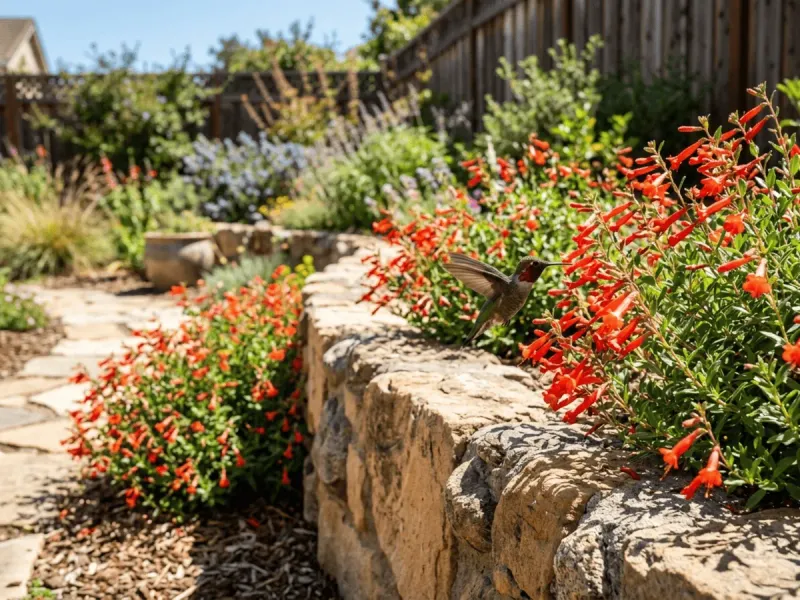
Right about now, migrating hummingbirds are hunting for fuel, and California fuchsia hands them scarlet tubes packed with nectar. I love sitting outside on October mornings and watching those tiny birds zip from flower to flower in a frenzy.
Epilobium canum, sometimes sold as Zauschneria, spreads by underground rhizomes and can widen eight to twelve inches each season. Plants usually stay one to two feet tall, forming loose mounds of silvery foliage that glow against reddish desert rock.
Native to western deserts, it thrives in hot dry sun with sandy or rocky soil that drains fast after rain. Low desert gardeners should give it a bit of afternoon shade, which keeps the leaves looking fresh during summer heat.
White-lined sphinx moths use it as a host plant, so expect a few chewed leaves now and then. Deer usually leave it alone, though rabbits may browse plants that get extra water during long dry spells.
After hard freezes, cut the tired stems close to the ground and wait for spring shoots to return. A simple edging keeps the rhizomes from crowding smaller neighbors, and the plant is considered nontoxic around pets.
5. Saltillo Evening Primrose
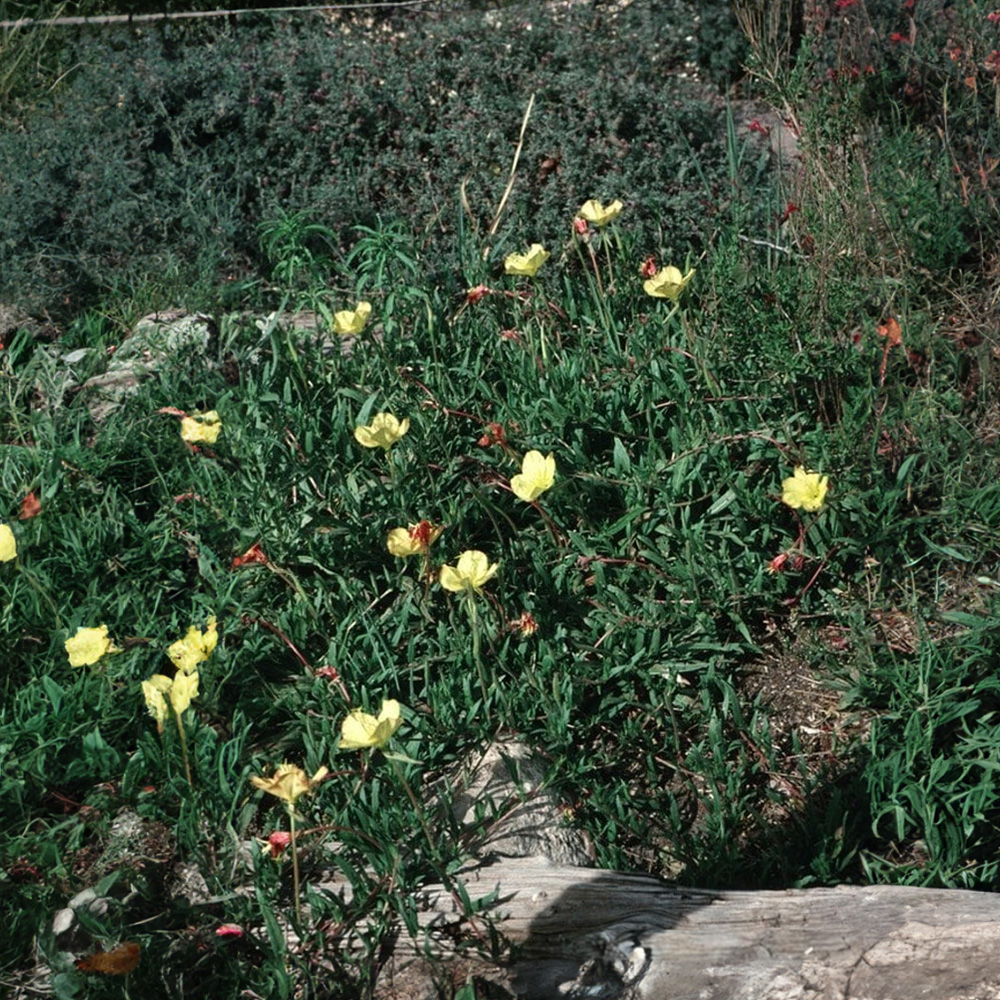
Big lemon-yellow blossoms unfurl at dusk on Saltillo evening primrose, almost like the plant is setting the table for night guests. Those guests are hawk moths, and watching them hover at twilight feels like a secret show just for you.
Oenothera stubbei grows about a foot high but spreads six feet or more with runners that root on contact. I recommend it over the pink Mexican evening primrose, which can turn weedy quickly in irrigated home gardens.
Native to northern Mexico, this primrose handles cold down to roughly ten degrees and loves sandy soil with good drainage. Full sun brings the best flowers, while partial shade still works fine if you accept somewhat fewer blooms.
It tolerates drought, but deep summer watering keeps the foliage lush and the flower show going much longer. Seeds that ripen later also attract seed-eating birds, giving your yard a little extra morning activity outside the kitchen window.
Plant it this month where you need a wide sweep of green, such as a slope or a long border. Space plants several feet apart, because each runner will happily fill those gaps before next summer is over.
6. Goodding’s Verbena
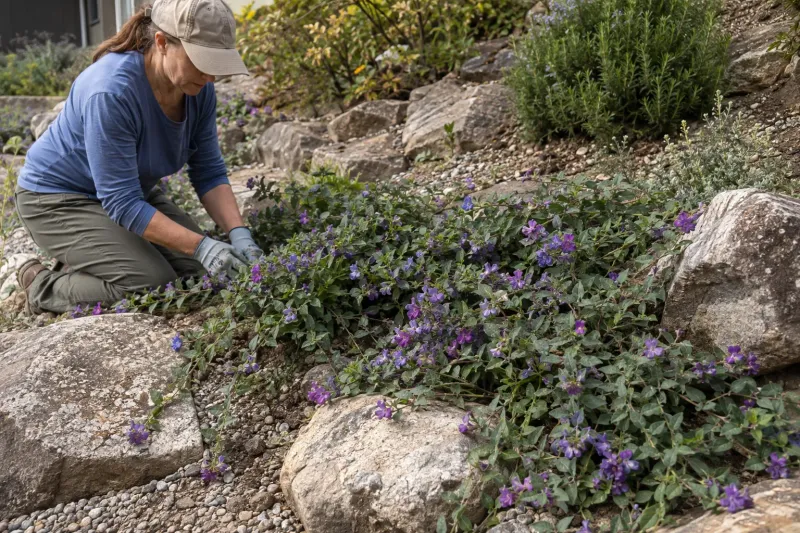
Lavender clusters pop open on Goodding’s verbena while most plants still look sleepy, and butterflies arrive almost instantly afterward. My own patch turned into a swallowtail landing pad within weeks, which still makes me smile whenever I walk by.
Glandularia gooddingii is a true Sonoran and Mojave native, forming low mounds about a foot tall and several feet wide. It grows fast in its first season, then reseeds gently so new seedlings fill thin areas without much help from you.
Give it full sun and lean, well-drained soil, because rich garden beds tend to make the stems floppy and short-lived. Too much water can shorten its lifespan, so let the soil dry between drinks once roots take hold.
Fall planting works beautifully, letting winter rains settle the roots before spring brings its biggest flush of color. Expect blooms off and on through warm months, especially after a light trim that removes faded flower heads.
Individual plants may only last a few years, yet volunteer seedlings usually keep the colony going strong. I see that as a free refill, and it means your beds stay full even when older plants fade out.
7. Desert Marigold
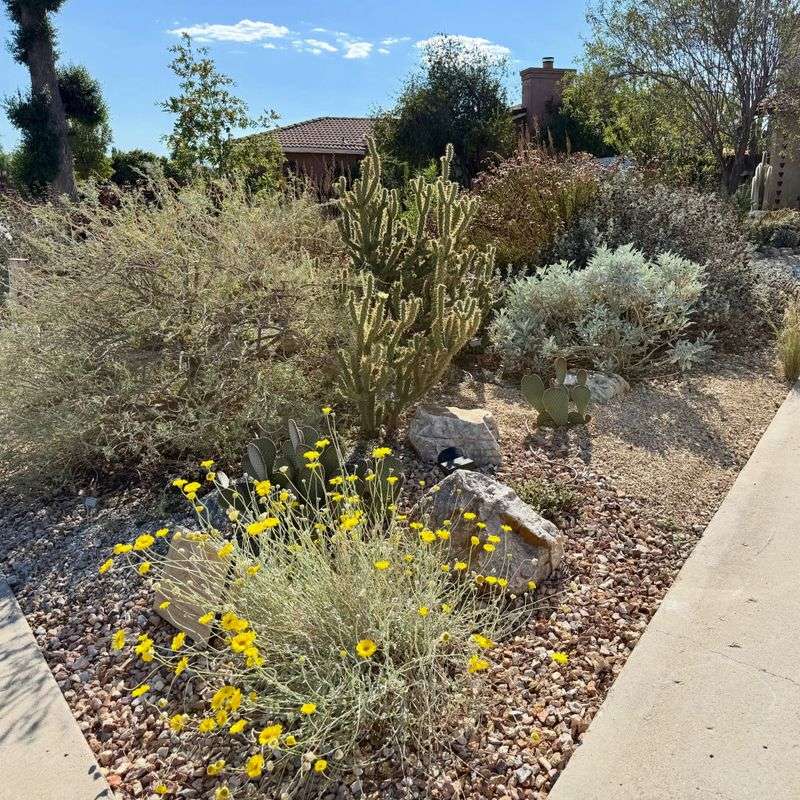
Bright yellow daisies float above woolly silver leaves, and desert marigold seems to bloom on just about every sunny day. You might spot it along roadsides in spring, glowing like sunshine spilled across the gravel shoulders.
Baileya multiradiata is native across the Southwest, growing quickly into mounds roughly a foot tall and wide. Its real superpower is reseeding, which turns a single plant into a cheerful drift within a season or two.
Plant it in full sun with fast-draining soil, and keep watering light once seedlings show steady new growth. Rich soil or frequent irrigation shortens its life, so I tuck mine into the leanest, rockiest spots in the yard.
Sowing seed in October is a fun, budget-friendly option, since cool weather and winter rain help germination nicely. Bees and other small pollinators visit the flowers often, adding gentle buzzing to sunny afternoons outside.
Plants are short-lived perennials, usually lasting a couple of years before seedlings take their place. Let some flowers set seed instead of trimming everything, and the colony will keep filling bare patches on its own schedule.
8. Mexican Bush Sage
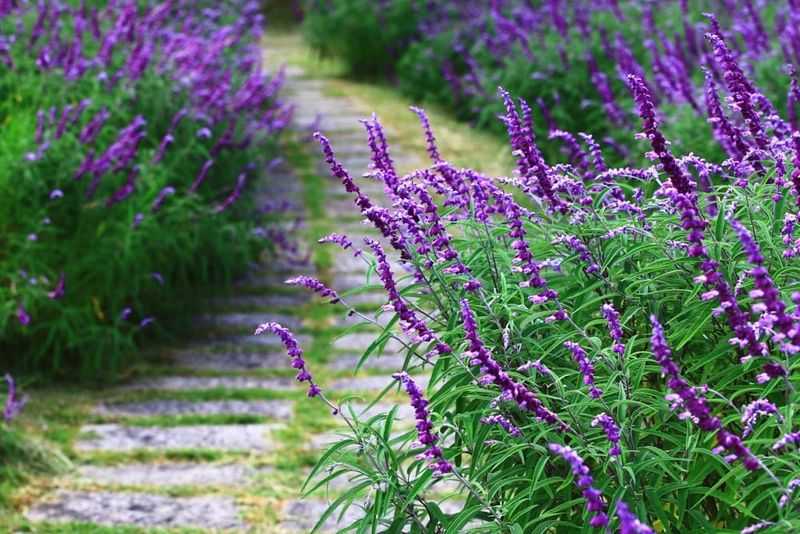
Fuzzy purple spikes arch over the garden in fall, and Mexican bush sage feels soft enough to pet like velvet. I can’t walk past mine without brushing the flowers, and the hummingbirds seem equally enchanted by them.
Salvia leucantha grows fast, often reaching three to four feet tall and wide in a single warm season. That quick size makes it a wonderful backbone plant for the back of a bed that looks thin and empty.
Its showiest bloom arrives in autumn, so October gardens get a burst of purple when many plants are slowing down. Give it full sun in cooler areas, while low desert gardens benefit from a little afternoon shade during summer.
Water deeply but not constantly, letting the top few inches of soil dry before the next soaking. Frost may brown the stems, but roots usually push new shoots once weather warms up again in early spring.
After flowering finishes and the cold risk passes, cut stems back hard to keep the clump tidy. Fresh growth then fills out fast, giving you another round of velvety spikes when next fall comes around.
9. Autumn Sage
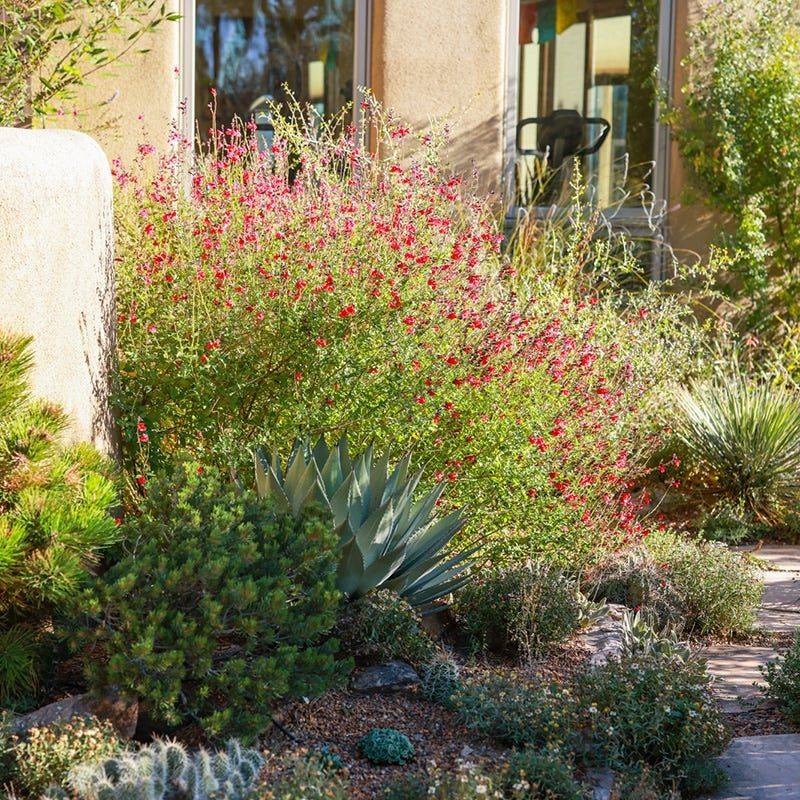
Hummingbirds treat autumn sage like a neighborhood diner, returning to the same red flowers several times every single hour. Personally, I plant it near windows just so I can enjoy that busy traffic while drinking my morning coffee.
Salvia greggii is native to Texas and northern Mexico, yet it settles happily into desert yards with little fuss. Young plants bulk up quickly into rounded shrubs two to three feet tall, filling gaps between boulders with color.
Flowers come in red, pink, coral, and white, with strong flushes in spring and again as temperatures cool. The aromatic leaves also discourage most rabbits and deer, which saves a lot of frustration in open desert neighborhoods.
October is a smart time to plant, giving roots several mild months to dig deep before summer heat. Choose full sun to light shade and well-drained soil, then water deeply until new leaves keep appearing steadily.
Trim lightly after each bloom cycle to encourage more flowers and keep the shape compact and full. Avoid heavy pruning in late fall, since tender new shoots can struggle when frosty nights arrive in winter.
10. Angelita Daisy
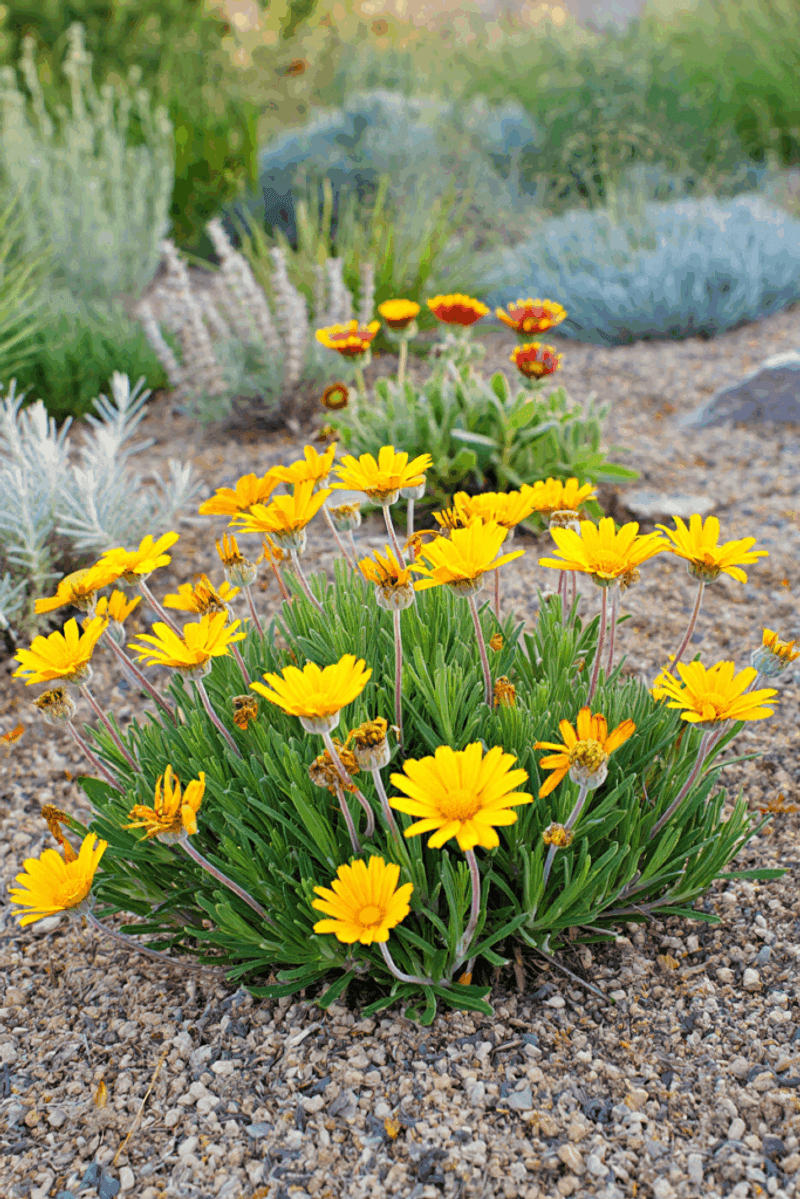
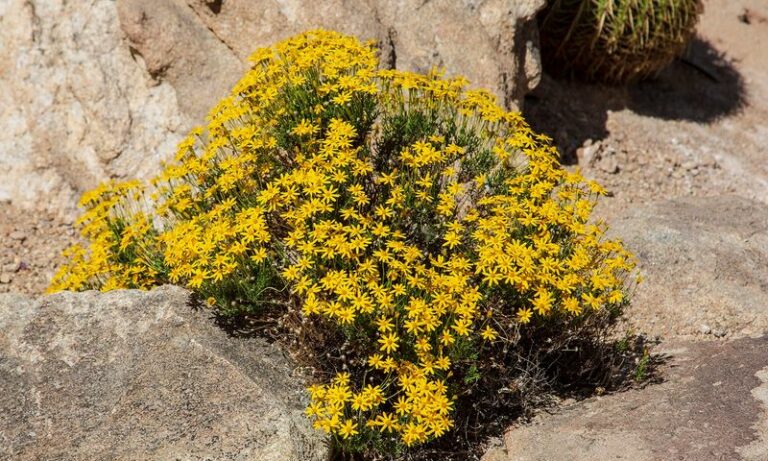
Cheerful yellow daisies cover Angelita daisy almost year-round, so it rarely looks bare even during chilly winter weeks. I like how it brightens the gloomiest corner of a bed without needing constant attention or extra fertilizer.
Tetraneuris acaulis is native to much of the West, including high elevation parts of Arizona and nearby states. Plants form tidy mounds about a foot tall, and they spread out quickly when tucked into sunny, well-drained soil.
Unlike the sprawling groundcovers on this list, Angelita daisy stays neat, making it perfect for borders near patios. You can plant several in a row and watch them knit together into a soft golden edge by spring.
Give it full sun, lean soil, and occasional deep watering once established through the first warm season. Overwatering leads to root rot, so let the soil dry a bit between drinks, especially during the cooler months.
Deadhead spent flowers now and then to keep blooms coming and the mound looking fresh and tidy. Bees appreciate the steady supply of flowers, giving them food when few other plants are blooming around the yard.