12 Carrot Companion Plants That Boost Your Harvest (And The Ones To Keep Away)
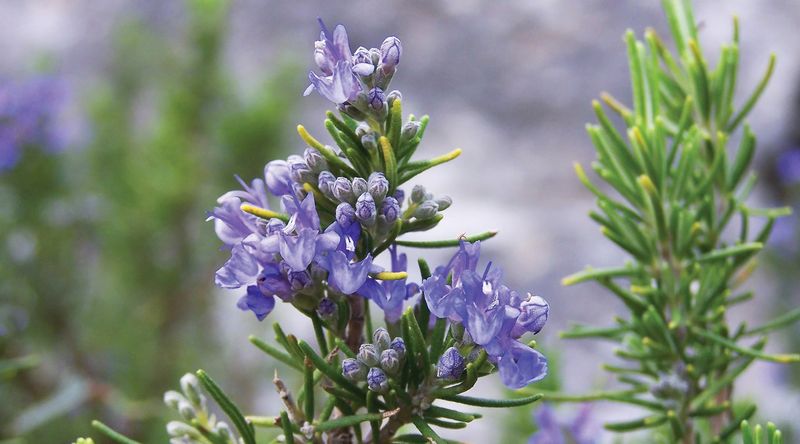
Carrots love Arizona’s mild winters, but they still need a little help to grow sweet and straight. The right plant neighbors can shade the soil, bring in helpful bugs, and make pests think twice about your beds.
The wrong neighbors can slow your carrots down or invite trouble. Here are 12 smart partners for your carrot patch, plus a few troublemakers to plant somewhere else.
1. Onions and Garlic
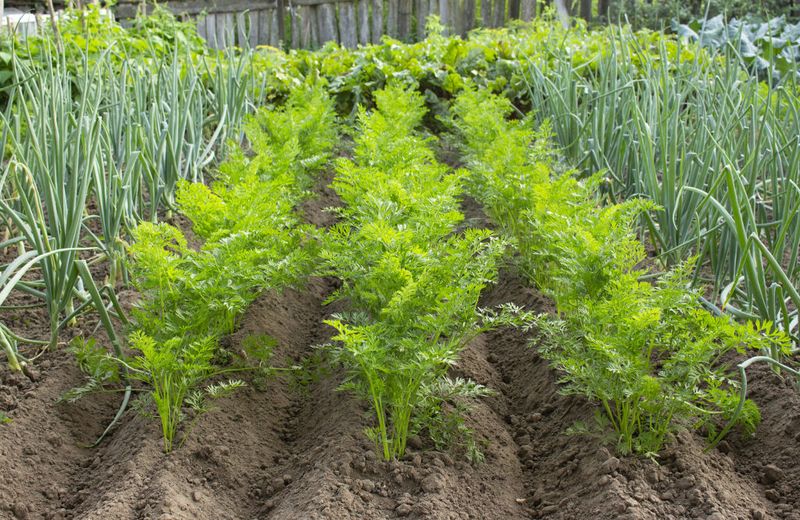
Picture a carrot bed tucked between rows of garlic, smelling faintly like a pizza kitchen. That strong scent is the whole point.
Onions and garlic give off sulfur compounds that may help confuse carrot rust flies, which find their target crop partly by smell.
The pairing also works underground. Alliums have shallow, compact roots, while carrots push straight down, so the two rarely fight for space.
You can plant a row of carrots, then a row of onions, and repeat across the whole bed without crowding anyone.
Timing lines up beautifully in the low desert. Garlic cloves and onion sets go in during October and November, the same window when carrot seeds sprout best in Phoenix and Tucson.
Both crops enjoy loose soil, steady drip watering, and the cool, sunny days that follow the summer heat.
A quick tip for alkaline Arizona soil: mix in a few inches of compost before planting. Carrots fork when they hit hard caliche or clods, and onions bulb up larger in rich, crumbly ground.
By late spring, you can pull garlic and carrots within weeks of each other, which makes harvest day feel like a real reward.
2. Chives
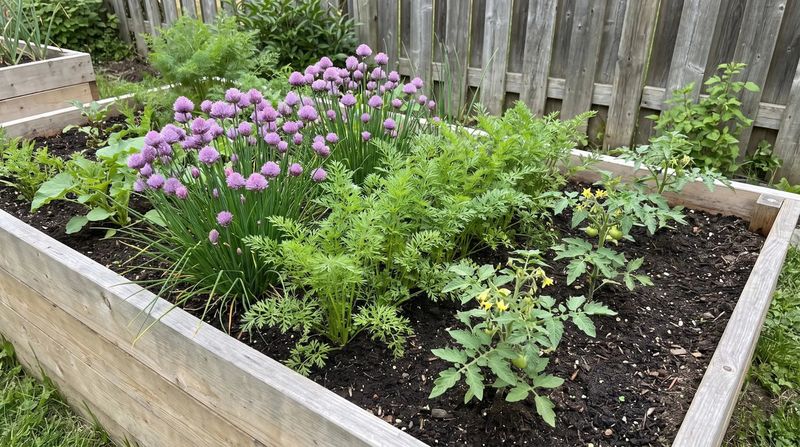
Small but mighty, chives are the easygoing cousin of the onion family. They stay in one spot for years, ask for very little, and send up cheerful purple pom-pom flowers each spring.
Those blooms are a big reason chives earn a place next to carrots. Bees, hoverflies, and tiny beneficial wasps visit the flowers, and many of those helpers also hunt aphids and other soft-bodied pests.
The grassy leaves carry a mild oniony scent that may also make carrot beds less inviting to some flying pests.
Here in the low desert, chives behave like a hardy perennial edge plant. Tuck clumps along the border of your carrot bed so they frame the space without casting much shade.
Their roots stay near the surface, leaving the deeper soil for carrots to explore.
Summer can stress chives when temperatures climb past 110 degrees. A little afternoon shade and a layer of mulch usually carry them through, and they often bounce back strongly when fall arrives.
Snip leaves often for eggs and baked potatoes, since regular trimming keeps the clumps tidy and full. Did you know?
Chives have been grown in gardens for thousands of years, and they still earn their keep today.
3. Rosemary
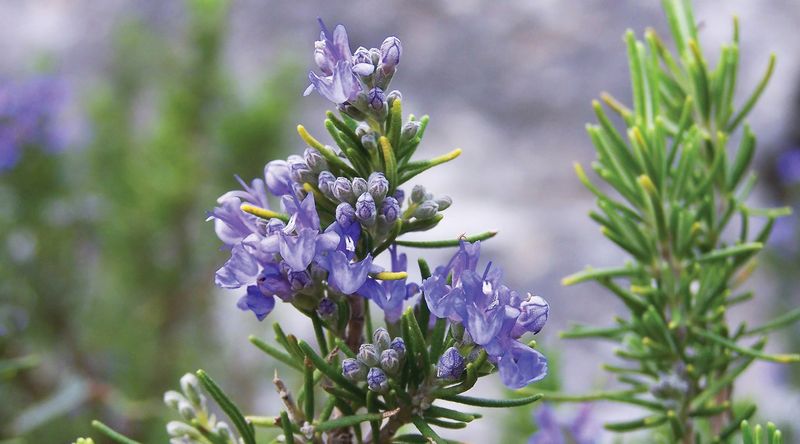
Few herbs feel more at home in Arizona than rosemary. Native to the dry, rocky hillsides of the Mediterranean, it shrugs off heat, handles alkaline soil, and needs surprisingly little water once established.
Your Arizona Garden Changes Every Week. Your Plan Should Too.
Gardening in Arizona changes quickly throughout the season. Every Friday you’ll receive a simple weekly plan showing exactly what to plant, prune, fertilize, harvest, and protect so you never miss the right timing.
That toughness makes rosemary a fantastic anchor plant for a carrot garden. Its piney, resin-rich scent may help mask the smell of carrot foliage from carrot rust flies.
In late winter and spring, its small blue flowers draw bees and other pollinators that keep the whole garden buzzing.
Placement matters, though. Rosemary can grow into a sizable shrub, so plant it at the end of a bed or along a path instead of right in the middle of your carrot rows.
That way it adds protection without shading or crowding your crop.
Fall is the best time to set out new rosemary plants in Phoenix and Tucson, giving roots a full cool season to settle in before summer. After the first year, deep watering every couple of weeks is often enough.
Avoid soggy soil, since rosemary prefers to dry out between drinks. As a bonus, a few fresh sprigs roasted with your homegrown carrots make an unbeatable side dish.
4. Sage
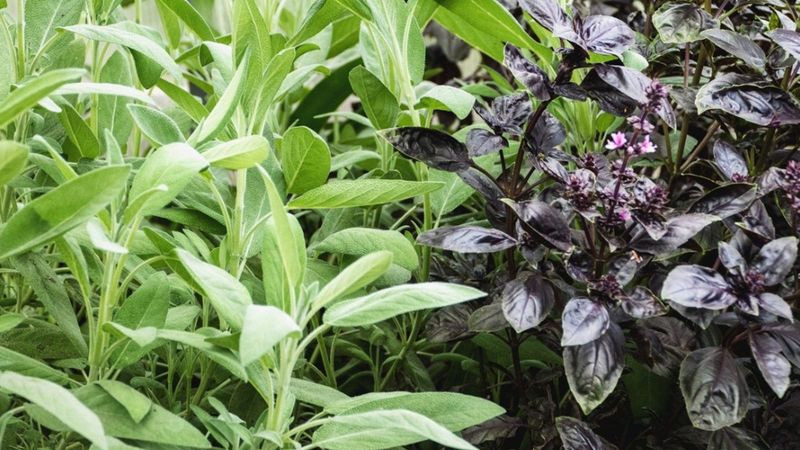
Rub a sage leaf between your fingers and you will understand why gardeners have long trusted it as a pest buffer. The fuzzy, silver-green foliage releases a bold, earthy aroma that many insects seem to dislike.
Sage may help discourage carrot flies, cabbage moths, and flea beetles from settling into nearby beds. While scent-based protection is never a guarantee, sage adds another layer of defense when combined with healthy soil and good spacing.
Its purple-blue summer flowers also bring in pollinators.
The plant handles desert life with grace. Sage likes full sun, fast-draining soil, and only moderate water, which fits nicely into a water-wise Arizona garden.
Too much irrigation can actually cause root rot, so set it on the drier edge of your drip system.
Give sage some elbow room at the corner of a bed, since a healthy plant can spread two feet wide. Plant it in fall or early spring, then trim lightly after flowering to keep it from getting woody.
Fun fact: the name of the genus, Salvia, comes from a Latin word meaning to heal or save. Your carrots might just agree that this herb watches out for them.
5. Thyme
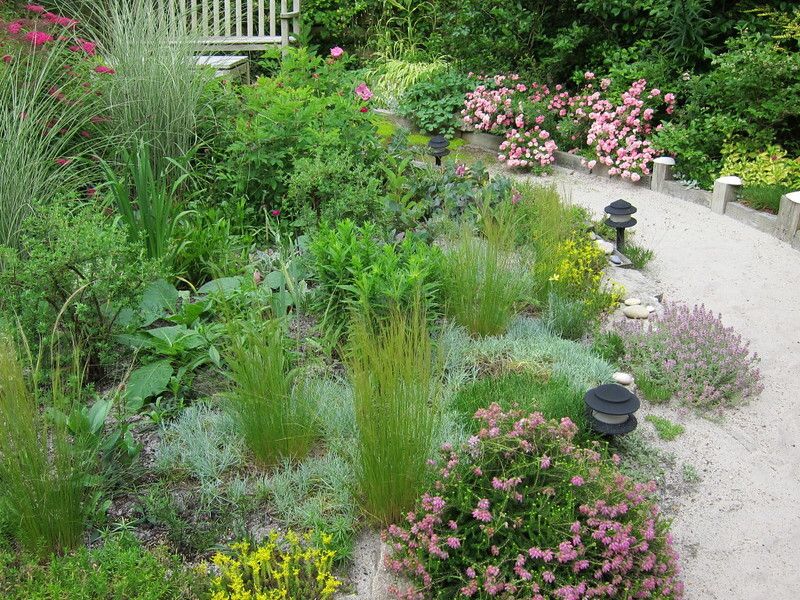
Some companions protect carrots by standing tall. Thyme does it by staying low and quiet, hugging the ground like a fragrant living carpet.
That compact habit is exactly why it works so well. Carrots need plenty of sun on their lacy tops, and thyme rarely grows taller than a few inches, so it never steals the light.
Meanwhile, its strong herbal scent may help deter some pests that like to snack on carrot greens.
Thyme also helps the soil in a sneaky way. Planted along bed edges, it shades bare ground and slows down evaporation, which is a real plus when dry desert winds blow through in spring.
Its tiny flowers attract hoverflies, whose larvae are known for eating aphids.
In Phoenix and Tucson, thyme performs best with morning sun and a touch of relief from blazing late-afternoon rays in summer. Plant it in fall, water deeply but not often, and let the soil dry between sessions.
A gravel or bark mulch keeps the crown from staying wet. Snip a few sprigs whenever you cook, and the plant will stay bushy.
Few herbs give so much while asking for so little space in the garden.
6. Oregano
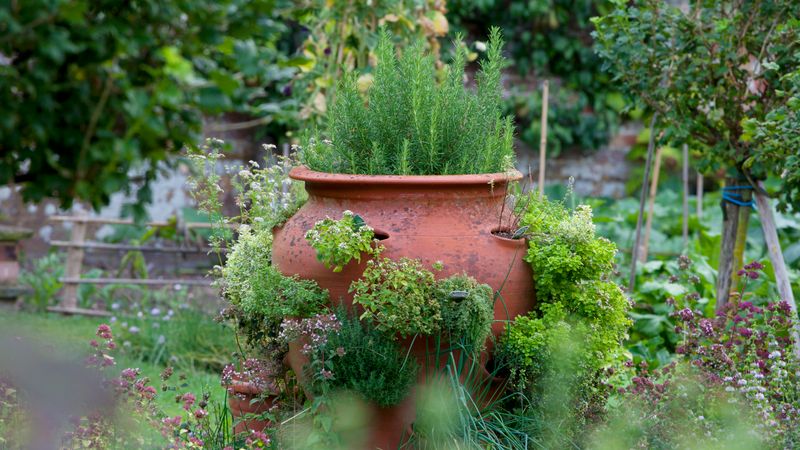
Oregano is the friend who shows up, works hard, and never complains. Once it settles in, this sturdy herb keeps coming back year after year with almost no fuss.
Its strong, spicy scent may help discourage a range of insects that target carrots. Even better, when oregano blooms, clusters of tiny white or pink flowers attract parasitic wasps, hoverflies, and bees.
Those beneficial insects patrol the garden and can help keep aphid numbers in check.
The herb’s growth habit plays nicely with carrots, too. Oregano stays fairly compact and its roots remain shallow, so it does not compete for the deep soil carrots need.
Plant it along the sunny edge of your carrot bed, where it can spread a bit without crowding seedlings.
One word of caution about its cousin, mint. Mint spreads aggressively through underground runners and can take over an entire carrot bed in a single season.
If you love fresh mint, keep it in its own container far from your vegetables. Oregano is much better behaved and handles Arizona heat well with a little mulch and steady drip watering.
Trim it back after flowering to encourage fresh, flavorful leaves for your kitchen.
7. Cilantro
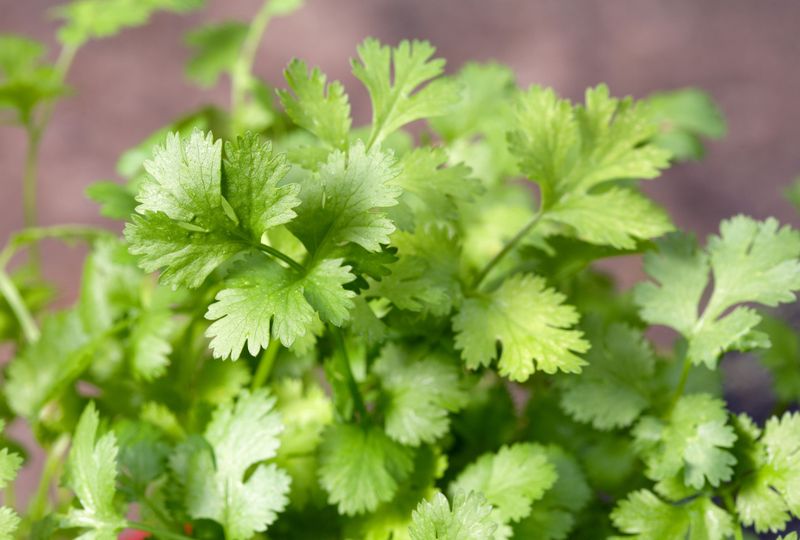
Love it or hate it on your tacos, cilantro is one of the best buddies a carrot could have. The two are actually related, and they enjoy nearly identical growing conditions.
In the low desert, cilantro thrives during the same cool months as carrots, from about October through March. Both have similar size and watering needs, so you can sow them together and manage them with one drip line.
Once the weather warms, cilantro bolts and sends up lacy white flowers.
Let some of those flowers stay. They are magnets for tiny parasitic wasps and hoverflies that help control aphids, whiteflies, and other pests.
Many gardeners find their carrot beds stay healthier when a few cilantro plants are allowed to bloom nearby.
Now, a warning about another family member: dill. While dill also attracts helpful insects, many gardeners keep it away from carrots because it can draw carrot flies and may cross-pollinate if both go to seed.
Fennel is an even bigger problem, as it is widely reported to stunt nearby vegetables. Grow fennel in its own pot.
Stick with cilantro, and you get pest helpers plus fresh salsa ingredients in one easy crop.
8. Radishes
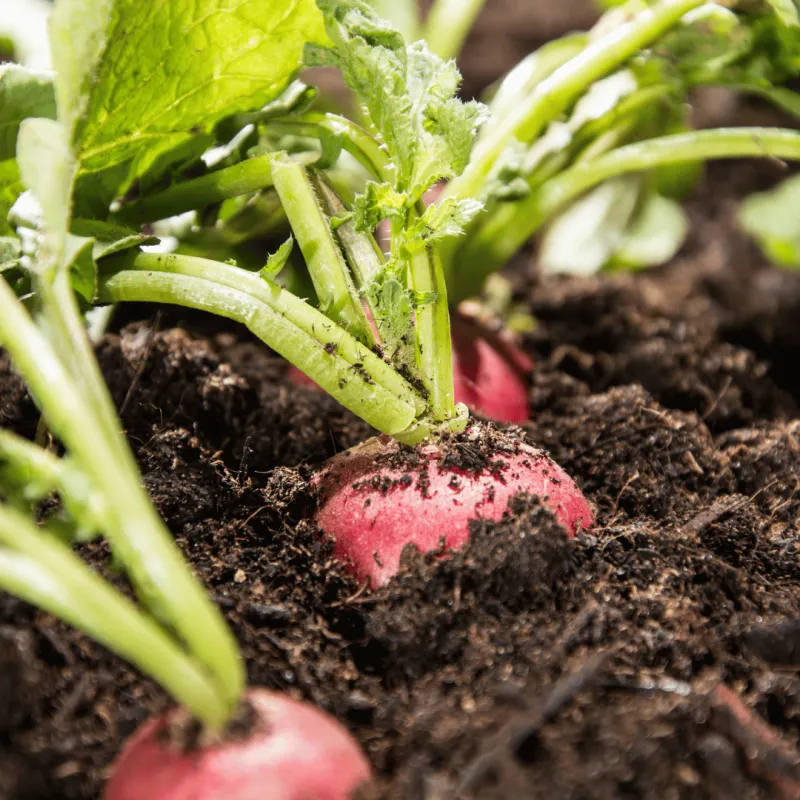
Carrot seeds are famously slow to sprout, sometimes taking two or three weeks. Radishes, on the other hand, can pop up in just a few days.
Sowing the two together is an old gardener’s trick that still works beautifully.
Arizona soil tends to form a hard crust after watering, especially in alkaline beds with little organic matter. Tiny carrot seedlings struggle to push through that crust.
Fast-growing radishes break the surface first, loosening the soil and making it easier for carrots to emerge.
Radishes also act as row markers. Since you can see them early, you know exactly where your carrots are planted, which makes weeding much easier.
Within about a month, most radishes are ready to harvest, and pulling them opens up space right when carrot roots begin to fill out.
For best results, mix a pinch of radish seed into your carrot seed and scatter them together along the row. Keep the soil evenly moist with drip or gentle hand watering until both crops are up.
Fall and late winter are ideal sowing windows in the low desert. You will enjoy crunchy radishes in salads long before your first carrots are ready.
9. Lettuce
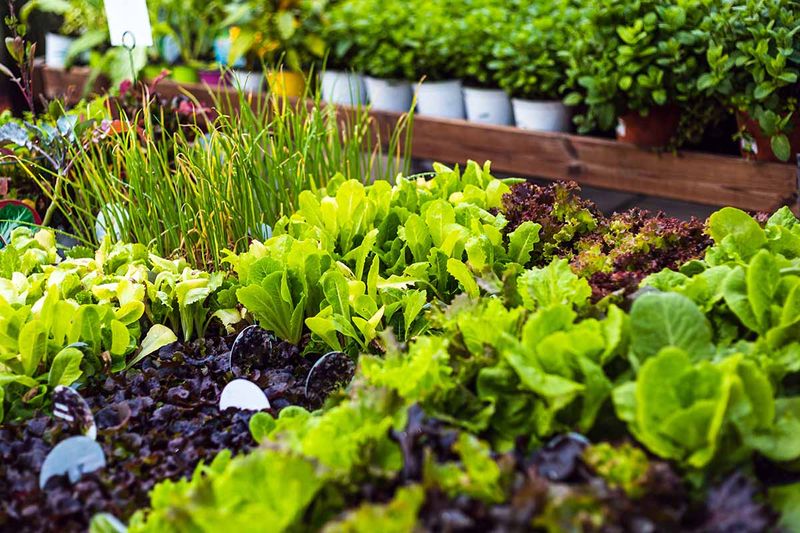
Think of lettuce as a living mulch. Its broad leaves spread across the soil surface, keeping the ground cooler and holding in precious moisture.
That shade is a real advantage in Arizona, where even winter sun can dry out the top inch of soil quickly. Carrots need consistent moisture to grow straight and sweet, and lettuce helps provide it.
The leafy cover also crowds out weeds, saving you time on your knees in the garden.
Underground, the two crops barely notice each other. Lettuce roots stay shallow, while carrots dive deep, so they share space without a fight.
Lettuce is also a light feeder, meaning it will not rob your carrots of nutrients.
Spinach, kale, and bok choy offer similar benefits if you want to mix things up. Cabbage-family plants may even lure some pests away from your carrots.
Sow lettuce between carrot rows in October through February for the best results in the low desert. As the weather warms in March, harvest the lettuce before it bolts, giving carrots more room to finish strong.
Two crops in one bed means more salads, less watering, and a garden that works harder for you.
10. Tomatoes
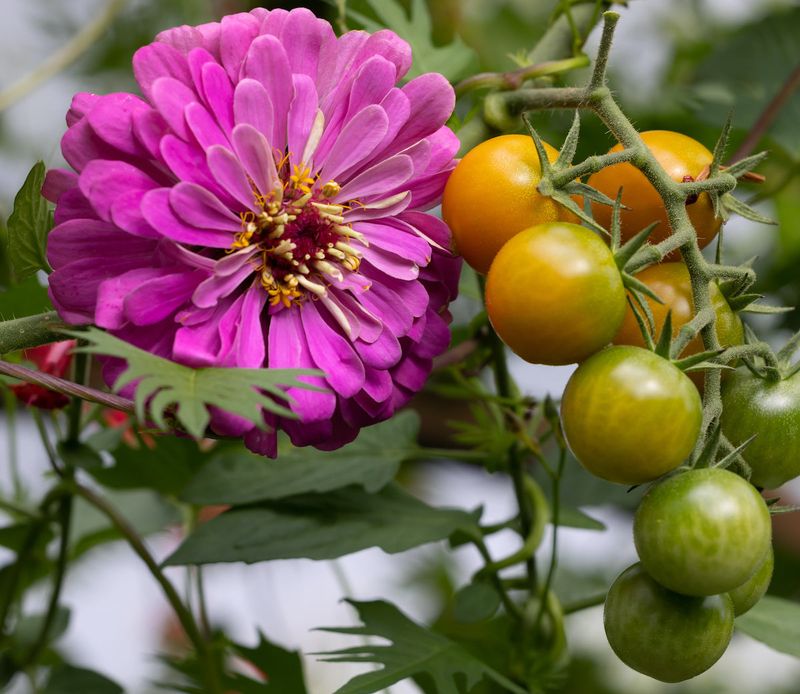
A famous gardening book once called carrots and tomatoes best friends, and the partnership still holds up, especially in the desert. Each plant gives the other something useful.
Tomatoes grow tall and leafy above ground, while carrots work below. In Arizona’s spring, when temperatures start climbing toward 100 degrees, tomato plants on the west side of a bed can cast welcome afternoon shade over late carrots.
That shade may help keep the roots from turning bitter or woody as heat builds.
The favor goes both ways. Carrots that are allowed to flower attract tiny parasitic wasps, and those wasps may help control tomato hornworms and other caterpillars.
Both crops also enjoy deep, regular watering, so one drip line can serve them together.
Timing takes a little planning in the low desert. Start carrots in fall or winter, then transplant tomatoes in mid-February to early March, after frost risk passes.
The carrots finish while tomatoes are still growing, giving you two harvests from one bed. Give tomatoes sturdy cages so they stay upright, and keep carrots far enough away that the tomato roots do not crowd them.
Fresh salsa and roasted carrots in the same week? Yes, please.
11. French Marigolds
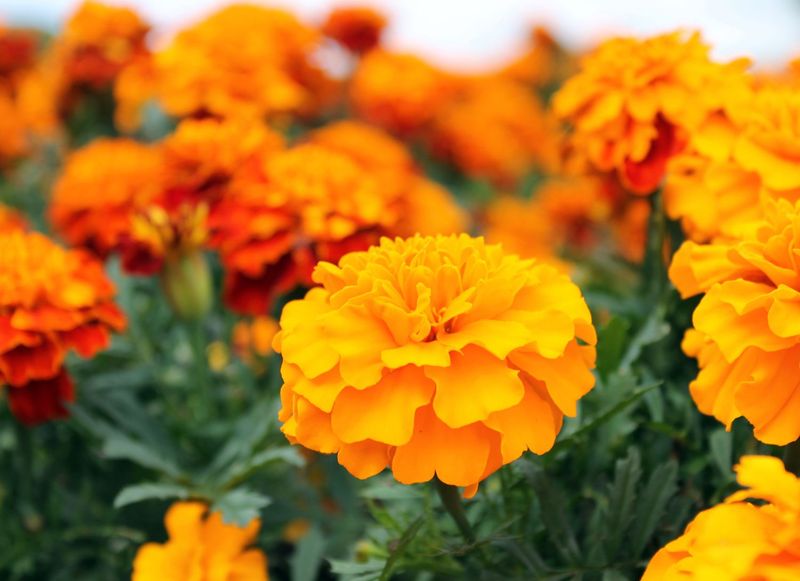
Bright orange and gold, French marigolds look like little bursts of sunshine around a vegetable bed. Their beauty is a bonus, though, because they also pull real weight in the garden.
Marigolds give off a strong, musky fragrance that may help discourage carrot rust flies and aphids. Their roots release natural compounds that can reduce populations of root-knot nematodes, tiny soil worms that cause carrots to fork and twist.
That benefit matters in Arizona, where nematodes are common in warm, sandy soils.
For the strongest effect, plant marigolds densely instead of scattering a few here and there. A solid border around the carrot bed tends to work better than single plants.
The flowers also attract hoverflies, ladybugs, and other helpful insects.
French marigolds handle desert conditions better than many annual flowers. Plant them in fall or early spring alongside your carrots, and give them full sun with regular drip watering.
Deadheading spent blooms keeps them flowering for months. Some gardeners even grow a full bed of marigolds for a season, then turn them into the soil before planting carrots, hoping to improve root health.
Either way, your garden gets a pop of color with a practical purpose.
12. Sweet Alyssum
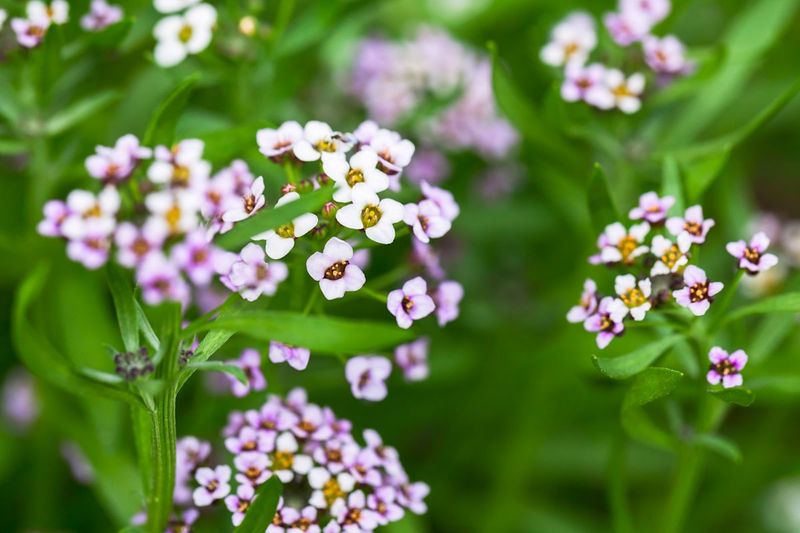
Walk past a patch of sweet alyssum on a warm winter afternoon and you will catch a scent like honey drifting through the air. Bees and hoverflies notice it too.
Sweet alyssum is one of the most useful flowers you can plant near carrots. Its tiny white blooms are packed with nectar that is easy for small beneficial insects to reach.
Hoverflies are especially fond of it, and their larvae can gobble up large numbers of aphids. Among all the companion strategies out there, attracting helpful insects like these has some of the strongest support from experienced growers.
The plant stays low, usually only a few inches tall, so it never shades carrot tops. It spills nicely over bed edges and helps cover bare soil, which reduces moisture loss.
In the low desert, sweet alyssum shines from fall through spring. It often fades in summer heat, but it may reseed itself and return when temperatures cool.
Sow seeds or set out transplants in October or November along with your carrots. Keep the soil lightly moist until plants are established.
With alyssum on patrol, your carrot bed becomes a small habitat that helps protect itself.