The California Wildfire Evacuation Checklist Every Gardener Should Know
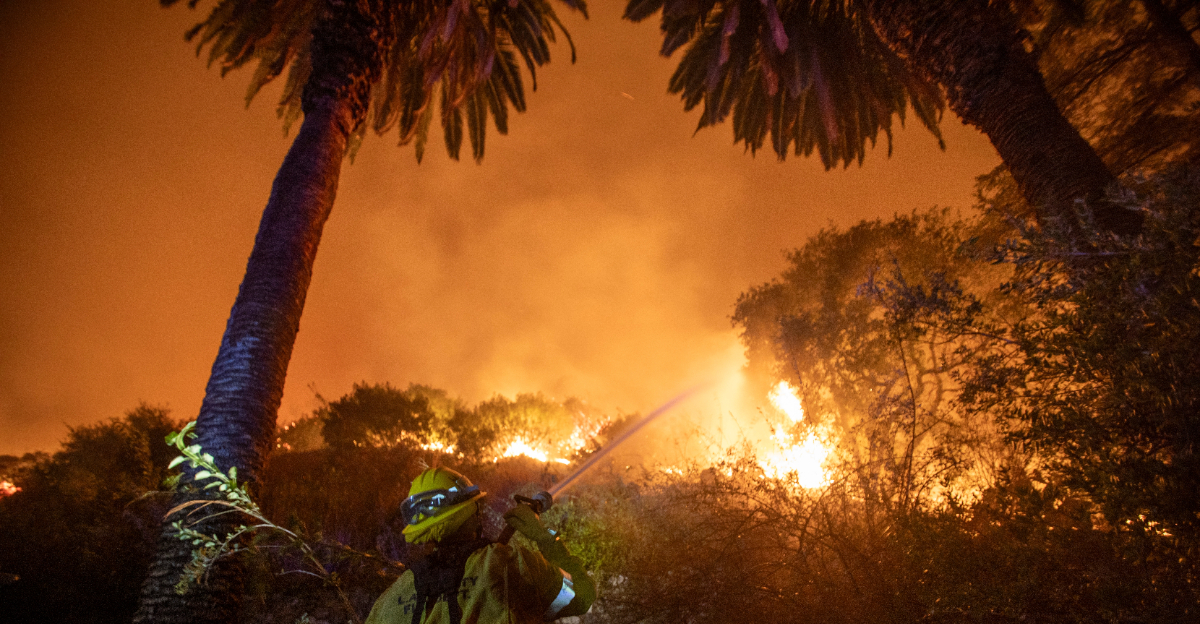
A wildfire evacuation plan can feel like something you will make later, until the warning comes faster than expected. California gardeners often think about homes, pets, and important papers first.
The yard may not seem urgent in that moment, but it can affect how smoothly you leave and what firefighters can access. Hoses, gates, tools, and dry garden clutter can all matter when time is short.
A good checklist helps you focus before panic takes over. It also makes small outdoor tasks easier to handle ahead of fire season.
The goal is not to save every plant or finish every chore. It is to know what truly matters when safety comes first.
With a clear plan, gardeners can leave faster, reduce confusion, and feel more prepared when conditions turn serious.
1. Keep A Wildfire Go Bag Ready Before Fire Season
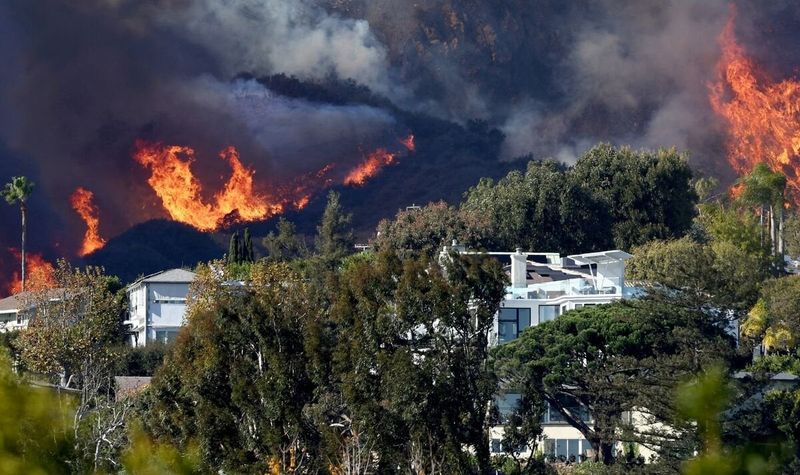
Most people think they will have plenty of time to pack when an evacuation order comes. The truth is, wildfires can spread faster than most people expect.
Having a go bag ready before fire season starts is one of the smartest things a gardener can do.
Your go bag should include copies of important documents like your home insurance policy and property records. Add a few days of medication, a first aid kit, a flashlight, and extra batteries.
Keep a change of clothes and sturdy shoes inside too.
Do not forget items related to your garden. Take photos of your outdoor space and store them in your bag or on a cloud drive.
These photos can help with insurance claims if your property is damaged.
Keep a small notebook with a list of your plants, tools, and any expensive outdoor equipment. This record can help you rebuild or replace things later.
Store your go bag near the front door so it is easy to grab on the way out.
Check your bag at the start of every fire season to make sure nothing has expired or gone missing. Swap out old snacks, replace old batteries, and update your documents.
A ready bag means you leave quickly and calmly without scrambling through the house under stress.
2. Know Two Ways Out Before Smoke Arrives
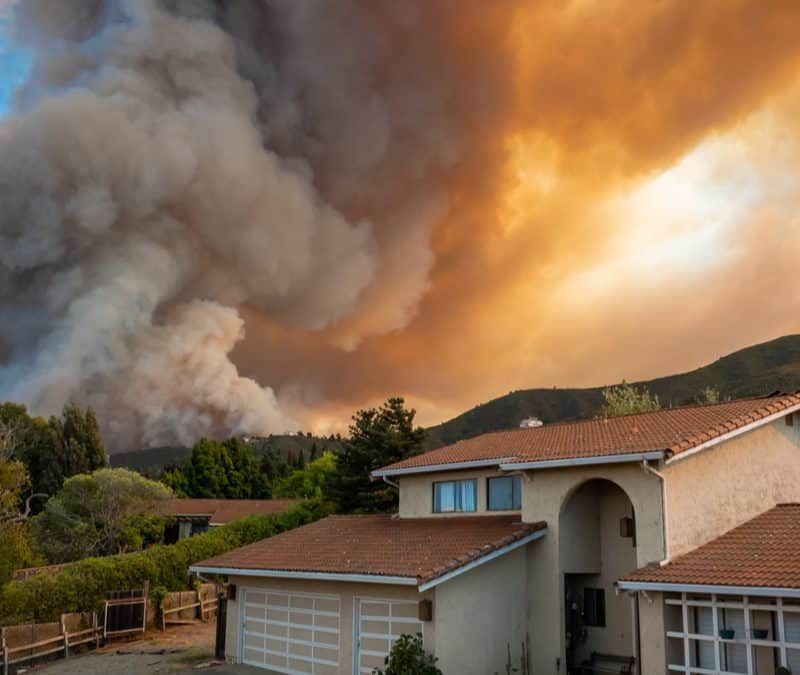
When a wildfire moves into a California neighborhood, roads can close fast. One route might get blocked by flames, downed trees, or emergency vehicles.
Knowing a second way out of your neighborhood before things get dangerous is not just smart, it is necessary.
Walk or drive your neighborhood and find two different routes that lead away from your property. Write them both down and share them with everyone in your household.
Practice driving each route so it feels familiar even under pressure.
Pay attention to roads that pass through open fields or near dry brush. Those paths may be the first to become unsafe.
Choose routes that stay on wider paved roads when possible. If you have pets or need extra time to move garden equipment, a second route gives you a backup plan.
Your California Garden Changes Every Week. Your Plan Should Too.
Gardening in California changes quickly throughout the season. Every Friday you’ll receive a simple weekly plan showing exactly what to plant, prune, fertilize, harvest, and protect so you never miss the right timing.
Some California gardeners keep a printed map in their go bag just in case cell service drops during an emergency.
Paper maps do not need a signal to work. Talk to your neighbors and share what you know about local roads. Community awareness helps everyone leave faster and safer.
Check with your local fire department or emergency management office for any officially recommended evacuation routes in your area.
Knowing your exit options before smoke fills the air gives you a calm, clear head when it matters most.
3. Move Combustible Patio Items Away From The House
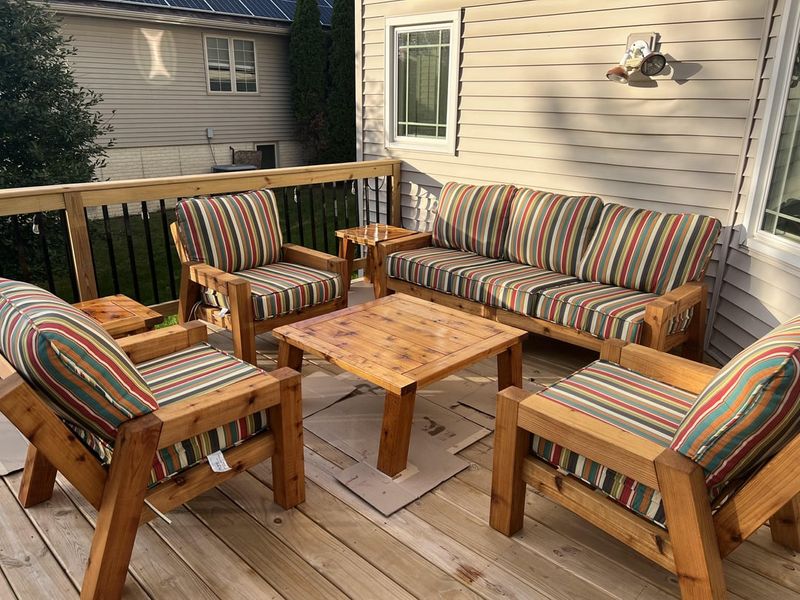
Patio furniture, seat cushions, and outdoor rugs might look harmless on a calm afternoon. But during a wildfire, these items can catch embers and carry flames directly to your home.
Moving them away from the house is a simple step that can prevent a lot of damage.
Start by pulling chairs, benches, and small tables at least 30 feet from your exterior walls. Fabric cushions are especially risky because they burn quickly. Store them inside a garage or shed if time allows.
Outdoor rugs made of natural fibers like jute or sisal are highly flammable. Roll them up and move them indoors.
Even synthetic rugs can melt and create a fire path along your patio or deck.
Decorative items like wicker baskets, wooden planters, and bamboo screens should also be relocated. These items are often overlooked because they seem decorative rather than dangerous.
But embers do not care about aesthetics. Take a slow walk around your entire outdoor space and look at everything with fresh eyes. Ask yourself whether each item could catch fire if an ember landed on it.
If the answer is yes, move it or store it inside. Doing this before fire season starts saves you time during an emergency.
A clear patio is a safer patio, and it also helps firefighters work around your home without obstacles blocking their path.
4. Pull Planters And Wooden Furniture Off The Deck
Decks are one of the most vulnerable parts of a home during a wildfire. Wood decks can ignite from embers that land on them, and anything sitting on top makes the problem worse.
Pulling planters and wooden furniture off your deck before fire season is a critical step.
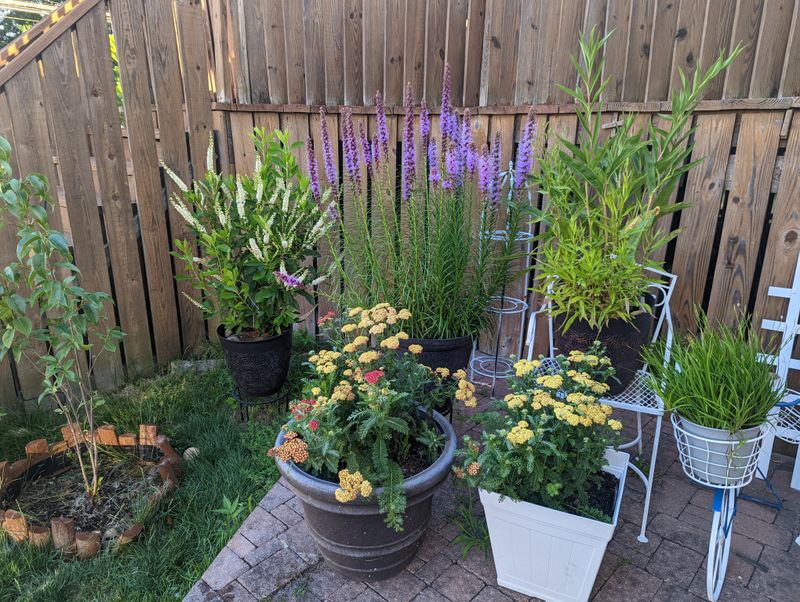
Large ceramic or terracotta planters hold a lot of dry soil and dead plant material. That combination burns well.
Even if the pot itself does not catch fire, the plant inside can act like a torch sitting right next to your home.
Wooden furniture left on a deck adds more fuel for any fire that starts nearby. A wooden chair or table can help flames spread from the deck to the siding or windows of your house.
Moving it off the deck removes that risk entirely. If your planters are too heavy to move alone, ask a neighbor for help. Some gardeners use wheeled plant caddies to make moving large pots easier.
Investing in one before fire season is a smart idea. Once the deck is cleared, sweep off any dry leaves, pine needles, or bark chips that have collected in corners. These small pieces of dry material can ignite from a single ember.
A clean, clear deck is much harder to set on fire than one covered in organic debris and furniture.
Think of clearing your deck as giving your home an extra layer of protection that costs nothing but a little time and effort.
5. Clear Dry Leaves From Gutters, Steps, And Corners
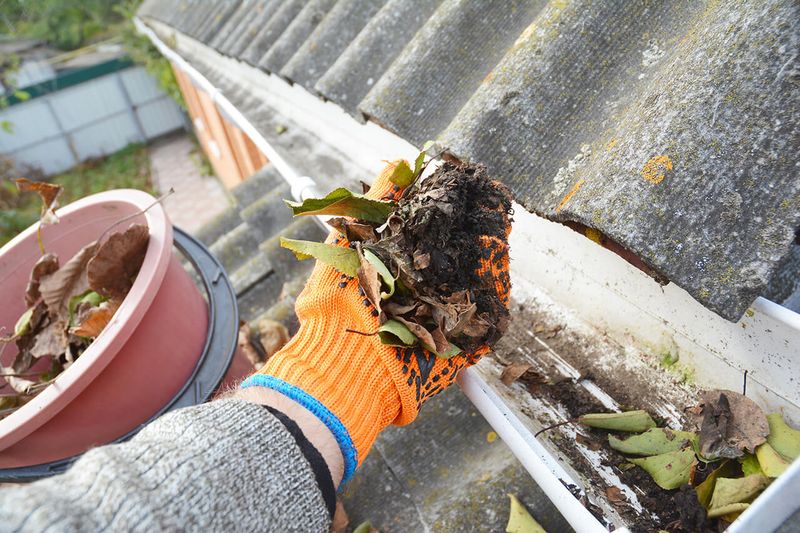
Dry leaves are one of the most overlooked fire hazards around a home. They collect quietly in gutters, pile up in corners, and settle along steps without anyone noticing.
During a wildfire, a single ember landing in a pile of dry leaves can start a fire at your foundation.
Gutters filled with dry leaves are a serious risk. Embers travel far on wind and can land directly in your gutters.
Once those leaves catch fire, the flames can move into your roof or attic. Cleaning gutters at the start of fire season is one of the most important things you can do.
Steps and stairways collect leaves and bark chips that gardeners often ignore. Take a broom and clear every step, landing, and corner around your home.
Pay special attention to areas near fences, gates, and the base of walls.
Corners where fences meet the house are especially risky. Leaves pile up there naturally and stay dry because they are sheltered from rain.
These hidden piles are easy to miss but easy to clear once you know to look for them.
Make leaf clearing a regular habit throughout fire season, not just a one-time task. Leaves will continue to fall and collect even after you clean up.
A quick sweep every couple of weeks can keep things safe.
Pair this habit with gutter covers or screens to reduce how often leaves build up in your gutters over time.
6. Open Gates So Firefighters Can Access The Yard
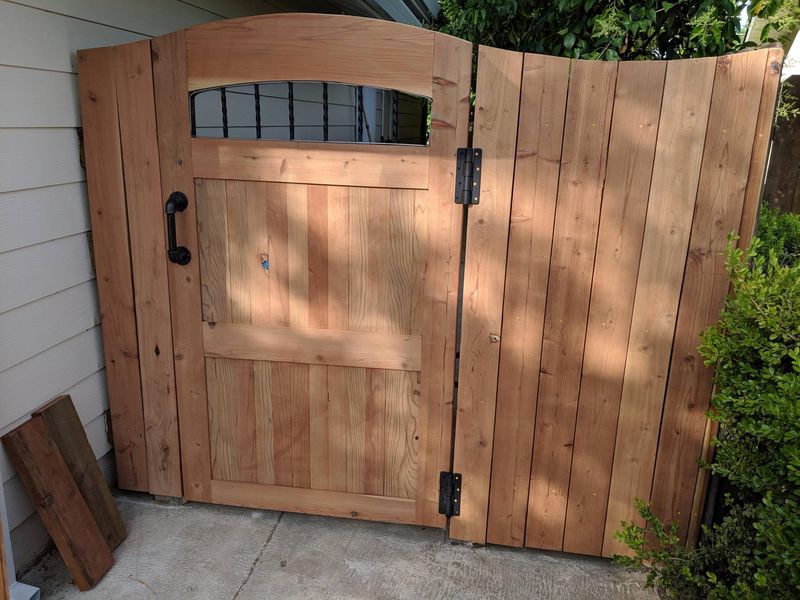
Here is something many gardeners never think about until it is too late. When firefighters arrive at your property, they need to move fast.
A locked gate can slow them down and cost precious minutes when every second matters.
Before you evacuate, walk around your property and check every gate. Leave them unlocked or secured in a way that allows firefighters to open them without tools.
Some homeowners use simple hook latches that can be lifted from either side.
If your gate has a padlock, consider leaving a spare key with a trusted neighbor or in a lockbox that emergency personnel can access.
You can also check with your local fire department about key lockbox programs in your area.
Firefighters also need to access your yard to protect your home from the outside. They may need to connect to your hose bib, clear brush near your fence, or create a water barrier around your property.
An accessible yard makes their job much faster. Do not block gate paths with planters, garden tools, or hoses when you leave. Clear the area in front of every gate before you go.
A wide open path lets firefighters move freely and work more effectively. Leaving gates accessible is also a sign of community responsibility. It shows that you trust the people working to protect your neighborhood.
A simple unlatched gate can make a real difference in how well crews can defend your home.
7. Turn Off Propane Tanks And Move BBQ Tools
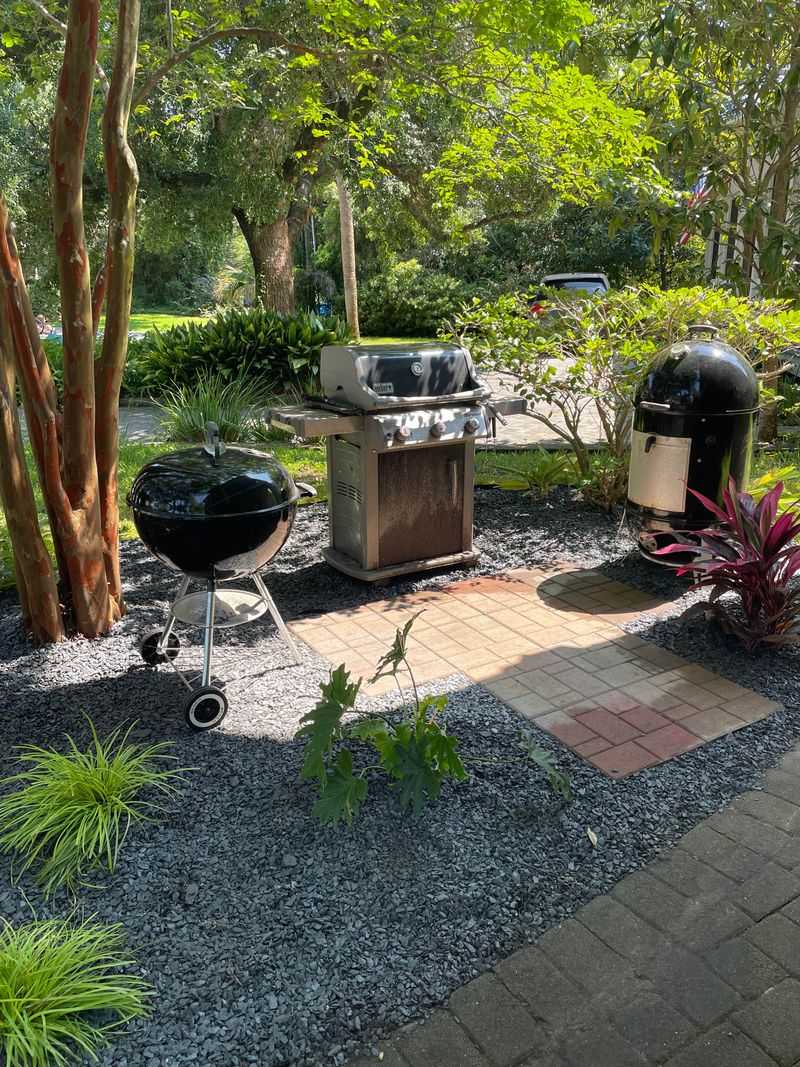
Propane tanks and grills sitting on a patio during a wildfire are a serious hazard. Heat from a nearby fire can cause a propane tank to burst, sending flames and shrapnel in every direction.
Turning off your tank and moving your BBQ equipment before you leave is not optional, it is essential.
Start by turning the valve on your propane tank completely off. Do not just turn off the grill itself.
The tank valve is the one that controls the gas supply, and it needs to be fully closed before you evacuate.
If possible, disconnect the tank from the grill and move it to a safer location. A metal shed away from the house is a good option.
Never store a propane tank inside the garage or near any structure that could trap heat.
BBQ tools like tongs, brushes, and skewers are not a fire risk on their own, but wooden handles can catch embers. Store metal tools inside and toss any wooden-handled items in a safe indoor location.
Grill covers made of vinyl or fabric should also be removed and stored indoors. These covers catch embers easily and can start a fire right next to your gas line.
Taking five minutes to shut down your outdoor cooking area properly can prevent a dangerous explosion during a fire event.
It also protects California firefighters working near your property from an unexpected hazard they did not see coming.
8. Water Only If You Still Have Safe Time
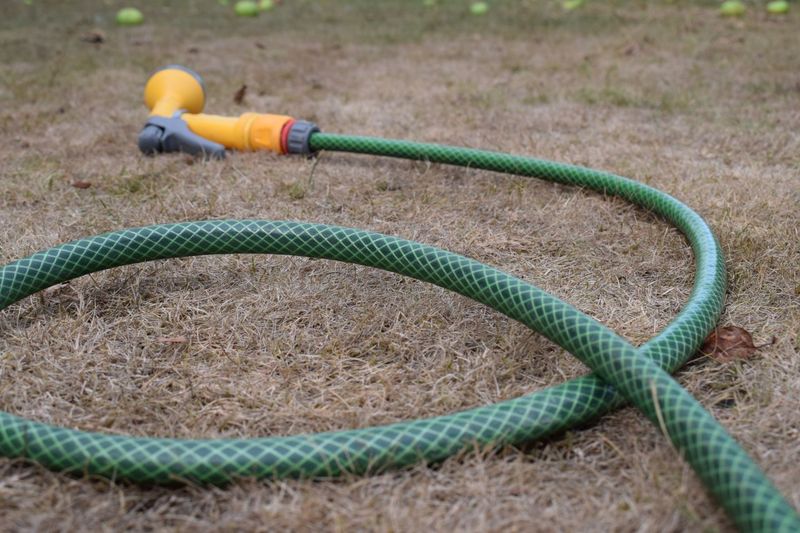
Watering your garden before a wildfire reaches your area can help slow the spread of flames. Wet soil, moist plants, and damp mulch are harder to ignite than dry ones.
But this step only makes sense if you still have plenty of safe time before the fire gets close.
If an evacuation order has already been issued for your zone in California, do not stay behind to water your garden. No plant or lawn is worth your safety.
Leave immediately and let firefighters do their job.
If you have advance warning and the fire is still far away, use your hose to wet down the area around your home. Focus on the lawn, shrubs, mulch beds, and the soil near your foundation. These are the areas most likely to catch embers first.
Avoid watering the roof from the ground unless you have a safe and stable way to do it. Focus your water where it will do the most good, which is at ground level around your home.
Soaker hoses and sprinkler systems can help if you have them already set up. Turn them on and let them run while you finish your other evacuation tasks.
Every bit of moisture in the soil helps. Once you have done what you safely can, pack your go bag, load your car, and leave.
A watered garden is a small advantage, but your safety is the biggest priority of all. Do not wait too long trying to save what can be replaced.