Garden Plants That Keep Blooming Through Summer Heat
Ninety-degree afternoons send most flower beds into a slow, wilting decline. Leaves curl, petals shrivel, and gardeners start dragging hoses out twice a day just to keep things alive.
A handful of plants shrug off that kind of heat entirely. They open new blooms right through the worst of a July heatwave and barely slow down when August rolls in.
These eight picks thrive in full sun and intense summer temperatures without constant babying. Plant them once, give them a reasonable start, and they reward you with color from early summer straight into fall.
1. Zinnias
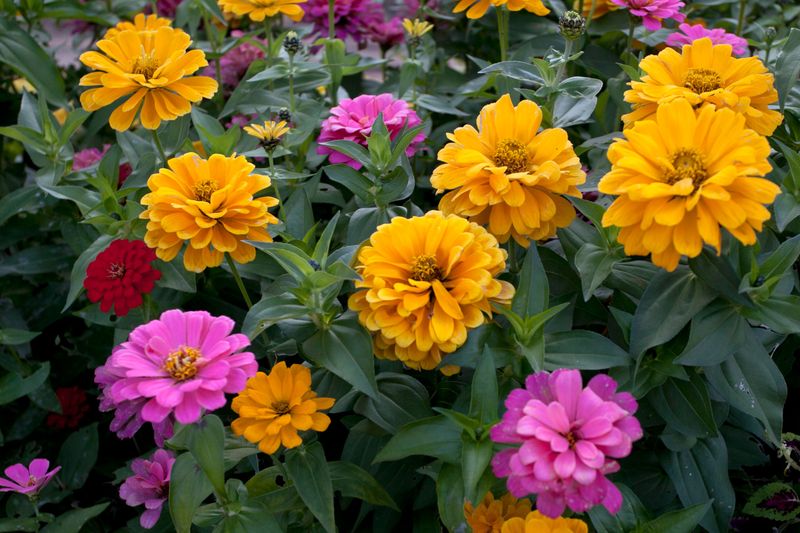
Few flowers bring as much joy as zinnias on a blazing July afternoon. These cheerful, old-fashioned blooms hold up beautifully when the heat cranks up.
Zinnias thrive in full sun and actually bloom more as temperatures rise. They come in nearly every color imaginable, from deep burgundy to electric orange to soft lavender.
Start them from seed directly in the ground after your last frost date. They sprout fast, often within a week, and reward you with flowers in about two months.
Garden plants that keep blooming through summer heat rarely perform as reliably as zinnias do. They do not need removing spent blooms to keep flowering, but pinching spent blooms does encourage more buds.
Butterflies absolutely love zinnias, so expect your garden to become a flutter zone. Monarch butterflies especially seek them out during their migration season.
Water zinnias at the base, not from above, to prevent powdery mildew on leaves. They prefer dry foliage and moist roots, which is easy to manage with a drip line or careful watering.
Plant zinnias in clusters for the most dramatic visual impact in your yard. A mixed-color patch creates a cottage garden feel that looks effortlessly lush all season long.
By late summer, you can collect seeds from dried flower heads for next year. Growing zinnias is one of the most satisfying gardening cycles you will ever experience.
2. Lantana
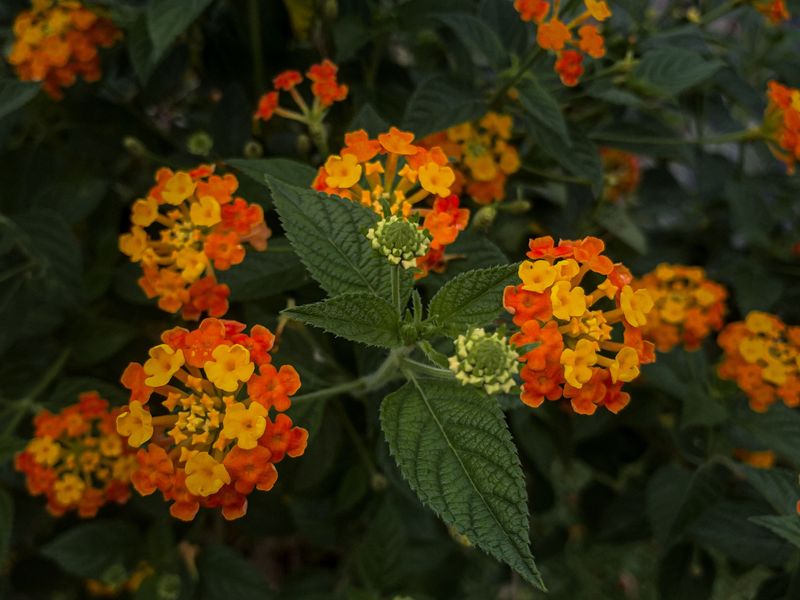
Lantana is the plant that makes you look like a master gardener with almost no effort. It blooms nonstop from late spring straight through the first frost of fall.
Native to tropical regions, lantana was built for heat and humidity. It actually sulks in cool weather but bursts with color once summer turns intensely hot.
Each flower cluster is a tiny rainbow, blending shades of yellow, orange, red, and pink all in one bloom. The color combinations shift slightly as flowers age, creating a living mosaic effect.
Garden plants that keep blooming through summer heat often need extra water, but lantana is different. Once established, it handles drought like a champ and needs very little irrigation.
Hummingbirds and butterflies treat lantana like a favorite restaurant. Planting it near a window gives you a front-row seat to some seriously entertaining wildlife activity.
Lantana grows well in containers too, making it perfect for patios, decks, and balconies. A single hanging basket can produce hundreds of blooms over one season.
Trim it back by about one-third in midsummer if it gets leggy. That light pruning triggers a fresh flush of blooms within just a few weeks.
One fun fact: lantana berries are toxic to pets, so plant it thoughtfully if you have dogs or cats roaming the yard. The flowers themselves are completely safe for pollinators and wildlife.
3. Salvia
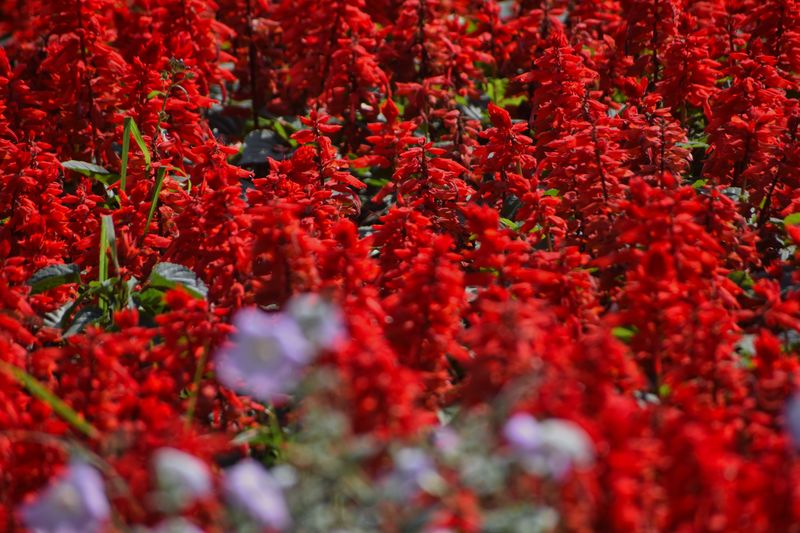
Salvia is the steady standout of the summer garden, reliable even as flashier plants fade. Its tall flower spikes stand at attention even when the thermometer hits triple digits.
Red salvia is the most classic variety, but breeders have expanded the palette dramatically. You can now find salvia in purple, coral, white, bicolor, and deep raspberry shades.
Hummingbirds are obsessed with salvia, particularly the tubular red varieties. Plant a row along a fence and you will have hummingbirds zipping past all summer long.
Among garden plants that keep blooming through summer heat, salvia stands out for its low maintenance. It rarely needs removing spent blooms and holds its shape without staking or constant fussing.
Annual salvias like Salvia splendens grow fast and bloom heavily their first season. Perennial varieties like Salvia greggii come back year after year in warmer growing zones.
Salvia prefers well-drained soil and gets unhappy sitting in soggy ground. Raised beds and sandy loam are ideal, but it adapts to most average garden soils with good drainage.
Give it full sun for the best flower production, though it tolerates light afternoon shade. In the hottest climates, a bit of shade during peak afternoon hours prevents stress.
Cutting salvia back by half after its first big bloom cycle triggers a strong second flush. That rebloom in late summer is often just as impressive as the first round of flowers.
4. Coneflowers
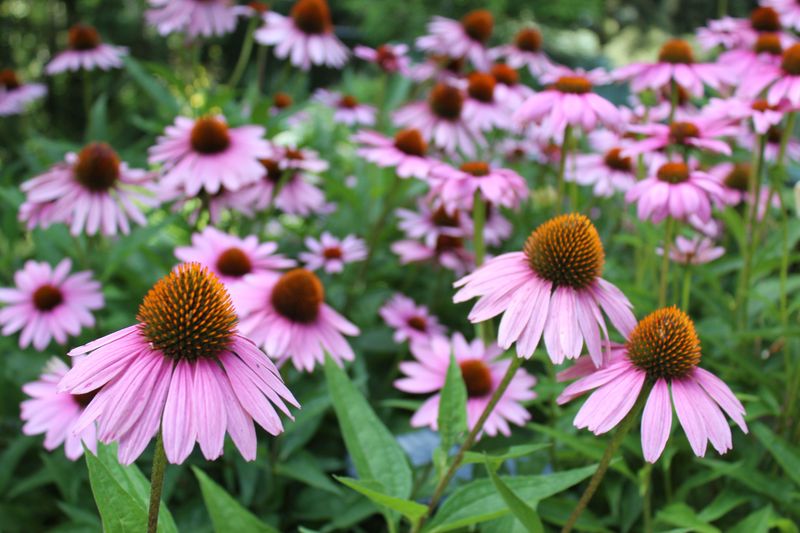
Coneflowers are tough, prairie-born beauties that were made for the American summer. They shrug off heat, humidity, and even brief dry spells without missing a beat.
Echinacea, the botanical name for coneflower, has been used medicinally for centuries by Native American communities. Today it is celebrated as much for its garden beauty as for its herbal reputation.
The classic purple coneflower is iconic, but modern varieties now come in yellow, orange, white, red, and even lime green. Some cultivars have double petals that look almost like dahlias.
Garden plants that keep blooming through summer heat need strong root systems, and coneflowers deliver exactly that. Their deep taproots pull moisture from lower soil layers during dry stretches.
Goldfinches go absolutely wild for coneflower seed heads in late summer and fall. Leaving spent blooms on the plant through winter provides birds with a natural food source.
Coneflowers are perennials that spread slowly over time, forming larger clumps each season. Dividing them every three to four years keeps them vigorous and gives you free plants to share.
They pair beautifully with black-eyed Susans, rudbeckia, and ornamental grasses in a naturalistic planting. That combination creates a meadow-inspired look that practically maintains itself through summer.
Plant coneflowers in full sun for maximum blooming, though they tolerate partial shade better than most prairie plants. A little flexibility makes them incredibly useful throughout the garden landscape.
5. Vinca
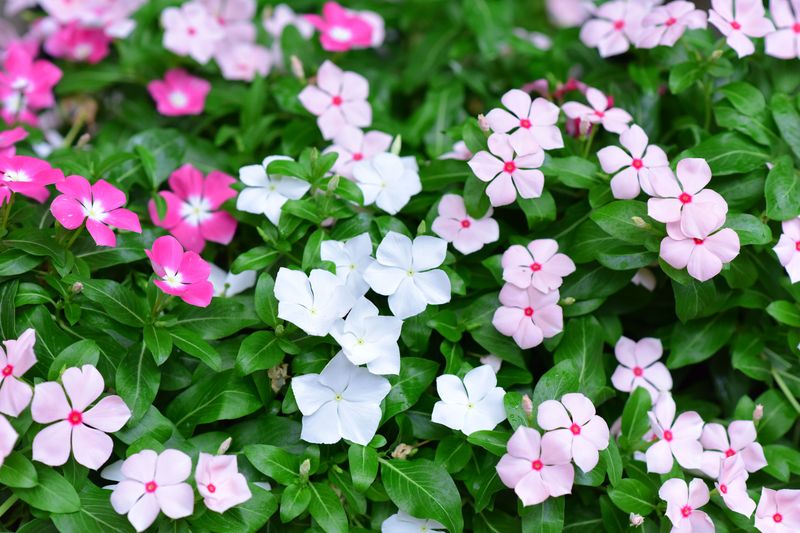
Vinca is the plant that thrives when everything else is struggling in the August heat. Also called annual vinca or periwinkle, it was practically engineered for brutal summers.
Unlike its ground-cover cousin, annual vinca grows upright and produces cheerful, five-petaled flowers all season. Colors range from white and soft pink to hot magenta and deep red.
What makes vinca extraordinary is its almost supernatural heat and drought tolerance. Once established, it can go days without water and still push out fresh blooms without complaint.
Gardeners looking for garden plants that keep blooming through summer heat often overlook vinca. That is a mistake, because few annuals match its stamina in hot, humid conditions.
Plant vinca in full sun for the best performance, as shade makes it stretch and bloom less. It loves reflected heat from pavement or walls, making it perfect for urban gardens and driveways.
Vinca requires almost no removing spent blooms because they drop cleanly on their own. That self-cleaning habit keeps it looking tidy without any effort on your part throughout the season.
It works beautifully as a border plant, in containers, or massed in large garden beds. A single flat of vinca transplants can fill a surprisingly large area by midsummer.
Watch for overwatering, which is the one thing that truly stresses this plant. Well-drained soil and a light watering schedule are the only secrets to keeping vinca thriving all summer long.
6. Black-Eyed Susan
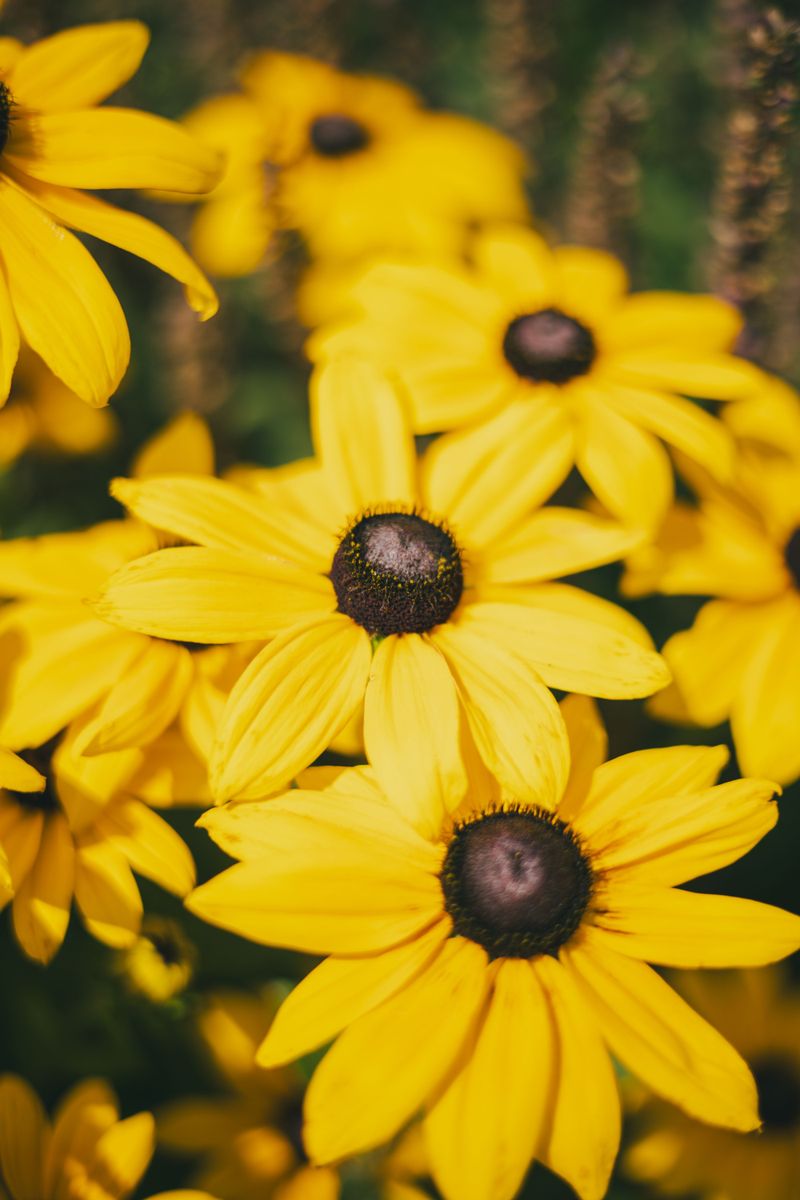
Black-eyed Susans are the golden girls of the summer garden, bold and bright when the heat peaks. Their cheerful yellow petals surrounding a dark chocolate center are instantly recognizable and endlessly charming.
Native to North American prairies, rudbeckia evolved in open, sun-baked landscapes without reliable rainfall. That heritage makes it one of the toughest bloomers you can put in your yard today.
Blooming typically begins in midsummer and continues well into fall, long after other flowers have faded. That extended season makes black-eyed Susans an essential part of any long-blooming garden plan.
Among garden plants that keep blooming through summer heat, rudbeckia is a standout for pollinators. Bees, butterflies, and beetles all visit the open-faced flowers for easy access to pollen and nectar.
Both annual and perennial varieties exist, giving you flexibility depending on your garden goals. Rudbeckia hirta is a short-lived perennial that often self-seeds generously, creating a natural colony over time.
Removing spent flowers extends the bloom period significantly through the hottest months. Leaving a few seed heads intact at season’s end attracts songbirds looking for late-season food.
Black-eyed Susans pair naturally with ornamental grasses, salvia, and coneflowers for a prairie-style planting. That combination creates a low-maintenance garden that looks wild and intentional at the same time.
Established plants handle drought with ease once their roots are settled into the ground. A strong start with consistent watering in the first season sets them up for years of reliable blooming.
7. Portulaca
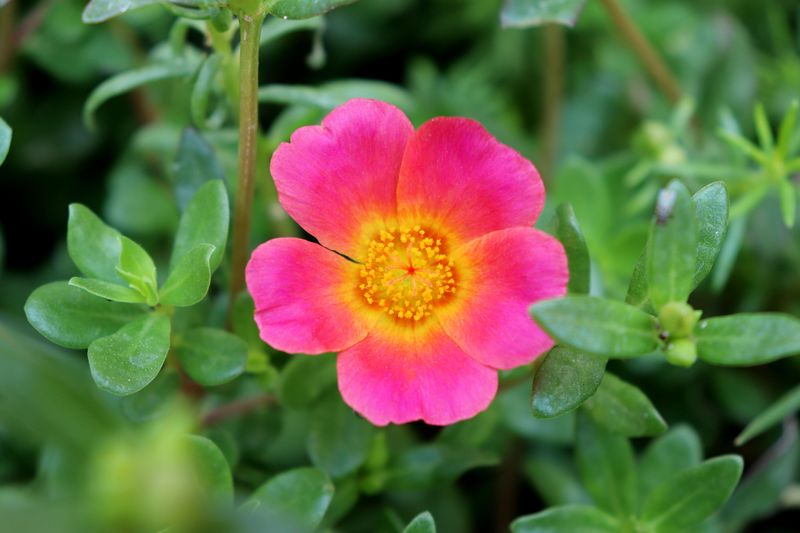
Portulaca is the rebellious overachiever of the summer garden, blooming brilliantly in conditions that would wilt most other plants. Sandy soil, blazing sun, and weeks without rain? Portulaca calls that a vacation.
Also known as moss rose, portulaca has succulent-like leaves that store water efficiently. That built-in reservoir system lets it power through dry spells without skipping a single flower.
The blooms are absolutely stunning up close, resembling tiny roses or peonies in jewel-toned shades. Colors include coral, fuchsia, gold, cream, and bicolor combinations that look almost too vivid to be real.
For garden plants that keep blooming through summer heat, portulaca is the low-growing champion. It stays compact at four to six inches tall, making it perfect for borders, rock gardens, and containers.
One quirky trait: portulaca flowers open in bright sunlight and close at night or on cloudy days. That sun-chasing behavior is endearing once you understand it, though it surprises first-time growers.
Portulaca reseeds itself readily, often returning in the same spot the following summer without any effort. That self-sufficient quality makes it feel like a gift that keeps giving year after year.
It thrives in poor, sandy, or rocky soil where other plants struggle to survive. Amending the soil too much actually works against portulaca by making conditions too rich and moist for its liking.
Pair it with rocks or gravel mulch for a water-wise garden that still delivers serious color. Few plants make drought gardening look this effortlessly beautiful all summer long.
8. Angelonia
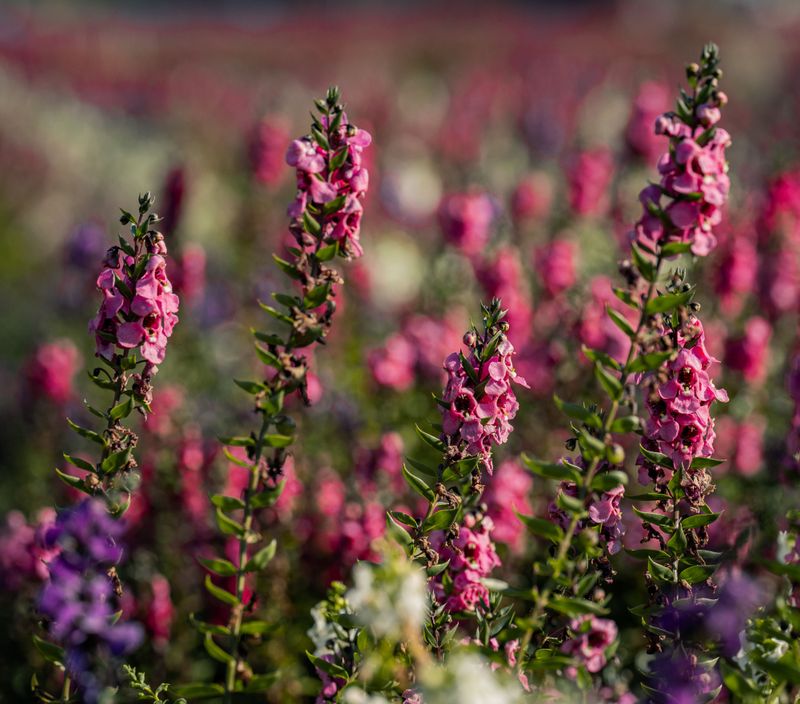
Angelonia is the sophisticated favorite of serious summer gardeners, elegant and steady in equal measure. Often called summer snapdragon, it blooms continuously from planting until frost without much fuss at all.
Unlike traditional snapdragons that fizzle in summer heat, angelonia actually accelerates when temperatures climb. The hotter and more humid it gets, the more vigorously this plant pushes out fresh flower spikes.
Its blooms have a faintly sweet, grape-like fragrance that becomes noticeable on warm evenings near a patio. That subtle scent adds a sensory layer to the garden that most purely visual plants cannot offer.
Gardeners seeking garden plants that keep blooming through summer heat should put angelonia at the top of the list. Its performance in hot, sticky climates is genuinely hard to beat among annual flowers.
Flower colors include purple, lavender, white, pink, and bicolor combinations with contrasting centers. The upright spikes reach twelve to eighteen inches tall, adding vertical interest to garden beds and containers alike.
Angelonia requires no removing spent blooms, which is a major selling point for busy gardeners. Spent flowers drop on their own and new buds open continuously without any intervention needed from you.
It pairs beautifully with vinca, lantana, and ornamental sweet potato vine in mixed container arrangements. That combination creates a layered, lush look that stays colorful from Memorial Day through Labor Day.
Full sun and well-drained soil are the two non-negotiable requirements for angelonia to perform its best. Give it those two things and it will reward you with months of stunning, nonstop color.