Georgia Azaleas Don’t Need Pruning This November – Here’s What They Need Instead
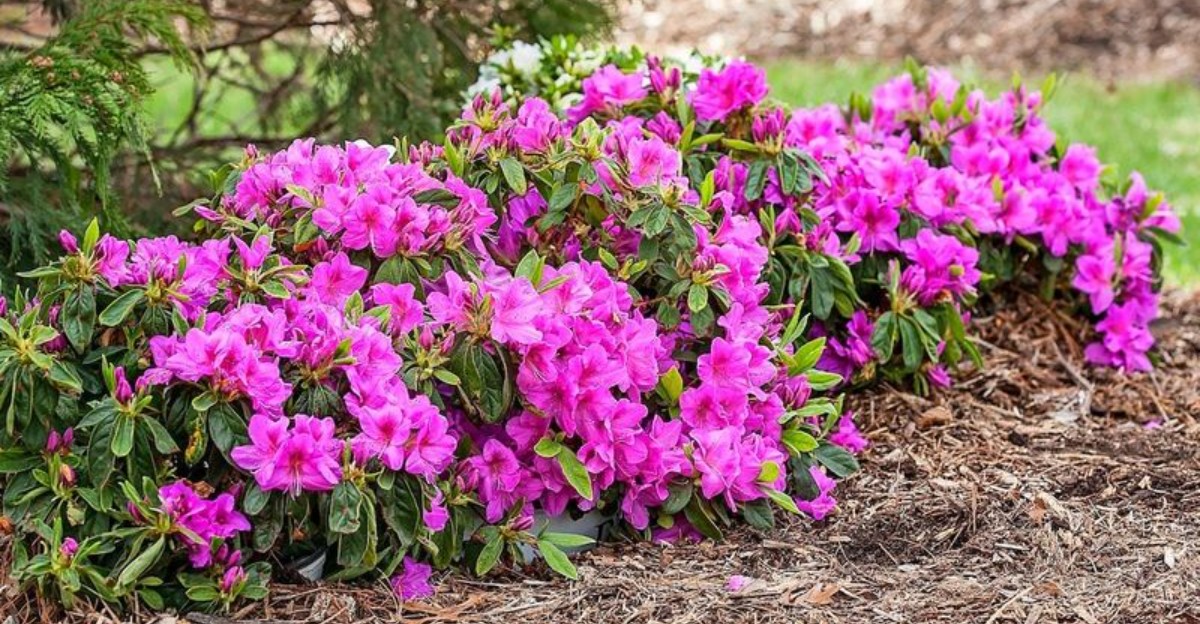
Next spring’s flowers are already sitting on your shrubs right now. They are tucked inside fat little buds at the tips of the branches, formed back in the heat of summer.
I learned this the hard way years ago. One tidy afternoon with my pruners cost me nearly half a season of blooms, and I still wince thinking about it.
Here in Georgia, November tempts so many of us to clean up the yard before winter. You rake, you trim, you haul debris to the curb.
That urge makes total sense, but these springtime stars play by a different calendar.
The smartest fall care for them looks surprisingly lazy from the outside. A little water, a fluffy layer of mulch, and a sharp eye on the leaves can matter far more than any snip.
What do shrubs with buds already loaded actually need from you this month?
1. Those Plump Azalea Buds Are Hiding Next Spring’s Show
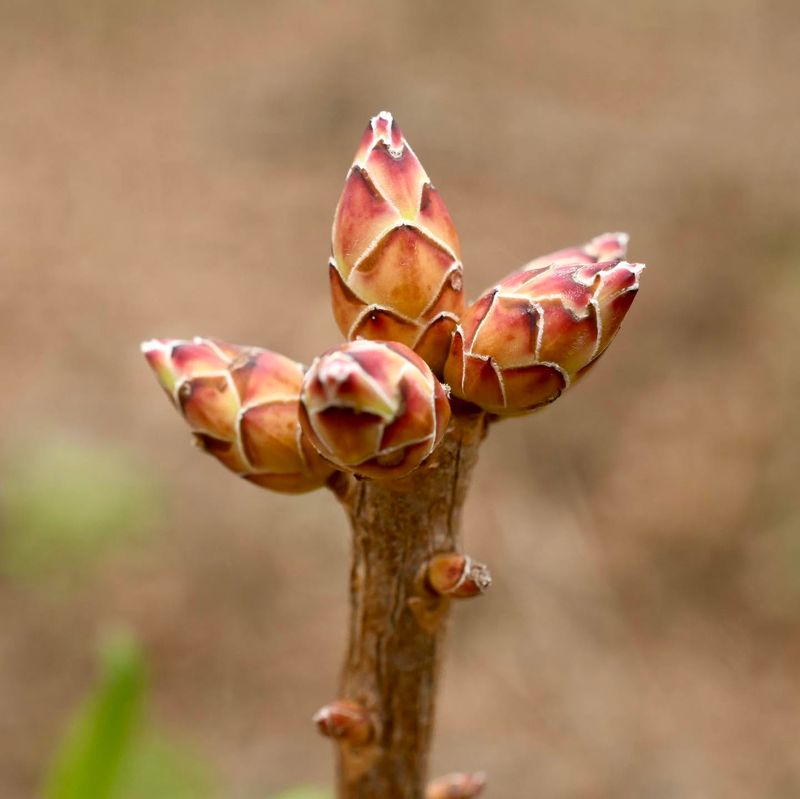
Take a close look at the tips of your azalea branches this week. Those swollen, slightly pointed buds are not leaf buds.
They hold the flowers you will enjoy next March and April.
Most azaleas set their flower buds during summer, shortly after the spring bloom ends. By November, the work is done, and the buds simply wait out winter.
Cutting branches now means cutting off flowers, plain and simple.
University of Georgia Extension advises finishing azalea pruning soon after blooming, generally by early July. After that point, every trim chips away at your spring color.
Rebloomers such as Encore azaleas follow a slightly different rhythm, but they also prefer light shaping right after their spring flush.
Personally, I like to think of fall azaleas as wrapped presents. You would not tear the paper off a gift in November and expect it to look great at the party.
Leave those buds alone and let them open on schedule.
If one branch is broken or clearly diseased, you can still snip it out. That kind of spot cleanup is fine any time.
Heavy shaping, though, belongs in late spring.
2. Fall Pruning Can Leave Azalea Shoots Exposed to Frost
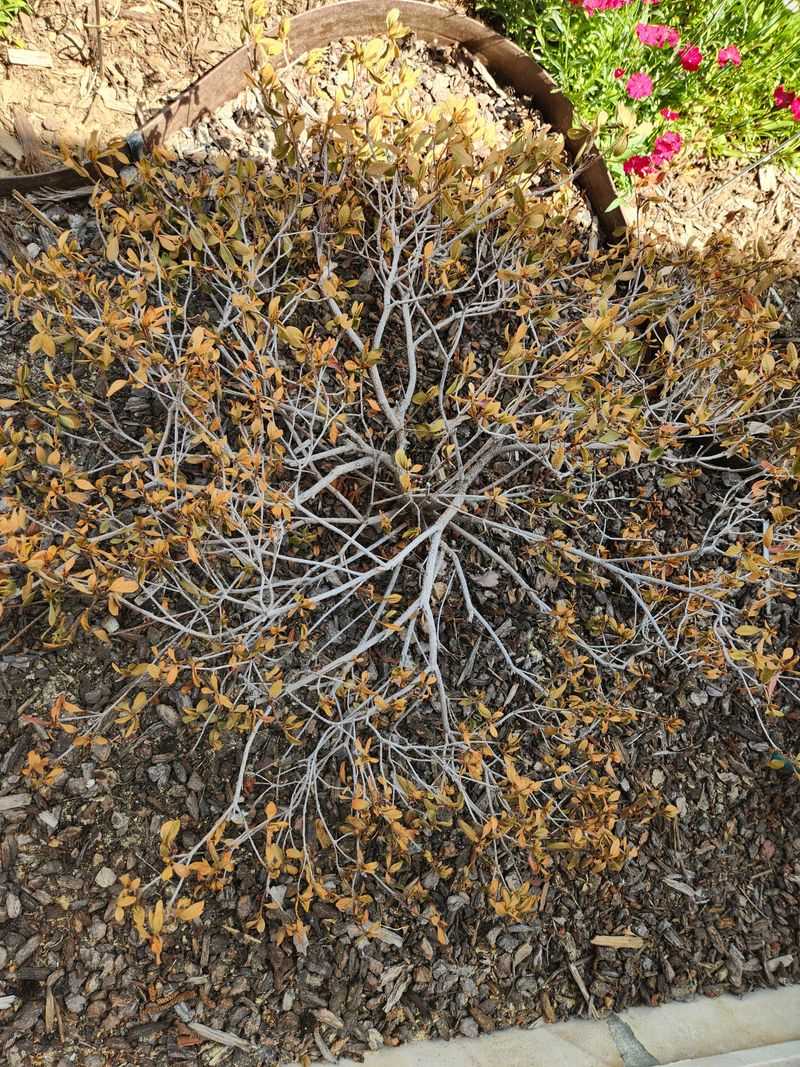
Lost flowers are only half the trouble with a November trim. Cutting a shrub sends it a wake-up signal, and it may push out soft new shoots.
That fresh growth is tender and full of water. It has no time to toughen up before Georgia’s first hard freezes arrive, which often show up in November in the north and later along the coast.
A cold snap can brown those shoots overnight.
Damaged tips are more than an eyesore. The plant spends energy growing them and then loses them, heading into winter a bit weaker than before.
Repeated stress like this can make shrubs more open to pests and disease later on.
I find it helps to remember what azaleas are trying to do right now. Their whole job in late fall is slowing down and hardening off.
Anything that stirs up new growth works against that natural plan.
So if your shrub looks a little shaggy, try enjoying the relaxed look for a few months. Wild, loose branches actually help shield buds from wind.
You can tidy things after the flowers fade, when the plant bounces back quickly and has a full growing season ahead.
3. A Deep Soak Keeps Shallow Azalea Roots Ready for Winter
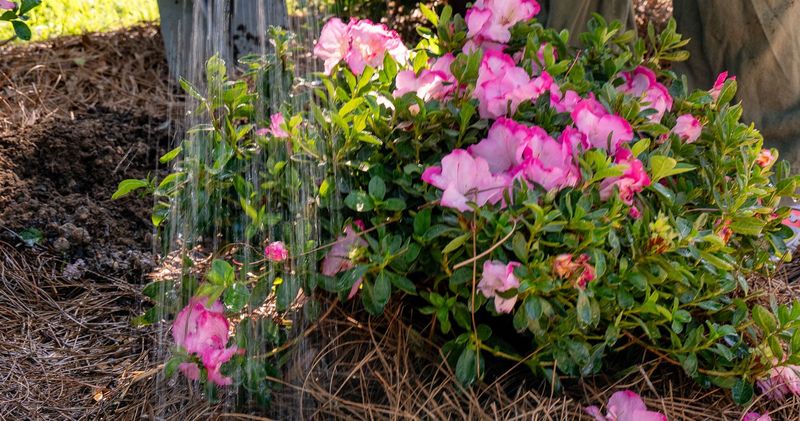
Dry fall weather catches plenty of Georgia gardeners off guard. Autumn is often one of the driest stretches of the year, and azaleas feel it fast.
Their roots sit close to the surface, mostly in the top several inches of soil. That shallow system dries out quickly, especially on sunny, breezy days.
Evergreen types keep losing moisture through their leaves all winter, so they start the cold season best with a well-hydrated root zone.
A good target is roughly an inch of water per week from rain or the hose while plants are active. As growth slows in November, you can water less often.
Still, a slow, deep soaking during dry spells makes a real difference.
Soaker hoses and drip lines work beautifully here because water seeps down instead of running off. Before you water, poke a finger into the soil.
If the top couple of inches feel dry, it is time.
Watch out for the opposite problem too. Azaleas hate soggy feet, and constantly wet soil invites root rot.
Aim for moist, not muddy, and let the soil tell you when your shrubs are thirsty.
4. Pine Straw Around Your Azaleas Works Like a Cozy Quilt
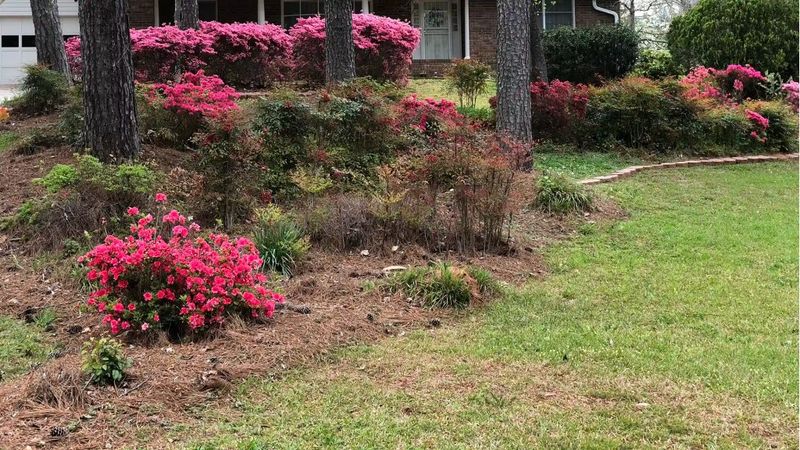
Few things look more Southern than azaleas tucked into a bed of golden pine straw. That classic pairing is more than tradition, because it suits the shrub’s roots perfectly.
A 2 to 4 inch layer of organic mulch keeps soil temperatures steadier through freezes and warm spells. It also holds moisture, slows weeds, and slowly breaks down into rich organic matter.
Pine straw, pine bark, and shredded leaves are all great choices.
November is a smart time to refresh thin spots. Old mulch settles and decays over the year, so a quick top-up restores that protective layer.
Your raked leaves can even do the job once they are shredded with a mower.
One small detail matters a lot. Pull mulch back a couple of inches from the main stems.
Piling it against the bark traps moisture and can invite rot or critters chewing on the stems.
Spread the mulch wide, out toward the edge of the branches, since the roots reach that far. I love how a fresh layer makes the whole bed look cared for in the drab days of late fall.
It is one of the easiest favors you can do for your shrubs.
5. Skip the Fertilizer Bag Until Azalea Blooms Fade
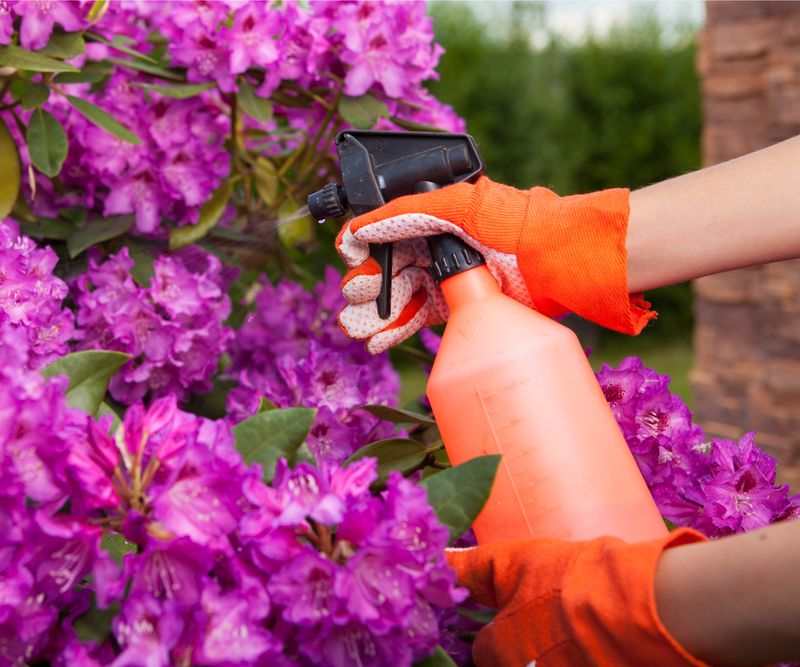
Feeding plants feels generous, but fall is the wrong time for azaleas. A dose of fertilizer now, especially one high in nitrogen, can do more harm than good.
Nitrogen encourages leafy growth. In November, that means soft shoots appearing right before cold weather, the same problem late pruning causes.
It also nudges the plant away from its natural winter rest.
Azaleas are modest eaters anyway. Established shrubs in a healthy, mulched bed often get much of what they need from decaying organic matter.
Many gardeners overfeed them, which can burn shallow roots.
When should you feed them? Extension specialists generally suggest fertilizing after spring flowering, using a product made for acid-loving plants.
A light follow-up in early summer is fine, but stop by midsummer so new growth hardens before fall.
Honestly, I keep the fertilizer bag in the shed all winter and do not touch it. My azaleas have rewarded that patience every spring.
If yours seem pale or slow, a soil test is a far better first step than guessing with fertilizer, and the next section explains why.
6. Yellow Azalea Leaves With Green Veins Deserve a Soil Test
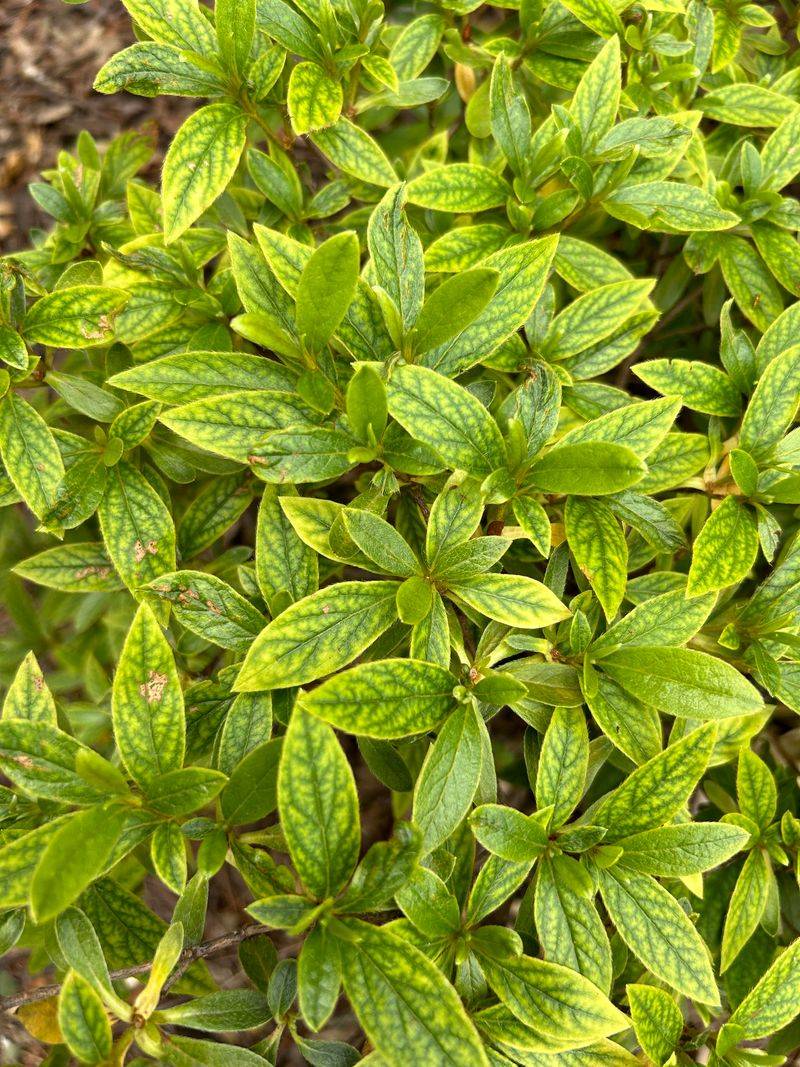
Leaves can be surprisingly chatty if you know how to read them. Yellow leaves with bright green veins are a classic azalea distress signal called chlorosis.
This pattern often points to an iron shortage, but the soil usually has iron already. The real issue tends to be pH.
Azaleas prefer acidic soil, roughly 4.5 to 6.0, and when it creeps higher, roots struggle to take up iron. Poor drainage and soil near concrete foundations can add to the problem.
Fall is a great moment for a soil test. Your county UGA Extension office can run one for a small fee and send results with specific advice.
That beats guessing, since adding sulfur or acidifiers without testing can overshoot the mark.
Keep in mind that some yellowing is normal right now. Evergreen azaleas shed a few older inner leaves in autumn, and deciduous native azaleas drop all their leaves for winter.
Also clean up fallen leaves around shrubs that had leaf spots or mildew this year. Fungal spores can linger in that debris.
A quick rake reduces problems next spring and keeps the bed looking neat.
7. Burlap and Smart Placement Help Azaleas Ride Out Cold Snaps
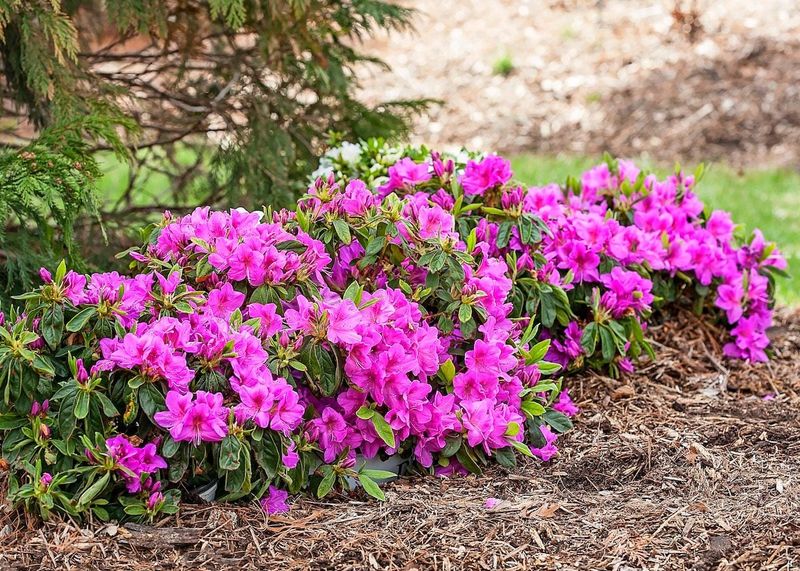
Georgia winters are mostly mild, yet north Georgia mountain towns can see real cold. The state stretches from about USDA zone 6b in the north to 9a near the coast, so azalea care varies with your address.
Healthy, established azaleas in the ground usually handle winter just fine. Trouble tends to come from drying winds and sudden freezes after warm spells.
Look for browned leaf edges, curled leaves, or split bark as signs of cold stress.
Curled leaves on a frosty morning are often normal, by the way. Rhododendrons and some azaleas roll their leaves to reduce moisture loss, and they relax again as temperatures rise.
For exposed plants, a simple burlap screen on the windy side can help. Keep burlap off the foliage so air still moves.
Potted azaleas are more vulnerable because their roots sit above ground, so tuck them against a wall or into an unheated garage during hard freezes.
Planning a new bed? Pick spots with filtered shade and shelter from harsh winter wind.
Fall is a fine planting time in Georgia. Choose the right place, water well, mulch, then let spring handle the rest.