How To Keep Fall Seedlings From Frying In Georgia’s Late-Summer Heat
August in Georgia has a particular smell to it: hot pine straw, warm clay, and the faint tang of a garden hose left baking in the sun. The air sits still and heavy, and even the mosquitoes seem to be taking a break.
Meanwhile, the calendar is whispering something ridiculous. It says the time for planting has arrived, right in the middle of the sweatiest stretch of the year.
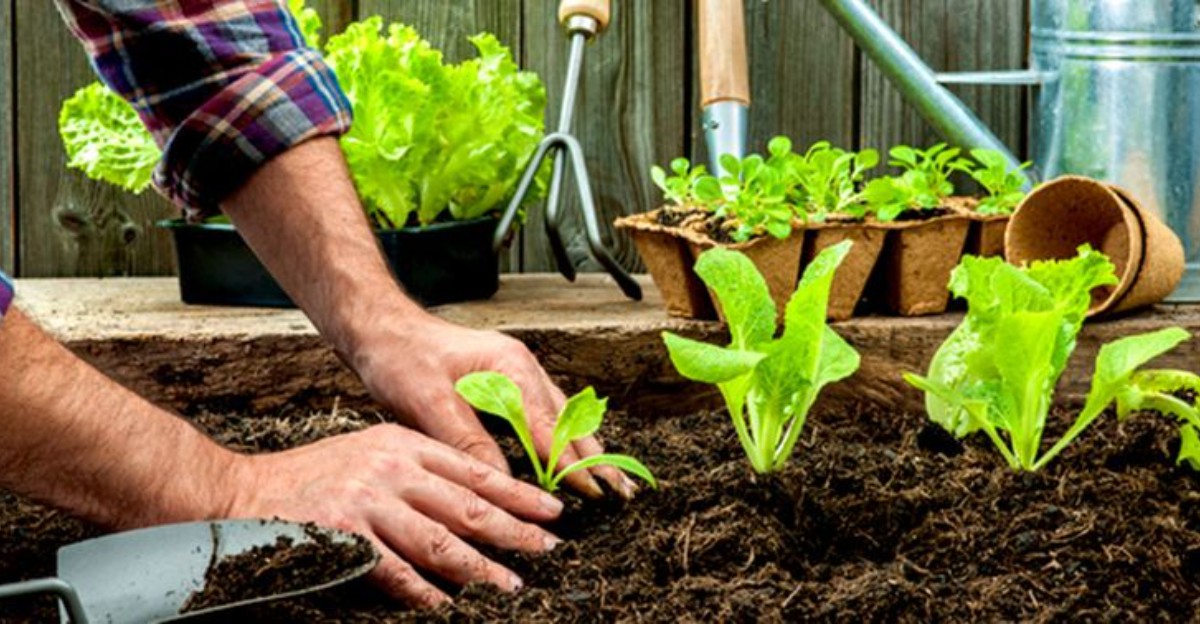
So you kneel down in soil warm enough to poach an egg, tuck in a tray of tender green babies, and hope for mercy. By noon they are flopped over like they have given up on the whole idea.
Georgia gardeners have been outsmarting this exact stretch of weather for generations. A little shade, a little timing, and a few tricks can carry those small plants straight through to sweater weather.
1. Start Seeds Indoors Where The Air Is Cool
Ask any longtime Georgia gardener about August sowing and you will likely get a chuckle. Soil temperatures in open beds can climb past 95 degrees, and many cool-season seeds simply refuse to sprout in that range.
Lettuce is the fussiest of the bunch. Its seeds go into a stubborn sleep called thermal dormancy once soil creeps above roughly 80 degrees, which explains those empty rows you swore you planted.
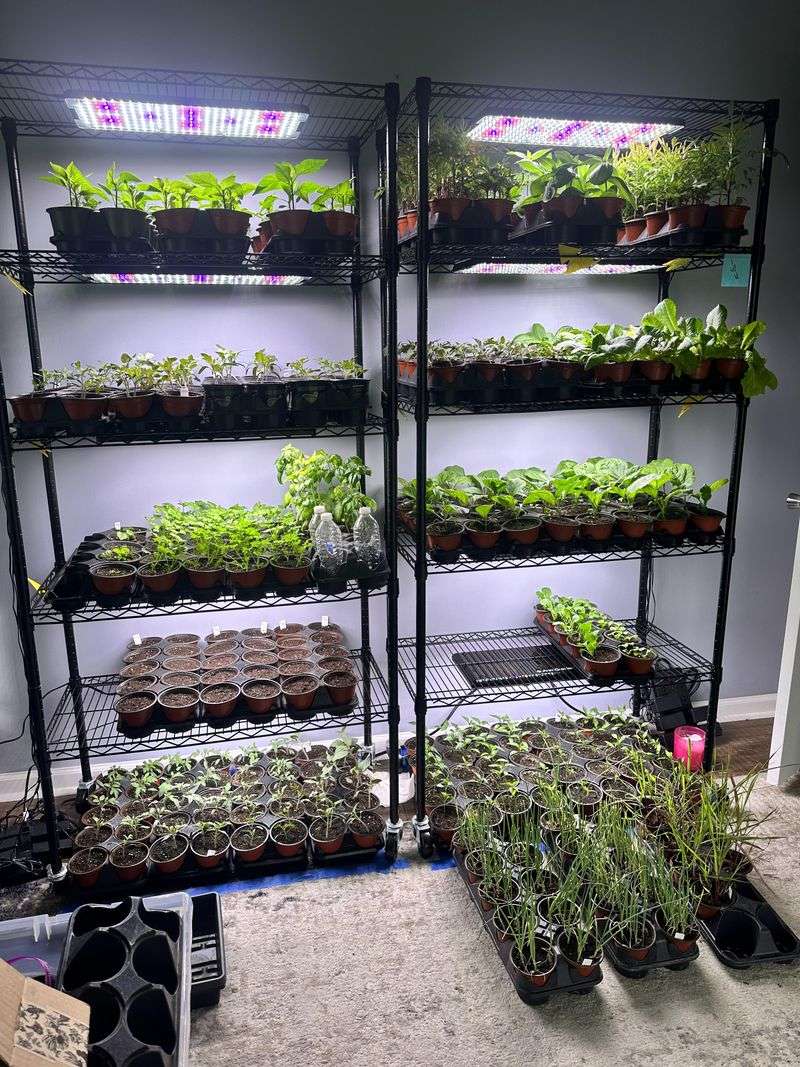
Starting indoors sidesteps the whole problem. A spare room at 72 degrees, a shallow tray, and a bag of seed starting mix will give you broccoli, cabbage, collards, kale, and lettuce sprouts in under a week.
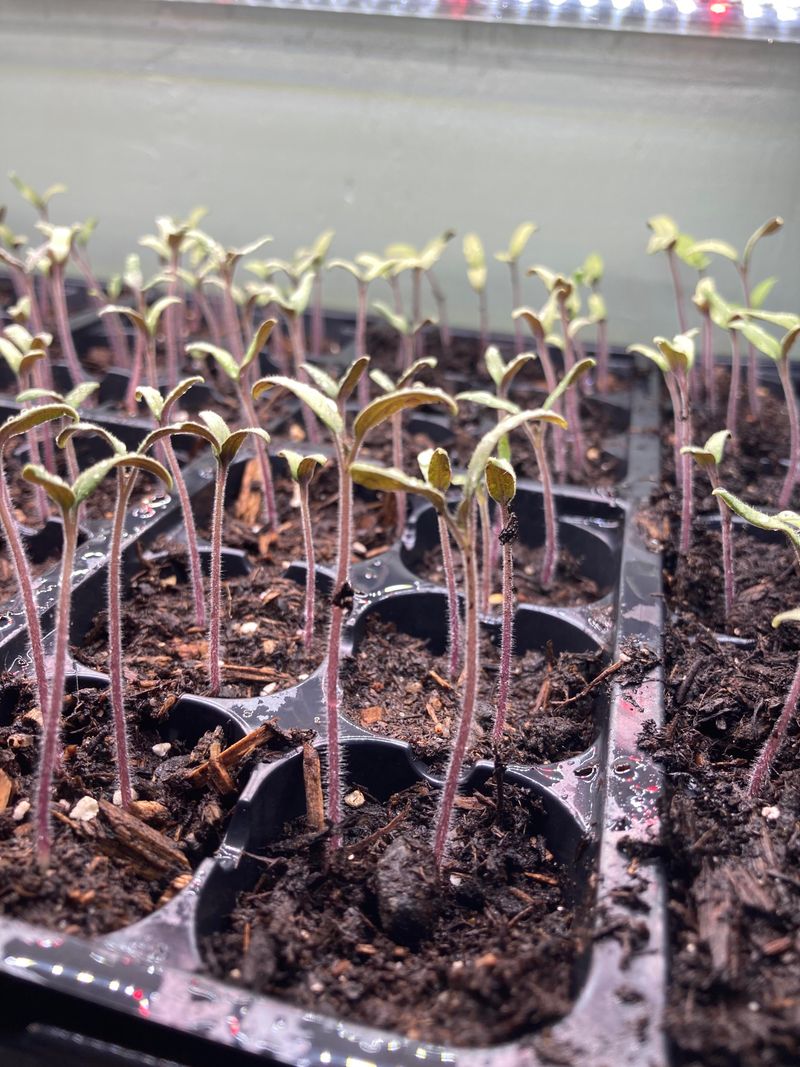
Light matters more than people expect. A sunny window usually produces stretched, floppy stems, so a basic shop light hung two inches above the tray keeps seedlings stocky and strong.
Bottom watering works better than sprinkling from above. Set the tray in an inch of water for ten minutes, let it soak up what it needs, then pour off the rest to discourage mold.
Timing is the quiet hero here. Count backward about four to six weeks from your intended transplant date, which for much of north Georgia lands in early to mid September.
By the time those little plants head outdoors, they already have real roots and a few true leaves. Instead of asking a fragile seed to survive a heat wave, you are handing the garden a plant that already knows how to drink.
2. Build Temporary Shade Cloth Covers Over Young Beds
Shade cloth is the closest thing to a magic wand in a Georgia September garden. A 30 to 40 percent cloth stretched above a bed can drop the air underneath by ten degrees and the soil surface by considerably more.
The setup does not need to be fancy. Half inch PVC pipe bent into hoops, pushed over rebar stakes, and clipped with binder clips will hold cloth through an afternoon thunderstorm.
Aim for height. Cloth resting directly on leaves traps heat against them, while cloth held eighteen inches up lets breezes move through and carry warm air away.
Choose your percentage carefully. Anything above 50 percent starts robbing the light your greens need for growth, and you end up with pale, leggy plants that never bulk up.
Your Georgia Garden Changes Every Week. Your Plan Should Too.
Gardening in Georgia changes quickly throughout the season. Every Friday you’ll receive a simple weekly plan showing exactly what to plant, prune, fertilize, harvest, and protect so you never miss the right timing.
Orientation helps too. Covering the west side most heavily blocks that brutal late-afternoon sun, which is the part of the day that does the real damage to tender transplants.
Knitted cloth beats woven for home gardens because cut edges do not unravel. One roll will last many seasons if you fold it and store it out of the sun over winter.
Around early to mid October, when highs settle into the seventies, pull the cloth off entirely. Full sun at that point pushes rapid growth, and your broccoli and cabbage will reward you with noticeably faster development.
Neighbors may tease you about the little tent in your yard. They tend to stop teasing when your collards look twice as good as theirs.
3. Water Deeply During Early Morning Hours Only
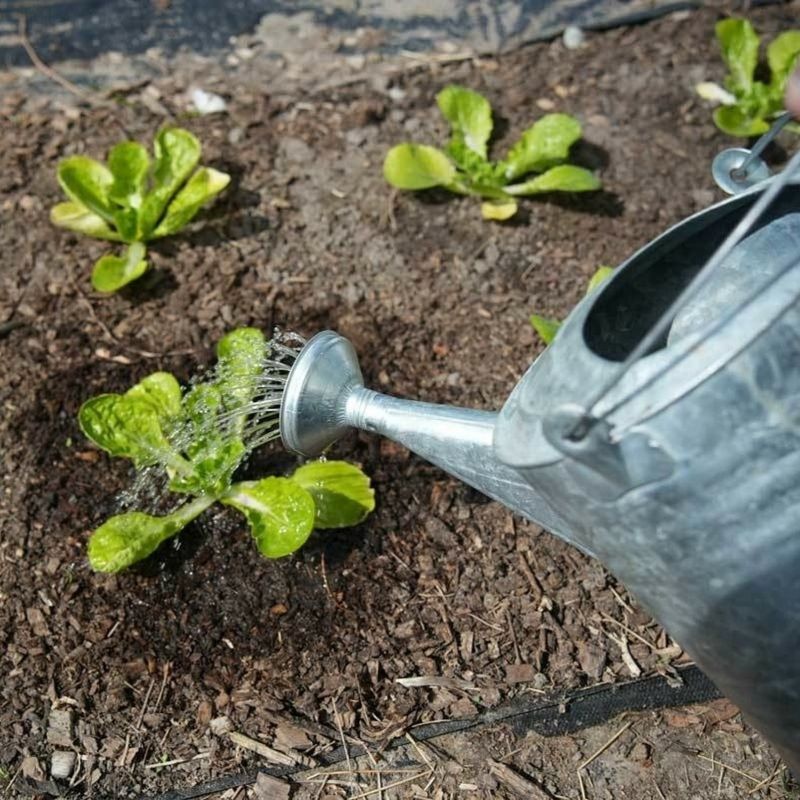
Set your alarm. Between six and nine in the morning, water sinks in rather than evaporating off the surface, and leaves dry before fungal problems get comfortable.
Midday watering wastes an astonishing amount. On a 95 degree Georgia afternoon, a big share of what leaves your hose fails to reach the roots at all.
Evening watering brings a different problem. Warm, wet foliage sitting overnight in humid air is an open invitation for downy mildew and leaf spot, both common on fall greens here.
Depth beats frequency. New transplants want moisture down four to six inches, which usually means slow soaking rather than a quick pass with the sprayer.
Check with your finger before you reach for the hose. Push down two inches, and if the soil feels cool and damp there, skip the day and let the roots stretch.
Georgia clay complicates things. It absorbs slowly and holds tightly, so watering in two shorter rounds ten minutes apart prevents runoff down the path.
Drip line or soaker hose under mulch is the gold standard. Water lands where it belongs, foliage stays dry, and you can run it while you drink your coffee.
Young seedlings may still need a light midday misting during the first three days after transplanting. Once roots take hold, drop that habit and stick to your morning routine.
A rain gauge tucked in the bed keeps you honest. Afternoon storms sometimes deliver plenty, and skipping a day saves both water and your plants from soggy roots.
4. Mulch Heavily To Cool Georgia’s Red Clay Soil
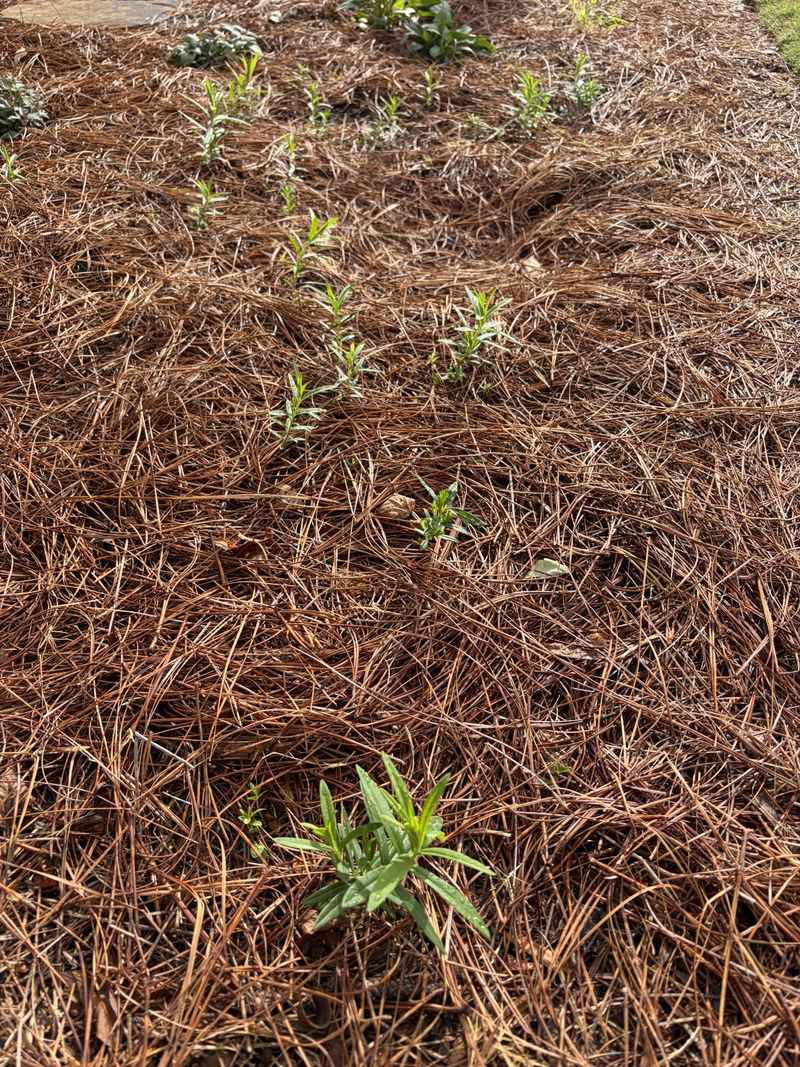
Bare red clay under an August sun behaves like a skillet. Surface temperatures can top 120 degrees, and shallow seedling roots sitting an inch below take the brunt of it.
Two to three inches of mulch changes everything. Studies on mulched beds regularly show soil running ten to fifteen degrees cooler than uncovered ground nearby.
Pine straw is the classic Georgia choice, and for good reason. It is cheap, locally abundant, lets rain pass through easily, and stays put on a slope better than shredded bark.
Wheat straw works beautifully too. Just buy it from a source you trust, since hay often carries weed seed that will haunt you until spring.
Leave a small gap around each stem. Mulch pressed against tender tissue holds moisture there and encourages rot right where the plant is most vulnerable.
Timing the application matters. Water thoroughly first, then mulch, so you are locking moisture in rather than sealing dry ground off from the hose.
Chopped leaves saved from last autumn make excellent free mulch. Run the mower over a pile a couple of times and you have a fluffy layer that breaks down into soil food by spring.
Skip fresh grass clippings in thick layers. They mat down, heat up as they decompose, and can actually raise temperatures near the roots.
By November that same mulch flips roles. It buffers roots against sudden cold snaps, which in Georgia can arrive with almost no warning at all.
5. Transplant On Cloudy Evenings Or Before Rainstorms
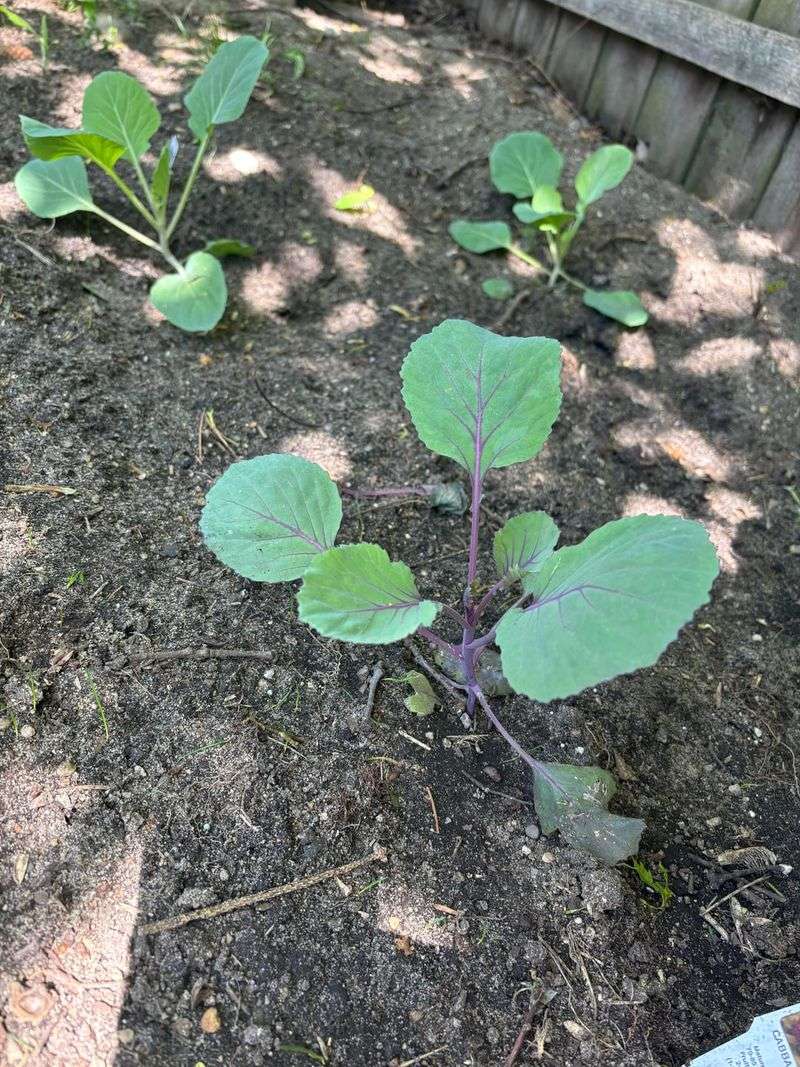
Most transplants go through a rough patch while their roots figure out their new home. Handing it a cloudy evening instead of a blazing noon gives it twelve extra hours of recovery before the sun tests it.
Watch the radar the way a farmer does. A front moving through with two days of clouds and scattered showers is the single best planting window Georgia offers in September.
Roots lose function when disturbed. Until fine root hairs regrow, a plant simply cannot pull up water fast enough to replace what hot sun pulls out of its leaves.
Soak the tray before you dig. Fully hydrated root balls slide out cleanly and carry a reservoir of moisture with them into the ground.
Plant slightly deeper than they sat in the tray for brassicas. That extra half inch of buried stem stabilizes them against wind and puts roots into cooler soil.
Firm the soil gently around each one, then water immediately at the base. Air pockets left around roots dry out fast and stall growth for a week.
A handful of compost worked into each planting hole helps too. It holds moisture like a sponge and feeds the plant while it settles in.
Give yourself permission to wait. If the forecast shows nothing but sunshine and upper nineties, holding transplants in their tray for another five days is almost certainly the smarter move.
6. Harden Off Transplants Slowly Over Seven Days
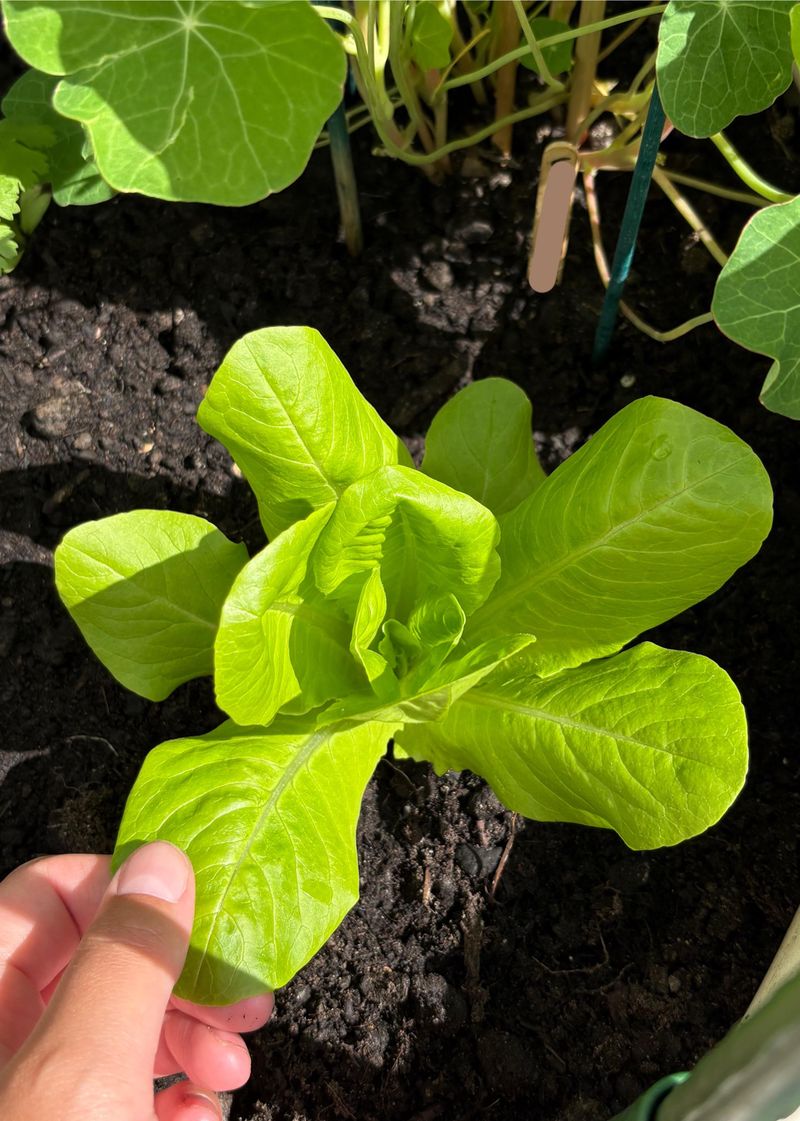
Picture a seedling raised indoors at a pleasant 72 degrees. Moving it straight into a Georgia afternoon is a shock roughly equal to walking out of a movie theater into a parking lot in July.
Hardening off spreads that shock across a week. Leaves thicken their waxy coating, stems stiffen, and the plant learns to close its pores before it truly needs to.
Day one is simple. An hour in full shade on a covered porch, then back inside where the air conditioning lives.
Stretch it gradually. Two hours on day two, three on day three, with a little dappled morning sun creeping in by midweek.
By days six and seven, plants should handle several hours of real morning sun. Afternoon sun stays off the menu until they are in the ground under shade cloth.
Wind deserves attention as well. Indoor seedlings have not felt a breeze before, and a gentle fan indoors during the last week builds stems noticeably sturdier.
Water needs shift during this stretch. Trays outdoors dry out far faster, sometimes needing attention twice on a hot day.
Purple tints on leaves or a slight droop mean you pushed too fast. Pull them back into shade for a day and resume more slowly.
A wagon or wheeled cart turns the whole routine into a two minute chore. Roll out in the morning, roll back before the heat peaks, and repeat until planting day arrives.
7. Use Row Cover Fabric For Sun And Bugs
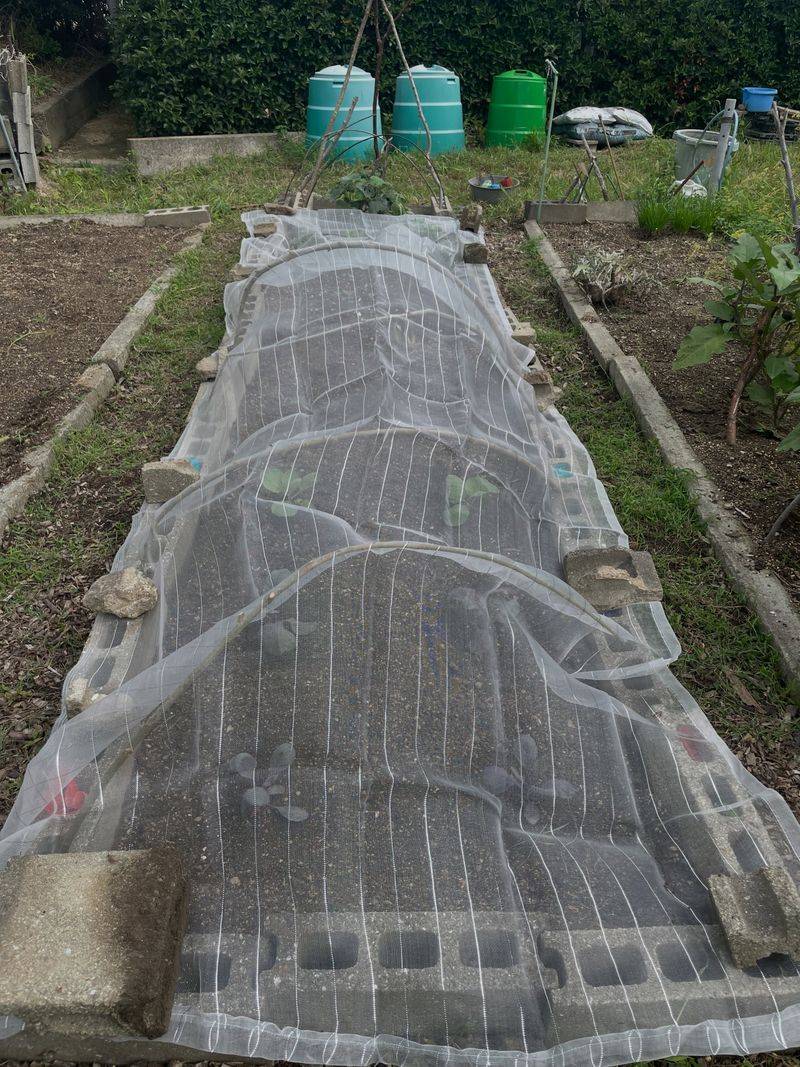
Two problems, one piece of fabric. Lightweight floating row cover softens sunlight slightly while blocking the cabbage worms and harlequin bugs that swarm Georgia gardens in September.
Weight is the detail to get right. Summer weight cover, around 0.5 ounces per square yard, transmits roughly 85 percent of light and adds barely any heat underneath.
Avoid the heavier frost fabrics for now. Those trap warmth beautifully in January and turn a September bed into a sauna.
Support the fabric on hoops rather than letting it rest on foliage. Direct contact lets moths lay eggs right through the material where it touches leaves.
Seal the edges well. Soil, sandbags, or landscape staples all around the perimeter keep flea beetles from wandering in at ground level.
Brassicas, greens, and root crops do not need pollinators, so covers can stay on from planting straight through harvest. That makes fall the easiest season to use them.
Peek underneath weekly anyway. Aphids occasionally sneak in on transplants, and a covered bed can hide a growing colony for a surprisingly long time.
Rotation still counts. Covering a bed where brassicas grew last fall may trap overwintered pests underneath with your new crop.
Come late November, swap the light fabric for a heavier one. The hoops are already in place, and the same structure that shielded your seedlings from sun now guards them through a cold snap.
8. Pick Heat-Tolerant Varieties Bred For Southern Gardens
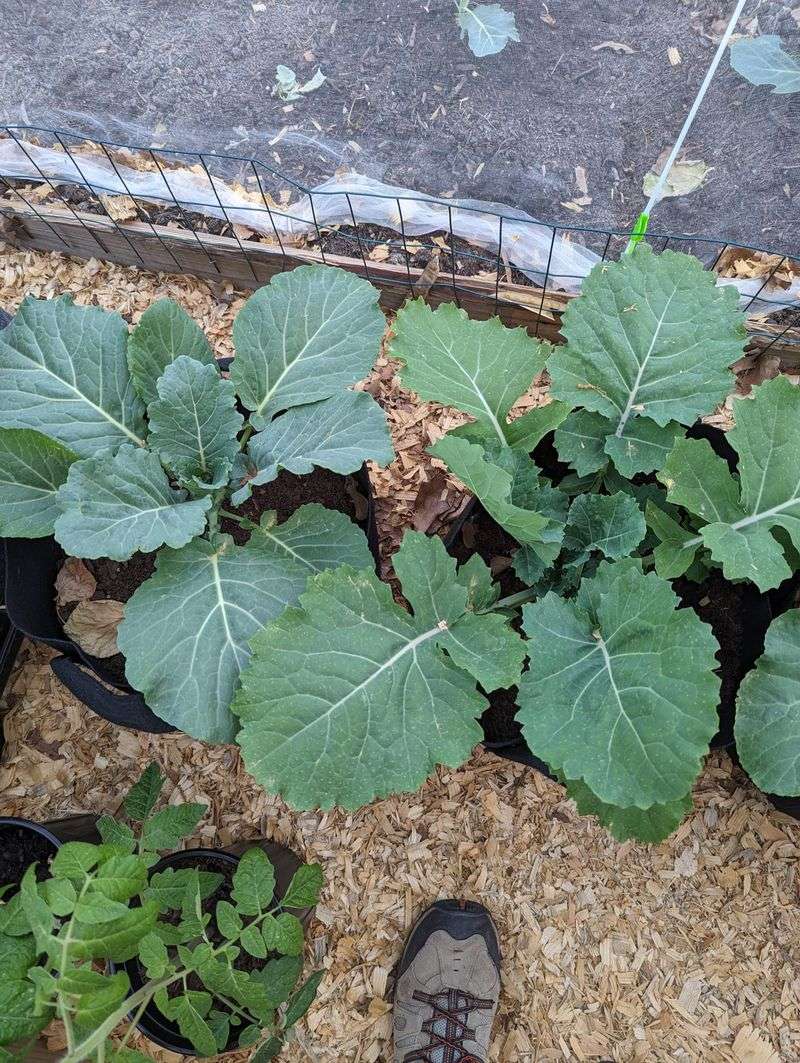
Genetics do a surprising amount of the heavy lifting. A variety bred for Oregon autumns will sulk in Georgia, while one developed for southern heat shrugs off the same conditions.
Collards are the regional champion. Georgia Southern and Morris Heading handle September heat with almost comical ease and keep producing into winter.
For lettuce, look toward Jericho, Nevada, or Muir. All three resist bolting and stay sweet when nights refuse to cool down.
Kale offers options too. Red Russian tolerates warmth better than many curly types, and Lacinato holds up well once nights dip into the sixties.
Broccoli growers should favor shorter maturity numbers. Something ready in 55 to 65 days slips into that narrow window between summer heat and hard frost.
Spinach is the tricky one. Consider swapping in Malabar spinach through September, then sowing true spinach in October when soil finally cools below 70 degrees.
Seed catalogs from southern companies are worth browsing. Descriptions mentioning bolt resistance or southern trials usually reflect real testing in conditions like ours.
Days to maturity deserve a second look. Count forward from your planting date to make sure harvest arrives before the first frost, typically early to mid November across much of the state.
Keep notes each year on what thrived. After two or three seasons you will have a personal shortlist tuned to your yard, which beats any catalog description ever written.