Here’s How Ohio Gardeners Can Grow Their Own Ginger From A Store-Bought Root
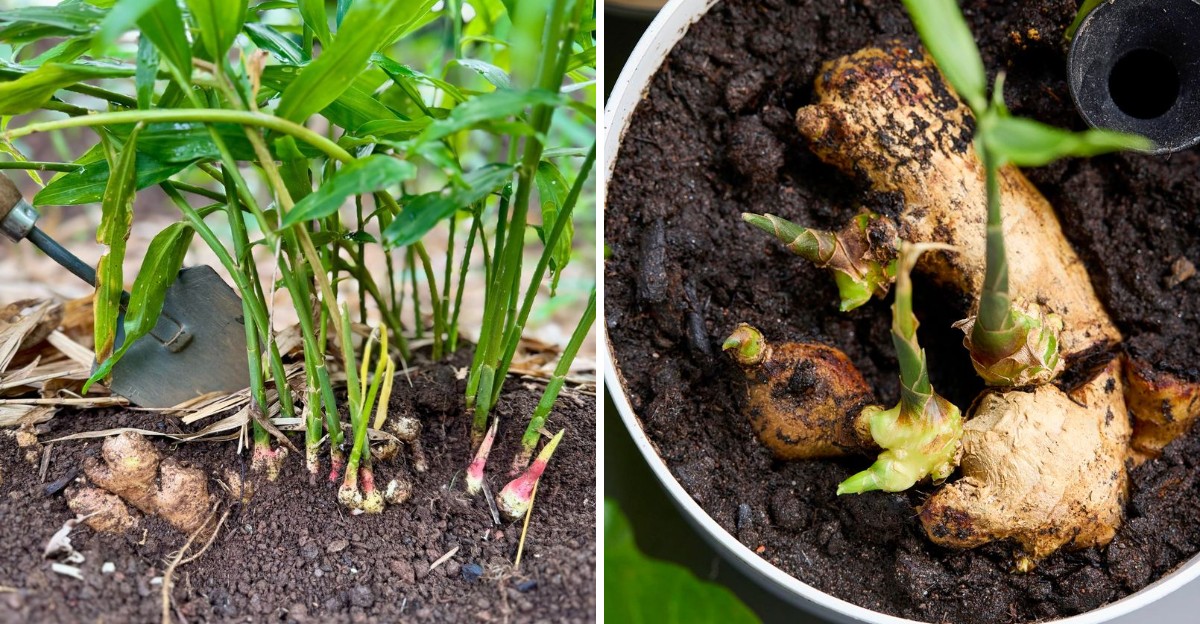
That lumpy root sitting in the grocery produce bin is a living plant, and it can sprout leaves taller than your knees. Most shoppers toss it in a stir-fry and move on. I did too, for years.
Truth is, this tropical crop comes from steamy parts of Asia and can’t handle frost. It needs about eight to ten months of warmth to fully mature. Ohio gives you maybe five frost-free months, which sounds like a deal breaker.
I learned the hard way that cold soil turns hopeful knobs into mush. Then I tried a pot, a sunny window, and a late winter start. The leaves popped up like skinny bamboo, and my kitchen smelled faintly spicy that spring.
Not going to lie, the first fresh harvest surprised me with pink-tinged tips and a juicy bite. So why does a supermarket root grow so willingly with a little patience?
That Knobby Grocery Store Ginger Root Is Already Alive
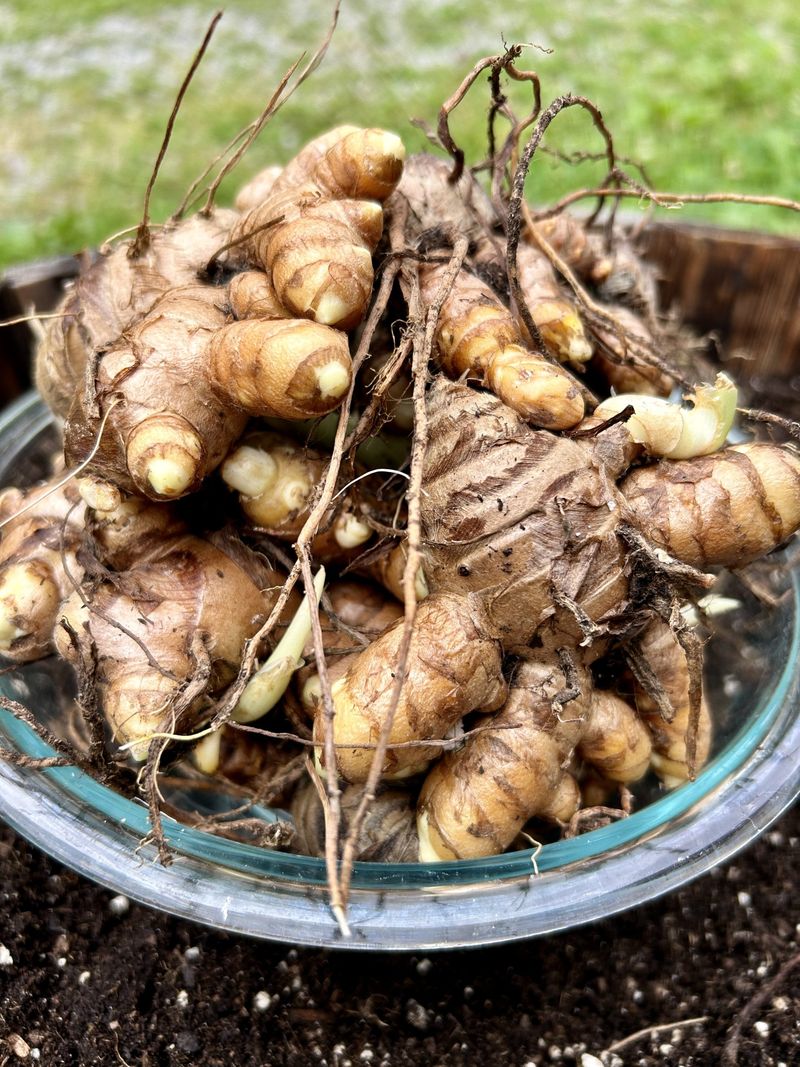
Turn a piece of fresh ginger over in your hand and look closely. Those tiny pale bumps near the tips are growth buds, often called eyes, and each one can become a leafy shoot.
Ginger is a rhizome, which is a swollen underground stem rather than a true root. It stores food and energy so new shoots can grow when conditions turn warm and moist. In other words, the piece you bought for dinner is basically a sleeping plant waiting for a wake-up call.
Fair warning, some conventional ginger gets treated to slow sprouting on store shelves. Organic ginger is usually a safer pick because growers are less likely to use those treatments. Farmers markets and Asian grocery stores can be great places to find fresh, plump pieces too.
Skip anything shriveled, soft, moldy, or dry and papery. You want firm, heavy chunks with smooth skin and several visible buds. A piece about the length of your thumb with two or three eyes is plenty to start one pot.
Here is a fun bit of trivia. The ginger plant belongs to the same family as turmeric and cardamom, so your grocery root has some tasty relatives in the spice cabinet.
Soak And Cut Your Ginger Pieces Before Planting
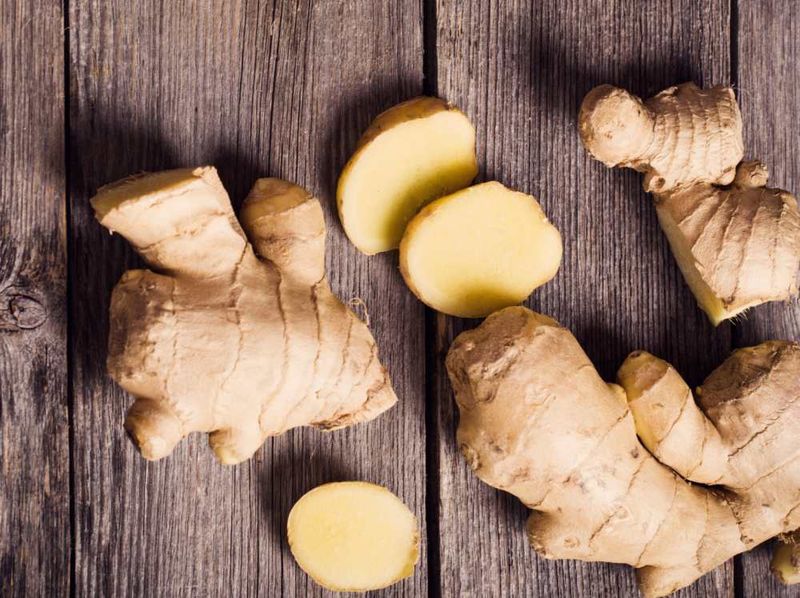
A little prep work goes a long way with ginger. Start by soaking your rhizome in a bowl of lukewarm water overnight, or for up to 24 hours. The soak rehydrates the root and may rinse off some sprout-slowing residue.
Next, grab a clean, sharp knife. Cut larger pieces into sections about one to two inches long, making sure each one has at least one or two healthy buds. Smaller pieces can work, but bigger chunks hold more stored energy for a stronger start.
Now comes the step impatient gardeners skip. Let the cut pieces sit on a paper towel for a day or two until the cut ends dry and form a light callus. That dry skin helps reduce the chance of rot once the pieces meet damp soil.
I’m the first to admit I once planted fresh-cut pieces straight from the knife. Half of them turned soft within weeks. The callused batch I tried the next year sprouted far more reliably.
Some gardeners also pre-sprout pieces in a warm spot before planting. Either way, keep the pieces somewhere warm and out of direct sun while they dry.
Late Winter Is When Ohio Ginger Pots Should Get Started
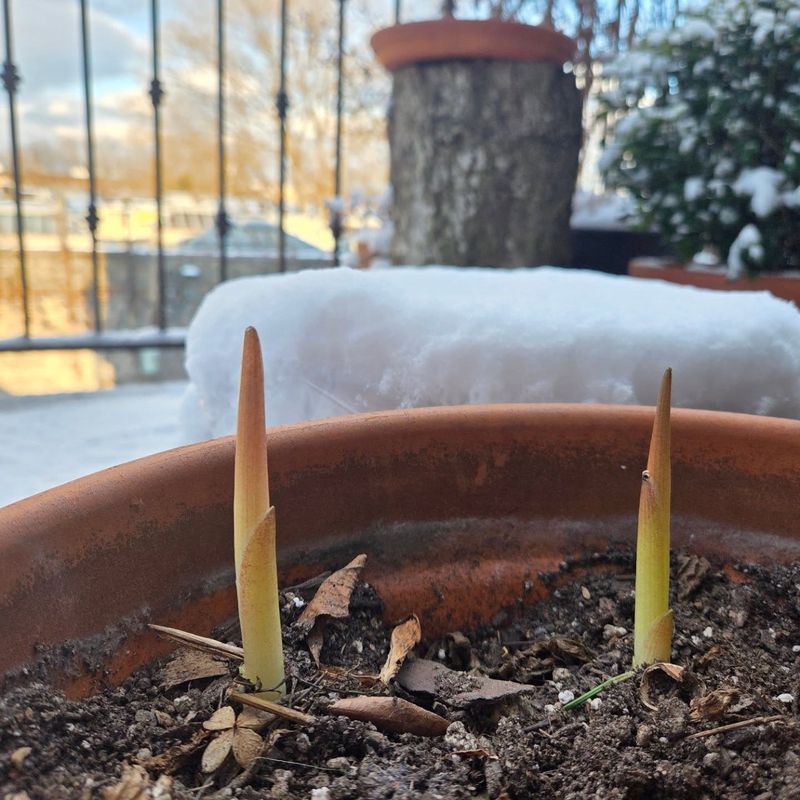
Timing is the real secret for growing ginger in a place with cold winters. Because the plant needs roughly eight to ten months to reach full size, Ohio gardeners do best starting pots indoors in late winter, around February or early March.
Choose a wide, shallow container rather than a tall one. Ginger spreads sideways as it grows, so a pot or grow bag at least 12 inches across gives the rhizomes room to stretch. Drainage holes are a must.
Fill it with a loose potting mix blended with some compost. Set your pieces one to two inches deep with the buds pointing up, then water lightly. Too much water before shoots appear is a common reason pieces rot.
Warmth speeds everything up. Ginger sprouts best when soil stays around 70 to 80 degrees, so a seedling heat mat or the top of a warm appliance can help. Even then, be patient, because the first green spear can take three to eight weeks to appear.
Don’t panic if nothing happens for a while. Keep the soil barely damp, check for firmness now and then, and wait for that pointy shoot to break through.
Leafy Ginger Plants Love A Summer Patio Vacation
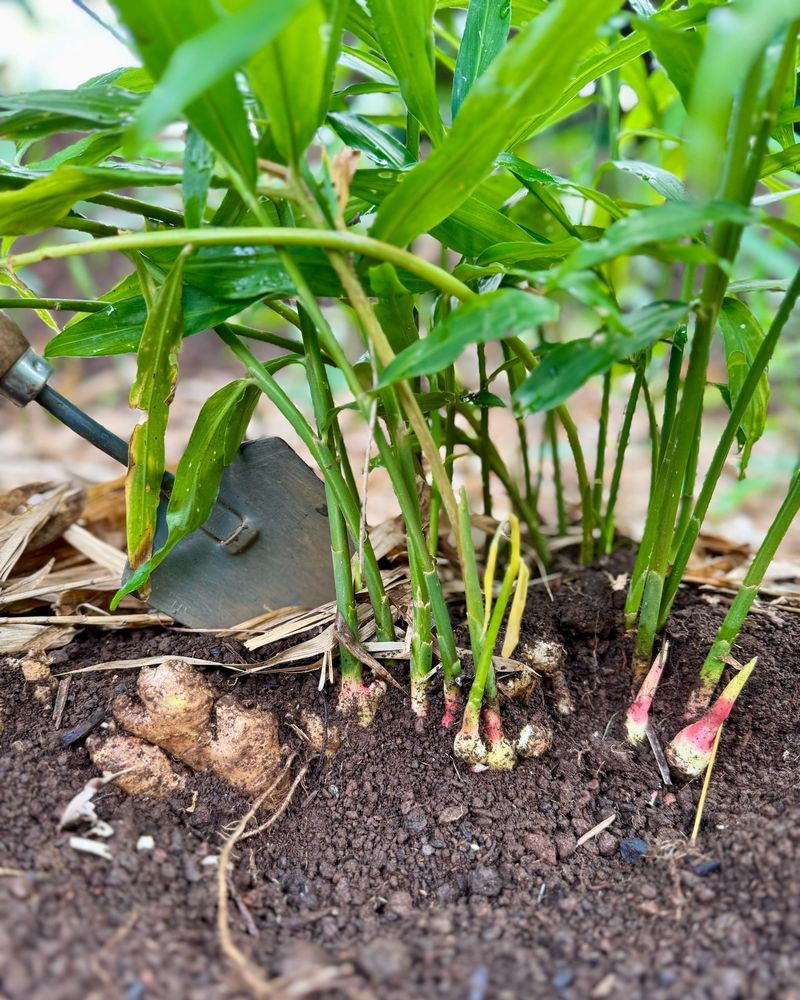
Once those bamboo-like stalks get going, your plant will be begging for fresh air. Wait until nights stay above about 55 degrees before moving it outside. In much of Ohio that means late May or early June, and northern areas near Lake Erie may run a bit later.
Ease the transition over a week or so. Start with a few hours in shade, then slowly add more time outdoors. This hardening off keeps leaves from scorching or getting shocked by wind.
Ginger enjoys bright light but not harsh afternoon sun. A spot with morning sun and afternoon shade, or filtered light under a tree, keeps the foliage green and happy. Too much hot sun can bleach or brown the leaf edges.
Keep your pot near the house where you’ll see it often. Containers dry out fast in July heat, and a plant you walk past daily gets checked more often.
Here’s what gets me every year. By August a single grocery root can turn into a clump of stems two to three feet tall. Guests usually guess it’s an ornamental plant, and I love telling them what’s growing underneath.
Thirsty Ginger Leaves Tell You When To Water And Feed
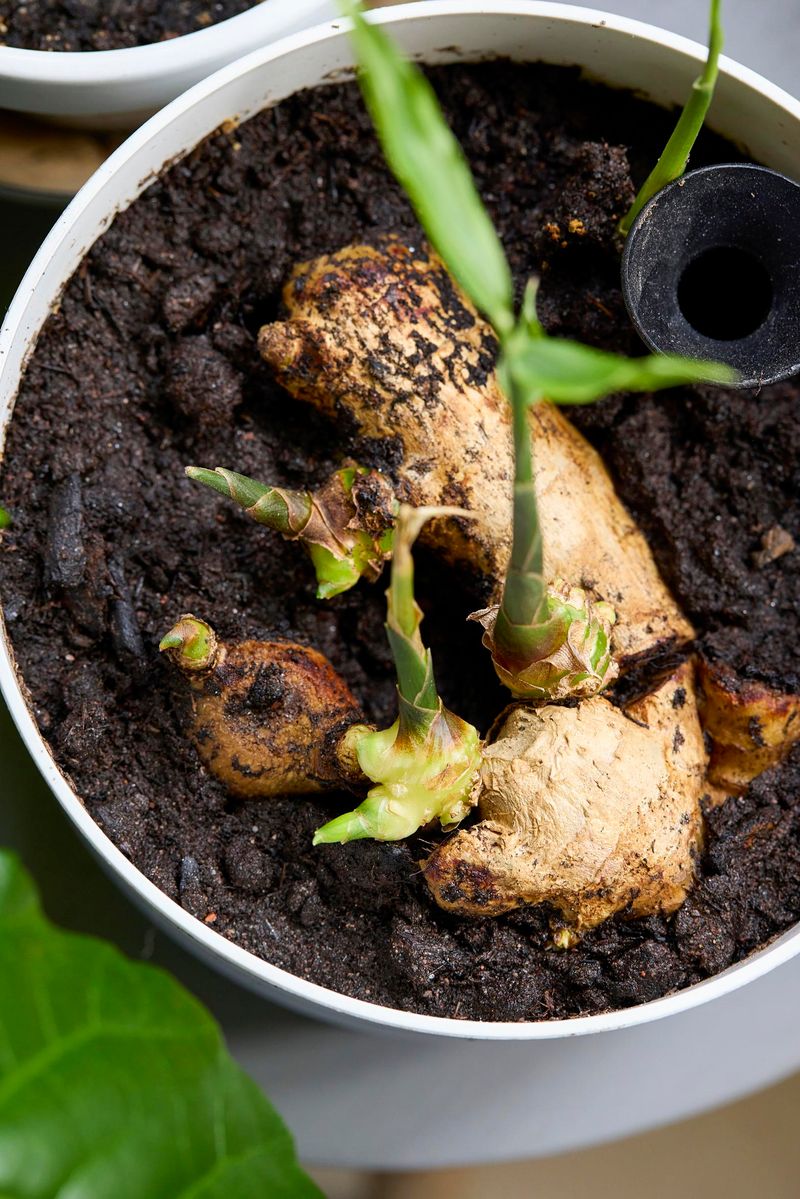
Ginger grows in humid tropical forests, so it likes steady moisture. The trick is keeping soil evenly damp without letting it turn soggy. Stick a finger an inch into the mix, and water when it feels dry at that depth.
During the hottest weeks of summer, pots may need water every day. Brown, crispy leaf tips usually mean the plant went thirsty. Yellowing leaves with wet, sour-smelling soil point the other way, toward too much water and poor drainage.
Feeding matters too, since ginger is a heavy feeder in containers. A balanced liquid fertilizer every two to four weeks during active growth keeps stems sturdy and rhizomes swelling. A top dressing of compost in midsummer adds a nice boost.
Mulching the pot surface with shredded leaves or straw helps hold moisture in. It also keeps the shallow rhizomes cooler on scorching afternoons.
Pests are rarely a big problem outdoors, though spider mites can show up in dry heat. Rinsing the leaves with a hose now and then helps discourage them. Grouping pots together also raises humidity around the plants, which ginger seems to appreciate.
Tender Pink Baby Ginger Is Worth Digging Early
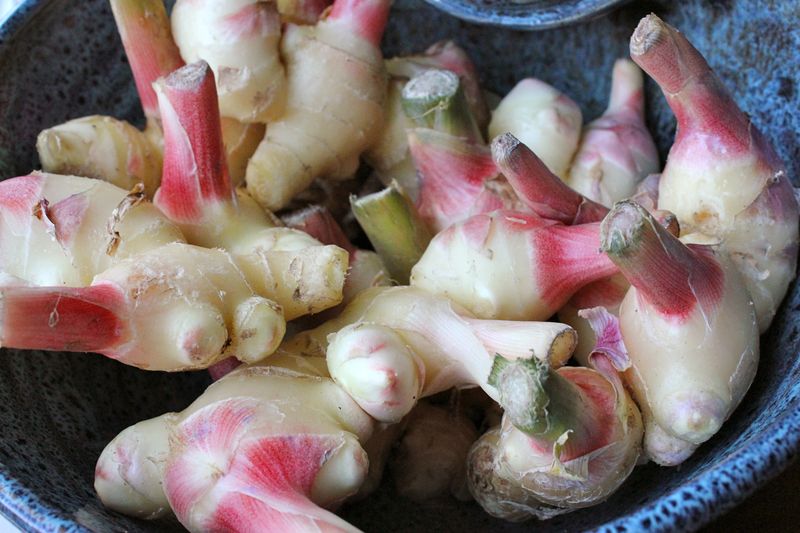
Grocery shoppers rarely get to taste this treat. Young ginger, often called baby ginger, has thin cream-colored skin and lovely pink tips where the stems join the rhizome.
You can start sneaking pieces after about four to six months of growth. For a late winter start, that often lands in late summer. Gently brush soil away at the edge of the pot and snap off a section, leaving the main plant to keep growing.
The flavor is milder and juicier than mature ginger, with almost no stringy fibers. No peeling needed either. Slice it thin for pickled ginger, stir it into tea, or grate it over fish and vegetables.
Trust me on this one, the smell when you break a fresh piece is unforgettable. Bright, citrusy, and peppery all at once.
Baby ginger does not store as long as the tough, mature kind. Keep it in the refrigerator wrapped in a paper towel and use it within a couple of weeks. You can also freeze small pieces whole, then grate them straight from the freezer whenever a recipe calls for a zingy kick.
Bring Potted Ginger Indoors Before Ohio Nights Turn Chilly
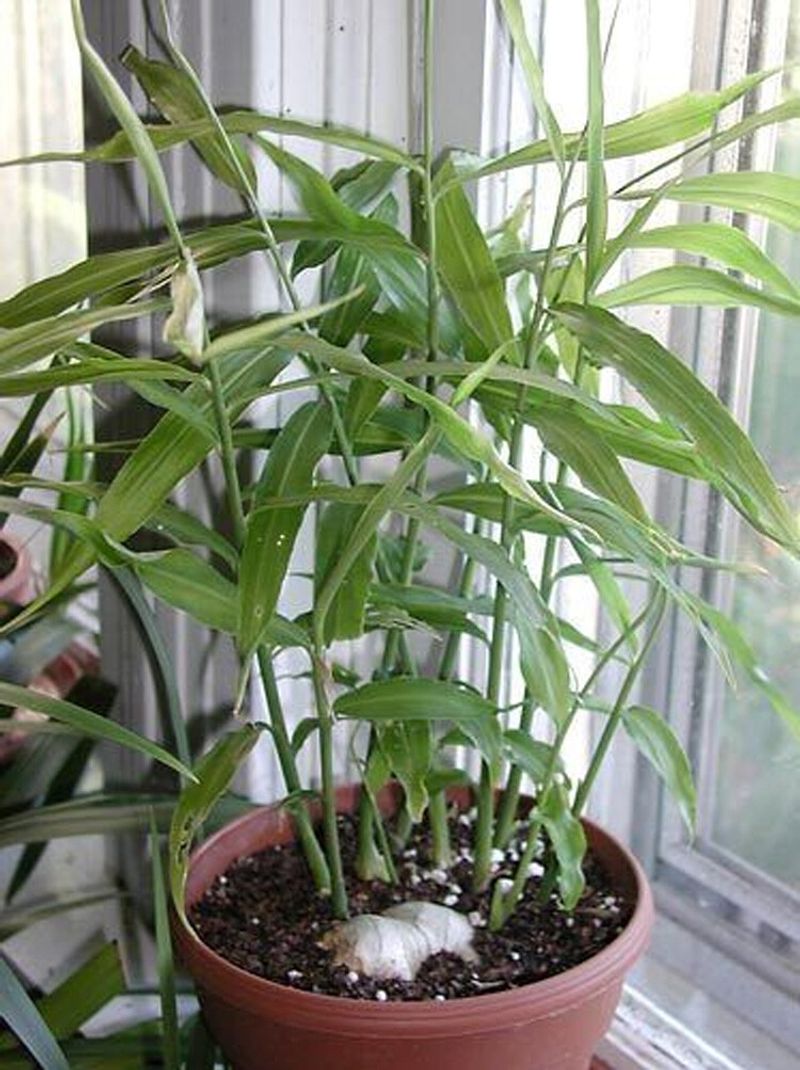
Ginger has zero tolerance for frost. Once fall nights start dipping toward 50 degrees, usually in September across Ohio, it’s time to haul the pot back inside or plan your main harvest.
Cool temperatures slow growth and push the plant toward dormancy. A light frost can blacken the leaves overnight, and cold, wet soil invites rot in the rhizomes below. Watching the forecast closely in early fall saves a lot of heartache.
You have two good choices. Harvest the whole clump right away, or move the pot indoors near a bright window so the rhizomes keep bulking up for a few more weeks.
Indoors, cut back on watering as growth slows. Many gardeners wait until the leaves yellow and flop over before digging. That’s a sign the plant has packed its energy underground.
Tip the pot out onto a tarp and loosen the soil with your hands. Mature rhizomes have tougher tan skin and a stronger, spicier bite. Rinse, let them dry, and store some in the fridge or freezer for cooking all winter long.
Save A Few Homegrown Ginger Rhizomes For Next Spring
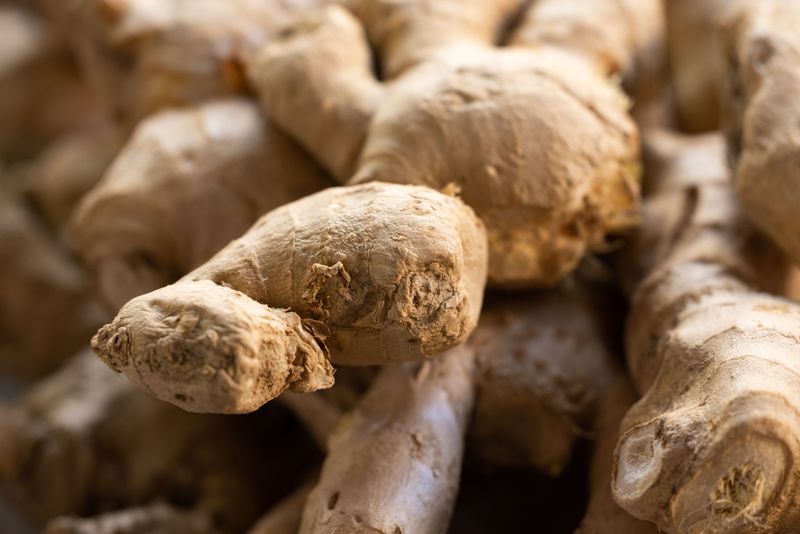
Every harvest hides next year’s crop. Set aside a few of your best rhizomes, the plump, firm ones with healthy buds, and you may never need to buy planting stock again.
Store these keepers somewhere cool but not cold, ideally around 55 to 60 degrees. A basement shelf or interior closet works well. Check them every few weeks and remove any pieces that turn soft or moldy.
Another option is to leave a portion growing in its pot through winter. Cut back on water, let it rest in a cool room, and wake it up with warmth in late winter. Some gardeners grow ginger year-round as a houseplant near a bright window.
I used to think one harvest was the end of the adventure. Then I realized each saved knob is a head start on the next season.
Take notes as you go, too. Jot down your planting date, when shoots appeared, and how big the harvest was. Those little records help you fine-tune timing for your corner of Ohio. Before long, that single grocery store root could turn into a yearly tradition you share with friends.