Georgia Citrus Growers Are Using This Trick Before The First Cold Snap
Cold weather can catch a citrus tree at the worst possible moment, especially when tender growth is still exposed. Waiting until frost is already expected can leave you rushing.
That is why experienced citrus growers start thinking about protection while the weather is still comfortable.
Georgia sits near the edge of easy citrus growing, so a sudden cold snap deserves real attention. Even hardy varieties can benefit when you prepare before temperatures drop sharply.
One simple trick can make that preparation much easier when colder nights finally arrive.
It does not require changing your entire fall routine or fussing over the tree every evening. The key is getting ready early enough to act when the forecast changes.
Prepare now, and you will know exactly what to do when that first chilly night appears.
1. Cold Weather Can Be Hardest On Young Citrus Trees
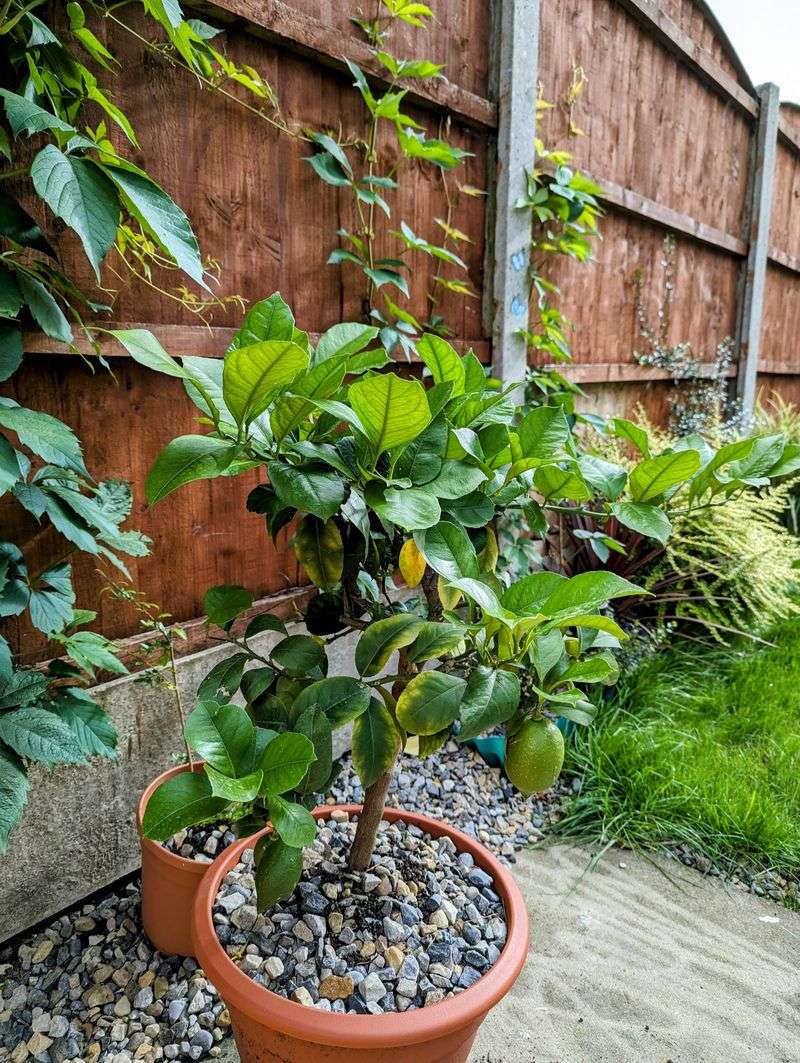
A three-year-old satsuma and a fifteen-year-old satsuma do not handle the same night the same way. Bark thickness and root depth make the difference.
Young trees carry thin bark and shallow roots. Both of those traits leave them exposed when temperatures slide into the twenties.
Older citrus has stored energy in a wide trunk and a deep root system, so a rough night usually costs it leaves rather than structure.
Growers across south Georgia tend to treat anything under four years old as a tree that still needs help every winter.
Container citrus falls into the same category. Roots in a pot sit above ground, and pot walls do little to hold warmth once the wind picks up.
Watch the soil moisture in the days before a front arrives. Moist ground holds daytime heat better than dry, cracked soil, though it will not replace a cover on a hard freeze night.
Mulch helps too, but keep it a few inches back from the trunk so bark stays dry.
Damage often shows up slowly. Leaves curl, then drop, and split bark may not appear until weeks later.
Give young trees a season or two of steady protection and they usually toughen up. Most growers find the workload drops sharply once a tree passes its fourth or fifth winter.
2. Protecting The Lower Trunk Can Make A Big Difference
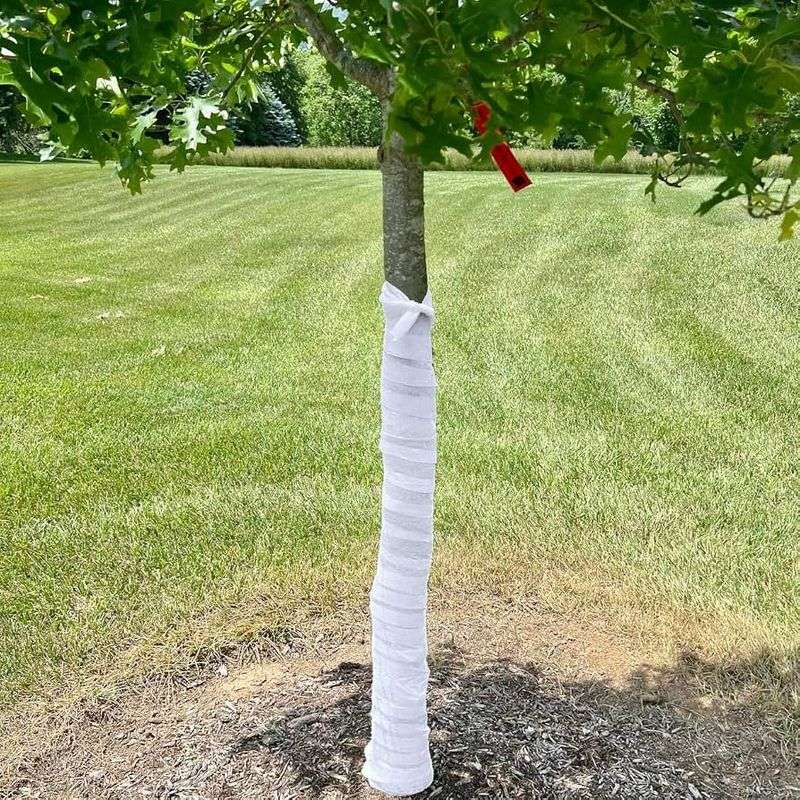
Ask any grower who has lost a top and kept a trunk. That lower two feet of wood decides whether the tree comes back or starts over.
Buds hidden under the bark near the base can push new growth in spring. Lose that section and there is nothing left to rebuild from.
Foam pipe insulation works well here. Split it lengthwise, slip it around the trunk, and tape the seam loosely so air can still move on warm days.
Burlap, old towels, or commercial tree wrap all do a similar job. Whatever you pick, keep it dry, because soaked material pulls heat away instead of holding it.
Some folks in the coastal plain of Georgia mound loose soil around the base each November and rake it away in March.
Your Georgia Garden Changes Every Week. Your Plan Should Too.
Gardening in Georgia changes quickly throughout the season. Every Friday you’ll receive a simple weekly plan showing exactly what to plant, prune, fertilize, harvest, and protect so you never miss the right timing.
Mounding works, but it can trap moisture against the bark if left too long. Set a reminder to remove it once nights stay above freezing.
Plastic alone is a poor choice against bark. Condensation builds under it and can make things worse.
Check wraps after heavy rain. A sagging, waterlogged wrap offers almost nothing on the night you actually need it.
Simple materials, checked twice a season, usually carry a tree through the coldest weeks without any real drama.
3. Young Trees Need More Protection Than Mature Citrus
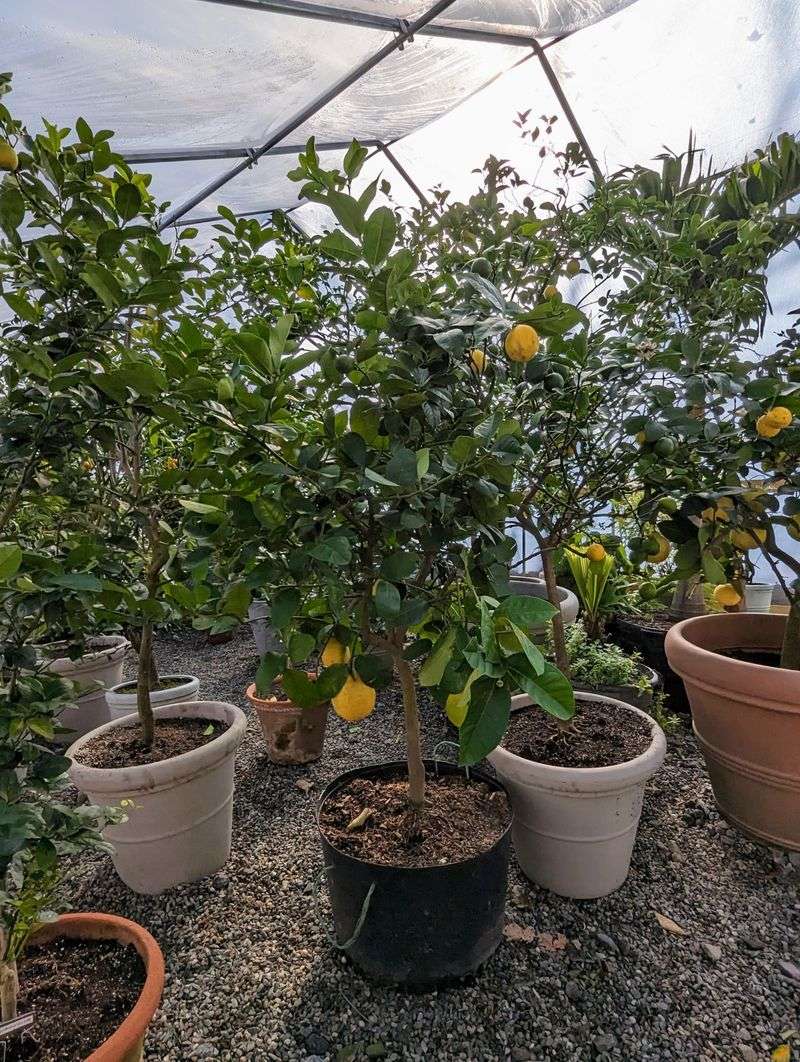
Not every tree in the row deserves the same effort. Spreading protection evenly usually means the trees that need it most get shortchanged.
Mature citrus with a thick trunk and a full canopy shelters itself to a degree. Inner branches stay a little warmer than the outer edge.
A young whip has none of that. Every inch of it sits exposed to open sky and moving air.
Growers in the Vidalia and Valdosta areas often cover only their newest plantings and let established trees ride out mild fronts uncovered.
That approach saves hours. It also saves covers, which tend to be in short supply when a freeze warning hits on a Friday night.
Age is not the only factor. A tree that was transplanted late in the season, pruned hard, or stressed by drought will react more like a young tree.
Keep notes on which trees struggled last winter. Those are the ones to prioritize this year.
Fruit load matters as well. Heavy fruit on a small tree pulls energy that would otherwise go into hardening wood.
Thinning fruit on a young tree feels wrong in October. Come February, most growers are glad they did it.
Focused effort beats scattered effort almost every time.
4. The Cover Should Reach All The Way To The Ground
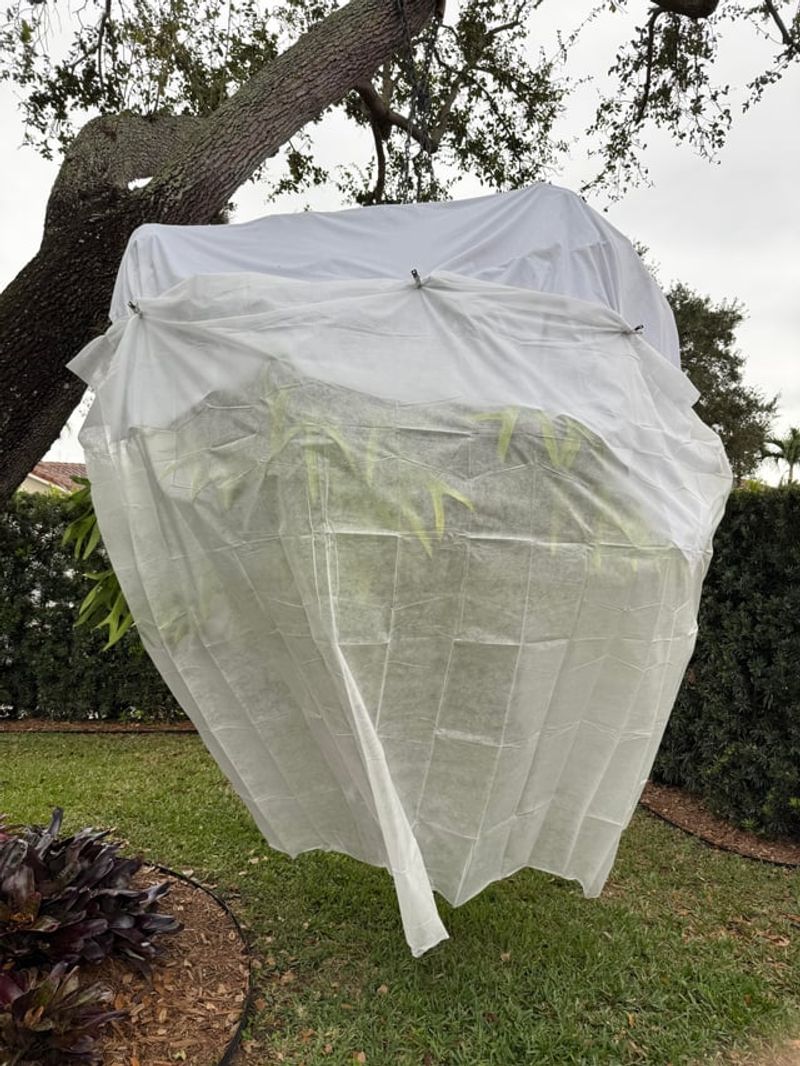
Heat rises from soil, not from branches. A cover that stops halfway down the tree lets all of it escape.
Think of the blanket as a tent, not a hat. The goal is trapping warmth that the ground releases after sunset.
Drape the fabric over the canopy and let the edges rest flat on the soil. Weigh them down with bricks, sandbags, or landscape staples.
Gaps at the bottom act like chimneys. Even a small opening will bleed warm air out in a steady breeze.
Frost cloth, moving blankets, and old comforters all work. Sheets help on a light frost but offer limited protection during a hard freeze.
A few stakes or a tomato cage keeps fabric off the leaves. Contact points tend to show the worst burn.
Cover in the late afternoon while the ground still holds heat from the day.
Pull covers off the next morning once air temperatures climb above freezing. Leaving them on for days can cook new growth on a sunny afternoon.
Growers in Georgia often keep a stack of pre-cut covers labeled by tree size, which turns a two-hour job into twenty minutes.
Small preparation like that matters most when the front arrives faster than forecast.
5. Protecting The Graft Area Is Especially Important
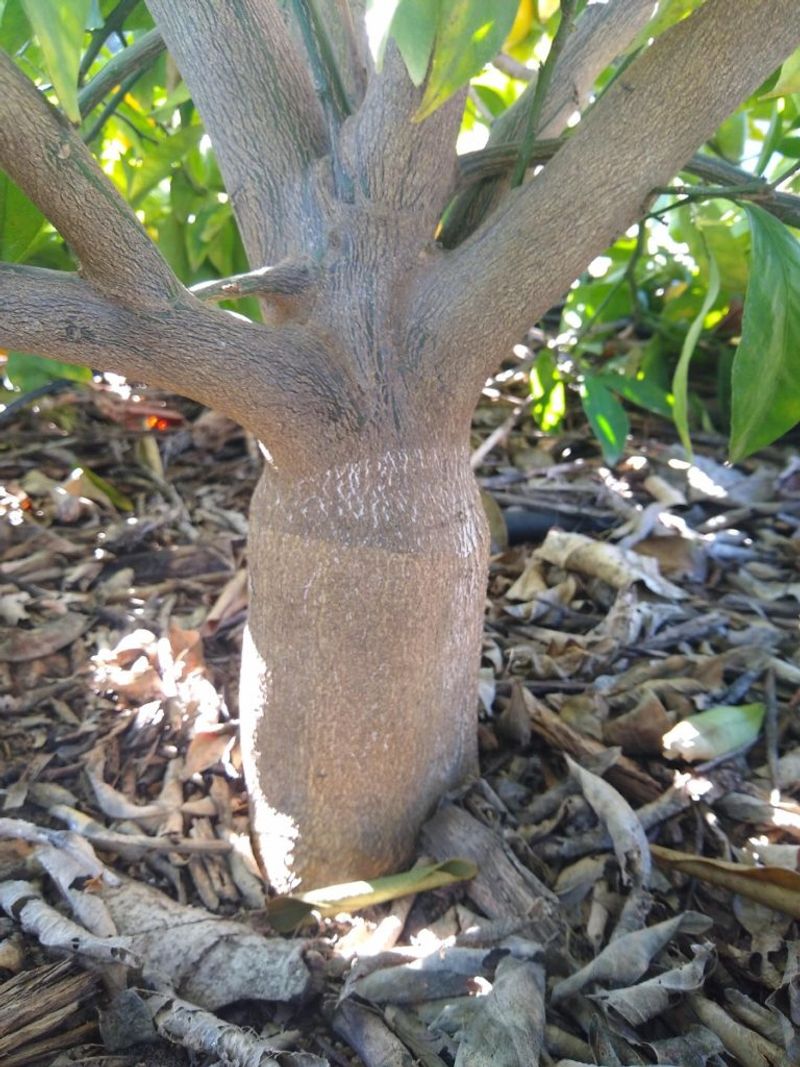
One knobby spot on the trunk holds the whole variety. Lose it, and whatever grows back will not be the fruit you planted.
Almost all citrus sold in the Southeast is grafted onto hardier rootstock. The bulge sits a few inches above the soil line.
Above that union is your satsuma or kumquat. Below it is rootstock that produces sour, seedy fruit nobody wants.
If cold damages the top but the graft survives, the tree can regrow true to variety. That single fact drives most trunk wrapping.
Find the union before you wrap anything. Run your hand down the trunk and feel for the change in bark texture.
Cover from ground level to several inches above the graft. Extra height costs nothing and buys margin.
Watch for suckers below the union during the growing season. Rub them off early, since they steal energy from the fruiting wood.
Home orchardists across south Georgia sometimes plant the graft a bit higher and bank soil around it each fall.
Keep the wrap breathable. Trapped dampness against a graft can invite rot, which defeats the purpose.
Spring inspection is worth the five minutes. Peel the wrap back, check the bark color, and note anything soft or discolored before growth starts.
6. Late Fertilizer Can Push Tender Growth Before Winter
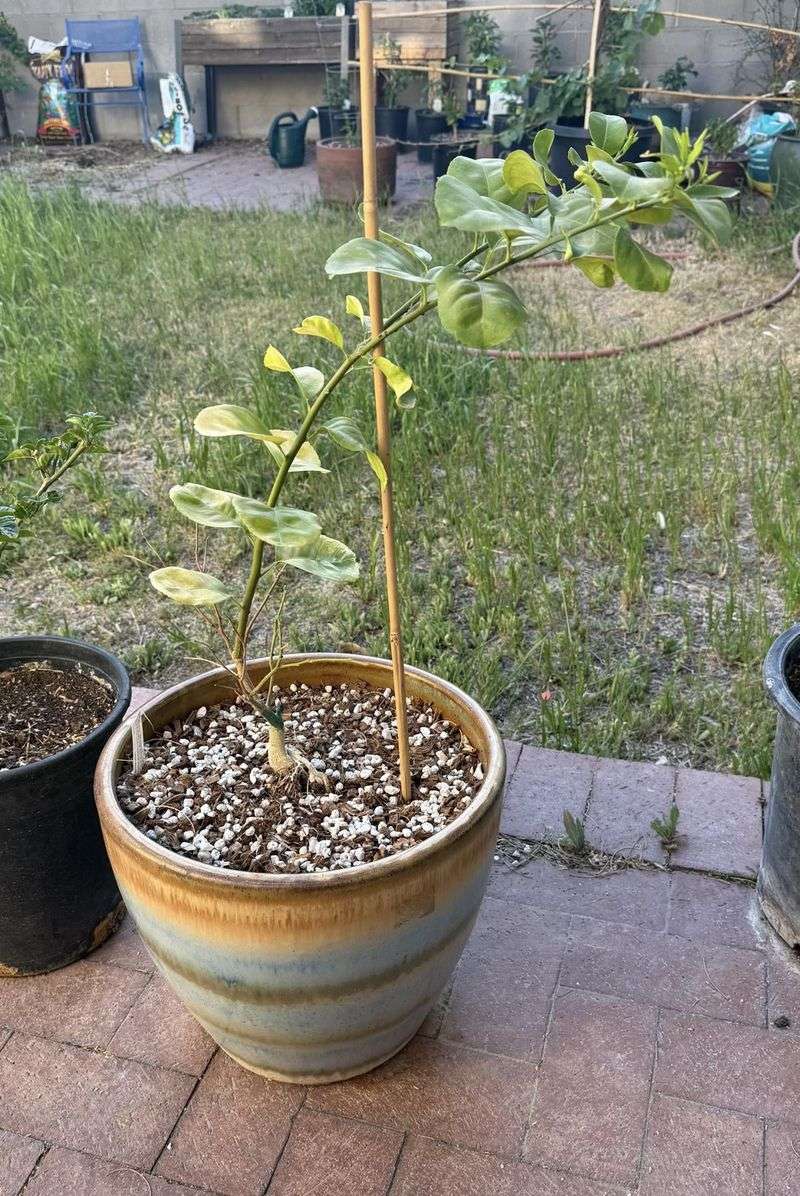
Soft new leaves in November are a warning sign, not a win. Tender growth has almost no cold tolerance.
Nitrogen applied late in the season tells the tree to grow when it should be slowing down.
Most growers in the southern half of Georgia stop feeding citrus by late summer. August is a common cutoff, and some quit in July.
Wood needs weeks of cool weather to harden off. Interrupt that process and even a mild freeze can cause damage.
Look at your tree in October. Deep green, firm leaves suggest it is settling in.
Pale, floppy new shoots suggest it is not.
Heavy fall watering can trigger the same problem. Ease back once temperatures cool, while still preventing the soil from drying out completely.
Compost and manure release nitrogen slowly, so timing matters with those too.
Save your main feeding for early spring, right around bud break. The tree can actually use it then.
Soil type changes how fast nutrients move, so sandy ground may behave differently than heavy clay.
Getting the calendar right costs nothing. It is one of the few adjustments that improves cold tolerance without any materials at all.
7. Cold Protection Should Be Ready Before Temperatures Drop
Freeze warnings rarely arrive at a convenient hour. Preparation done in daylight beats improvisation at ten at night.
Pull your covers out in late October and check them for tears. Mildewed fabric from last year is worth replacing early.
Stack bricks, stakes, and clips near the trees rather than in the back of the shed.
Cut and label wraps by tree. A quick marker note saves guessing when your hands are cold.
Watch the forecast for the week ahead, not just tomorrow. Radiational freezes on clear, still nights often hit harder than the numbers suggest.
Low spots collect cold air. If part of your yard frosts first, treat those trees as the priority.
Water the ground a day or two ahead of a hard freeze if the soil is dry.
Old-style incandescent Christmas lights strung in the canopy add a small amount of warmth under a cover, though LED strands do not.
Growers across Georgia usually run through a short checklist each fall, and most say the routine gets faster every year.
Nothing here guarantees an undamaged tree. What it does is shift the odds, and over several winters that difference shows up clearly in fruit production.