What It Means When You Find Coffee Ground Soil In Your Ohio Garden
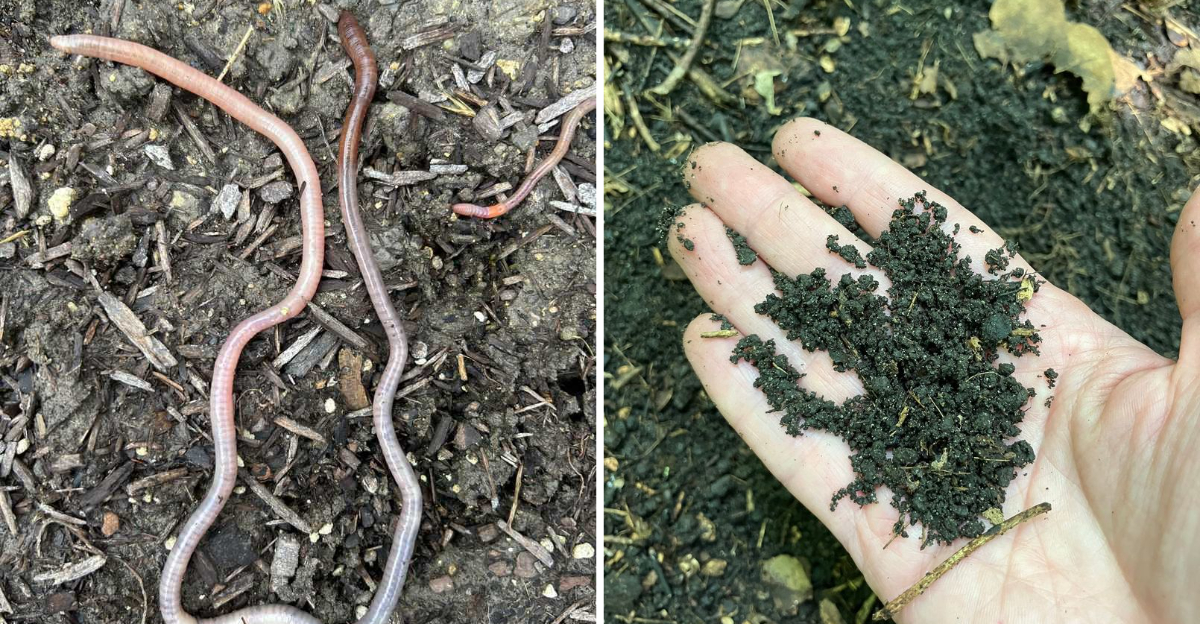
You kneel down to tuck in a marigold and something under your fingers feels wrong. The soil crumbles apart like the leftovers in a coffee filter.
It is dark, loose, and strangely grainy. Water runs straight through it instead of soaking in and staying put.
Ohio gardeners have been noticing this texture more with each passing summer. Mulch disappears early, shallow roots dry out, and hostas look thinner than they did last June.
The change did not come from your compost pile or last season’s fertilizer. Something alive is working just below the surface, and it moves faster than most soil dwellers ever do.
Here’s what creates that gritty layer, and how to protect your beds from it.
Invasive Jumping Worms Behind The Grainy Texture
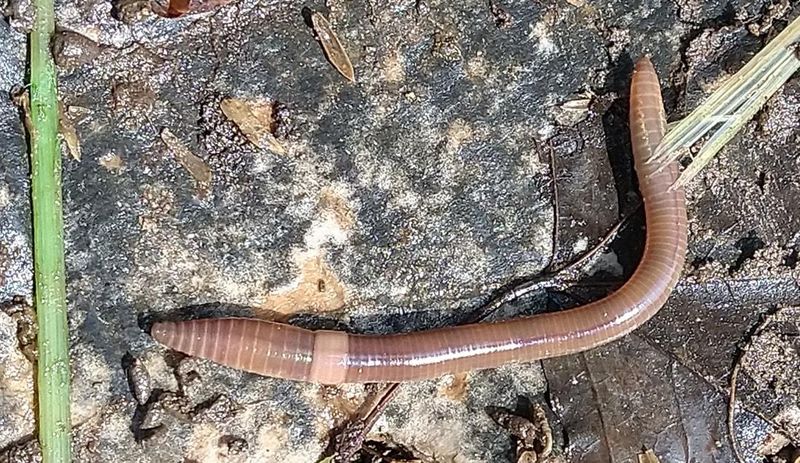
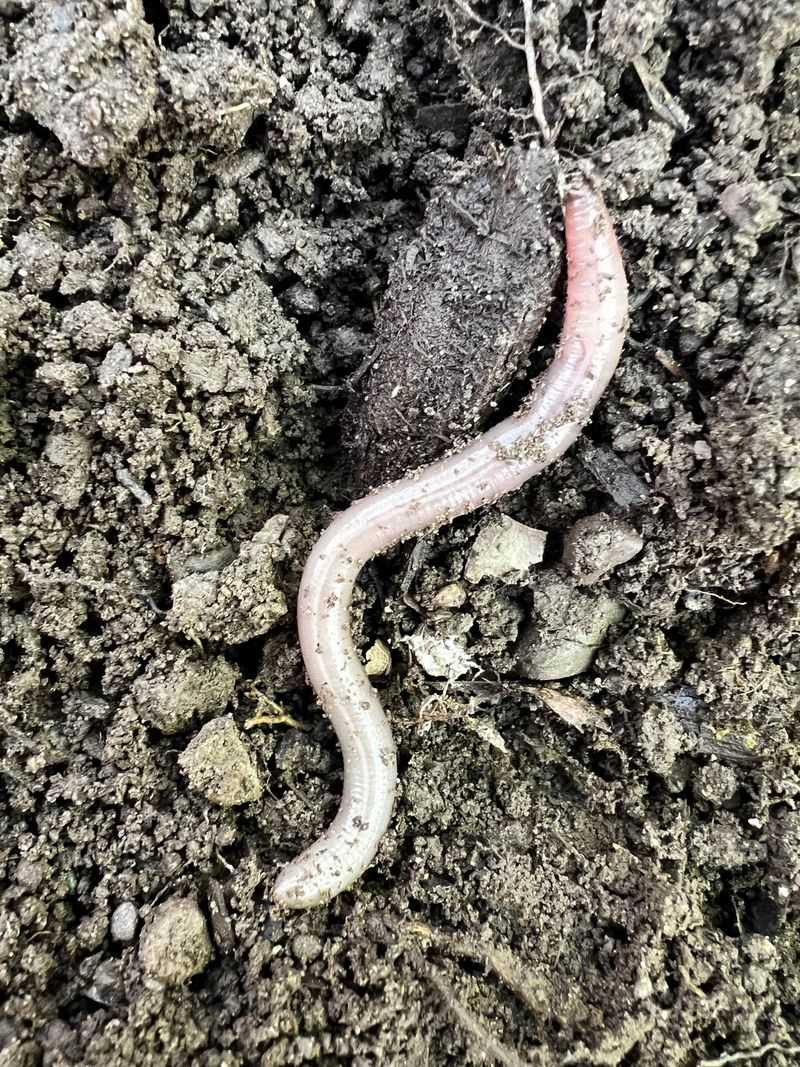
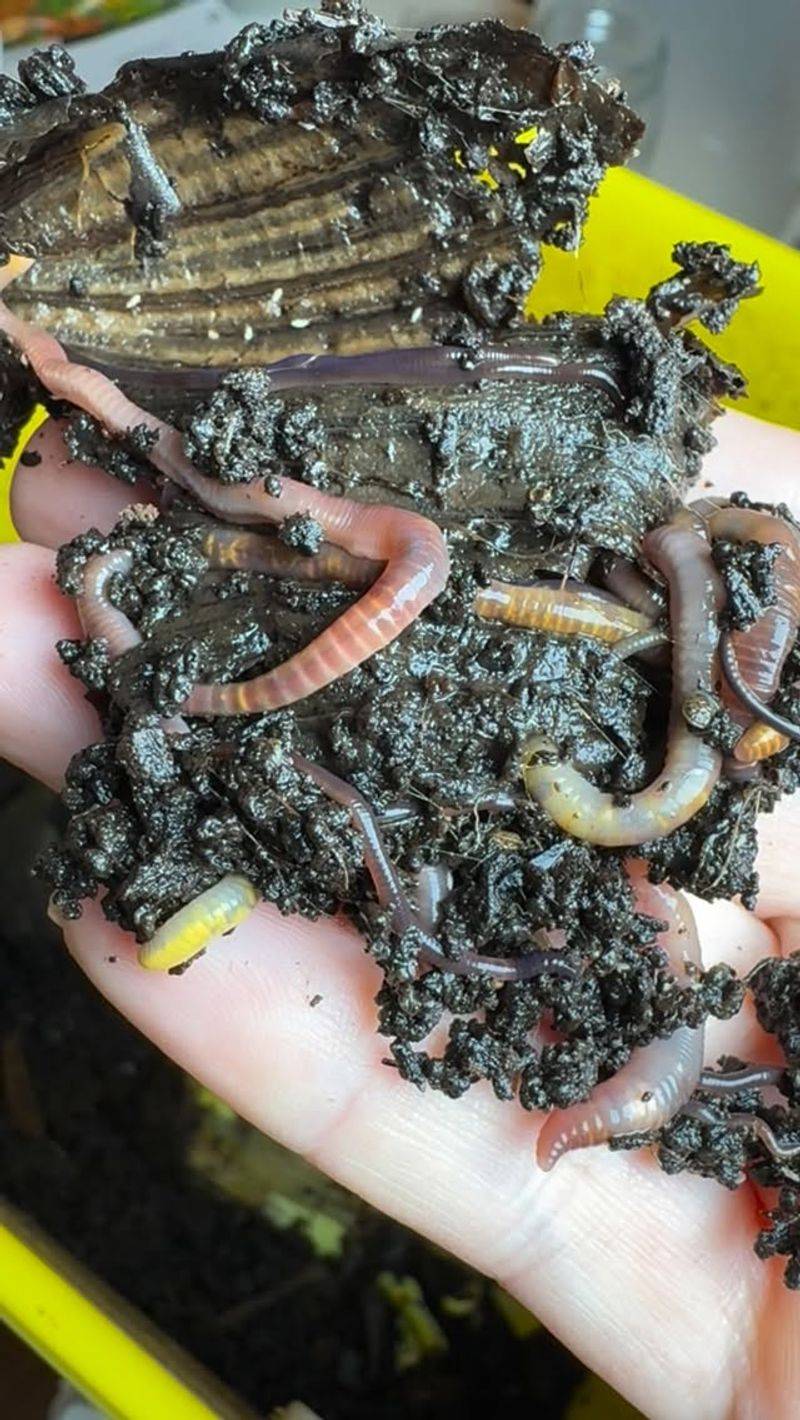
Pull back the mulch in a bed that looks like spilled espresso grounds and you may spot thin worms thrashing like a snake on hot pavement. Those are Amynthas species, known to most gardeners as jumping worms, snake worms, or crazy worms.
They came to North America from East Asia long ago, and confirmed Ohio reports have climbed since 2020. Columbus neighborhoods, Cincinnati parks, and wooded lots around Cleveland have all turned up populations.
Unlike the European nightcrawlers most of us grew up with, jumping worms feed almost entirely in the top few inches. They shred leaf litter and mulch at a startling pace, leaving castings that look exactly like used coffee grounds.
That grainy layer is not rich humus, even though it looks dark and fluffy. It is a pile of loose pellets with almost no structure, so it dries out fast and washes downhill during a heavy Ohio thunderstorm.
Plants notice the change before people do. Shallow rooted perennials wobble in their spots, hostas thin, and young seedlings struggle because the crumbs give roots nothing solid to grip.
Here is a detail worth filing away. Each worm can reproduce without a partner, so one hitchhiker riding in a donated pot can become a whole population by August.
Spotting the culprit early matters far more than perfect identification. Once you know a surface feeder is responsible instead of a deep burrower, every decision you make about mulch, compost, and sharing plants starts to look different.
Telling Jumping Worms Apart From Common Nightcrawlers
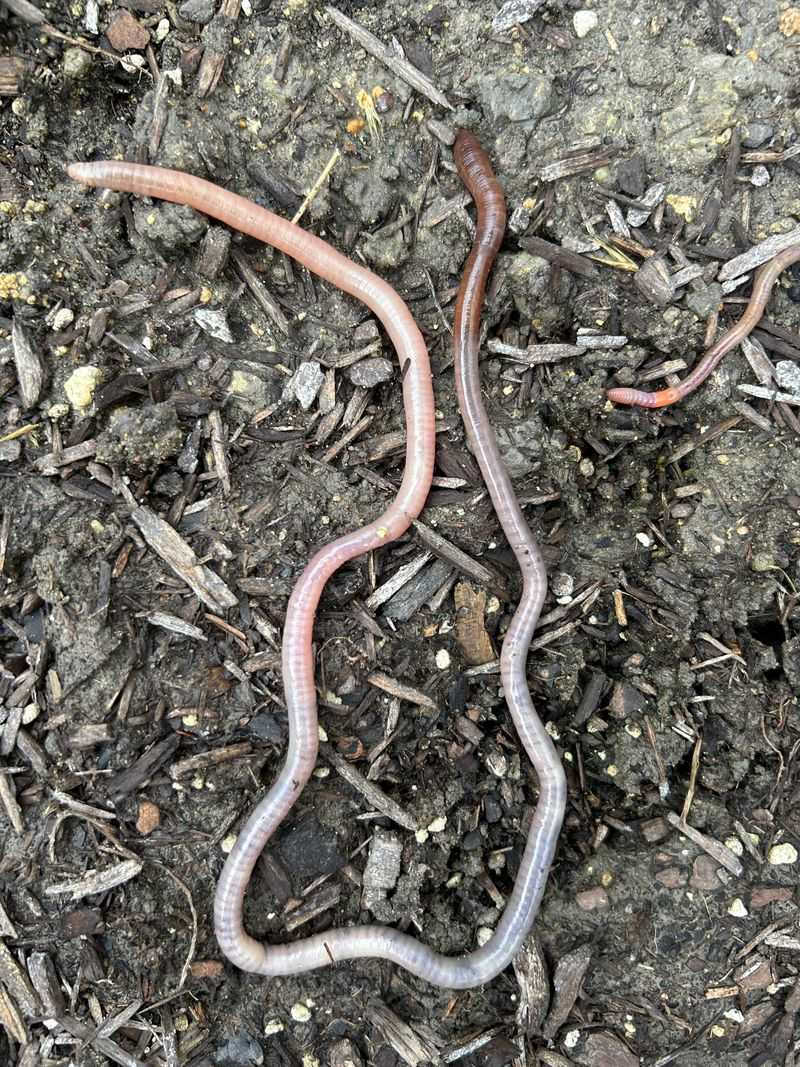
Tap the soil with a stick and watch what happens. A nightcrawler eases away in slow motion, while a jumping worm whips sideways, flips into the air, and sometimes sheds part of its tail.
The clearest clue sits about a third of the way down the body. Jumping worms wear a smooth, milky white band, called a clitellum, that wraps fully around and lies flush with the skin.
Nightcrawlers carry a raised, pinkish saddle that looks puffy and does not circle the body evenly. See the two together once and the difference sticks with you.
Color offers another hint. Jumping worms lean gray brown with a faint metallic sheen in bright sunlight, while nightcrawlers look pinker and slicker.
Where they hang out helps too. Dig eight inches down in an Ohio bed and you may find old nightcrawler tunnels, but jumping worms stay right at the surface under mulch, leaf litter, or a flat stepping stone.
Your Ohio Garden Changes Every Week. Your Plan Should Too.
Gardening in Ohio changes quickly throughout the season. Every Friday you’ll receive a simple weekly plan showing exactly what to plant, prune, fertilize, harvest, and protect so you never miss the right timing.
Size can trick you, since hatchlings look like tiny threads in May and stretch to five or six inches by September. Behavior stays fairly consistent across ages, so the thrashing test remains useful all season.
Snap a clear photo before you jump to conclusions. Ohio State University Extension and the Ohio Department of Natural Resources both accept reports, and a sharp picture of that white band answers the question quickly.
Knowing exactly what lives in your beds keeps you from treating a helpful worm like a troublemaker.
Late Summer Timing In Ohio Flower Beds
April usually looks fine. Cocoons the size of mustard seeds rest in the top inch of soil, waiting for the ground to climb past the low fifties.
Hatching generally starts in late April or May, a bit earlier along the Ohio River than up near Toledo. The hatchlings are so small that most gardeners walk right past them.
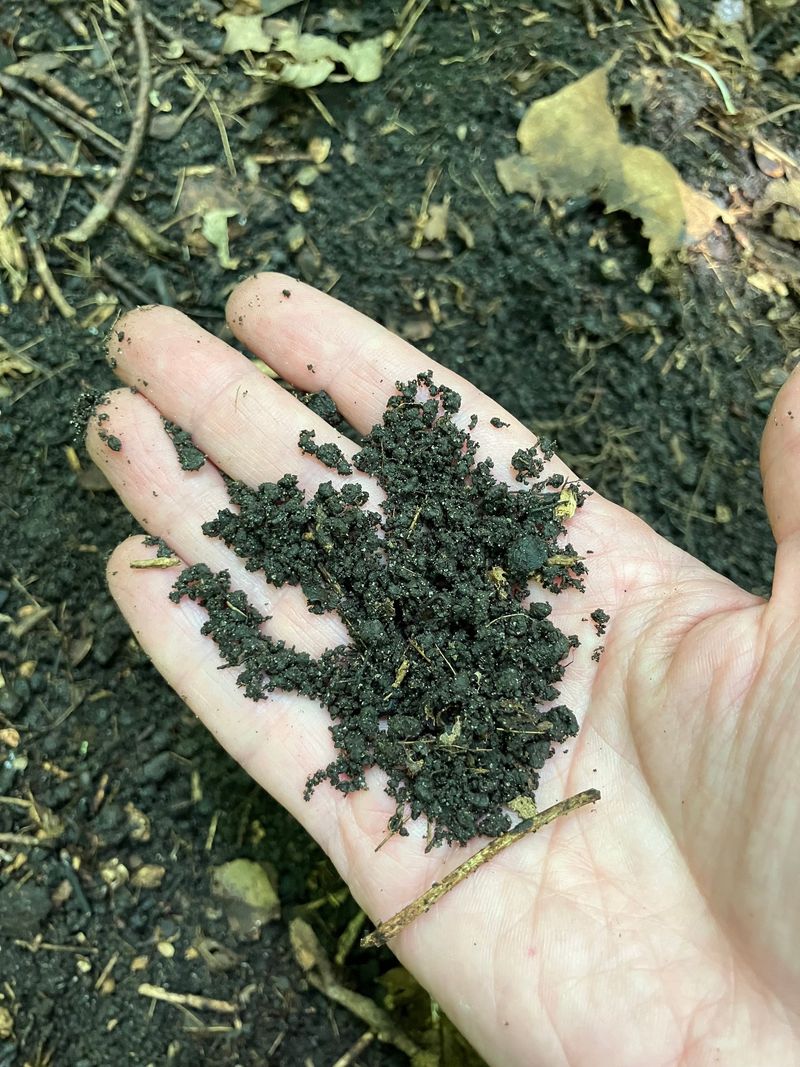
Growth accelerates through June. By the Fourth of July, many beds show their first patches of gritty, granular surface where fluffy mulch used to sit.
August is when the texture becomes impossible to ignore. Entire beds can turn into a loose crumbly carpet, and one square foot may hold dozens of active worms.
September brings peak cocoon production, which explains why autumn cleanup habits carry so much weight. Infested leaves or soil moved in fall can carry next spring’s population right along with them.
Ohio winters end the adult generation, yet the cocoons handle freezing just fine under snow and leaf cover. Come spring, the cycle starts again with no help from anyone.
Marking a calendar turns guesswork into a plan. Check beds in mid June, do your removal work through July and August, and treat mulch, compost, and leaves with extra care once Labor Day passes.
Timing also shapes what you plant. Setting out shallow rooted annuals in a heavily affected bed during peak season rarely ends well, so save those spots for spring plantings or container displays instead.
Shared Mulch, Compost, And Plant Swaps Spread Them
These worms almost never spread on purpose. Almost every new Ohio infestation traces back to something kind, like a shared clump of daylilies or a truckload of bargain mulch.
Potted perennials are the biggest culprit. Cocoons hide in the root ball where no one thinks to look, and a single donated hosta can seed an entire subdivision over a few seasons.
Bulk compost and mulch piles come next. If the material never reached sustained high temperatures during processing, cocoons ride along and get spread across your beds by the shovelful.
Fishing bait plays a role too. Worms sold under names like Alabama jumpers sometimes get dumped at the end of a day on Lake Erie or the Scioto, and the leftovers settle in.
Tools, boots, and tires carry soil between gardens without anyone noticing. A quick rinse at the spigot removes more than dirt.
Fixing the habit is simpler than fixing the soil. Ask sellers if their compost was heat treated, buy bare root when you can, and rinse gift plants clean before they touch your beds.
Isolating new plants works wonders. Park new plants on a tarp or driveway for a couple of weeks and watch the surface for that telltale granular residue before planting.
Talk with your garden club and neighbors too. Ohio Master Gardener groups have started adding worm checks to swap tables, and one honest conversation protects far more ground than any product on a shelf.
Rebuilding Structure In Soil That Turned Crumbly
Beds with coffee ground soil can still grow tomatoes, coneflowers, and shrubs, provided you feed the ground consistently and adjust your routine.
Hand collecting is the most direct step. Slide your fingers through the loose surface on a warm morning, drop what you find into a sealed bag, and leave the bag in full sun for ten minutes.
Solarizing helps with cocoons. Clear plastic pinned tightly over moist soil for two or three sunny July days can push the top few inches past 104 degrees, which neutralizes them.
Chunky hardwood mulch outperforms shredded bark here. Larger pieces break down slowly and give the surface protection that fine mulch loses within weeks.
Keep adding organic matter every single year. Leaf mold, aged manure, and heat treated compost replace what gets processed and help the ground hold water again.
Watering deeply and less often encourages roots to reach below the grainy layer. Frequent light sprinkling keeps everything shallow, which is exactly the wrong direction.
Researchers at land grant universities are testing amendments such as biochar and tea seed meal, though availability and rules vary. Check with your county Extension office before trying anything new.
Plant choices matter as much as products. Deep rooted natives like little bluestem, butterfly weed, and baptisia anchor themselves well below the disturbance and shrug off conditions that flatten shallow rooted bedding plants.
Patience pays. Soil rebuilt steadily over three or four seasons looks and behaves far better than soil chased with quick fixes.
Long Term Outlook For Ohio Gardens And Woodlands
Step past the garden fence and the story gets bigger. Ohio’s beech and maple woods depend on a thick, spongy layer of decomposing leaves, and that layer is exactly what these worms process fastest.
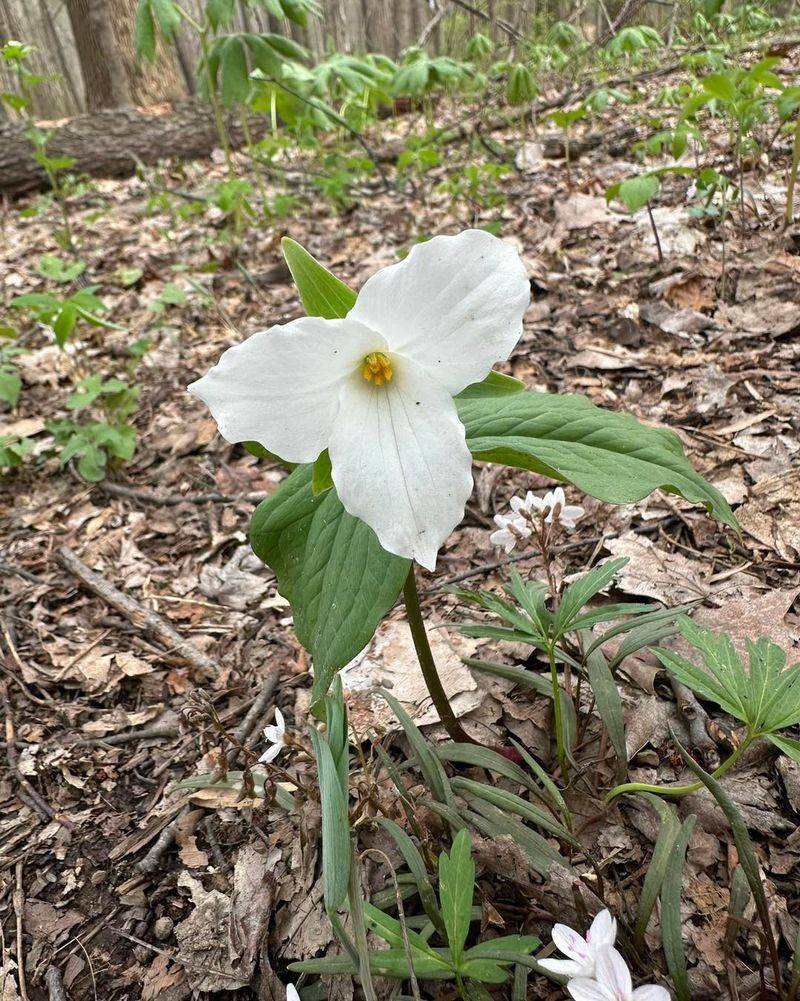
Trillium, mayapple, and wild ginger germinate in that duff. Where it vanishes, spring wildflowers thin out and invasive plants like garlic mustard move into the open ground.
Sugar maple seedlings struggle in stripped soil, which raises long term questions for woodlots and syrup producers across the northeast corner of the state. Salamanders and ground nesting birds lose cover as well.
None of that means your backyard is a lost cause. Managed gardens receive compost, mulch, and attention that forests simply do not get, so they recover far more readily.
Reporting sightings genuinely helps. The Ohio Department of Natural Resources and OSU Extension track spread county by county, and homeowner photos fill gaps that researchers cannot cover alone.
Neighborhood cooperation multiplies results. Cleaning tools, skipping bait dumping, and inspecting shared plants slow the pace across a whole street rather than one yard.
Expect coexistence rather than removal. Most experts describe management as reducing numbers and protecting soil health, not clearing the population entirely.
There is something oddly reassuring in that. Gardeners have adapted to Japanese beetles, emerald ash borers, and clay that bakes hard by August, and this challenge simply joins the list.
Keep feeding your soil, keep watching the surface, and keep talking with the people who garden nearby.