Georgia Gardeners Shouldn’t Overlook This October Task For Better Turnip Harvests
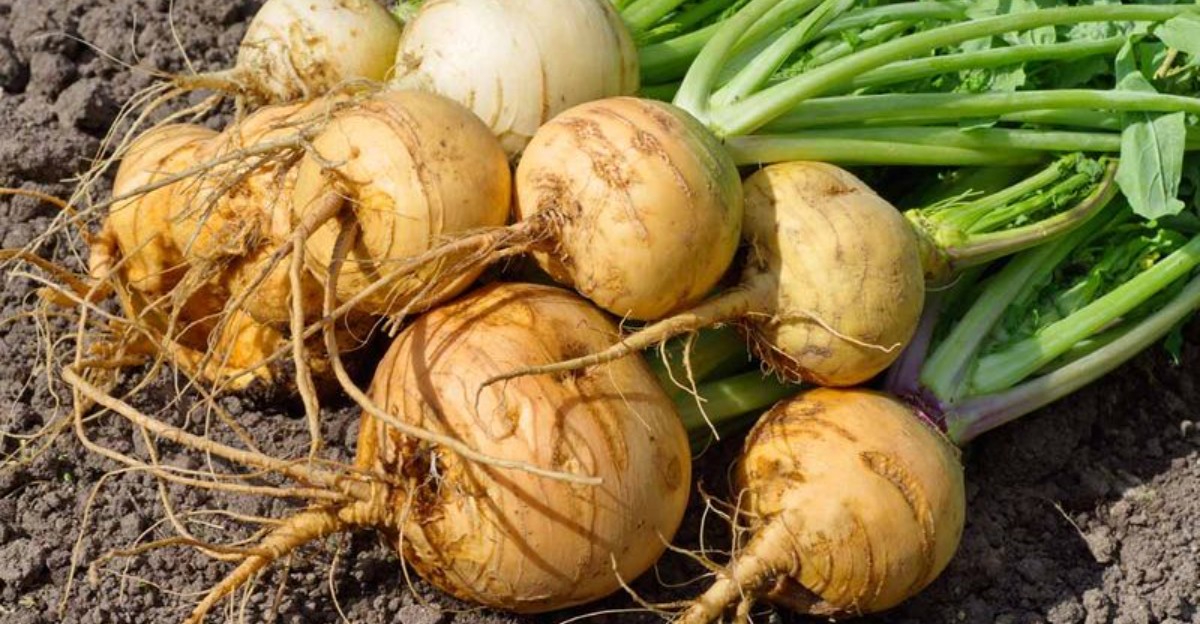
Turnip seeds scattered thickly across a Georgia bed in September tend to come up fast and crowded, sometimes almost shoulder to shoulder.
All those seedlings look promising at first, filling the row with bright green leaves. Underground, though, the roots are already competing for space they will need later.
Left alone, many of them stay small, woody, or misshapen by harvest time, no matter how good the leaves look.
One simple job this month can make the difference between pencil-thin roots and a full basket worth bringing in.
It takes only a few minutes per row and requires no special tools or products. The leftover greens can even go straight into the kitchen.
Walk your rows this week and see how close the young plants are growing to one another.
1. Crowded Rows Can Look Lush While Roots Stay Small
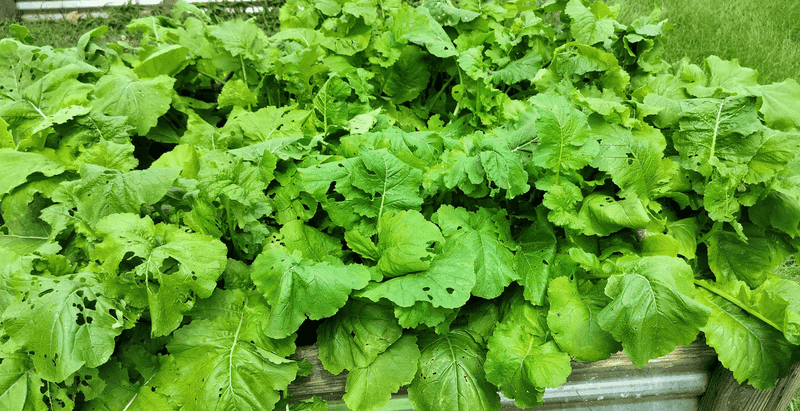
Green and thick is not the same as productive. A turnip row packed with seedlings can look like a success story from above, but the roots below may tell a different tale.
Every plant in that row is pulling from the same soil, water, and nutrients.
When dozens of seedlings share a small space, they compete hard. Roots that should be swelling into round bulbs often stay thin, stunted, or oddly shaped instead.
Gardeners in Georgia often sow turnip seed heavily because the seeds are tiny and easy to scatter.
That habit makes sense at planting time, since not every seed sprouts. Once germination is strong, though, the row quickly becomes too crowded for good root growth.
Leaves can keep growing even when roots fall behind, which is why the problem is easy to miss.
So what is the answer? Thinning is the step that fixes it, and October is a common time to do it in fall gardens.
Removing extra seedlings so each remaining plant has space to size up is a basic practice that Extension services recommend for root crops.
It may feel wasteful to pull healthy little plants. Keep in mind that fewer, well-spaced turnips usually give you a more useful harvest than a crowded row of tiny ones.
2. Each Root Needs A Little Elbow Room To Swell
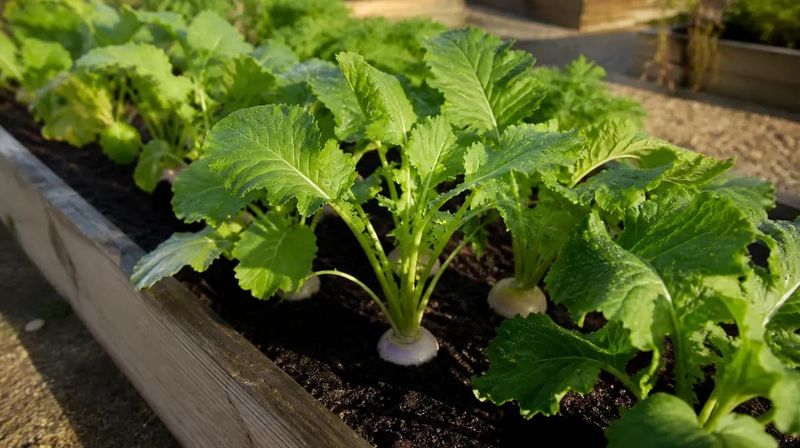
Picture a turnip trying to grow round while its neighbor presses right against it. It simply cannot spread out the way it wants to.
Spacing gives each root the room it needs to fill out.
Most seed packets and Extension guides suggest leaving roughly 2 to 4 inches between turnips grown for roots. Larger varieties tend to do better toward the wider end of that range.
Check your seed packet first, since spacing advice can differ by variety.
A purple top turnip, a common pick in Georgia gardens, often benefits from extra space. Smaller salad types may handle tighter spacing without much trouble.
Good spacing also helps air move between plants. That can make leaves dry faster after rain or dew, which may reduce some leaf disease problems, though weather plays a big role.
Not sure how far apart to go? Use your fingers as a quick guide.
Your Georgia Garden Changes Every Week. Your Plan Should Too.
Gardening in Georgia changes quickly throughout the season. Every Friday you’ll receive a simple weekly plan showing exactly what to plant, prune, fertilize, harvest, and protect so you never miss the right timing.
Three or four fingers laid side by side cover about the right gap for many varieties.
Soil matters too. Loose, well-drained soil lets roots expand more easily than heavy, compacted clay, so spacing alone cannot fix every growing issue.
3. Wait Until Seedlings Show Their First True Leaves
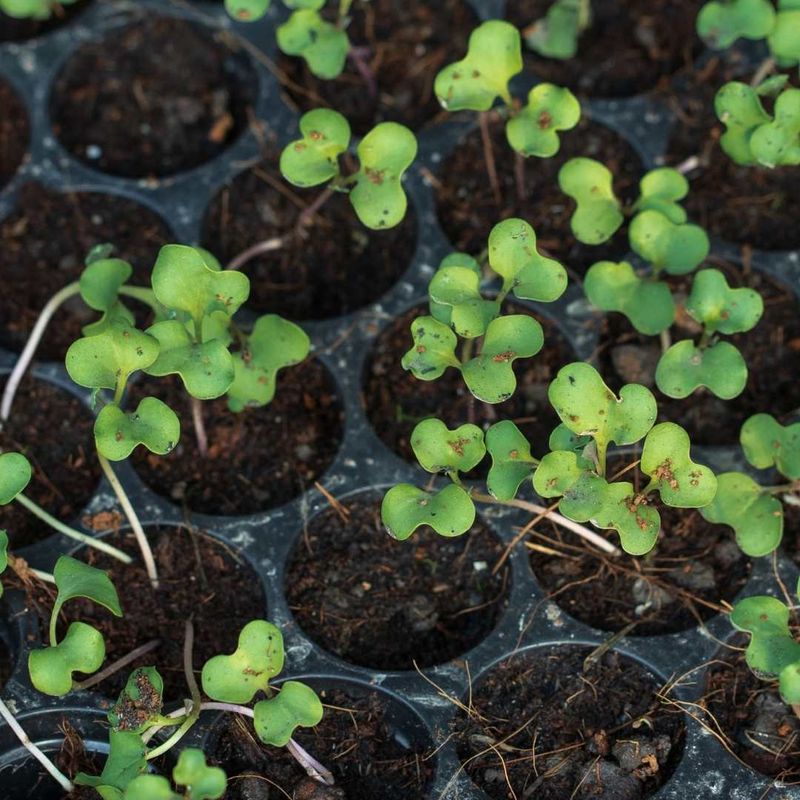
Timing can make thinning easier or messier. Jump in too early, and it is hard to tell which seedlings are strongest.
Turnips first push up two smooth, rounded seed leaves called cotyledons.
A little later, rougher leaves appear that look more like a small turnip leaf. Those are the first true leaves, and they are a helpful signal that thinning can begin.
At that stage, the healthiest plants usually stand out from the weaker ones.
In Georgia, turnips sown in September often reach this point by early to mid October. Exact timing depends on your planting date, soil temperature, and how much rain your area received.
Gardeners in the cooler north Georgia mountains may see slower growth than folks farther south.
Some growers thin in two rounds. They take out a few seedlings early, then remove more once plants are a bit bigger and spacing becomes clearer.
Waiting too long creates its own trouble.
Roots of crowded plants start tangling, and leaves shade one another. Pulling at that point can disturb the plants you meant to keep, so try not to let the job slide for weeks.
4. Snipping Extras With Scissors Protects Neighboring Roots
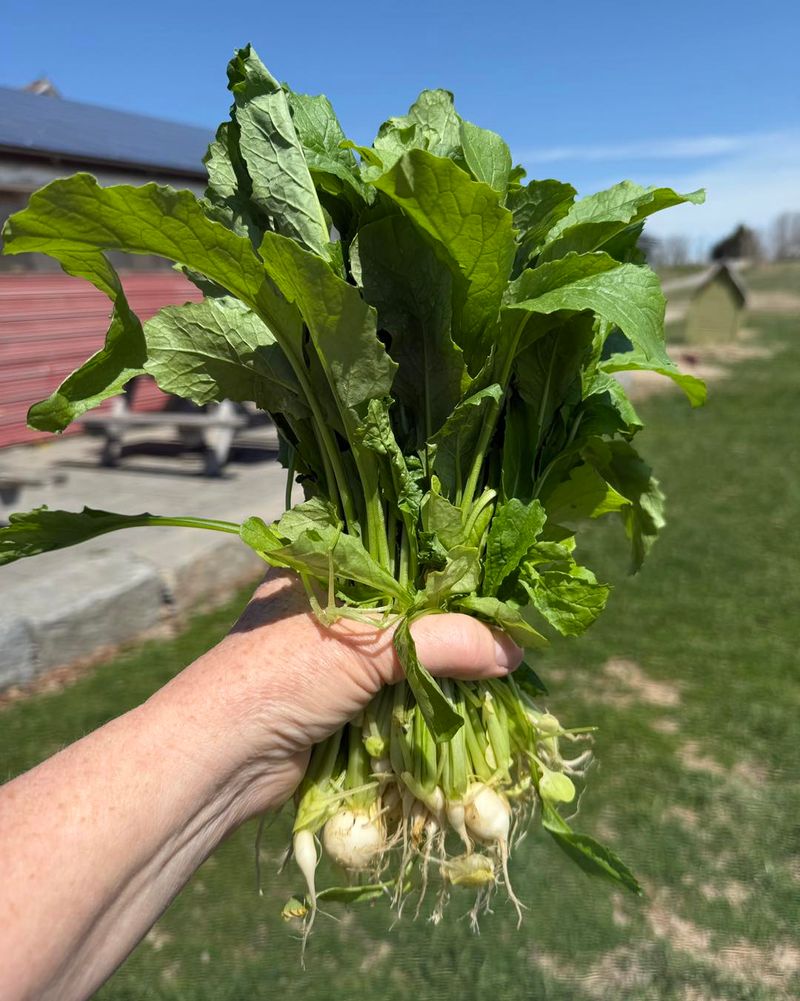
Yanking seedlings out by hand feels natural. Unfortunately, it can loosen the soil around the plants you want to keep.
Turnip roots grow close together in a crowded row, and pulling one may tug on its neighbors.
A small pair of scissors or garden snips solves that problem neatly. Cut the unwanted seedling right at the soil line and leave its root in the ground.
That leftover root usually breaks down in the soil over time.
Choose which plants stay before you start cutting. Keep the sturdiest seedlings at your target spacing and remove weaker, leaning, or damaged ones around them.
Working on a calm, cool morning can make the job more pleasant.
Plants are usually firm and hydrated then, and you are less likely to fight the afternoon heat that can still show up in Georgia during early fall.
Clean blades are a good habit. Wiping scissors between beds is a simple step that some gardeners use to limit spreading plant problems.
Hand pulling still works if the soil is moist and seedlings are tiny. Just press down on the soil beside the keeper plant as you pull, which helps hold it steady.
5. Those Thinnings Make Tender Greens For The Kitchen
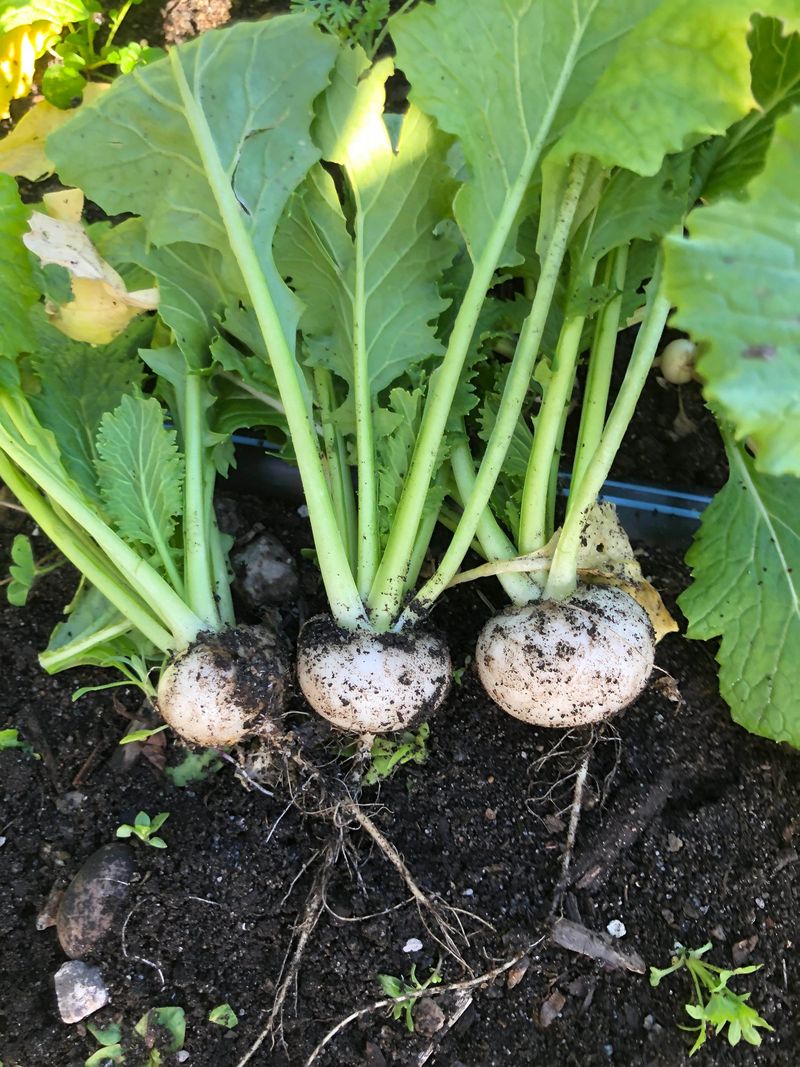
Nothing about thinning has to go to waste. Those snipped seedlings are young turnip greens, and they are edible.
Baby greens tend to be mild and tender compared with older, larger leaves.
Rinse them well, since soil often clings to small leaves. A salad spinner or a few changes of cool water usually handles the job.
Toss them raw into a salad if you enjoy a light peppery bite.
Quick cooking works too. A short sauté with a little oil and garlic keeps them bright, while longer simmering gives a softer, more traditional Southern style.
Turnip greens are a familiar part of home cooking in Georgia, so these early pickings can feel like a head start on the season.
Freshness matters a lot with thinnings. Use them within a few days and store them wrapped in a damp towel inside the refrigerator.
Flavor can shift with weather and plant age. Leaves grown during warm, dry spells may taste sharper, while cooler weather often brings a milder taste.
Only eat thinnings from plants that have not been treated with products unsafe for food crops. Read any garden product label carefully before you harvest.
6. Rows Grown Mostly For Greens Can Stay Closer Together
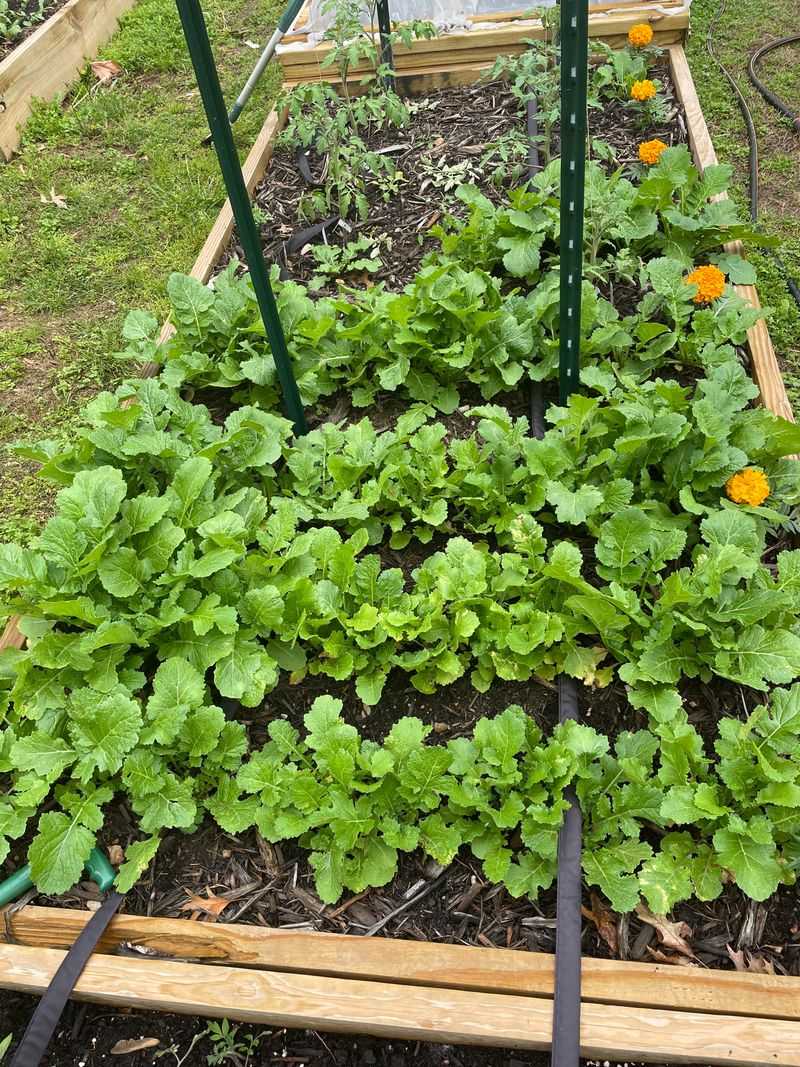
Not every turnip patch needs the same treatment. If leaves are your main goal, you can skip some of the spacing rules.
Plenty of Southern gardeners grow turnips mainly for greens.
Varieties such as Seven Top are known for producing leaves rather than large roots. Spacing for those plants can be tighter, since a big bulb is not the point.
Closer plants still need some breathing room, though.
Packed too tightly, leaves may stay small and shade each other heavily. Light thinning can still help each plant grow healthier, fuller foliage.
A mixed approach works well in a small Georgia backyard. Set aside one section for roots with wider spacing, and leave another section closer for frequent leaf harvests.
Cut-and-come-again picking suits greens rows nicely.
Harvest outer leaves and leave the center growing point alone, and the plant can keep producing new leaves for a while. How long it keeps going depends on weather, variety, and plant health.
Check your seed packet to see whether a variety is bred for roots, greens, or both. That small detail can guide your spacing choices.
7. Steady Moisture After Thinning Helps Roots Fill Out Evenly
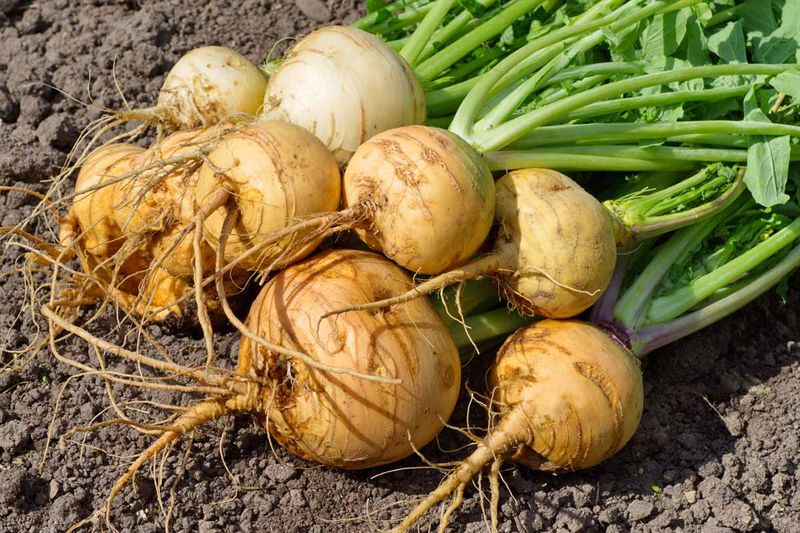
Thinning is only half the job. Water decides a lot about how those roots finish.
Turnips generally grow best with consistent soil moisture.
Long dry spells followed by heavy watering may lead to cracked or tough roots. Uneven moisture is one possible cause, though variety and harvest timing can play a part too.
October can bring dry stretches across parts of Georgia, so checking soil is a smart habit.
Push a finger an inch or two into the soil near your plants. If it feels dry at that depth, a deep, slow watering is usually better than a quick sprinkle.
Watering right after thinning can help settle any soil disturbed around the remaining plants.
Mulch is a helpful partner here. A thin layer of straw or shredded leaves can hold moisture and keep soil temperatures steadier, though keep it from smothering small seedlings.
Overwatering brings problems of its own.
Soggy soil can lead to root rot, especially in heavy clay. Let rainfall count toward your plants’ needs, and adjust your schedule to the weather your area actually gets.