The Safe Way To Remove Poison Ivy From Your Georgia Yard Without Making It Worse
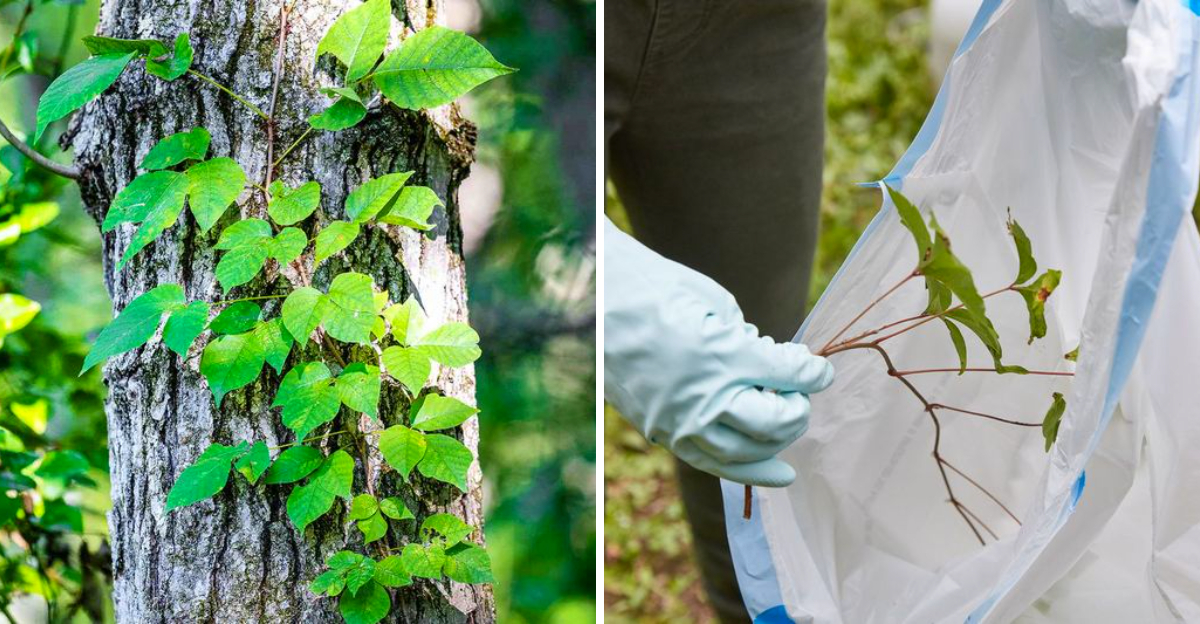
If something leafy and three-leaved is creeping along your Georgia fence line or climbing the oak tree out back, it might be time to take a closer look before getting any closer.
Poison ivy is remarkably comfortable in Georgia yards, and the warm, humid summers here give it everything it needs to spread enthusiastically along wooded edges, shrub borders, and tree bases.
The problem isn’t just that it causes an uncomfortable rash. It’s that the oils responsible can transfer to tools, shoes, and clothing without you realizing it, turning a simple yard cleanup into a much bigger situation.
Removing it safely is completely doable, but it does require the right approach from start to finish. Identification, protection, careful removal, and proper disposal are all part of getting it right.
1. Identify The Plant Before You Touch It
Wooded yard edges in Georgia are full of surprises, and not all of them are welcome. Before reaching for gloves or pruning shears, take a careful look at the plant you are dealing with.
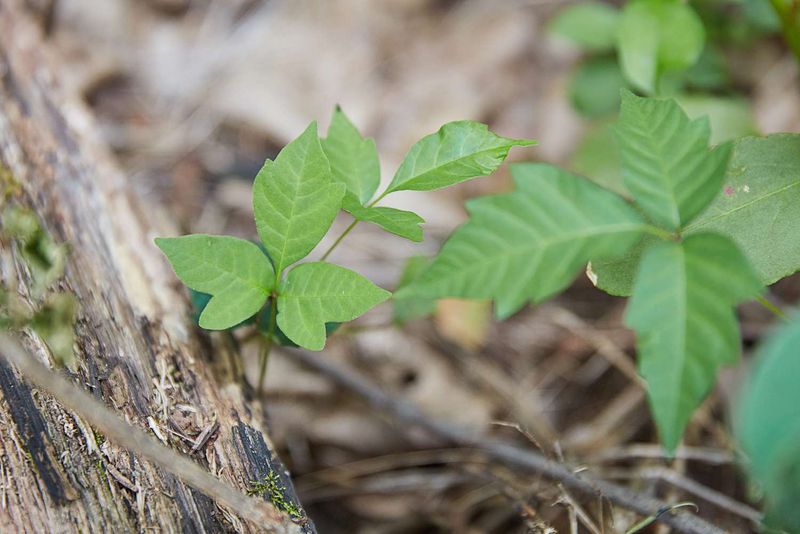
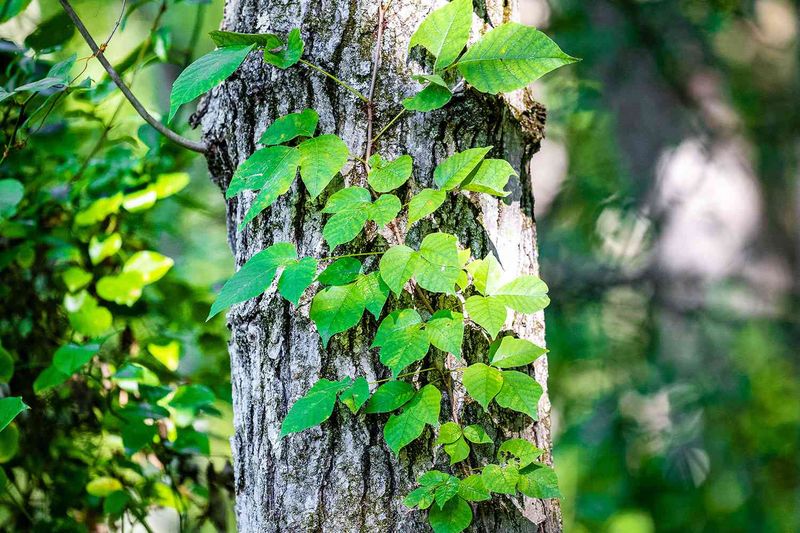
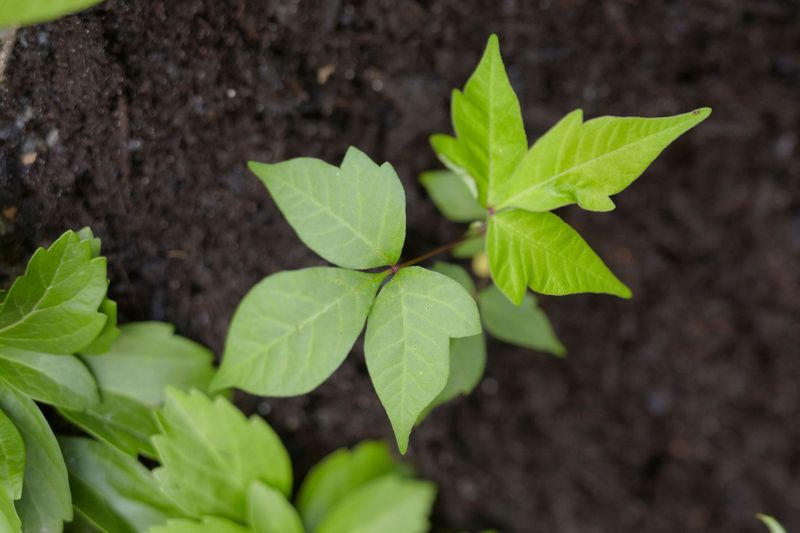
Poison ivy follows a reliable pattern: three leaflets per stem, with the center leaflet on a longer stalk than the two side leaflets. The leaf edges can be smooth, slightly toothed, or lobed, which sometimes makes it tricky to spot at first glance.
In Georgia, you may find it creeping along fence rows, climbing tree trunks, or weaving through shrub borders where it blends in with other greenery. Young plants tend to have shiny leaves, while older growth may appear duller.
In fall, the leaves turn red or orange, which can actually make them easier to notice.
A common mistake is confusing poison ivy with Virginia creeper, which has five leaflets instead of three. Taking a moment to count those leaflets before doing anything else can save you a lot of discomfort later.
If you are unsure, step back and compare what you see with a reliable plant guide or your local Georgia extension office resource before proceeding.
2. Cover Your Skin Before Starting Work
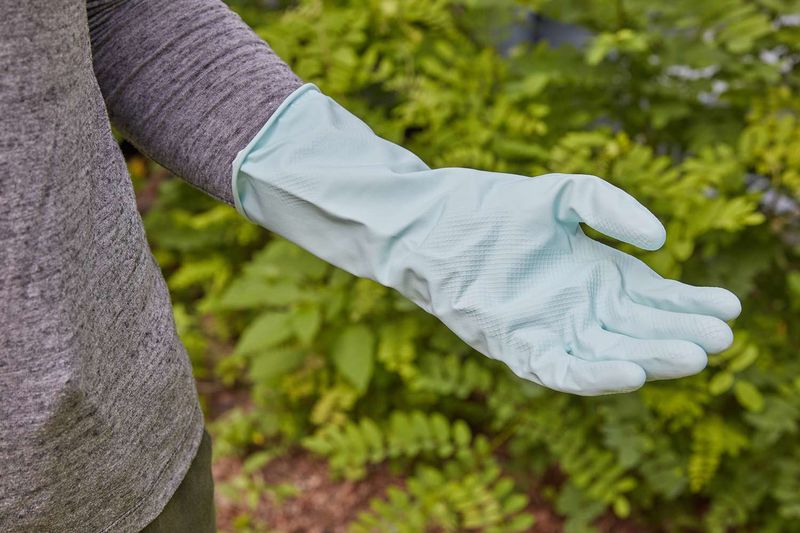
Gear up completely before you get anywhere near a poison ivy plant. The oil responsible for the rash, called urushiol, can transfer from plant surfaces to skin in seconds, and even a small amount of contact can trigger a reaction in sensitive individuals.
Long sleeves, long pants, and socks tucked into boots create a physical barrier that reduces exposure significantly.
Water-impermeable gloves are especially important because regular cloth or thin garden gloves can absorb urushiol and press it directly against your skin. Nitrile or thick rubber gloves offer much better protection.
Safety glasses or goggles are worth wearing too, particularly if you are trimming vines or working in areas where plant bits might fly toward your face.
Georgia’s summer heat makes heavy clothing uncomfortable, but working during cooler morning hours can make the layers more bearable.
Choose clothing you do not mind washing separately or disposing of afterward, since urushiol can linger on fabric for a surprisingly long time.
Your Georgia Garden Changes Every Week. Your Plan Should Too.
Gardening in Georgia changes quickly throughout the season. Every Friday you’ll receive a simple weekly plan showing exactly what to plant, prune, fertilize, harvest, and protect so you never miss the right timing.
Some homeowners in Georgia keep a dedicated set of old clothes just for yard jobs like this one, which helps prevent accidental transfer to other surfaces or family members in the home.
3. Pull Small Plants When Soil Is Moist
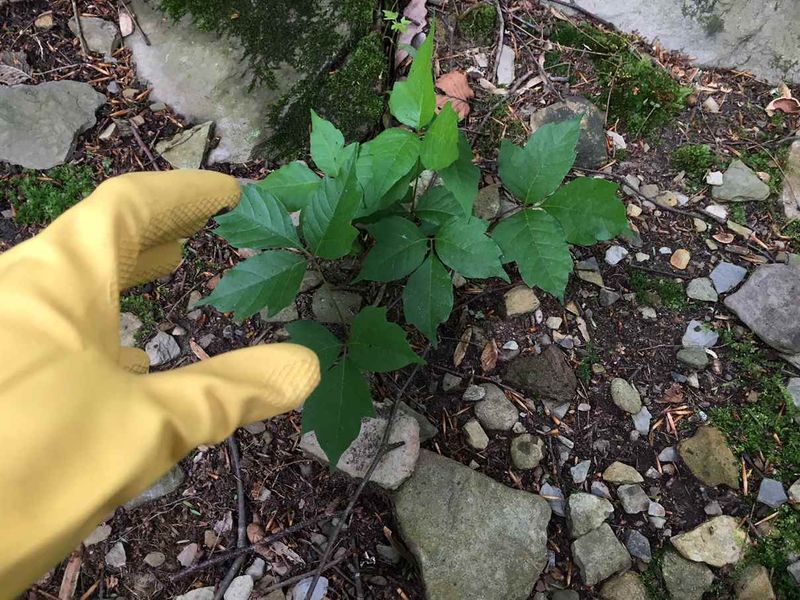
Rain-softened soil is one of the best allies you have when tackling young poison ivy plants in a Georgia garden.
After a good rain, the ground loosens up enough to allow roots to slide out more cleanly, which reduces the chance of leaving root fragments behind that could sprout again later.
Pulling when the soil is dry tends to snap stems and leave roots intact, making regrowth almost certain.
Grip the plant as low on the stem as possible, right near the soil line, and pull slowly and steadily rather than yanking. A slow, even pull gives roots more time to release from the surrounding soil without breaking.
For plants that have started to spread runners along the ground, trace the stem back to its base before pulling so you remove as much of the root system as you can in one motion.
Even with moist soil, some roots will inevitably break off, so plan for follow-up visits. Small poison ivy plants are far easier to manage than established vines, so catching them early in Georgia’s growing season gives you a real advantage.
Check shrub beds, fence lines, and wooded yard edges regularly through spring and summer for new seedlings before they have a chance to anchor deeply.
4. Cut Larger Vines Near Ground Level
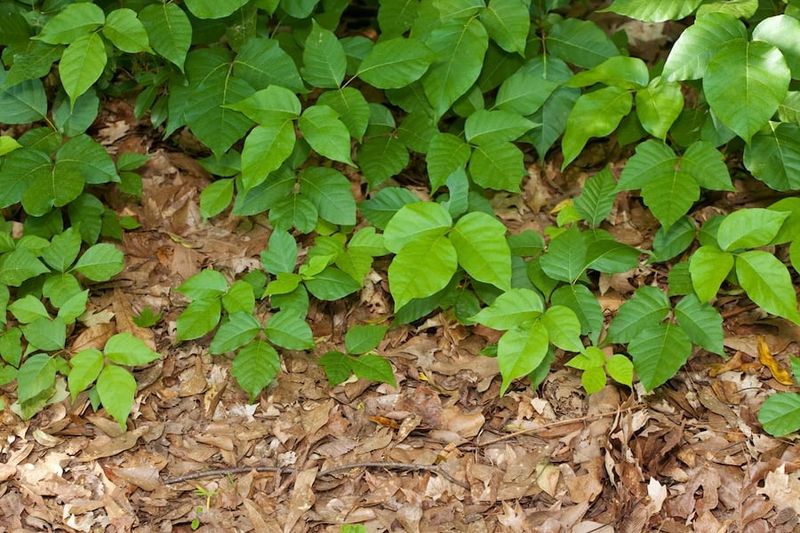
Thick, hairy vines climbing up tree trunks or running along fence lines are a common sight in Georgia landscapes, especially in yards that border wooded areas.
When a poison ivy vine has been growing for several years, it can develop a woody, rope-like stem covered in fibrous aerial rootlets that help it cling to bark and wood.
Pulling these established vines down from trees or fences can spread urushiol-coated plant pieces across a wide area, so cutting is usually the smarter first move.
Use loppers or pruning shears to sever the vine as close to the ground as possible. Cutting near the base interrupts the plant’s access to nutrients from the root system below, which weakens the vine over time.
Leave the upper portion of the vine attached to the tree or fence temporarily rather than ripping it down right away. Once the cut vine dries out over several weeks, it becomes less of a urushiol hazard and can be removed more carefully.
Wipe your cutting tools with rubbing alcohol or a diluted bleach solution after each use to remove any plant oil that may have transferred.
Leaving urushiol on tool blades means it can transfer to your hands or other surfaces the next time you reach for those tools.
5. Treat Fresh Cut Stems Carefully
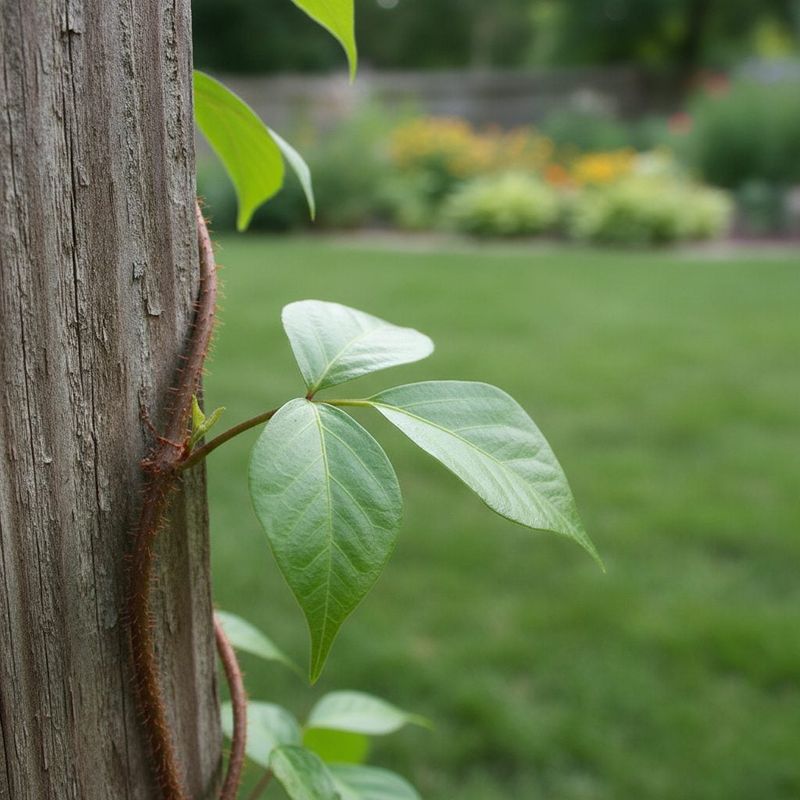
Freshly cut stems on poison ivy plants are an opportunity, but they also require careful handling.
The cut surface exposes the plant’s vascular tissue, which means that if you choose to use an herbicide, this is one of the more effective moments to apply it directly to the stem.
A cut-stump treatment using a brush-on herbicide formulated for woody vines can move down into the root system and reduce regrowth more effectively than spraying foliage alone.
If you go the herbicide route, read the product label carefully and follow every instruction. Labels explain the correct concentration, application method, and timing.
Some products work best when applied within minutes of cutting, while others have a wider application window. Using more than the label recommends does not improve results and can cause unintended harm to nearby plants or soil.
For homeowners in Georgia who prefer not to use chemicals, covering the fresh cut stumps with a thick layer of mulch or cardboard can help reduce light and slow regrowth somewhat, though it may not stop a well-established root system entirely.
Either way, handle cut stems with the same caution as live plant material.
Urushiol is still present in freshly cut stems and can transfer just as easily to skin, tools, and clothing.
6. Repeat Cutting To Weaken Regrowth
One round of cutting rarely solves a poison ivy problem for good, especially in Georgia where the growing season is long and root systems can run surprisingly deep.
Established plants store energy in their roots, and after the top growth is removed, they often send up new shoots within a few weeks.
Expecting regrowth and planning for it from the start makes the whole process less frustrating.
Return to the area every two to three weeks during the growing season to cut back any new growth that appears. Each time new shoots are removed, the plant has to pull more energy from its root reserves to recover.
Over time, repeated cutting depletes those reserves and the plant produces fewer and fewer new sprouts.
This method takes patience, but it is effective for homeowners who prefer to avoid herbicides or who are working in areas where chemical use is not practical.
Mark the spot clearly so you can find it again easily, especially if the area is overgrown. A small garden flag or stake placed near the base of the original plant helps you relocate it even when surrounding vegetation fills back in.
In Georgia’s dense summer growth, treated areas can become hard to spot quickly, so marking them early saves time on follow-up visits and keeps your removal efforts on track.
7. Bag Plant Pieces Instead Of Composting
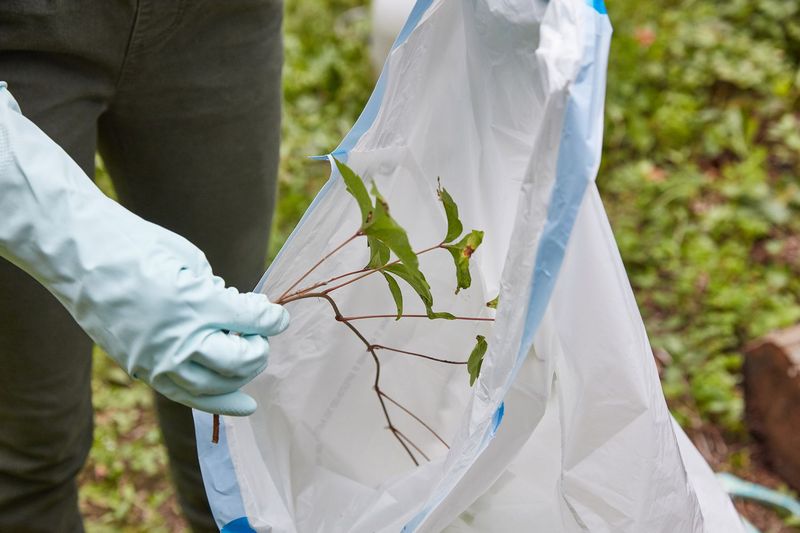
After cutting or pulling poison ivy, every piece of plant material needs to go somewhere safe, and the compost bin is not that place.
Urushiol does not break down quickly in a home compost pile, meaning plant pieces left to decompose in a backyard bin can remain a contact hazard for a long time.
Even dried plant material retains the oil, so age alone does not make discarded pieces safe to handle without protection.
Place all removed plant material directly into heavy-duty plastic trash bags without shaking or tossing pieces around. Shaking loosens fragments and can spread plant oil to nearby surfaces, clothing, or skin.
Seal the bags tightly and check them for any punctures before setting them aside.
In most Georgia municipalities, bagged yard waste can be placed with regular household trash for pickup, but it is worth confirming local disposal rules with your county waste management service.
Some homeowners double-bag poison ivy debris as an extra precaution, which makes good sense when dealing with large volumes of material. Keep filled bags away from areas where children or pets might brush against them.
Label the bags clearly if they will sit out for more than a day before pickup, so no one else handles them unknowingly. Careful bagging is one of the simplest ways to prevent secondary exposure after the removal work is done.
8. Clean Tools Shoes And Clothing Afterward
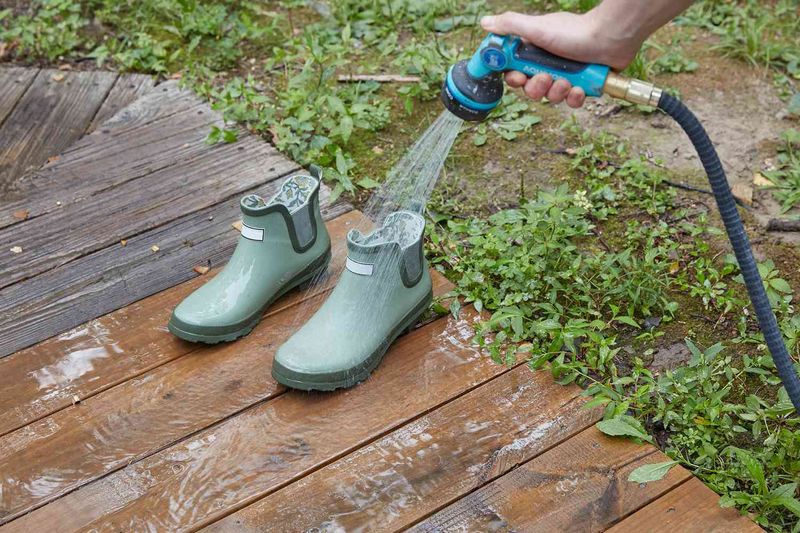
Cleanup after poison ivy removal deserves as much attention as the removal itself.
Urushiol clings to surfaces with surprising stubbornness, and tools, shoes, and clothing that are not properly cleaned can become secondary sources of exposure long after the yard work is finished.
A pair of gloves set down on a kitchen counter or a pair of boots left near the back door can transfer oil to surfaces that are touched later by unsuspecting family members.
Wash all tools thoroughly using rubbing alcohol or a dish soap and water solution, scrubbing handles and blades carefully. Rinse with plenty of clean water and allow tools to dry completely before storing them.
Shoes and boots should be wiped down with soapy water outside before coming indoors, since the soles can pick up plant oil from the ground even without direct contact with the plant.
Clothing worn during removal should go directly into the washing machine without being carried through the house first. Wash it separately from other laundry using warm water and regular detergent.
Shower with soap and cool water as soon as possible after removing your protective layers, working from the top of your body downward. Cool water is often recommended over hot because it may help avoid opening pores wider during the rinse.
9. Avoid Burning Poison Ivy Debris
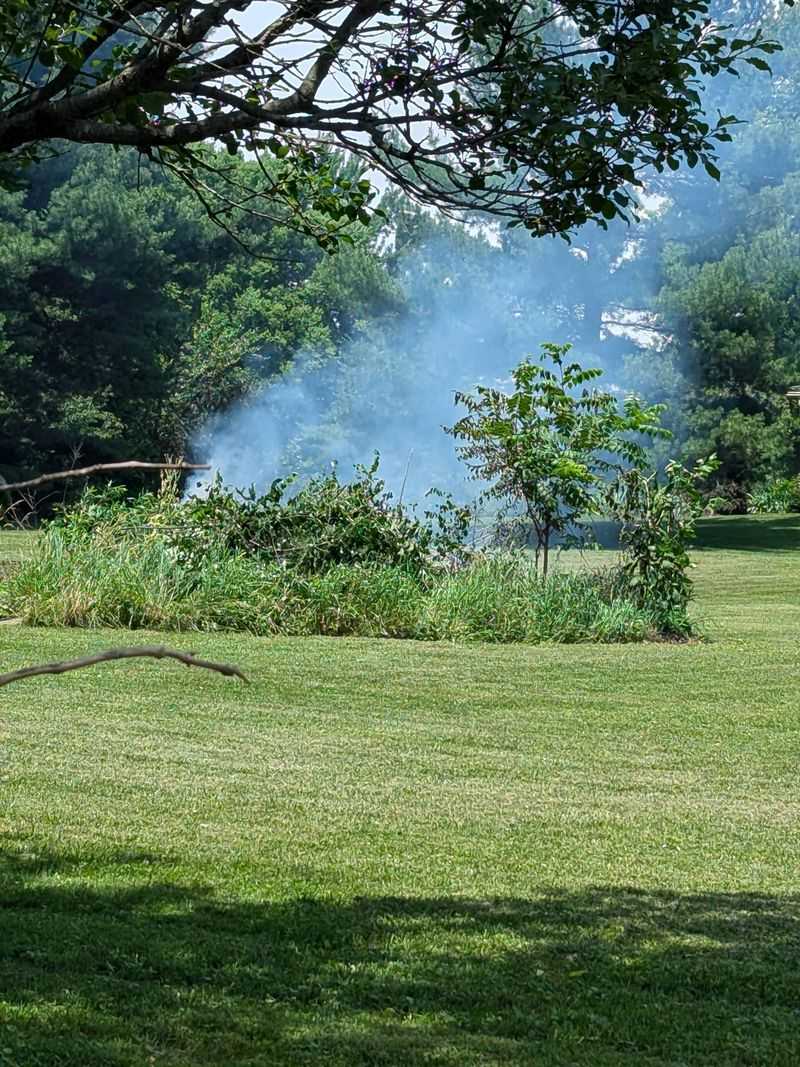
Burning poison ivy might seem like an efficient way to get rid of it, but it creates a hazard far more serious than skin contact alone. When poison ivy plant material burns, urushiol becomes airborne in the smoke.
Inhaling that smoke can cause severe irritation inside the throat, airways, and lungs, and reactions from inhaled urushiol can be significantly more intense than reactions from skin contact. This is a risk that no amount of protective clothing can fully address.
Georgia has warm, dry stretches in late summer and fall when outdoor burning might seem appealing for yard cleanup, but poison ivy debris should never go into a burn pile regardless of the season.
Even mixing a small amount of poison ivy material into a larger brush fire is enough to release urushiol into the smoke.
Bystanders who are simply nearby when the fire burns can be affected without ever having touched the plant directly.
Stick with bagging and trash disposal as the recommended method for getting rid of removed plant material.
If you are clearing a large area and burning other brush at the same time, make absolutely sure all poison ivy pieces have been separated and bagged before lighting anything.
The few extra minutes it takes to sort through debris carefully are well worth avoiding a respiratory reaction that may require medical attention.
10. Watch The Area For New Sprouts
Finishing a round of poison ivy removal feels satisfying, but the job is not truly done until you have checked the area several times over the following months.
Root systems from established plants can extend well beyond what is visible above ground, and even small root fragments left in the soil are capable of sending up new growth.
In Georgia’s warm growing season, new sprouts can appear surprisingly quickly after initial removal.
Set a reminder to inspect the treated area every two to three weeks from spring through early fall.
Look for the familiar three-leaflet pattern emerging from the soil, along fence lines, near tree bases, or along the edges of shrub beds where the original plant was growing.
Catching new sprouts while they are still small makes follow-up removal much easier and reduces the chance of the plant re-establishing a strong root system.
Keep a pair of dedicated gloves near the area so you are always prepared to pull a small sprout without making a special trip to gather supplies. Consistency matters more than intensity when managing poison ivy regrowth over time.
A few minutes spent checking and removing new sprouts every couple of weeks throughout the Georgia growing season can keep a previously infested area clear without requiring major removal efforts again.