Georgia Homeowners Buying Red Maples This Fall Should Check One Thing First
A tree can starve for iron and manganese while growing in dirt that holds plenty of both. The nutrients are right there, yet the roots can’t grab them.
Gardeners call this nutrient lockout, and it starts with chemistry you can’t see.
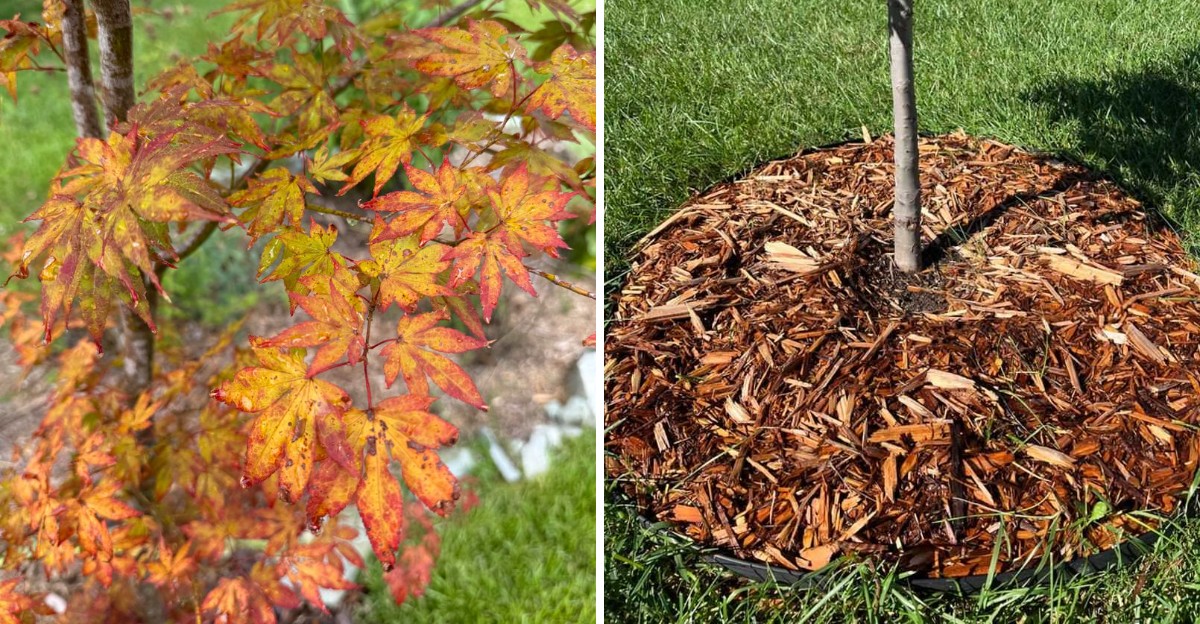
Pale leaves with green veins are the giveaway, and they can show up in the heat of summer. I find that sneaky, because the tree looked perfectly healthy on the nursery lot.
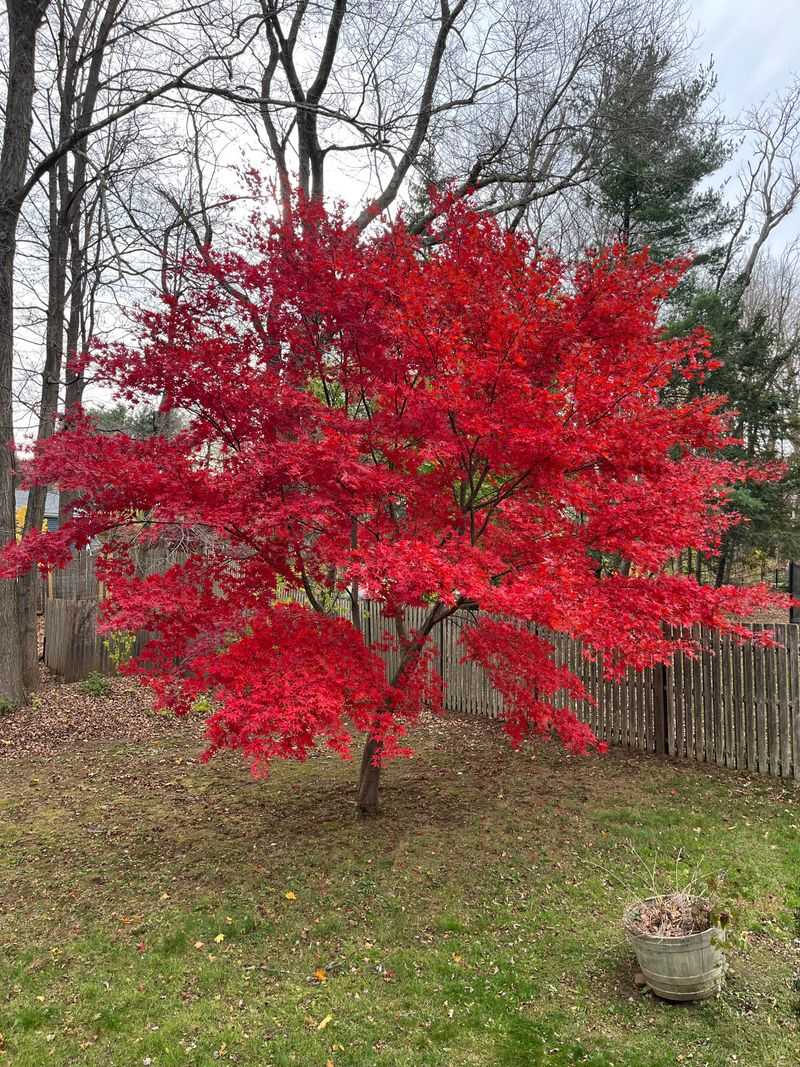
Fall is prime tree-planting season in Georgia, and garden centers are stocked with one native favorite famous for scarlet autumn color. You want that fire, not a washed-out yellow by year three.
I hate guessing when a cheap answer is waiting at my county Extension office.
Before that new tree ever leaves the cart, there’s one important thing worth checking. The answer is hiding a few inches under your lawn.
1. Bright Red Maple Leaves Depend On Something Underground
Sun, water, and a nice spot in the yard get most of the attention. Red maples care about all of that, but the one thing worth checking first is your soil pH.
Soil pH measures how acidic or alkaline the ground is on a scale from 0 to 14. Seven is neutral, lower numbers are acidic, and higher numbers are alkaline.
That single number controls how easily roots can pull certain nutrients out of the soil.
Red maples are picky about two of those nutrients in particular. Manganese and iron become hard for the tree to absorb when the soil drifts too high on the pH scale.
The minerals stay in the ground, but they get locked up in forms the roots can’t use.
I love how this explains so many puzzling trees. A homeowner waters, fertilizes, and fusses, and the leaves still look pale.
Extra fertilizer rarely fixes it, because the problem isn’t a shortage.
The fix starts before planting. Knowing your number lets you choose the right spot, adjust the soil, or pick a different tree.
That beats spending years trying to rescue a struggling maple that was set up to fail from day one.
2. A Soil Test From Your County Extension Office Answers The Question
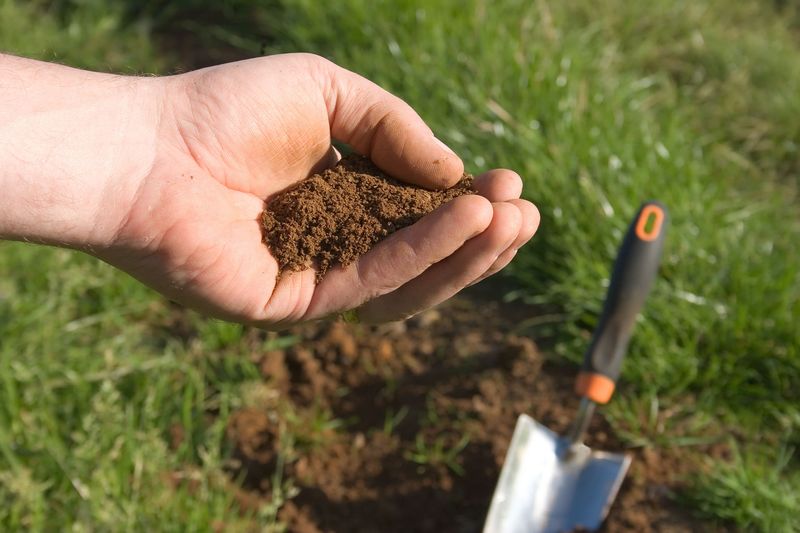
Ten minutes with a trowel and a bucket can save you a lot of heartache. University of Georgia Extension runs a soil testing program, and you can drop samples off at your county office for a modest fee.
Collecting a good sample is easy. Dig down about six inches in several spots around where the tree will go, then mix the soil together in a clean bucket.
Let it dry, and bring roughly a pint to the office.
Results usually come back in a week or two. You’ll see your pH, your lime needs, and levels of nutrients like phosphorus, potassium, calcium, and magnesium.
The report also includes recommendations, so you aren’t left staring at numbers.
Here’s a tip I wish I’d learned sooner. Take a separate sample for the tree site instead of lumping it in with your whole lawn.
Soil near a driveway can test very differently from soil in the back corner.
Fall is a smart time to test, since labs are less swamped than in spring. You’ll have your answer before the ideal planting window closes, with time left to make changes if your soil needs a little help.
3. Red Maples Want Soil On The Acidic Side
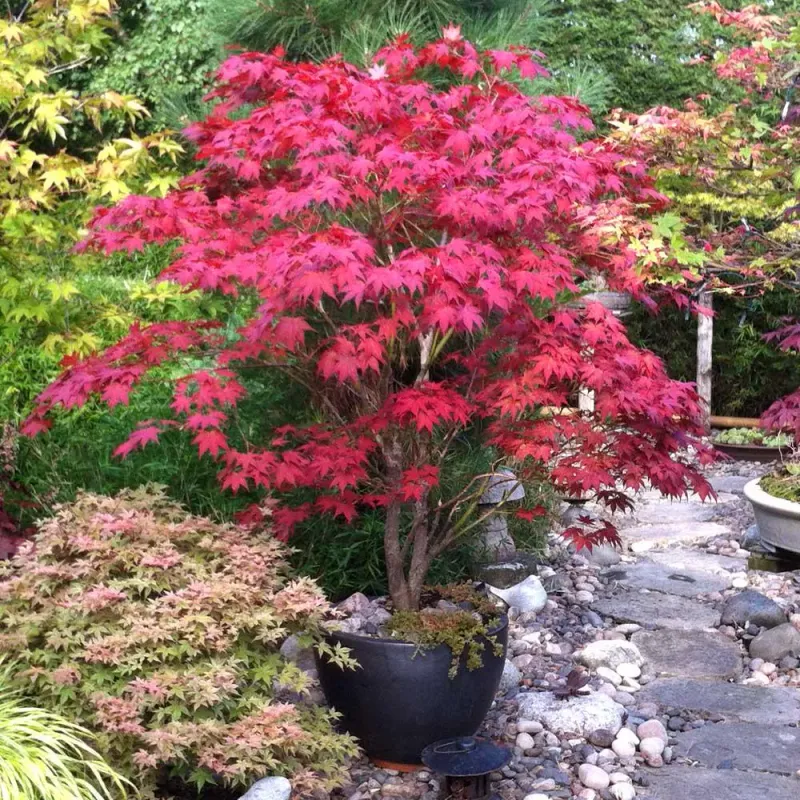
Out in the wild, red maples grow in swamps, creek bottoms, and upland woods across the eastern United States. Their natural soils tend to be acidic, and that’s the comfort zone they carry into your yard.
Extension sources generally put the sweet spot for red maple somewhere between about 4.5 and 6.5. Many gardeners aim for 5.5 to 6.5, which keeps the tree happy while still suiting lawn grasses nearby.
Once readings creep above 7, chlorosis becomes much more likely.
Plenty of Georgia homeowners can relax a bit here. Much of the state’s native red clay and sandy Coastal Plain soil is naturally acidic.
In many yards, the test will show a number red maples like just fine.
So why test at all? Yards are rarely untouched native ground.
Builders bring in fill dirt, old owners spread lime, and concrete changes the soil around it over the years.
Think of the test as a quick confirmation rather than a scary unknown. If your result lands in range, you can plant with confidence.
If it doesn’t, you’ve caught the issue while the tree is still sitting in its nursery pot.
4. Yellow Maple Leaves With Green Veins Are A Warning Sign
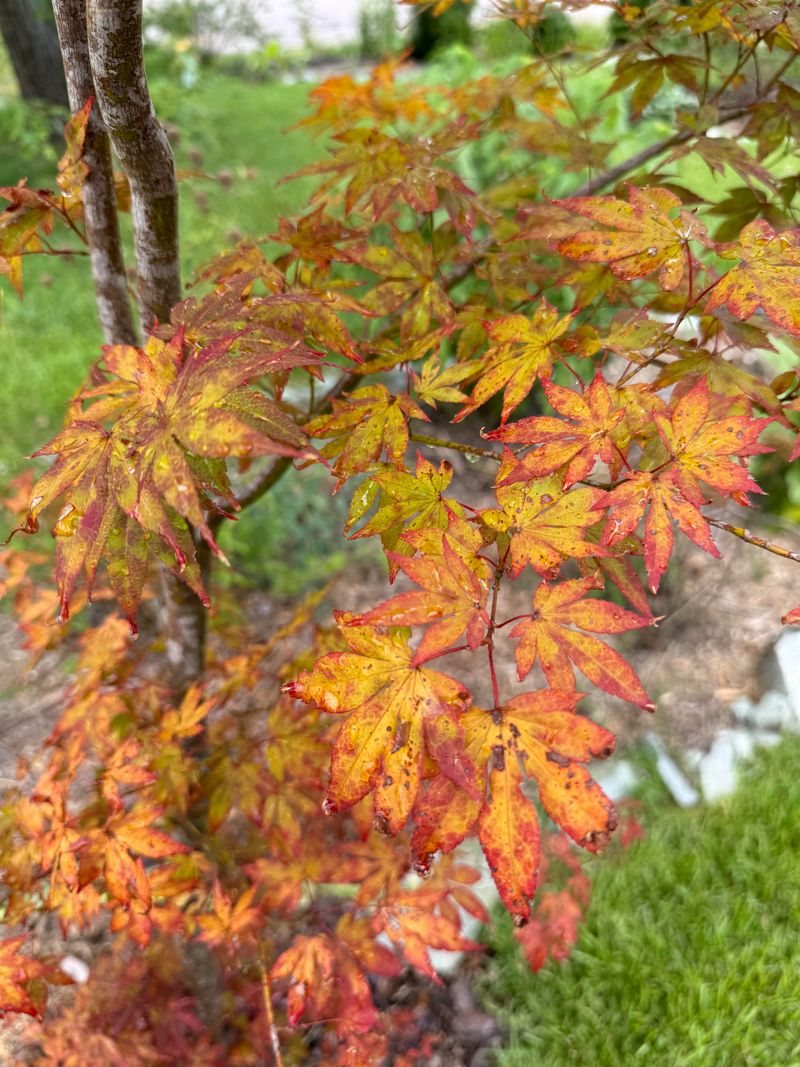
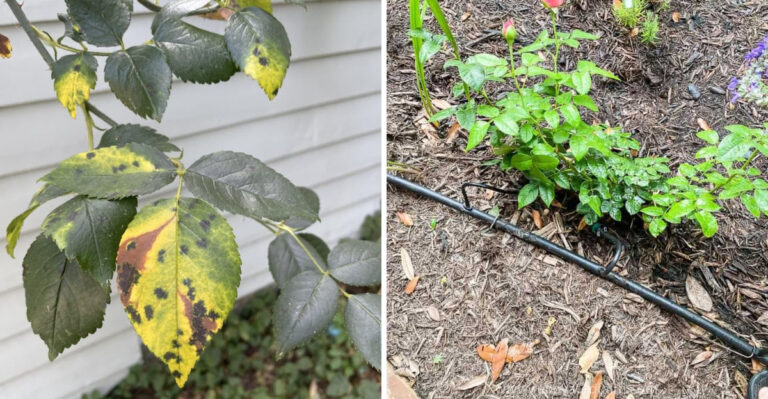
Picking out chlorosis takes about two seconds once you know the pattern. The leaf tissue turns pale green or yellow, while the veins stay darker green, almost like a road map drawn on the leaf.
Timing matters too. Normal fall color shows up as cooler weather arrives, and it spreads fairly evenly across the canopy.
Chlorosis tends to appear during the growing season, often in early summer, when the tree should look lush and deep green.
As the problem worsens, leaves can shrink and develop brown, scorched edges. Some drop early.
Over time, branch tips may decline, and the whole tree grows slowly and looks thin.
Other troubles can mimic these symptoms, which is worth keeping in mind. Root damage, soggy soil, planting too deep, and drought stress can also yellow a maple.
A soil test helps separate a pH issue from these lookalikes.
I keep a quick photo log of any new tree each June. Comparing pictures from year to year makes slow color changes much easier to spot.
Catching chlorosis early gives you a far better shot at turning things around before the canopy suffers.
5. Lawn Lime And Concrete Can Push Your Soil Too Sweet
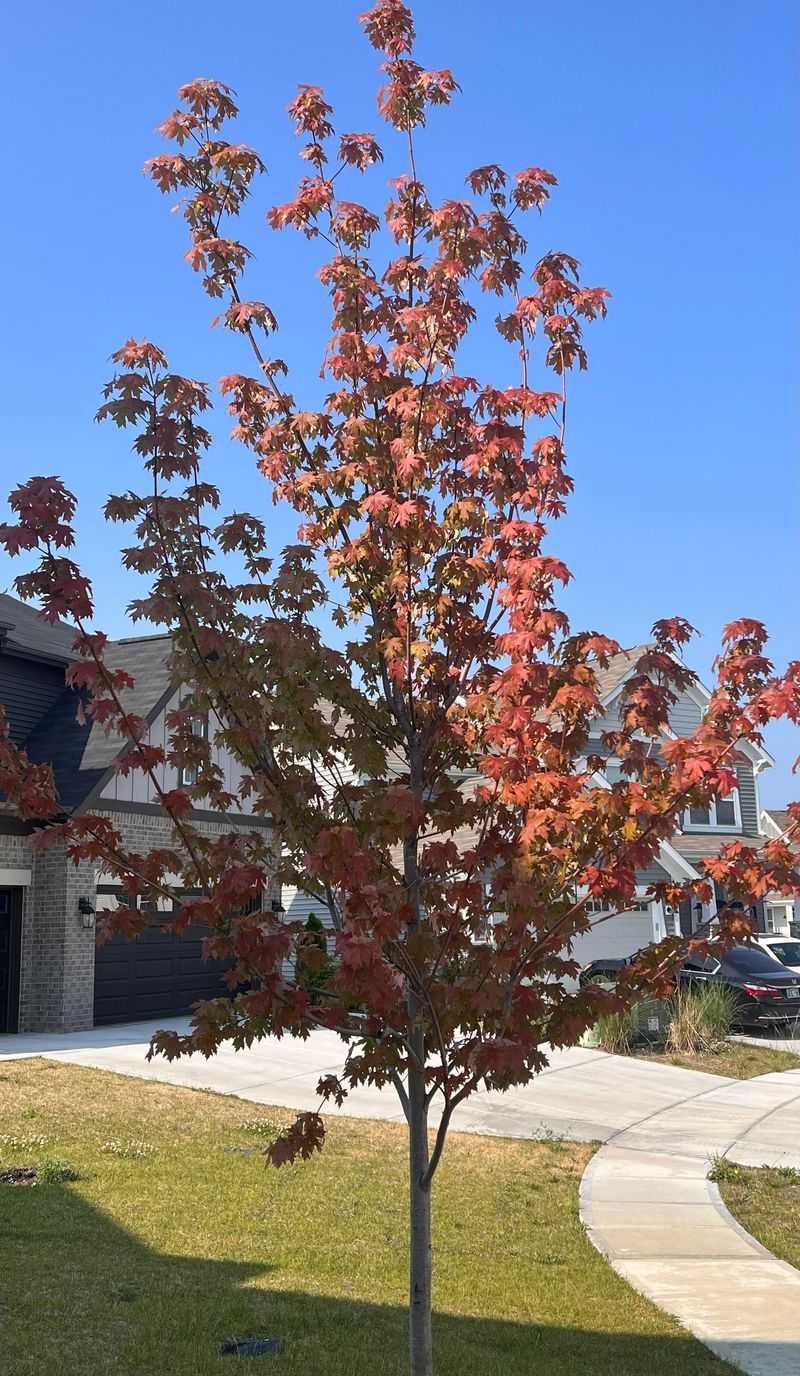
Lime is a fixture in Georgia lawn care, and for good reason. Many turf grasses prefer a pH near 6 to 6.5, so homeowners spread lime to raise acidic soil.
Trouble starts when people lime by habit instead of by test results.
Years of extra lime can push soil well past where red maples are comfortable. If your maple will sit in the middle of a heavily limed lawn, that spot deserves a close look before you dig.
Concrete is another sneaky culprit. Foundations, driveways, sidewalks, and patios can leach alkaline materials into nearby soil.
A narrow strip between a driveway and a walkway is often one of the most alkaline spots in a yard.
New construction adds its own twist. Builders frequently spread fill dirt of unknown origin, and leftover mortar or concrete washout may be buried right where you plan to plant.
Pockets of naturally higher pH also exist in parts of the state, including some limestone areas and spots with shell-rich coastal soils. Your neighbor’s healthy maple isn’t proof yours will thrive.
Soil can change from one side of a fence to the other.
6. Sulfur And Pine Straw Mulch Can Nudge pH Back Down
Patience is the secret ingredient when soil tests too high. Elemental sulfur is the standard tool for lowering pH, and soil bacteria slowly convert it into acid over weeks and months.
Follow the rate on your soil test report or ask your county agent. Too much sulfur at once can burn roots, so smaller applications spread over time work better.
Retesting after several months shows whether you’re moving in the right direction.
Skip the lime entirely around your maple if the pH is already high. That sounds obvious, but lawn spreaders tend to toss granules wider than people expect.
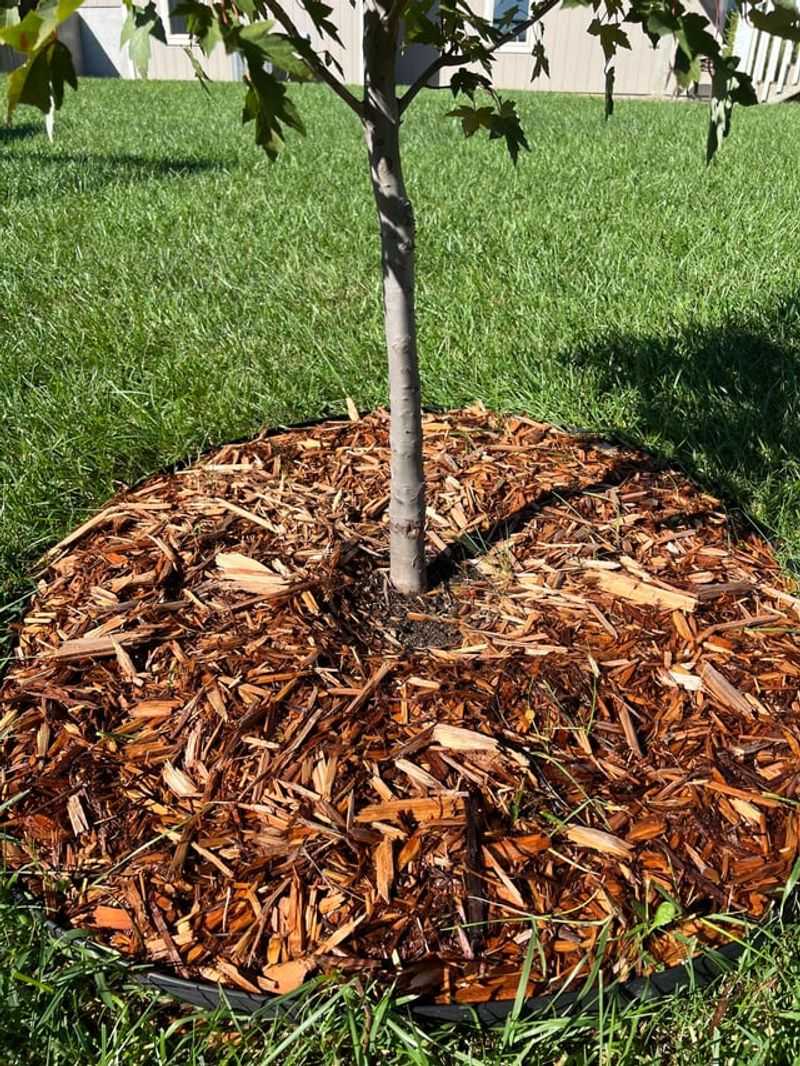
Mulch helps too. Spread pine straw or pine bark two to three inches deep in a wide ring around the tree.
Keep it a few inches away from the trunk so bark stays dry and healthy.
Honestly, mulch does more for soil moisture and root comfort than for big pH swings. Treat it as a helpful partner, not a cure.
If the reading sits far above 7, consider planting a different tree in that spot. Moving your maple to friendlier ground is often easier than fighting soil chemistry forever.
7. Plant Your Red Maple Right Once The Soil Checks Out
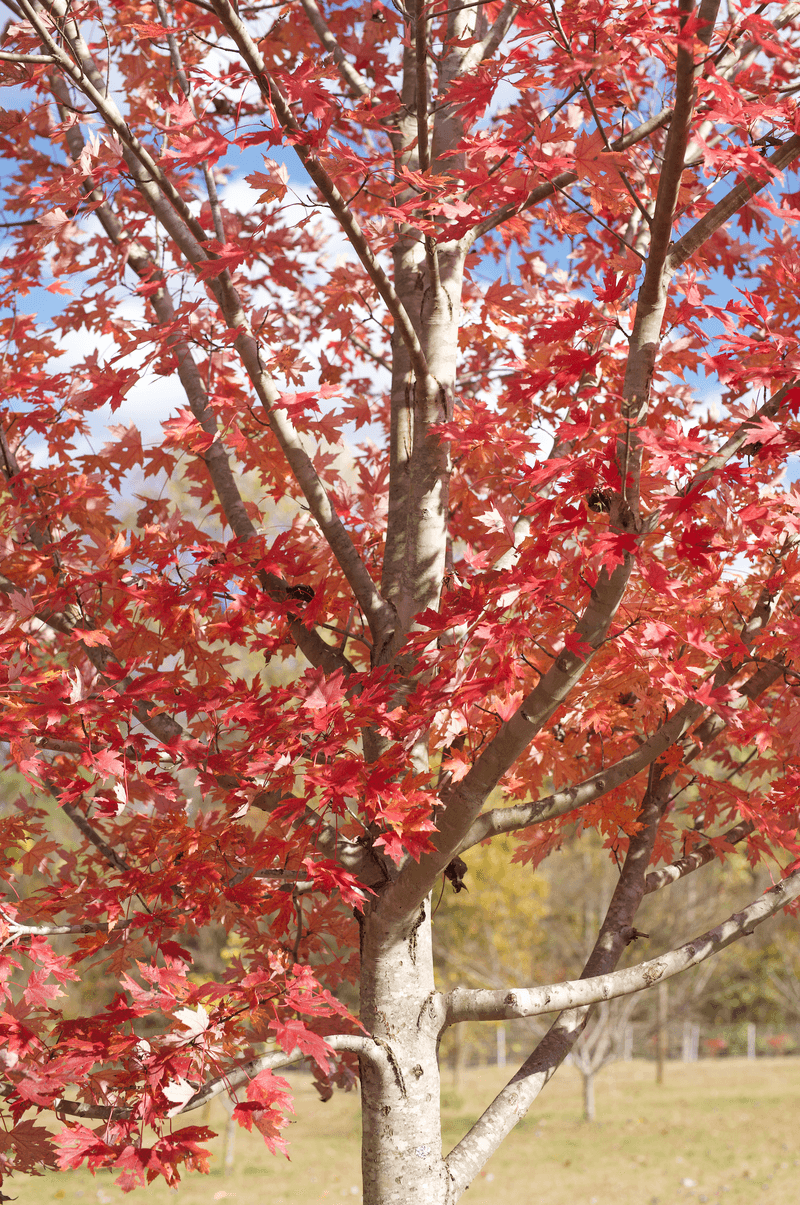
Cooler days and warm soil make autumn a golden window for planting trees in Georgia. Roots keep growing through mild winters, so your maple gets a head start before summer heat arrives.
Dig the hole two to three times wider than the root ball but no deeper. Find the root flare, where the trunk widens at the base, and set it at or slightly above ground level.
Planting too deep is one of the most common reasons young trees struggle.
In heavy red clay, rough up the sides of the hole with a shovel so roots can push outward. Backfill with the native soil instead of a rich mix, which can trap water like a bathtub.
Choose your variety with care, too. Cultivars like ‘October Glory’ and ‘Red Sunset’ are popular for dependable color, and many red maples reach 40 to 60 feet tall.
Give yours room away from your house and power lines.
Water deeply during dry spells for the first couple of years, checking a few inches down first. Do that, start with the right pH, and I think you’ll love the scarlet show ahead.