Georgia Lawn Grasses That Hold Up Through Summer Heat Without Constant Watering
Every summer, somebody ends up asking the same question. How is that lawn still green?
The question usually comes after weeks of hot weather when many yards are starting to show signs of stress. One lawn looks like it is hanging on until fall.
Another still looks thick, healthy, and ready for a backyard gathering. The difference can be surprising, especially when neither property seems to be receiving extraordinary care.
That is what makes lawns so interesting. Two neighbors can spend similar amounts of time maintaining their yards and get completely different results.
Watering habits certainly matter, but they are only part of the story.
Some grasses handle Georgia summers far better than others, and it becomes obvious once the heat arrives.
1. Zoysiagrass Handles Heat With Less Irrigation
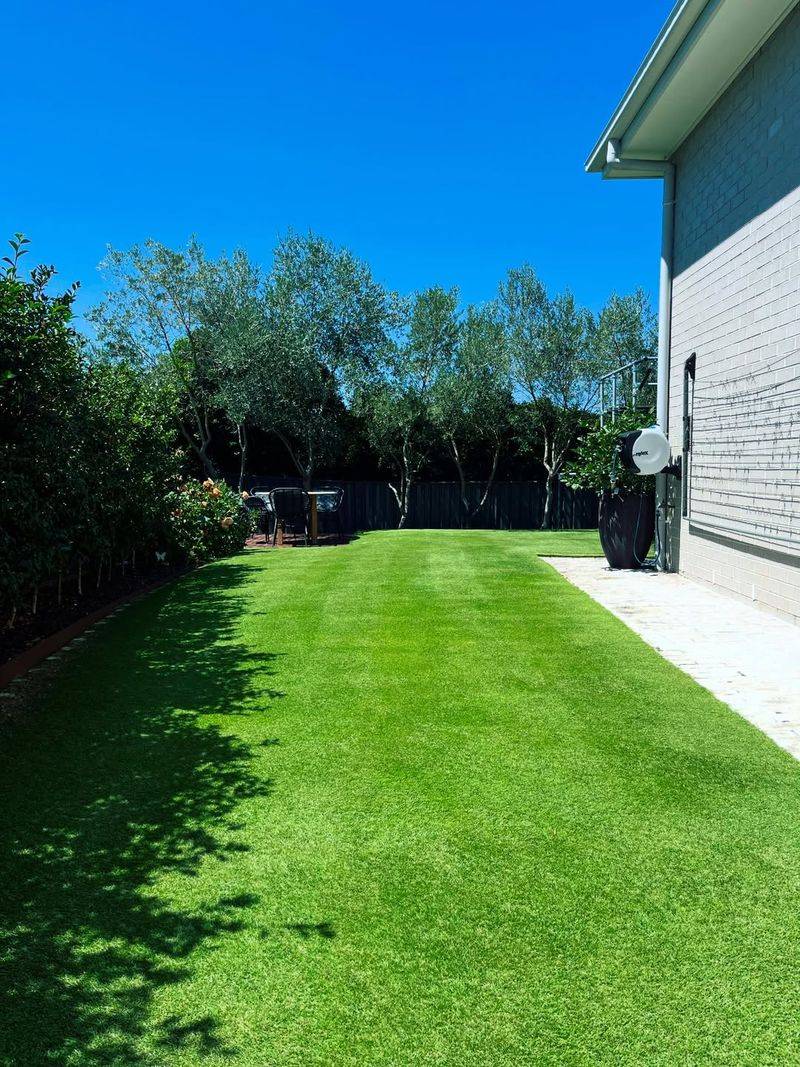
Zoysiagrass has a reputation for being stubborn in the best way possible. Once it takes hold, it builds a thick mat of turf that crowds out most weeds on its own.
That density also helps it retain moisture better than thinner grass types.
Heat does not slow Zoysiagrass down the way it affects cool-season grasses. It stays green and active through the hottest weeks of summer, even when irrigation is reduced or skipped during dry spells.
Homeowners in the Southeast often praise it for looking good with minimal effort.
Root depth is one of its biggest advantages. Zoysia develops deep roots over time, which helps it pull moisture from lower soil layers during surface dry periods.
That trait alone reduces how often you need to water during a dry summer stretch.
Growth is slower compared to Bermudagrass, which is actually a benefit for some homeowners. Slower growth means less frequent mowing and lower maintenance overall.
You spend less time behind the mower and more time enjoying the yard.
Shade tolerance is moderate, handling light shade better than Bermudagrass but still preferring mostly sunny conditions. Heavily shaded spots may thin over time.
Choosing the right variety, like Emerald or Zeon, can improve performance in partially shaded areas.
Zoysia does go dormant in winter and greens up again in spring. Patience during the transition periods pays off once summer arrives.
2. Centipedegrass Performs Well In Lean Soils
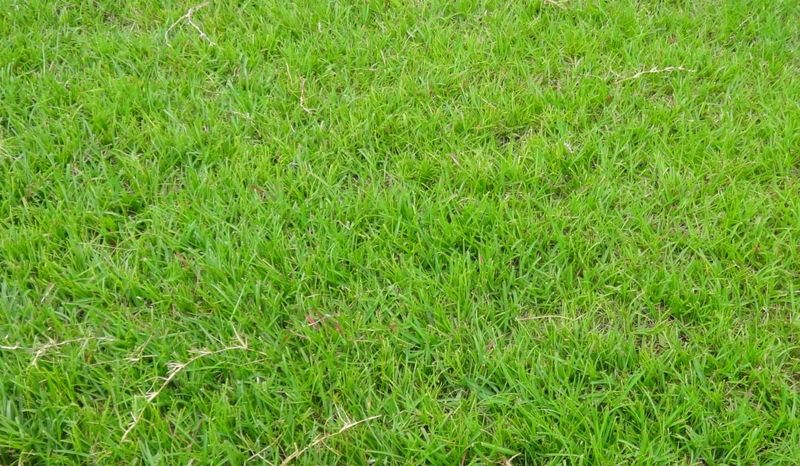
Centipedegrass earned its nickname as the lazy man’s grass, and that is meant as a compliment.
It asks for very little fertilizer, handles poor soil conditions without complaint, and keeps a presentable appearance through summer heat without heavy maintenance demands.
Sandy or acidic soils that would frustrate other grasses are exactly where Centipedegrass feels at home. It naturally adapts to low-nutrient environments, which makes it a practical choice for yards with less-than-ideal soil quality.
Over-fertilizing actually harms it, so lighter is better.
Drought tolerance is moderate rather than exceptional. During extended dry periods, Centipedegrass slows its growth and may show stress.
It does not recover as aggressively as Bermudagrass after drought, so occasional watering during long dry stretches helps keep it in better shape.
Sun exposure matters a lot with this grass. It prefers full sun to light shade and struggles in heavily shaded areas over time.
Your Georgia Garden Changes Every Week. Your Plan Should Too.
Gardening in Georgia changes quickly throughout the season. Every Friday you’ll receive a simple weekly plan showing exactly what to plant, prune, fertilize, harvest, and protect so you never miss the right timing.
Yards with mature trees blocking large portions of sunlight are not ideal settings for Centipedegrass to thrive long-term.
Mowing height sits around one to two inches, and cutting too low weakens the turf quickly. Keeping mowing consistent and avoiding scalping protects the shallow root system.
Centipedegrass roots do not go especially deep, so soil moisture at the surface level matters more than with deeper-rooted varieties.
Centipedegrass is a solid low-maintenance option across many parts of the Southeast when matched to the right conditions.
3. Bahiagrass Tolerates Dry Conditions Better Than Many Lawns
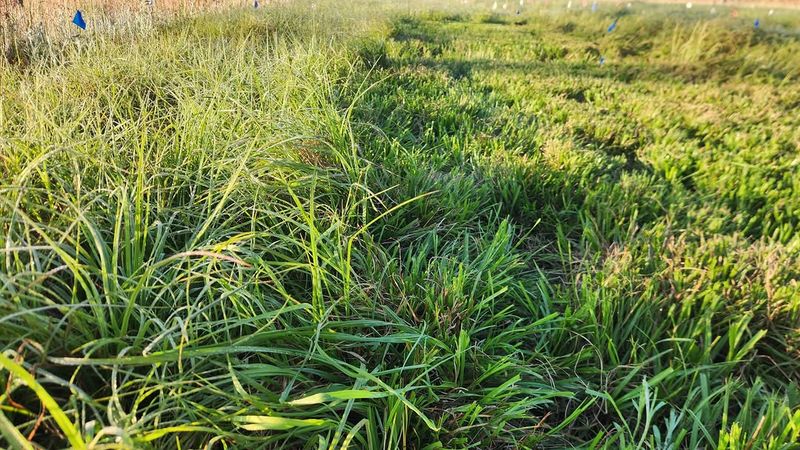
Bahiagrass does not look fancy, and it does not need to. Its coarse blades and open texture give it a utilitarian appearance, but what it lacks in elegance it more than makes up for in raw toughness.
Dry summers do not rattle it much at all.
Root systems on established Bahiagrass go deep, sometimes reaching several feet into the soil. That depth gives it access to moisture long after the surface has dried out.
When neighbors are scrambling to water their lawns, a well-established Bahia lawn often keeps holding its color.
Fertilizer needs are minimal. It actually performs better with light feeding compared to heavy applications.
Heavy nitrogen applications can push lush growth that becomes more vulnerable to stress rather than more resilient. Simple, restrained care works best with this grass.
Seed heads pop up frequently during summer and can look untidy if not mowed regularly. Keeping up with mowing every week or so during peak growth season manages the appearance.
Some homeowners find the seed heads annoying, but they are harmless and part of how Bahia naturally behaves.
Shade is a real limitation for Bahiagrass. It needs full sun to stay dense and healthy.
Thin, shaded areas will struggle regardless of how well other conditions are managed.
Pensacola Bahia is the most widely planted variety across the Southeast for its improved drought performance and availability at most local garden centers.
4. Seashore Paspalum Grows Well In Coastal Areas
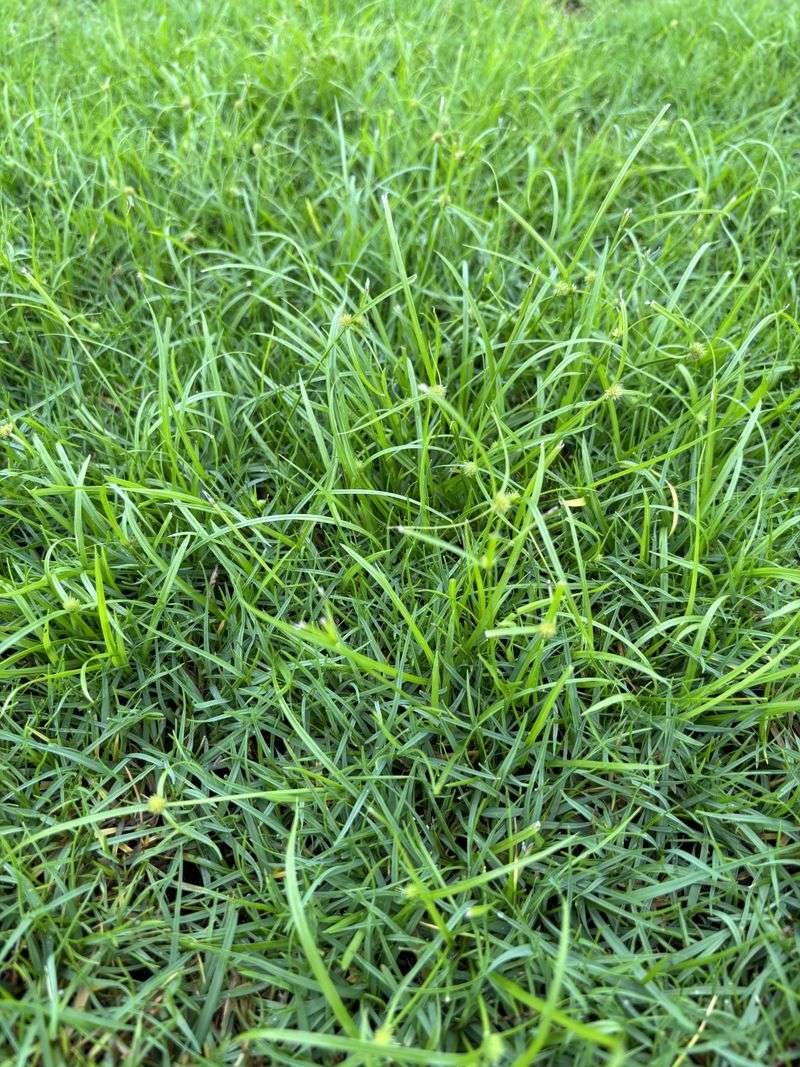
Salt air, sandy soil, and scorching summer heat would challenge most grasses into giving up. Seashore Paspalum is built for exactly those conditions.
Coastal homeowners who have struggled with other grass types often find it a welcome change.
Salt tolerance is what sets this grass apart from nearly every other warm-season option. It can handle salt spray, brackish water irrigation, and high-sodium soils that would damage or thin out competing grasses.
Properties near tidal areas or coastal marshes benefit from this trait more than anywhere else.
Heat performance through summer is strong. Seashore Paspalum stays green and active during hot months and handles high humidity well, which matters in coastal Southeast environments where muggy conditions combine with intense sun.
It does not wilt or brown out quickly under pressure.
Water use is moderate. It is not the most drought-resistant grass on this list, but it can be irrigated with lower-quality or slightly salty water without showing damage.
That flexibility helps coastal homeowners who may not always have access to fresh irrigation water.
Shade tolerance is limited. Open, sunny coastal properties are where it performs best.
Planting under heavy tree canopy or on shaded lots will lead to disappointing results over time.
Maintenance includes regular mowing at one to two inches and occasional fertilization during the growing season. Choosing a certified variety like Sea Isle 1 or Salam gives the best results in coastal Georgia conditions.
5. Buffalograss Requires Less Water Once Established
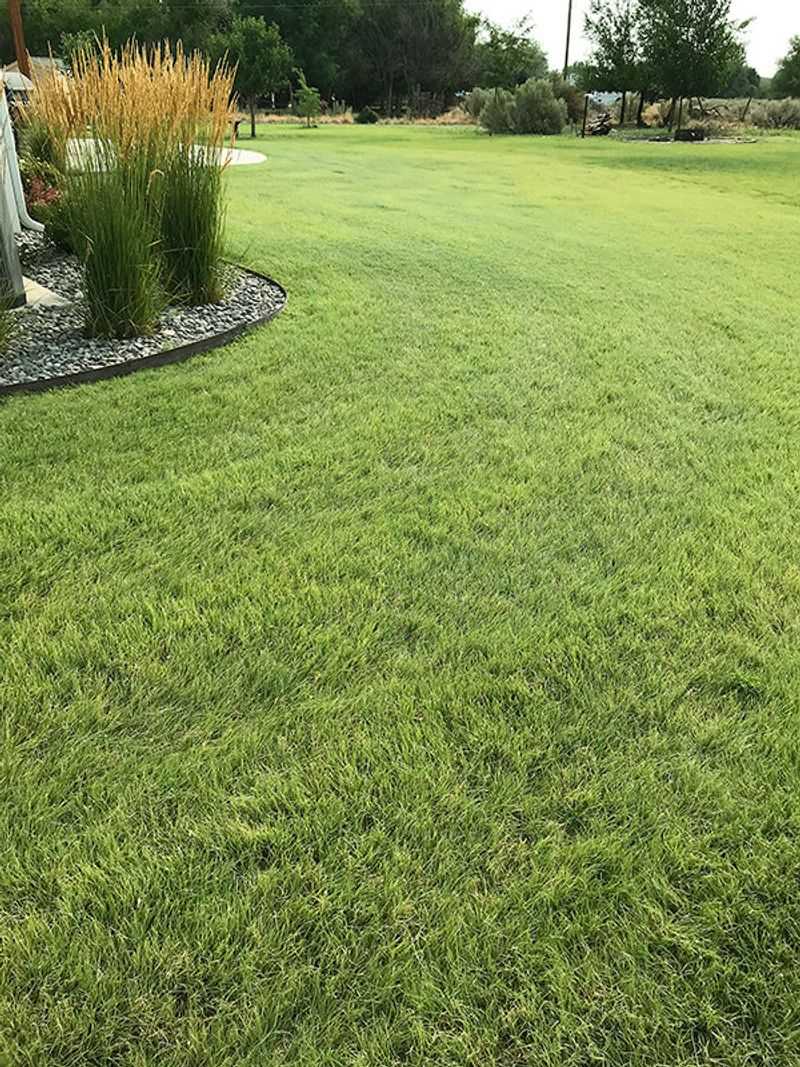
Buffalograss is a native prairie grass that survived centuries of drought on the Great Plains before anyone thought to plant it in a lawn. That survival history matters.
When water is scarce, this grass knows what to do without any help from a sprinkler system.
Establishment takes patience. During the first season, Buffalograss needs consistent moisture to develop its root system.
Once roots are established, though, water needs drop dramatically. Mature Buffalograss can go weeks without rain and still look reasonably healthy compared to other grass types under the same conditions.
Texture is finer than Bahiagrass and softer underfoot than Bermuda. The blades have a slight curl and a blue-green color that looks attractive without looking overly manicured.
Homeowners who prefer a more natural lawn appearance tend to appreciate its relaxed look.
Mowing frequency is low. Buffalograss grows slowly and stays relatively short on its own, sometimes requiring only occasional trimming during summer.
That reduced mowing schedule saves time and fuel over an entire season.
Heat tolerance is excellent in open, sunny conditions. Humidity, however, can be a challenge.
In areas with very high summer humidity, disease pressure increases, and the grass may struggle more than it would in drier inland locations. Knowing your local microclimate helps set realistic expectations.
Buffalograss works best in well-drained soils with full sun exposure. Clay-heavy or poorly drained yards may limit its long-term performance even with proper care.
6. St. Augustinegrass Tolerates Extended Summer Heat
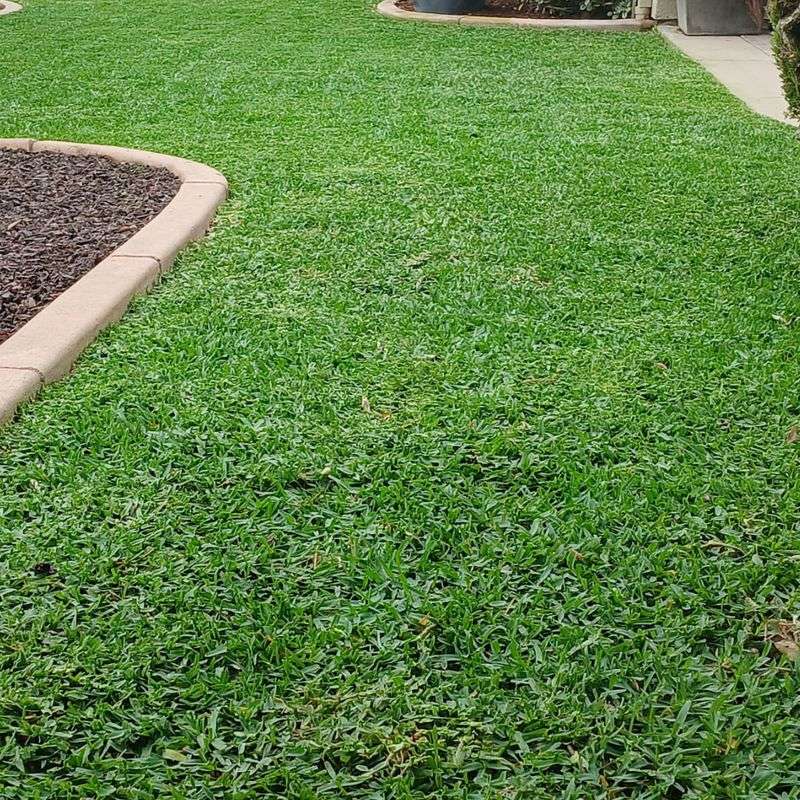
Wide, flat blades and deep green color make St. Augustinegrass one of the most recognizable lawn grasses across the Southeast. Beyond looks, it handles summer heat in a way that few other grasses can match, especially in yards with partial shade.
Shade tolerance is a standout quality. While most drought-tolerant grasses demand full sun, St. Augustinegrass performs acceptably in partially shaded conditions.
Yards with mature trees that block a few hours of daily sun often stay fuller and greener with St. Augustine than with sun-dependent alternatives.
Heat performance through long, humid summers is consistently solid. High temperatures do not cause it to slow dramatically the way they affect cool-season grasses.
It keeps growing and spreading through the hottest months when properly maintained.
Water needs are moderate. It is not the most drought-tolerant grass on this list, and during extended dry periods it will show stress by curling its blades slightly.
Watering once or twice weekly during dry stretches, rather than daily, usually keeps it in reasonable shape without overwatering.
Chinch bugs are a real threat to St. Augustinegrass, particularly during hot, dry summers. Monitoring for early signs of damage and responding quickly prevents larger problems from developing.
Choosing resistant varieties like Floratam or Palmetto reduces that risk somewhat.
Soil quality matters. St. Augustinegrass performs better in well-drained, slightly acidic soil.
Heavy clay or waterlogged areas create problems that routine care alone cannot fix.
7. Carpetgrass Performs Best In Moist Areas
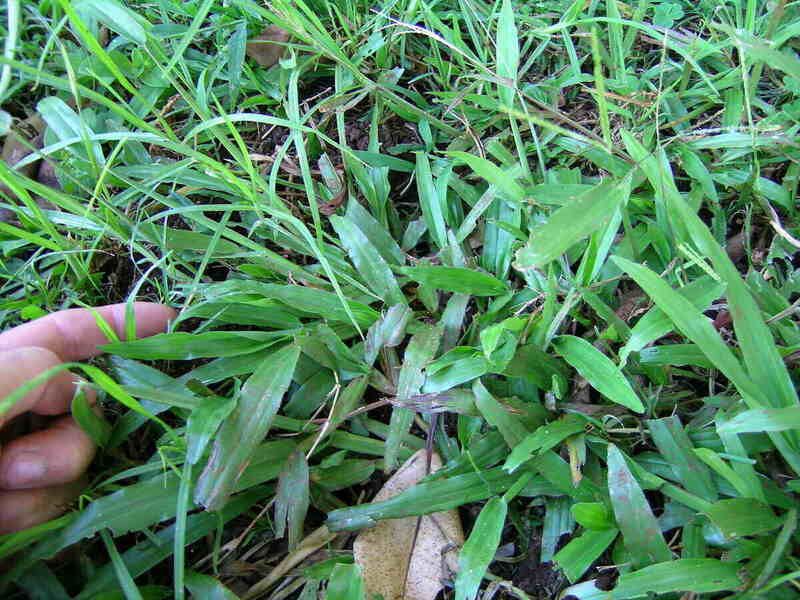
Carpetgrass fills a specific niche that other grasses struggle to occupy. Wet, low-lying areas with poor drainage and limited fertility are exactly where it tends to outperform the competition.
Not every yard has these conditions, but those that do benefit from having a grass that actually embraces them.
Moisture retention in the soil is what Carpetgrass leans on most. It does not have the deep root system of Bahiagrass or the aggressive drought recovery of Bermuda.
Planting it in well-drained, dry areas will lead to disappointing results. Matching it to naturally moist conditions is where it earns its place.
Shade tolerance is moderate. It handles light shade reasonably well and performs better in partially shaded, moist spots than most other warm-season grasses would.
Fully shaded, heavily wooded areas are still a stretch, but dappled light works in its favor.
Fertility needs are very low. Carpetgrass naturally adapts to poor, acidic soils without requiring regular fertilization.
Over-fertilizing can actually push weedy growth and upset the balance it naturally maintains. Keeping inputs minimal is genuinely the right approach here.
Seed heads emerge frequently during summer and grow tall quickly. Mowing every one to two weeks keeps the appearance manageable.
Letting seed heads go too long between mowings makes the lawn look unkempt in a hurry.
Carpetgrass is not a showpiece lawn grass. It is a practical, low-effort solution for problem spots where other options consistently fall short.
8. Bermudagrass Maintains Growth During Hot Weather
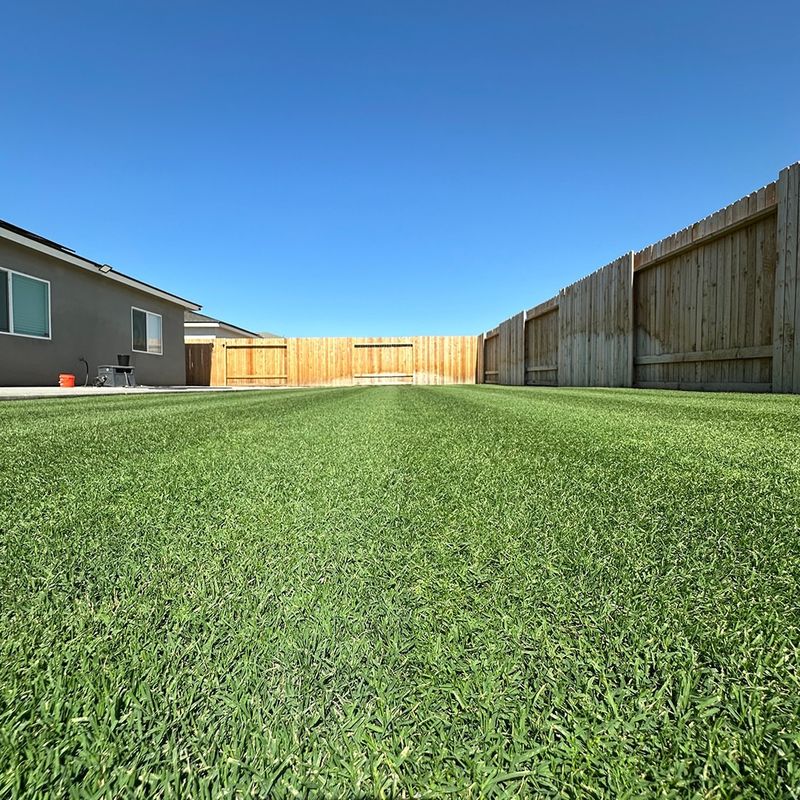
Few grasses push through brutal summer heat the way Bermudagrass does. It stays active and keeps growing even when temperatures climb past 95 degrees.
That kind of stamina is hard to find in other warm-season grasses.
Bermudagrass spreads through both above-ground runners called stolons and below-ground roots called rhizomes. That double growth habit helps it recover fast from foot traffic, drought stress, and even minor damage.
Yards with kids, dogs, or regular outdoor activity tend to hold up well with Bermuda.
Water needs drop significantly once it establishes a strong root system. During dry stretches, it may slow down and look a little tired, but it bounces back quickly after rain or irrigation.
It does not stay damaged for long.
Full sun is where Bermudagrass truly shines. Shaded areas slow its growth and thin it out over time.
Planting it in an open yard with good sun exposure gives it the best possible chance to perform well all season.
Mowing frequency increases during active growth periods in summer. Keeping it cut short, usually between half an inch and one and a half inches, encourages dense turf and reduces weed pressure.
Staying consistent with mowing makes a noticeable difference in overall lawn quality.
Bermudagrass goes dormant in cooler months, turning tan or straw-colored. That is completely normal and expected behavior for this grass type.