This Is Where Ticks Are Most Likely Hiding In Your North Carolina Yard
Most people assume ticks are everywhere in the yard equally, so they treat the whole space the same way and still end up getting bitten.
North Carolina yards actually have very specific zones where ticks concentrate in much higher numbers than anywhere else, and knowing exactly where those spots are changes everything about how you approach the problem.
Shaded leaf litter, overgrown bed edges, areas where the lawn meets wooded sections, and spots with dense low-growing shrubs are all prime territory.
Once you understand the pattern behind where ticks prefer to wait and how they move through a yard, protecting yourself and your family becomes a much more focused and effective process than blanket treating an entire property.
1. Tall Grass And Overgrown Lawns

Picture your backyard after a few weeks without mowing. The grass shoots up, weeds creep in, and suddenly you have a perfect tick paradise right outside your door.
Ticks, specifically the species in the Ixodidae family, absolutely love tall grass because it holds moisture, blocks sunlight, and gives them a shady spot to wait for a passing host.
In North Carolina’s humid summers, grass that grows taller than four inches creates a microclimate that stays damp and cool even on hot days. That moisture is exactly what ticks need to stay active and healthy.
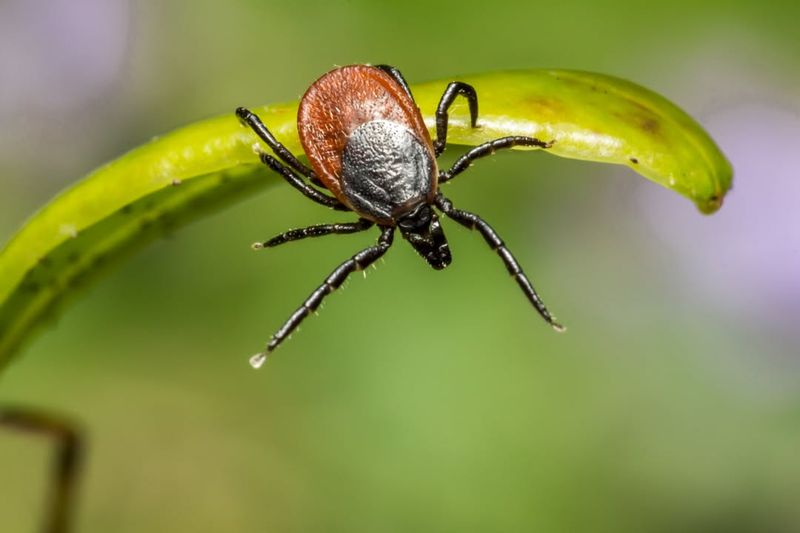
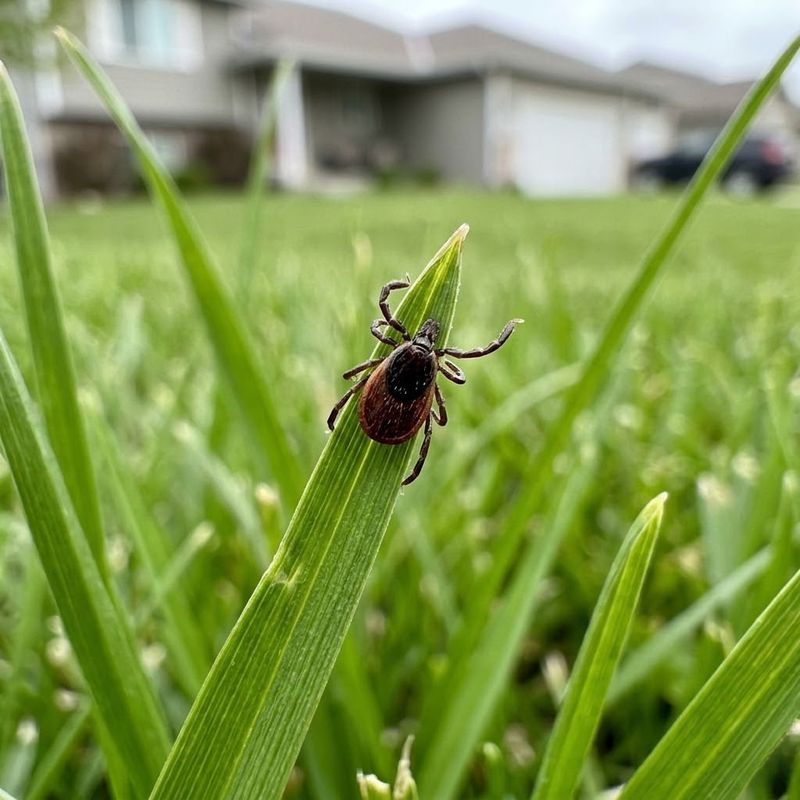
They climb to the tips of grass blades and wait in a behavior called questing, where they stretch out their front legs hoping to grab onto an animal or person walking by.
Mowing your lawn regularly, ideally every one to two weeks during warmer months, is one of the most effective ways to break up this habitat.
Keeping grass at a height of three inches or shorter removes the shaded, humid environment ticks depend on.
Trimming along fences, walkways, and garden borders matters just as much as the main lawn area. Bag your clippings rather than leaving them scattered, since clippings can pile up and create the same damp conditions you are trying to avoid.
A tidy lawn is genuinely one of your strongest defenses against ticks settling in.
2. Leaf Litter And Mulch Piles
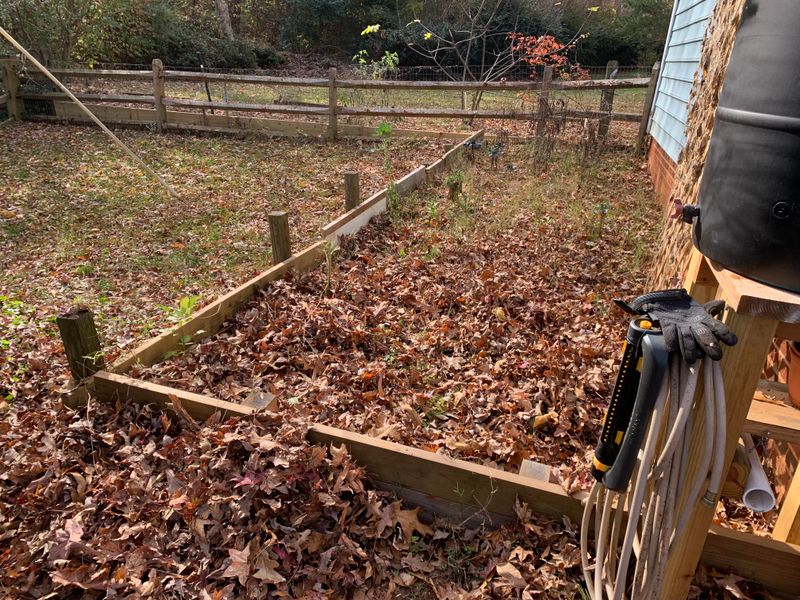
Fallen leaves might look harmless, but a thick layer of leaf litter is basically a five-star hotel for ticks.
When leaves pile up in corners, under shrubs, or along garden borders, they trap moisture and create a dark, insulated environment that ticks find irresistible.
North Carolina’s mix of hardwood trees means yards can accumulate serious leaf buildup, especially from fall through early spring.
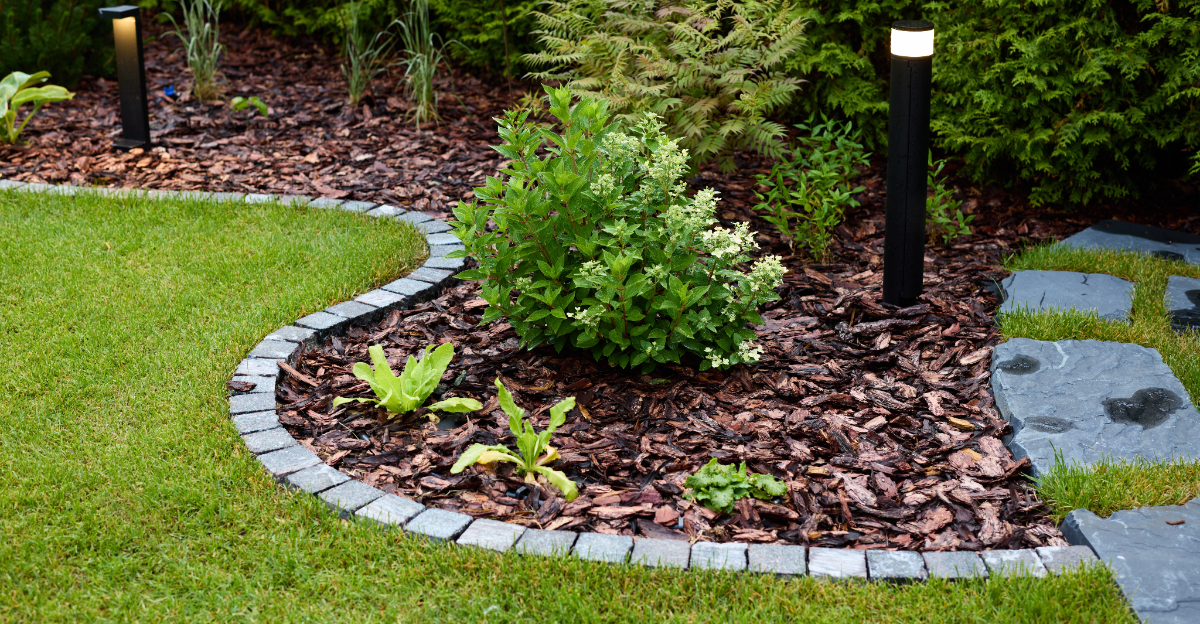
Mulch has a similar effect when applied too thickly. While mulch is great for plant health, keeping it piled more than two to three inches deep creates the same damp, shaded conditions that attract ticks.
Wood chip mulch in particular holds moisture well, which is helpful for plants but also helpful for ticks looking for a cozy spot to rest between feedings.
Raking leaves regularly and removing them from the yard rather than just moving them around is a simple but powerful strategy. When it comes to mulch, keep layers thin and consider pulling it slightly away from the edges of walkways and play areas.
Your North Carolina Garden Changes Every Week. Your Plan Should Too.
Gardening in North Carolina changes quickly throughout the season. Every Friday you’ll receive a simple weekly plan showing exactly what to plant, prune, fertilize, harvest, and protect so you never miss the right timing.
Replacing wood mulch with cedar mulch is worth considering since cedar contains natural oils that ticks tend to avoid. Keeping garden beds tidy and well-spaced also improves airflow, which helps the soil surface dry out faster after rain.
Small habits like these add up to a noticeably less tick-friendly yard over time.
3. Shrub And Hedge Bases
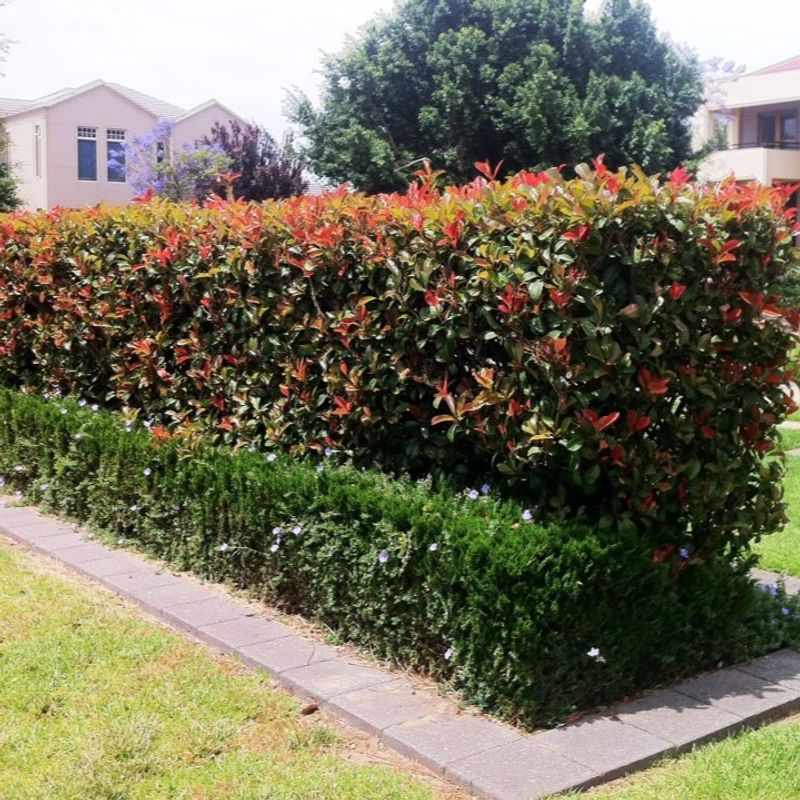
Most people prune the tops of their shrubs and hedges but forget entirely about what is happening at the base.
Down at ground level, dense hedges and overgrown shrubs create a thick canopy of leaves and stems that blocks sunlight and traps humidity right against the soil.
For ticks, that shaded base zone is an ideal resting and hiding spot, especially during the warmer months when they are most active across North Carolina.
Shrubs planted too close together make the problem worse. When plants grow in tight clusters, air barely moves through the lower sections, which keeps the ground beneath them consistently damp.
Ticks do not need much space to set up camp, and the combination of shelter, moisture, and nearby wildlife or pet traffic makes shrub bases surprisingly high-risk zones.
Pruning the lower branches of shrubs so that sunlight reaches the base is a practical first step. Aim to clear the bottom six to twelve inches of the plant, which allows air to circulate and the soil to dry between rainfall events.
Spacing new shrubs with enough room for good airflow also makes a real difference over time. Replacing dense, low-growing ground covers near high-traffic areas with gravel or stone mulch can reduce tick habitat significantly.
Staying on top of these small pruning tasks through spring and summer keeps conditions less favorable for ticks throughout the season.
4. Edges Near Woodlands Or Brush Piles

The spot where your yard meets the woods is one of the most tick-heavy zones on your entire property.
Researchers who study tick populations consistently find the highest concentrations at these transition edges, where deer, raccoons, and other wildlife regularly travel.
North Carolina has abundant wildlife corridors, and ticks hitch rides on these animals before dropping off right at the edge of your lawn.
Brush piles are an even bigger magnet. Stacks of old branches, twigs, and yard debris create layered, humid shelters that wildlife love to explore.
Anywhere animals go, ticks follow, and brush piles near the edge of your property are essentially a tick staging area just steps from your garden and play spaces.
Creating a cleared buffer zone of three feet or more between your lawn and any wooded or brushy area is one of the most recommended strategies for reducing tick migration.
Wood chips or gravel work well as a barrier material in this zone since ticks prefer not to cross dry, open surfaces.
Removing brush piles entirely and disposing of dry branches promptly eliminates a key shelter spot. If you enjoy wildlife, consider placing bird feeders and birdbaths away from the house and toward the edge of the property to redirect animal traffic.
Keeping this boundary well-maintained through the growing season significantly reduces how many ticks make it into your main yard.
5. Around Garden Structures
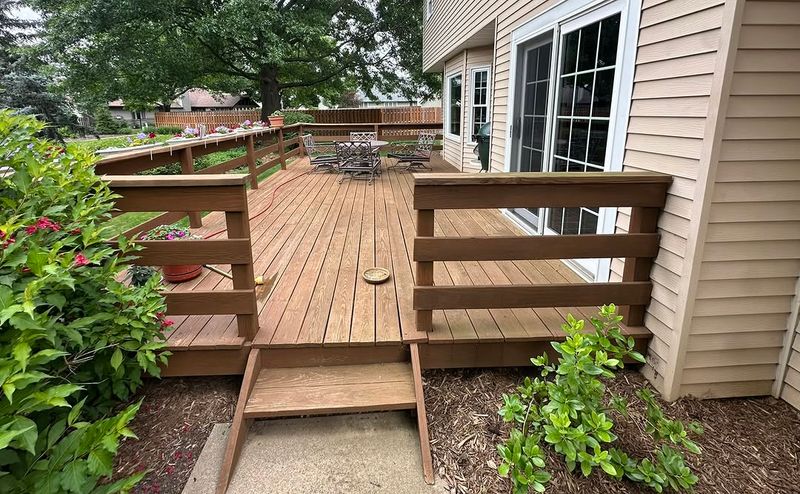
Your deck, garden shed, and fence line might feel like the safest parts of your yard, but they are actually some of the sneakiest tick hangouts around.
Gaps under decks and along fence bases create dark, sheltered spaces that stay cool and damp even during dry spells.
Ticks do not need much room, and the undersides of wooden structures give them exactly the kind of protected environment they are drawn to.
Sheds are especially worth watching. Debris tends to collect around shed bases, including leaves, grass clippings, and stored materials that rarely get moved.
Wildlife like mice and chipmunks often nest in these areas too, and since small rodents are major tick hosts, having them close to your structures brings ticks right along with them.
Sealing gaps under decks with hardware cloth or lattice prevents animals from nesting underneath while also reducing the sheltered space available to ticks. Keeping the ground beneath and around structures clear of debris is equally important.
Gravel or stone around the base of sheds improves drainage and discourages both wildlife and tick activity. Regularly sweeping along fence lines and removing any piled materials, old pots, or unused equipment from these areas keeps them less hospitable.
Even a basic monthly check around your garden structures can reveal problem spots before they become serious tick zones during peak season.
6. Pet Resting Areas
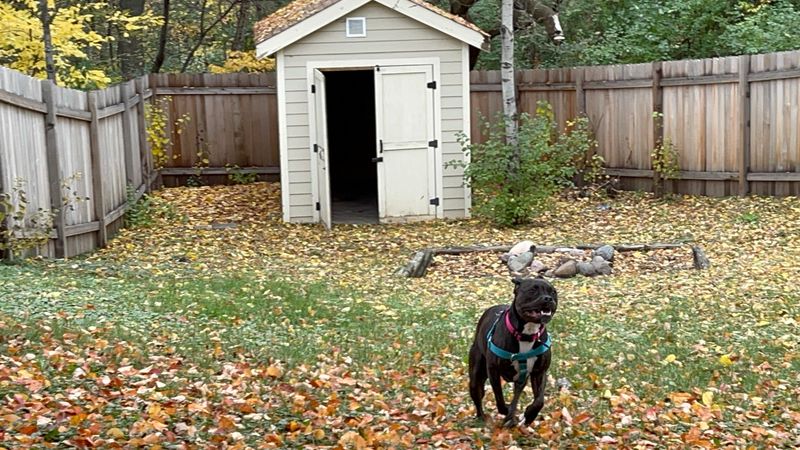
Dogs and cats spend a lot of time in specific spots in the yard, and wherever pets rest regularly, ticks tend to gather. It makes sense when you think about it.
Pets carry ticks in from walks or wooded areas, and when they settle into their favorite shady napping spot, any ticks that drop off find themselves in a ready-made habitat. Over time, these pet zones can build up a surprisingly high tick presence.
Shaded areas under trees or along fences where dogs tend to rest are particularly high-risk.
The ground in these spots often stays compacted and slightly damp from regular use, and the combination of organic material and reduced sunlight keeps conditions comfortable for ticks.
Dog runs with wood chip bedding are another common trouble spot, since the mulch holds moisture and provides cover.
Cleaning pet resting areas frequently makes a noticeable difference. Replacing wood chip bedding with cedar chips can help since cedar’s natural oils are unpleasant to ticks.
Positioning pet resting areas in sunnier, drier parts of the yard is a smart landscape choice whenever possible. Washing pet bedding weekly during tick season and checking your pets carefully after outdoor time are habits worth building.
Keeping the grass short around these zones and removing any debris that accumulates nearby reduces the conditions that allow ticks to establish themselves in spaces your pets use every day.
7. Moist Shady Areas
Walk around your yard after a rainstorm and pay attention to which spots dry out quickly and which ones stay wet for hours. Those persistently damp, shaded zones are among the most attractive environments for ticks in any North Carolina yard.
Ticks are extremely sensitive to drying out, so they actively seek areas where humidity stays high, particularly under large trees, along north-facing walls, and beneath dense plantings.
Ground cover plants like ivy, pachysandra, and vinca are popular in shady yards, but they create a dense mat that stays moist and blocks sunlight from reaching the soil.
While they look attractive and control erosion, these plants also create the layered, humid conditions that ticks thrive in.
Any consistently damp corner of your yard deserves a close look during tick season.
Adjusting your watering schedule to allow soil to dry between sessions is a practical first step. Drip irrigation targeted directly at plant roots reduces surface moisture compared to overhead sprinklers.
Thinning out dense ground covers in high-traffic areas and replacing them with drought-tolerant plants improves conditions significantly. Trimming tree canopies to allow more sunlight to filter through also helps the ground dry faster after rain.
For areas that stay naturally wet due to drainage patterns, adding gravel or improving drainage reduces the prolonged moisture that ticks depend on to stay active. Small adjustments to how you manage water and shade go a long way.
8. Compost Piles
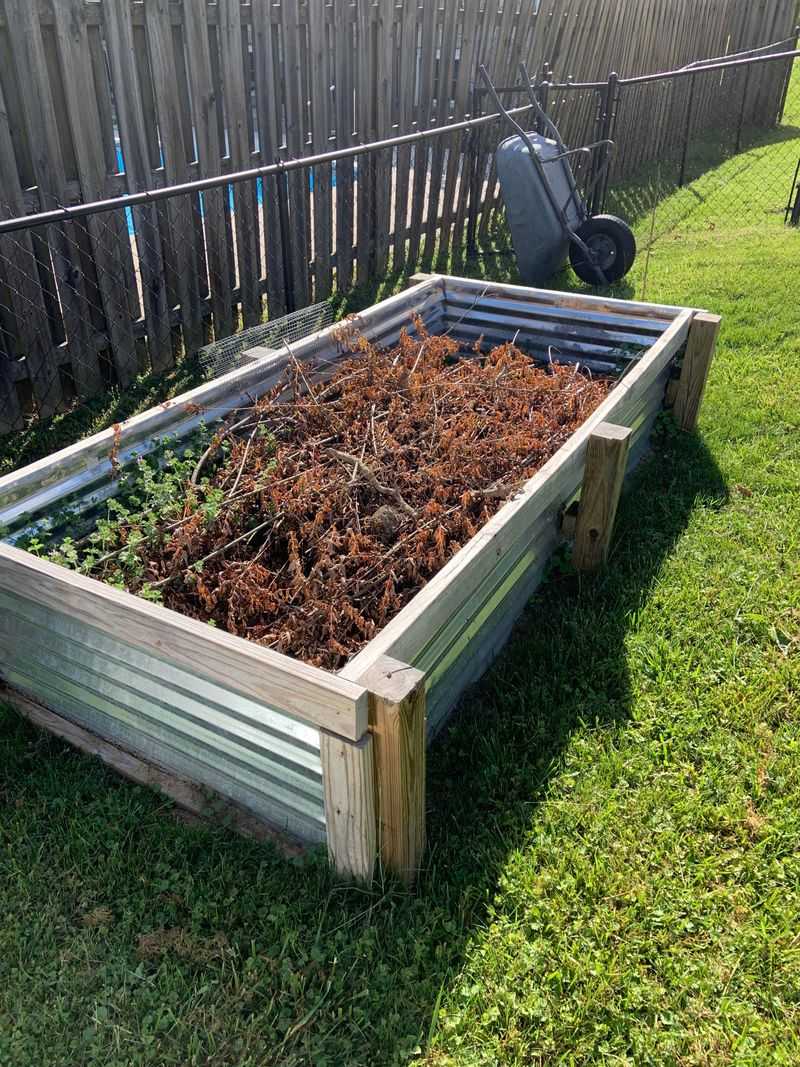
Compost piles are one of those yard features that are incredibly useful for gardening but can quietly become a tick-friendly zone if not managed carefully.
The organic material inside a compost pile generates heat and moisture as it breaks down, creating a warm, humid environment that ticks find attractive.
Add in the fact that small animals like mice and shrews often visit compost piles for food scraps, and you have a spot that draws in tick hosts on a regular basis.
Ticks themselves do not eat the compost, but the conditions around the pile, especially the damp, shaded edges where decomposing material meets the soil, offer a comfortable resting spot. In North Carolina’s humid climate, outdoor compost piles that sit undisturbed for long periods can become surprisingly active tick zones, particularly during spring and early summer when tick populations peak.
Turning your compost pile at least once a week keeps the interior temperature high enough to be less hospitable and disrupts any ticks or tick-friendly animals that have settled in.
Using a fully enclosed bin with a lid rather than an open pile reduces wildlife access and limits the damp edge zones where ticks tend to gather.
Keeping the area around the bin clear of tall grass, leaves, and debris removes additional shelter.
Placing your compost bin in a sunnier location rather than a shaded corner also helps the exterior dry out faster, making it a less attractive neighborhood for ticks overall.
9. Border Edges Near Wildlife Corridors
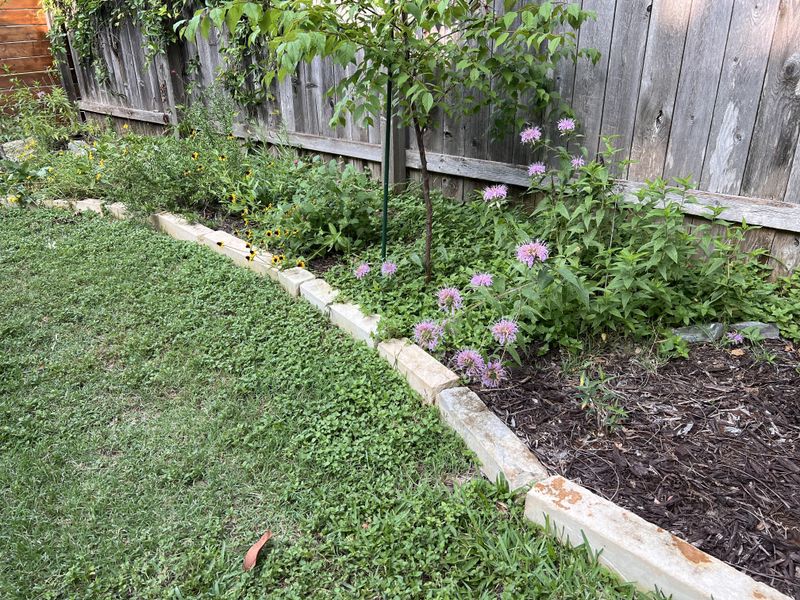
Not every tick walks into your yard on its own. Many of them arrive as passengers on deer, foxes, rabbits, and other wildlife that follow established paths through neighborhoods and natural areas.
In North Carolina, where suburban yards often sit alongside greenways, open fields, and natural corridors, these border zones are active tick entry points throughout the year.
The edges of your yard that face open spaces, trails, or undeveloped land deserve special attention. These areas see the most wildlife traffic, and ticks that drop off passing animals land right in the grass and vegetation along these borders.
Over time, tick populations can build up in these transition zones and gradually spread further into your yard with each passing season.
Installing a low fence along wildlife-facing borders can reduce how much large wildlife enters your yard, which directly reduces tick introduction.
Planting tick-resistant or deer-resistant plants like lavender, rosemary, and marigolds along these edges creates a less attractive border for both deer and ticks.
Keeping a wide, mowed buffer strip of three to five feet along these edges removes the vegetation cover ticks need to survive. Removing berry-producing plants near these borders reduces the food sources that attract wildlife.
Checking this border zone regularly during growing season and keeping it consistently maintained gives you the best chance of intercepting ticks before they spread further into your outdoor living spaces.
10. Mulched Play Areas
Mulched play areas feel like a safe, cushioned space for kids, but the same wood chip mulch that softens falls can also shelter ticks if it is not managed properly.
Thick layers of mulch stay moist underneath even when the surface looks dry, and that hidden moisture creates comfortable conditions for ticks to rest and wait for activity above them.
In a yard where kids are running, rolling, and playing close to the ground, that is a combination worth taking seriously.
Playsets and swing sets surrounded by deep mulch are a particular concern in North Carolina, where the climate stays warm and humid for much of the year.
Ticks can be active from early spring all the way into late fall, meaning mulched play areas need attention across most of the outdoor season rather than just during summer.
Keeping mulch depth at two inches or less in play areas reduces the moisture retention that ticks favor. Raking the mulch regularly to expose the lower layers to air and sunlight helps it dry out faster.
Choosing cedar mulch over standard wood chips is a worthwhile upgrade since cedar’s natural compounds are less hospitable to ticks.
Positioning play areas in the sunniest part of the yard rather than under shaded trees makes a real difference in how quickly the mulch dries after rain.
Inspecting children carefully after outdoor play and doing a quick check of the mulch surface weekly keeps this beloved backyard space both fun and well-managed all season long.