Get Rid Of Algae And Moss From Michigan Patios And Porch Roofs With This Cheap Trick
Those black streaks running down so many roofs are alive. Truth is, they come from a tough little organism that can travel from house to house on the wind, and it snacks on the limestone filler tucked inside many asphalt shingles.
I used to think the green film on my patio was just dirt that needed a hose. Then I slipped on it one damp morning and nearly lost my coffee mug, along with my pride.
Michigan gives these growers exactly what they crave. Humid summers, shady maples, and long, wet springs keep surfaces damp for days at a time.
I get it, nobody wants to pay a crew hundreds of dollars to scrub a porch roof. So what if the fix costs less than a pizza and already sits on a shelf near your washing machine?
Those Black Roof Streaks And Fuzzy Green Moss Clumps Are Two Different Troublemakers
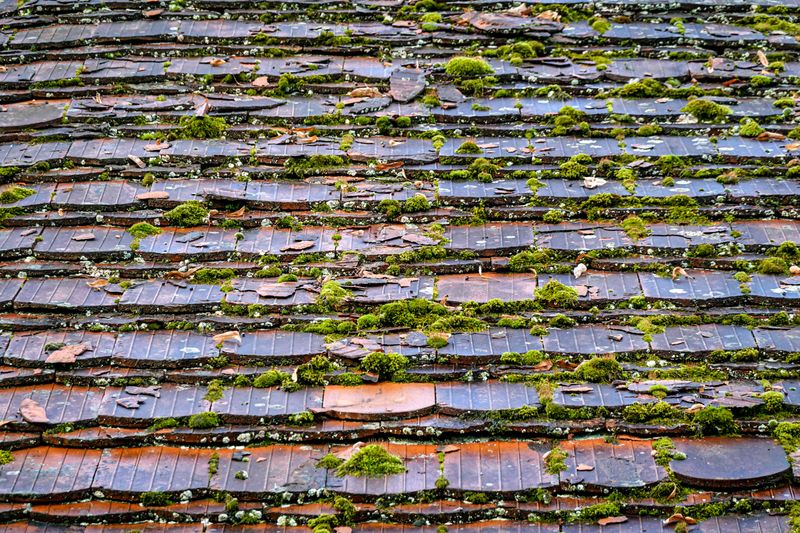
Most folks lump every green or black smudge together, but your roof is hosting two separate guests. The dark streaks usually come from Gloeocapsa magma, a type of blue-green algae, often called cyanobacteria.
That algae feeds partly on the crushed limestone filler used in many asphalt shingles. It spreads by airborne spores, so one streaky roof on the block can hint at more to come.
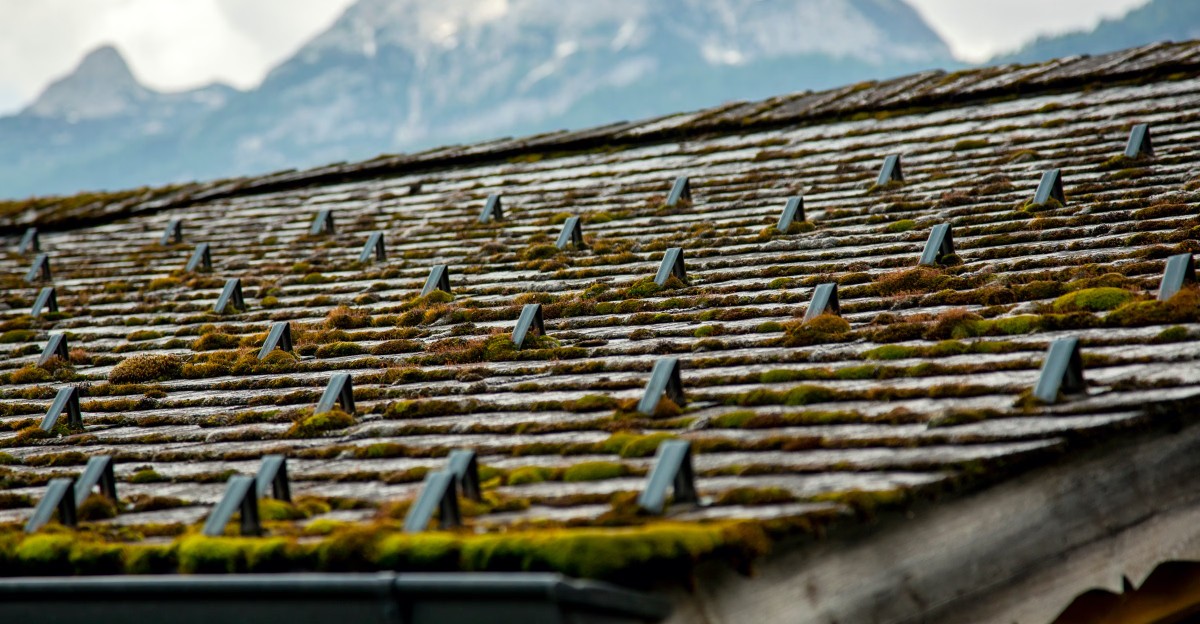
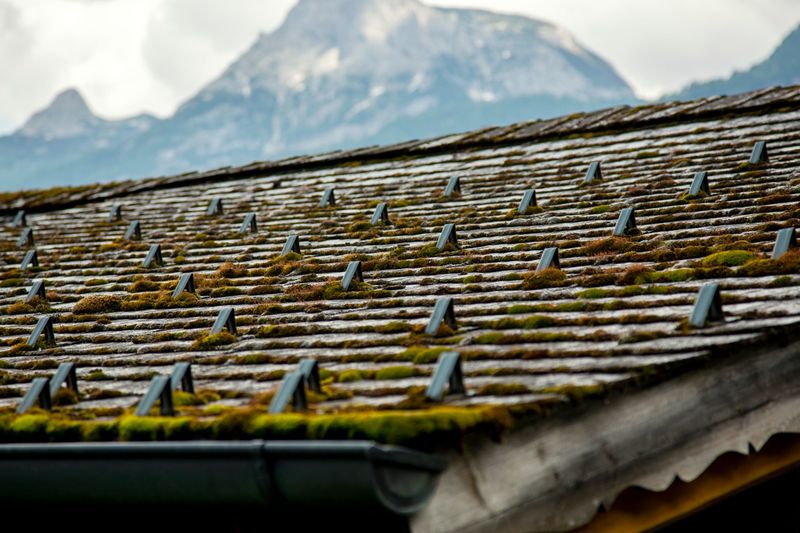
Moss is a different story. It shows up as soft, fuzzy green cushions, mostly on north-facing slopes, shady corners, and spots under overhanging branches.
Here is why the difference matters. Algae is mainly a looks problem, though it can make a roof absorb a bit more heat from the sun.
Moss behaves more like a little sponge. It holds water against the shingles, can creep under their edges, and slowly lifts them.
In a place with plenty of freeze-thaw swings, trapped water is bad news. It can freeze, expand, and widen small gaps over a single winter.
Patios have their own version of this pair. Green algae forms a slick film on concrete and pavers, while moss settles into joints and cracks where moisture lingers.
Knowing which one you have helps you pick the right cleaning approach and timing.
A Jug Of Laundry Bleach Is The Cheap Roof Trick Shingle Makers Recommend
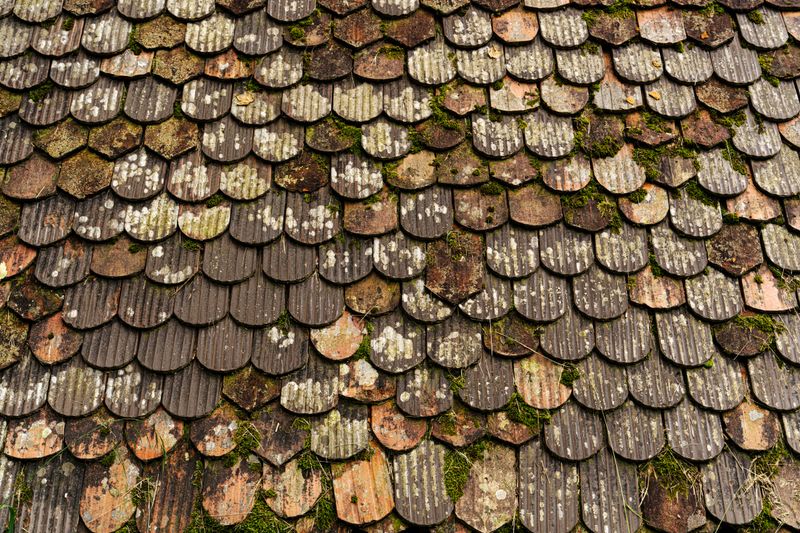
Not going to lie, I expected the answer to be something fancy. Instead, the Asphalt Roofing Manufacturers Association points homeowners toward plain liquid chlorine bleach.
Their suggested mix is equal parts laundry-strength bleach and water. Some pros add a small squirt of dish soap so the solution clings to the shingles instead of running straight off.
Pour it into an inexpensive pump garden sprayer. Treat one manageable section at a time rather than soaking the entire roof at once.
Let the mix sit for about 15 to 20 minutes. Then rinse with low-pressure water from a regular garden hose, working from the top down.
Overcast, mild days are your friend here. Hot sun dries the solution too fast and can leave streaks behind.
Spring through early fall works well across most of the state. Skip cold days, since the solution works poorly once temperatures drop near freezing.
Moss often turns brown and loosens over the following days or weeks. Rain does a lot of the final rinsing for you.
Budget-wise, you are looking at a jug of bleach and a sprayer, often under 30 dollars total.
Put Down That Pressure Washer Before It Strips Your Shingle Granules
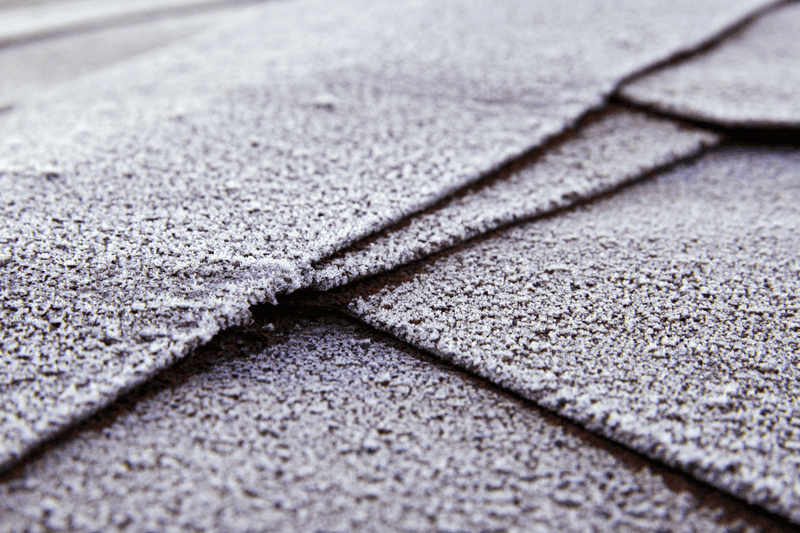
I learned the hard way that a power washer can make a roof look worse a few years down the road. Those tiny colored granules on asphalt shingles are not decoration.
They shield the asphalt from ultraviolet rays and help the roof shed weather. A high-pressure blast can knock them loose by the bucketful.
Once granules wash away, shingles age faster and may crack sooner. Strong spray can also force water up and under the shingle edges.
Many manufacturers warn against pressure washing, and doing it may affect your warranty. That alone is worth a pause before renting the machine.
So what should you do with stubborn moss after the bleach treatment? Use a soft-bristle brush on a long handle.
Brush gently downward, in the same direction water flows. Scraping upward can lift shingle tabs and invite leaks.
A plastic scraper can help with thick patches near gutters. Metal tools are a poor match for asphalt.
Check your gutters afterward too. Finding a handful of granules is normal on older roofs, but heaps of them suggest the roof needs an inspection from a pro.
Slippery Green Concrete Patios Clean Up With A Weaker Bleach Mix
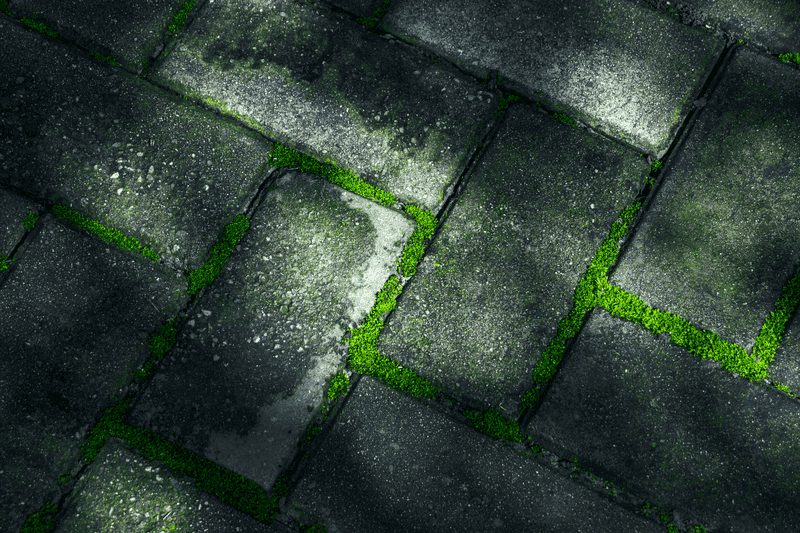
A green patio is not just ugly. That thin algae film gets slick as ice after a summer shower, especially along shady edges near downspouts.
For light growth, start simple. Hot water, a squirt of dish soap, and a stiff-bristle brush can lift a surprising amount of surface gunk.
That soapy scrub may leave spores and leftover growth behind, though. Expect regrowth in a few weeks if the spot stays damp.
For a longer-lasting result, mix about one part bleach to four parts water. Spray or mop it onto the green areas.
Give it 10 to 15 minutes, then scrub hard with a stiff push broom. Rinse thoroughly with plenty of plain water.
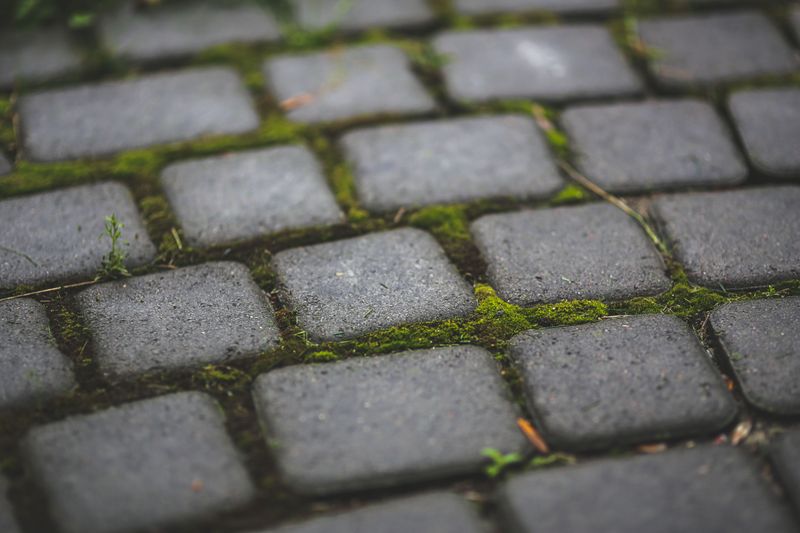
Moss tucked between pavers needs a little extra help. A narrow crevice brush or an old screwdriver works well for pulling clumps out of the joints.
Test any mix on a hidden corner first. Colored concrete, stamped finishes, and some natural stone can react to bleach.
Choose a cool, cloudy day if you can. Your mix stays wet longer, and you will not be scrubbing under a blazing July sun.
White Vinegar And Baking Soda Handle Patio Moss For Pennies
Guilty as charged, I reach for the vinegar jug more than anything else in the pantry. It turns out to be handy outdoors too.
White vinegar is acidic, and that acidity helps break down algae and moss on hard surfaces. Mix equal parts vinegar and water in a sprayer for a starter batch.
Soak the green spots well. Wait 10 to 30 minutes, then scrub with a stiff brush and rinse thoroughly.
Tough patches may need straight vinegar. Use care, because acid can etch concrete, lime-based mortar, and natural stone like limestone or marble if it sits too long.
A quick test on a hidden spot saves heartache. Rinse well afterward so no acid lingers on the surface.
Baking soda is another bargain option for light algae. Sprinkle it over the dry green areas, leave it about a day, then sweep it away.
Keep both away from roofs, though. These remedies suit patios and walkways better than shingles.
Vinegar also harms grass and garden plants it touches. Aim carefully along lawn edges and flower beds so your cleanup stays on the pavement.
Cover Your Hostas And Shrubs Before Any Spray Hits The Roof

Fair warning, bleach does not care whether it lands on algae or your prized hydrangeas. Runoff from a roof drips straight onto foundation plantings.
Start by soaking nearby plants, mulch, and lawn edges with plain water. Wet leaves and soil absorb less of the cleaning solution.
Next, drape lightweight plastic sheeting over shrubs, hostas, and perennials. Remove it soon after you finish, since plants can overheat under plastic on warm days.
Rinse everything again once the job wraps up. That second watering dilutes any drips that slipped through.
Watch where your downspouts empty too. Point them away from vegetable beds, or set out a bucket to catch the first rinse.
Keep the runoff out of storm drains, ponds, and streams. Michigan homeowners near lakes and creeks should take extra care, since chlorine can harm fish and other aquatic life.
Pets and kids should stay indoors while you work. Wet bleach on pavement is no place for curious paws.
Finally, never mix bleach with ammonia, vinegar, or other acidic or ammonia-based cleaners. Those combinations release harmful gases, so use one product at a time and rinse well between them.
Safety Glasses, Gloves And Good Ladder Sense Matter On Porch Roofs
Here’s my confession. The first time I cleaned a porch roof, I wore flip-flops, and I do not recommend that plan.
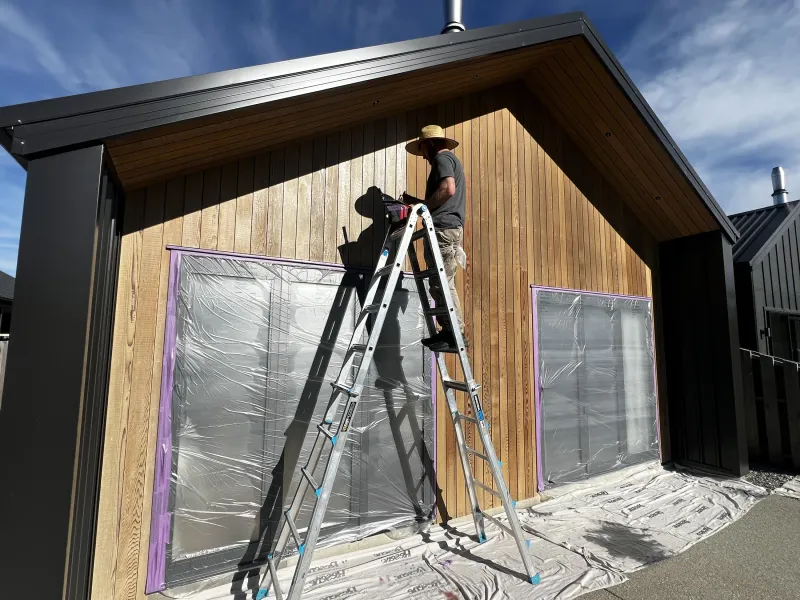
Wet shingles are slick, and bleach makes them slicker. Whenever possible, work from a sturdy ladder at the roof edge instead of walking on the surface.
Set the ladder on firm, level ground. Extend it about three feet above the roof edge, and have a helper hold it steady.
Gear up before you mix anything. Safety glasses, rubber gloves, long sleeves, and shoes with grippy soles keep splashes and slips in check.
Choose a calm day without wind. Breezes can blow spray right back into your face.
Low, single-story porch roofs are often a fine weekend project. Steep, high, or two-story roofs are a different matter.
Call a licensed roofer or soft-wash pro for those. Hiring help also makes sense when moss is thick, shingles look curled, or you notice soft spots.
Store bleach in its original container, out of sunlight. It loses strength over time, so a fresh jug works better than one lingering in the garage since last summer.
Zinc Strips, Trimmed Branches And Clean Gutters Keep Moss From Returning
Cleaning feels great, but prevention is where you save real money. Moss and algae return fast if conditions stay shady and damp.
Sunlight and airflow are your best allies. Trim overhanging branches so roofs and patios dry out quicker after rain.
Clear leaves, seeds, and twigs from roof valleys and gutters in fall and spring. Piled debris holds moisture and gives moss a cozy starting point.
Zinc or copper strips installed near the roof ridge add longer-term help. Rain washes tiny amounts of metal down the shingles, which discourages new growth below.
Many newer shingles also come with algae-resistant granules. Ask about them if a roof replacement is on your horizon.
On patios, fix low spots where puddles linger. Redirect downspouts away from pavers, and keep mulch beds from spilling onto walkways.
Sealing pavers or concrete can slow moisture from soaking in. Sweeping regularly also keeps spores and soil from settling into joints.
A quick check each spring and fall makes a big difference. Catch the first green haze early, and a five-minute spray beats a full Saturday of scrubbing later.