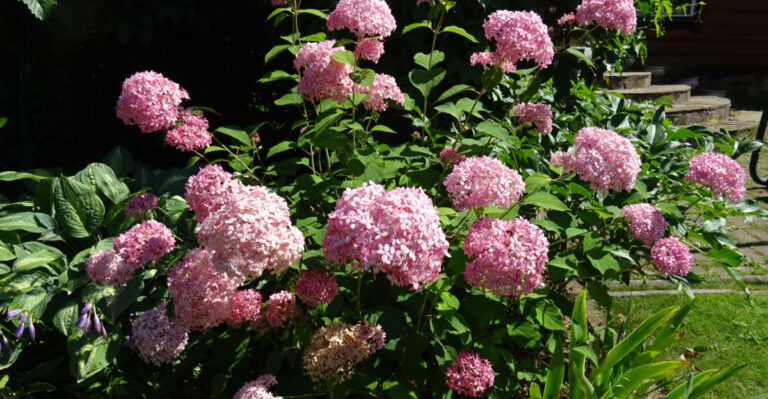
The One Late Fall Task That Gives North Carolina Hydrangeas Bigger Blooms
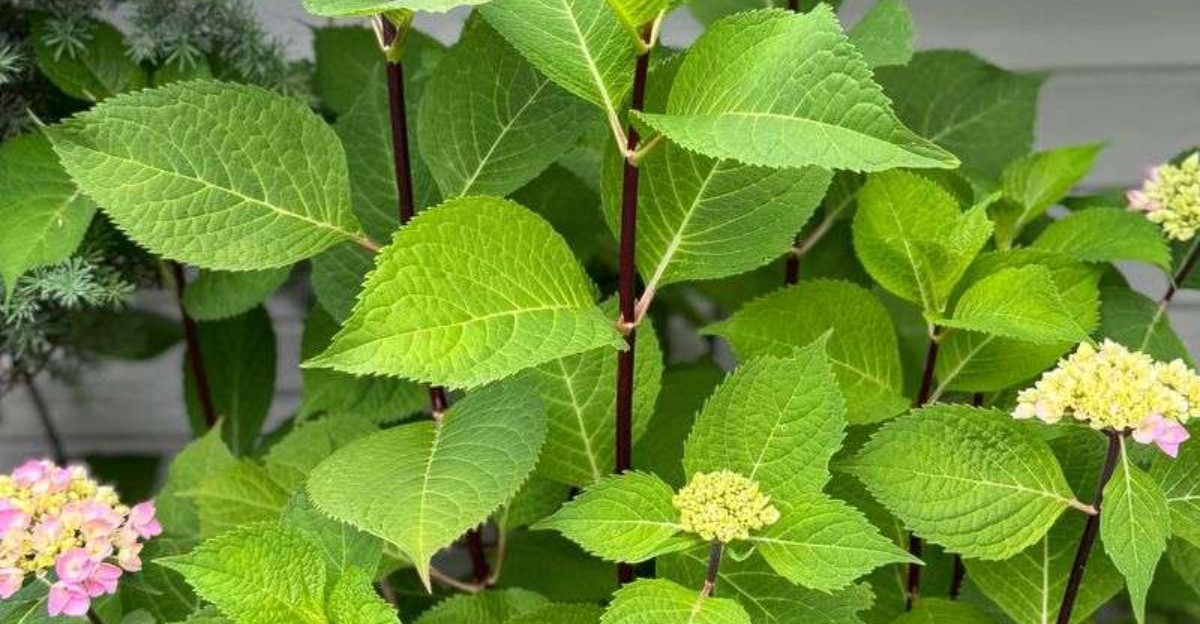
Some hydrangeas bloom bigger after you cut them nearly to the ground. I still remember how nervous I felt the first time I tried it.
The trick works because certain types build next summer’s flowers on stems that have not even grown yet. Other types already carry their flower buds right now, tucked inside those bare-looking twigs.
One wrong snip in November can mean a summer of leaves and no color. Across North Carolina, gardeners from the mountains to the coast mix up these two groups every single fall.
I believe that confusion causes more flowerless shrubs than drought, deer, or bad soil combined. You need to know which kind you own before you grab the shears.
1. Those Bare Hydrangea Stems Are Hiding an Important Clue
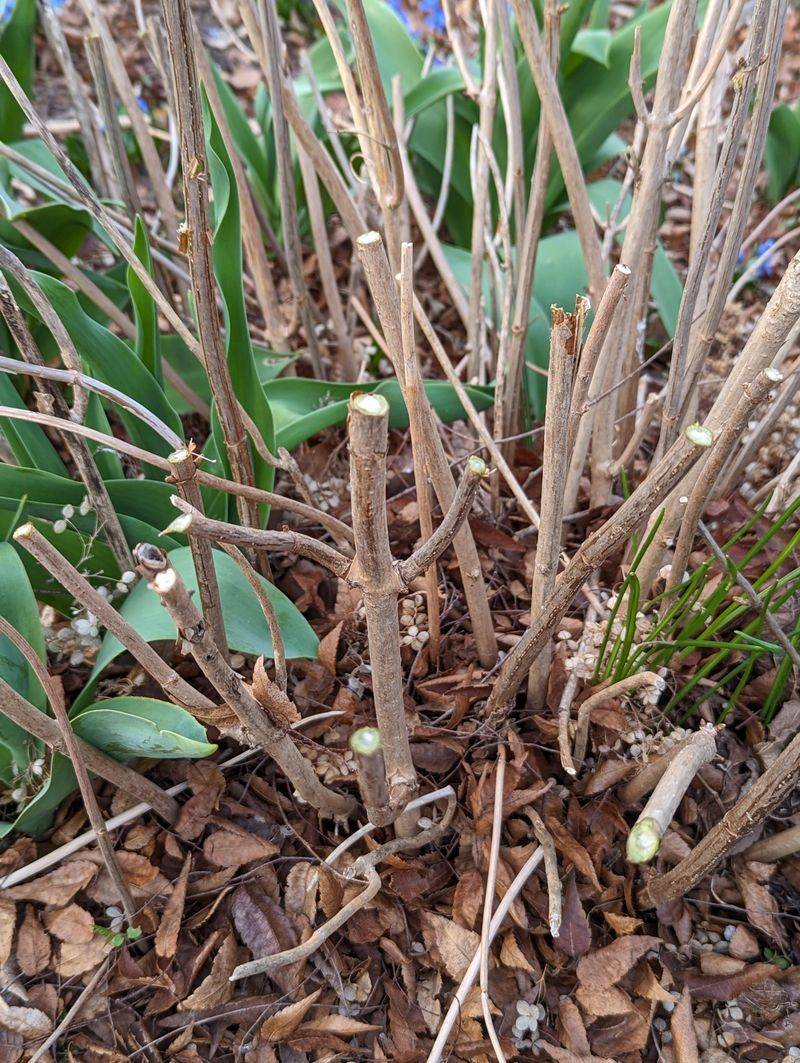
Late fall turns most hydrangeas into a tangle of brown sticks. Look closer, though, and some of those sticks hold fat, rounded buds at their tips, while others look plain and skinny.
Those buds tell the whole story. Bigleaf and oakleaf hydrangeas form their flower buds in late summer and early fall on stems that grew this year. Gardeners call that blooming on old wood.
If you cut those stems now, next summer’s flowers go straight into the yard waste bin. Smooth hydrangeas and panicle hydrangeas work differently.
They bloom on new wood, meaning the flowers appear on fresh stems that sprout next spring. Nothing you trim this fall carries a single future bloom on these plants. That difference is the key to the one late fall task worth doing.
A confident pruning of new wood bloomers, once the leaves have dropped, pushes the plant to send up strong stems topped with larger flower heads. The same cut on an old wood bloomer does the opposite.
Personally, I keep a simple plant list taped inside my shed door. It names each hydrangea and its bloom type, so I never have to guess with cold fingers and sharp pruners in hand.
2. Annabelle and Limelight Hydrangeas Love a Late Fall Haircut
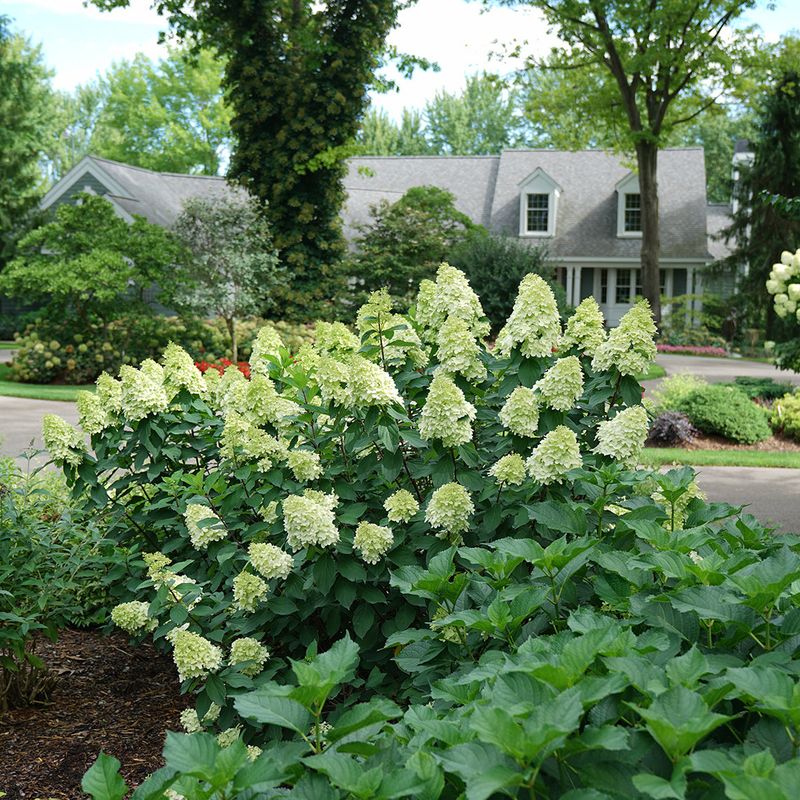
Here comes the satisfying part. Smooth hydrangeas such as ‘Annabelle’ and panicle hydrangeas such as ‘Limelight’ are the shrubs that truly reward a late fall trim.
Wait until the plant goes dormant and drops its leaves. In much of North Carolina, that means mid-November into December, a little earlier in the mountains and later along the coast.
Late winter, before new growth starts, works just as well if you miss the fall window. Why does it help? Pruning removes weak, twiggy growth and directs the plant’s stored energy into fewer, sturdier shoots.
Fewer shoots usually means bigger flower heads on each one. NC State Extension lists smooth and panicle types as summer bloomers that flower on current season growth. That is why you can cut them back hard without losing a single bloom.
Grab clean, sharp bypass pruners before you start. Wipe the blades with rubbing alcohol between plants, especially if you spotted leaf spots this summer.
Leave the dried flower heads on until you prune if you enjoy their winter look. I love how the tan panicles catch frost on chilly Piedmont mornings, so mine stay up until the cut.
3. How Low to Cut Smooth and Panicle Hydrangea Stems
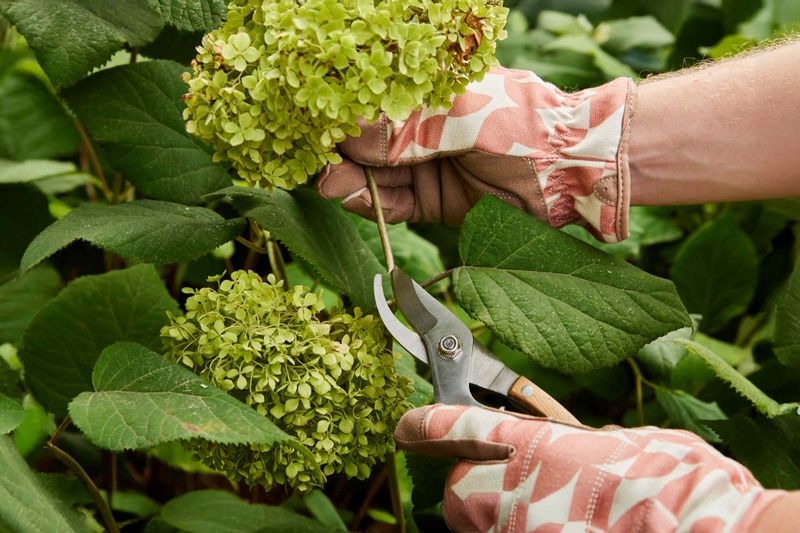
Brave pruners get the best flowers here, though each type likes a slightly different cut. Smooth hydrangeas like ‘Annabelle’ can go down to roughly 12 to 24 inches above the soil.
Many gardeners cut them nearly to the ground and still see a full show by June. Leaving 18 inches or so gives a bit of framework, which helps the new stems stand straighter.
Panicle hydrangeas prefer a gentler approach. Remove about one-third of the height, cutting just above a pair of healthy buds. Take out any thin, crossing, or damaged branches at the base while you are there.
Floppy flowers bother plenty of ‘Annabelle’ owners. Super-short cuts sometimes produce soft stems that bend under heavy blooms after a summer storm. If that happens in your yard, keep a taller framework next time or add a simple ring support in spring.
Panicle types can also be trained into small trees with a single trunk. In that case, trim the side shoots back each year and leave the main stem alone.
Step back often while you work. A balanced, rounded shape now usually leads to a tidier, flower-packed shrub next summer.
4. Put Down the Pruners Near Bigleaf Mophead Hydrangeas
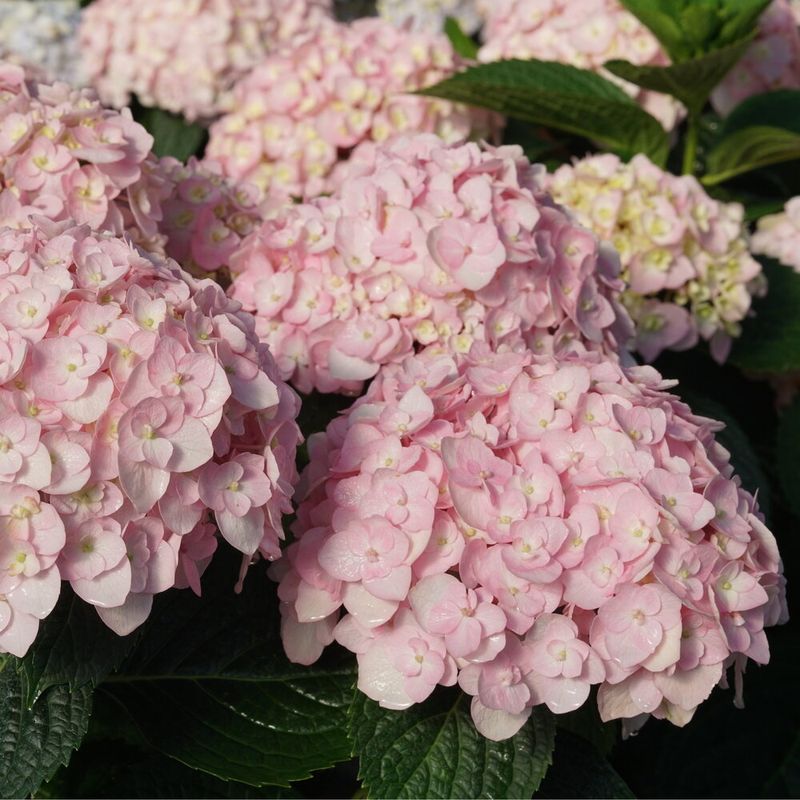
Blue and pink mopheads might be the most beloved shrubs in the South. They are also the ones most often ruined by a well-meaning fall cleanup.
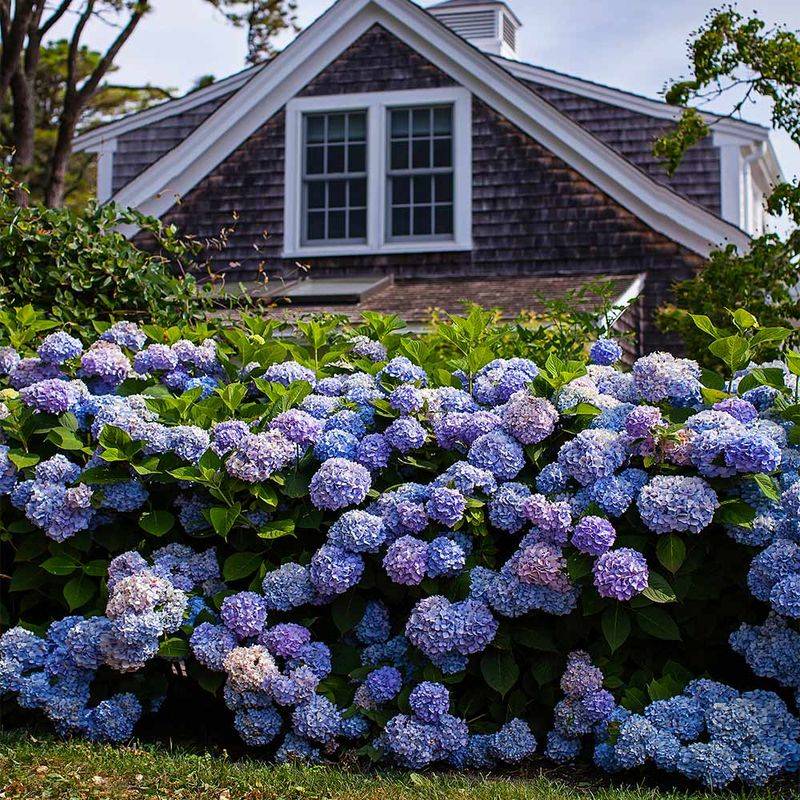
Bigleaf hydrangeas, Hydrangea macrophylla, include both mophead and lacecap forms. Their flower buds already sit at the ends of this year’s stems. Shorten those stems in November, and you trade next June’s blooms for a big green leafy bush.
I learned this the hard way years ago. My shrub looked messy, so I neatened it up before Thanksgiving, and the next summer it gave me exactly three flowers.
Reblooming types such as the Endless Summer series can flower on new growth too. Even so, they put on their biggest early show from old wood, so fall pruning still costs you color.
What can you safely do now? Snip off the old, faded flower heads just below the bloom, above the first set of healthy buds. Remove any clearly broken or brittle stems too.
Many gardeners actually leave the spent flowers on all winter. Some believe they offer the buds below a little shelter, and they look charming dusted with frost.
5. Oakleaf Hydrangeas Prefer Their Trim Right After Summer Flowers
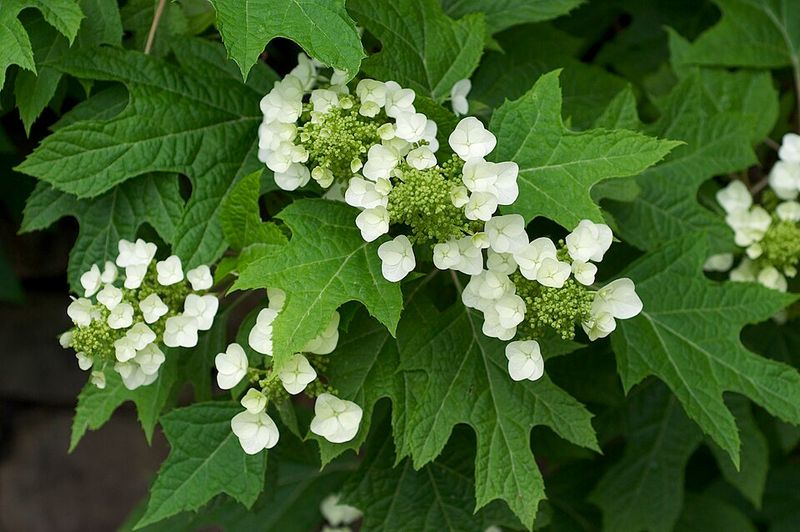
Oakleaf hydrangea is a true Southeastern native. It grows wild in parts of the region and shines in fall with burgundy, wine, and orange leaves.
Like bigleaf types, it blooms on old wood. The buds for next year form after the summer bloom, so a late fall pruning removes them.
The better timing comes in early to midsummer, right after the flowers fade. Most experts suggest finishing any shaping by early August so the plant has time to set new buds before cool weather arrives.
Honestly, oakleaf hydrangeas rarely need much trimming at all. Give them room to spread, and they form a graceful, mounded shape on their own. Mature plants can reach 6 to 8 feet tall and wide.
Peeling, cinnamon-colored bark adds winter interest once the leaves finally drop. That is one more reason to leave the stems alone.
Need to remove a crossing branch or a stem broken by ice? Go ahead anytime, cutting back to a healthy junction. Just skip the full haircut, and you will be rewarded with long white flower cones next spring and summer.
6. Mulch and a Deep Drink Help Every Hydrangea Shrub Through Winter
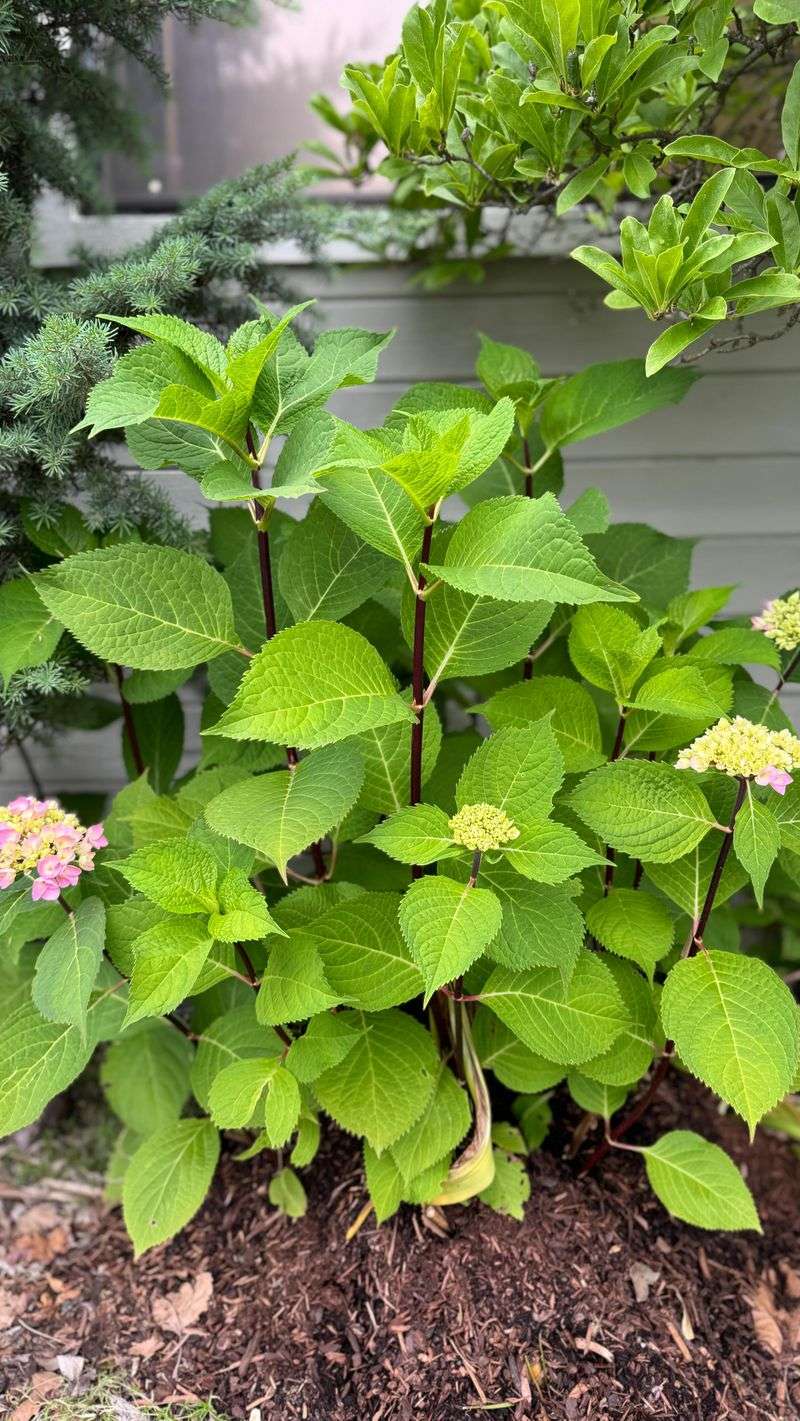
Pruning gets all the attention, but two quiet chores help every hydrangea in your yard, no matter how it blooms.
Start with mulch. Spread 2 to 3 inches of shredded bark, pine straw, or chopped leaves around the base, keeping it a few inches away from the stems. Mulch evens out soil temperature and holds moisture through freeze and thaw cycles.
Next, check the soil before winter settles in. Fall in the Piedmont and Sandhills can turn surprisingly dry. If the top couple of inches feel dusty, give each shrub a slow, deep soaking so roots head into dormancy well hydrated.
Skip fertilizer this late in the year. A dose of nitrogen now can push tender growth that cold snaps easily damage.
Bigleaf hydrangeas in the western mountains face the toughest winters. A late freeze in spring can harm their buds after they start to swell. Some mountain gardeners loosely cover shrubs with breathable frost cloth on cold nights in March and April.
Along the warmer coastal plain, these worries shrink. Still, a little mulch there keeps roots happy during sudden temperature swings, which seem to arrive every winter.
7. Label Each Hydrangea Now for Bigger Blooms Next Summer
A plant tag might be the smartest gardening tool you can buy for under a dollar.
Before the details fade from memory, walk your yard and note which hydrangea is which. Smooth types usually have rounded white heads and soft, heart-shaped leaves. Panicles carry cone-shaped clusters.
Oakleafs have lobed leaves like an oak, and bigleaf types sport big, glossy leaves with blue, pink, or purple flowers.
Not sure? Your local NC State Extension office or county Master Gardener volunteers can help identify a mystery shrub from a photo.
Once you know, the routine gets simple. New wood bloomers get their late fall or late winter cut. Old wood bloomers get a light trim right after summer flowers and nothing more.
Fun fact for curious gardeners. Bigleaf flower color depends on soil acidity and aluminum, so many of the acidic soils common across the state lean toward blue, while more alkaline soil pushes pink.
Keep a simple notebook or phone note with pruning dates and bloom size each year. After a season or two, you will see exactly how much that one well-timed task boosts your flowers.