Plant This Native Louisiana Grass Around Play Areas To Control Fire Ants
Fire ants appear without warning where you least expect them. Barefoot afternoons in Louisiana can end in tears fast.
Small mounds hide under grass, waiting for your child’s step. Kids run, chase, and stumble across your yard daily.
Nobody wants you calling for ice packs every weekend. Grass choice changes your entire fire ant equation.
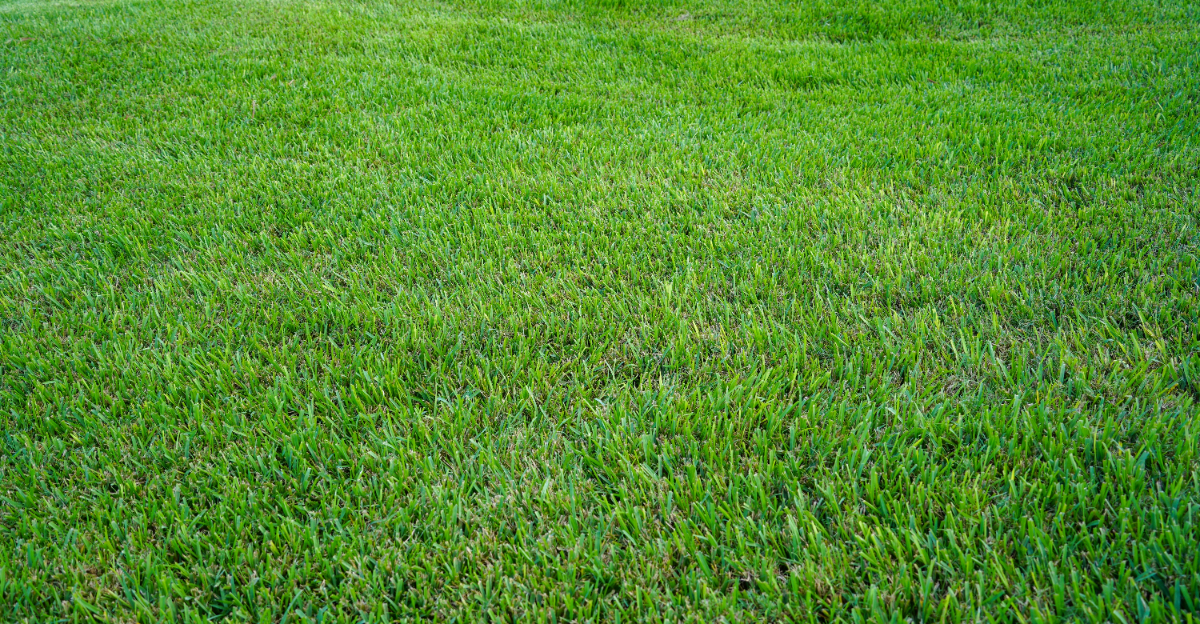
Thick, dense turf discourages nesting before ants settle in. One particular grass grows steadily, crowding out bare soil ants prefer.
Louisiana lawns thrive under its heat and dense canopy. Homeowners across the state trust it to protect their kids.
Roots spread fast, leaving mounds nowhere to take hold. Shade from thick blades keeps your soil cooler underneath.
Cooler soil means fewer nesting sites near your porch. Safety starts underground, long before you see a mound.
Your next move determines how safe your yard becomes. What you read next could change how your kids play outside.
Why Fire Ants Are A Concern In Louisiana Backyards
Fire ants are more than a nuisance. They are a safety concern for anyone spending time outdoors.
Louisiana’s warm, humid climate creates favorable conditions for fire ant colonies. They thrive in open, sunny lawns, and they build fast.
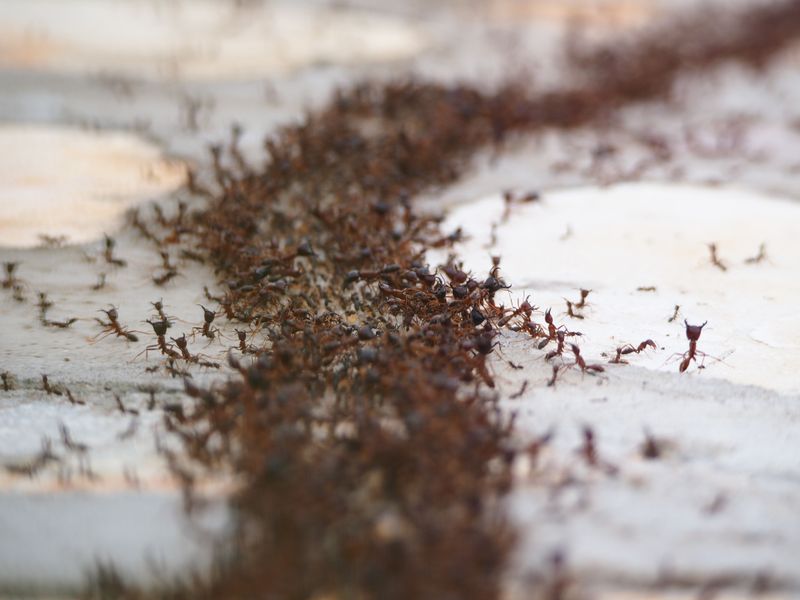
Large colonies can hold anywhere from 100,000 to 500,000 ants, depending on the number of queens present. That range alone should make any parent pause before letting kids run barefoot.
These insects sting in groups, not one at a time. When a mound is disturbed, hundreds of ants swarm and sting almost instantly.
Children are especially vulnerable because they move quickly and don’t always watch where they step. A mound hidden in tall grass near a swing set increases the risk of a sting.
Beyond the pain, fire ant stings can cause serious allergic reactions. Some kids end up in urgent care after a single encounter.
Surface sprays often provide only short-term relief, since colonies can rebuild nearby if the queen survives.
That’s why more families are turning to lawn solutions that make the environment less inviting to fire ants. St. Augustine grass around play areas is a common natural strategy used by homeowners in the Gulf South region.
The grass doesn’t poison the ants. It simply makes the soil conditions less ideal for mound construction and colony expansion.
Understanding the threat is the first step toward doing something smart about it. Your backyard should feel safe, not like a minefield.
Discover The Native Grass That Helps Keep Them Away
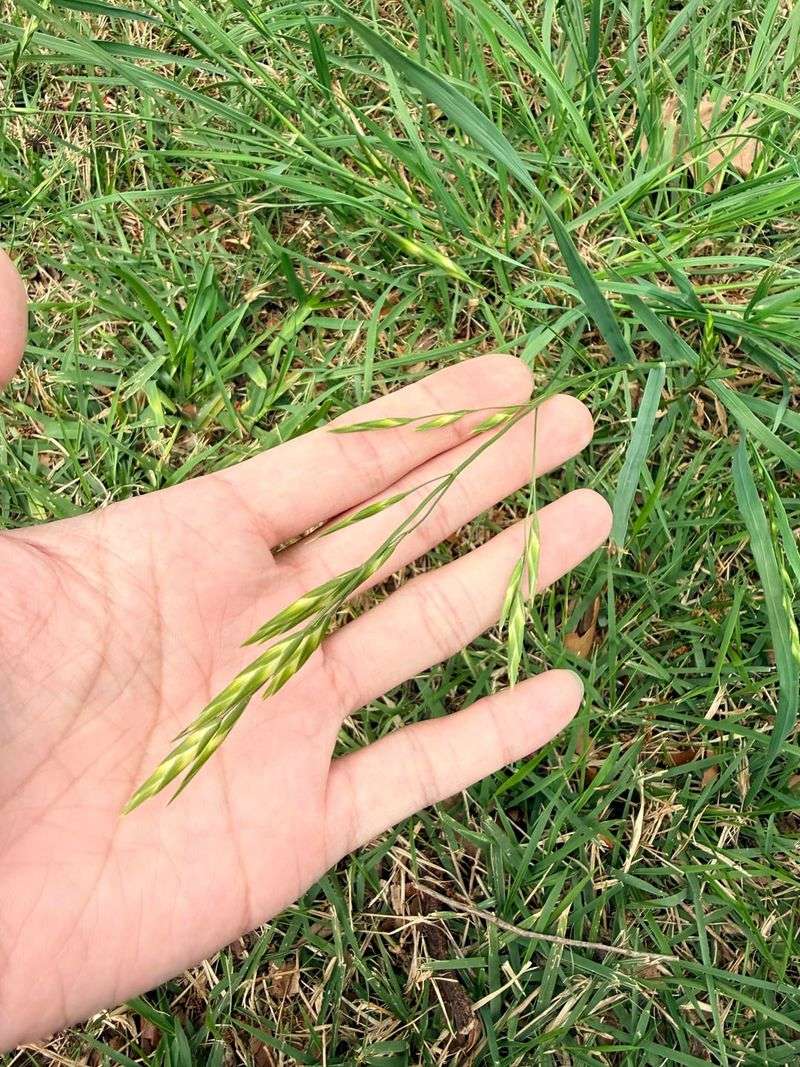
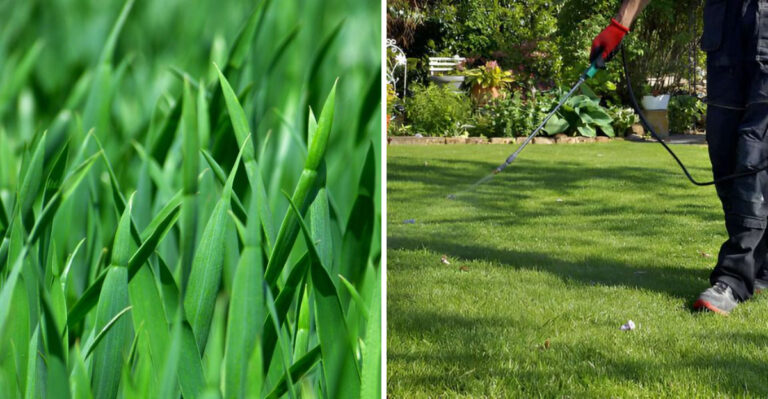
St. Augustine grass is a widely used turf option in Southern lawns. It spreads wide, grows thick, and crowds out the bare patches where fire ants love to set up shop.
This grass is a warm-season turf that thrives in Gulf Coast heat. It tolerates humidity well and stays green through long Louisiana summers.
The blade structure is broad and flat, creating a dense mat across the soil surface. That tight coverage makes it physically harder for fire ants to push mounds up through the ground.
Your Louisiana Garden Changes Every Week. Your Plan Should Too.
Gardening in Louisiana changes quickly throughout the season. Every Friday you’ll receive a simple weekly plan showing exactly what to plant, prune, fertilize, harvest, and protect so you never miss the right timing.
St. Augustine is not a brand-new discovery. Homeowners across Texas, Florida, and the Gulf South have relied on it for decades as a go-to lawn grass.
What makes it especially valuable around play areas is its durability. Kids can run, tumble, and drag their bikes across it without destroying the turf.
It spreads through stolons, which are above-ground runners that creep outward. Once established, it fills in gaps quickly and leaves little open soil exposed.
Fire ants prefer loose, dry, or disturbed soil for mound building. A thick St. Augustine lawn removes much of that exposed real estate.
Planting this grass around play areas to control fire ants is a strategy that relies on natural growth rather than chemical treatment. No harsh chemicals, no repeated treatments.
It also looks great, which is a bonus most homeowners appreciate. A healthy lawn and a safer yard go hand in hand here.
How This Grass Makes Mound-Building Difficult
Here’s the science made simple: fire ants need loose, accessible soil to build their mounds. St. Augustine grass takes that away from them.
The stolons of this turf spread across the soil like a woven net. They bind the top layer of earth together, making it tough to excavate from below.
Fire ant colonies move soil upward to build their tunnels and chambers. When thick grass roots and runners are in the way, that process becomes much more difficult.
Think of it like trying to dig through a tightly packed sponge. The resistance slows them down and pushes them toward easier ground nearby.
Denser grass coverage generally leaves fewer open spots for mounds to form. The connection between turf thickness and mound activity is consistent across observed Gulf South lawns.
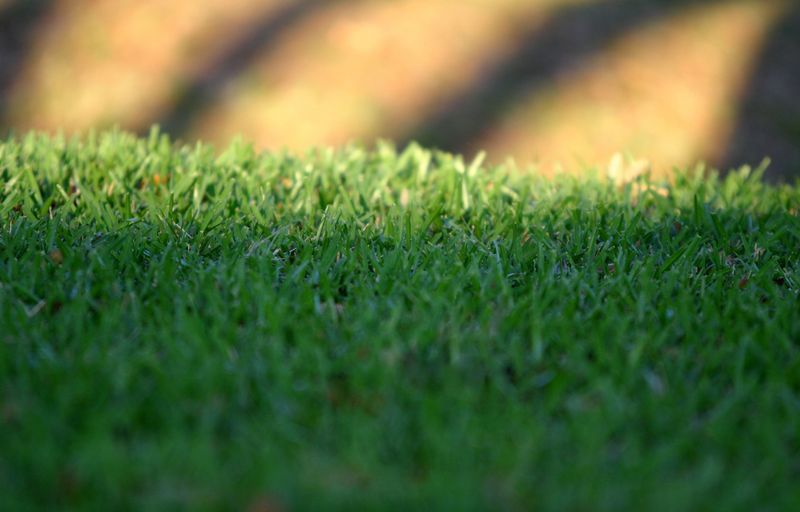
St. Augustine also shades the soil beneath it well. Fire ants prefer warm, sun-exposed ground, and a thick canopy of grass blades reduces that solar warming at the surface.
Moisture retention is another factor. This grass holds soil moisture consistently, which creates conditions that are less attractive to fire ant colonies preferring drier ground.
When you plant this grass around a play area, turf density itself acts as a physical barrier. The lawn itself becomes part of your pest management plan.
No single method gets rid of fire ants entirely. But disrupting their preferred conditions consistently is an effective way to keep mound numbers low near where children play.
Steps To Plant It Around Your Play Area
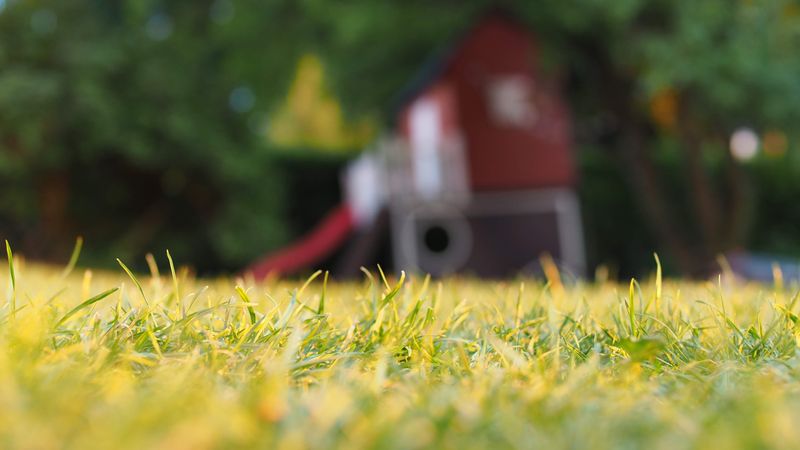
Planting St. Augustine grass is straightforward, but timing and prep work matter. Getting both right means faster coverage and fewer headaches down the road.
Start by clearing the area around your play equipment. Remove weeds, rocks, and any loose debris from the soil surface.
Till the top two to three inches of soil lightly. This loosens compaction and helps the grass roots make good contact with the ground.
St. Augustine is typically planted using sod or plugs, not seed. Sod gives you instant coverage, while plugs are more affordable but take longer to fill in.
For play areas, sod is usually the smarter choice. Kids want to use the yard now, not in six months when plugs finally spread.
Lay sod in a staggered brick-like pattern to reduce gaps. Press each piece firmly into the soil so roots connect right away.
Water the new sod daily for the first two weeks. Consistent moisture during establishment is the single most important factor for success.
Avoid foot traffic on newly planted areas for at least three weeks. Give the roots time to anchor before the kids take over again.
Apply a starter fertilizer after planting to encourage rapid spreading. Choose one with a higher phosphorus content to support root development.
Planting this grass around play areas to control fire ants works best when the coverage is dense and continuous. Leave no bare patches near the equipment.
Caring For This Grass Once It’s Established
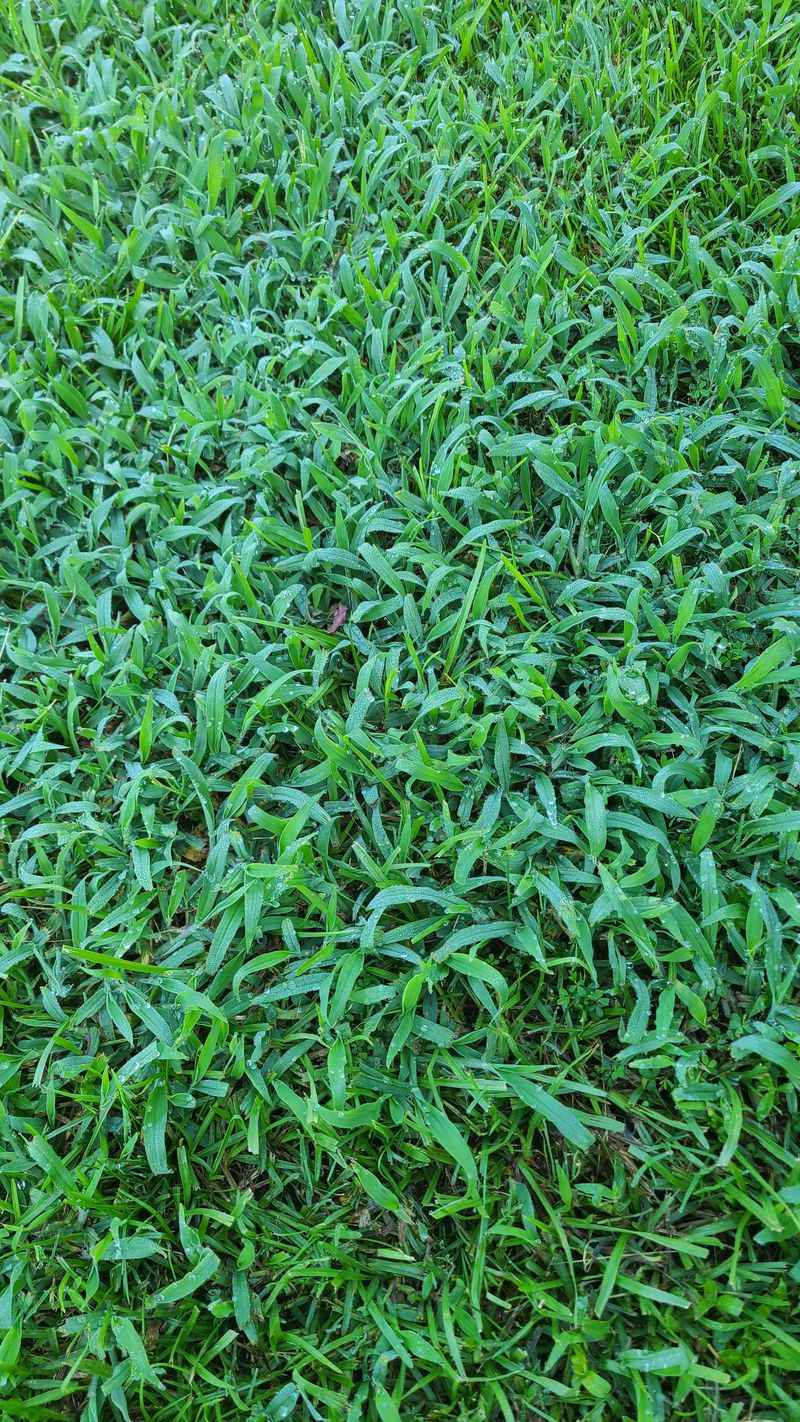
Once St. Augustine grass takes hold, maintenance is pretty manageable. A few consistent habits keep it thick, healthy, and working as your natural fire ant barrier.
Mow at a height of three to four inches. Cutting too short weakens the grass and exposes soil, which is exactly what you want to avoid.
Taller grass shades the root zone and retains moisture more effectively. It also keeps the canopy dense enough to resist ant mound construction underneath.
Fertilize two to three times per year using a slow-release nitrogen formula. Spring, midsummer, and early fall are the best windows for feeding this turf.
Avoid over-fertilizing with nitrogen in late fall. Too much growth heading into cooler months can stress the grass and invite disease.
Water deeply but infrequently once the lawn is established. About one inch of water per week is enough for a healthy, resilient turf.
Watch for chinch bugs, which are a common pest for St. Augustine in warm climates. Yellowing patches near sunny edges are often the first sign of trouble.
Treat any bare spots quickly by pressing in new plugs or sod pieces. Open ground near a play area increases the chance of fire ants returning quickly.
Aerate the lawn once a year to prevent soil compaction. Healthy airflow below the surface supports strong stolon growth and overall turf density.
A well-maintained lawn is a strong long-term defense, and it also improves the yard’s appearance.
Other Ways To Protect Kids From Fire Ants
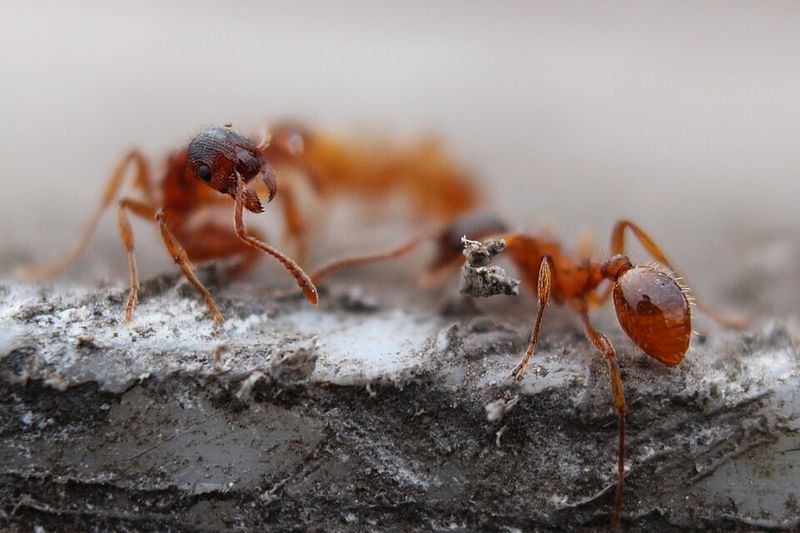
Grass alone is a strong start, but layering your approach makes your yard even safer. Smart homeowners combine multiple strategies for the best results.
Broadcast fire ant bait around the perimeter of your yard twice a year. Spring and fall applications catch colonies during their most active foraging periods.
Bait works slowly but effectively. Worker ants carry it back to the queen, which disrupts the entire colony from the inside out.
Treat individual mounds directly when you spot them. A contact insecticide applied directly to the mound gives fast results for visible threats near play equipment.
Always treat mounds in the morning or evening when ants are closer to the surface. Midday heat pushes colonies deeper underground, making treatments less effective.
Install a border of mulch or decomposed granite around play structures. These materials are less hospitable to fire ant nesting than bare soil.
Teach kids to recognize mounds early. A quick lesson on what to avoid can prevent a painful encounter before any adult notices the hazard.
Check the play area before outdoor time each day. A two-minute walk-around catches new mounds before they become a problem.
Keep grass trimmed consistently around the base of swings and slides. Overgrown edges create hidden spots where colonies can establish unnoticed.
Planting St. Augustine grass around play areas to control fire ants is most powerful when paired with these habits. Together, they create a yard where kids can play freely and parents can feel more confident about safety.