8 Gorgeous Flowers New York Gardeners Should Plant Before October Ends
Cold fingers, muddy knees, and a pocket full of bulbs make a great recipe for spring joy. Right now, New York gardens look tired, with crunchy leaves and drooping stems everywhere.
Yet the cool soil under your feet is ready for something special. Plant the right flowers this month, and your yard could burst with color while neighbors still wear winter coats.
Some picks shrug off hungry deer. Others push bravely through snow or fill your doorway with a sweet scent.
The trick is knowing which ones to choose and how to plant them well. Planting once the soil has cooled gives roots time to settle before winter.
1. Daffodils That Deer And Squirrels Leave Alone
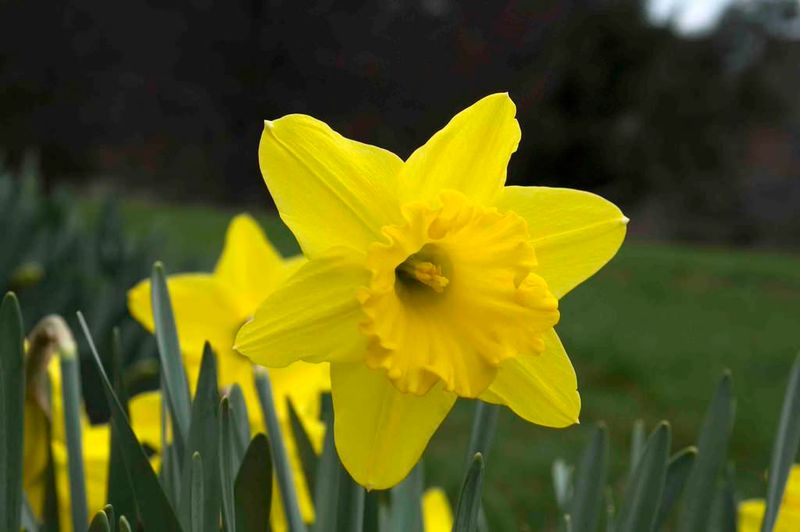
Picture a hungry deer strolling past your garden and turning up its nose. Daffodils make that happen, and they look cheerful doing it.
Their bulbs and leaves hold a bitter chemical called lycorine. Deer, squirrels, and voles taste it once and usually move along.
Every daffodil variety carries this natural defense, so you can pick freely. Choose by color, size, or bloom time instead of worrying about pests.
Classic golden yellow is lovely, but the color range goes much further. You can find creamy whites, bright oranges, soft peach, and even pale pink cups.
Miniature types work well in rock gardens or along narrow paths. Large-cupped kinds make a bold show in front beds and borders.
Daffodils handle cold winters with ease across most of the state. They grow well in USDA zones 3 through 8, which covers nearly all of New York.
Give them full sun and soil that drains well after rain. Soggy ground can cause bulbs to rot over the winter months.
Here is a smart trick for mixed beds. Plant daffodils around tulips to create a bitter barrier that may discourage digging critters.
Once the flowers fade, leave the leaves in place for about six weeks. The green foliage feeds the bulb for next year’s blooms.
Fun fact: daffodils spread on their own over time. A small handful planted today can become a golden patch in a few years.
Plant them in groups of seven or more for the best look. Clusters look natural and catch the eye from the street.
2. Tulips For Bold, Bright Color
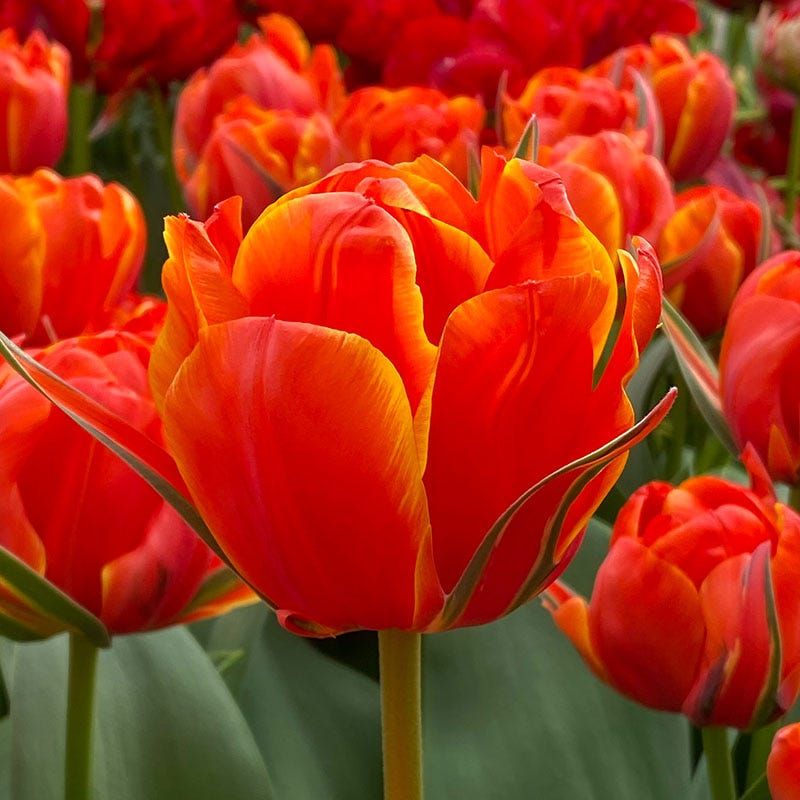
Few flowers shout spring quite like a bed of tulips in full color. They come in nearly every shade you can imagine.
Bloom times vary, which helps you stretch the show. Early, mid-season, and late tulips can keep color going for weeks.
Darwin Hybrids are a favorite for New York yards. Their tall, sturdy stems stand up to spring wind and often return for several years.
Love a fiery red? Try ‘Banja Luka’ or ‘Come Back’ for a dramatic pop near the sidewalk.
For something softer, ‘Apricot Beauty’ glows in a pink-orange blend. It pairs nicely with white or cream flowers.
Gardeners who enjoy unusual shades can explore ‘Bleu Aimable.’ Its lilac-blue petals look calm and a bit mysterious.
Dark colors add real drama, too. ‘Negrita Double’ shows deep purple ruffles, and ‘Black Hero’ offers glossy maroon petals.
Your New York Garden Changes Every Week. Your Plan Should Too.
Gardening in New York changes quickly throughout the season. Every Friday you’ll receive a simple weekly plan showing exactly what to plant, prune, fertilize, harvest, and protect so you never miss the right timing.
Tulips want sun and soil that drains well. Wet roots can lead to rot before spring ever arrives.
Squirrels, sadly, think tulip bulbs taste like candy. Lay chicken wire over planted beds or tuck daffodils around them as guards.
Planting in containers is another clever option on city balconies. Pots let you move color right where you want it.
Try grouping one color in large drifts rather than mixing everything. A sweep of a single bold shade looks polished and grabs attention from far away.
Plant tulips about six to eight inches deep for strong stems.
3. Crocus For The First Blooms Of The Year
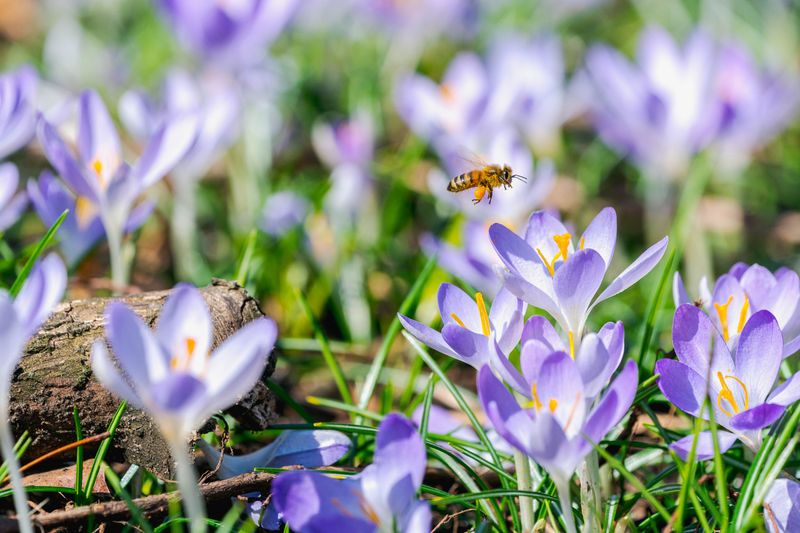
Spot a flash of purple in a snowy lawn in March? Chances are good it is a crocus waking up early.
These little cup-shaped flowers are some of the first to appear in New York. They often show up while winter is still hanging around.
Colors include rich purple, sunny yellow, clean white, and pretty stripes. Mixing a few shades creates a happy, confetti-like effect.
Here is a charming habit worth watching. Crocus flowers open wide in sunshine, then close up at night or on rainy days.
Squirrels can be a problem with some crocus types. ‘Tommies,’ or Crocus tommasinianus, have bitter corms that critters tend to skip.
Tommies bloom very early with soft lilac-purple petals. They also spread quickly, which saves money over time.
Want them even sooner? Plant crocuses on the south side of your house, where the soil warms faster.
Many gardeners tuck crocus corms right into the lawn. They bloom and fade before the first spring mowing.
Wait until the leaves turn yellow before cutting the grass, though. The foliage needs time to recharge the corm.
Crocuses naturalize readily, forming lovely carpets after a few seasons. A small bag of corms can grow into a sweeping patch.
Early bees adore them, too. Crocus pollen is one of the first meals for hungry pollinators each year.
Plant crocus corms three to four inches deep, pointy side up. Drop them in loose handfuls for a natural look.
4. Alliums For Purple Globes In Late Spring
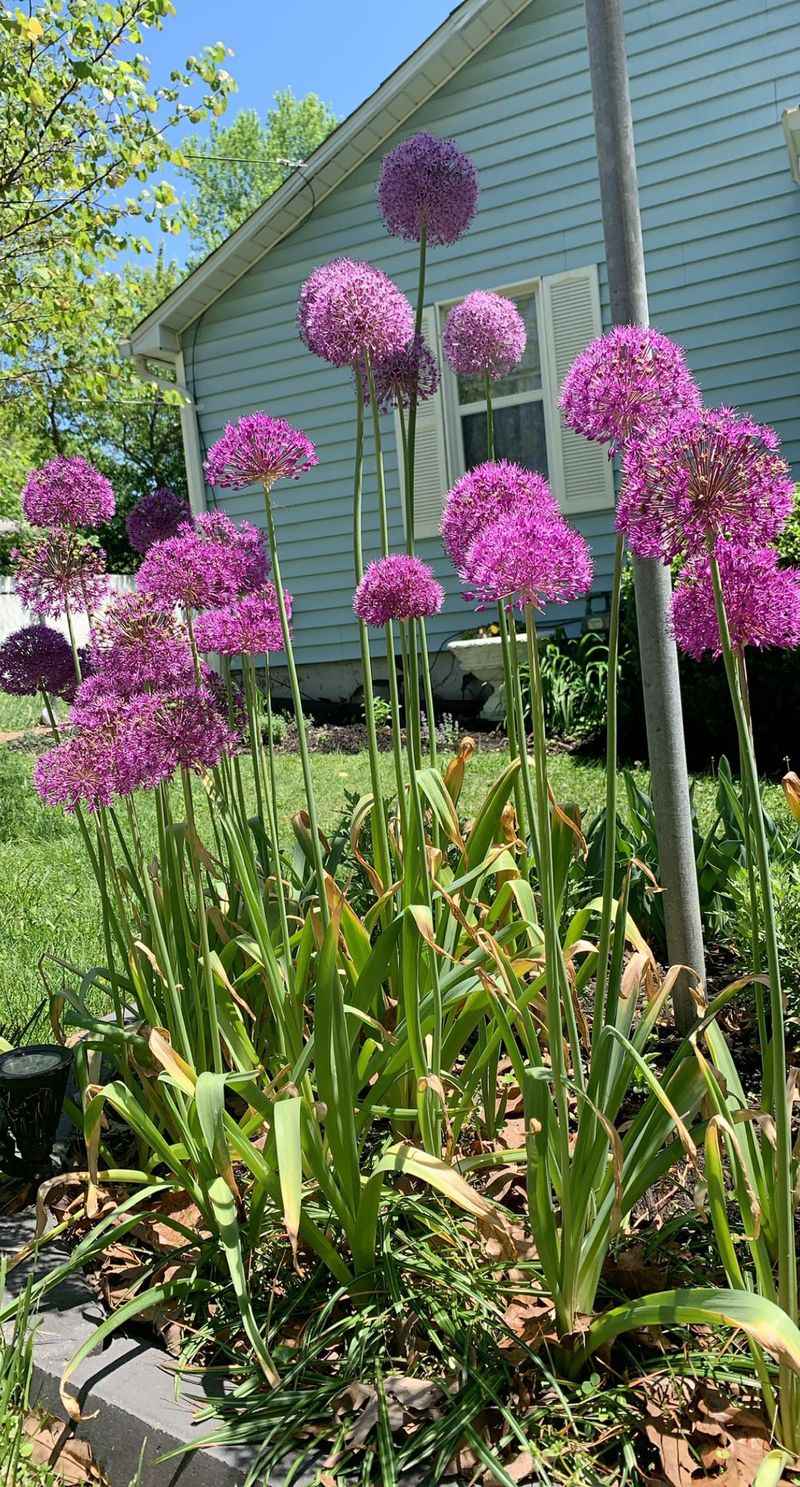
Imagine giant purple lollipops floating above your garden. Alliums create just that kind of playful, eye-catching scene.
Their round flower heads sit on tall, slender stems. The effect feels like something from a storybook.
Alliums belong to the onion family, so they carry a mild oniony smell. Deer and rabbits find that scent unpleasant and stay away.
Bees and butterflies feel quite the opposite. Your garden may buzz with happy visitors once the globes open.
Bloom time usually falls in late spring to early summer. That timing fills the gap after tulips fade and before summer flowers arrive.
‘Purple Sensation’ is a reliable favorite with deep purple balls in May. It is affordable and easy to find.
Craving something huge? ‘Globemaster’ produces violet spheres that can reach ten inches across.
There is even a variety called ‘Allium New York.’ Its rosy-purple blooms give local gardeners a fun bit of hometown pride.
Alliums need full sun and soil that drains well. They ask for little care and multiply over the years.
One helpful tip involves their leaves. The foliage often yellows while the flowers bloom, so plant low perennials in front to hide it.
After blooming, leave the dried seed heads standing. They look like sculptures and add interest well into summer.
Plant larger allium bulbs about six to eight inches deep. Space them a foot apart so each globe has room to shine.
5. Hyacinths For Fragrance By The Front Door
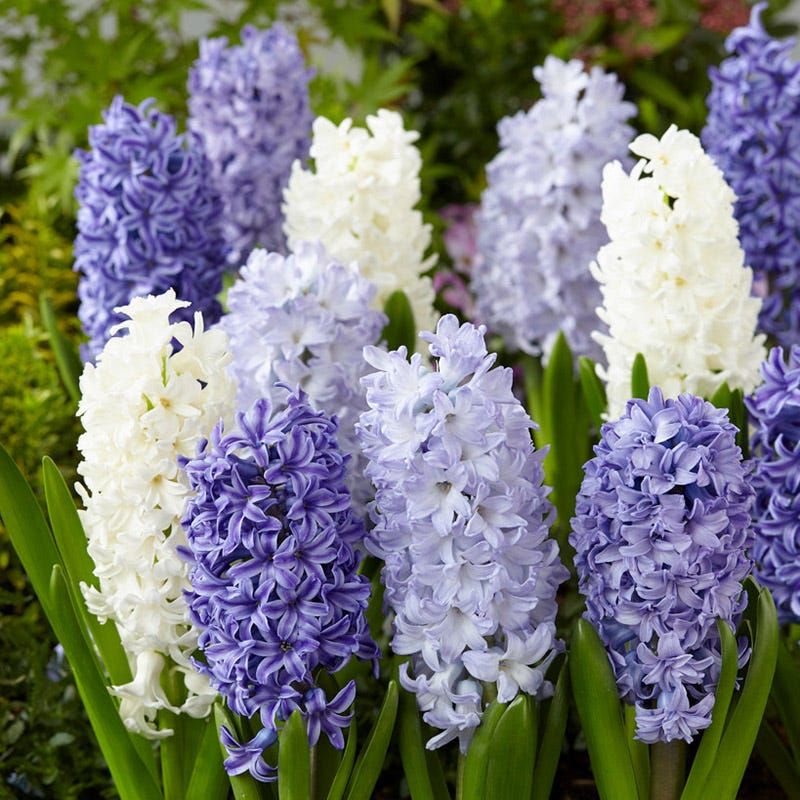
Open your front door one April morning and breathe in something sweet. Hyacinths can turn a plain entryway into a scented welcome.
Their perfume is strong and rich. A single flower spike can fill a whole room if you bring it inside.
Plant them along walkways, near steps, or in pots by the door. Every guest will notice the fragrance before they knock.
Colors range widely, from blue and purple to pink, white, and soft yellow. Each spike is packed with tiny star-shaped flowers.
‘Blue Jacket’ offers cobalt blue blooms on strong stems. Its scent is bold enough to drift across a yard.
‘Miss Saigon’ brings deep violet flowers with a richly sweet smell. It looks elegant next to white blooms.
For a classic look, ‘Carnegie’ delivers snowy white spikes. It stays fresh for a long stretch in cool weather.
Hyacinths bloom in early to mid-spring and last about two to three weeks. Cool spring days help them hold up even longer.
Deer tend to leave them alone, which is great news for many homeowners. You can enjoy the show without much worry.
They like soil that drains well and sun or light shade. Brownstone stoops with morning light can work nicely.
A quick tip: wear gloves when handling the bulbs. Their papery skins can make some people’s hands itchy.
Plant hyacinth bulbs about six inches deep in October. Group them in clusters for the strongest perfume.
6. Snowdrops That Push Up Through Snow
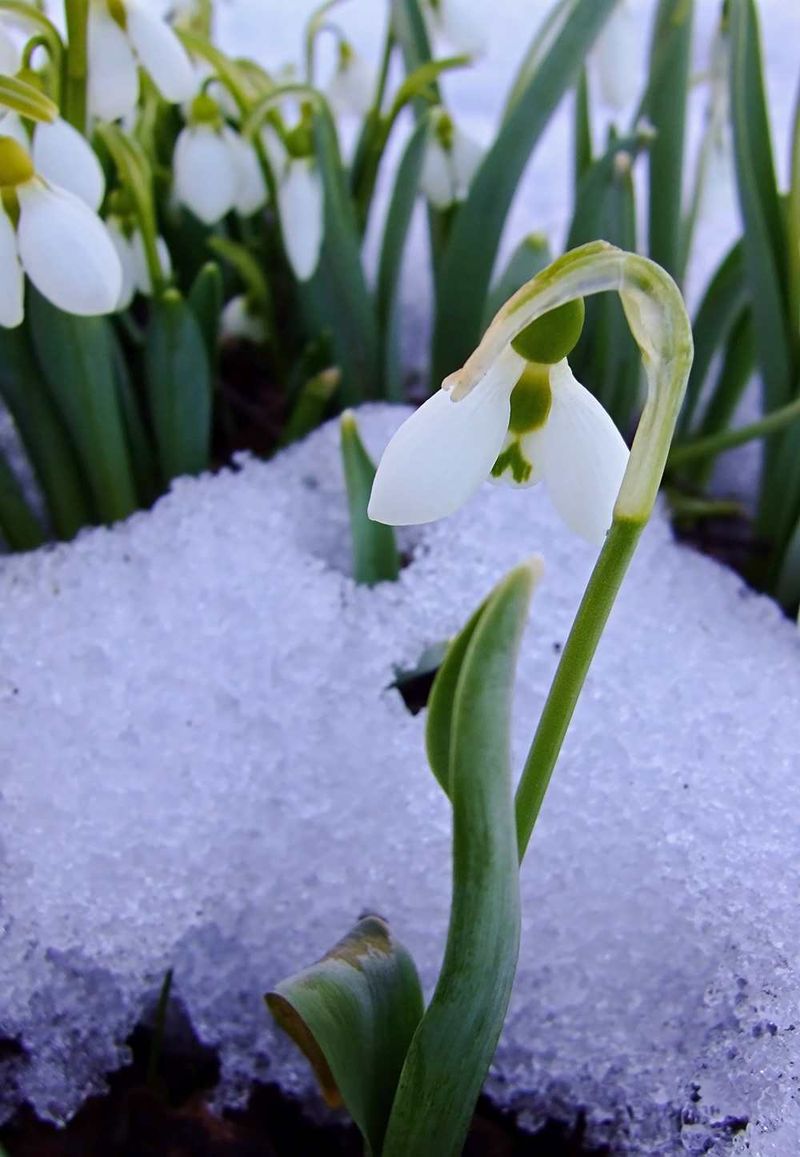
Winter walkers in Central Park sometimes spot a surprise in February. Tiny white bells peek through the frost like little lanterns.
Those brave flowers are snowdrops, known to scientists as Galanthus nivalis. They are often the very first blooms of the year.
Each flower hangs down like a small bell. Look closely, and you may see a tiny green mark on the inner petals.
Snowdrops can bloom in January or February across parts of the state. Cold weather and light snow do not seem to bother them at all.
Planting them feels a bit like leaving a gift for your future self. On a gray winter day, those white flowers lift your spirits.
These bulbs are easy to grow and spread slowly over time. Small clumps can become wide drifts after several years.
Snowdrops prefer partial shade and soil that stays slightly moist. Spots under trees or shrubs often suit them well.
Deciduous trees make great partners for them. Snowdrops bloom before the leaves come out, soaking up winter sun.
The bulbs are small, so plant them about three inches deep. Dry bulbs can struggle, so buy fresh ones early and plant soon.
Many gardeners plant them near windows or paths. That way, you can enjoy them without trudging through slushy snow.
Fun fact: in old English folklore, snowdrops stood for hope. Their timing makes that meaning easy to understand.
Critters usually ignore them, too, so they stay safe year after year.
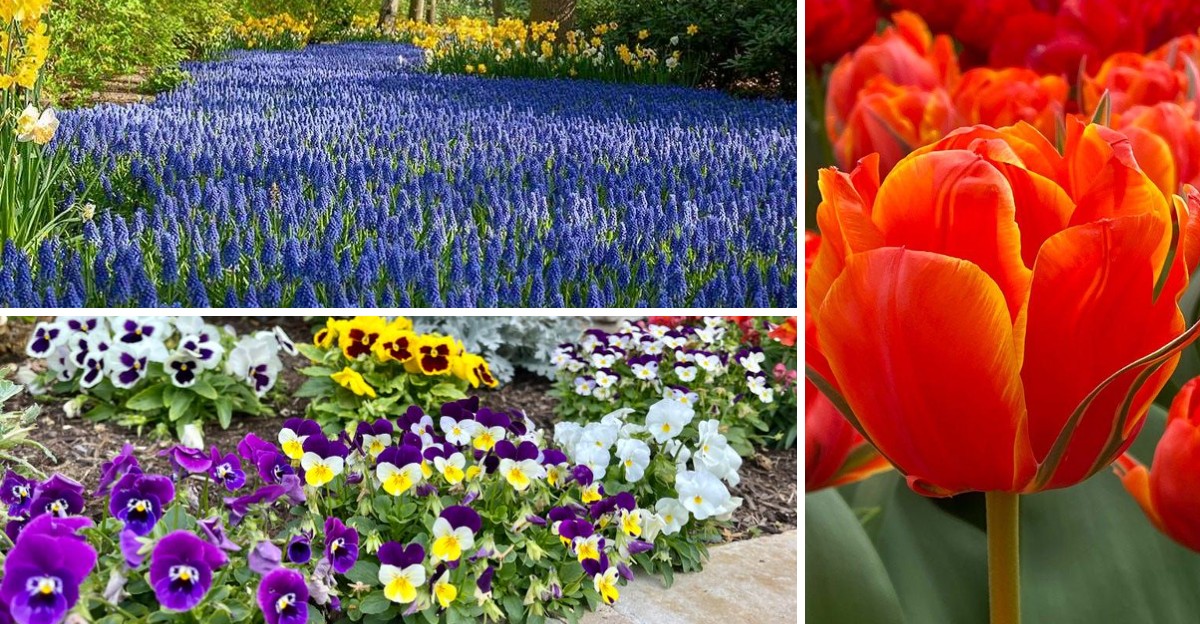
7. Grape Hyacinths For Easy Blue Carpets
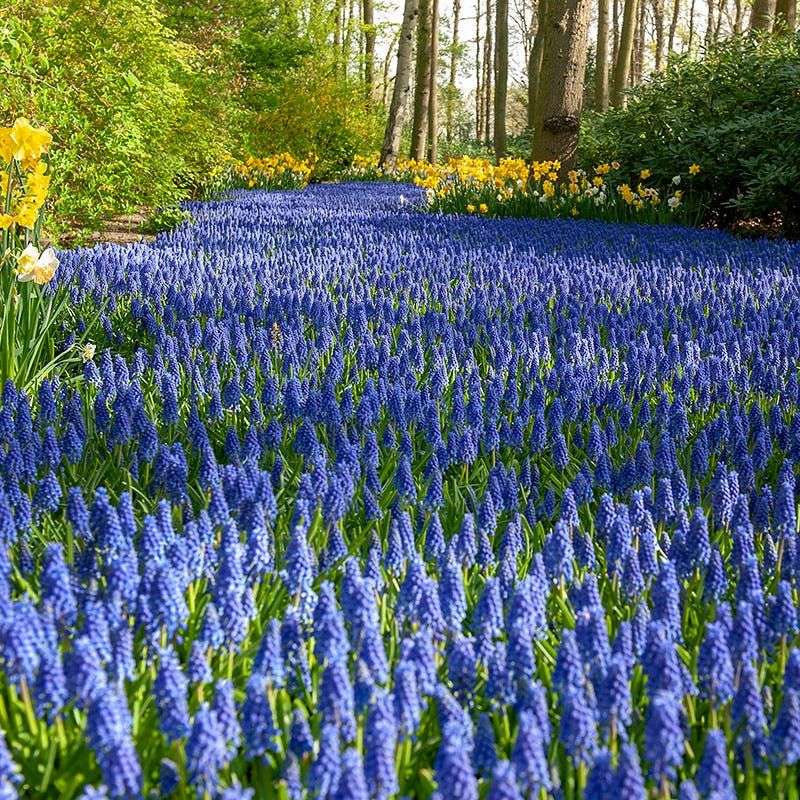
Some flowers ask for attention, while others quietly take over in the best way. Grape hyacinths spread into rivers of blue with almost no effort.
Their proper name is Muscari. Despite the name, they are not true hyacinths, though care is quite similar.
Each short stem holds a tight cluster of tiny bell-shaped flowers. The shape really does look like a bunch of upside-down grapes.
Cobalt blue is the most common shade. White and pale blue types also exist for gardeners who enjoy variety.
‘Armeniacum’ is a popular, budget-friendly pick with bright blue clusters. It spreads quickly and fills gaps nicely.
‘Blue Magic’ shows two tones of blue on each stem. The flowers fade from sky blue to a deeper shade.
These bulbs bloom in mid-spring, often alongside daffodils and tulips. Blue and yellow together look especially cheerful.
Hungry critters tend to leave grape hyacinths alone. That makes them a smart choice for yards with squirrels or rabbits.
They handle full sun or partial shade without complaint. That flexibility helps in small city yards with tricky light.
Try planting them as edging along a path. A thin blue ribbon guides visitors and looks charming.
Another clever trick involves marking your beds. Their grassy leaves often appear in fall, showing where other bulbs are hiding.
Plant grape hyacinth bulbs about three inches deep. Scatter them in large groups of twenty or more for a true carpet effect.
8. Pansies And Violas That Bloom Now And Again In Spring
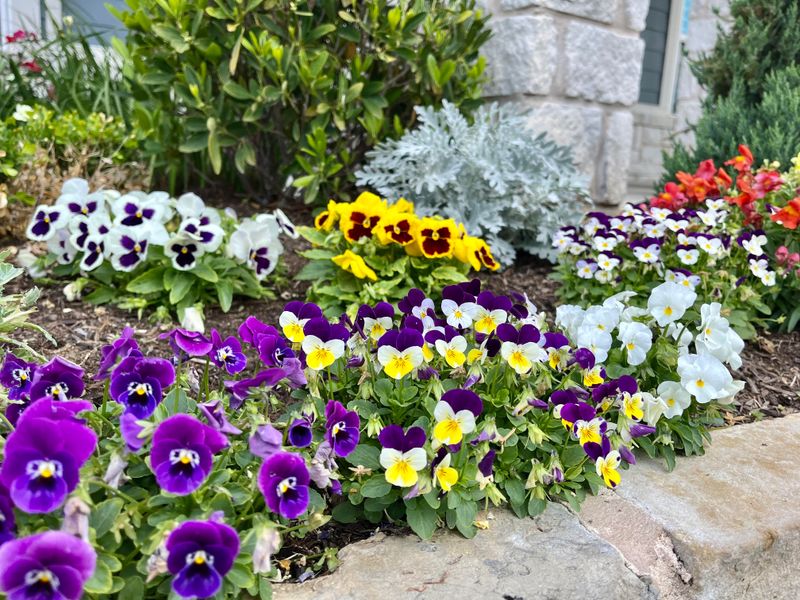
Why wait until spring for flowers when you can enjoy some right now? Pansies and violas bring color this fall and again next year.
Their cheerful faces brighten window boxes, porches, and garden edges. Kids often love spotting the little faces in each bloom.
Early fall is the ideal planting time across the state, including Staten Island. Cool weather helps their roots settle in before winter.
Strong roots lead to earlier and bigger blooms in spring. Many fall-planted pansies survive winter and burst back to life in March.
These tough plants handle temperatures down to about 25 degrees. During hard freezes, a light cover of straw or fabric helps.
Pansies have larger flowers on bigger plants. Violas produce loads of smaller blooms and often handle cold even better.
Both prefer full sun or partial sun. More light usually means more flowers over the season.
Plant them on top of spring bulbs for a layered look. Tulips and daffodils will rise right through the pansy blooms.
Water every few days during dry fall weather. Moist soil actually helps protect roots from sudden cold snaps.
Pinch off faded flowers to keep fresh ones coming. A quick snip once a week makes a big difference.
Fun fact: pansy and viola flowers are edible. Many cooks use them to decorate cakes and salads.
Pick up healthy plants at a local nursery soon. Selection shrinks quickly once October slips away.