Desert-Tough Shrubs Arizona Residents Are Planting Instead Of Rosemary Hedges
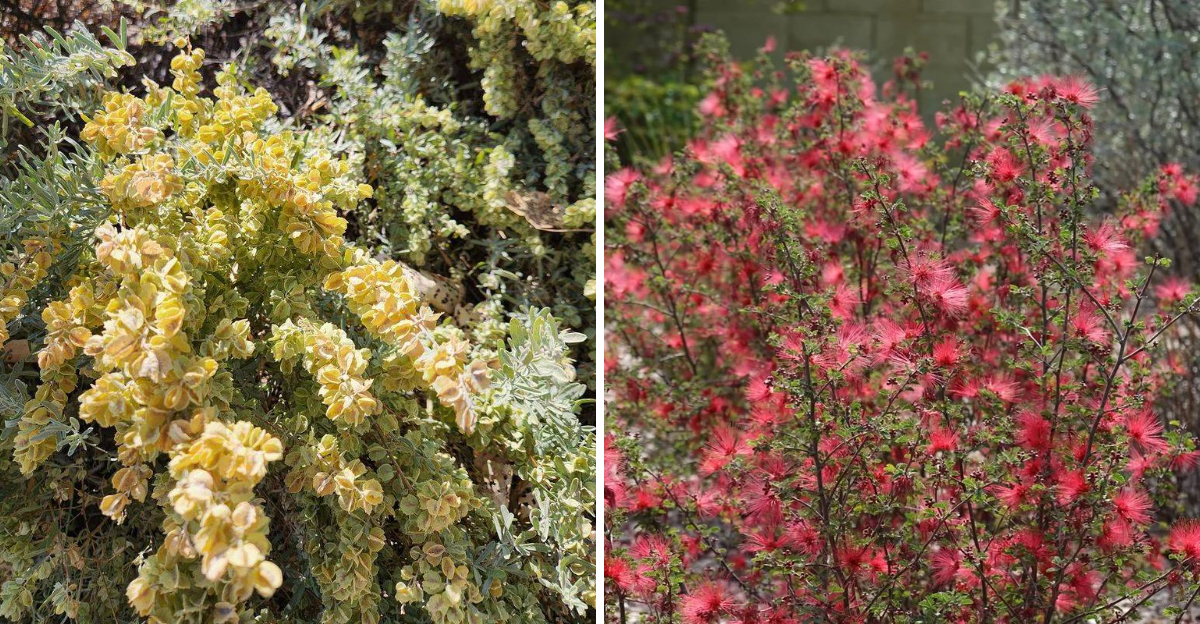
Rosemary hedges have been a familiar sight in Arizona landscapes for years. They provide greenery, create structure, and can handle plenty of sun once established.
Even so, more people are beginning to rethink whether they are the best option for every property.
Changing priorities are playing a big role in that decision. Water use, long term maintenance, heat tolerance, and overall appearance throughout the year have become much bigger considerations than they were in the past.
As a result, interest has grown in shrubs that can handle demanding desert conditions while providing many of the same benefits people look for in a hedge.
The shift is not happening because rosemary suddenly stopped working. It is happening because people have discovered there are other shrubs that fit certain landscapes even better.
Some provide denser coverage, some require less upkeep, and others bring seasonal interest that rosemary cannot match.
Several tough shrubs are becoming increasingly popular alternatives, and many are proving to be excellent choices for desert landscapes.
1. Hop Bush Creates A Dense Evergreen Screen
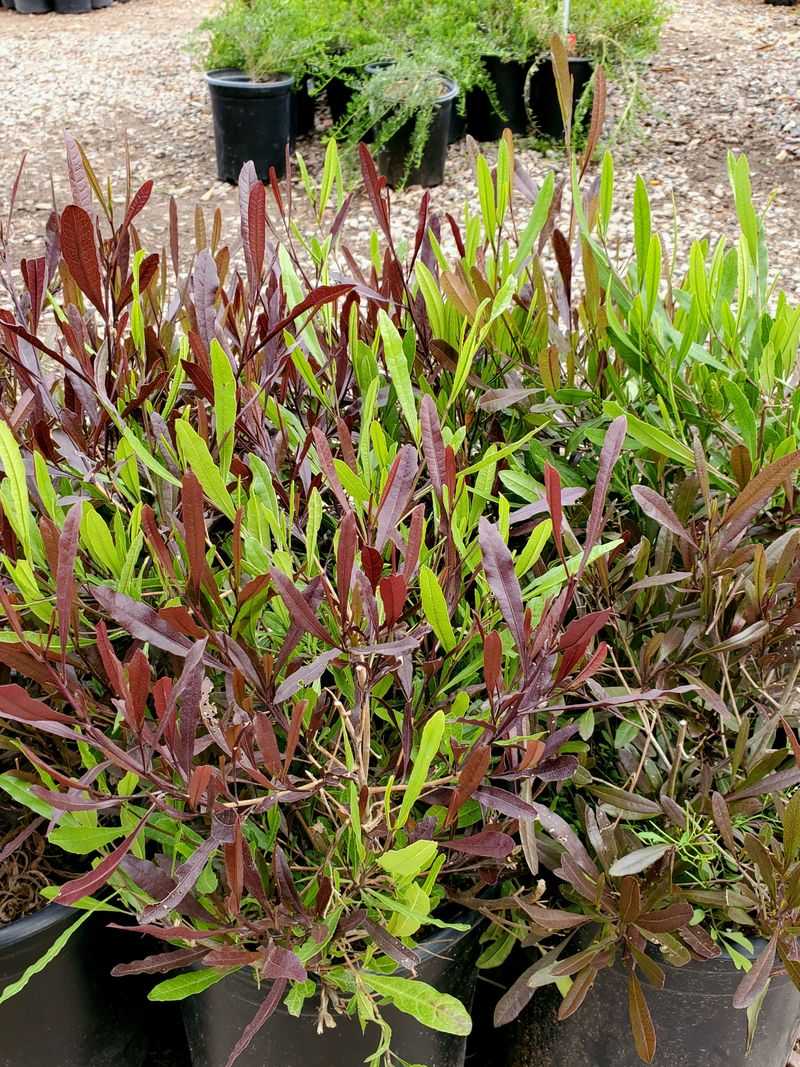
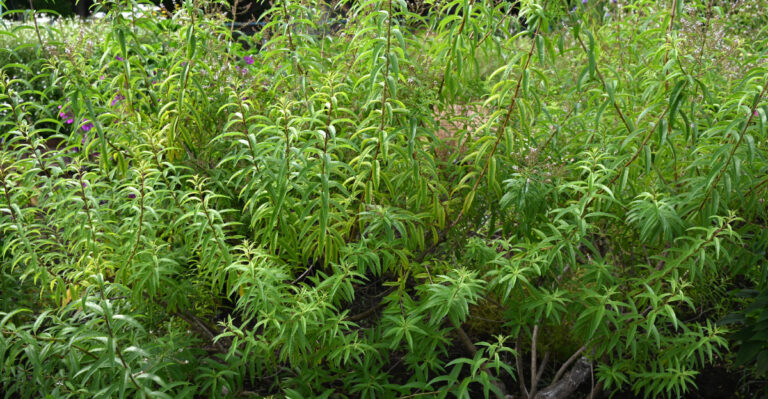
Hop bush earns its place fast. It shoots up quickly and fills in gaps that would take other shrubs years to cover.
Gardeners across the low desert love it for exactly that reason.
Dodonaea viscosa grows 10 to 15 feet tall without much help. It handles full sun, reflected heat from walls, and rocky alkaline soil without complaint.
Once established, deep watering every few weeks keeps it looking full and healthy.
The foliage stays green year-round, with bronze or purple tints depending on the variety. Those colors deepen in cooler months, giving the hedge a seasonal shift without any extra effort.
It is one of the few plants that actually looks better in winter.
Papery seed pods appear in late spring and add visual texture. Birds visit the plant regularly, which is a nice bonus for anyone who enjoys backyard wildlife.
The pods dry to a tan color and hold on the branches for weeks.
Hop bush works well as a privacy screen, windbreak, or foundation planting. It tolerates poor soils and does not need fertilizer to perform well.
Minimal pruning keeps the shape tidy without stressing the plant. For fast coverage with low maintenance in a hot, dry yard, very few shrubs compete with hop bush on all those points.
2. Littleleaf Cordia Handles Arizona Heat Well
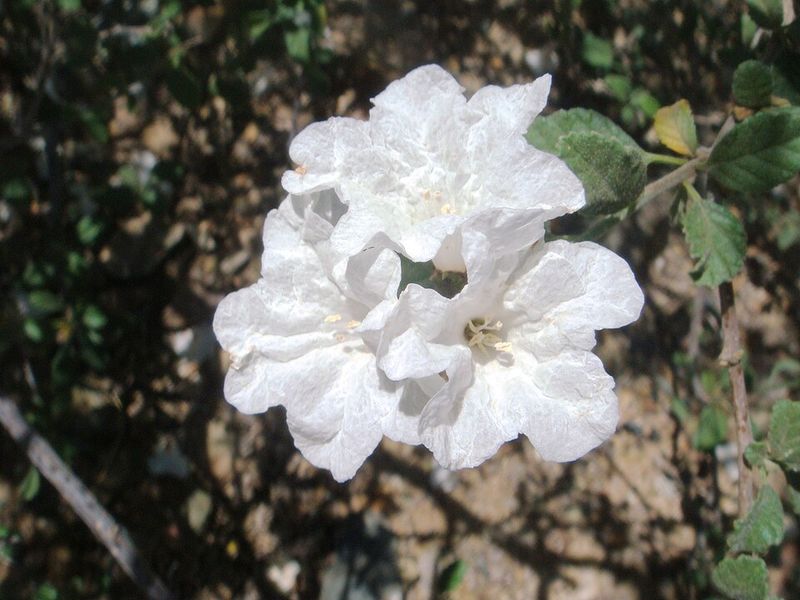
White flowers in the middle of summer heat? Littleleaf cordia pulls that off without blinking.
Most plants shut down when temperatures climb past 105 degrees, but this one keeps blooming right through it.
Cordia parvifolia is native to the Sonoran Desert region. That origin matters because it means the plant evolved under the same brutal conditions your yard throws at it.
No coaxing needed once it settles in after the first season.
It grows 4 to 6 feet tall and wide, forming a rounded mound with small, rough-textured leaves. The white blooms appear repeatedly from spring through fall, attracting bees and butterflies in steady numbers.
Your Arizona Garden Changes Every Week. Your Plan Should Too.
Gardening in Arizona changes quickly throughout the season. Every Friday you’ll receive a simple weekly plan showing exactly what to plant, prune, fertilize, harvest, and protect so you never miss the right timing.
Pollinators seem to find it quickly once it starts flowering.
Drainage is the one thing it cares about most. Soggy soil causes problems, but gravelly or sandy ground suits it perfectly.
Established plants survive on rainfall alone in many low desert yards, though occasional deep watering in dry stretches helps maintain a fuller look.
Littleleaf cordia works well along borders, in mixed native plantings, or as a low informal hedge. It does not need shaping to look good.
The natural rounded form stays clean on its own. For a shrub that blooms heavily, handles intense heat, and asks for very little water, this plant is hard to beat in a hot, dry landscape.
3. Arizona Rosewood Forms A Naturally Dense Hedge
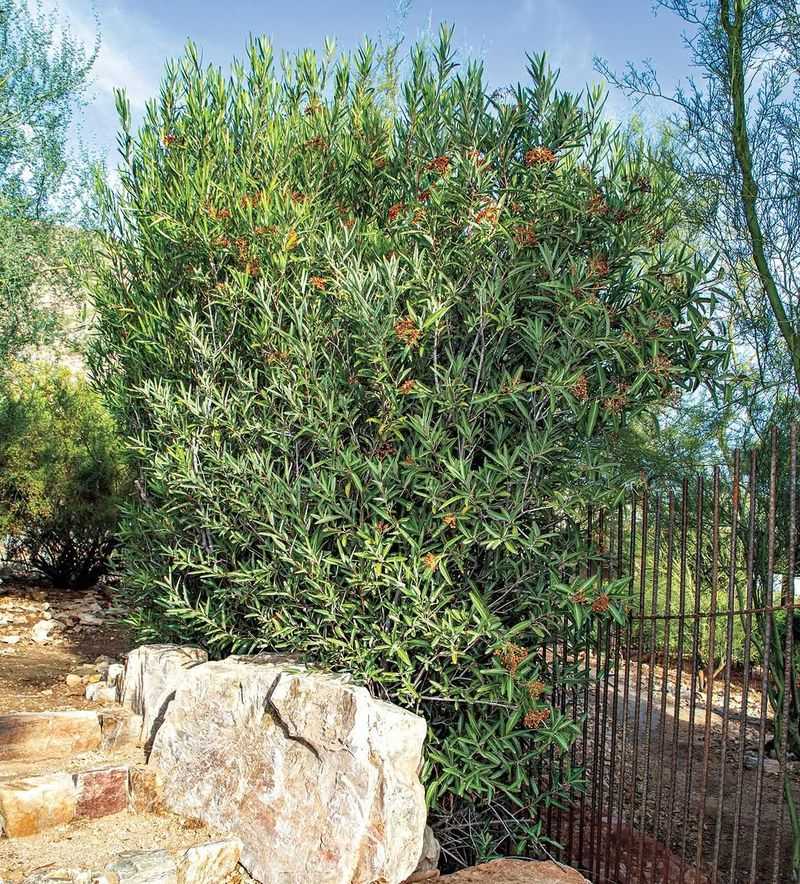
Few native shrubs match the density of Arizona rosewood. Vauquelinia californica grows so thick that birds nest inside it for cover.
That kind of structure is exactly what homeowners want from a hedge plant.
It reaches 10 to 20 feet tall over time, though it grows slowly. Patience pays off with this one.
Once mature, it forms a wall of dark, leathery foliage that holds its shape without heavy pruning.
Clusters of small white flowers appear in late spring. They are not showy from a distance, but up close they have a quiet charm.
After blooming, the seed capsules stay on the plant and add subtle texture through summer and fall.
Rocky, well-drained slopes are where this plant naturally grows. It handles alkaline soil and reflected heat from block walls without issue.
Watering every two to three weeks during the first two summers helps it establish, after which it becomes very self-sufficient.
Arizona rosewood works well as a living privacy fence along property lines. It also fits nicely against south or west-facing walls where other plants struggle.
The dark foliage creates a strong visual backdrop for lighter-colored flowering plants in front of it.
For a long-term, low-water hedge that gets better with age, this shrub is a dependable choice in hot, rocky desert gardens where durability matters more than fast results.
4. Sugar Bush Grows Well With Little Water
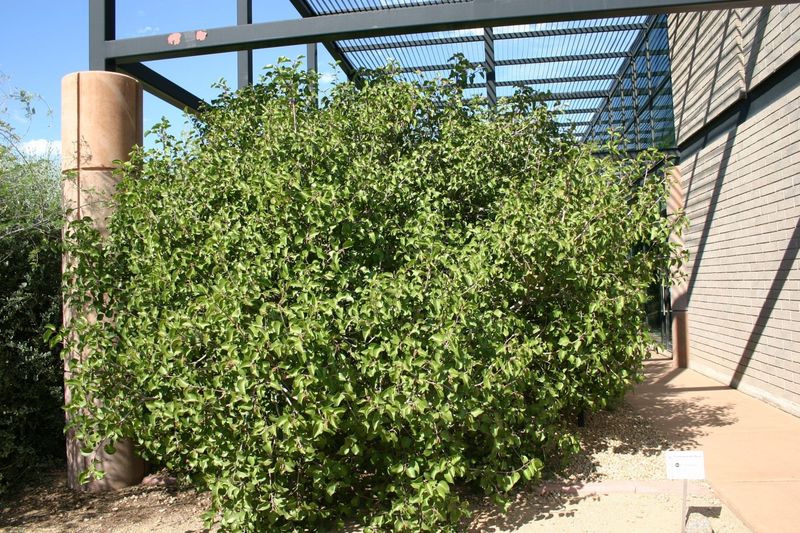
Sugar bush is tougher than it looks. Rhus ovata has glossy, cupped leaves that reflect heat and reduce water loss, a smart design for surviving long, rainless stretches in the low desert.
It grows 8 to 12 feet tall with a broad, rounded shape. The foliage stays dense year-round, making it a solid choice for screening or windbreaks.
Spring brings small clusters of pinkish-white flowers that bees visit frequently.
After blooming, sticky reddish berries form on the branches. Wildlife eats them, and historically the berries were used to make a tart drink.
That history gives the plant its common name.
Drainage matters a lot with sugar bush. Standing water around the roots causes problems fast.
Sandy or rocky soil works best. Once established, it handles extended dry periods without showing stress, which is a major advantage in yards where irrigation is limited.
Full sun suits it well, and it tolerates reflected heat from walls and pavement better than many ornamental shrubs. It does not need fertilizer or soil amendments to perform well in native or desert-adapted landscapes.
Pruning is optional. Left alone, it develops a natural layered look that feels right in a dry garden setting.
Shaping it into a formal hedge is possible but requires patience given its moderate growth rate. For a polished yet practical low-water screen, sugar bush delivers strong results over time.
5. Apache Plume Produces Showy Seed Heads After Blooming
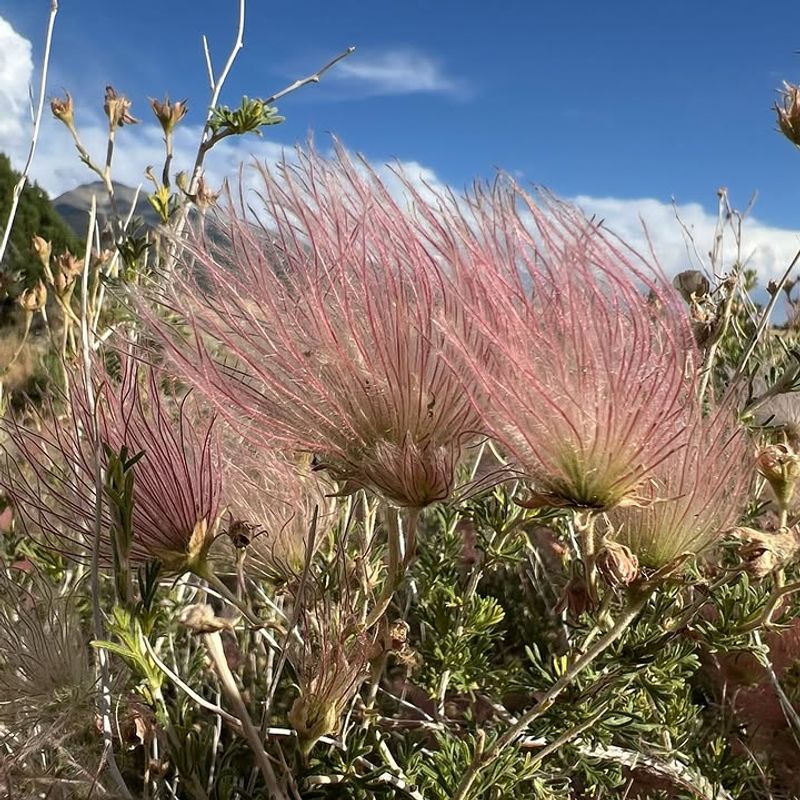
No other desert shrub puts on a show quite like Apache plume. Fallugia paradoxa blooms with small white flowers that look like wild roses, and then the real display begins when the feathery pink seed plumes emerge.
Those plumes catch the light and shimmer in the wind. A mature plant covered in them looks almost like pink smoke drifting through the garden.
It is the kind of visual that stops people mid-step.
Apache plume grows 4 to 6 feet tall and wide. It spreads slowly by suckering, which helps it fill a space over time without becoming invasive.
The fine-textured foliage stays semi-evergreen in mild winters.
It grows naturally in dry washes and rocky slopes across the desert Southwest. That tells you a lot about what it needs: sharp drainage, full sun, and very little supplemental water once roots are established.
Overwatering is a bigger risk than drought stress with this plant.
Hummingbirds and native bees visit the flowers regularly. The seed plumes also provide nesting material for small birds, so the plant pulls double duty in a wildlife-friendly garden.
Pruning is rarely needed. Removing old wood in late winter encourages fresh growth and more flowers.
Apache plume works beautifully along dry garden borders, in naturalistic plantings, or as a loose informal hedge where movement and texture matter more than a rigid, clipped look.
6. Turpentine Bush Handles Tough Conditions
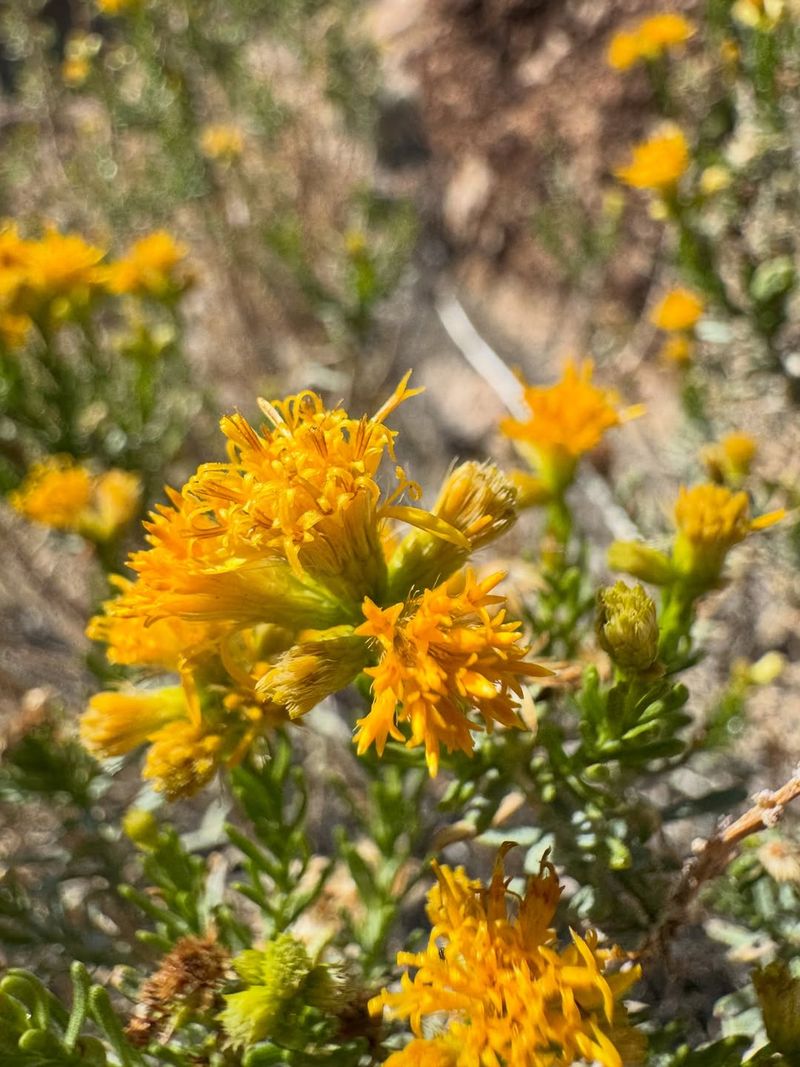
Turpentine bush earns its name from the sharp, resinous scent released when you brush against the leaves. That smell is not for everyone, but the plant itself is one of the most reliable performers in rocky desert soils.
Ericameria laricifolia tops out around 3 feet tall and wide, forming a compact mound of fine, needle-like foliage. It fits well in tight spots where larger shrubs would crowd out everything around them.
Bright yellow flowers appear in fall when most desert plants have finished blooming. That late-season color is genuinely useful in a landscape that can look washed out by October.
Pollinators swarm the flowers, especially native bees stocking up before winter.
Rocky, gravelly soils with excellent drainage are where this plant performs best. It handles poor soil, full sun, and reflected heat without needing amendments or fertilizer.
Supplemental water during the first growing season helps it establish, but after that it largely takes care of itself.
Turpentine bush works well along rock garden borders, dry slopes, or as a low informal hedge. It pairs naturally with other compact desert natives like blackfoot daisy or desert marigold.
The texture and color contrast between them looks sharp without requiring much planning.
For a small, low-maintenance shrub that fills a tight space and blooms when everything else has stopped, turpentine bush is a smart, underused option worth considering in any water-conscious desert garden.
7. Fourwing Saltbush Grows In Difficult Areas
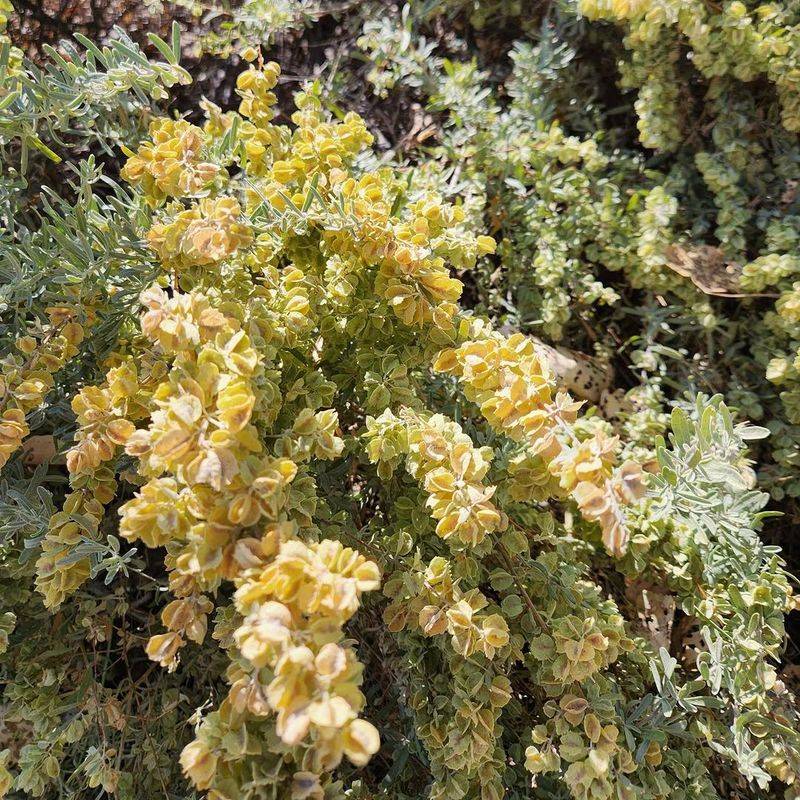
Saltbush grows where most plants refuse to even sprout. Atriplex canescens handles caliche soil, salty ground, heavy clay, and full desert sun without needing any special treatment.
That kind of toughness is rare.
It grows 4 to 6 feet tall with a silvery-gray color that stands out against darker desert plants. The pale foliage reflects heat and reduces water loss, which is exactly how it survives in some of the harshest planting conditions in the Southwest.
Seed clusters with four papery wings appear in late summer and persist through fall. They add interesting texture and provide food for quail, doves, and other seed-eating birds.
Wildlife value is genuinely high with this plant.
Fourwing saltbush is either male or female, and only females produce seeds. Buying from a reputable nursery lets you choose based on whether the seed production matters to you.
Both sexes offer the same dense, silvery foliage and reliable structure.
It tolerates moderate foot traffic nearby and does not object to compacted soil conditions that would stress most ornamental shrubs. Irrigation during the first season helps it get started, but established plants handle extended dry periods without visible decline.
Along roadsides, property lines, dry slopes, or neglected corners of a yard, fourwing saltbush fills space with minimal fuss.
For problem spots where nothing else seems to work, this native plant is often the most practical solution available at any local desert nursery.
8. Fairy Duster Creates A Softer Hedge Line
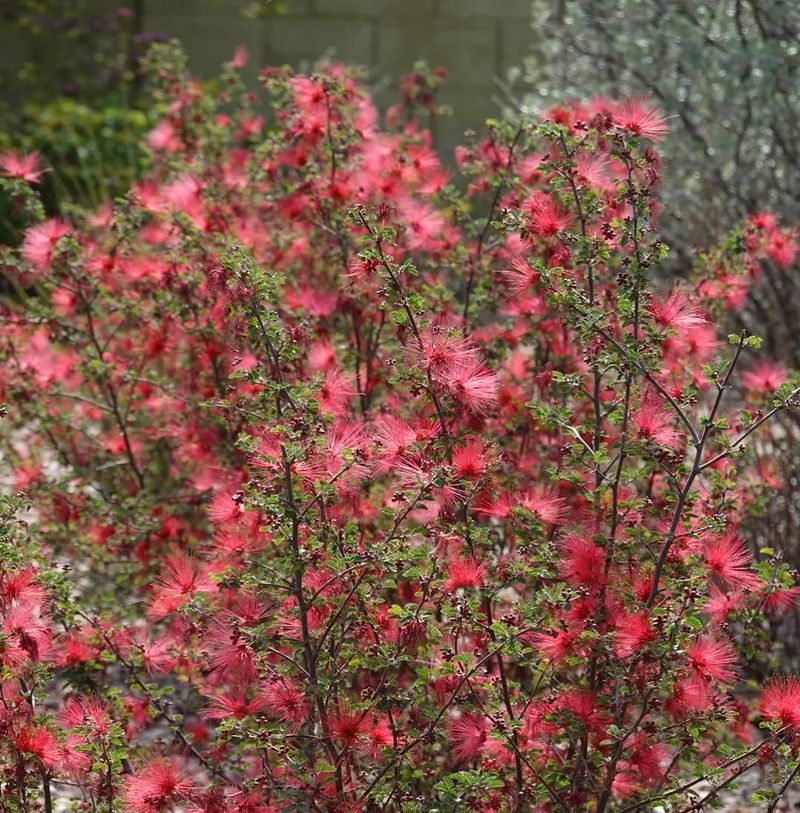
Soft, feathery, and covered in pink powder-puff blooms, fairy duster brings a completely different energy to a desert hedge. Most tough shrubs lean utilitarian.
Calliandra eriophylla leans beautiful.
It grows 2 to 4 feet tall with a loose, airy form and fine-textured foliage that moves in the slightest breeze. That movement gives a garden a relaxed, natural feel that rigid clipped hedges never quite achieve.
Flowers appear in late winter and early spring, sometimes again in fall after monsoon rains. Hummingbirds are drawn to them almost immediately.
Watching a hummingbird work through a blooming fairy duster is one of the better rewards of planting it.
Full sun and well-drained soil are the main requirements. It handles rocky ground, caliche, and low-fertility soils without complaint.
Deep watering every two to three weeks during dry periods keeps it looking lush, though established plants are quite drought-tolerant on their own.
Fairy duster works well along walkways, as a low border hedge, or mixed into a native planting where softer textures are needed. It fills the space between larger structural shrubs without competing for attention.
The fine foliage and delicate flowers create contrast against bold, coarse-leafed plants nearby.
Light pruning after flowering encourages a denser shape. Heavy cutting is not necessary and can reduce blooming.
For a low hedge with genuine charm and strong wildlife appeal, fairy duster is one of the most rewarding choices in a dry desert garden.