What Makes Some Texas Yards More Attractive To Curve-Billed Thrashers
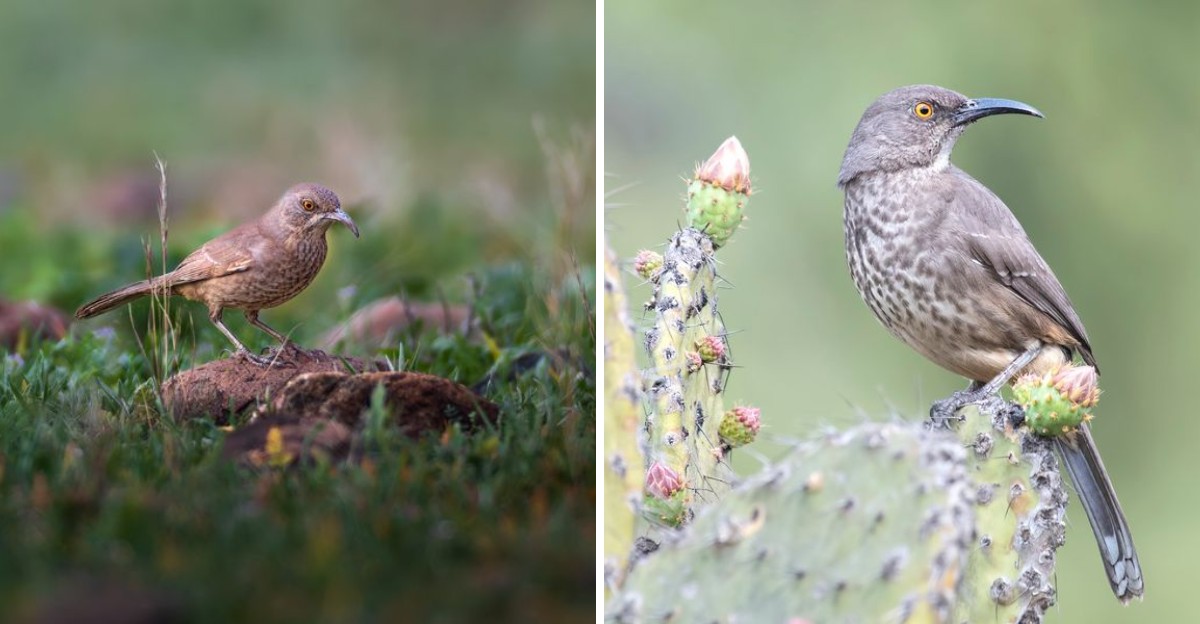
Curve-billed thrashers are one of those Texas yard birds that people either already love or have never paid much attention to. Once you start watching them, that changes quickly.
Bold, loud, and surprisingly charismatic, they move through a yard with a confidence that makes them hard to ignore, and that distinctive two note whistle carries further than most people expect. But not every Texas yard sees them regularly.
Curve-billed thrashers have specific preferences when it comes to habitat, food sources, and landscape character.
The yards that attract them consistently are offering something most properties aren’t, and understanding what that is gives you a practical roadmap for bringing these birds in more reliably.
Here’s what makes certain Texas yards more attractive to curve-billed thrashers and how to make yours one of them.
1. Dense Thorny Shrubs For Nesting
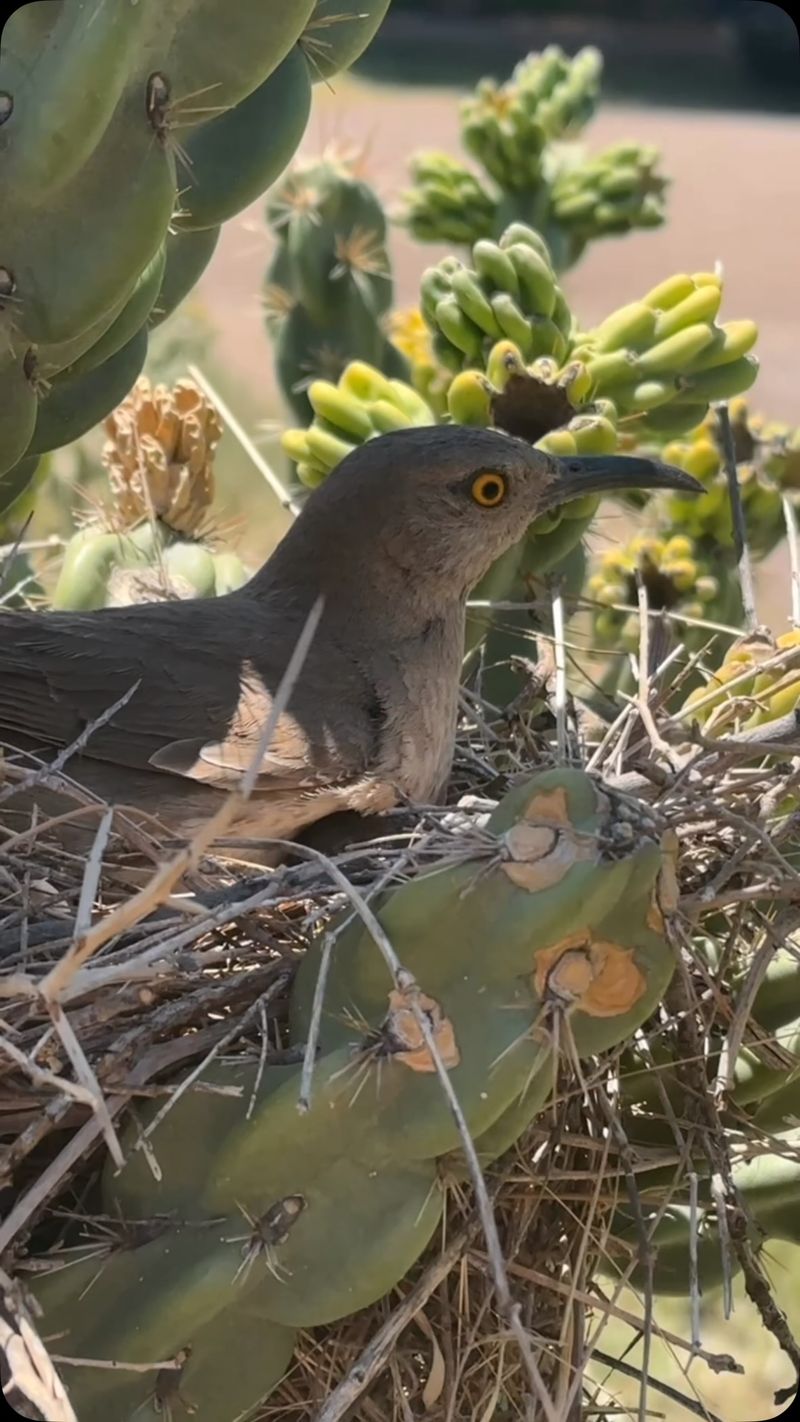
Picture a thick, prickly bush right in the middle of a sunny yard. That spot is exactly where a curve-billed thrasher wants to build its home.
These birds love shrubs with lots of thorns, like cholla cactus and mesquite. The sharp spines keep hungry predators away from their eggs and babies. A safe nest means a happy thrasher family.
In Texas, native thorny plants are already built for the hot, dry weather. You will not need to water them much, and they grow well in poor soil. That makes them an easy win for both you and the birds.
Thrashers usually place their nests a few feet off the ground, tucked deep inside the branches. The denser the shrub, the more hidden and secure it feels. Birds notice this and choose those yards first.
If your yard has only thin, open plants, thrashers may skip it. They want cover that hides them from hawks and cats. Adding a cluster of thorny shrubs can change everything.
Try planting a few native cacti or spiny bushes near a quiet corner. Give them room to spread out and grow thick over time. Within a season or two, you might spot a thrasher scouting the branches.
Fun fact: curve-billed thrashers sometimes reuse the same nesting spot year after year if it stays safe. That means one good shrub could bring you birds for a long time.
Skip trimming those bushes too neatly. A wild, tangled look is exactly what these birds find cozy and inviting.
2. Open Bare Ground For Foraging
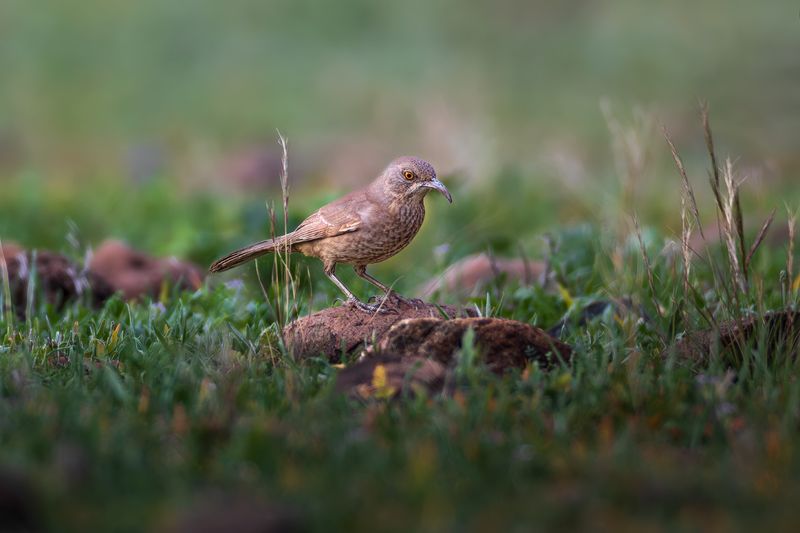
Watch a thrasher hunt for food, and you will see something cool. It uses that long, curved beak to flip leaves and dig into the dirt.
Curve-billed thrashers love bare patches of ground where they can search for bugs. Beetles, grubs, ants, and spiders all hide in the soil. Open dirt makes these snacks easy to reach.
A yard covered in thick grass or heavy mulch hides the ground too well. The birds have a harder time digging around. That is why some tidy lawns get fewer visitors.
Leaving a few open, sandy, or gravelly spots gives thrashers the perfect hunting zone. They will scratch and poke around for hours. It is one of their favorite ways to spend the day.
Your Texas Garden Changes Every Week. Your Plan Should Too.
Gardening in Texas changes quickly throughout the season. Every Friday you’ll receive a simple weekly plan showing exactly what to plant, prune, fertilize, harvest, and protect so you never miss the right timing.
You do not need a messy yard to make this work. Just clear a small area near shrubs where dry leaves can gather. The birds will find it fast.
Texas yards often have natural sandy soil, which thrashers really enjoy. If your ground stays soft and loose, you are already ahead. These birds prefer easy digging over hard, packed dirt.
Try raking a light layer of leaves under a bush instead of bagging them all up. The leaf litter hides insects, and thrashers love turning it over. It becomes a mini buffet.
Avoid using strong bug sprays across your whole yard. Those chemicals wipe out the insects thrashers depend on for meals. A more natural yard keeps the food chain going strong for these hungry hunters.
3. Native Cactus And Desert Plants
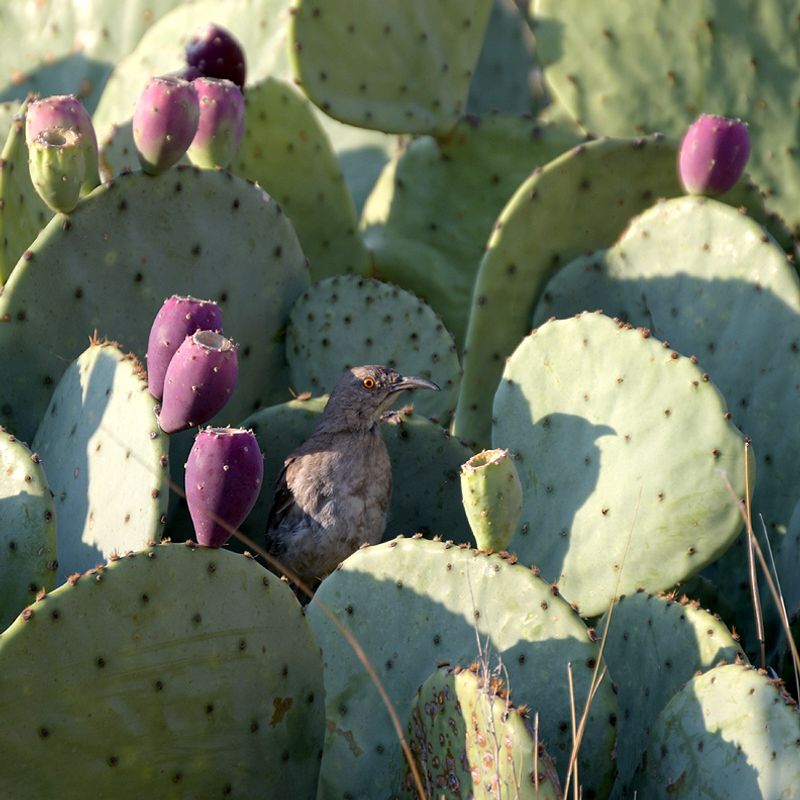
There is a reason desert plants feel like home to thrashers. These birds evolved right alongside the cactus and scrub of the Southwest.
Prickly pear cactus is a huge favorite. In late summer, it grows sweet red fruit called tunas that thrashers love to eat. The pads also make great hiding spots.
Native plants like agave, yucca, and ocotillo fit right into a thrasher’s world. They offer food, shelter, and perches all in one. Birds recognize these plants as safe and familiar.
Growing native also helps you as the homeowner. Desert plants handle Texas droughts without much fuss. You save water and effort while still helping wildlife.
Non-native plants sometimes look pretty but offer little for thrashers. They may not produce the right fruit or bugs. A yard full of them can feel empty to a foraging bird.
Mixing several native species creates a richer habitat. Different plants bloom and fruit at different times of year. That means steady food no matter the season.
Prickly pear also draws in insects, which gives thrashers even more to eat. So one plant serves double duty. Fruit and bugs together make a strong draw.
Did you know curve-billed thrashers often nest inside cholla cactus specifically? The dense spines act like a natural fortress. Adding native cacti gives them both meals and a nesting home.
Start with just one prickly pear or a small cluster of agave. Let them grow and spread naturally over the seasons. Before long, your yard will feel like true thrasher country.
4. A Reliable Water Source
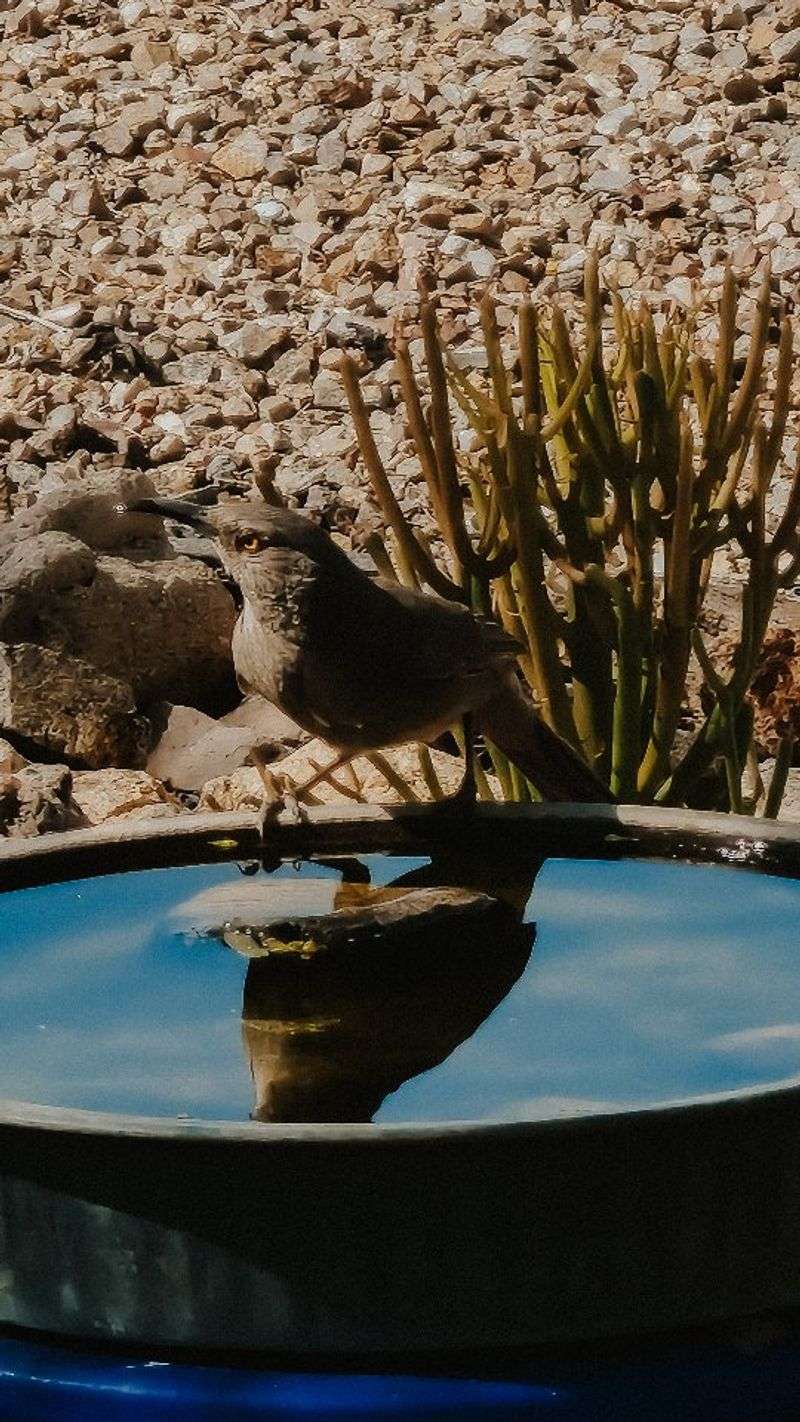
In the dry Texas heat, water is like treasure. Any yard that offers a cool drink instantly becomes more appealing to thirsty thrashers.
These birds need water for both drinking and bathing. A clean, shallow bird bath does the trick nicely. They will visit again and again once they find it.
Thrashers prefer water that sits low to the ground. A ground-level dish or a low basin feels natural and safe. High, wobbly baths can scare them off.
Keep the water shallow, only an inch or two deep. Thrashers are ground birds and do not want to wade too far. A gentle slope or a few stones helps them step in easily.
Fresh water matters a lot. Dirty or stale water can make birds sick and drive them away. Rinse and refill your bath every couple of days.
During summer heat waves, a water source becomes even more powerful. When natural puddles dry up, your yard stands out. Birds will travel far for a guaranteed drink.
Adding a small dripper or fountain makes the water even more tempting. The sound of moving water catches a bird’s attention. Thrashers often follow that trickle straight to the source.
Place the bath near shrubs so birds can dart to cover if a hawk appears. Safety and water together make a winning combo. Thrashers feel calm when escape is close by.
Try setting up your water spot in a shady corner. Cooler water stays fresh longer, and the shade invites more visits during blazing afternoons.
5. Ground-Level Feeders With The Right Food
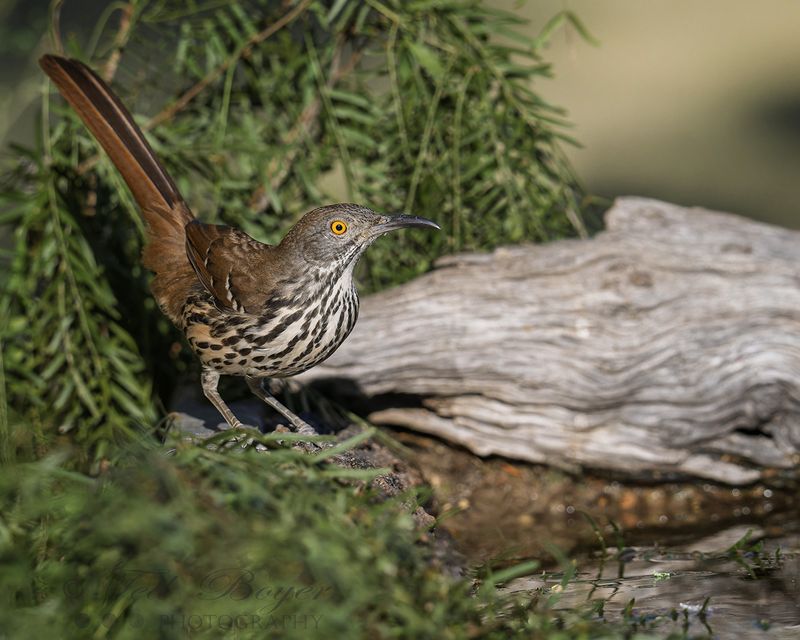
Most people hang bird feeders up high on poles or trees. Thrashers, though, are ground feeders and often ignore those tall setups.
To catch a thrasher’s eye, place food low or right on the ground. A flat platform feeder works great. So does a simple tray set on a stump.
These birds enjoy a mix of foods. Sunflower seeds, cracked corn, and millet are solid choices. They also go crazy for mealworms and chopped fruit.
Offering live or dried mealworms is a real treat. Thrashers are big insect eaters, so protein-rich snacks pull them in fast. Toss some out and watch them come running.
Fruit like halved oranges, apples, or raisins adds variety. During dry spells, juicy fruit gives birds extra moisture too. It is a smart bonus in the Texas climate.
Keep the feeding area clean to avoid spreading germs. Sweep up old seed and moldy scraps often. Healthy birds keep coming back.
Place feeders near thick shrubs for quick cover. Thrashers feel braver when a safe hiding spot sits close by. They will linger longer and eat more.
Squirrels and other critters may want the food too. A ground feeder can attract them, so put out just enough for the birds.
Refill as needed rather than overloading. Be patient at first. New feeders can take days or weeks before thrashers trust them.
Once one bird discovers your buffet, others usually follow, and your yard becomes a regular stop on their daily route.
6. A Quiet, Low-Traffic Space
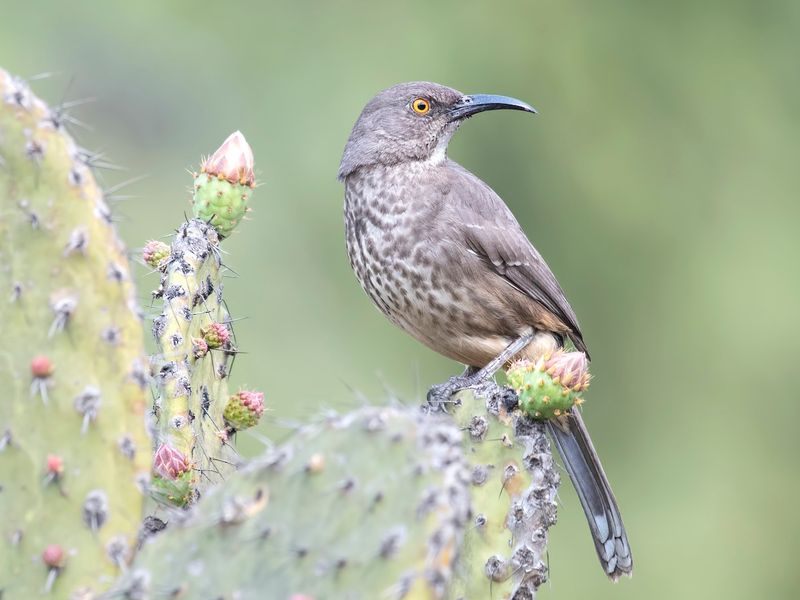
Imagine trying to relax while people rush past you all day. Birds feel the same way, and thrashers especially love their peace.
Curve-billed thrashers are a bit shy around lots of noise and movement. A calm, quiet yard makes them feel safe. Busy areas often send them flying away.
Yards with heavy foot traffic, loud pets, or constant activity can scare thrashers off. They want a spot where they can forage without stress. Quiet corners win their trust.
You do not need total silence to attract them. Just leave one low-key area of the yard mostly undisturbed. Let it become a bird-friendly zone.
Keep dogs and cats away from that special corner if you can. Roaming pets make thrashers nervous and keep them on edge. Fewer disturbances mean more visits.
Loud machines like mowers and blowers can also bother them. Try doing yard work at set times, not all day long. Give the birds calm hours to relax and feed.
A peaceful yard lets thrashers settle into a routine. They will start showing up at the same times each day. That regular rhythm is a sign they feel at home.
Watching from a distance is best. If you stay still and quiet, the birds grow used to your presence. Over time, they may let you get surprisingly close.
Consider setting up a viewing spot by a window. You can enjoy the thrashers without disturbing them at all. Everybody stays happy, and your yard keeps its calm, welcoming feel.
7. Perches And Song Posts
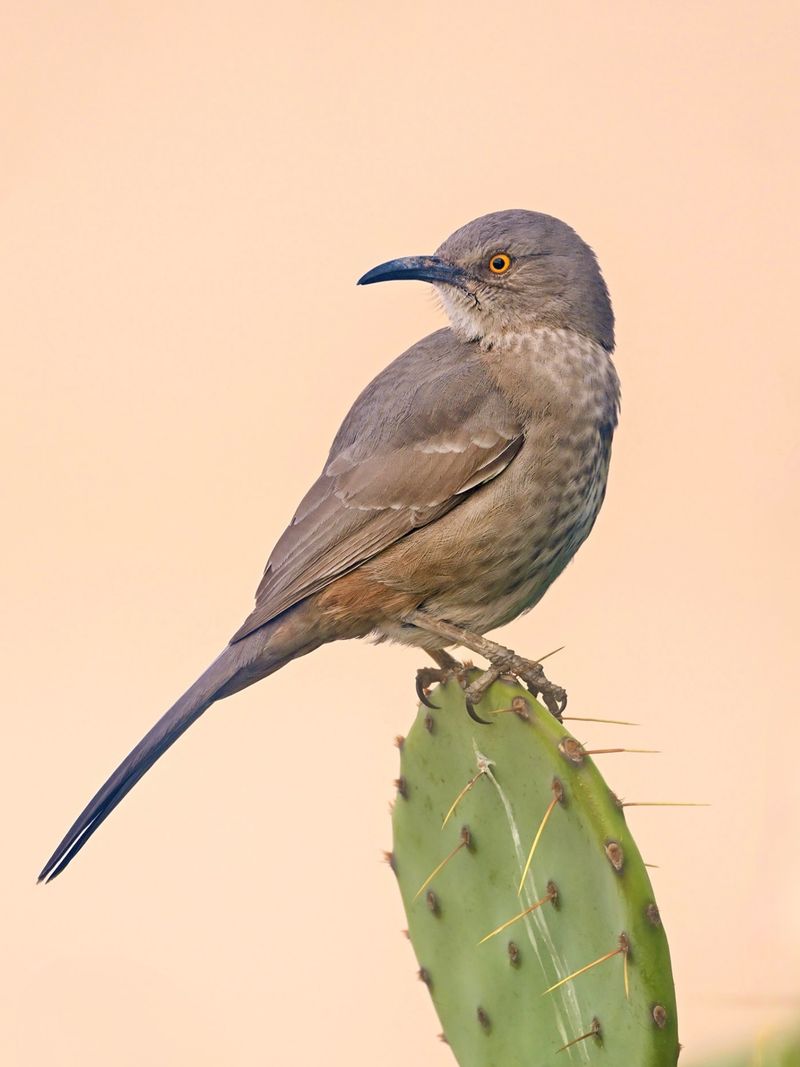
Ever hear a bird belting out a song from the very top of a bush? For thrashers, high perches are like their own little stages.
Curve-billed thrashers love to sit up high and sing. They use these spots to call for mates and mark their space. A good perch makes a yard extra appealing.
Tall cactus, fence posts, and the tips of shrubs all work well. Any sturdy, elevated spot gives the bird a clear view. From up there, they watch for food and danger.
These perches also help thrashers feel in control of their area. They can spot rivals or predators early. A yard with good lookout points feels secure to them. You can add perches easily. A tall dry branch stuck upright or a wooden post does the job.
Place it near their favorite shrubs and feeding areas. Thrashers have a bold, whistling song that carries far. When you hear it from your yard, that means a bird has claimed your space. It is a proud sound to enjoy.
Morning is the best time to catch these performances. Thrashers often sing loudest as the sun comes up. Grab your coffee and listen.
Higher perches near open ground work best of all. The bird can sing, then swoop down to hunt in seconds. That mix of song post and feeding spot is ideal.
Give them a few different perch heights around the yard. Variety keeps them comfortable and gives them options. With good song posts, your yard becomes a favorite thrasher hangout all year long.