Grass Cutting Habits Destroying Virginia Lawns In August Heat
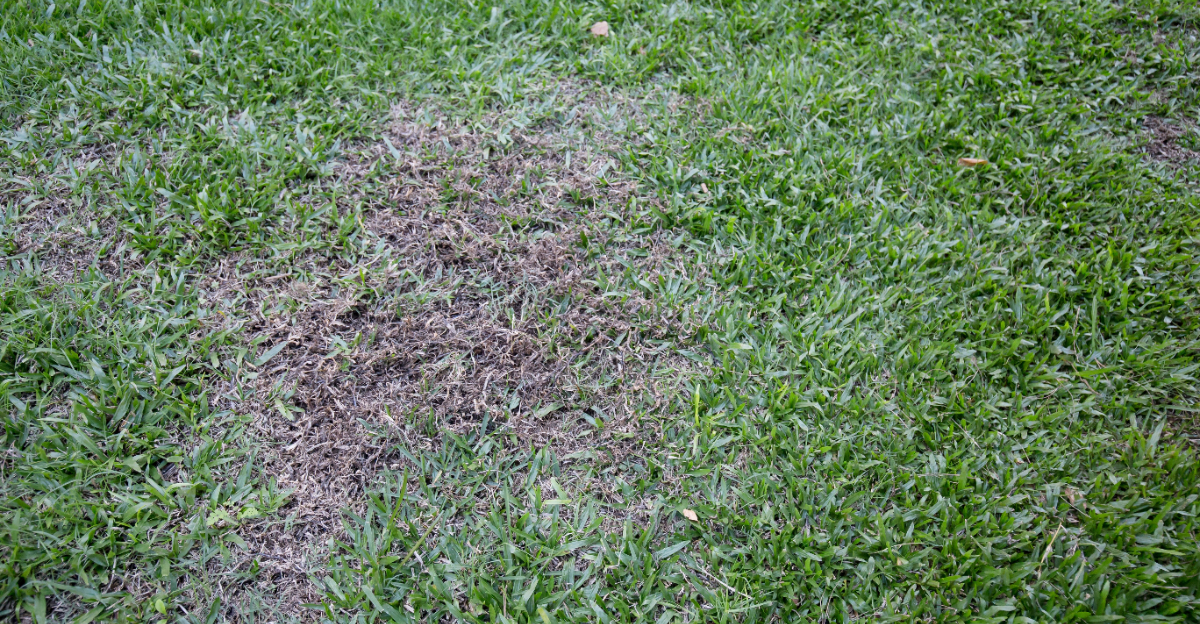
Your mower might be the reason your Virginia lawn looks tired by mid-August. The heat presses down, the soil dries out fast, and grass blades are already working overtime just to survive the season.
Yet most people keep mowing the exact same way they did back in May, never connecting the dots between their weekend routine and the thinning patches creeping across the yard.
A few everyday habits are quietly working against your grass right now, wearing it down long before summer’s even close to over.
1. Mowing Too Short During Peak Heat
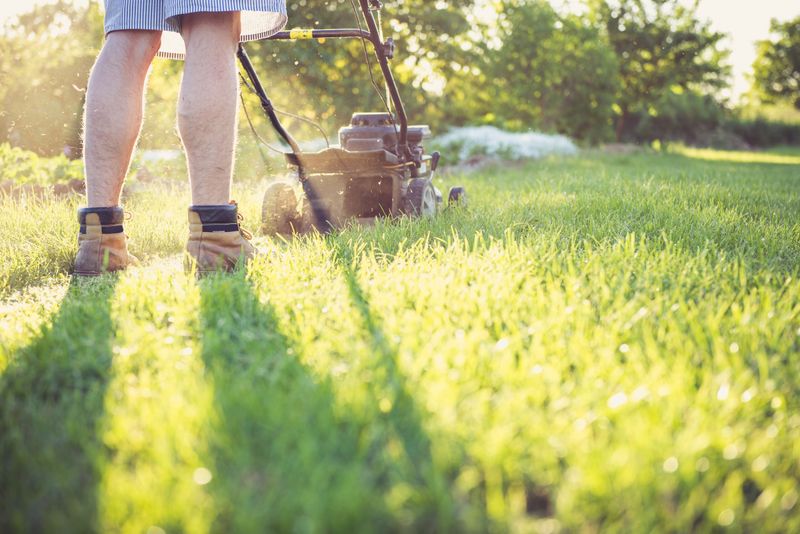
Scalped lawns are a summer setback for Virginia homeowners. Cutting grass too short in August is one of the fastest ways to wreck a Virginia yard.
When you cut below two and a half inches, you expose the soil directly to harsh sun. Bare soil heats up fast and dries out even faster.
Grass roots need shade to stay cool during peak heat. The blades themselves act like tiny umbrellas protecting the ground beneath them.
Cool-season grasses like tall fescue, common in northern Virginia, suffer most from low cuts. They need longer blades to handle the August stress cycle.
Warm-season grasses like Bermuda and Zoysia handle shorter cuts better, but even they struggle when temps hit the upper nineties. Every grass type has a heat threshold, and low mowing pushes them past it.
Lawn care experts recommend raising your deck height by at least half an inch during summer months. That small adjustment gives roots the protection they desperately need.
A taller lawn also crowds out weeds naturally. Crabgrass and other summer invaders love bare, hot soil with no competition.
Grass cutting habits like scalping are often done out of habit or laziness. People think shorter cuts mean fewer mowing sessions, but the opposite tends to happen.
Stressed, short grass grows unevenly and requires more intervention. Raise that blade now and let your lawn breathe through the hottest weeks of the year.
2. Cutting Wet Grass After Summer Storms
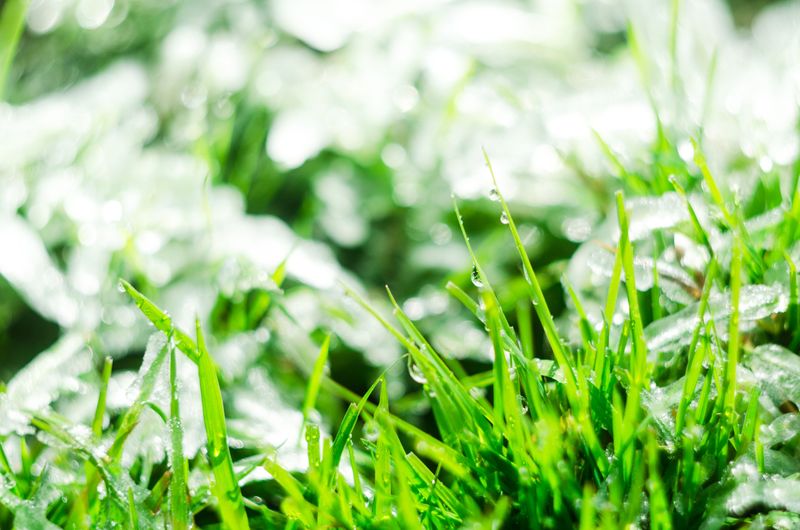
Summer storms roll through Virginia fast and leave everything soaking wet. Grabbing the mower right after rain feels productive, but it causes serious lawn damage.
Wet grass blades clump together and clog your mower deck quickly. Those clumps land in thick piles that smother the turf below them.
Smothered grass cannot photosynthesize or breathe properly. Within days, those clump spots turn yellow, then brown, creating patchy bare zones across your yard.
Wet soil also compacts much more easily under mower weight. Every pass you make pushes the saturated ground down tighter, restricting root growth.
Fungal diseases thrive in warm, wet conditions. Cutting wet grass spreads fungal spores from one section of your lawn to another with every mowing pass.
Brown patch and dollar spot are two common Virginia lawn diseases that spread quickly after wet mowing. Both are expensive and frustrating to treat once established.
A simple rule to follow: wait at least 24 hours after heavy rain before mowing. If the soil feels squishy underfoot, give it another day to drain.
Your Virginia Garden Changes Every Week. Your Plan Should Too.
Gardening in Virginia changes quickly throughout the season. Every Friday you’ll receive a simple weekly plan showing exactly what to plant, prune, fertilize, harvest, and protect so you never miss the right timing.
You can test readiness by walking across the lawn and checking your footprints. If they sink deep and stay compressed, the ground is still too wet.
Grass cutting habits formed around convenience often backfire in August. Patience after a storm protects your lawn far better than rushing to mow on a muggy afternoon.
3. Skipping Blade Sharpening All Season

A dull blade does not cut grass cleanly. It rips it, and that distinction matters enormously in August heat.
Torn grass tips turn brown within 24 to 48 hours of mowing. From a distance, your lawn looks like it has a dusty, tan haze hanging over it.
That browning is not drought stress. It is stress damage from ragged cuts that leave grass vulnerable to moisture loss and disease entry.
Sharp blades create clean, precise cuts that heal quickly. The grass seals its own tip within hours, keeping moisture inside the blade where it belongs.
Most homeowners sharpen their mower blade once a season, maybe. Lawn professionals recommend sharpening every 20 to 25 hours of mowing time for best results.
In Virginia summers, that can mean sharpening once a month during peak growing periods. It sounds like extra work, but the visual payoff is immediate and dramatic.
A sharp blade also reduces stress on your mower engine. The motor does not have to work as hard, which extends equipment life and saves on fuel costs.
Sharpening a blade takes about 15 minutes with a basic angle grinder or file. You can also take it to a local hardware store for a few dollars.
Grass cutting habits that ignore blade maintenance quietly destroy lawn health all season long. One sharp blade can transform a tired, August lawn into something genuinely worth admiring.
4. Mowing On The Same Rigid Schedule
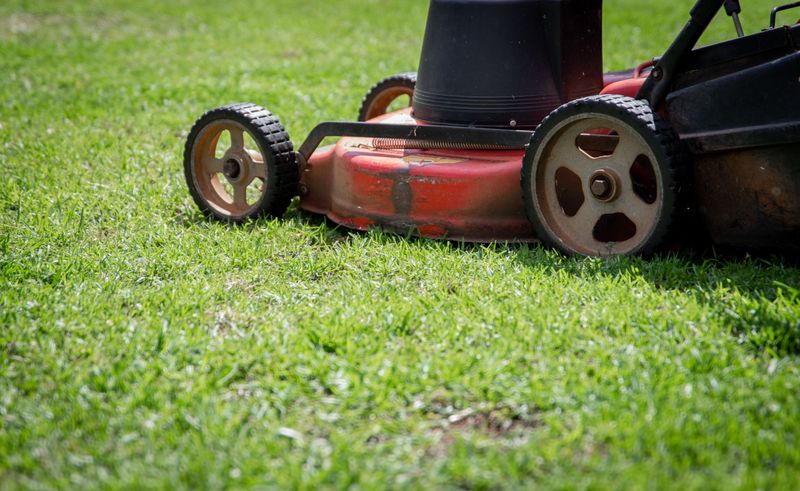
Calendars are great for meetings, but terrible for lawns. Mowing every Saturday regardless of grass conditions is a habit that wears down your turf through summer.
Grass does not grow on a human schedule. During extreme August heat, cool-season grasses slow down or nearly stop growing altogether.
Mowing a lawn that has barely grown since last week puts unnecessary stress on already heat-stressed plants. You remove leaf tissue the grass desperately needs to survive.
Warm-season grasses like Bermuda may still grow quickly in August heat. But even they have peak growth windows that do not always align with a fixed weekly plan.
A smarter approach is mowing based on growth, not the date. Check your lawn mid-week and only mow when grass has grown about a third taller than your target height.
This rule is called the one-third rule, and lawn experts swear by it. Avoid removing more than one-third of the blade length in a single mowing session.
Breaking the one-third rule stresses the plant and forces it to redirect energy from roots to leaf regrowth. In August, that energy redirection can seriously weaken root depth.
Shallow roots cannot access deep soil moisture during dry spells. Your lawn ends up looking parched even when neighbors with deeper-rooted grass stay relatively green.
Flexible grass cutting habits that respond to actual growth give your lawn a real fighting chance. Let the grass tell you when it is ready, not the calendar.
5. Bagging Clippings Instead Of Mulching
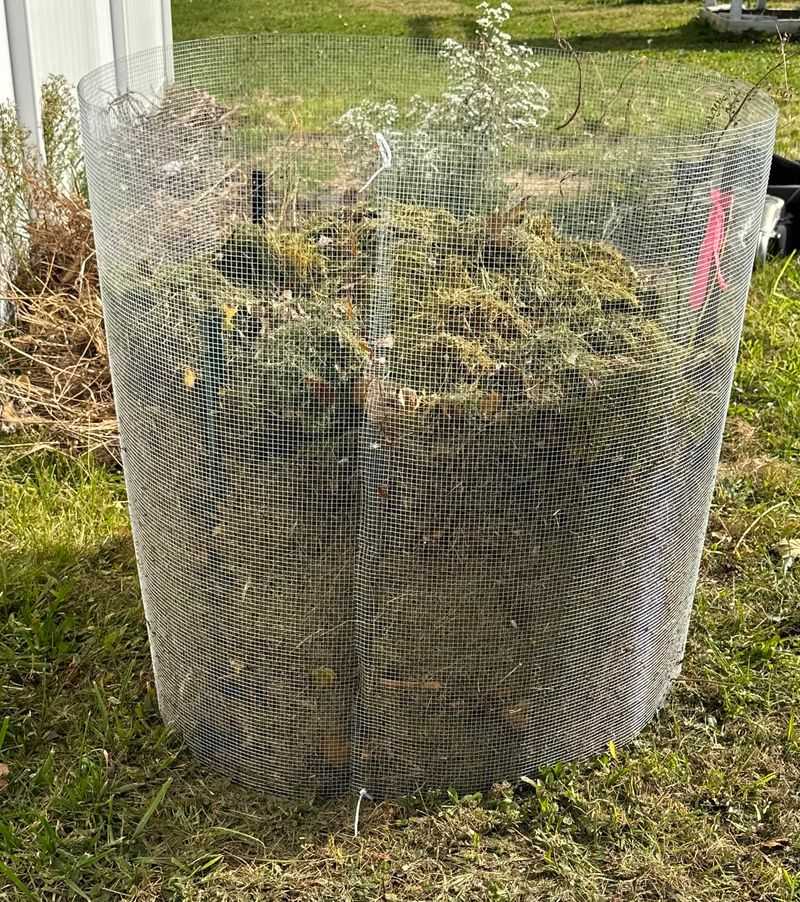
Bagging your clippings feels tidy, but it is quietly depriving your lawn of nutrients during the hottest month of the year.
Fresh grass clippings are about 80 percent water. When left on the lawn, they break down quickly and return moisture and nutrients directly back to the soil.
Mulched clippings act like a light top-dressing of organic fertilizer. They release nitrogen slowly as they decompose, feeding the root zone without any chemical application needed.
During August, when lawns are already stressed and depleted, that free nitrogen boost is significant. Bagging removes it entirely and sends it to the landfill instead.
Some homeowners worry that clippings cause thatch buildup. That is a common myth. Thatch is made of roots and stems, not leaf blades, which decompose too fast to accumulate.
A mulching mower or a mulching blade attachment chops clippings into fine pieces. Those small pieces disappear into the turf within a day or two of mowing.
The moisture retained from mulched clippings also reduces how often you need to water. In Virginia August heat, any reduction in watering demand is a genuine win.
Switching from bagging to mulching costs nothing if you already own a mower with a mulch setting. Most modern mowers include this feature as a standard option.
Changing simple grass cutting habits like bagging can restore nutrients and moisture to a struggling lawn. Your yard will thank you before the month is even over.
6. Ignoring Soil Compaction From Heavy Mowers
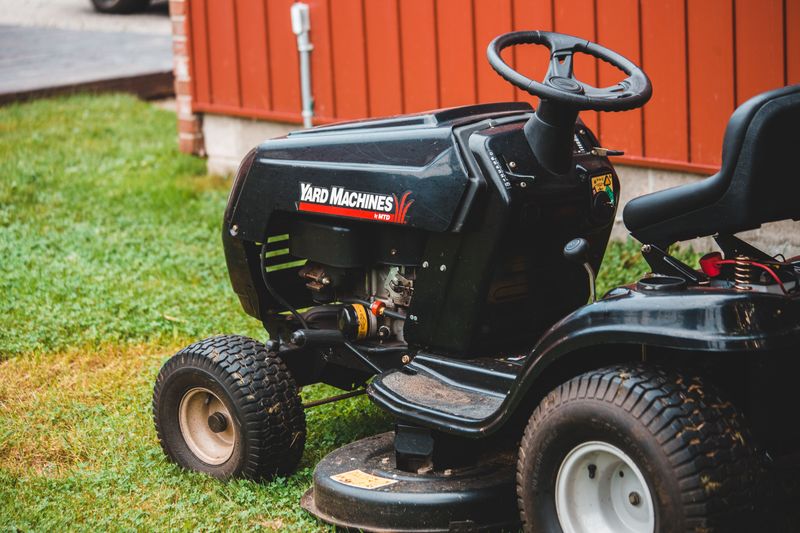
Hard ground is silent trouble. Soil compaction from heavy riding mowers is one of the most overlooked grass cutting habits ruining Virginia lawns this summer.
When soil compacts, air pockets collapse and water cannot penetrate below the surface. Roots are slowly deprived of oxygen and moisture, unable to access what they need to function.
A riding mower can weigh anywhere from 400 to over 800 pounds. In August, when soil is already baked and dense, each pass adds to the problem.
Compaction is especially severe when you mow in the same direction every week. The same soil zones take repeated pressure, creating hardened lanes beneath the grass surface.
One simple fix is alternating your mowing pattern each session. Going diagonal one week and horizontal the next distributes the weight load across different soil areas.
Another option is core aeration, which pulls small plugs of soil from the ground. This opens channels for water, air, and nutrients to reach deeper root zones.
August is not ideal for aggressive aeration of cool-season grasses, but warm-season varieties handle it well. Research your specific grass type before scheduling any major lawn treatment.
Lightweight push mowers cause far less compaction than riding models. For smaller yards, switching to a push mower during summer months can make a noticeable difference in soil health.
Paying attention to what your mower does beneath the surface is just as important as what it does above it. Healthy soil is the foundation every great lawn is built on.
7. Mowing In The Afternoon Sun
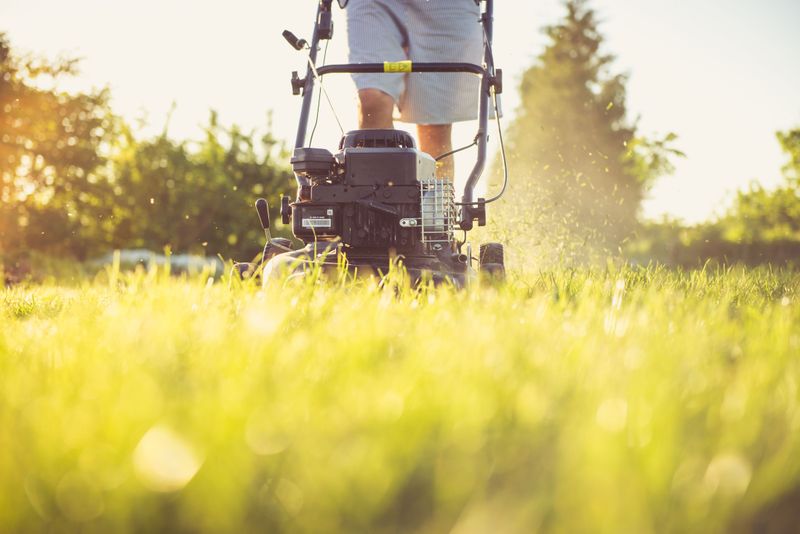
Two in the afternoon in August Virginia is not mowing time. The sun is at full strength, the pavement is scorching, and your grass is already fighting to survive.
Mowing during peak heat hours between noon and 4 PM adds mechanical stress on top of heat stress. That combination weakens grass faster than either problem alone would.
When you cut grass in direct afternoon sun, the fresh cuts lose moisture almost instantly. The blades cannot seal their tips fast enough to prevent rapid dehydration.
That moisture loss triggers a stress response in the plant. It pulls water from the roots upward to the blades, depleting the deep moisture reserves the plant needs to stay alive.
Morning mowing, ideally between 8 and 10 AM, is the gold standard for summer lawn care. The temperature is cooler, the dew has dried, and grass can recover before heat peaks.
Evening mowing after 6 PM is a decent second choice, but it comes with a risk. Grass cut in the evening stays damp overnight, which encourages fungal disease growth.
If morning mowing is not possible, aim for early evening and avoid watering afterward. Keeping the lawn surface dry overnight dramatically reduces fungal pressure.
Shade can also affect your timing strategy. Sections of your yard shaded by trees may tolerate afternoon mowing slightly better than fully exposed sunny areas.
Adjusting when you mow is one of the easiest and most impactful grass cutting habits you can change. Timing truly is everything when August heat is at its worst.
8. Neglecting To Adjust Blade Height Weekly
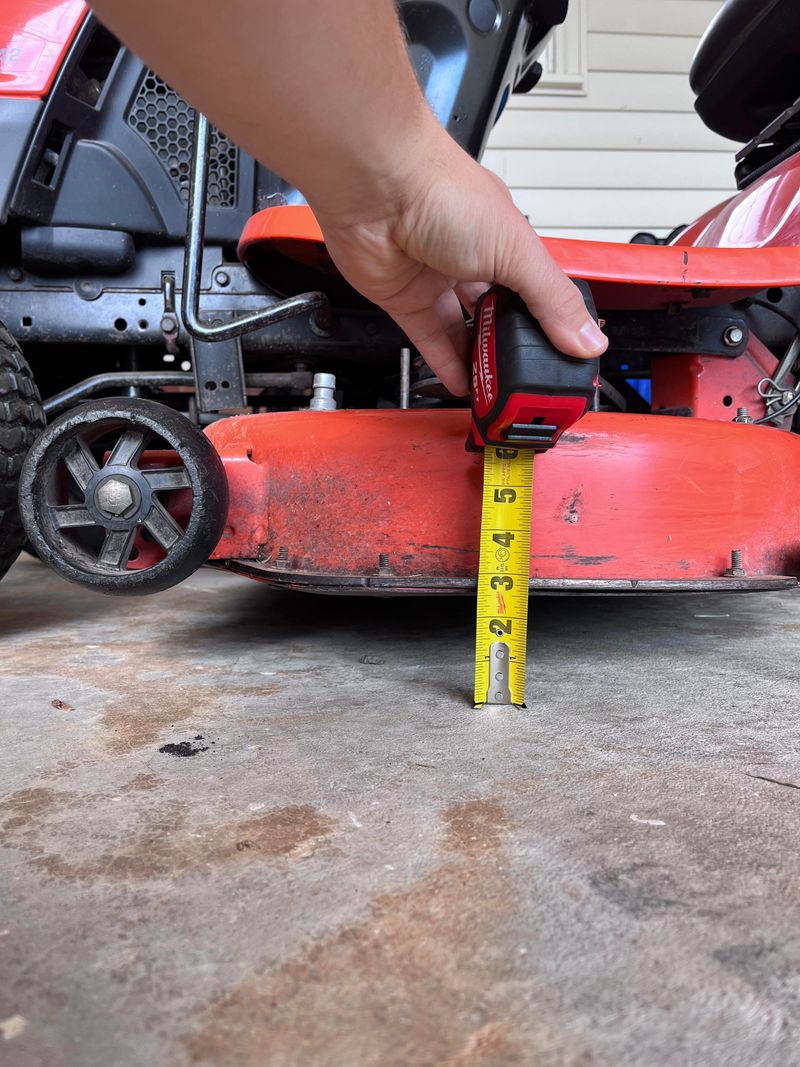
Set it and forget it works for slow cookers, not lawn mowers. Blade height needs regular adjustment throughout August as conditions shift week to week.
Early August and late August are not the same for Virginia grass. Temperatures, rainfall, and growth rates all change, and your blade height should respond to those changes.
During an especially dry stretch, raising the blade by even a quarter inch gives grass more leaf surface to capture morning dew. That tiny bit of extra moisture can make a visible difference.
After a week of afternoon storms and high humidity, you might lower the blade slightly to improve airflow through the canopy. Dense, tall grass holds moisture and invites fungal problems.
Most homeowners set the blade once in spring and never touch it again. That approach ignores the dynamic nature of summer weather patterns in the mid-Atlantic region.
A good habit is checking your blade height setting every Sunday before your weekly mow. It takes 30 seconds and gives you the chance to respond to whatever the past week brought.
Grass type matters here too. Tall fescue thrives at three to four inches in summer heat, while Bermuda grass performs best between one and two inches depending on conditions.
Knowing your grass type and its ideal summer range is the starting point for smart height management. A quick online search for your specific variety gives you a reliable target range.
Flexible grass cutting habits built around weekly observation protect your lawn through every twist August throws at it. Staying attentive is the simplest form of lawn care that actually works.