The Marigold Care Mistake Many Tennessee Gardeners Make Every Summer
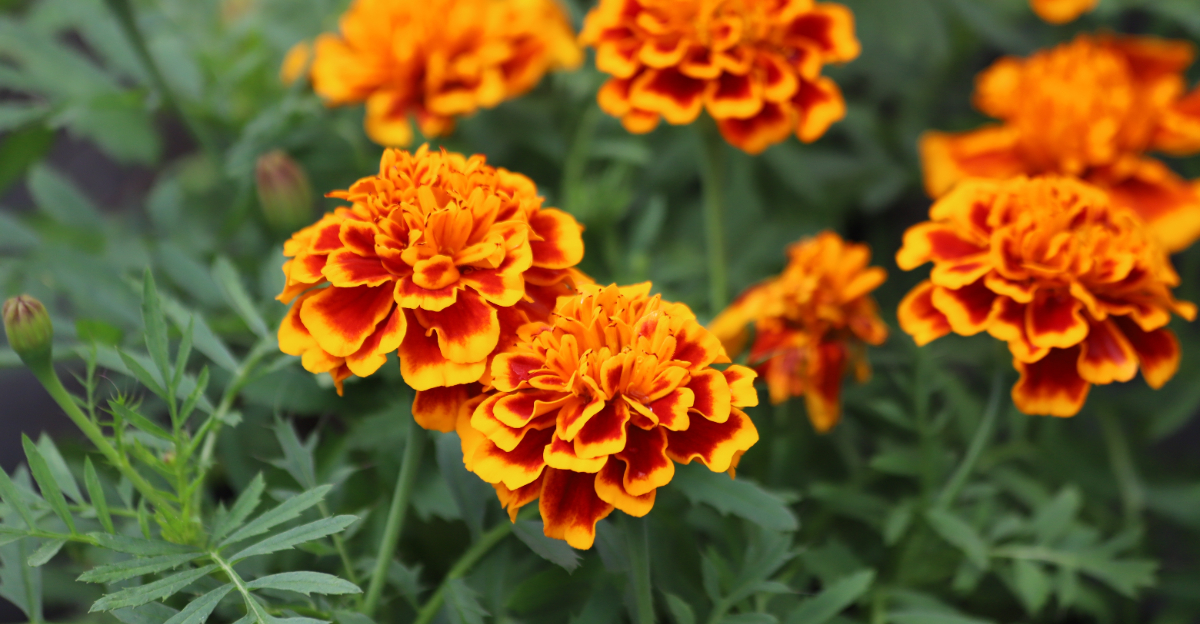
Marigolds have a reputation for being tough. Plant them, step back, and let them do their thing. But Tennessee summers have a way of exposing one habit that quietly works against them.
The heat is relentless, the humidity lingers, and most gardeners respond the only way that feels logical: they water more. More water, more blooms, right? Not with marigolds.
These flowers are built for dry spells, not soggy soil, and what feels like good garden instinct is often the exact thing setting them back.
Yellowing leaves, drooping stems, blooms that never fully open, Tennessee gardeners see these signs every summer and keep doing the same thing. That is the cycle.
And yet, the one habit behind all of it is so common that most gardeners never stop to question it. The fix is simpler than expected.
But first, you need to understand what marigolds actually need to thrive.
The Summer Habit That Weakens Marigolds
Your marigolds looked great in May. Now it is July and they look miserable, droopy, and pale.
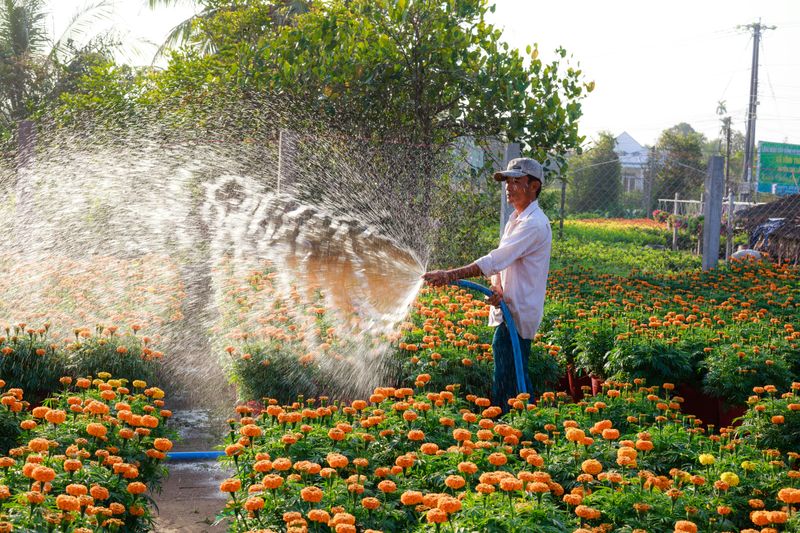
The culprit is often too much water. Most gardeners in Tennessee reach for the hose out of habit, not necessity.
Marigolds are drought-tolerant by nature. They were built to handle heat and dry spells without much fuss.
Marigolds need far less water than most vegetables and flowering annuals, and treating them the same way leads to trouble. Soggy roots cannot breathe, and that leads to a cascade of problems fast.
Overwatering suffocates roots by cutting off their oxygen supply. Without oxygen, roots begin to rot, and the whole plant weakens from the ground up.
Fungal diseases love wet, warm conditions. Tennessee summers provide exactly that kind of environment when soil stays damp too long.
Many gardeners water on a schedule rather than checking soil moisture first. That one habit causes more plant problems than almost anything else in the garden.
The marigold care mistake many Tennessee gardeners make every summer is not skipping fertilizer or planting in shade. It is simply giving these tough little flowers too much of a good thing.
Recognizing this mistake is the first step. Changing your watering routine is the fix that actually works.
Why Marigolds Do Not Need Much Water
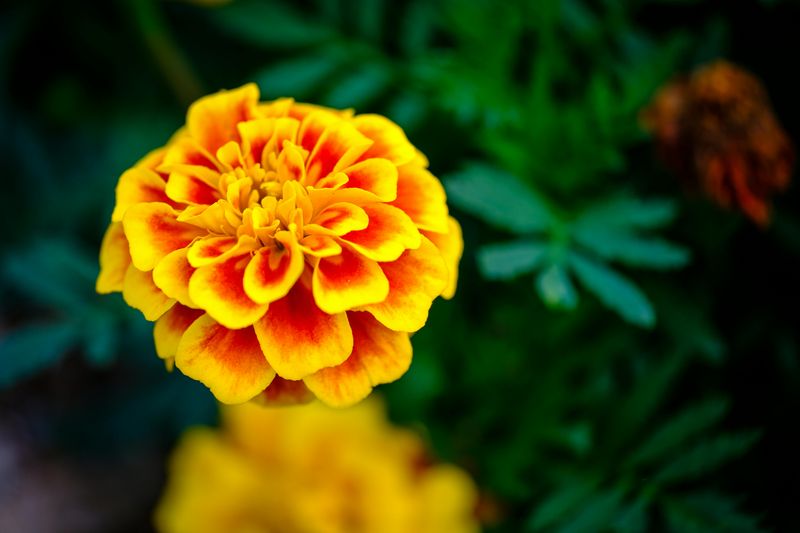
Marigolds originally came from dry, semi-arid regions of Mexico and Central America. They evolved to survive on minimal rainfall and plenty of sunshine.
That heritage means they are hardwired for tough conditions. Giving them too much water fights against their natural design.
Their root systems are efficient at pulling moisture from deep in the soil. Even when the surface looks dry, marigold roots are often finding what they need below.
Shallow, frequent watering actually makes things worse. It trains roots to stay near the surface instead of growing deeper and stronger.
Deep, infrequent watering builds a healthier root system over time. Roots that grow downward are more resilient during hot, dry stretches.
A well-established marigold plant can go several days without water in normal conditions. That surprises most people who are used to babying their garden plants.
Your Tennessee Garden Changes Every Week. Your Plan Should Too.
Gardening in Tennessee changes quickly throughout the season. Every Friday you’ll receive a simple weekly plan showing exactly what to plant, prune, fertilize, harvest, and protect so you never miss the right timing.
Marigolds also prefer warm soil. Constantly wet soil stays cooler than dry soil, which slows growth and bloom production noticeably.
Knowing why marigolds are built for less water helps you trust the process. Backing off the hose feels counterintuitive, but your plants will respond with more blooms and brighter color once the roots have had time to recover.
How Tennessee Summers Make Overwatering Worse
Summers here bring something that makes overwatering especially damaging: relentless humidity. The air itself holds moisture, which slows evaporation from the soil surface.
When soil stays wet longer due to humid air, roots sit in water for extended periods. That is when root rot and fungal problems take hold quickly.
Afternoon thunderstorms roll through regularly from June through August. After a storm drops an inch of rain, watering again the next morning is a serious mistake.
The combination of heat, humidity, and wet soil creates a breeding ground for fungus. Botrytis and powdery mildew are both common in these conditions.
Clay-heavy soils, which are common across much of Tennessee, drain slowly. Water pools near roots longer than it would in sandy or loamy ground.
Even raised beds can hold too much moisture if the soil mix is too dense. Checking drainage before planting saves a lot of frustration later in the season.
Gardeners who move here from drier states often overestimate how much supplemental water is needed. The climate here does a lot of the watering work on its own.
Adjusting your habits to match the local climate is the smartest move you can make. Your marigolds will thank you with stronger stems and longer-lasting blooms.
Signs Your Marigolds Are Getting Too Much Water
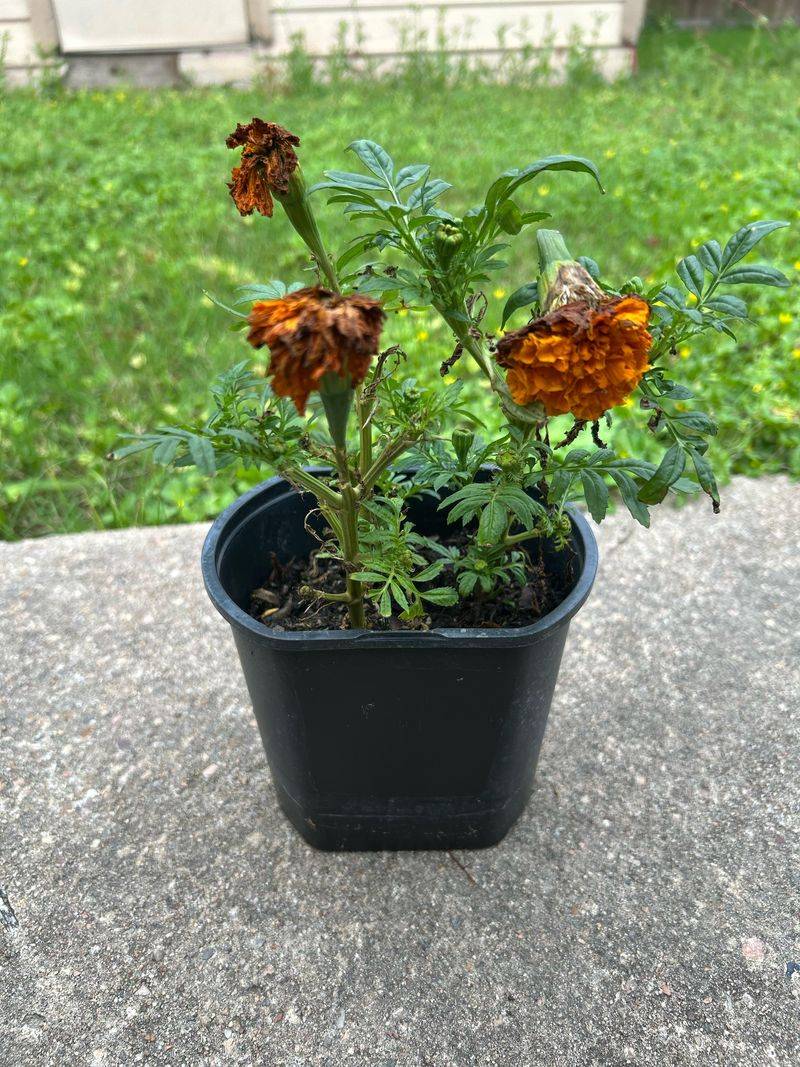
Yellowing leaves are the first red flag most gardeners notice. The color starts at the bottom of the plant and creeps upward over several days.
Soft, mushy stems near the soil line are a sign that root rot has already started. At that stage, the damage is serious and hard to reverse.
Drooping flowers that do not perk up after morning hours can signal that roots are struggling, though heat stress alone can cause the same effect. Healthy marigolds stand tall even during the hottest part of the day.
Mold or white powdery coating on leaves is another giveaway. Fungal growth thrives when foliage stays damp from overhead watering or poor airflow.
Brown, slimy roots revealed when you gently dig near the base confirm overwatering. Healthy roots should look white or light tan and feel firm to the touch.
Stunted growth during peak summer is also suspicious. Marigolds should be actively growing and blooming in warm weather, not stalling out.
Fewer blooms than expected often trace back to waterlogged soil. When roots cannot function properly, the plant shifts energy away from flowering and toward basic survival.
Catching these signs early gives you the best chance to recover the plant. Reduce watering immediately, improve drainage if possible, and let the soil dry out fully before the next watering session.
How Often To Water Marigolds In Tennessee
Most established marigold plants need water only once or twice per week during summer. That schedule assumes no significant rainfall has occurred recently.
The best way to know when to water is the finger test. Push your finger about two inches into the soil near the base of the plant.
If the soil feels moist at that depth, skip watering that day. If it feels dry and crumbly, go ahead and give the plant a good, deep drink.
Watering deeply but infrequently is the golden rule for marigolds. Aim to wet the soil six to eight inches down to encourage deep root growth.
Early morning is the ideal time to water any garden plant, including marigolds. Moisture has time to reach the roots before heat causes evaporation.
Evening watering leaves foliage wet overnight, which invites fungal issues. Avoiding that habit alone can prevent a surprising number of plant problems during humid summers.
Newly transplanted marigolds need more frequent watering for the first two weeks. After that, you can begin tapering off and shifting to a deeper, less frequent schedule.
Sticking to a soil-based watering schedule rather than a calendar schedule makes a big difference. Your plants will grow more consistently and require less troubleshooting through the season.
Other Watering Tips For Healthy Tennessee Marigolds
Mulch is one of the easiest tools for managing soil moisture around marigolds. A two-inch layer of straw or wood chips slows evaporation and keeps roots cooler.
Soaker hoses deliver water directly to the root zone without wetting leaves. That method reduces fungal risk and uses less water than overhead sprinklers.
Avoid watering from above whenever possible. Wet foliage combined with warm, humid air creates ideal conditions for the kinds of diseases that spread fast in summer gardens.
Well-draining soil is non-negotiable for marigold success. Mixing compost or coarse sand into heavy clay soil improves drainage significantly before the growing season begins.
Containers need closer attention than in-ground plants because they dry out faster. Check pot soil daily during heat waves, since small containers can go from moist to bone dry within a day.
Grouping marigolds with other drought-tolerant plants simplifies your watering routine. You will not accidentally overwater them while trying to satisfy thirstier neighbors in the bed.
Raised beds with good drainage give you more control over moisture levels. Building even a simple six-inch raised bed can transform how your marigolds perform all season long.
Small adjustments to your setup can have a big impact on bloom count. A few thoughtful changes now will keep your marigolds looking full and vibrant through September.
When To Adjust Watering During Heat Waves
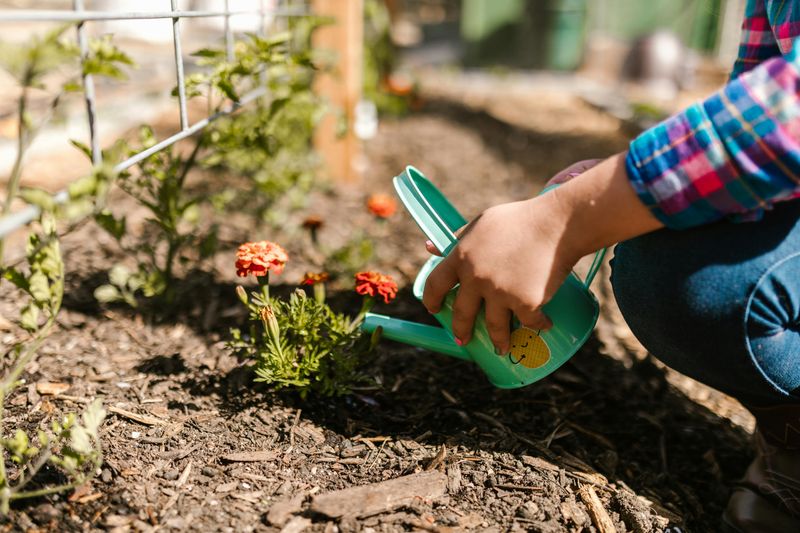
Heat waves feel like the perfect excuse to water more often. Surprisingly, that instinct can cause more harm than the heat itself does.
During extreme heat, marigolds enter a kind of survival mode. They slow their growth and reduce water uptake to conserve energy.
Pouring extra water on a plant that is not actively absorbing it just leads to waterlogged soil. The roots sit in moisture they cannot use, and rot begins.
The marigold care mistake many Tennessee gardeners make every summer gets worse during heat waves. Good intentions lead to double watering, and the plants suffer for it.
Check soil moisture more frequently during heat waves rather than increasing how much you water. The goal is to keep the soil consistently moist, not soaking wet.
Providing light afternoon shade during extreme heat can reduce plant stress significantly. A shade cloth or nearby tall plant can buffer the worst of the midday sun.
Avoid fertilizing during a heat wave, since stressed plants cannot process nutrients well. Wait until temperatures drop before feeding your marigolds again.
Once the heat breaks, resume your normal watering schedule and watch for signs of recovery. Marigolds are resilient flowers, and with the right adjustments, most plants bounce back stronger than before.