Grow Better Missouri Basil In June By Avoiding These 10 Common Mistakes
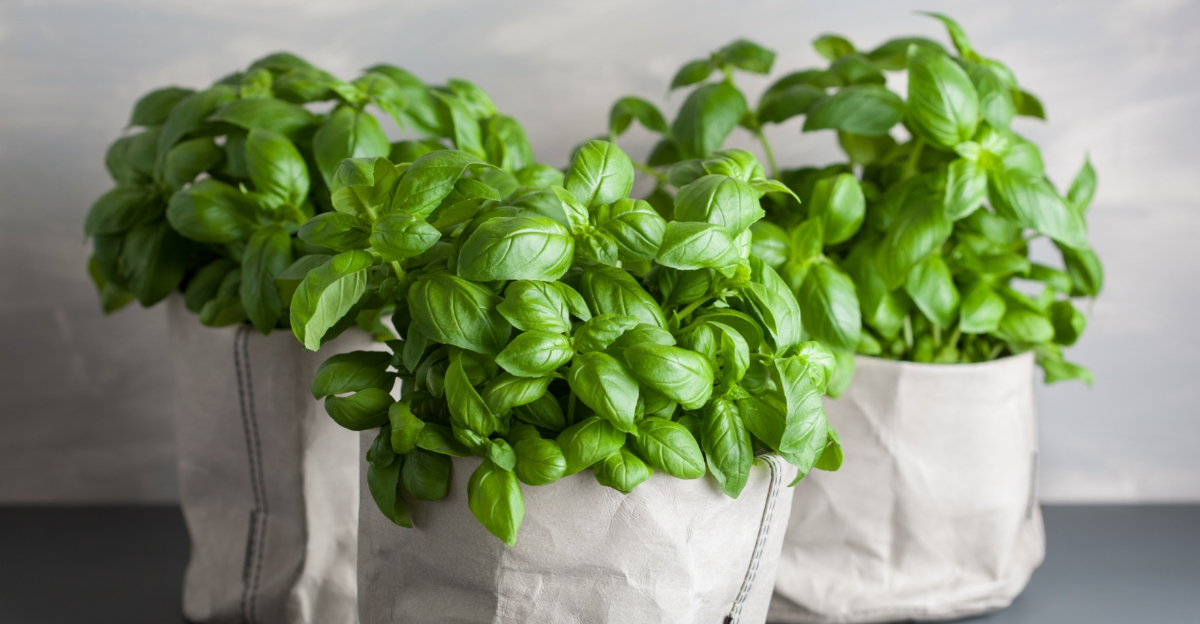
Missouri June is not a season, but a test. Heat stacks on humidity. The air turns dense and close.
Your basil sits right in the middle of it all, either thriving or quietly unraveling before you notice.
I watched a perfectly healthy row of Genovese go from lush and fragrant to limp and lackluster in under a week.
No disease, no pests. Just small missteps that compounded fast in the Missouri heat.
Here is the part nobody talks about enough: why does basil watered the same way, grown in the same bed, taste like cardboard by mid-June?
Why does your neighbor’s smell like an Italian market while yours does not? The answer lives in details that hide in plain sight all season long.
Roots get overwhelmed. Leaves lose their oils. Harvests shrink from one wrong cut. Know the traps before your basil season slips away.
1. Overwatering Once The Heat Arrives
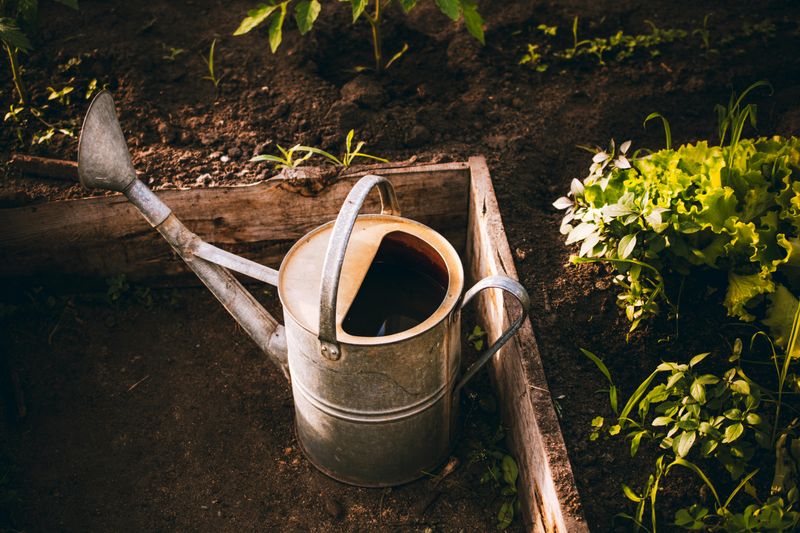
Soggy roots quietly undermine even the healthiest basil. When June temperatures spike, the instinct is to water more and water often.
That instinct feels responsible, but it cuts off the oxygen supply roots depend on just as much as moisture.
It evolved in warm, well-drained conditions where soil dries out between rain events, not stays wet for days.
Before reaching for the hose, stick your finger an inch into the soil. If it still feels damp, check again tomorrow.
Overwatered basil gives clear signals.
Yellowing lower leaves appear first, followed by a soft stem base, and the whole plant takes on a drooping appearance that more water will only worsen.
A well-draining raised bed or container makes a real difference in June when unpredictable rain and intense heat combine.
Switch to deep, infrequent watering rather than daily shallow sprinkles. This encourages roots to grow downward, building a stronger and more resilient plant.
Getting this one habit right early in the month builds a solid foundation for everything that follows throughout the season.
2. Planting Too Early In The Season
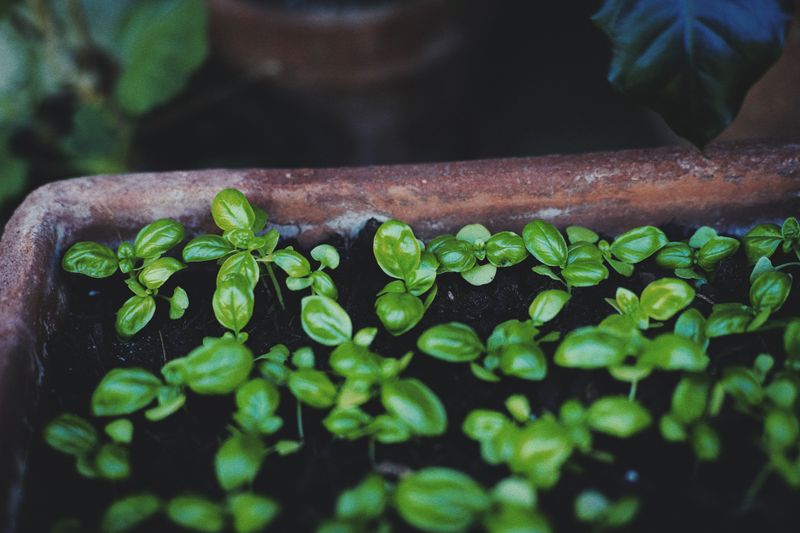
Cold soil stops basil before it even starts. Even in early June, lingering cool nights across Missouri can keep soil temperatures below 60 degrees Fahrenheit.
Basil planted in those conditions stalls, sulks, and becomes vulnerable to fungal issues almost immediately.
The frustrating part is that it rarely recovers fully from that early stress, even when warmer weather eventually arrives.
A soil thermometer is one of the most underrated tools a home gardener can own. It costs just a few dollars and removes all guesswork from the equation.
Wait until nighttime temperatures consistently stay above 60 before committing seedlings to the ground.
Hardening off your seedlings properly before transplanting makes an equally important difference.
Spend about a week gradually introducing them to outdoor conditions by setting them outside for a few hours each day, increasing the time slowly before full transplanting.
This prevents the kind of transplant shock that can set basil back by weeks just when the season is gaining momentum.
Gardeners who wait for truly warm, stable conditions almost always end up with stronger, faster-growing plants than those who rush the process by even just a week or two.
Your Missouri Garden Changes Every Week. Your Plan Should Too.
Gardening in Missouri changes quickly throughout the season. Every Friday you’ll receive a simple weekly plan showing exactly what to plant, prune, fertilize, harvest, and protect so you never miss the right timing.
3. Not Pinching Flowers And Letting The Plant Bolt
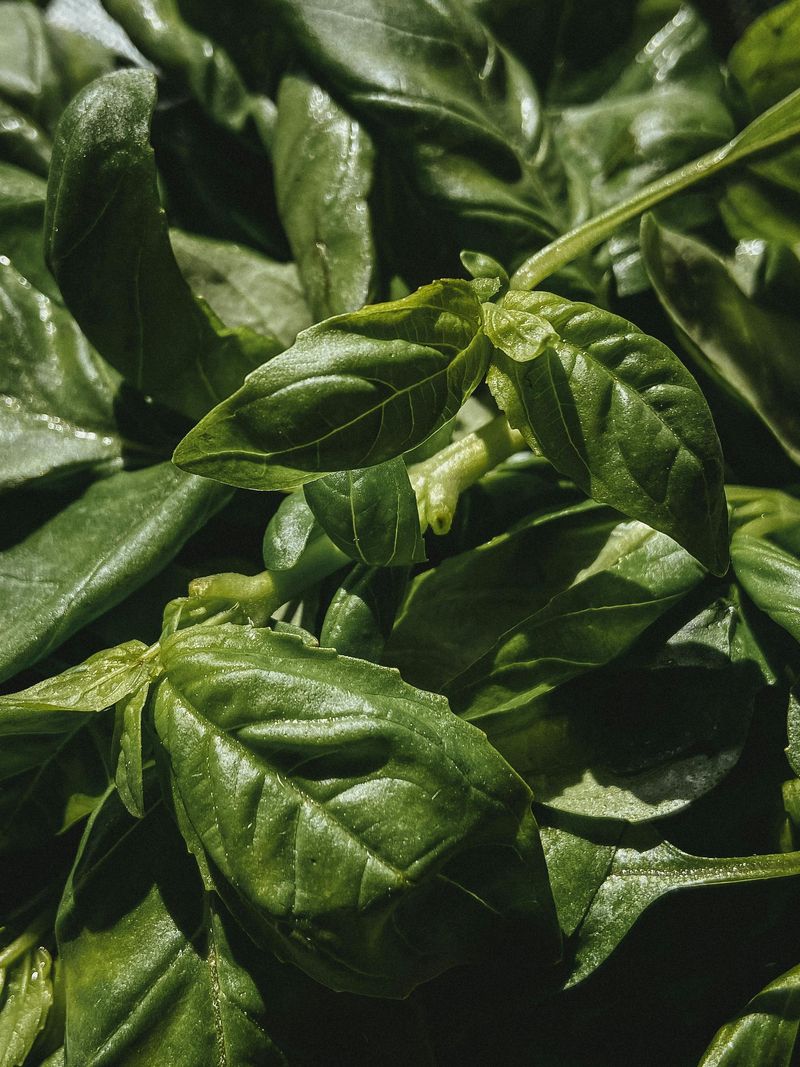
Flowers on basil look pretty but signal trouble ahead. The moment flower spikes appear in June, energy shifts away from leaves and toward seed production.
Leaves that follow become smaller, tougher, and noticeably bitter. That gorgeous bushy herb you nurtured can turn gangly and woody within days if flowering goes unchecked.
Pinching is the solution, and it takes thirty seconds per plant. As soon as flower buds form at the tops of stems, remove them with your fingers or a pair of clean scissors.
This signals the plant to keep channeling energy into fresh, tender foliage rather than racing toward seed.
Do this consistently every few days throughout June and the results become obvious fast.
Each pinch encourages two new stems to sprout just below the cut, which means harvest potential essentially doubles with every session.
Over a full month, a regularly pinched plant becomes dramatically fuller and more productive than one left unattended.
Some gardeners feel guilty removing those delicate blooms. The reward waiting in the kitchen makes that decision an easy one every time.
Keep pinching, keep harvesting, and your basil will keep delivering all season long.
4. Ignoring Downy Mildew
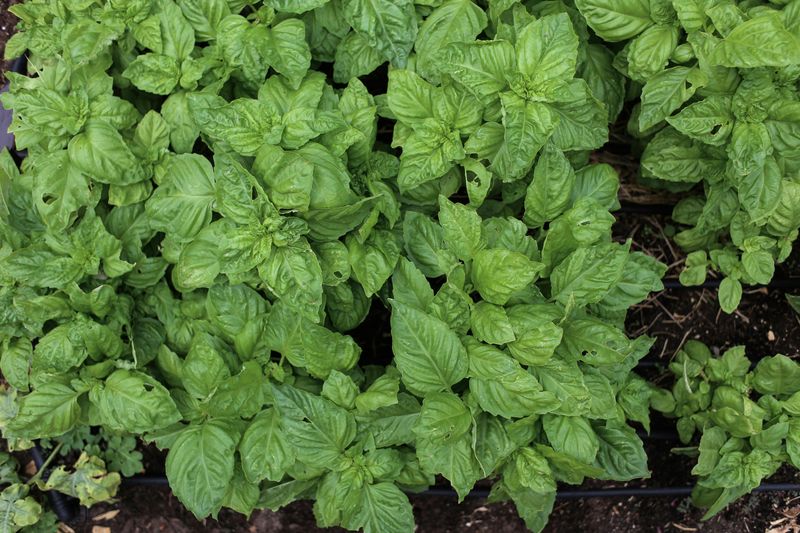
Downy mildew spreads faster than you expect and quieter than you would like. This fungal-like disease has affected Missouri basil gardens significantly since it first appeared in the United States.
June humidity creates near-ideal conditions for it to move through a planting quickly. Early signs are easy to miss if you only glance at the tops of leaves.
Look for subtle yellowing on the upper surface, then flip the leaf over. A gray or purplish fuzzy growth on the underside confirms the problem.
By the time those symptoms are widespread, the infection has typically already reached neighboring plants. Check the undersides of your basil leaves at least twice a week throughout June.
Catching it early gives you a real window to act. Remove affected foliage immediately and dispose of it well away from the garden to stop spores from traveling back onto healthy plants.
Improving airflow by removing crowded neighbors or trimming dense foliage also slows the spread meaningfully.
Choosing resistant varieties like Devotion or Thunderstruck before you even plant is the strongest preventative move available.
Proper spacing, consistent base watering, and keeping the garden tidy all reduce the conditions this disease depends on to thrive.
5. Watering Overhead Instead Of At The Base
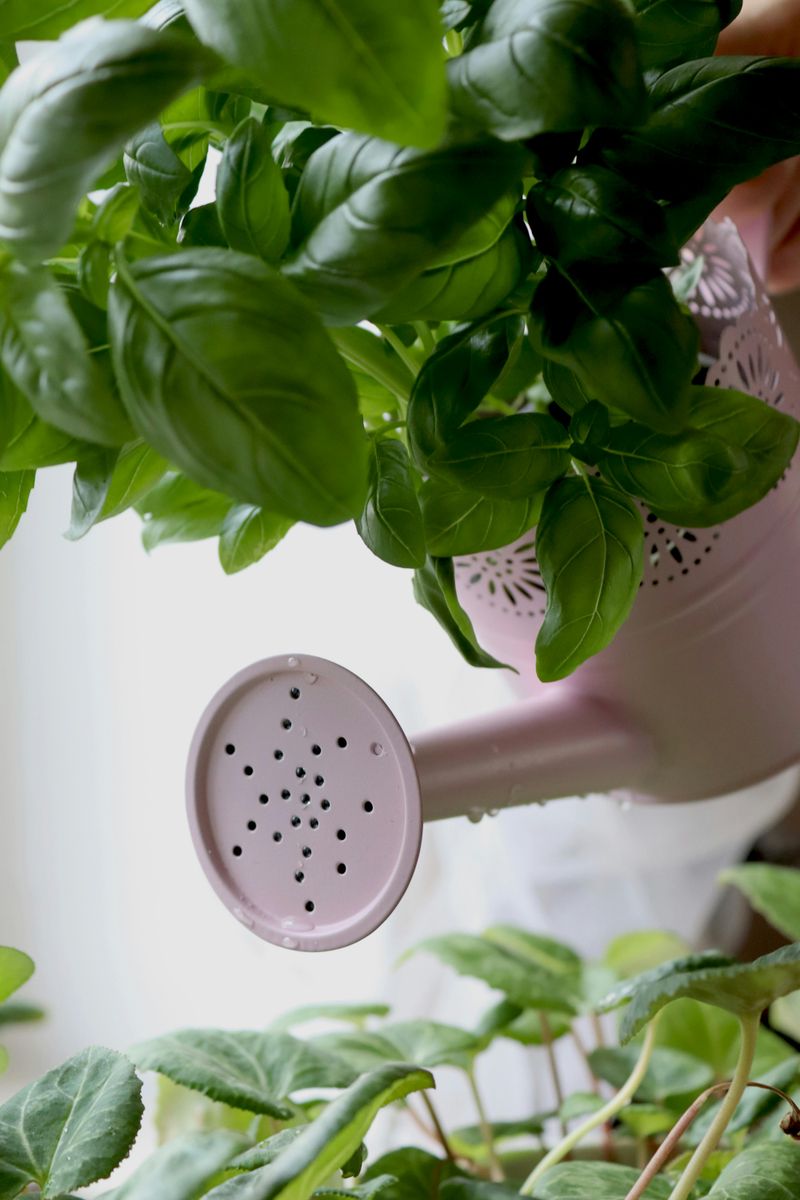
Wet leaves in warm weather invite disease in quietly and consistently. Spraying water directly onto basil foliage during June creates the exact environment fungal spores need to take hold.
The combination of warm air and persistent leaf moisture accelerates downy mildew, leaf spot, and other problems that can move through a planting with very little warning.
The fix is straightforward and costs nothing extra. Direct every drop of water toward the base of the plant, right at the soil line, every time you water.
A watering wand with a gentle head makes this precise and easy even in tightly planted beds.
Drip irrigation goes a step further by delivering moisture directly to the root zone while keeping foliage completely dry.
Time of day matters more than most people realize. Morning watering is considerably smarter than evening watering during June.
Any accidental splashing on leaves in the morning has several hours of warmth and airflow to evaporate before nighttime temperatures drop.
Moisture sitting on foliage overnight is one of the most reliable ways to invite fungal trouble into an otherwise healthy patch.
This small technique adjustment delivers a significant upgrade in plant resilience when applied consistently across the season.
6. Crowding Plants Together
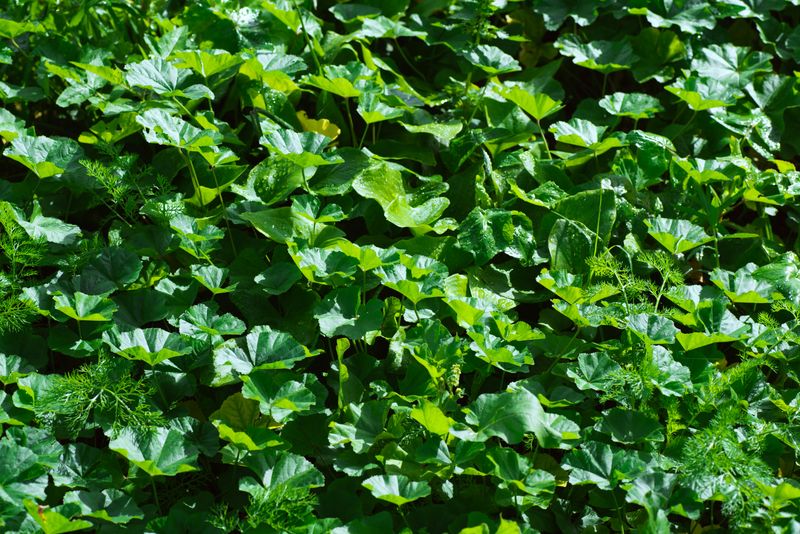
Basil needs breathing room, and the consequences of ignoring that show up fast in June. When plants sit too close together, the canopy closes in quickly as heat accelerates growth.
Moisture gets trapped between stems and leaves, airflow drops, and the warm humid microclimate that develops becomes ideal for fungal disease.
What makes this mistake so common is that it is nearly invisible at planting time. Seedlings that look reasonably spaced in late May can grow into a crowded tangle within three weeks once June heat pushes growth into a higher gear.
Space basil plants at least 12 to 18 inches apart, center to center. That distance gives each plant room to branch naturally, access light from multiple angles, and draw nutrients without competing directly with neighbors.
Proper spacing also makes routine maintenance easier and keeps early signs of disease or pest activity visible before they become serious. If you are already looking at an overcrowded bed, thinning now is the right move.
Remove the weakest plants entirely rather than just cutting them back. Sacrificing one plant to save five others is always the better trade.
Airflow is one of the most underrated factors in a productive herb garden, and basil rewards gardeners who respect it.
7. Not Harvesting Frequently Enough
Harvesting basil is not just about what ends up on your plate. It is one of the primary ways you keep the plant healthy and productive throughout the season.
First-time growers often treat basil with cautious restraint, picking only a few leaves when a recipe calls for them and otherwise leaving the plant largely undisturbed.
That restraint works against the plant. Basil grows more vigorously the more regularly you harvest from it.
Cutting stimulates new branching, keeps energy directed toward leaf production, and delays the flowering that leads to bitterness and reduced yield.
Aim to harvest at least once a week once your plant has six or more sets of leaves. Always cut just above a leaf node, where two leaves meet the stem.
This encourages two new shoots to grow from just below the cut, building a fuller and more productive plant over time.
Morning tends to be the best time to harvest, as essential oils are often most concentrated before the afternoon heat sets in.
Never remove more than one-third of the plant in a single session, as taking too much at once can stress it into early bolting. Harvest consistently and your basil will keep giving back all season long.
8. Planting Near The Wrong Companions
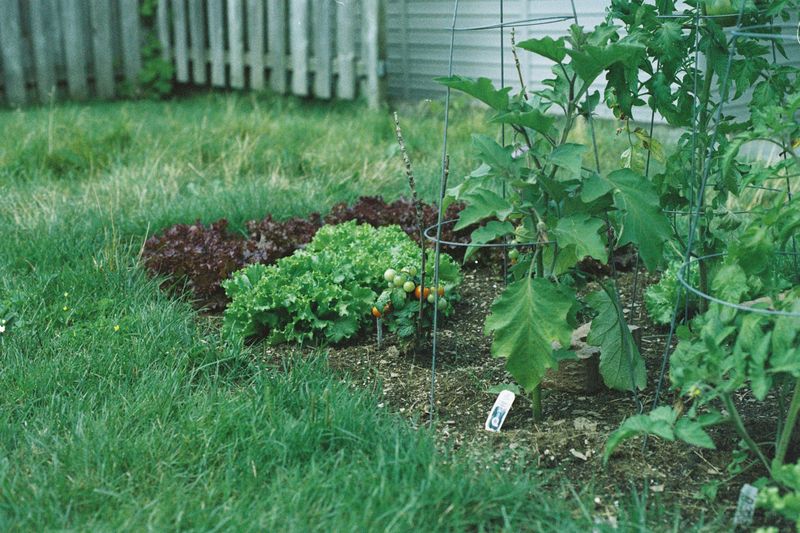
Not every plant in your garden wants to be basil’s neighbor, and the wrong pairing can quietly work against your harvest in ways that are hard to trace.
Companion planting is a genuine area of horticultural study, and plant relationships, both supportive and antagonistic, matter more than casual gardeners often realize.
Fennel sits at the top of the list of plants to keep away from basil. It releases compounds into the surrounding soil that suppress the growth of nearby plants, and basil is notably sensitive to this effect.
Sage presents a different problem, competing aggressively for the same soil nutrients and crowding out more delicate herbs over time.
Basil has several genuinely beneficial companions worth incorporating into your layout. Tomatoes and basil have a well-documented relationship.
Many gardeners observe that the two appear to support each other when planted in close proximity.
Peppers share similar growing requirements and make excellent neighbors without creating resource competition.
Marigolds planted along the border of your basil bed repel aphids and other soft-bodied pests drawn to tender foliage.
Taking a few minutes to map out your planting layout thoughtfully before June gets fully underway can pay off in plant health and productivity that lasts the entire season.
9. Giving Insufficient Sunlight
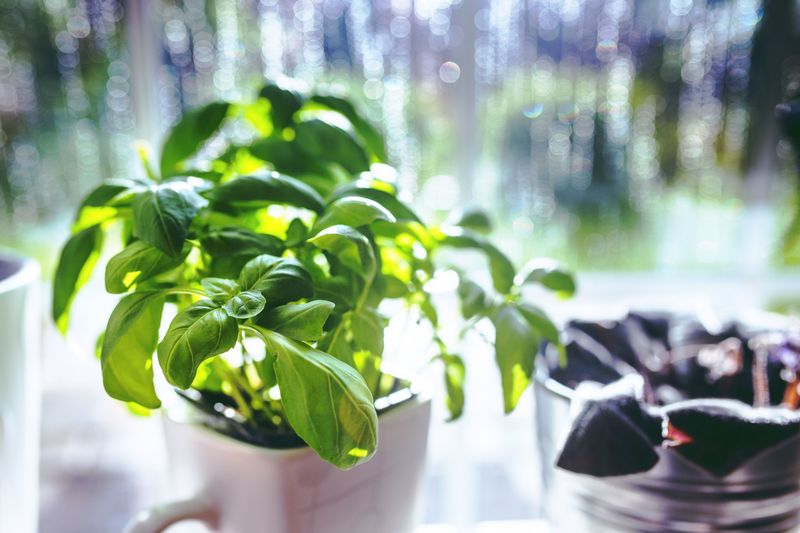
Six hours of sun is the bare minimum. Basil genuinely wants more, and the difference between six hours and eight is visible in nearly every aspect of how the plant grows and tastes.
Basil grown in insufficient light during June becomes leggy almost immediately as stems stretch toward stronger light.
The plant loses its compact shape and takes on a tall, spindly appearance that signals stress rather than health. Leaf color fades from deep saturated green to a paler shade that reflects reduced activity.
Most critically, the flavor compounds and aromatic oils that make fresh basil so valuable in the kitchen simply do not develop properly.
Consistent direct sunlight is what drives that development from the ground up. Crush a leaf and the difference in fragrance compared to a sun-grown plant is immediately obvious.
Basil performs best with eight or more hours of direct sun each day. Before committing to a planting spot, observe your garden throughout the day and note exactly where full sun lands and for how long.
Container growers have a real advantage here because pots can be repositioned to follow the best light. Sun is not a negotiable variable for this herb.
10. Letting Small Mistakes Compound Without Intervening
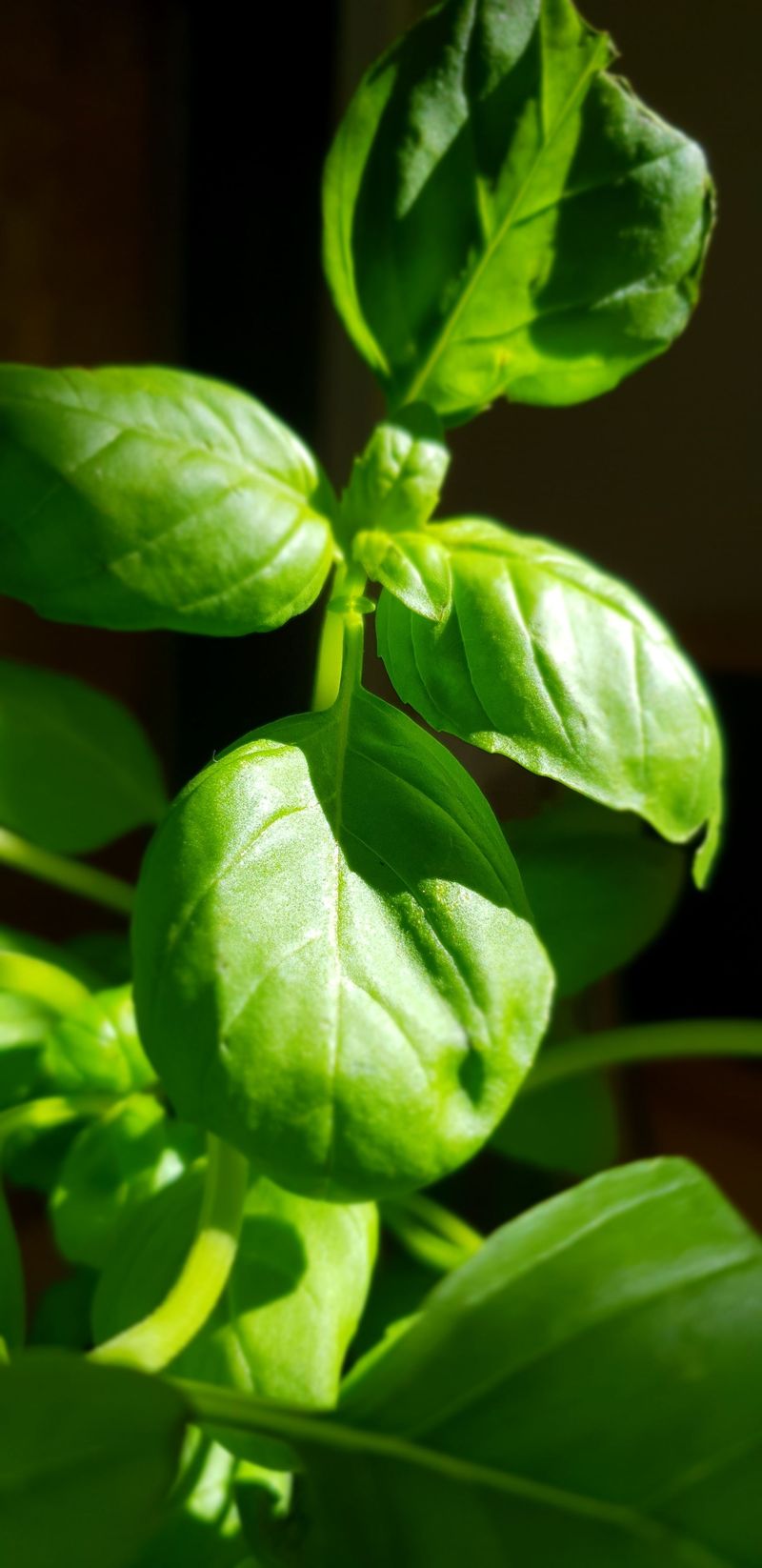
One small problem left unattended can quietly grow into several by the following week. Missouri basil in June moves fast in both directions.
When conditions are right and the plant is well managed, growth is vigorous and rewarding.
When small problems go unaddressed, they stack on each other in ways that become increasingly difficult to untangle.
A little overwatering weakens roots just enough to reduce disease resistance. That slight vulnerability opens the door for downy mildew.
The stress of infection then pushes the plant toward early flowering, reducing leaf quality just as the season should be hitting its peak.
Each misstep feeds the next one in a chain that is far easier to prevent than reverse. Spend ten minutes walking through your garden every two to three days.
That small consistent investment gives you a current picture of what is actually happening with your plants. You catch flower buds before they open.
You spot yellowing before it spreads. You notice moisture levels and pest activity while everything is still manageable. Keep a simple journal or take quick phone photos each week to track changes over time.
Your basil does not need perfection. It needs your consistent attention, and it will respond to that attention generously.