Why Missouri’s 80-Degree Nights Are Happening, And What They’re Doing To Your Plants
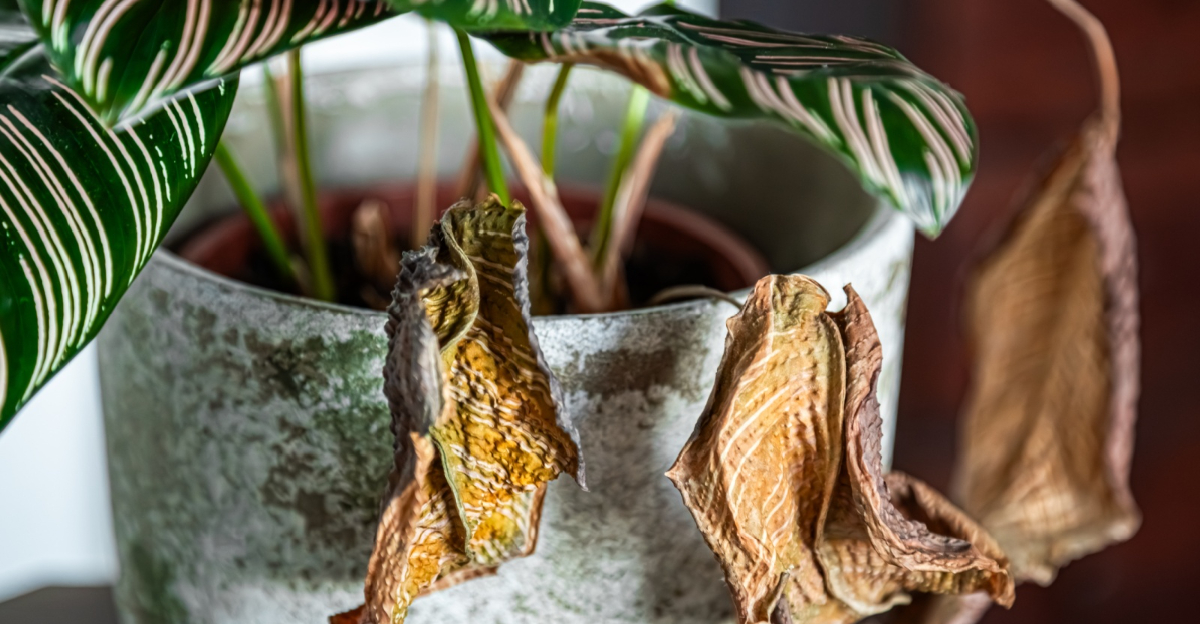
Darkness used to bring relief. Now it brings a persistent warmth that refuses to leave. Missouri summers have quietly changed their rules after sunset.
Temperatures that once dropped into comfortable ranges now cling stubbornly near daytime levels. Humidity traps warmth against your soil long after midnight.
Heat like this doesn’t just linger, it compounds. You feel it too. Plants notice this shift long before you do. Tomatoes stop setting fruit when nights stay too warm.
Basil turns bitter under prolonged heat stress. Petunias wilt and refuse to rebound by morning. Scientists point to trapped humidity and urban heat retention as culprits.
Farmers across Missouri are already adjusting their planting calendars. Nobody warned you that warm nights could be this challenging.
Every hour of heat steals energy your plants desperately need. Roots weaken. Blooms fade. Flavor disappears. Nothing about your garden’s struggle is random, and you’re about to learn exactly why.
Urban Heat Islands Trap Warmth After Sunset

Concrete stores more heat than most people realize. Cities across Missouri are packed with asphalt roads, brick buildings, and paved parking lots that soak up sunlight all day long.
Every surface absorbs and holds heat, releasing it gradually after dusk. When the sun sets, those surfaces slowly release stored heat back into the surrounding air.
That release keeps overnight temperatures much higher than in nearby rural areas untouched by pavement. This effect is called an urban heat island, and it is very real.
Neighborhoods in Kansas City and St. Louis can sometimes run several degrees warmer at night than nearby farmland, depending on conditions. Your backyard sits inside this zone of trapped heat, whether you notice it or not.
Even if you live in the suburbs, nearby shopping centers and roads still contribute to the warmth surrounding your home. Distance from downtown doesn’t guarantee escape from this trapped heat.
Plants in these zones never get a proper break from daytime stress. Their natural cooling process, called transpiration, depends on cooler nighttime air to function well.
When air temperatures stay high after dark, transpiration slows dramatically. Plants stay stressed instead of recovering, and that stress builds night after night throughout the growing season.
Weeks of this pattern leave root systems weakened and blooms smaller than usual. Adding shade trees, mulch, and ground cover can slightly offset the effect around your garden beds.
Creating microclimates in your yard gives sensitive plants a better chance at handling Missouri’s stubborn eighty degree nights, even inside the city’s heat.
Climate Patterns Are Pushing Overnight Lows Higher

Check the thermometer at midnight and the number might surprise you. Missouri’s overnight low temperatures appear to be climbing over recent decades, according to available climate data.
This isn’t a random fluctuation but a measurable, well documented trend. Warmer oceans push more moisture and heat into the atmosphere above the central United States.
That atmospheric warmth does not simply vanish when evening arrives. Some climate researchers suggest jet stream patterns may be shifting, potentially allowing warm air masses to stall over the Midwest longer than before.
Your Missouri Garden Changes Every Week. Your Plan Should Too.
Gardening in Missouri changes quickly throughout the season. Every Friday you’ll receive a simple weekly plan showing exactly what to plant, prune, fertilize, harvest, and protect so you never miss the right timing.
Stalled systems mean fewer cool fronts sweeping through to break the heat. Without those fronts, entire weeks pass without any real overnight relief.
The result is a new normal for Missouri summers, where overnight lows regularly touch or exceed eighty degrees. That number matters enormously for every living plant in your yard.
Most common garden plants evolved in climates where nights cooled significantly after hot days. That temperature drop triggered important biological processes like cell repair and nutrient movement.
Without that drop, plants essentially stay in daytime stress mode around the clock. Growth slows, flowering weakens, and the whole garden starts looking worn out by midsummer.
Roots that should be recovering instead keep working under constant stress. Choosing heat-tolerant plant varieties bred for warm nights is one smart response.
Paying attention to long-range forecasts also helps you plan watering and protection before a difficult stretch arrives. Small adjustments now can prevent much larger losses later in the season.
Cloud Cover And Humidity Hold Heat Close To Ground

Humidity is Missouri’s unofficial summer mascot. On the most uncomfortable nights, the air feels like a warm wet blanket pressed against your skin, and your plants feel it too.
Water vapor in the atmosphere acts like insulation. It traps outgoing heat radiation and bounces it back toward the ground instead of letting it escape into the upper atmosphere.
Thick cloud cover adds another layer to that insulation effect. Clouds prevent the ground and plants from radiating heat upward, which is the main way the earth cools after sunset.
Without that release, warmth simply recirculates instead of disappearing. Missouri sits at a geographic crossroads where Gulf moisture flows northward through the Mississippi and Missouri River valleys.
That constant moisture supply keeps humidity levels stubbornly high all summer, night after night. For your garden, high humidity combined with heat creates a genuinely challenging environment.
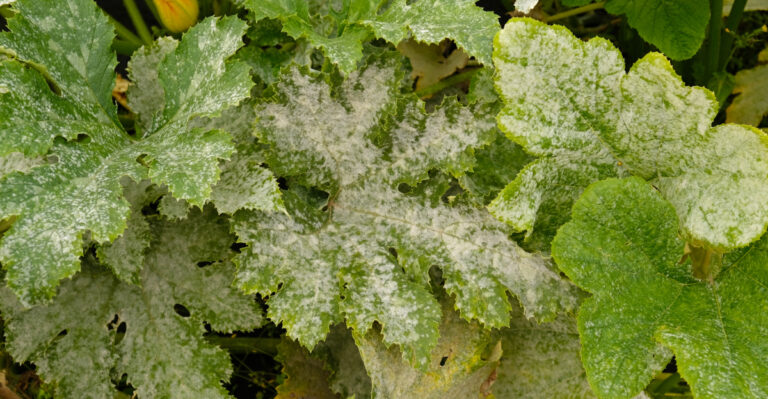
Fungal diseases like powdery mildew and blight spread faster when warm, moist air clings to foliage overnight. Spores multiply quickly once conditions turn favorable, often overnight.
Air circulation around your plants becomes critically important in these conditions. Spacing plants properly and pruning dense foliage helps reduce humidity pockets where disease thrives.
Watering in the early morning rather than evening also makes a real difference. Wet leaves heading into a hot, humid night are practically an invitation for fungal problems to take hold. A single damp evening can undo weeks of careful care.
High Daytime Temperatures Leave Less Time To Cool Down
When the afternoon high hits one hundred two degrees, the night has a lot of catching up to do. The ground, the air, and every surface in your yard absorbs an enormous amount of heat during a blazing Missouri afternoon.
That stored energy doesn’t disappear the moment the sun dips below the horizon. Cooling that stored energy takes time, often more time than a short summer night allows.
By the time the air temperature starts dropping, dawn is already approaching. Soil temperature is especially slow to respond.
Even after the air cools slightly, soil can hold heat from the previous day well into the following morning. Warm soil at night keeps root zones in a state of heat stress.
Roots need cooler conditions to absorb water and nutrients efficiently, and warm soil interferes with that process. Growth stalls quietly underground long before it becomes visible above the surface.
Plants essentially run a deficit when days are extremely hot and nights stay warm. They spend more energy coping with heat than building new growth, flowers, or fruit.
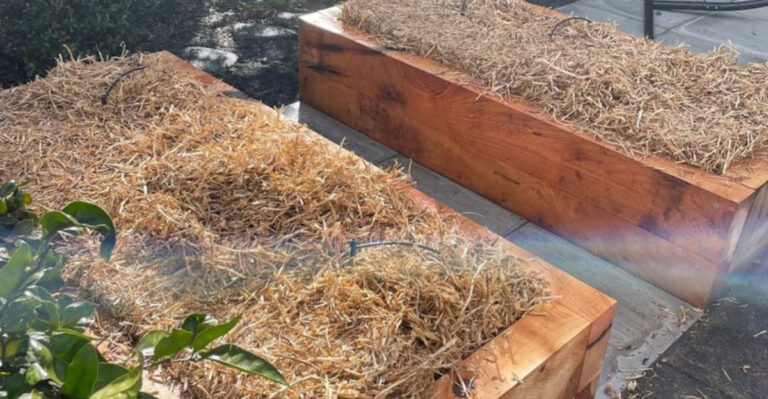
Over time, that deficit adds up into visible decline. Mulching your garden beds deeply helps insulate soil from extreme daytime heat.
A three inch layer of wood chips or straw can drop soil temperature by several degrees. That small barrier makes a measurable difference during peak summer stretches.
Shade cloth during peak afternoon hours gives plants a head start on recovery. Reducing daytime heat exposure means less stored heat to deal with when Missouri’s stubborn eighty degree nights arrive once again.
Tomatoes Drop Blossoms And Stop Setting Fruit
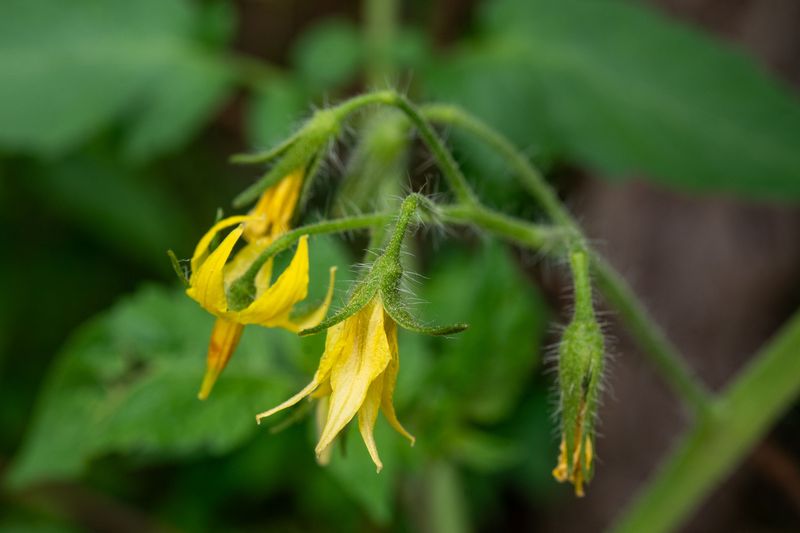
Blossom drop is one of the most common frustrations in a Missouri garden. Blossom drop is one of the most common and damaging effects of warm nights in the Missouri garden.
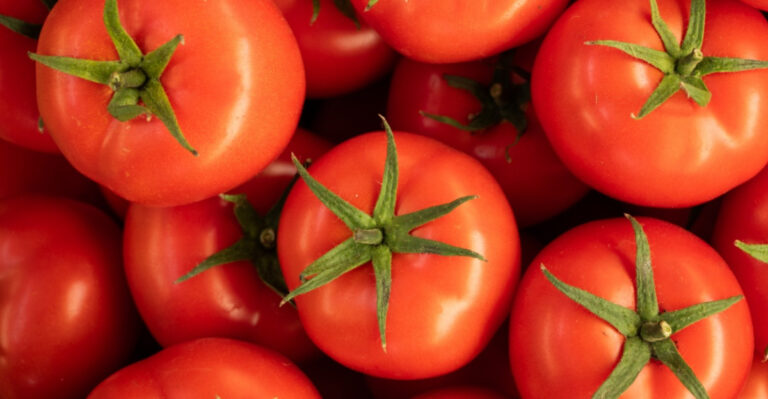
Tomatoes generally need overnight temperatures in the roughly 55 to 75 degree range to pollinate and set fruit reliably. Above that range, the pollen becomes sterile and flowers fall off without producing anything.
Extended warm nights essentially shut down the tomato’s reproductive system. The plant keeps growing leaves and stems but stops doing the one thing you actually want it to do.
Heat-tolerant tomato varieties like Solar Fire and Heatmaster were specifically bred to handle warm nights, and productive types like Sweet 100 cherry tomatoes also tend to perform well under heat stress.
Swapping out traditional varieties for these options can save your summer harvest. Consistent watering also matters more during heat events.
Stressed, thirsty plants drop blossoms even faster than well-watered ones under the same temperature conditions.
Mulching around tomato plants keeps soil moisture steady between waterings. Consistent moisture reduces the additional stress that pushes an already heat-challenged plant over the edge.
Shade cloth rated at 30 to 40 percent coverage can lower temperatures around your tomatoes just enough to keep pollination going.
Even a few degrees of relief during Missouri’s 80-degree nights can make the difference between a full harvest and an empty vine.
Plants Use Up Energy Reserves Instead Of Growing

Plants run on sugar the same way cars run on gasoline. During the day, they produce sugar through photosynthesis and store it as energy for growth, repair, and reproduction.
At night, plants use that stored energy to build new cells, move nutrients, and recover from daytime heat damage. Cooler nights slow their metabolism and make that process efficient.
When nights stay near 80 degrees, plant metabolism stays running at a high rate. Instead of building new tissue, plants use up their sugar reserves just trying to stay stable.
The visible result is plants that look tired, pale, or stunted despite receiving plenty of water and fertilizer. They are simply spending more energy than they can produce.
Fertilizing heavily during heat waves actually makes this problem worse. Pushing more nutrients into a heat-stressed plant forces it to work harder, depleting reserves even faster.
Backing off on nitrogen fertilizer during the hottest stretches gives plants a chance to stabilize. Switching to a low-dose liquid fertilizer helps without overwhelming an already taxed system.
Focusing on soil health with compost and organic matter builds a stronger foundation for plants to draw from. Healthy soil helps roots stay efficient even when Missouri’s 80-degree nights make everything harder than it should be.
Vegetables And Herbs Bolt Or Turn Bitter Faster
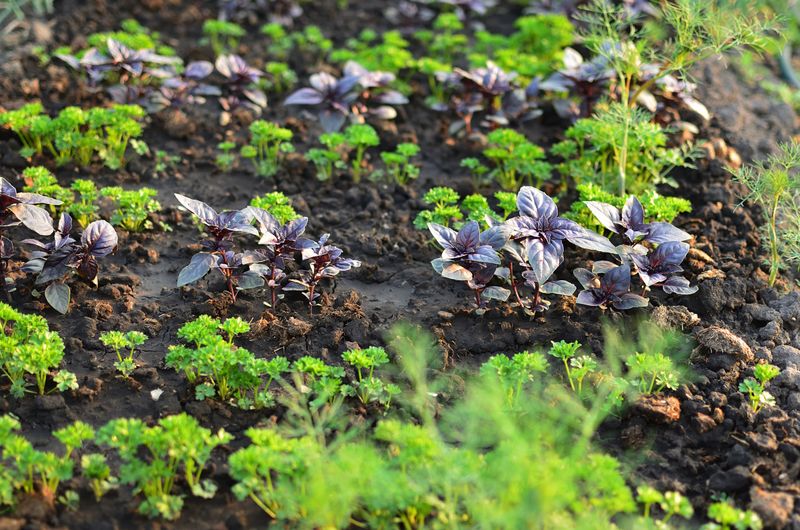
Bolting is the garden’s version of a stress response. When plants sense prolonged heat and long days, they shift from leafy growth into flowering and seed production as fast as possible.
Lettuce, spinach, cilantro, and basil are especially prone to bolting during warm Missouri summers. Once they bolt, the leaves turn tough, bitter, and essentially inedible.
Warm nights accelerate this process dramatically. Plants read high overnight temperatures as a signal that summer is ending, which triggers early seed production even in June or July.
Succession planting is your best defense against bolting. Instead of planting all your lettuce at once, stagger plantings every two weeks to ensure a continuous harvest before each batch bolts.
Choosing bolt-resistant varieties also helps significantly. Look for labels that say slow-bolt or heat-tolerant on seed packets, especially for leafy greens and herbs.
Harvesting frequently encourages plants to keep producing leaves instead of flowers. Cutting basil before it flowers, for example, can extend the harvest by several weeks even in hot conditions.
Afternoon shade from taller plants or shade cloth can delay bolting by reducing overall heat exposure.
Keeping the soil consistently moist also signals to plants that conditions are stable, slowing the urgency to bolt before Missouri’s 80-degree nights push them over the edge.
Root Development Slows Under Constant Heat Stress
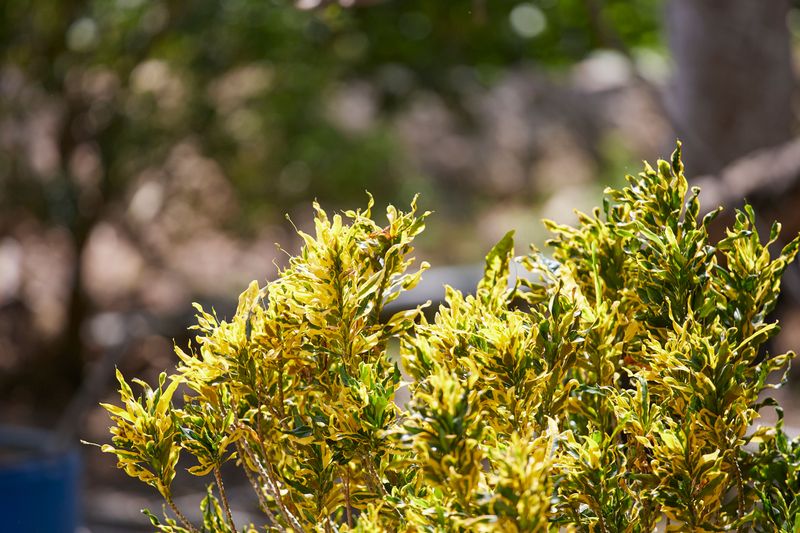
Roots are the engine of every plant, and heat puts real strain on that system. Most garden plants develop their strongest root systems during cooler conditions, when soil temperatures fall between 60 and 75 degrees.
When Missouri’s 80-degree nights keep soil temperatures elevated, root growth slows significantly. Roots become shorter, less branched, and less capable of pulling water and nutrients from deep in the soil.
Shallow roots make plants far more vulnerable to drought stress the following day. A plant with a weak root system cannot keep up with the moisture demands of a blazing afternoon.
Transplanting during heat waves is especially risky for this reason. New plants need to establish roots quickly, and warm soil makes that process painfully slow.
Watering deeply and infrequently encourages roots to grow downward toward cooler, moister soil. Shallow, frequent watering trains roots to stay near the surface where heat stress is worst.
Applying a thick layer of mulch around your plants is one of the best investments you can make. Mulch lowers soil temperature, retains moisture, and gives roots a more stable environment to work in.
Planting heat-tolerant species with naturally deep root systems, like sweet potatoes or okra, can also reduce the frustration of managing Missouri’s 80-degree nights. Strong roots are the first line of defense against a summer with persistently high temperatures.