The Texas Shrubs To Prune In September And The Ones To Leave Alone
You’re standing in the yard with pruners in hand and no clear plan.
September feels like cleanup season. The shrubs look overgrown after summer, the weather has finally eased, and cutting things back seems obviously productive.
Some of it is. Some of it will cost you next spring’s flowers entirely.
Here’s the pattern that sorts it out, and it comes down to one question about each plant.
Does it bloom on wood it grew last year, or wood it will grow next spring?
That single distinction determines whether September pruning is harmless or expensive.
There’s a second issue too. Heavy cuts this time of year push soft new growth, and Texas cold snaps arrive without much warning in parts of the state.
Some shrubs can take the shears right now. Several others should be left completely alone until winter.
Curious which is which in your yard?
1. Leave Azaleas Completely Alone
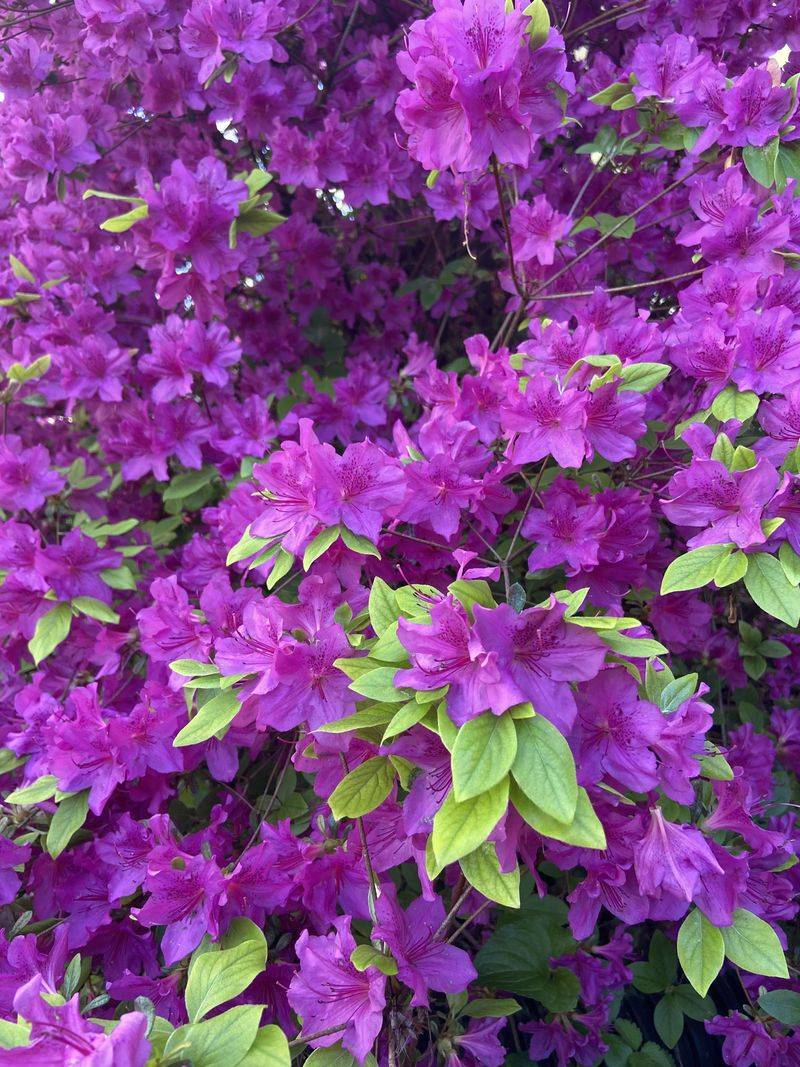
Picture an azalea covered in buds you cannot see yet.
Azaleas form flower buds on old wood during the previous growing season, which means September pruning quietly removes next spring’s display.
That timing catches gardeners constantly, since the plant looks like it needs shaping right when cutting costs the most.
The correct window is immediately after flowering, usually April or May across most of Texas.
Pruning then gives the plant a full season to regrow and set fresh buds before fall.
Rather than shortening branches now, water during dry stretches and renew mulch instead.
Azaleas have shallow roots and appreciate consistent moisture more than they appreciate a haircut.
Clearing out spent or broken wood remains fine anytime, since that growth carries nothing you want to keep.
Overgrown azaleas can take fairly hard renewal pruning, and that job belongs in late spring after bloom rather than now.
Texas azaleas also struggle with alkaline soil in parts of the state, so yellowing between leaf veins usually points to iron availability rather than anything pruning addresses.
Mark the plant with a note if you must, and plan the real session for next spring.
2. Wait Until After Bloom For Forsythia
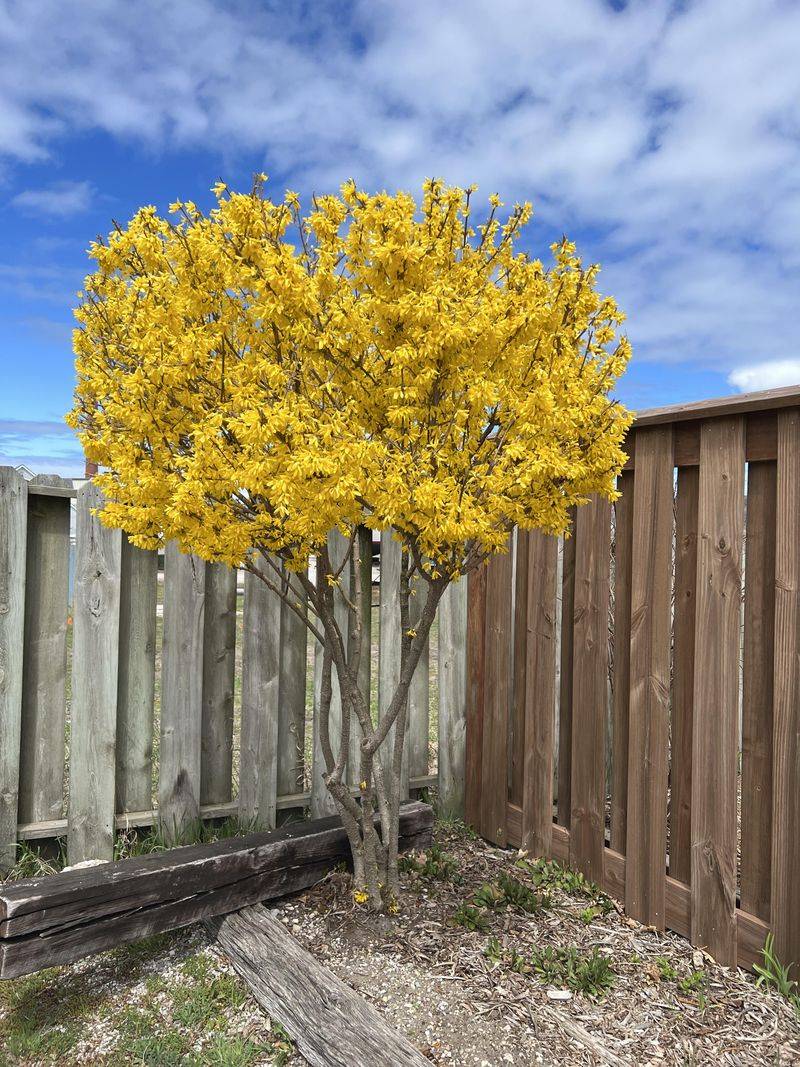
Forsythia produces those bright yellow flowers on wood formed the previous summer.
Cutting in September removes exactly the growth carrying next spring’s bloom.
The plant tolerates pruning well otherwise, which makes the timing mistake easy to repeat without realizing what happened.
Right after flowering is the appropriate moment, when you can see the structure clearly and the plant has months to regrow.
Forsythia grows vigorously and often needs real pruning, so this is not a shrub you can simply ignore.
Renewal pruning works well here, removing the oldest canes at ground level and letting younger growth take over.
That approach maintains the arching form rather than producing the stiff sheared look that ruins the plant’s appeal.
Overgrown specimens can be cut back hard after bloom and recover fully within a season or two.
For now, limit yourself to spent or broken wood.
Suckers spreading beyond where you want them can come out anytime, since those aren’t carrying flowers you care about.
Your Texas Garden Changes Every Week. Your Plan Should Too.
Gardening in Texas changes quickly throughout the season. Every Friday you’ll receive a simple weekly plan showing exactly what to plant, prune, fertilize, harvest, and protect so you never miss the right timing.
Note the plant’s size and shape now, and handle the shaping when the flowers finish next spring.
3. Skip Bridal Wreath Spirea Until Spring
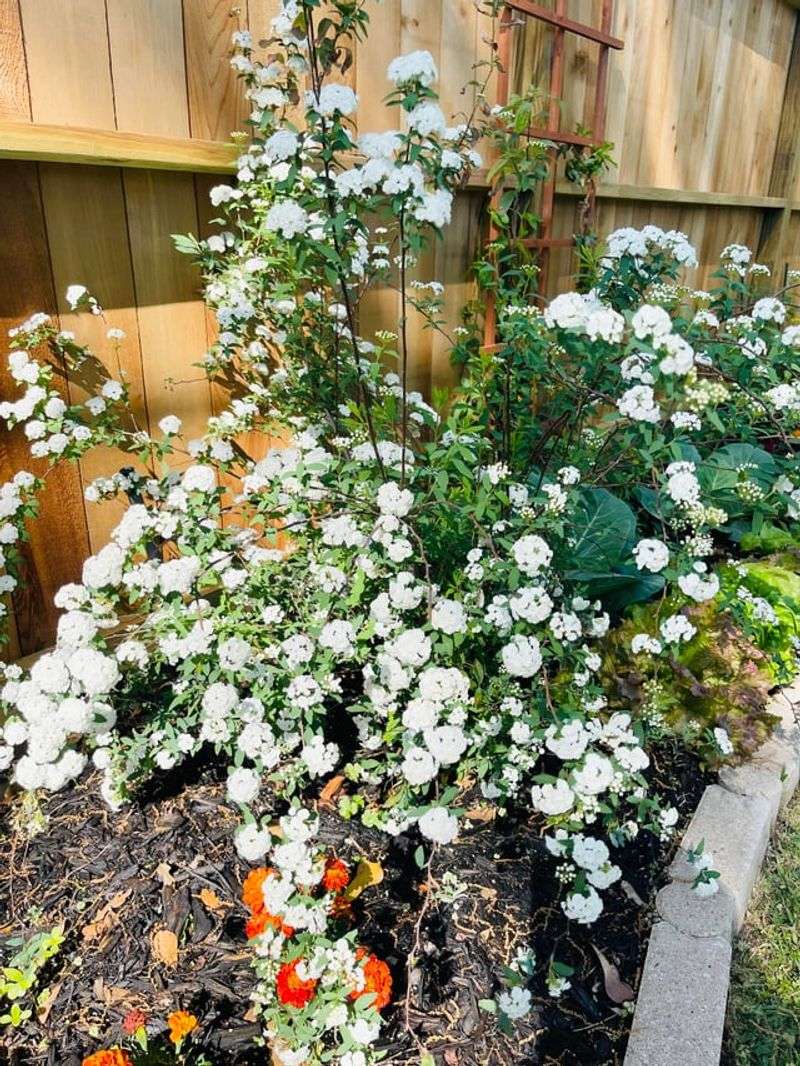
Bridal wreath spirea belongs firmly in the hands-off category this month.
Those cascading white flower clusters come from buds set the previous season on older wood.
September cuts remove them, and the loss doesn’t become visible until the shrub fails to perform in spring.
Prune right after flowering, which gives the plant the whole growing season to build next year’s display.
Worth noting that not all spireas work this way. Summer-blooming types like Japanese spirea flower on new growth and handle late winter pruning fine.
Knowing which spirea you have determines the entire approach, and bloom timing tells you.
Spring bloomers with white flowers on arching stems are old-wood types. Summer bloomers with pink or red flat-topped clusters are new-wood types.
For bridal wreath, renewal pruning after bloom keeps the graceful fountain shape intact.
Removing a third of the oldest canes at the base each year works better than shearing the outside.
Right now, spent wood and broken stems are the only cuts worth making.
The natural form is most of why anyone plants this shrub, and shearing destroys it faster than anything else.
4. Hold Off On Flowering Quince
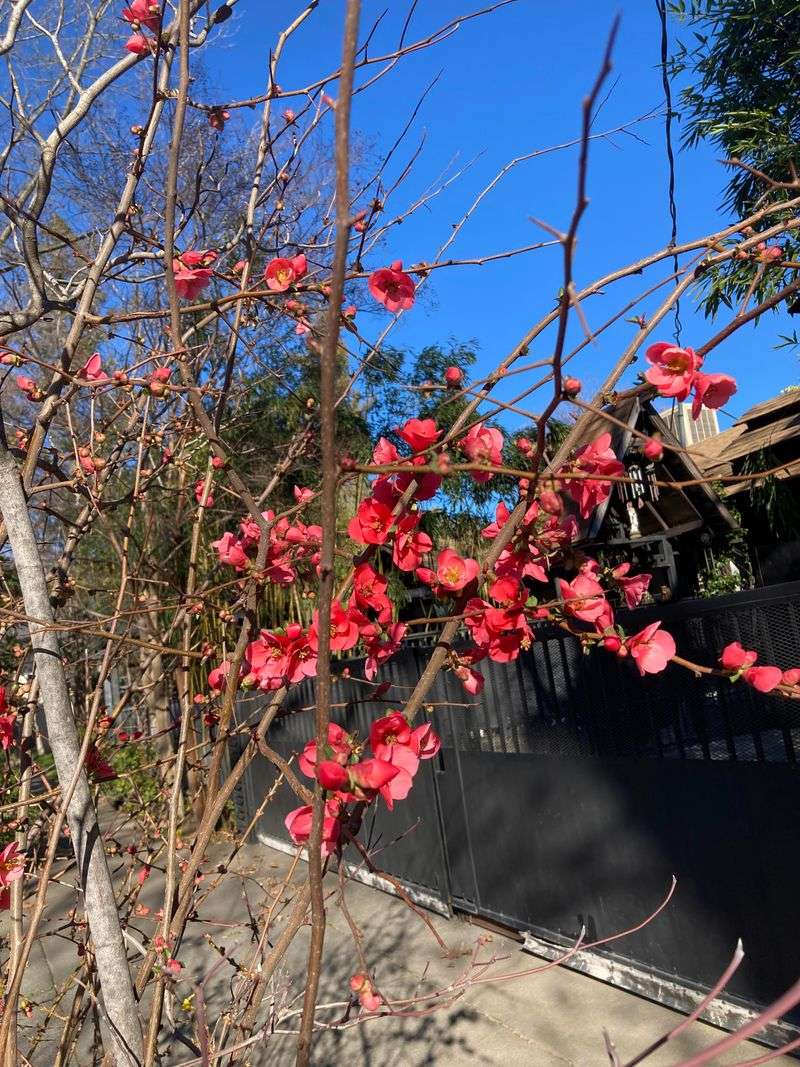
Flowering quince delivers early color, often before most of the garden has woken up.
Those blooms come from buds formed on old wood the previous season.
September pruning removes them, and quince flowers early enough that the loss is especially noticeable when spring arrives.
Prune after flowering finishes, which in much of Texas means late winter or very early spring depending on your region.
The plant produces suckers readily and can spread wider than expected over time.
Removing unwanted suckers at the base is reasonable anytime, since those aren’t the wood carrying blooms.
Thorns make this a gloves-required job regardless of season.
Renewal pruning suits quince well, taking out the oldest canes and letting newer growth carry the display.
Overgrown plants respond to hard cutting after bloom without much complaint.
Fruit follows the flowers on some varieties, and leaving those adds fall interest.
Right now, focus on spent wood and any branches crossing badly enough to wound each other.
Everything structural waits until the flowers finish, which is the pattern for every old-wood bloomer in the yard.
5. Do Not Touch Bigleaf Hydrangea
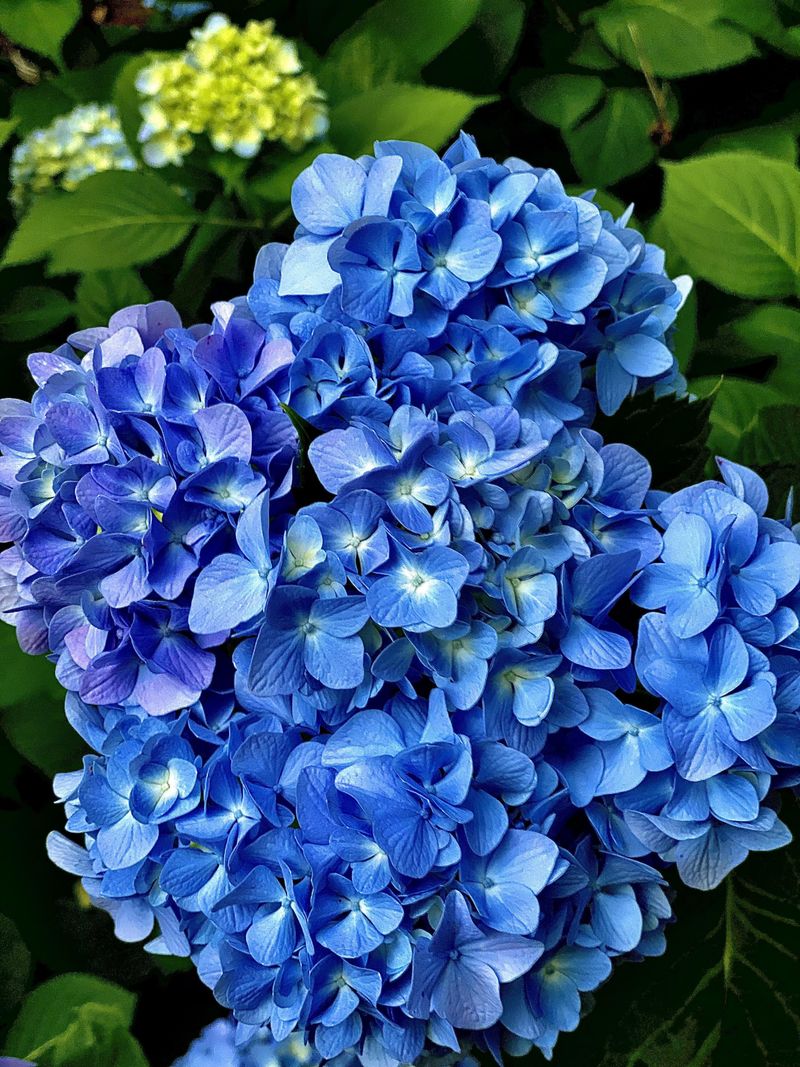
Bigleaf hydrangea gets pruned wrong more often than nearly any shrub in Texas.
The reason is straightforward. It sets flower buds during late summer and fall for the following year’s bloom.
Cutting in September removes buds already formed, which produces the common complaint of a healthy leafy plant with no flowers.
Prune immediately after flowering instead, and even then keep it light.
Removing spent flower heads is fine, cutting back to the first set of healthy buds below the bloom.
Reblooming varieties like the Endless Summer series flower on both old and new wood, which gives some margin for error.
Traditional varieties offer none.
Identifying which type you have matters considerably, and the plant tag or nursery can settle it.
Texas conditions add complications beyond pruning. Bigleaf hydrangea wants afternoon shade and consistent moisture, both harder to provide here than in cooler states.
Wilting in afternoon heat is normal if the plant recovers overnight.
Clearing out spent wood works anytime, and February is a reasonable moment to identify and remove stems lost to winter cold.
Beyond that, September calls for water and mulch rather than pruners.
6. Save Crape Myrtle For Late Winter
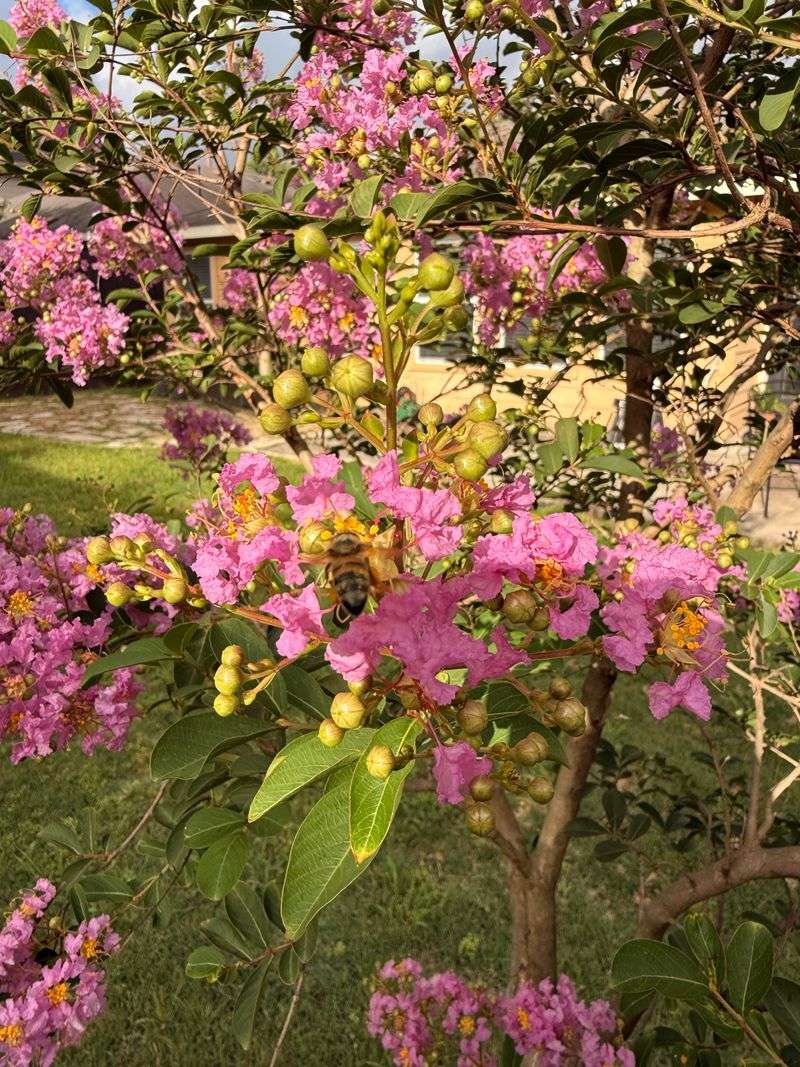
Few Texas shrubs receive more unnecessary fall cuts than crape myrtles.
Late winter, while plants are dormant, is the right window for structural pruning or size correction.
September shaping seems tempting after a summer of growth, and heavy cuts push tender shoots with little time to harden before cold arrives.
In much of Texas, that fresh growth becomes the first thing damaged when weather turns.
Topping every main stem to the same height, often called crape murder, causes lasting problems.
It destroys the graceful branching structure, creates crowded weak sprouts below each cut, and generates more pruning work every single year afterward.
For now, limit yourself to spent wood, broken limbs, and branches rubbing together.
Wait until winter to thin crowded interior stems, remove basal suckers, and decide whether the shrub needs shaping at all.
Crape myrtles bloom on new growth, so winter pruning costs nothing in flowers.
Removing spent seed heads is harmless anytime, since those aren’t flower buds.
A plant that outgrew its space is often better replaced with an appropriately sized variety than cut back repeatedly.
That choice saves labor and preserves the form worth growing.
7. Trim Autumn Sage Lightly
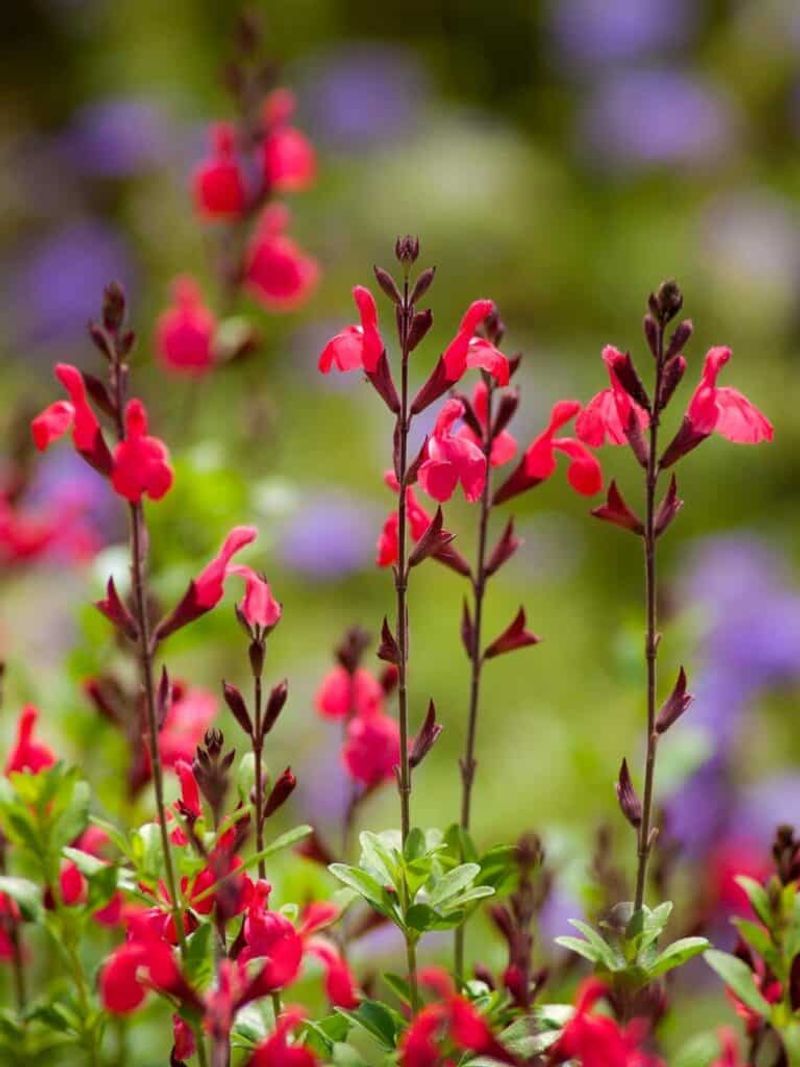
Autumn sage is one of the shrubs where a light September touch is genuinely fine.
It blooms on new growth and keeps producing through warm weather, which means removing spent flowers encourages more.
Light is the operative word. Pinching faded blooms and shortening a few straggly tips tidies the plant without triggering hard regrowth.
Hand pruners work better than shears here, since selective cuts preserve the natural shape.
The plant tends toward legginess and woodiness over several years, and it responds well to harder renewal cutting.
That heavier job belongs in late winter rather than now, since substantial cuts before cold weather push vulnerable growth.
Salvia greggii and its relatives are native or regionally adapted, so they handle Texas heat and drought without much fuss.
Lean soil and good drainage suit them better than rich conditions, and excess fertilizer produces floppy stems.
If yours is still flowering, consider leaving it entirely, since fall blooms feed pollinators when other sources thin out.
Hummingbirds work autumn sage heavily during fall migration.
Light trimming now, real shaping in February.
8. Tidy Glossy Abelia With A Light Hand
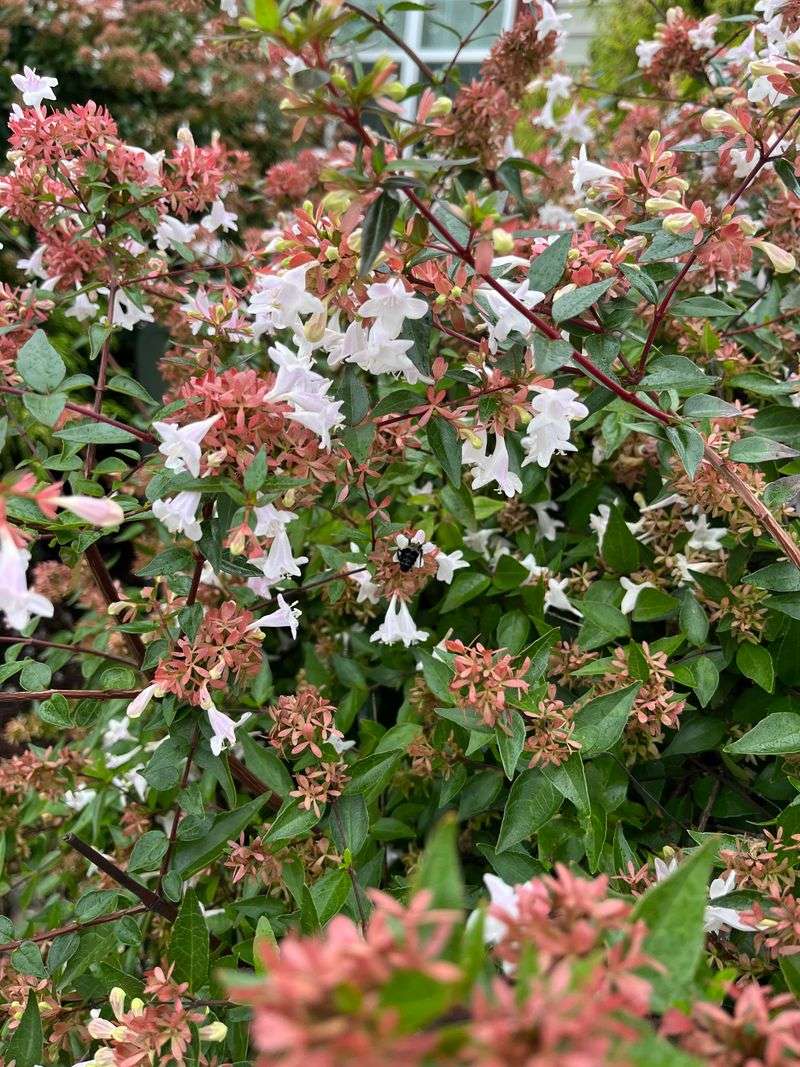
Glossy abelia flowers on new growth, which puts it in the safer category for September attention.
Light cleanup works fine. Removing straggly shoots and shortening a few wayward branches keeps the plant looking intentional.
Avoid anything approaching a hard cutback, since regrowth stimulated now faces cold weather before it matures.
Hand pruners beat hedge shears substantially with abelia.
The arching habit is part of the appeal, and shearing produces a stiff artificial shape while removing flower-bearing tips.
Renewal pruning suits it well, taking out the oldest canes at the base and letting younger growth fill in.
Late winter is the window for that job.
Abelia blooms over a long season, often summer into fall, so cutting during bloom costs you flowers unnecessarily.
Fragrant small blooms draw pollinators steadily, which is another argument for restraint while flowering continues.
The plant handles Texas heat well and tolerates a range of soils, making it genuinely low maintenance.
Semi-evergreen behavior varies by region, with more leaf retention in southern Texas than north.
Right now, tidy the obvious problems and save the rest.
9. Trim Landscape Roses Now
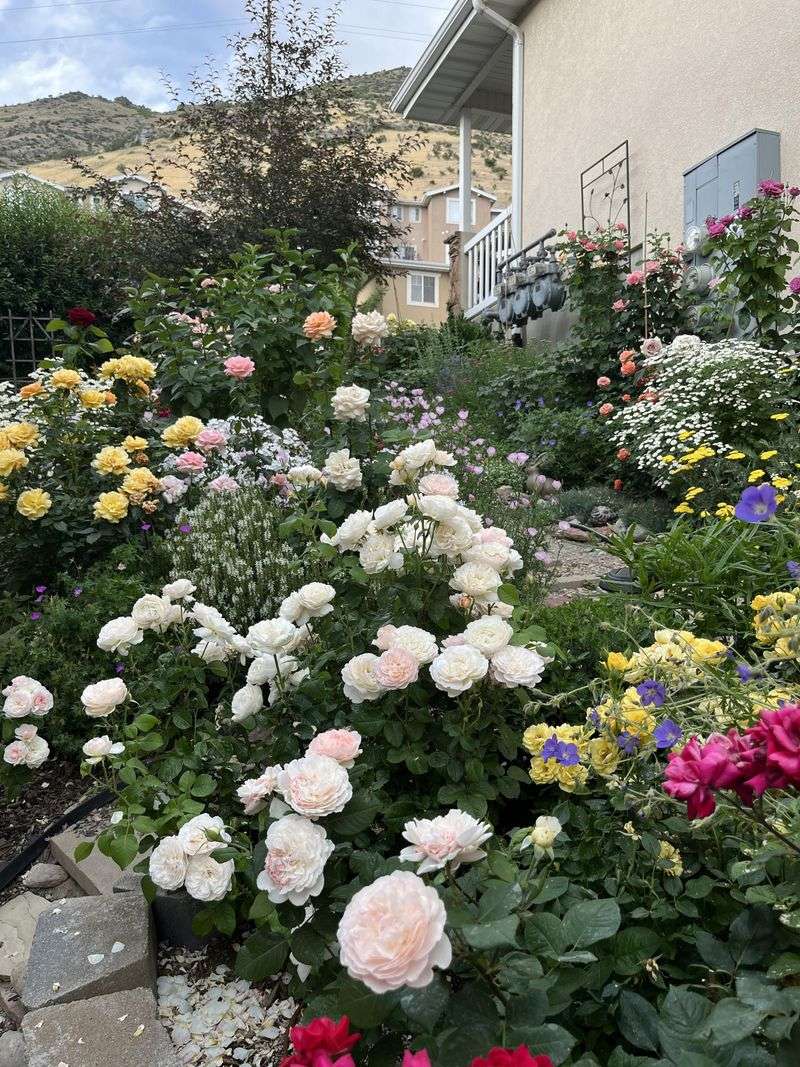
Modern landscape roses bloom on new growth, which makes September trimming both safe and useful.
Removing spent blooms encourages continued flowering, and Texas fall often delivers a strong late flush.
Light cleanup of straggly canes is fine too.
What to avoid is real size reduction, since hard pruning now pushes tender growth into cold weather.
Late winter is the standard window for structural rose pruning across most of Texas, timed before spring growth begins.
Knockout and similar shrub roses need considerably less pruning than hybrid teas, which is much of their appeal.
Clearing out spent or diseased canes remains appropriate anytime.
Rose rosette disease is worth watching for, showing as distorted red witches-broom growth, and affected plants need full removal rather than pruning.
Black spot pressure runs high in humid Texas conditions, so clearing fallen leaves helps more than cutting does.
Fall feeding should stop, since late nitrogen produces exactly the soft growth freezes damage.
Trim through the fall display, then plan the real pruning for February.