Grow Smooth Sumac In Georgia Gardens For Brilliant Red Fall Color
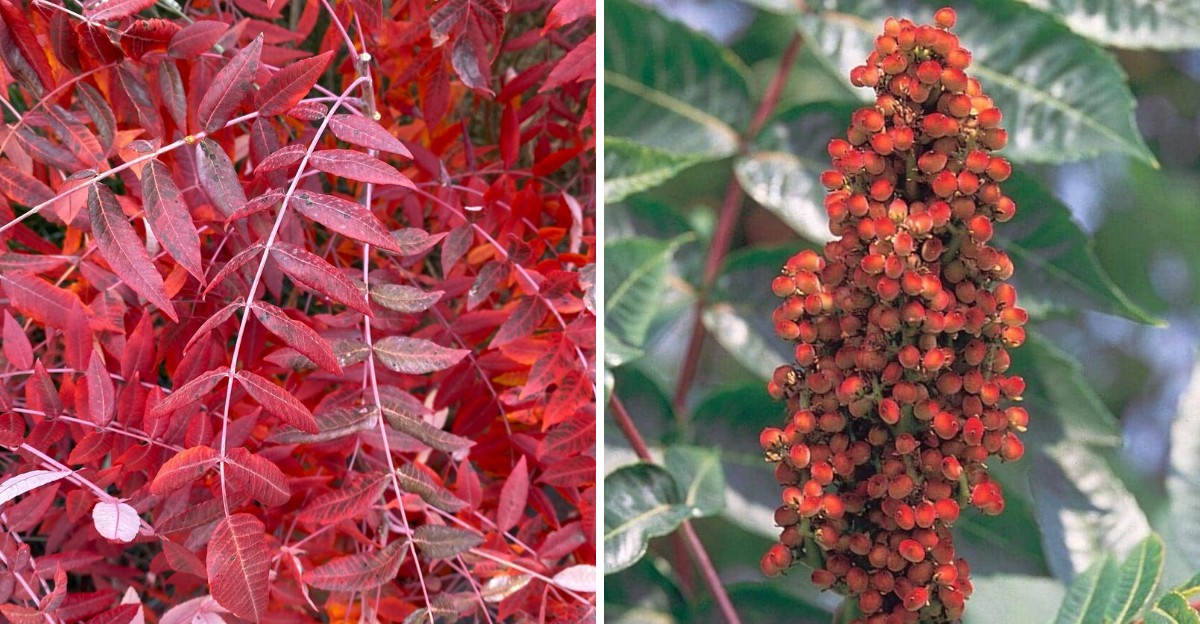
This native shrub has sour red berries that can be steeped into a refreshing drink with a bright, lemony flavor.
The same shrub still shows up along rural roads, railroad cuts, and old fields. Most drivers zoom right past it for eleven months a year.
Then autumn arrives, and suddenly those shaggy thickets glow like hot coals.
I love a plant with a little rebel spirit. This one shrugs off poor soil, dry spells, and steep banks that make other shrubs sulk.
It feeds birds through winter and hums with bees in early summer.
You’re in for a treat if your Georgia yard has a sunny, tough spot nobody knows what to do with. I believe the humble native hiding in plain sight could be the boldest fall upgrade you make this year.
Its brilliant autumn color is only one of the reasons it deserves a closer look.
1. Those Roadside Sumac Thickets Turn Scarlet For A Reason
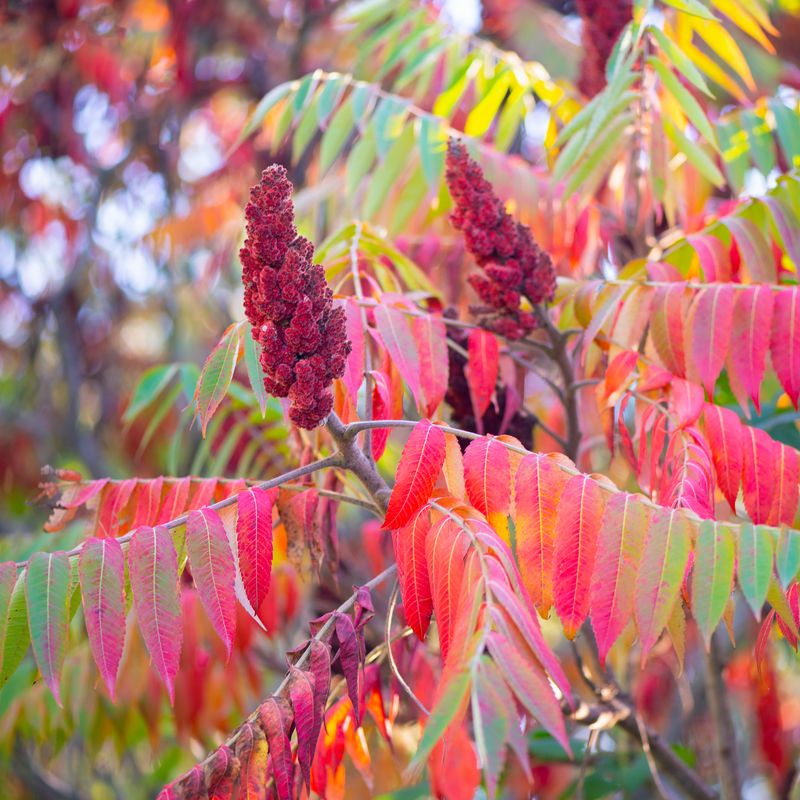
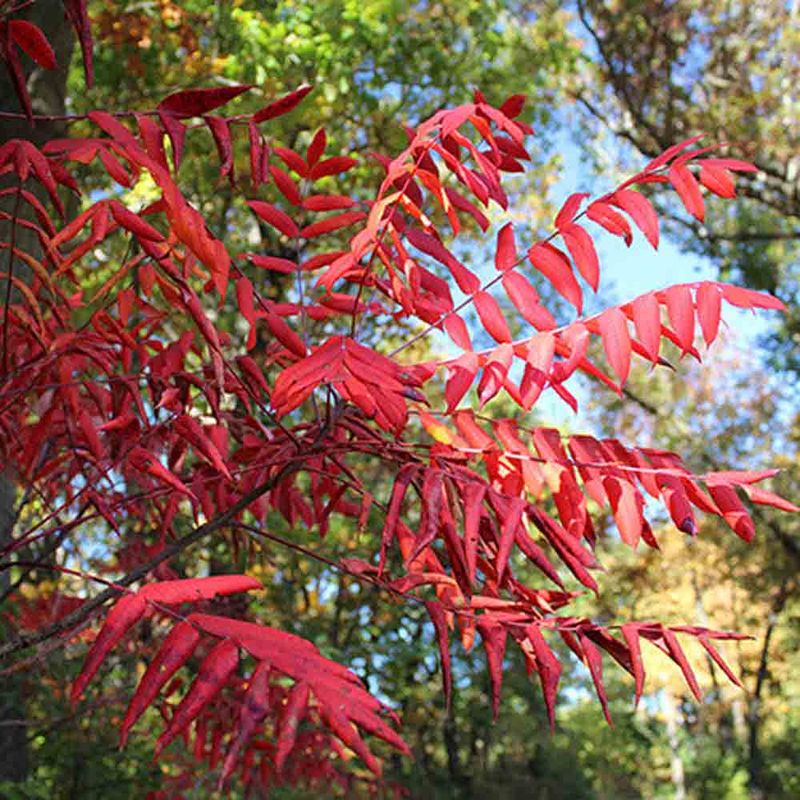
Cooler nights and shorter days flip a switch inside every sumac leaf. Green chlorophyll fades, and pigments called anthocyanins pile up, painting the leaflets scarlet, orange, and wine purple.
Smooth sumac often starts this show earlier than most trees. In north Georgia, color can begin in late September.
Around Atlanta and farther south, October is usually prime time, with some leaves holding into early November.
Sunlight plays a big role in how intense that red becomes. Leaves that soak up bright days build more sugar, and that sugar fuels richer red pigments.
Sumacs tucked into shade often settle for a duller yellow or muddy orange.
Weather matters too. A fall with sunny days, crisp nights, and no early hard freeze tends to deliver the boldest color.
A very dry summer can cause some leaves to drop early, though established plants handle drought far better than most shrubs.
I find it fun to watch the color creep in. One stem blushes first, then the whole colony catches fire within a couple of weeks.
Snap photos along the way, because the peak can be short and spectacular.
Once you know what triggers that glow, you can plant to make the most of it.
2. Full Sun And Lean Soil Bring Out The Boldest Sumac Red
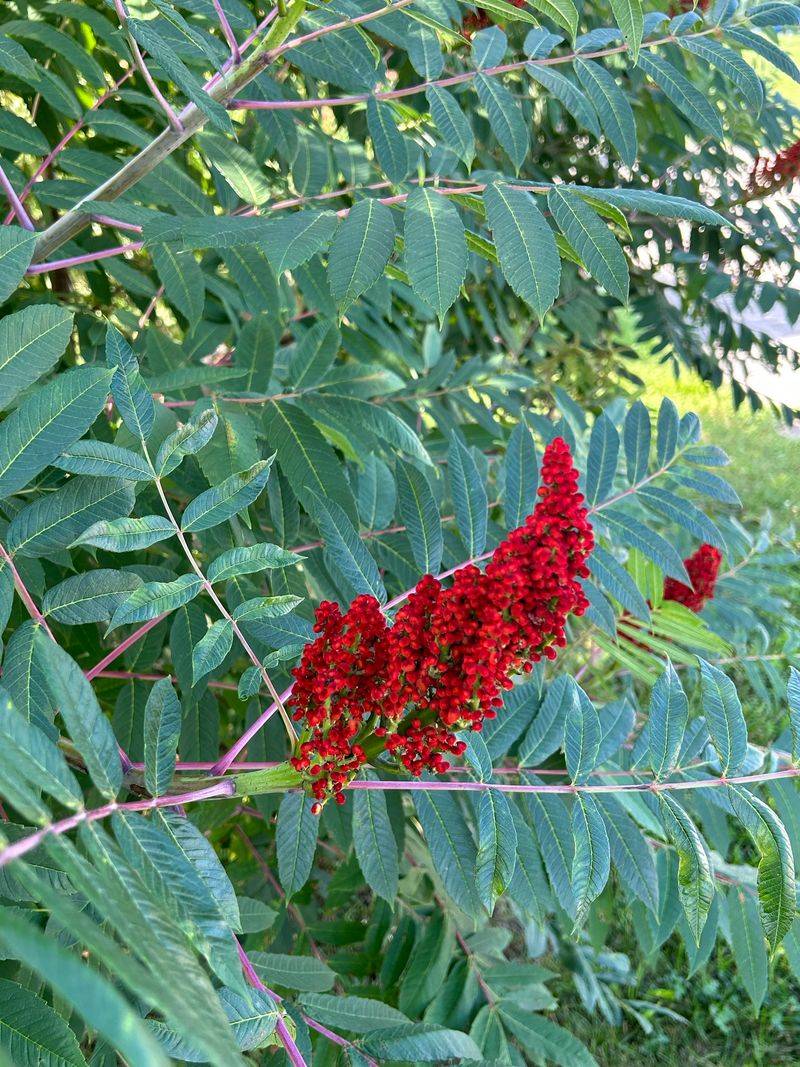
Sun is the secret ingredient, plain and simple. Pick a spot with at least six hours of direct light, and eight is even better for top color and heavy berry clusters.
Smooth sumac grows in USDA zones 3 through 9, so it fits every corner of Georgia. Mountain gardens near Blairsville and coastal plain yards near Valdosta can both host it.
Soil is where this native really surprises people. Red clay, sandy loam, rocky banks, and worn-out fields all work.
Rich, heavily fertilized beds can actually push floppy green growth and soften fall color.
Drainage is the one deal breaker. Avoid low spots where rainwater sits for days after a storm.
Soggy roots invite rot, and sumac simply prefers its feet on the dry side.
Planting tips:
Set container plants in fall or early spring when temperatures are mild. Dig a hole twice as wide as the root ball but no deeper.
Backfill with the native soil, skip the compost, and water deeply.
A layer of shredded mulch helps hold moisture during the first summer. Keep it a few inches away from the stems.
Give it room too. Plants can reach 10 to 20 feet wide over time.
3. Water Your Young Sumac Well, Then Mostly Leave It Alone
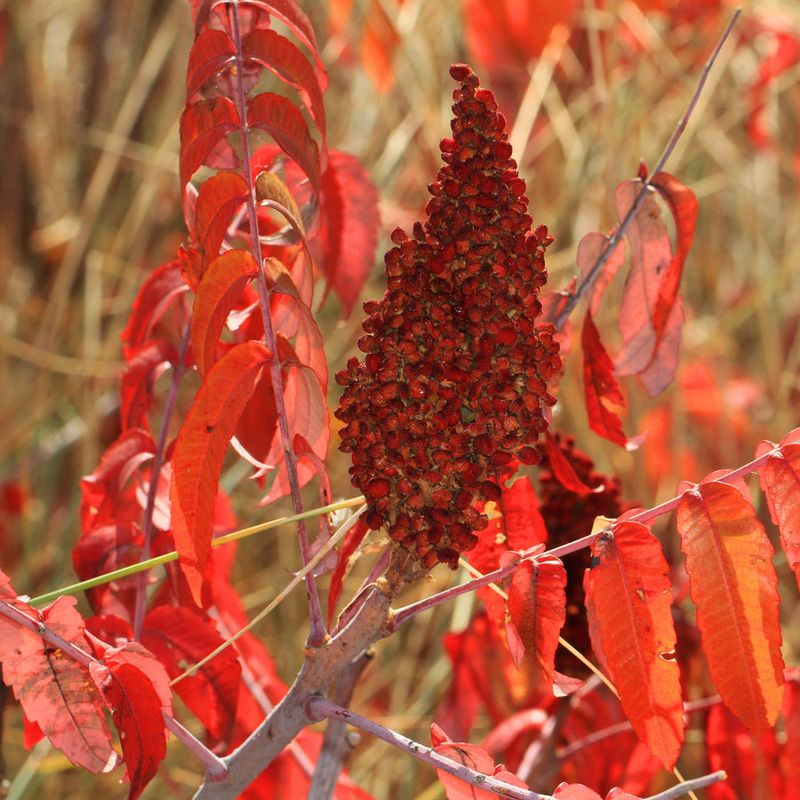
Lazy gardeners, rejoice. After its first year, smooth sumac asks for very little from you.
That first growing season matters most. Water deeply once a week when rain is scarce, soaking the soil several inches down.
Deep, infrequent watering trains roots to dig for moisture instead of staying near the surface.
Georgia summers can swing from steamy downpours to weeks of baking drought. Check soil with your finger before watering.
If the top two inches feel dry, give it a long drink.
By year two, the plant usually handles dry stretches on its own. Extra water during a severe drought can help, but routine sprinklers are unnecessary and may even encourage weak growth.
Fertilizer? Skip it.
Sumac evolved in poor soils, and feeding it mostly creates leggy stems that sprawl.
Pests and diseases rarely cause trouble. You might spot an occasional caterpillar or some leaf spot during humid summers.
These issues are usually cosmetic, so there’s no need to reach for sprays.
I like plants that reward neglect, and this one is near the top of my list. Spend your summer energy on the tomatoes and let the sumac quietly bulk up for its autumn moment.
4. Fuzzy Red Sumac Berry Clusters Feed Birds All Winter
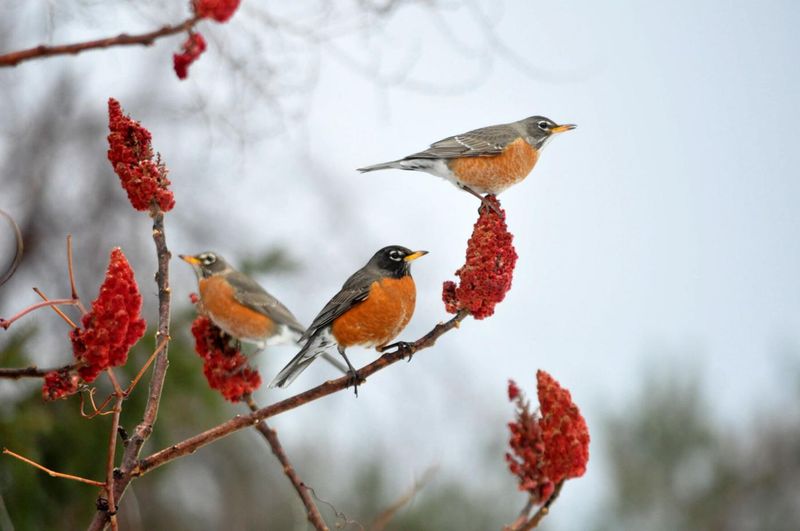
Long after the leaves drop, cone-shaped clusters of fuzzy crimson berries stand tall on bare branches. They look like little torches against gray winter skies.
Only female plants make fruit. In early summer, they produce greenish-yellow flower spikes that draw honeybees, native bees, and other pollinators.
Male plants flower too, helping with pollination.
The berries ripen in late summer and hang on for months. Birds often skip them at first, then return in late winter when tastier foods run out.
That makes sumac a valuable backup pantry.
Eastern bluebirds, northern cardinals, northern mockingbirds, wild turkeys, and bobwhite quail are among the visitors. Rabbits and deer may browse the stems too.
Fun fact: the berries are coated in tart acids. Native peoples and early settlers soaked them in cool water for a lemony drink, sometimes called sumac lemonade.
The spice sumac sold in stores comes from a related Mediterranean species.
If you want fruit, choose a fruit-producing plant and make sure a compatible pollinating plant is nearby. A colony grown from root suckers may not produce berries without a suitable pollinator.
Leave those seed heads standing through winter. Your feathered neighbors will thank you.
5. Spreading Sumac Colonies Can Be A Gift Or A Chore
Plant one sumac, and in a few years you may have a dozen. Underground roots send up new shoots called suckers, and they slowly build a thicket.
Some folks panic at that thought. I see it as a superpower in the right place.
Steep banks that wash out after summer storms are a perfect example. The spreading roots knit soil together and help control erosion.
Large back corners, wildlife areas, and property edges also benefit from a natural screen that turns flaming red each fall.
Small yards need a different plan. Keep sumac away from foundations, septic fields, and tidy perennial beds.
Mow or remove suckers regularly in spring and summer to help limit the colony’s spread, although new shoots may continue appearing beyond the original planting area.
Root barriers sunk 18 to 24 inches deep can slow spreading in tight spaces. A path, driveway, or regularly mowed lawn edge also works as a simple boundary.
Another option is training one main stem into a small multi-trunk tree. Remove all suckers, keep three to five sturdy stems, and you get a sculptural look with that tropical-style foliage.
Since it is native, spreading here supports local insects and birds instead of crowding them out.
6. Cut Sumac Stems Back In Late Winter For Fresh Growth
Late winter is pruning time, usually February into early March across most of Georgia. The plant is still dormant, and you can easily see its branch structure.
Start with the basics. Remove broken, crossing, or crowded stems at their base.
Take out any weak shoots that flop outward.
Older sumac stems tend to lean and lose vigor after several years. A bold reset works wonders.
Cut the whole colony down to a few inches above the ground every three to five years.
That might sound harsh, but sumac bounces back fast. Fresh stems shoot up in spring with larger leaves and strong fall color.
Keep in mind that the year of a hard cut may bring fewer berries.
A smart compromise is rotating cuts. Remove about one-third of the oldest stems each winter, so you always have some fruit for birds.
Wear gloves and long sleeves. Smooth sumac is not poisonous, but its sticky sap can irritate sensitive skin for some people.
Toss healthy trimmings into a brush pile at the yard’s edge. Small birds and pollinators often shelter in those piles, giving your cuttings a second job.
7. White Dangling Berries Mean You Have The Wrong Sumac
Mention sumac at a cookout, and someone will usually flinch. The word carries a reputation thanks to one troublesome cousin.
Poison sumac, Toxicodendron vernix, contains urushiol, the same oil behind poison ivy rashes. Smooth sumac belongs to a separate genus, Rhus, and does not contain urushiol.
Telling them apart is easier than you might expect.
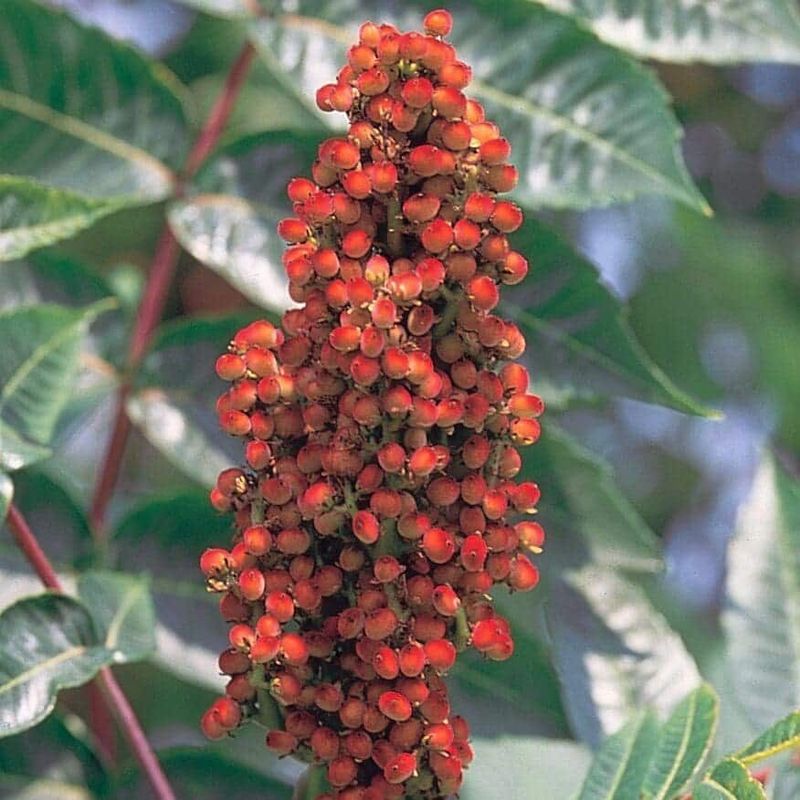
Check the fruit first. Smooth sumac carries upright, fuzzy, red clusters at branch tips.
Poison sumac has loose, drooping clusters of whitish or pale gray berries hanging from leaf joints.
Look at the habitat next. Poison sumac grows in swamps, bogs, and soggy wetland edges.
Smooth sumac loves dry, sunny, well-drained ground like roadsides and old fields.
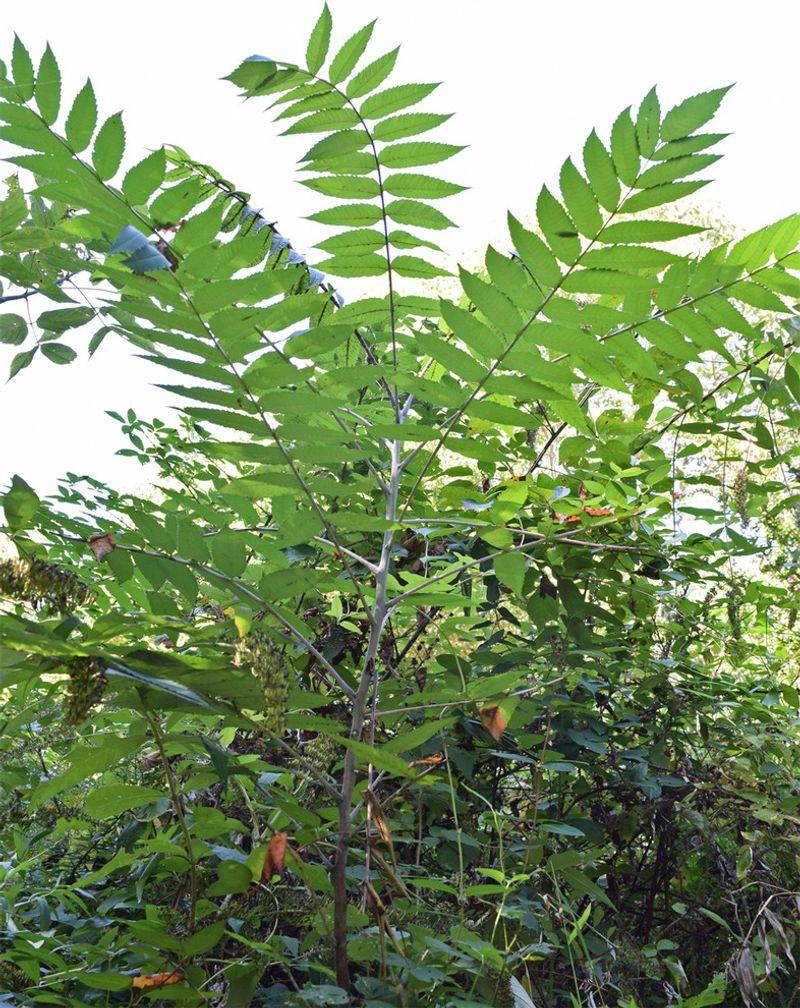
Leaves offer clues too. Smooth sumac leaflets are toothed along the edges, with 11 to 31 per leaf.
Poison sumac leaflets are smooth-edged, with fewer per leaf, often 7 to 13, and stems that are reddish.
In Georgia, poison sumac is fairly uncommon and sticks to wet places. If a plant sits in a sunny dry bank and wears red fuzzy cones, relax.
Teach kids these differences on your next walk.
8. Pair Sumac With Other Georgia Natives For A Fiery Fall Border
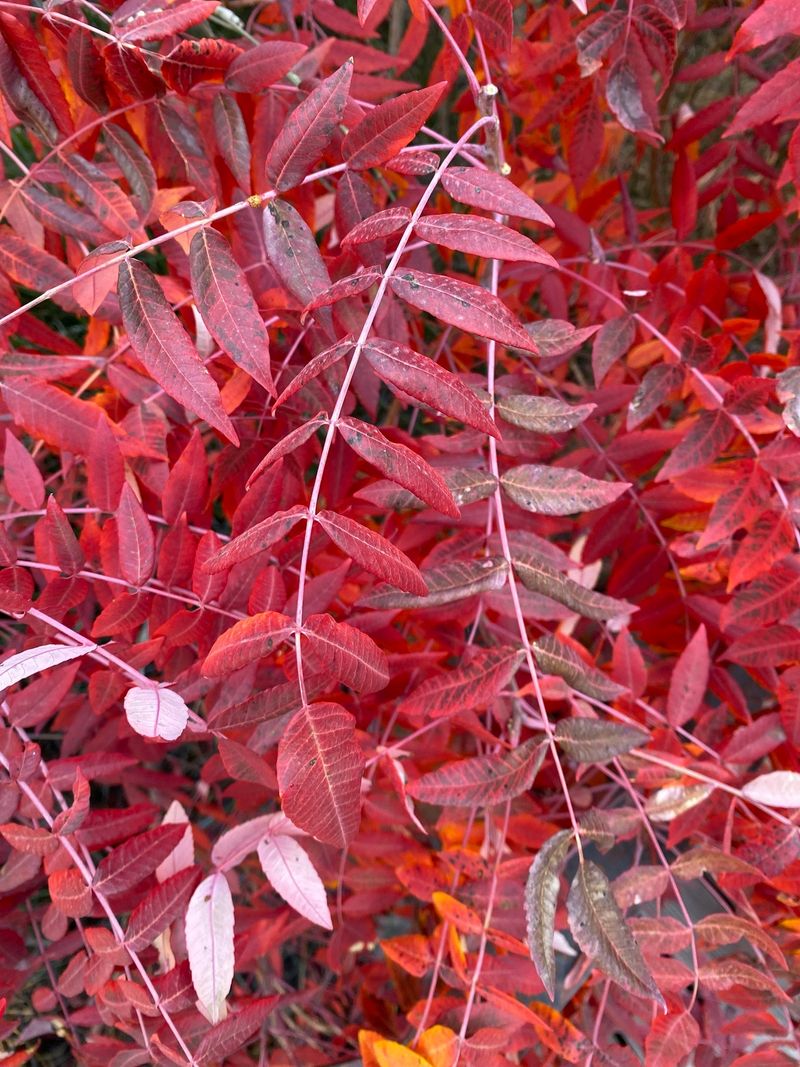
Smooth sumac looks great alone, but it truly sings with friends. A native fall border can glow for weeks and buzz with life.
Goldenrod makes a classic partner. Its bright yellow plumes contrast beautifully with scarlet sumac leaves and feed late-season bees and butterflies.
Aromatic aster and New England aster add purple and lavender. Together with sumac, you get a red, gold, and purple combo straight off a postcard.
Grasses soften the picture. Little bluestem turns copper and rust in fall, while switchgrass adds airy seed heads that catch the light.
For a taller backdrop, consider black gum, sourwood, or red maple. All three are native here and add more autumn color at different heights.
Next steps for this season:
Look for smooth sumac at native plant sales, often held in fall and spring by local native plant societies and botanical gardens. UGA Extension offices can also point you toward reliable regional sources.
Mark a sunny, dry spot this fall and plant while the soil is warm. By next October, you may wonder why you waited.
Bold color, happy birds, and low effort are hard to beat.