Shopping For Hollies While The Berries Show Saves Georgia Gardeners From A Common Letdown
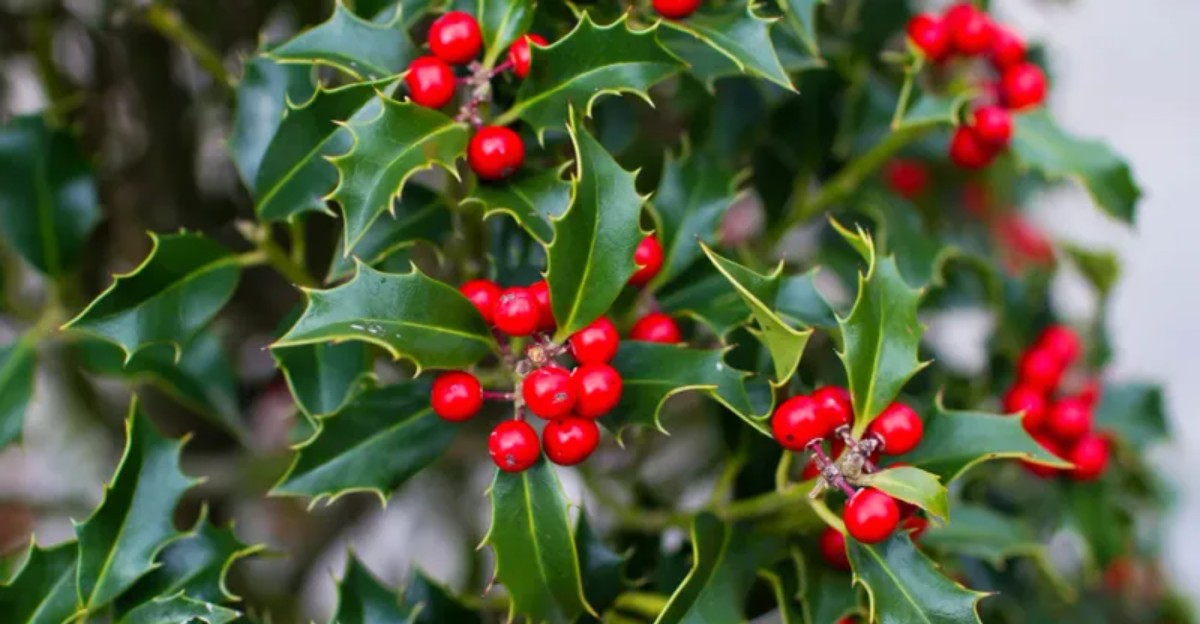
Half of the shrubs on a garden center lot may be quietly incapable of making a single red berry. Nothing on the tag warns you, and in spring they all look the same.
I learned this the slow way. A shrub I planted sat green and polite for three winters while the one next door glowed scarlet every December.
You need to know this before you shop in Georgia this season.
Fall and winter are the months when these evergreens finally show their hand, and the plants with fruit on their branches are telling you something useful.
Plenty of gardeners bring home a beautiful shrub only to spend years waiting for berries that never appear. The reason is surprisingly simple, with a little romance hidden in the explanation.
1. Those Red Holly Berries Are Telling You Something Important
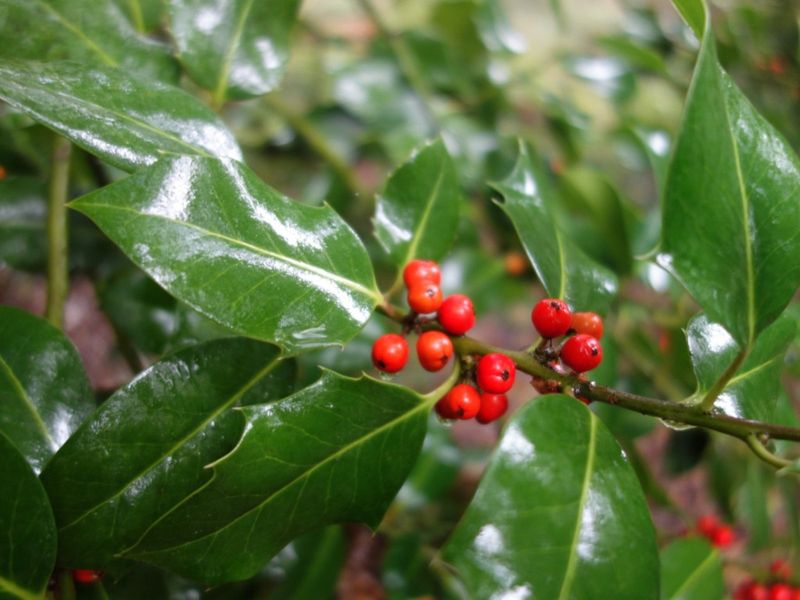
A holly loaded with red fruit is basically wearing a name tag. It is announcing, loud and clear, that it is a female plant.
Most hollies are dioecious, which means each plant is either male or female. Only females grow berries.
Males make pollen-filled flowers in spring and then stay plain green the rest of the year.
The tricky part is that young hollies in nursery pots often look alike. Without fruit or flowers, even experienced gardeners can struggle to tell them apart.
Labels help, but tags get swapped, lost, or faded in the sun.
So the berries on the branch are your best proof. When you buy a holly while it is fruiting, you can see with your own eyes that it is a berry maker.
That one glance removes most of the guesswork.
I find this oddly satisfying. Plants rarely give us such a clear answer, yet a holly in December hands it right over.
Shopping in late fall or winter also lets you judge color, berry size, and how heavily a variety fruits. Some types hold bright red clusters, others lean orange or even yellow.
You get to pick the look you love before you dig a hole.
2. Every Berry-Covered Holly Needs A Male Holly Nearby
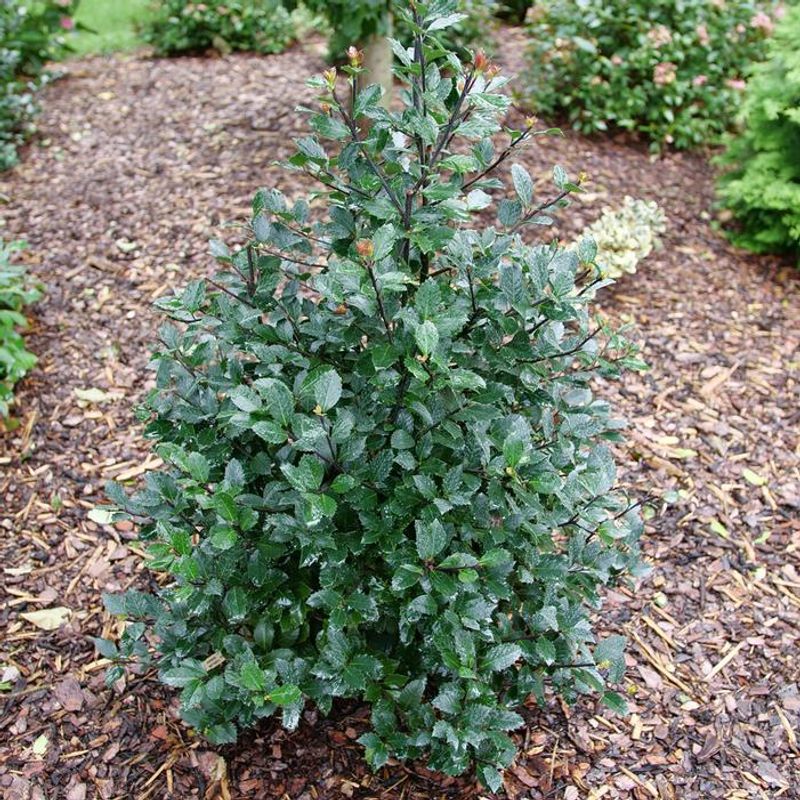
Here is the twist that catches people. A female holly with berries at the store still needs a partner at home to keep fruiting next year.
Berries form after pollen from a male holly reaches the female flowers in spring. Bees and other insects do that delivery work.
Without a male of a compatible type within range, many females drop their tiny flowers and produce little or no fruit.
Many growers suggest one male for every few females. Common advice ranges from one male per three to ten females, planted within roughly 40 to 100 feet.
Closer is better, especially in breezy or busy yards.
Take a quick walk around your neighborhood before buying. A wild American holly at the woods edge or a neighbor’s shrub may already be serving as a pollinator.
If so, you might get away with only a female.
If you see no likely partner, buy a male at the same time. Nurseries often sell them side by side, and staff can point you to a match.
Male hollies are handsome evergreens too. Tuck one into a hedge or behind a bed, and it will quietly do its job each spring.
3. Bloom Timing Between Holly Partners Matters More Than You Might Think
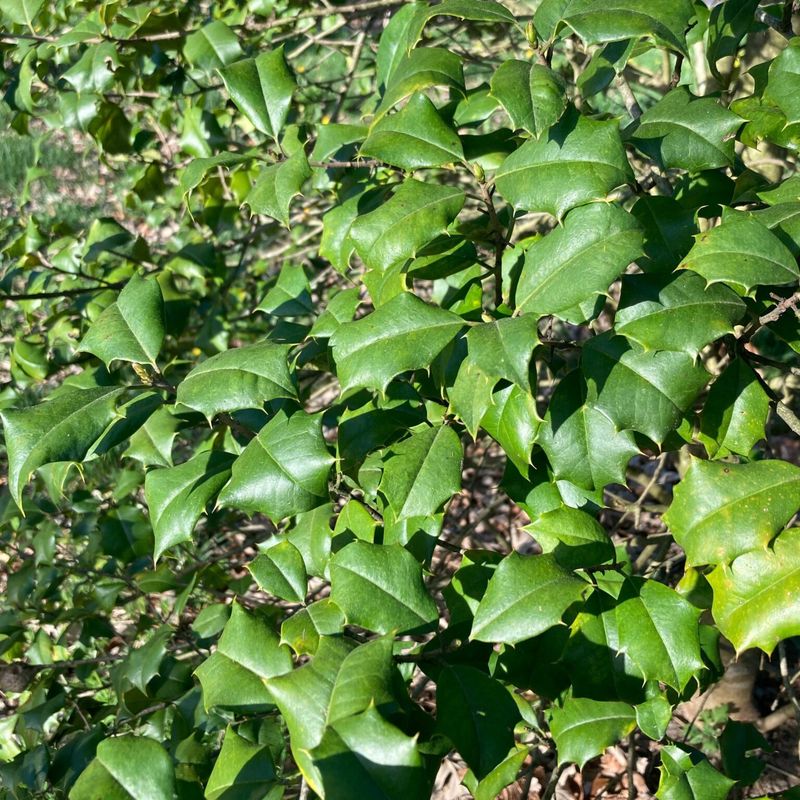
Matching a boy and a girl holly is only half the puzzle. They also need to flower at the same time.
Holly blossoms are small, white, and easy to miss in spring. If the male finishes blooming before the female opens, the bees have nothing to carry.
You end up with two healthy shrubs and a bare winter.
The safest move is choosing a male from the same species as your female. An American holly female pairs well with an American holly male.
A popular example is the female ‘Jersey Princess’ with the male ‘Jersey Knight.’
Winterberry, a deciduous native holly, is a classic case where timing matters. Growers often recommend ‘Jim Dandy’ for early-blooming females and ‘Southern Gentleman’ for later bloomers like ‘Winter Red.’
Reading plant tags carefully pays off here. Many tags list the recommended pollinator by name, which saves you a lot of homework.
When in doubt, ask the nursery staff which male they sell for that female. A good garden center should know right away.
Write the answer down, because you may forget it by the time you reach the checkout counter.
4. A Bare Holly Shrub Can Have More Than One Cause
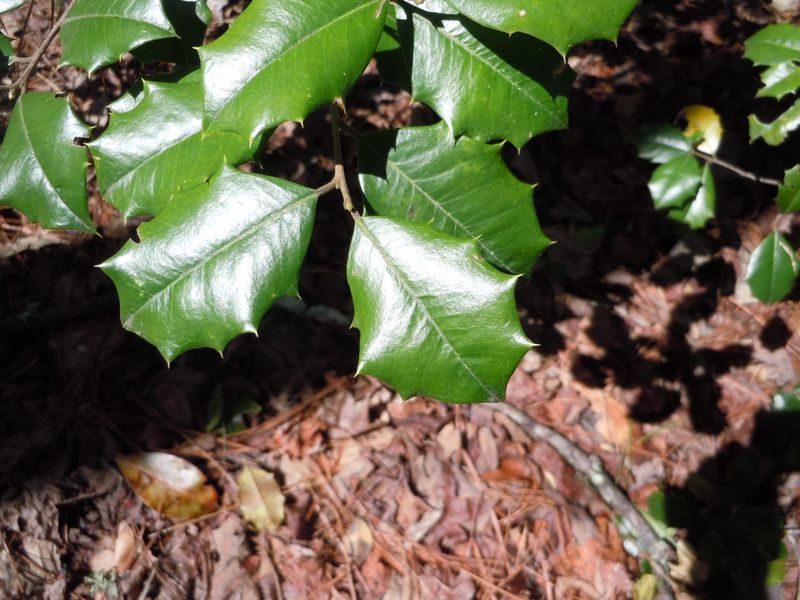
Maybe you already own a holly that refuses to fruit. Before blaming yourself, run through the usual suspects.
The most common reason is simple. It may be a male, or a female with no partner close enough.
Check it in spring for flowers, since male flowers have visible pollen-bearing parts while female flowers show a small green center that becomes the berry.
Age can play a role too. Young hollies sometimes need a few years in the ground before they flower heavily.
Weather matters in Georgia as well. A late spring frost can damage early blossoms, and a cold snap after a warm spell is not unusual in the Piedmont and mountains.
Fertilizer is another sneaky culprit. Too much nitrogen pushes leafy growth at the expense of flowers.
A light spring feeding is usually plenty.
Pruning at the wrong time can also cut off future fruit. Heavy shearing in spring removes the flowering wood.
Fewer bees on blooming days can reduce fruit as well. Planting spring flowers nearby and limiting pesticide sprays during bloom gives those tiny pollinators a better shot.
Usually one fix, not five, gets things back on track.
5. Burford And Nellie Stevens Hollies Bend The Usual Rules
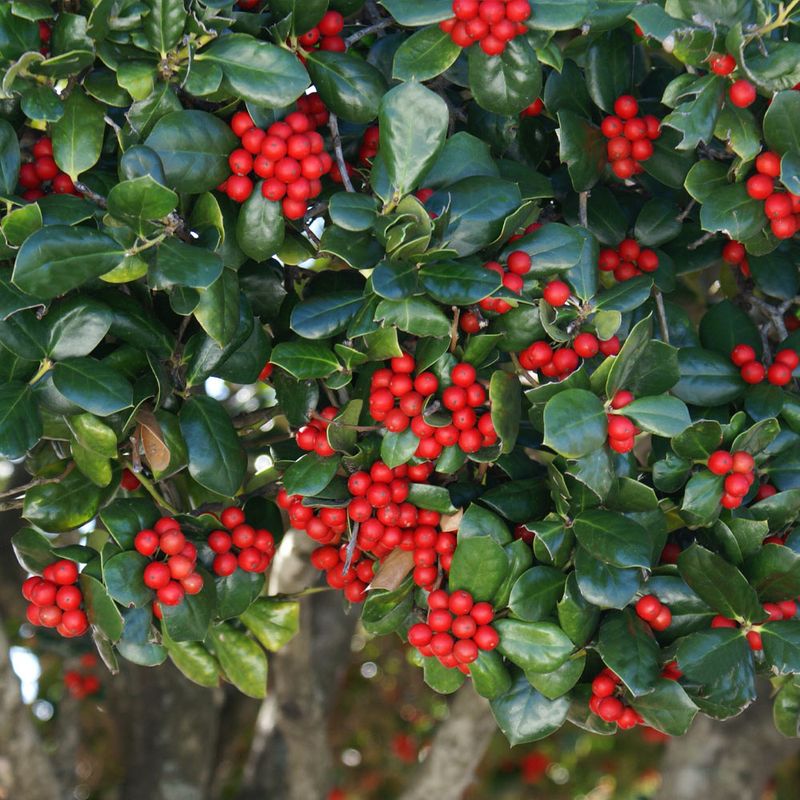
Some hollies are rebels, and southern gardeners love them for it. A few popular types can set fruit with little or no help from a male.
Burford holly, a selection of Chinese holly, is well known for this trick. It can produce berries without pollination, a process called parthenocarpy.
That makes it a handy choice for a small yard with room for just one shrub.
‘Nellie R. Stevens’ is another Georgia favorite for screens and hedges.
It often sets some fruit on its own, though berry crops usually improve with a Chinese holly male nearby.
Fun fact for history fans. The Nellie Stevens holly traces back to a seedling grown by a Maryland woman named Nellie Stevens in the early 1900s.
These plants grow large, so check mature size on the tag. Full-size Burford and Nellie Stevens can top 15 feet, while dwarf Burford stays much smaller.
Keep expectations realistic, though. Self-fruiting forms vary from year to year depending on weather and plant vigor.
Seeing berries on the plant at purchase still gives you confidence you are buying a fruiting form and not a mislabeled cousin.
6. Native American And Yaupon Hollies Feed Georgia Birds All Winter
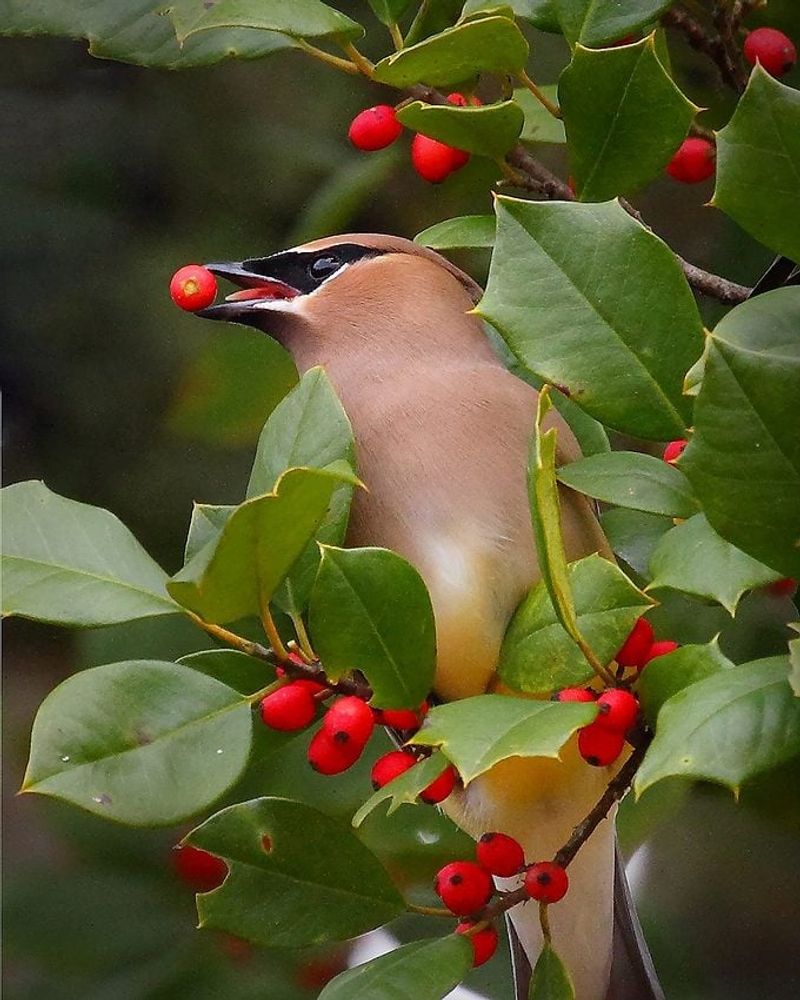
Cedar waxwings can strip a fruiting holly in an afternoon. Watching them arrive in noisy little flocks is one of my favorite winter shows.
Two native hollies shine here. American holly is a classic evergreen tree with spiny leaves and bright red fruit.
Yaupon holly has small, smooth leaves and translucent red berries, and it handles drought, heat, and heavy clay.
Both natives are dioecious, so the same pairing rules apply. Buy females in fruit, and make sure a male grows within range.
Robins, mockingbirds, bluebirds, and thrashers also visit holly in cold months. Berries often soften over winter, which makes them easier for birds to eat later in the season.
Yaupon comes in many shapes. Upright and weeping forms work as small trees, while dwarf types often produce little fruit and are mostly grown for their leaves.
One caution for families. Holly berries are not safe for people or pets to eat, so teach kids to look and not taste.
Choosing natives supports local wildlife, and these plants are well adapted to Georgia weather. That combination means less fuss for you and more color for months.
7. Fall Is Prime Time For Planting That New Holly
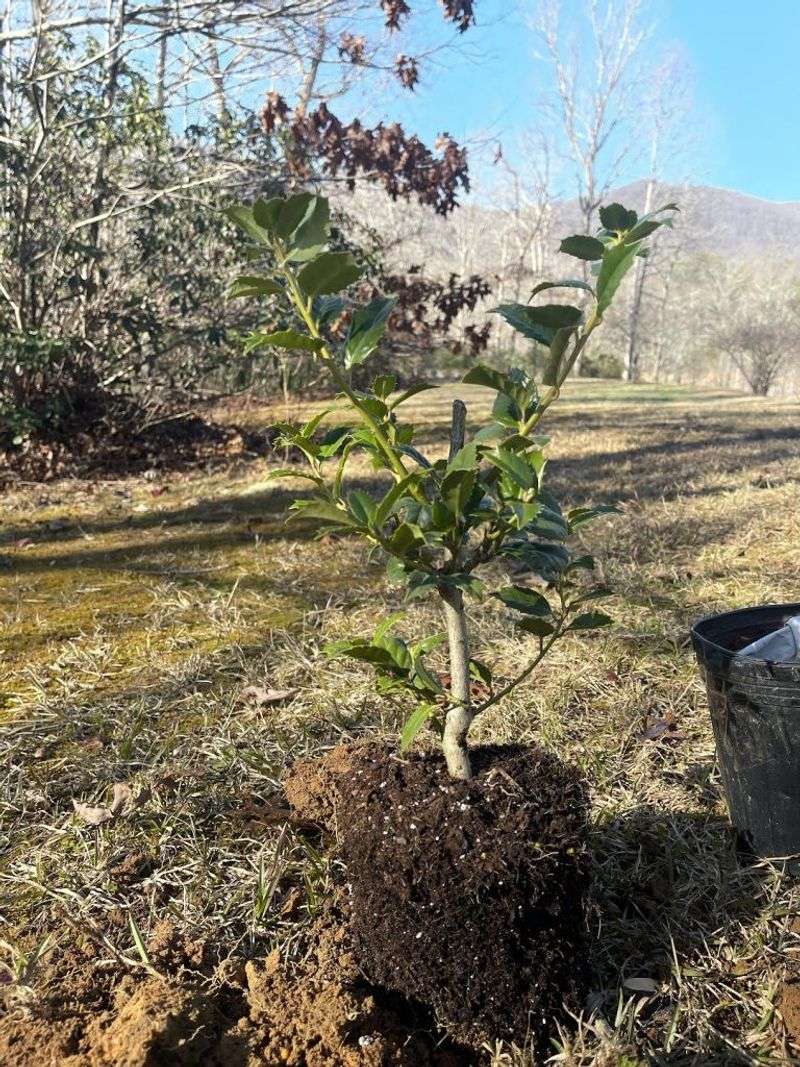
Lucky for shoppers, berry season and planting season line up nicely in the South. Fall and early winter are excellent times to plant hollies across most of Georgia.
Cool air reduces stress on leaves, while soil stays warm enough for roots to grow. That head start helps shrubs face their first summer heat with a stronger root system.
Most hollies like slightly acidic, well-drained soil, roughly pH 5.0 to 6.5. A soil test through your county UGA Extension office can tell you exactly where you stand.
Dig a hole two to three times wider than the root ball but no deeper. Set the top of the root ball level with or slightly above the ground, which helps in heavy clay.
Gently loosen circling roots before planting. Then backfill with the native soil, water deeply, and spread two to three inches of mulch, keeping it a few inches away from the trunk.
Water regularly through the first year when rain is scarce. Full sun to partial shade gives the best fruit on most types.
Deep shade often means sparse berries, even when pollination goes perfectly.
8. Snap A Photo Of Those Holly Tags Before You Leave The Nursery
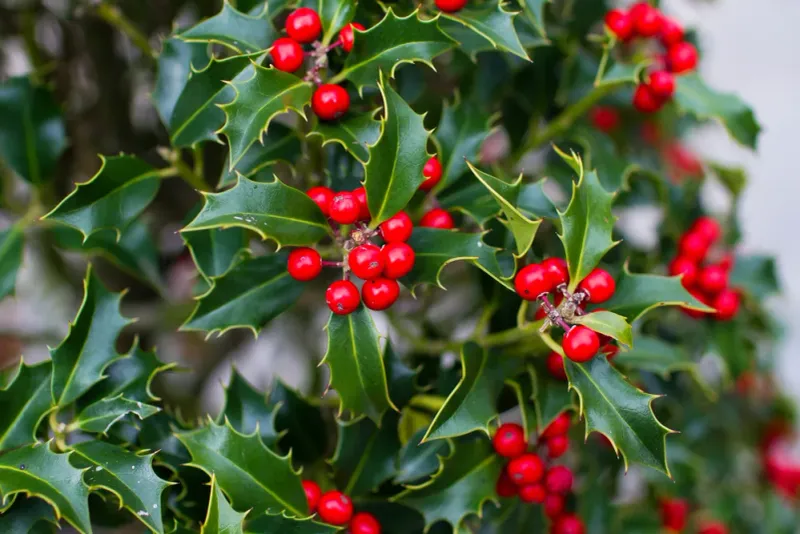
Picking the right holly is a small win you will enjoy for decades. A few simple habits at the store keep that win intact.
Start by choosing females that already carry fruit. Then grab a compatible male, unless you chose a self-fruiting type or already have a partner nearby.
Before heading home, snap a quick phone photo of each tag. Variety names fade outdoors, and you will want them later if a shrub needs replacing or a new pollinator.
Try a simple checklist. Is the female in fruit?
Is there a matching male within about 100 feet? Does the mature size fit your space?
Plant males a little out of the spotlight if you like. They do not need to be in front, just within easy bee range.
Prune lightly in winter, which also gives you holly sprigs for indoor decorating. Avoid heavy spring cuts that remove flowers.
With those steps handled, the hard part is over. Your job becomes the fun one, watching the red berries ripen each fall and seeing which birds show up to enjoy them first.