Grow This One Iowa Native And Hummingbirds Will Find You
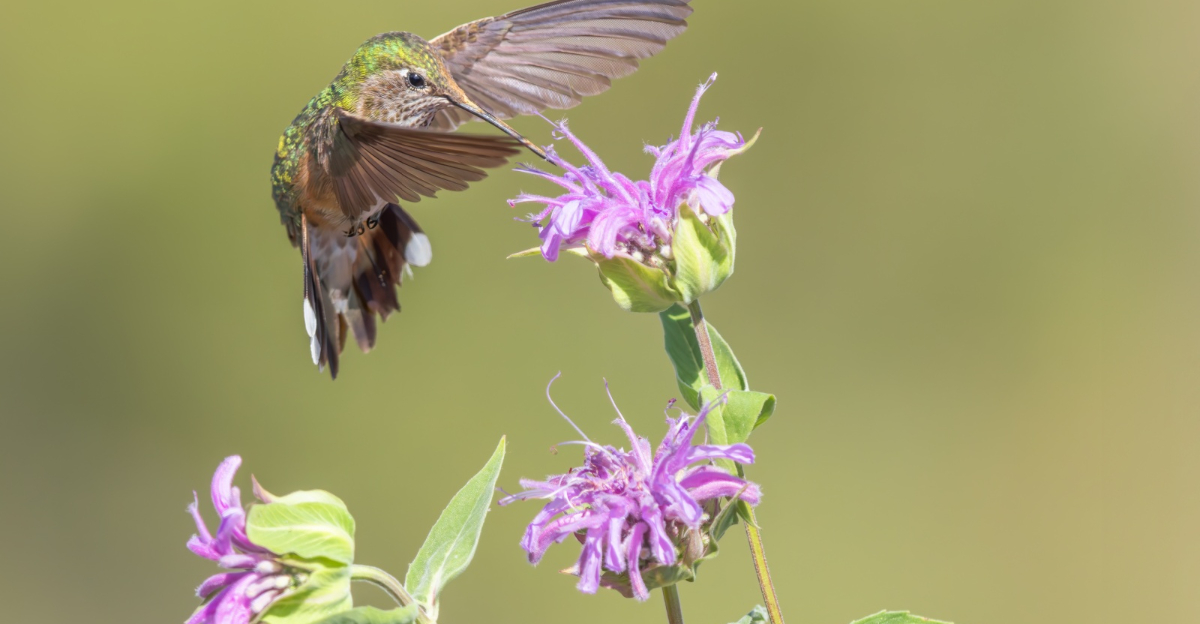
Iowa has a secret way for attracting hummingbirds this summer. One tough, beautiful native plant produces lavender-purple blooms that these tiny birds simply cannot pass up. It thrives in your garden bed without much fuss. It asks for almost nothing in return.
Bees and butterflies love it too, but hummingbirds treat it like a five-star restaurant. Native to the tallgrass prairies of the Midwest, this plant has been feeding pollinators for centuries, long before anyone ever visited a garden center.
Small yard or large, shaded corner or open sun, it finds a way to thrive and show off. Growing it tends to be easier than most people expect, and the rewards can show up faster than you think.
Iowa gardeners who plant it often find their backyard transformed into a buzzing, hovering, color-filled paradise. Get ready to fall in love with your garden all over again.
Why Wild Bergamot Tops The List
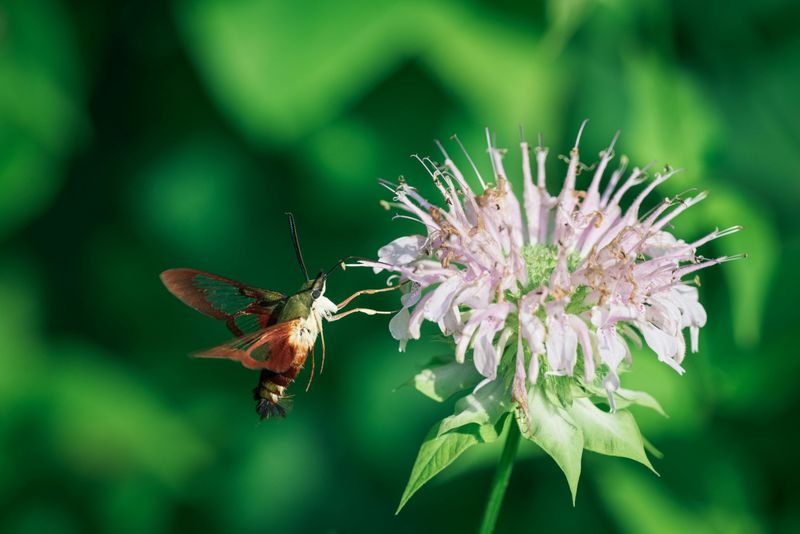
No other native plant in the Midwest pulls double duty quite like Wild Bergamot does. Botanically known as Monarda fistulosa, this prairie wildflower has been a cornerstone of Midwestern ecosystems for thousands of years.
Its tubular, lavender-purple blooms are shaped almost perfectly for a hummingbird’s long beak, making every visit feel effortless for both bird and flower.
The plant essentially rolls out a biological welcome mat that hummingbirds recognize from a surprising distance.
What sets Wild Bergamot apart from other garden flowers is its deep roots in the local landscape.
Unlike imported ornamentals, this plant evolved alongside the same birds and insects that still roam Iowa today.
That shared history means the relationship between Wild Bergamot and hummingbirds is not accidental, it is ancient and hardwired.
Ruby-throated hummingbirds, the only species that regularly visits the Midwest, are especially drawn to its color and nectar chemistry.
Gardeners who have planted it often say the first hummingbird sighting feels almost magical.
One week the yard is quiet, and the next there is a flash of iridescent green hovering right outside the kitchen window.
Beyond the wow factor, Wild Bergamot also supports native bees, monarch butterflies, and even goldfinches who snack on the seed heads in late summer. It is genuinely a full-season performer that earns its spot in any garden.
If you have been searching for one plant that delivers consistent wildlife action, this is the one that will not disappoint you.
How And Where To Plant Wild Bergamot
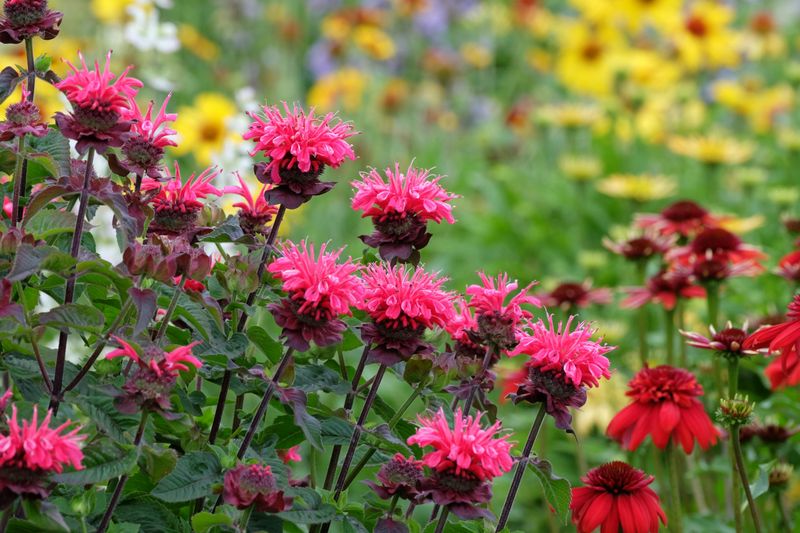
Planting Wild Bergamot is refreshingly forgiving, even for gardeners who have struggled with other perennials before.
Start with a spot that gets at least six hours of direct sun each day, because this plant is a sun worshipper at heart.
Well-drained soil is important since soggy roots can cause problems, but Wild Bergamot is perfectly happy in average or even slightly dry conditions.
That makes it ideal for the kinds of spots where other plants tend to give up, like slopes, edges, or areas near pavement that dry out quickly. Spring planting gives roots the most time to establish before summer heat arrives.
Your Iowa Garden Changes Every Week. Your Plan Should Too.
Gardening in Iowa changes quickly throughout the season. Every Friday you’ll receive a simple weekly plan showing exactly what to plant, prune, fertilize, harvest, and protect so you never miss the right timing.
Dig a hole just slightly larger than the root ball, set the plant in at the same depth it was growing in its container, and firm the soil gently around it. Water it in well on day one, and then step back.
This plant does not need babying, and overwatering in the early weeks is one of the few ways to set it back. Spacing matters more than most people realize.
Give each plant about eighteen to twenty-four inches of room because Wild Bergamot spreads slowly through underground rhizomes over time.
That gradual spread is actually a feature, not a flaw, since a mature clump creates a bigger landing zone for hummingbirds and pollinators.
Mulching lightly around the base helps retain moisture and keeps weeds from crowding out your new plants. Give it one growing season and you will barely recognize how full and lush the area looks.
Best Spots In Your Yard For Maximum Hummingbird Action
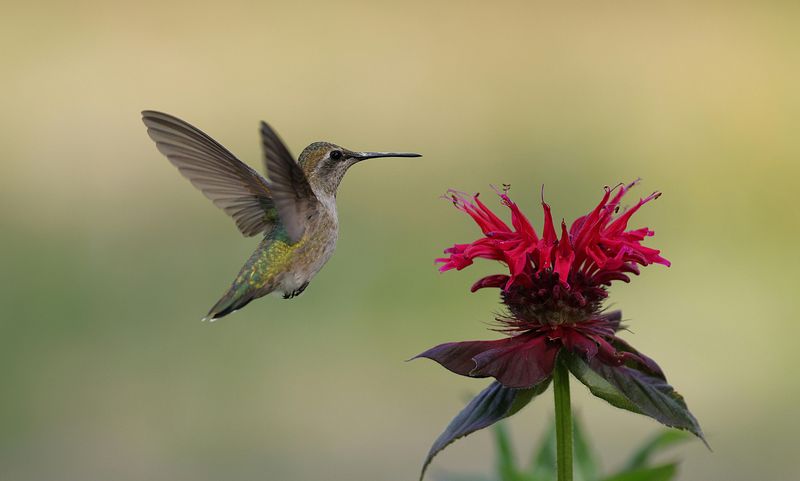
Location can make or break your chances of attracting hummingbirds, and most people underestimate just how much placement matters.
Hummingbirds prefer to feed in areas where they can approach from multiple directions and escape quickly if needed.
That means an open garden bed is far more appealing to them than a plant tucked tightly against a wall or buried in a dense shrub border.
Wild Bergamot planted in a front or side bed with clear sightlines on at least two sides is almost guaranteed to get noticed faster. Proximity to your windows or a seating area is worth thinking about too.
Hummingbirds are surprisingly bold once they feel safe, and a plant placed fifteen to twenty feet from a porch or patio can give you front-row seats to their aerial acrobatics.
Avoid placing it directly under large trees since shade will reduce blooming and the dappled light makes it harder for hummingbirds to spot the flowers from a distance.
Borders along fences or pathways work beautifully because the linear layout lets hummingbirds zip from bloom to bloom in a straight line.
Grouping three or more plants together creates a larger visual target that birds can spot from farther away, almost like a billboard advertising free food.
If your yard has a natural slope, planting Wild Bergamot on the upper portion puts the blooms at eye level from your lawn below.
That combination of visibility and access is exactly what turns a casual hummingbird flyby into a daily visit.
When Hummingbirds Peak In Iowa
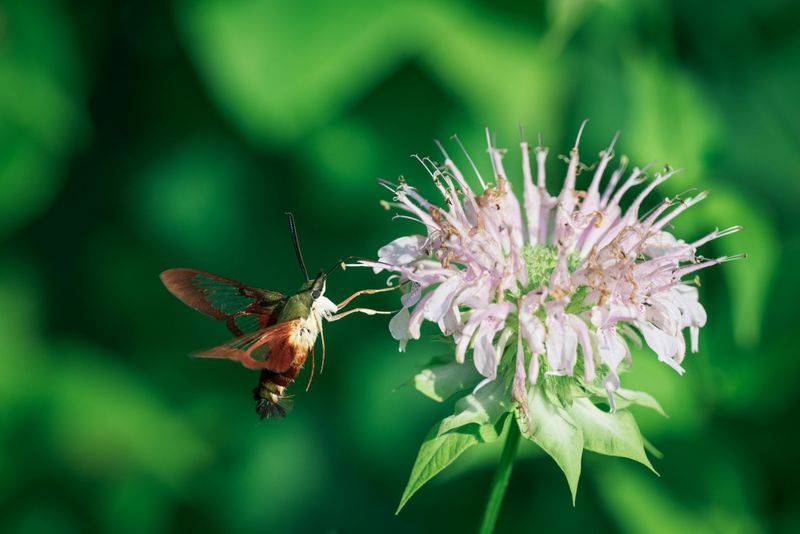
Timing is everything when it comes to hummingbirds, and knowing their schedule gives you a real advantage as a gardener.
Male birds show up first, staking out territory and searching for food sources before the females arrive a week or two later.
Having Wild Bergamot already established and beginning to bud when they land is like having a neon sign flashing in your yard.
The peak activity window in the Midwest runs from mid-June through late August, which lines up almost perfectly with Wild Bergamot’s natural bloom time.
That synchronization is not a coincidence, it is the result of thousands of years of co-evolution between native plants and migratory birds.
No store-bought annual can replicate that kind of precision timing, no matter how bright the flowers look on the nursery shelf.
By early September, hummingbirds begin fueling up for their southward journey, and feeding activity actually spikes dramatically during this pre-migration phase.
A mature clump of Wild Bergamot still producing late blooms during this period becomes an essential pit stop for birds building energy reserves.
Trimming spent flowers on a few plants through summer encourages longer bloom cycles that stretch right into that critical September window.
Mark your calendar for mid-August to watch for peak feeding frenzy activity, because those two weeks can feel like having your own private nature documentary playing out in the backyard.
Keeping Wild Bergamot Blooming All Summer
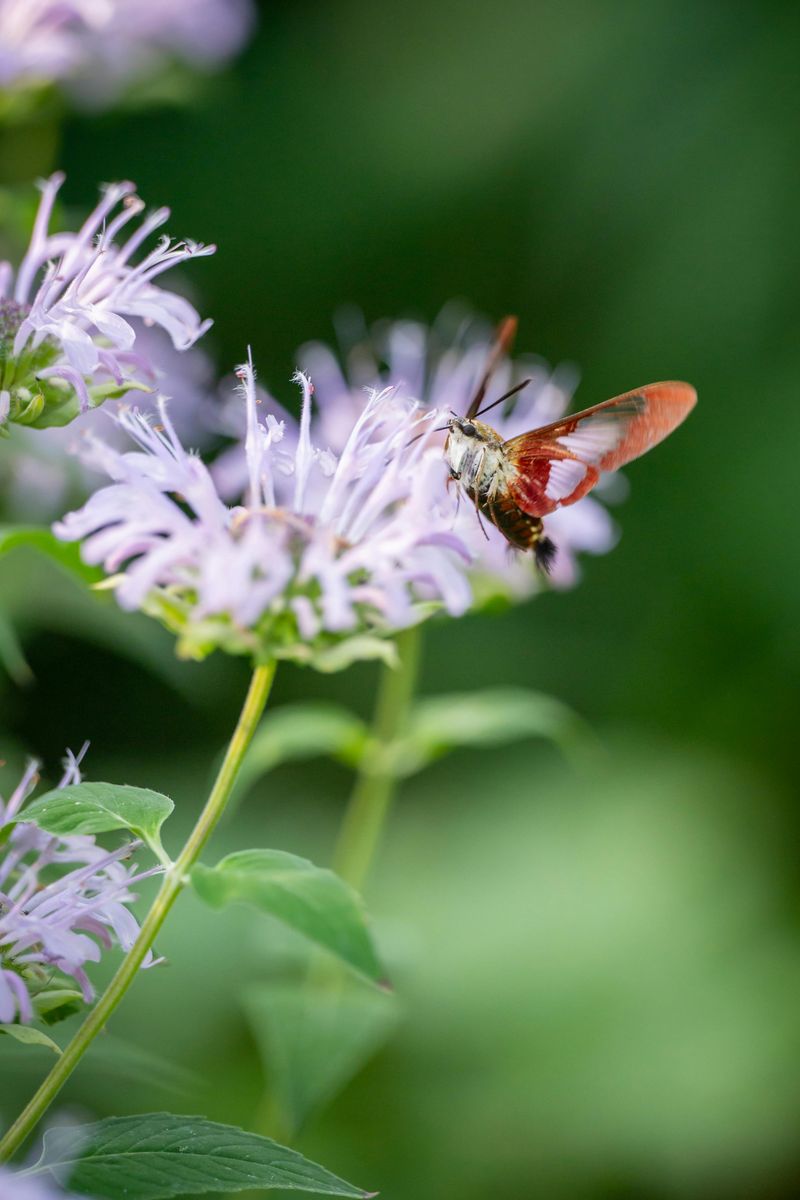
Trimming spent blooms sounds like a chore, but with Wild Bergamot it is genuinely one of the most satisfying five minutes you can spend in the garden.
When the first round of flowers begins to fade and go brown, snipping them off just above the next set of leaves signals the plant to push out a fresh flush of blooms.
This simple trick can extend the flowering season by a few weeks, which is significant when you are trying to keep hummingbirds coming back through the hottest months.
A pair of clean garden shears and ten minutes every couple of weeks is all it takes to keep the show going. Watering during dry spells also plays a bigger role than most gardeners expect.
Wild Bergamot is drought-tolerant once established, but a deep watering every ten to fourteen days during prolonged dry stretches helps maintain flower production and keeps the foliage looking healthy.
Soaker hoses or drip irrigation work better than overhead sprinklers because wet leaves can invite powdery mildew, a common but manageable issue with plants in the mint family.
Fertilizing is almost never necessary and can actually backfire by pushing leafy green growth at the expense of flowers.
If your soil is particularly poor, a light application of compost worked into the soil in early spring gives the plant a gentle seasonal boost without overdoing it.
The less you fuss over Wild Bergamot, the more it tends to reward you, which is a refreshing change of pace from high-maintenance garden favorites.
Native Plants That Pair Well With Wild Bergamot
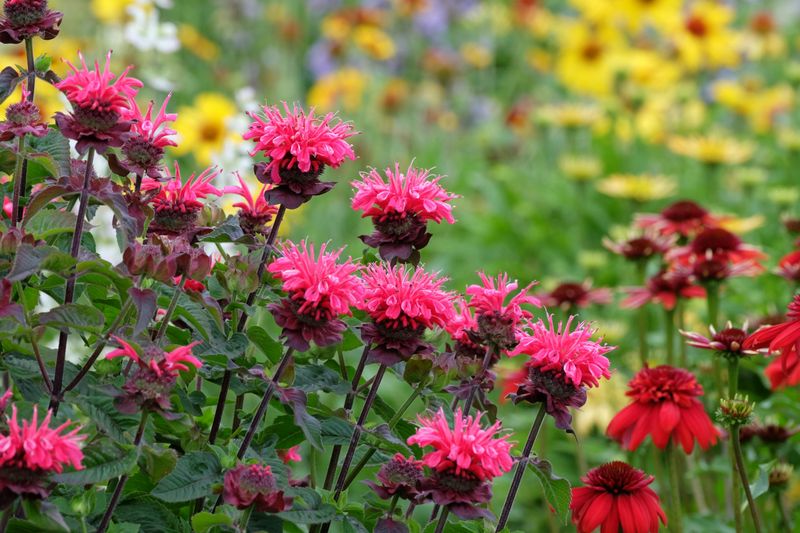
Pairing Wild Bergamot with the right companions can turn a single garden bed into a full-blown wildlife sanctuary.
Purple coneflower, known botanically as Echinacea purpurea, is one of the best partners you can choose.
Both plants bloom around the same time, thrive in similar soil conditions, and together create a color palette of lavender and rosy-pink that is almost irresistible to hummingbirds and bees alike.
The two plants also grow to similar heights, which keeps the visual composition balanced and tidy without requiring much intervention from you.
Black-eyed Susan is another natural companion that extends the season slightly beyond what Wild Bergamot offers on its own.
Its bright golden-yellow blooms contrast beautifully with the cooler tones of Wild Bergamot and attract a different set of pollinators that add movement and life to the garden.
Butterfly weed, a native milkweed species with vivid orange clusters, rounds out the trio by providing an early-season nectar source that keeps pollinators engaged before Wild Bergamot reaches peak bloom.
Tall blazing star, or Liatris spicata, adds vertical drama behind Wild Bergamot and blooms in late summer just as the main show begins to wind down.
That staggered timing creates a seamless relay of flowers that keeps the garden productive from June through September.
Thinking of your garden as a seasonal relay race rather than a single event changes how you plan it entirely.
A thoughtfully layered native planting gives hummingbirds a reason to treat your yard as a reliable food source rather than a one-time stop.
Attracting More Than One Hummingbird At A Time
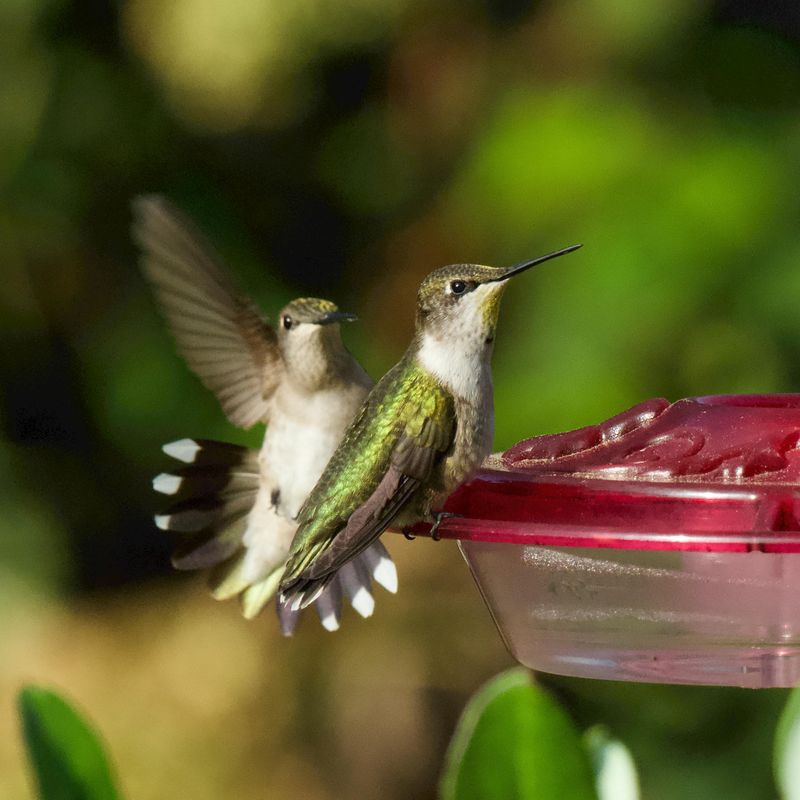
Most backyard birders start out thrilled to spot a single hummingbird, then quickly become obsessed with attracting a whole crowd of them.
The secret to drawing multiple birds at once comes down to resource abundance. Hummingbirds are fiercely territorial, and a single plant is easy for one dominant male to guard and monopolize.
Planting Wild Bergamot in clusters of five or more spread across different sections of your yard makes it physically impossible for one bird to defend everything at once.
That territorial standoff creates openings for other birds to slip in and feed, which is exactly what you want to see. Adding a clean water feature nearby boosts your odds considerably.
Hummingbirds love to bathe in very shallow, gently moving water, and a simple mister or dripper attached to a bird bath can become a major draw.
Position it within a few feet of your Wild Bergamot planting and you have created an all-inclusive resort that covers both dining and bathing needs.
Birds that find both food and water in one spot tend to linger longer and return more consistently.
Supplementing with a feeder placed about ten feet away from the plant gives subordinate birds an alternative food source when the dominant male is busy chasing others away from the flowers.
Fill it with plain sugar water, one part sugar to four parts water, and skip the red dye entirely since it is unnecessary and potentially harmful.
With the right combination of plants, water, and feeders, seeing three or four hummingbirds at once becomes a realistic expectation rather than a lucky accident.
Native Vs. Store-Bought Varieties Of Wild Bergamot
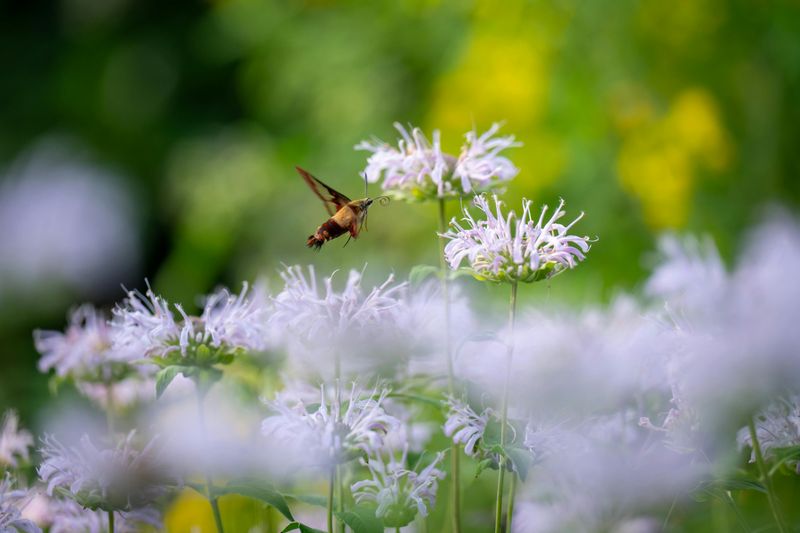
Walking into a garden center and grabbing the first Monarda you see sounds like a shortcut, but it could actually slow your hummingbird results down significantly.
Many nurseries sell cultivated varieties of Monarda that have been bred for showier colors, bigger blooms, or compact growth habits.
Those traits appeal to human shoppers, but they can come at a cost to the plant’s original nectar chemistry and flower shape.
Some hybrid cultivars may produce blooms with altered tube lengths or reduced nectar output in some cases, which can make them less efficient fuel stops for hummingbirds compared to the straight native species.
True native Wild Bergamot, the species Monarda fistulosa, is the version that evolved here alongside the birds and insects you are trying to attract.
It may look slightly less polished than a fancy hybrid, but its ecological value is significantly higher.
Look for plants labeled as straight species or local ecotype at native plant nurseries, prairie restoration suppliers, or plant sales hosted by conservation groups. Those sources are far more likely to carry the real deal than big-box garden centers.
Seed starting is another excellent option that guarantees you are working with genetically authentic plants. Wild Bergamot seeds are widely available from reputable native seed companies.
For better germination, cold stratify the seeds in a damp paper towel inside the refrigerator for 30 to 60 days before planting. Starting them indoors six to eight weeks before the last frost date then gives you healthy transplants ready for spring.
Choosing the true native form of Wild Bergamot is one of the most impactful decisions you can make for hummingbirds and for the long-term health of your garden ecosystem.