Edible Texas Plants Homeowners Are Growing Instead Of Ornamentals Along Fence Lines
Fence lines in Texas yards are some of the most underused growing spaces a homeowner has. They get sun, they have structure for climbing plants, and they run along the perimeter of the property where something productive can grow without taking over the main yard.
Most of the time though, they get filled with the same ornamental shrubs and vines that look decent and do nothing else.
A growing number of Texas homeowners are rethinking that default, replacing purely decorative fence line plants with edible options that pull double duty.
The right edible plants can look just as attractive as ornamentals, handle the heat and soil conditions along a sun exposed fence, and produce food through a good portion of the Texas growing season.
It is one of those changes that makes a yard more interesting and more useful at the same time, without requiring a complete landscaping overhaul to pull off.
1. Passionflower
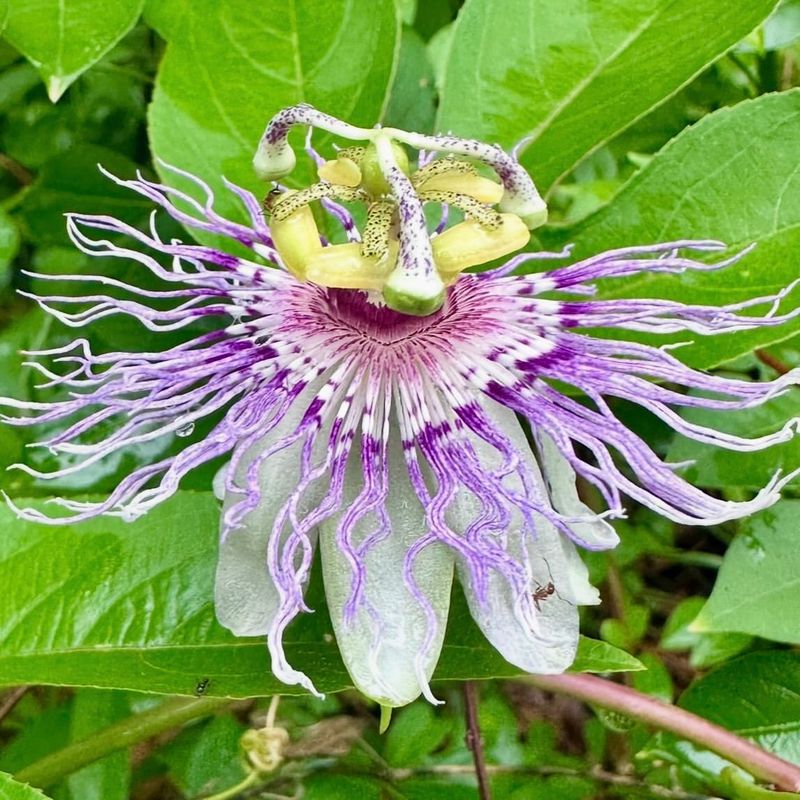
Few plants stop people in their tracks quite like passionflower. The blooms look like something from a tropical rainforest, with intricate purple and white petals fanning out around a crown of vivid filaments.
Neighbors will ask what it is every single time. Passionflower vines are surprisingly tough in Texas. They handle summer heat well and come back reliably each spring in most parts of the state.
Once established, they spread quickly along a fence and fill in gaps with dense, attractive foliage that provides real privacy.
Beyond the stunning flowers, certain varieties of passionflower produce edible fruit. Passiflora incarnata, also called maypop, is the native Texas species and produces small yellow-green fruits with a sweet, tropical flavor.
You can eat them fresh or use them to make jelly and juice. Planting is straightforward. Choose a sunny fence line with decent drainage, and give the vine something to grab onto like wire or lattice.
Water regularly during the first season to help roots get established, then back off because mature vines are quite drought tolerant.
One thing to know is that passionflower spreads by underground runners, so you may find new shoots popping up a few feet away from the original plant. Simply remove any shoots you do not want or redirect them along the fence.
With a little guidance, this vine becomes one of the most dramatic and productive edible fence plants a Texas homeowner can grow.
2. Blackberry
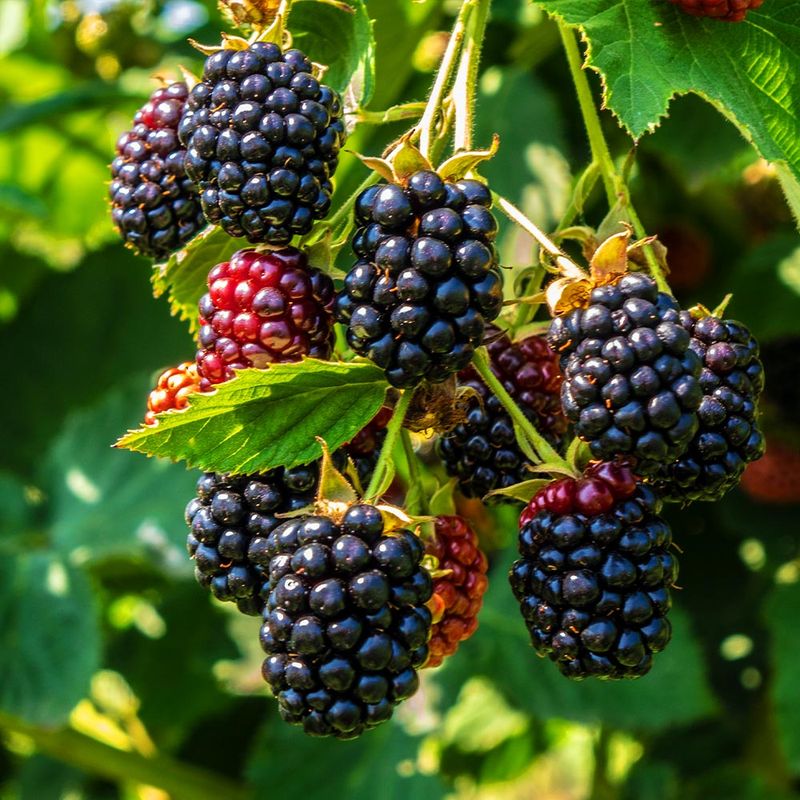
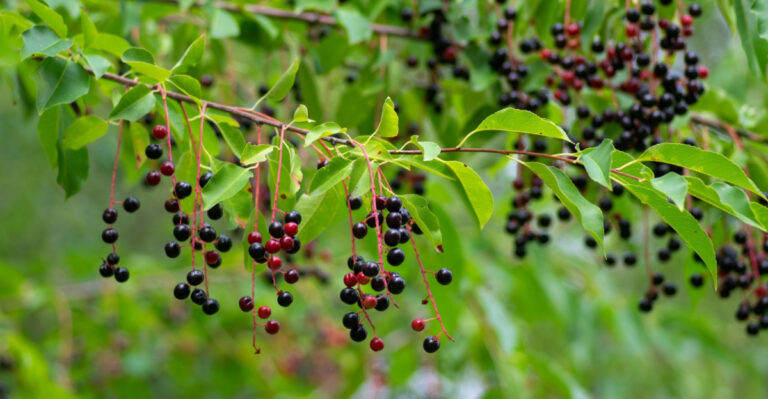
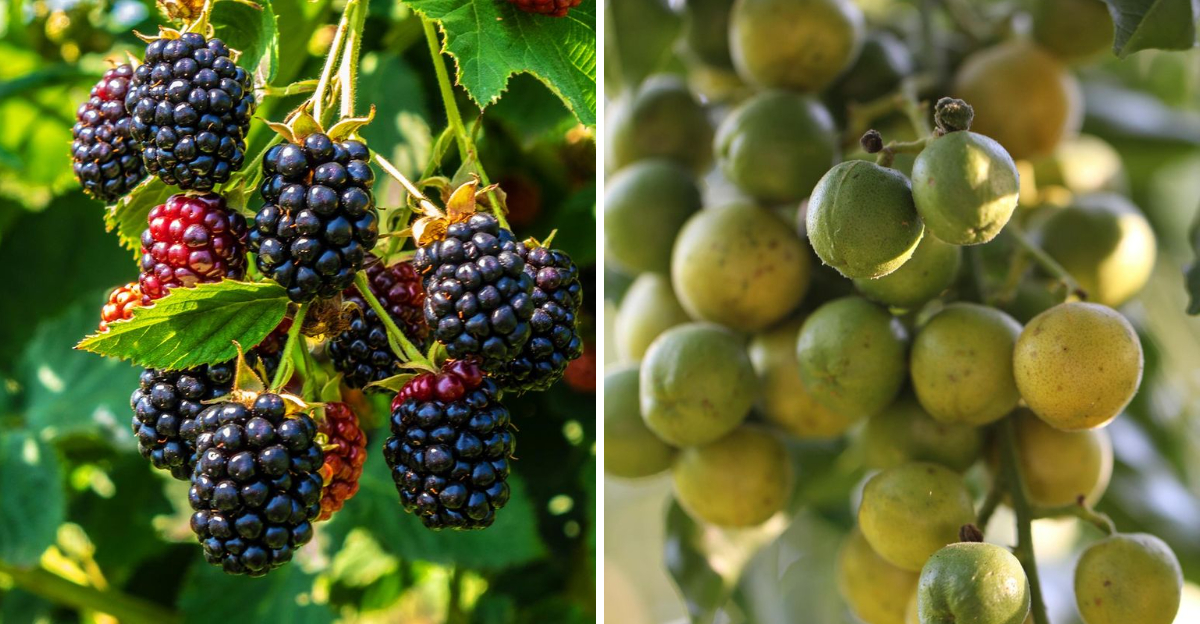
Walk past a well-established blackberry hedge in July and you will understand why so many Texas homeowners are replacing plain wooden fences with living, fruiting ones. The canes arch gracefully, the white flowers are pretty in spring, and then comes the fruit.
Clusters of glossy black berries appear by the handful, and they taste nothing like the ones from a grocery store.
Blackberries are one of the easiest edible plants to grow along a Texas fence line. They are native to the region, so they already know how to handle the heat, the clay soil, and the unpredictable rainfall.
Varieties like Brazos and Kiowa were actually developed specifically for Texas growing conditions and produce large, flavorful berries.
Your Texas Garden Changes Every Week. Your Plan Should Too.
Gardening in Texas changes quickly throughout the season. Every Friday you’ll receive a simple weekly plan showing exactly what to plant, prune, fertilize, harvest, and protect so you never miss the right timing.
The thorns on most varieties serve a practical purpose too. A mature blackberry hedge becomes a genuine barrier that discourages foot traffic and unwanted entry along property lines.
If you prefer a less prickly option, thornless varieties like Natchez are available and still produce well.
Plant bare-root canes in late winter or early spring for best results. Space them about four to five feet apart along the fence and tie the canes loosely to the fence wire as they grow.
After harvest each year, cut the canes that fruited all the way back to the ground. New canes will replace them and carry next year’s crop.
Blackberries reward minimal effort with a generous harvest that works beautifully for pies, jams, smoothies, and fresh snacking straight off the vine.
3. Muscadine Grape
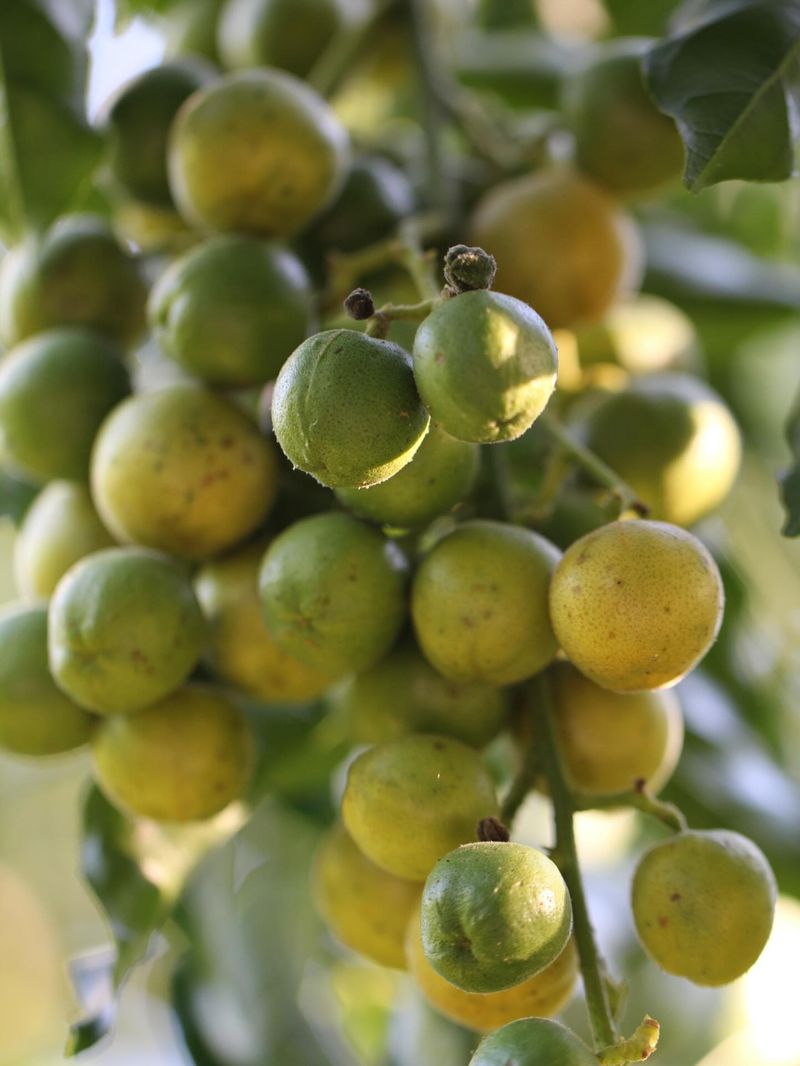
Muscadine grapes have been growing wild in the American South for centuries, long before anyone thought to plant them on purpose.
Native Americans harvested them from forest edges, and early settlers made wine and preserves from their thick-skinned, intensely flavored fruit.
Today, Texas homeowners are rediscovering this powerhouse vine as one of the best edible fence plants available.
The heat that burns up other grape varieties actually suits muscadines just fine. They are bred for exactly this kind of climate and resist most of the fungal diseases that plague European grapes in humid Southern summers.
Once a muscadine vine grabs hold of a fence or trellis, it covers it fast and holds on tight for decades.
Fruit production is generous. A single mature vine can produce anywhere from twenty to forty pounds of grapes per season depending on the variety and growing conditions.
Popular Texas-adapted varieties include Fry, Carlos, and Noble. The grapes ripen in late summer to early fall and are excellent for fresh eating, juice, jelly, and homemade wine.
Planting muscadines requires a sturdy support structure because the vines get heavy with age. A metal t-post fence with wire runs works perfectly.
Plant vines in well-drained soil in full sun, water deeply during establishment, and apply a balanced fertilizer in early spring each year. Prune in late winter to keep the vine productive and manageable.
With just a little annual care, muscadine grapes reward you with beautiful coverage and a reliable harvest year after year.
4. Fig Tree
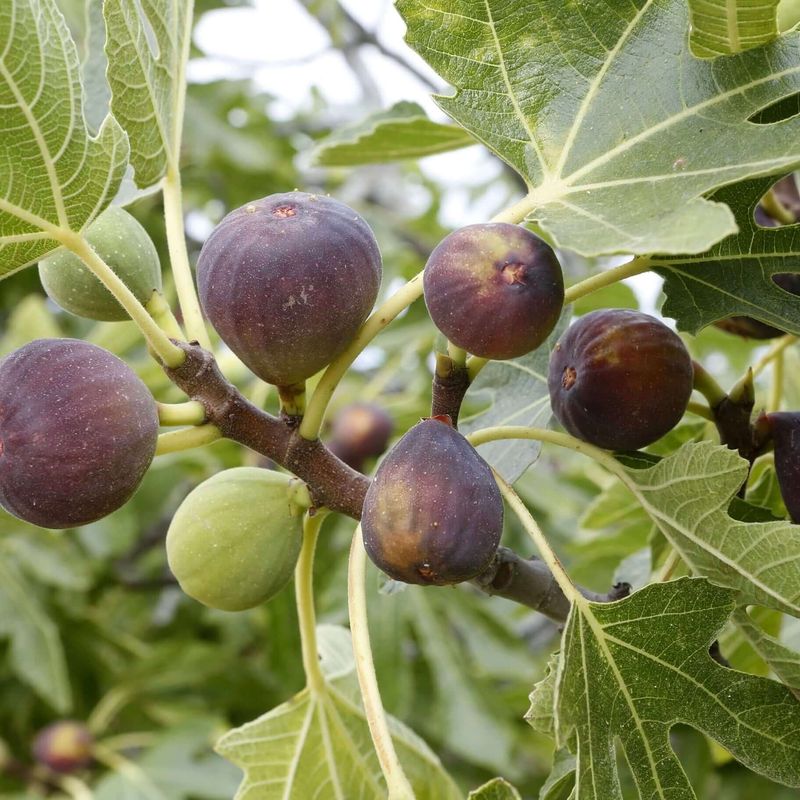
There is something almost old-world about a fig tree trained flat against a fence. The technique is called espalier, and it has been used in European kitchen gardens for hundreds of years to grow fruit trees in tight spaces.
Texas homeowners are catching on fast because figs are one of the most forgiving and productive edible plants you can grow in the state.
Figs love Texas. They thrive in the heat, tolerate drought once established, and produce two crops per year in many parts of the state.
The first crop, called the breba crop, comes in early summer on last year’s wood. The main crop follows in late summer and early fall and is typically the larger of the two harvests.
Training a fig along a fence is easier than it sounds. Start with a young tree and select a few main branches to run horizontally along the fence wire.
Tie them gently as they grow and remove any branches that grow straight out away from the fence. Over two or three seasons, the tree flattens naturally and creates a striking, productive wall of foliage and fruit.
Celeste and Brown Turkey are two varieties that perform especially well in Texas. Both are cold-hardy enough to handle most Texas winters without protection.
Figs need very little fertilizer and actually produce better fruit when not overfed with nitrogen. Give them full sun, decent drainage, and an occasional deep watering during dry spells.
In return, they offer generous harvests of sweet, honey-rich fruit that fresh, dried, or preserved tastes absolutely wonderful.
5. Rosemary
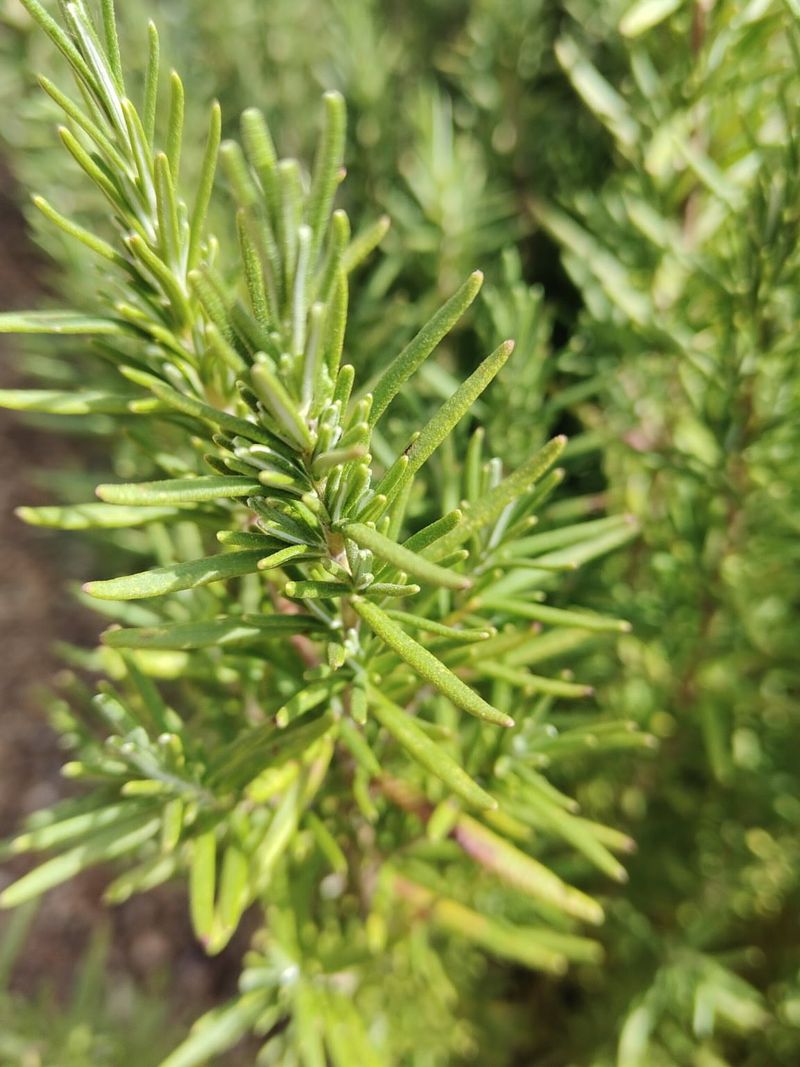
Rosemary might just be the most underrated edible hedge plant in Texas. Most people think of it as a small potted herb sitting on a kitchen windowsill, but left to grow freely in a Texas yard, rosemary becomes a full-sized shrub that can reach four to six feet tall and just as wide.
Plant a row of them along a fence and you have a fragrant, evergreen, edible hedge that practically takes care of itself.
Few plants are as forgiving of Texas summers as rosemary. It was built for hot, dry conditions and actually suffers more from overwatering than from drought.
Once established, a rosemary hedge needs almost no supplemental irrigation in most parts of Texas. It simply grows, blooms, and stays beautiful while other plants struggle through August heat.
The culinary benefits are obvious. Fresh rosemary is available year-round for roasting vegetables, seasoning meats, infusing oils, and making herb butters.
The flavor of homegrown rosemary is noticeably stronger and more aromatic than anything from a grocery store package. Snipping a few sprigs takes seconds and costs nothing.
Tuscan Blue and Hill Hardy are two excellent varieties for Texas fence lines. Both grow upright and respond well to shaping if you want a more formal hedge look.
Plant rosemary in well-drained soil with full sun exposure. Avoid planting in low spots where water pools after rain because soggy roots are the one thing rosemary truly cannot handle.
Space plants about three feet apart for a full hedge effect within two growing seasons. The blue flowers that appear in late winter and spring are also a favorite early food source for bees and pollinators.
6. Pomegranate
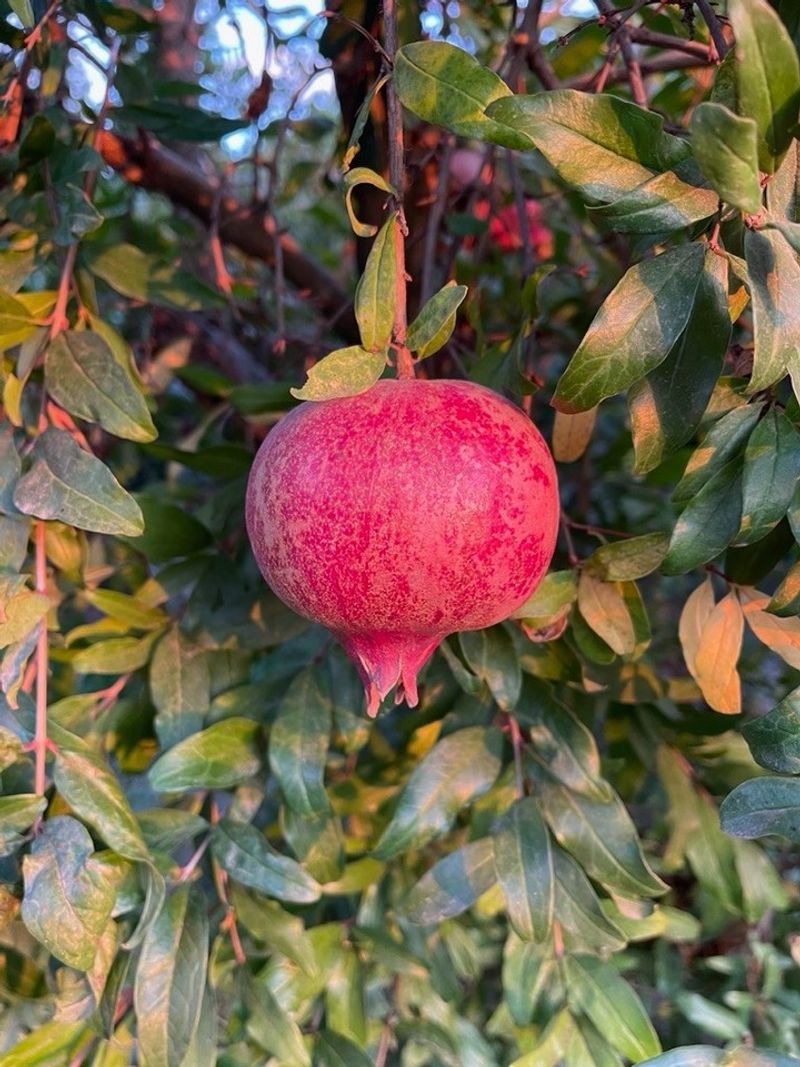
Pomegranates have been grown in hot, dry climates for thousands of years, and they fit right into a Texas yard as if they belong there. The shrubs are tough, long-lived, and genuinely beautiful through every season.
In spring, they burst into bloom with vivid orange-red flowers that would look impressive even if the plant never produced a single fruit.
As a fence plant, pomegranate checks every box. It grows dense enough to create real visual privacy, reaches six to ten feet tall depending on the variety, and handles Texas heat and drought without complaint.
The multi-stem growth habit fills in horizontal space nicely, making it ideal for longer fence runs where you want consistent coverage.
Fruit production usually begins in the second or third year after planting and increases steadily as the shrub matures. Texas summers provide exactly the long, hot growing season pomegranates need to develop their signature sweet-tart flavor.
Varieties like Wonderful and Salavatski perform reliably across most of Texas and ripen in September through November.
Harvesting is easy once you know the signs. Ripe pomegranates develop a deep red color and make a metallic sound when tapped.
Cut them from the stem rather than pulling to avoid tearing the skin. The arils inside are packed with juice and work beautifully in salads, drinks, and desserts or simply eaten by the spoonful straight from the fruit.
Plant pomegranates in full sun with well-drained soil. They need minimal pruning, just enough to remove crossing branches and maintain an open shape.
A little patience in the first couple of years pays off with decades of reliable, beautiful, edible production along your fence line.
7. Chile Pepper
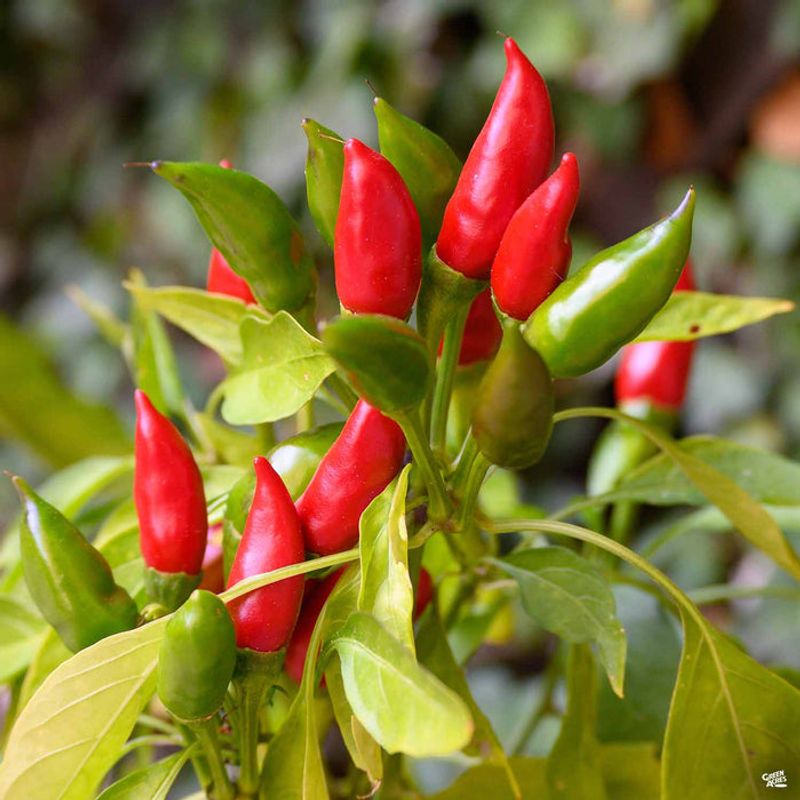
If you have ever driven through South Texas in August, you already know that chile peppers and Texas heat are basically best friends. These plants do not just survive the scorching summers here, they thrive in them.
A row of chile pepper plants along a sunny fence line becomes one of the most productive and colorful edible borders a Texas homeowner can plant.
The variety options are almost endless. Serranos, jalapeños, anchos, cayennes, and Thai chiles all grow beautifully along a fence.
Taller varieties like Big Jim and Hatch-style Anaheims can reach three feet or more, creating a lush green border that fills in quickly from late spring through fall. The peppers themselves add brilliant splashes of red, orange, yellow, and purple as they ripen.
Peppers are heavy producers when given full sun and consistent moisture. Planting them along a fence that faces south or west maximizes heat exposure and encourages the biggest harvests.
A simple drip irrigation line running along the fence base keeps watering easy and efficient, which peppers appreciate during the hottest stretches of summer.
Start seeds indoors about eight weeks before the last frost date, or purchase transplants from a local nursery in spring. Set plants about eighteen inches apart along the fence and add a layer of mulch to hold moisture and keep roots cool.
Harvest peppers regularly to encourage the plant to keep producing. The more you pick, the more the plant sets new fruit.
Roast them, pickle them, freeze them, or string them to dry. A single season of fence-line peppers can stock a Texas kitchen for months.