10 Winter Houseplants That Bloom Right When New York Gardeners Need Color Most
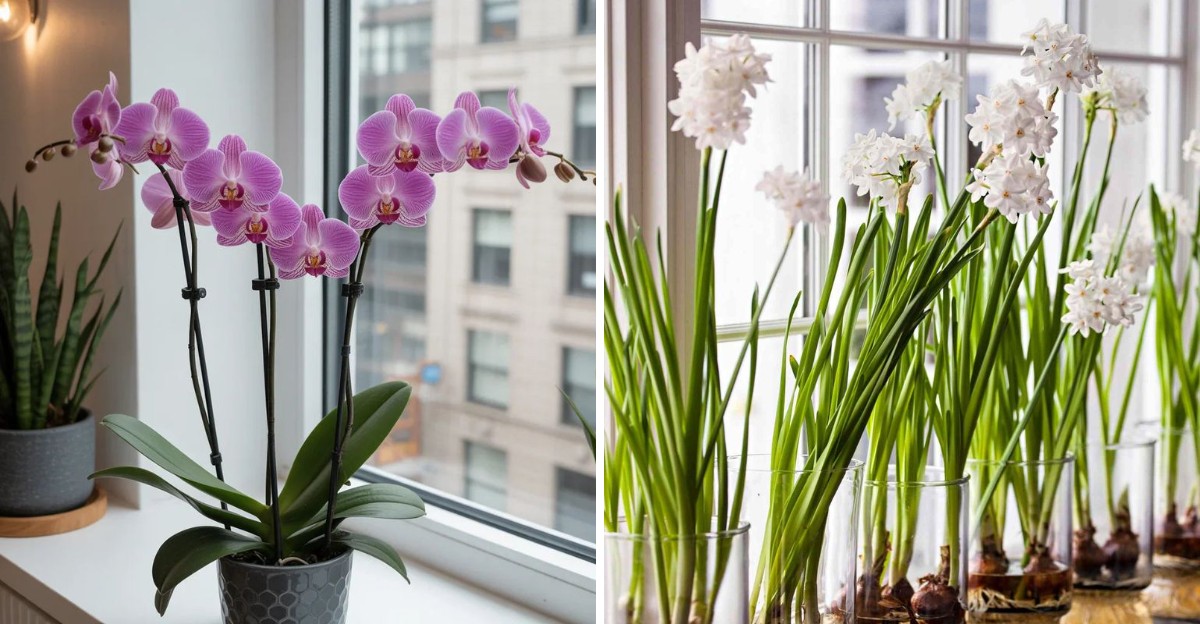
Outside, the sky looks like leftover dishwater, the snowbanks have gone a sad shade of gray, and your garden boots are sulking by the door. Classic New York winter mood.
But inside? Something sneaky is happening.
A handful of clever houseplants have been waiting all year for the coldest, gloomiest weeks to show off. Talk about dramatic timing.
They ask for very little, mostly a bright window and a bit of your attention. In return, they toss out pinks, reds, purples, and whites like confetti at a parade.
So if winter has you craving color like a kid craving snow days, relief is closer than you think. Grab a warm drink and meet the indoor bloomers ready to brighten your windowsill.
Bonus: unlike your sidewalk, none of them need shoveling.
1. Christmas Cactus Brings Holiday Cheer To Windowsills
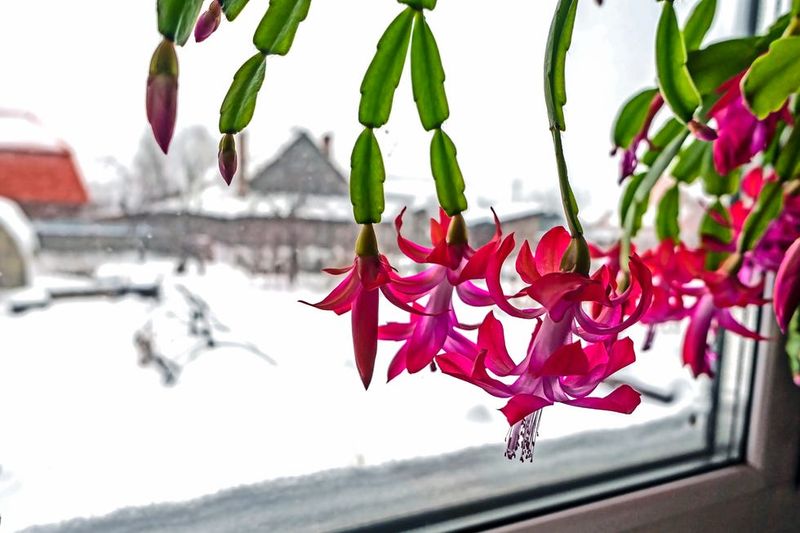
Grandma’s Christmas cactus might be older than you are. Many families pass cuttings down for generations, and the plants keep blooming year after year with simple care.
Unlike desert cacti, this one comes from the rainforests of Brazil. It grows on tree branches in the wild, so it likes bright, filtered light instead of harsh, direct sun.
An east-facing window in a New York apartment suits it nicely.
Getting buds to form takes a little trickery. In fall, give the plant about 12 to 14 hours of darkness each night for six weeks.
Cool temperatures around 55 to 60 degrees help too, which is easy near a drafty window.
Once buds appear, try not to move the pot. Sudden changes in light or temperature can make the buds drop, which is frustrating after all that waiting.
Keep it in one happy spot.
Water when the top inch of soil feels dry. Soggy roots cause rot, so a pot with drainage holes matters a lot.
Use a fast-draining mix, like cactus soil blended with some potting soil.
Blooms come in pink, red, white, orange, and purple. Each flower hangs from the tips of the flat stems like a tiny lantern, bringing a festive glow right when the holidays arrive.
2. Amaryllis Puts On A Big Show For Plant Lovers
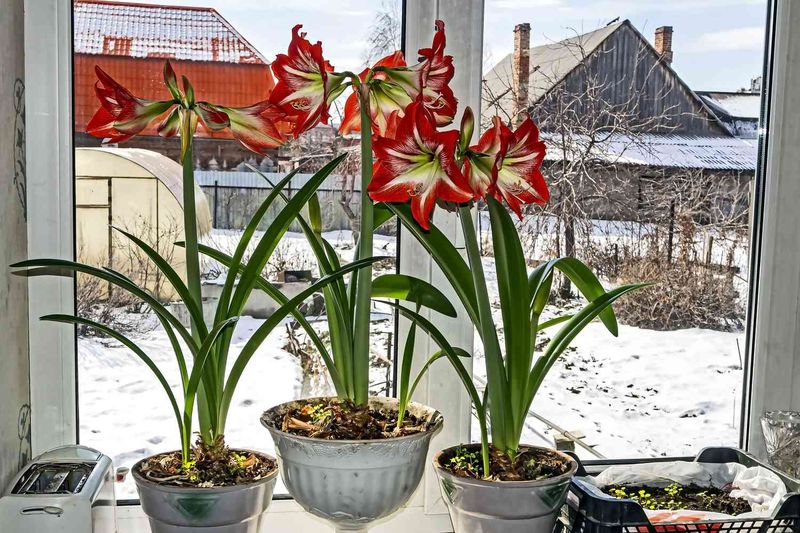
Few things are more exciting than watching an amaryllis bulb wake up. One week you have a plain brown lump, and a few weeks later you have flowers as big as your hand.
Planting is easy enough for kids to try. Choose a pot just an inch or two wider than the bulb.
Leave the top third of the bulb sticking out of the soil, then water it once and wait.
Warmth speeds things up. A spot around 70 degrees with bright light works best.
Once the green stalk starts rising, water lightly whenever the soil feels dry on top.
Turn the pot a little every few days. Otherwise, the stalk leans toward the window like it is trying to peek outside.
Heavy blooms may need a thin stake for support.
Timing is the fun part. Many bulbs bloom about six to ten weeks after planting, depending on the variety and how warm your home stays.
Your New York Garden Changes Every Week. Your Plan Should Too.
Gardening in New York changes quickly throughout the season. Every Friday you’ll receive a simple weekly plan showing exactly what to plant, prune, fertilize, harvest, and protect so you never miss the right timing.
Start a few in November and a few more in December, and you can stretch the flowers well into a gray New York winter.
After the flowers fade, cut off the stalk but keep the leaves. Feed the plant through spring and summer.
With some rest in fall, the same bulb can bloom again next winter.
One quick safety note: amaryllis bulbs and leaves are toxic to cats and dogs, so keep the pot out of reach of curious pets.
3. Moth Orchids Thrive In Cozy Apartments
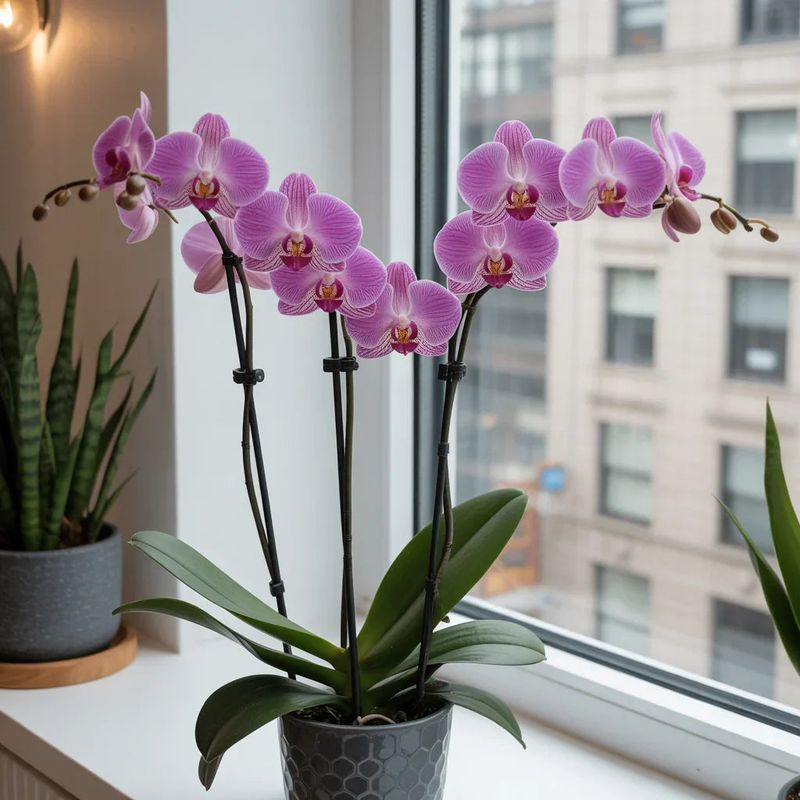
Orchids have a fancy reputation, but the moth orchid is surprisingly laid-back. Grocery stores sell them for a reason.
They handle normal home conditions better than most people expect.
Winter is when many moth orchids start sending up new flower spikes. A small drop in nighttime temperature, about ten degrees cooler than daytime, nudges them to bloom.
Heated New York apartments with chilly windows often do the job naturally.
Light should be bright but gentle. An east window is a sweet spot.
If the leaves turn yellowish, the plant is getting too much sun, and dark green leaves can mean too little.
Watering is where folks slip up. Moth orchids grow in bark, not regular soil, and they want to dry out between drinks.
Many growers soak the pot for ten minutes once a week, then let it drain fully.
Dry winter air can be rough on them. Setting the pot on a tray of pebbles and water raises the humidity a bit.
Bathrooms with a bright window work wonders too.
Here’s the best part. A single spike can stay in bloom for two or three months.
That means one plant can carry color from January well into spring.
4. Cyclamen Loves The Chilly Rooms Of A New York Winter
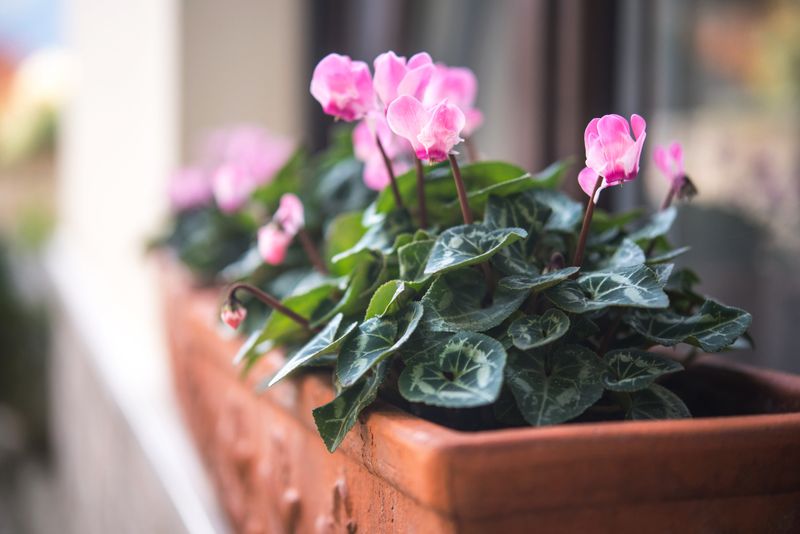
Got a chilly room that nobody wants to sit in? Cyclamen will happily take it.
Most houseplants sulk in the cold, but this one actually prefers it.
Its flowers look like little butterflies with their wings swept back. They come in shades of pink, red, white, and purple.
The heart-shaped leaves often have silver marbling, so the plant looks pretty even between blooms.
Temperature is the secret. Cyclamen likes days around 60 to 65 degrees and nights near 50.
A warm living room by a radiator will make it droop fast, so a cool bedroom or enclosed porch works far better.
Water from the bottom if you can. Pour water into the saucer, let the plant soak for about 20 minutes, then dump the extra.
Wetting the crown, where stems meet the soil, can cause rot.
Pull off faded flowers by giving the stem a gentle twist at the base. That tidy habit encourages fresh buds to keep coming.
Many New York gardeners treat cyclamen as a seasonal treat. In late spring, the plant naturally goes to sleep and drops its leaves.
Some people keep the tuber dry over summer and coax it back in fall for another round.
5. Kalanchoe Adds Bold Color To Desks And Counters
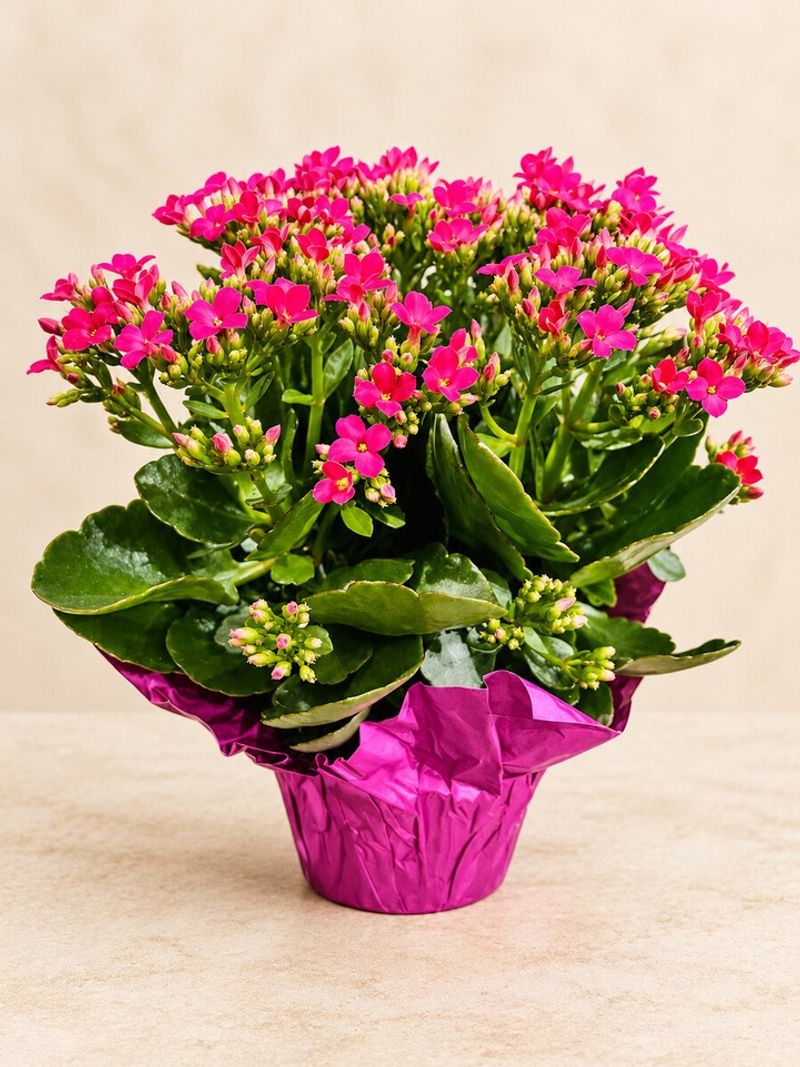
Small but mighty, kalanchoe packs dozens of tiny flowers into tight, cheerful clusters. One little pot can brighten a whole desk at work or school.
As a succulent, it stores water in its thick leaves. That makes it forgiving if you forget to water now and then.
Honestly, too much water is a bigger problem than too little.
Let the soil dry out almost all the way before watering again. In winter, that might mean once every two weeks.
Use a pot with drainage and a gritty cactus mix.
Sunlight keeps the flowers coming. A south or west window gives it the bright light it craves during short New York days.
If stems stretch and look leggy, the plant is hungry for more sun.
Kalanchoe blooms come in red, orange, yellow, pink, and white. Each flower cluster can last for weeks, and fresh buds keep opening behind the older ones.
Want it to bloom again next year? Similar to the Christmas cactus, it needs long nights.
Give it about 14 hours of total darkness each night for six weeks in fall. A closet or a cardboard box over the pot works fine.
6. Paperwhites Fill Homes With Sweet Fragrance
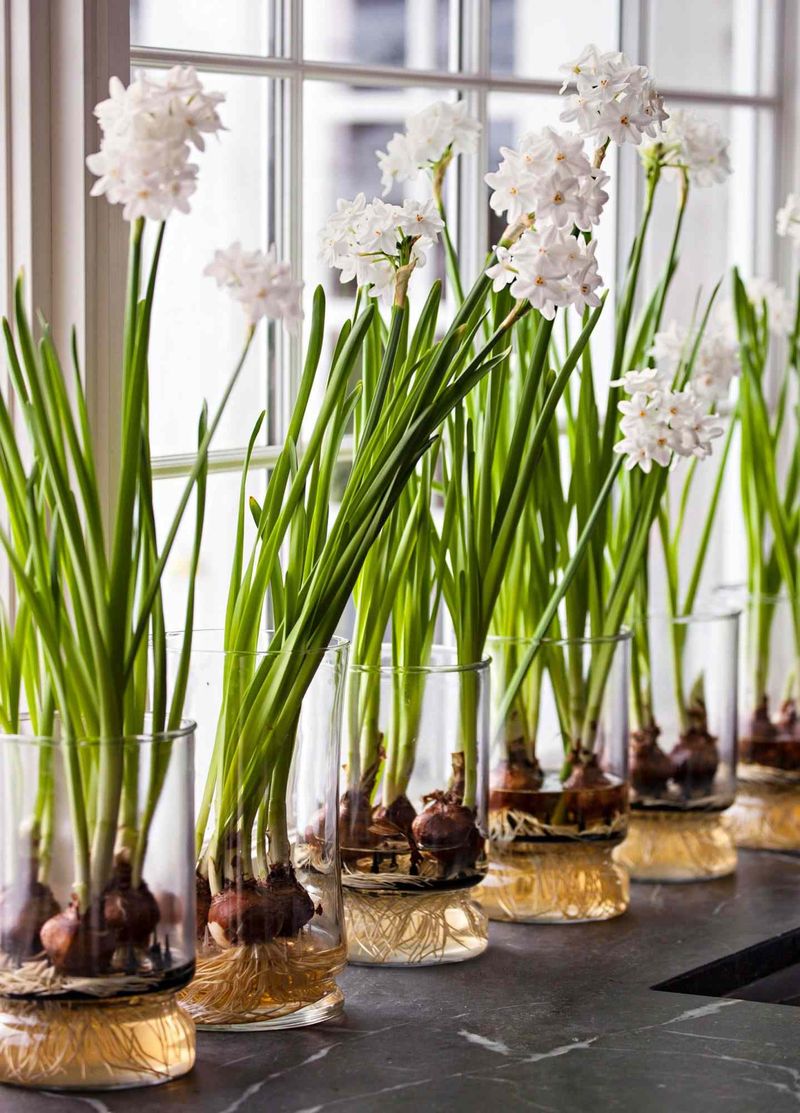
You might smell paperwhites before you see them. Their scent is strong and sweet, and some people adore it while others find it a bit much.
These are among the easiest winter bloomers around. You do not even need soil.
Just set the bulbs in a shallow bowl of pebbles, add water until it touches the bottoms of the bulbs, and watch.
Roots start growing within about a week. Green shoots follow, and clusters of small white flowers open in about four to six weeks.
Kids love tracking their growth on a calendar.
Tall stems can flop over. A clever trick from Cornell University’s Flower Bulb Research Program helps here.
Once the shoots reach about one to two inches above the bulb, pour off the water and replace it with a weak alcohol solution. Use one part 80-proof liquor, like gin or vodka, to seven parts water.
Using rubbing alcohol instead? Dilute it more, at one part rubbing alcohol to 10 or 11 parts water.
Skip beer and wine, since their sugars can cause problems for the plants.
The plants grow shorter and sturdier but still bloom normally. Just keep the solution weak, because stronger mixes can harm the bulbs.
Bright, cool spots keep the flowers fresh longer. Warm rooms make them fade faster.
Paperwhites usually do not rebloom indoors, so most folks add the spent bulbs to the compost. Buy a bag in fall and plant a few every two weeks.
That way, you get a fresh batch of blooms through the darkest stretch of a New York winter.
Paperwhites are toxic to pets, so set the bowl somewhere cats and dogs cannot reach.
7. African Violets Bloom Nonstop In New York Light
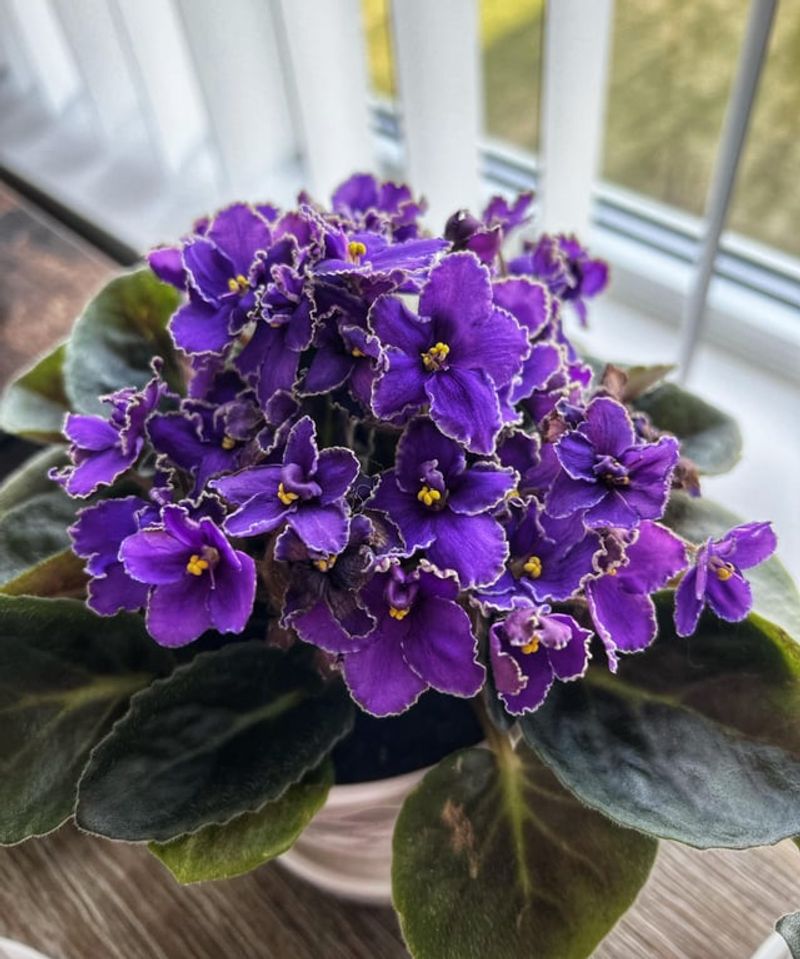
Back in the mid-1900s, African violets became a full-blown houseplant craze in America. Fans traded leaves, formed clubs, and held shows to compare their fuzzy treasures.
The craze made sense. These compact plants can flower almost all year, and they fit on the narrowest windowsill.
Purple is the classic color, but you can also find pink, white, blue, and even bicolor blooms.
Light matters most. Bright, indirect light from an east or north window works well.
During short days, many New York growers set them under a small LED grow light for about 12 hours a day.
Watering needs care. Cold water on the leaves leaves pale spots, so use room temperature water and pour it at the soil line or from below.
Keep the soil lightly moist, not wet.
Those fuzzy leaves collect dust. A soft paintbrush gently cleans them without causing harm.
Feeding helps keep blooms going. Use a fertilizer made for African violets at quarter strength each time you water.
Small pots are better than big ones, since these plants bloom best when their roots feel a little snug. Snap off spent flowers, and you can enjoy color for most of the year.
8. Clivia Glows Bright Orange During Late Winters
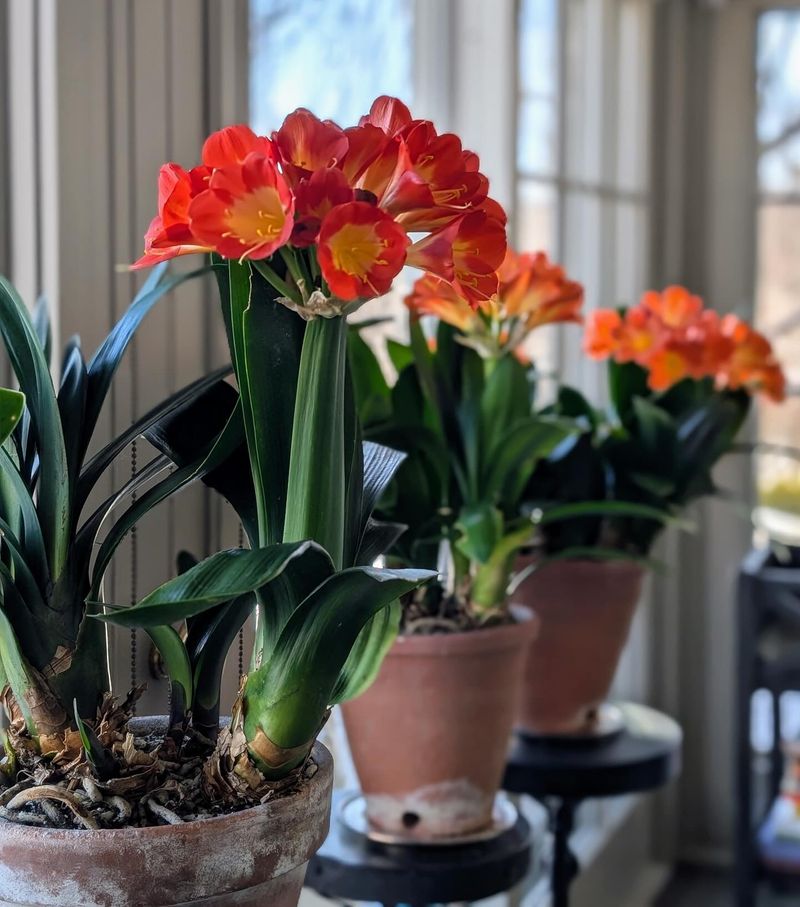
Patience pays off with clivia. It ignores you for most of the year, then suddenly shoots up a thick stalk topped with a ball of glowing orange trumpets.
Native to South Africa, clivia grows in shady forests. That means it does well in lower light than many bloomers.
A north window or a spot a few feet back from a sunny one suits it fine.
Its bloom trick is a cool, dry rest. In fall, give it several weeks in a room around 50 to 55 degrees, and water only lightly and occasionally.
A chilly hallway or unheated spare room in a New York house works well for this.
When a flower stalk peeks out, move the plant to a warmer spot and start watering normally again. Flowers usually open in late winter, often around February or March.
Clivias love being crowded in their pots. Repotting too often can actually delay blooms.
Many plants go several years without a new container.
Older plants can grow huge and produce several stalks at once. Some families keep the same clivia for decades.
Just keep it away from curious pets, since the plant is not safe for them to chew.
9. Forced Hyacinths Bring Spring Early To New York
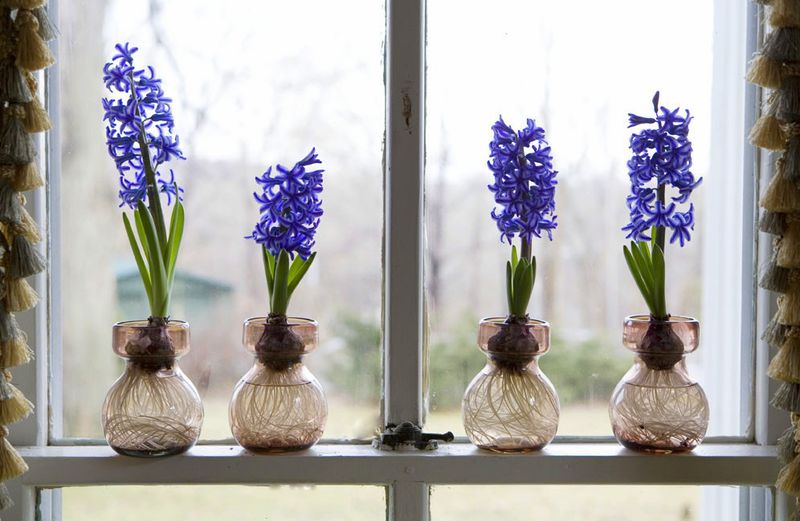
Spring arrives early when you force hyacinths. That just means tricking the bulbs into thinking winter already happened so they bloom indoors ahead of schedule.
Bulbs need about 12 to 14 weeks of cold first. Pop them in a paper bag in the back of your fridge, away from fruit.
Apples release a gas that can spoil the flowers inside the bulbs.
After chilling, set each bulb in a special forcing vase. The water should sit just below the bulb, not touching it.
Roots will reach down on their own, and watching them grow through clear glass is oddly satisfying.
Keep the vase in a cool, dim spot for a couple of weeks until the shoot is a few inches tall. Then bring it into bright light.
Soon you get thick spikes packed with starry flowers in blue, pink, purple, or white. The scent is rich and springy, like walking past a flower shop.
Start a batch in early October and you can have blooms by late January. For New York gardeners still months away from outdoor tulips, that early burst of color feels like a gift.
Wear gloves when handling bulbs, since they can itch sensitive skin.
10. Bromeliads Add Tropical Flair To Gray Days
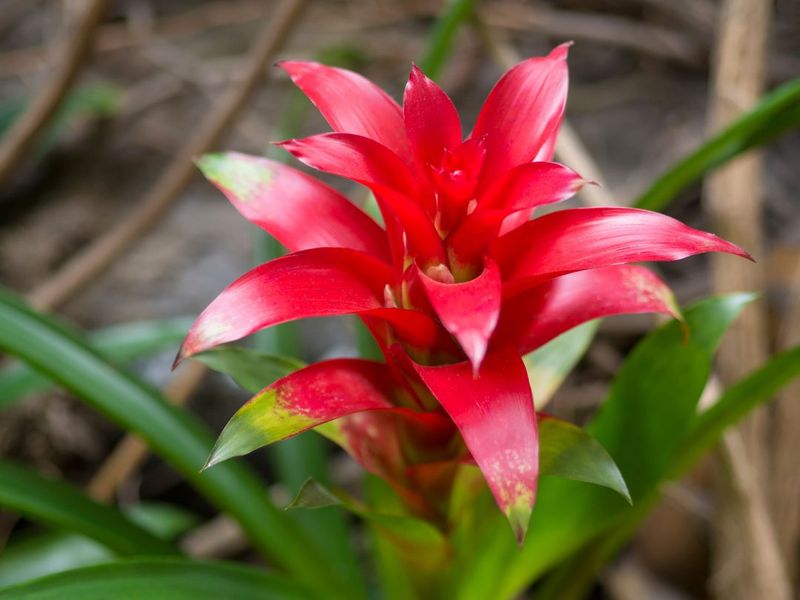
Think of bromeliads as a tiny tropical vacation in a pot. With bright red, pink, or yellow spikes rising from glossy leaves, they make a gloomy room feel like somewhere warm.
The pineapple is actually part of this plant family. Look closely and you’ll spot the resemblance in the leaf shape.
That colorful part is technically a bract, a special leaf, rather than a petal. The real flowers are small and tucked inside.
The good news is that bracts often hold their color for months, depending on the type.
Watering works differently here. Many bromeliads have a central cup formed by the leaves.
Keep a little water in that cup and flush it out every week or two so it stays fresh. The soil only needs light moisture.
Bright, indirect light keeps colors strong. They also enjoy humidity, so a pebble tray or a humidifier nearby helps during dry New York winters when radiators run all day.
Each plant blooms only once. Don’t worry, though.
Afterward, it grows baby plants called pups around its base. When a pup reaches about a third of the parent’s size, you can cut it free and pot it up.
In a couple of years, you’ll have a fresh bloom.