Heat-Loving Texas Vines For Fences And Pergolas This Summer
A bare fence or an empty pergola is a missed opportunity in a Texas summer garden.
The right vine transforms those structures into something genuinely impressive, adding layers of color, texture, and life to spaces that would otherwise just be wood and metal baking in the heat.
The challenge is that Texas summers are brutal enough to shut down vines that are not truly built for high heat and direct sun exposure.
Plenty of vines look great in the nursery and fall apart by August, leaving you with a skeletal tangle instead of the lush coverage you were hoping for.
Heat loving vines that are matched to Texas conditions are a completely different story. They lean into the heat, grow aggressively through the hottest months, and keep producing blooms or foliage long after more delicate plants have checked out for the season.
If you have a fence or pergola that needs covering, these are the vines worth planting.
1. Crossvine
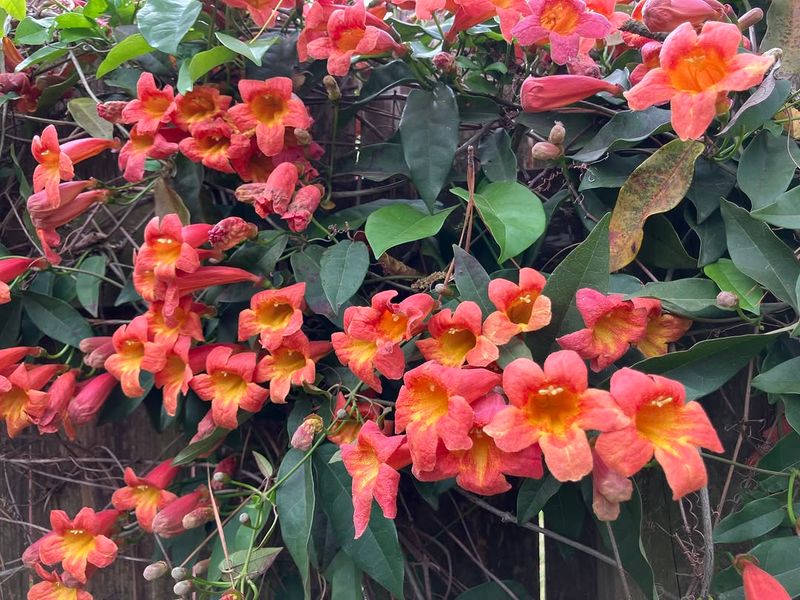
Few vines can match the sheer boldness of crossvine when it bursts into bloom. The flowers are trumpet-shaped and come in fiery shades of orange, red, and yellow that practically glow in the Texas sun.
Gardeners across the South have loved this vine for generations, and it is easy to see why. Crossvine is a native Texas plant, which means it has adapted over centuries to handle the kind of punishing heat that would wilt most other plants.
It clings to fences, trellises, and pergola posts using small disc-like tendrils that grip surfaces tightly. You do not need to do much training to get it going in the right direction.
One fun fact: the vine gets its name from the cross-shaped pattern you can see inside the stem when it is cut. It is a small but cool detail that makes this plant even more interesting.
Crossvine is semi-evergreen in most parts of Texas, meaning it holds its leaves through mild winters.
For best results, plant crossvine in a spot that gets full sun to partial shade. It blooms most heavily in spring but often pushes out new flowers through summer if conditions are right.
Water it regularly while it is getting established, then ease back once it takes hold. This vine is tough, adaptable, and absolutely stunning on a wooden or metal fence.
2. Coral Honeysuckle
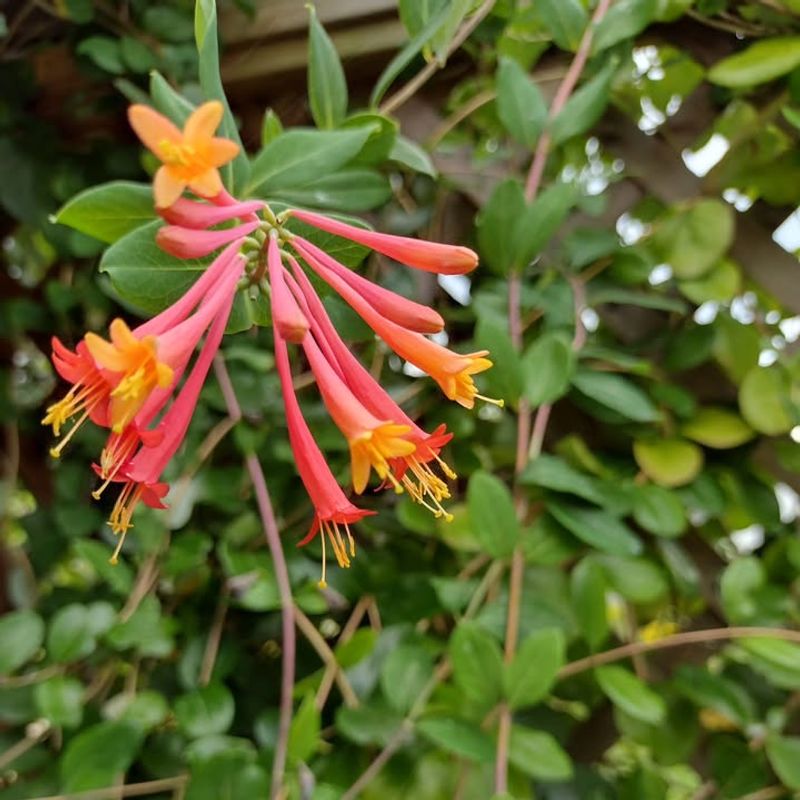
Walk past a coral honeysuckle in full bloom and you might just stop in your tracks. The tubular red and orange flowers are stunning, but the real show starts when hummingbirds show up to feed.
These little birds absolutely love this plant, and watching them dart from flower to flower is one of summer’s best free entertainment moments.
Unlike its invasive cousin Japanese honeysuckle, coral honeysuckle is a well-behaved native vine that plays nicely in the garden. It will not take over your yard or smother nearby plants.
Instead, it climbs steadily and fills its space with color without becoming a problem. That makes it a smart pick for homeowners who want beauty without the hassle.
Your Texas Garden Changes Every Week. Your Plan Should Too.
Gardening in Texas changes quickly throughout the season. Every Friday you’ll receive a simple weekly plan showing exactly what to plant, prune, fertilize, harvest, and protect so you never miss the right timing.
Coral honeysuckle handles full sun and partial shade with equal ease. It actually does quite well in Texas heat as long as you give it decent soil and regular watering during dry spells.
Once established, it becomes surprisingly tough and low-maintenance. Mulching around the base helps keep moisture in the soil during hot stretches.
This vine blooms from spring through fall, offering months of color and wildlife activity. It works beautifully on chain-link fences, wooden pergolas, and wire trellises.
The foliage is clean and attractive even when the plant is not blooming. If you want a vine that gives back to local wildlife while looking gorgeous, coral honeysuckle deserves a top spot on your planting list this summer.
3. Passionflower
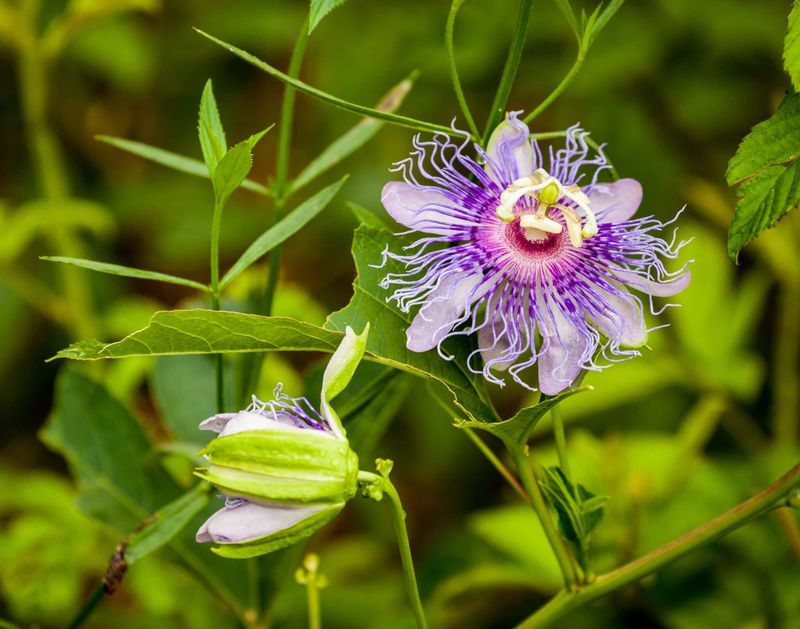
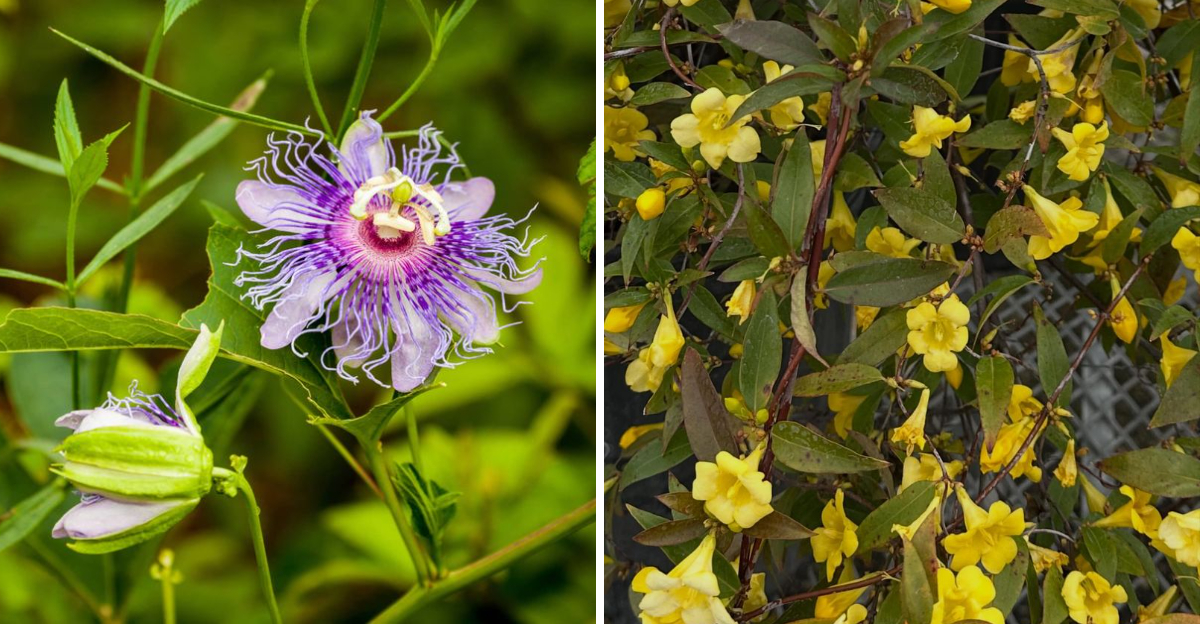
There is no flower in the Texas garden that looks quite as wild and otherworldly as the passionflower. The blooms are layered with purple, white, and blue fringe that looks like something out of a tropical rainforest.
First-time gardeners often do a double take when they see it for the first time, wondering if it is real.
Passionflower vines grow fast in summer heat, which makes them ideal for quickly covering a bare fence or pergola. They can easily put on several feet of new growth in a single season.
That rapid pace means you get results without waiting years for the vine to fill in. Just give it something to climb and watch it go.
Beyond the flowers, passionflower also produces small round fruits that wildlife enjoy. Butterflies, especially gulf fritillaries, use the leaves as a host plant for their caterpillars.
So planting passionflower essentially turns your pergola into a mini wildlife habitat, which is a pretty amazing bonus.
Native passionflower varieties like Passiflora incarnata are the best choice for Texas gardens. They handle drought better than tropical varieties and come back reliably year after year.
Plant them in full sun for the most blooms, though they tolerate some afternoon shade. Water consistently during the first season, then reduce irrigation once the roots are established.
Passionflower is one of those plants that rewards curious gardeners who are willing to try something a little different and spectacular.
4. Carolina Jessamine
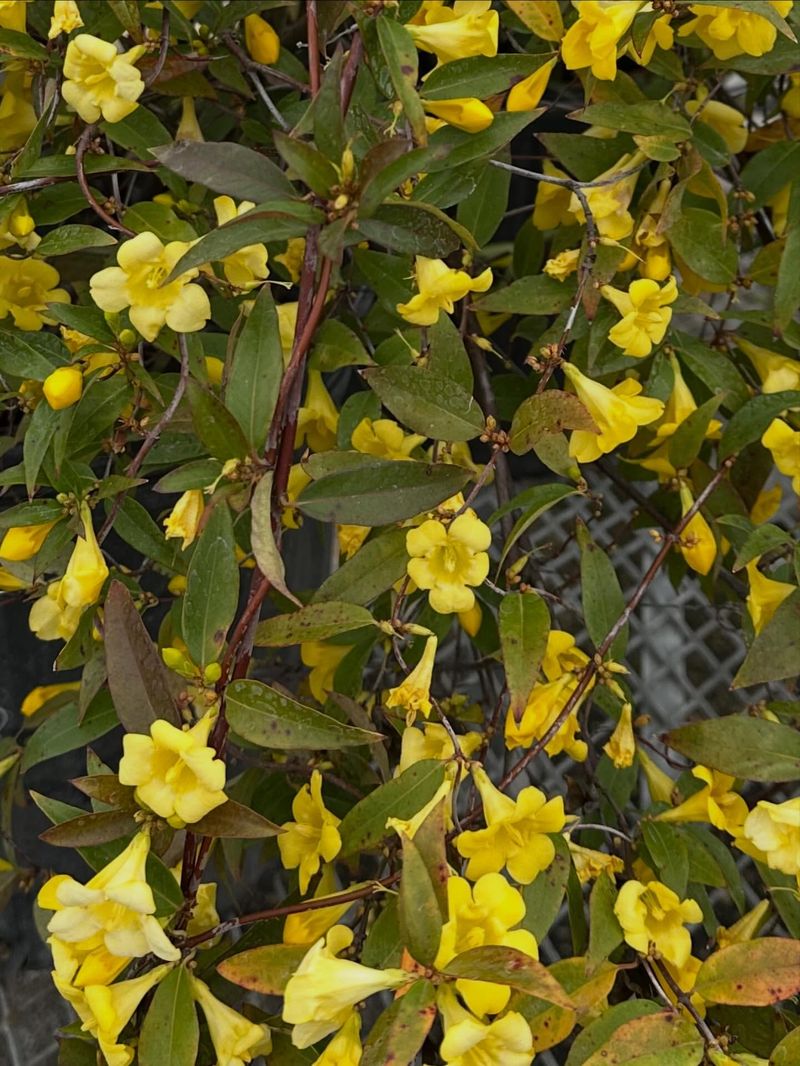
Bright yellow flowers, glossy evergreen leaves, and a sweet light fragrance make Carolina jessamine one of the most cheerful vines you can grow in Texas.
It is the kind of plant that makes a fence look like it belongs on the cover of a gardening magazine. And unlike some showstoppers, this one is surprisingly easy to care for.
Carolina jessamine is the official state flower of South Carolina, which gives you a clue about how well it handles humid and hot Southern conditions. In Texas, it thrives in both sun and partial shade, making it flexible enough for a variety of yard situations.
It blooms heavily in late winter and spring, but the glossy foliage stays attractive through the entire summer and beyond.
One thing to keep in mind is that all parts of this plant are toxic if eaten, so it is best to plant it in areas away from small children and pets.
That said, it is a very popular landscape vine across the South precisely because it is so reliable and low-maintenance once established. It rarely needs much attention after the first year.
For fences and pergolas, Carolina jessamine is a top-tier choice. It climbs using twining stems and creates a thick, lush curtain of green.
Trim it back after blooming to keep it tidy and encourage strong new growth. Regular watering during summer dry spells keeps it looking its best. This vine is classic, elegant, and built for the Texas climate.
5. Bougainvillea
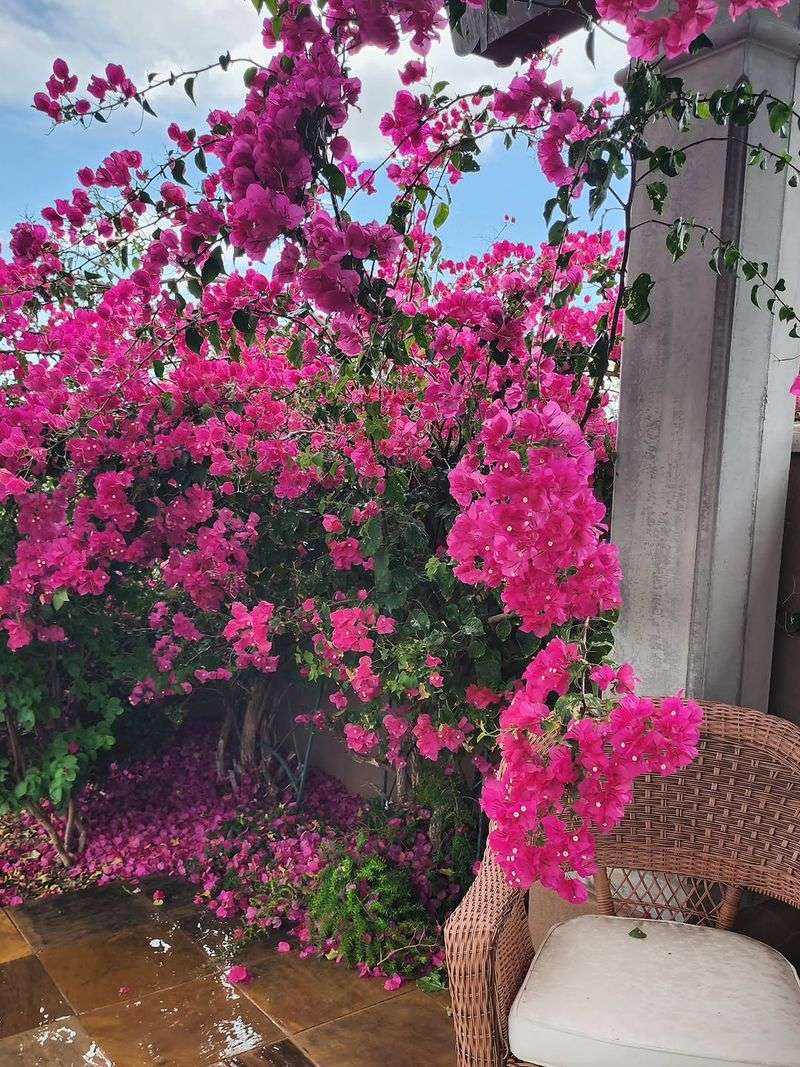
If you want nonstop color that refuses to quit even in brutal heat, bougainvillea is your vine.
The papery bracts come in electric shades of hot pink, magenta, orange, red, and white, and they keep on coming through the hottest months of the Texas summer. This plant does not just survive the heat, it thrives on it.
Originally from South America, bougainvillea has found a perfect home in warm climates like Texas. It loves full sun and actually blooms better when it experiences a little stress, like dry soil between waterings.
Overwatering can actually reduce flowering, so less is more once this vine is established. That makes it a surprisingly water-smart choice for Texas gardeners.
Bougainvillea can be grown in containers or planted directly in the ground. In containers, it is easier to bring indoors during rare cold snaps.
In the ground, it can grow into a massive, sprawling vine that covers an entire pergola in a few seasons. Either way, the color payoff is extraordinary and almost unmatched in the summer garden.
One thing to know upfront: bougainvillea has thorns, so wear gloves when handling it. Training it onto a fence or trellis early on makes the process much easier.
Tie the long canes loosely to the structure and let the plant do the rest. With minimal fertilizer and plenty of sun, bougainvillea will reward you with one of the most spectacular floral displays in the entire Texas landscape.
6. Trumpet Vine
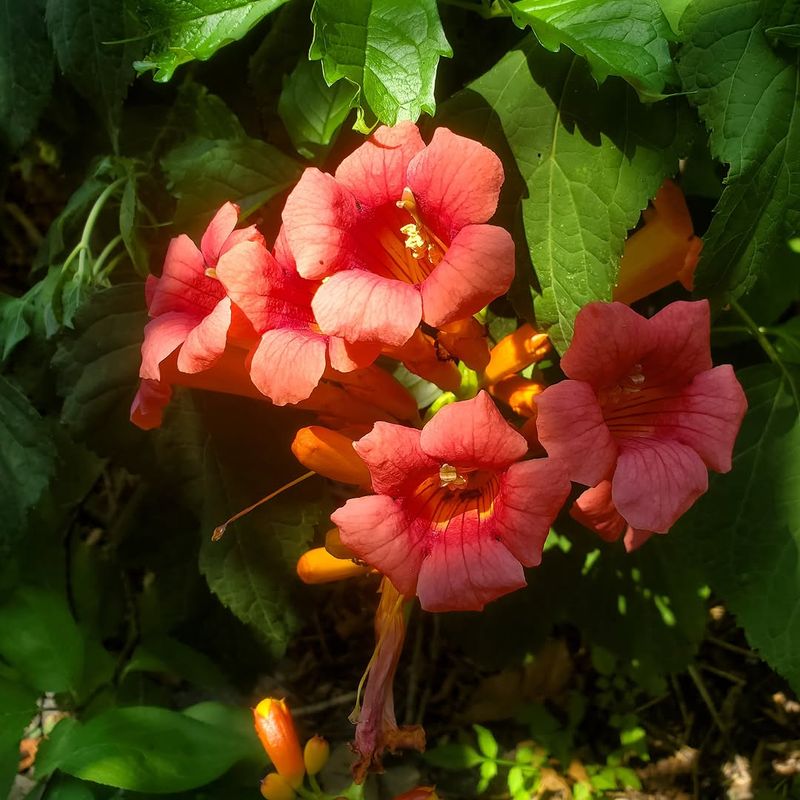
Ask any Texas gardener about trumpet vine and you will likely get a big smile followed by a word of warning.
This vine is famous for two things: its spectacular orange and red trumpet-shaped blooms that hummingbirds go absolutely crazy for, and its vigorous, almost unstoppable growth habit. It is one of the most dramatic vines you can plant in the state.
Trumpet vine, known scientifically as Campsis radicans, is native to the southeastern United States and is perfectly at home in Texas heat. It blooms from early summer through fall, providing months of color and wildlife activity.
Hummingbirds visit the flowers constantly, and the sight of those tiny birds hovering around the blooms is something special.
Because trumpet vine grows so aggressively, it is best planted where it has plenty of room to spread. A large fence line, a sturdy pergola, or an old tree stump are all great options.
Avoid planting it near the foundation of your home or delicate structures, as the roots can be persistent. Regular pruning keeps it manageable and actually encourages more blooms.
Plant trumpet vine in full sun for the best flowering results. It tolerates poor soil, drought, and heat better than almost any other vine on this list.
Once established, it needs very little care beyond seasonal pruning. If you want a vine that makes a bold statement, attracts wildlife, and handles Texas summers without skipping a beat, trumpet vine delivers on every single promise.
7. Confederate Jasmine
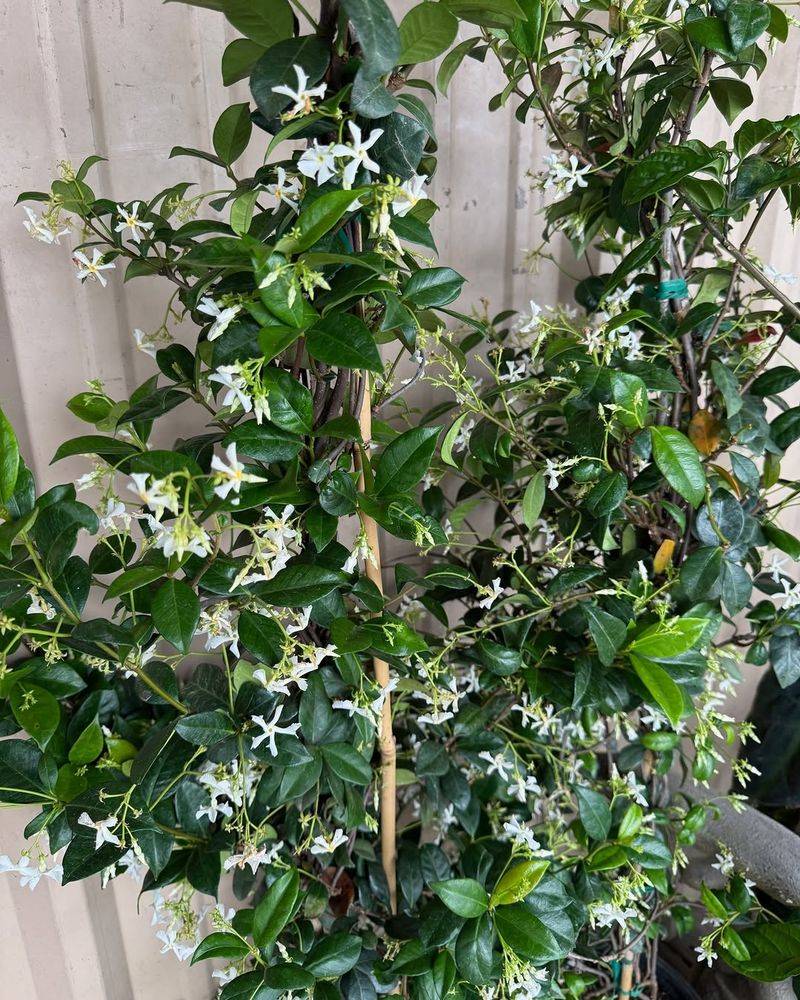
Step outside on a warm Texas evening when Confederate jasmine is in bloom and the fragrance alone will stop you cold.
The small white star-shaped flowers release a sweet, intoxicating scent that drifts across patios and porches like nature’s own air freshener. It is one of those sensory experiences that makes you genuinely glad you planted it.
Despite its name, Confederate jasmine is actually native to Asia, specifically China and nearby regions. It was introduced to Southern gardens long ago and has become a beloved staple across Texas and the Gulf Coast.
The plant is not a true jasmine but belongs to the same family, which explains the similar fragrance and flower shape.
Confederate jasmine is a twining vine that wraps itself around fences, pergola posts, and trellises with ease.
The dark glossy leaves stay green year-round in most parts of Texas, making it a reliable evergreen presence in the garden even after the blooms fade. That lush foliage alone makes it worth growing for privacy and shade on a pergola.
For best results, plant Confederate jasmine in full sun to partial shade. It handles Texas heat well but appreciates some afternoon shade during the most intense summer months.
Water regularly during the first growing season to help it establish strong roots. After that, it becomes quite drought-tolerant.
Feed it once in spring with a balanced fertilizer to encourage strong blooming. Confederate jasmine is the kind of vine that makes outdoor living spaces feel like something truly special.