How Georgia Gardeners Prune Basil So It Keeps Growing Back Fuller
Basil usually looks amazing at the beginning of summer. Leaves grow fast, stems fill out quickly, and the plant seems impossible to mess up at first.
Then everything changes after a few harvests. Plants suddenly become tall, thin, and uneven.
Fresh growth slows down, and the whole plant starts looking tired much sooner than expected.
A lot of gardeners make the same pruning mistake without realizing it. Cutting basil the wrong way often pushes the plant upward instead of outward.
Good pruning changes everything. New stems appear faster, plants stay thicker, and leaf production lasts much longer through hot weather.
One small trimming habit can completely change how basil performs during summer.
Georgia heat makes basil grow aggressively, but proper pruning is what keeps that fast growth looking full instead of messy and stretched out.
1. Pinching Top Growth Prevents Tall Leggy Stems
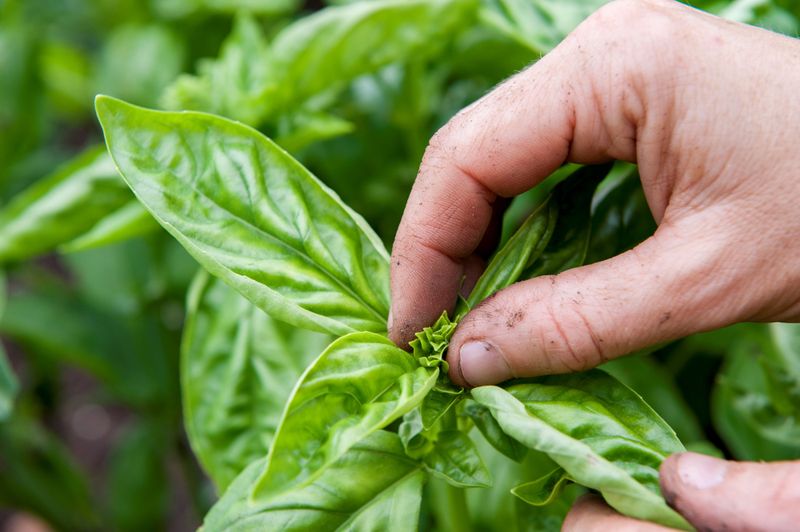
Pinching the top of your basil plant is the single most effective move you can make early in the season. Most people wait too long, and by then the plant is already stretching for the sky with thin, weak stems.
When a basil plant gets tall without branching out, it puts all its energy into that one central shoot. Pinching removes that shoot and forces the plant to redirect energy into the side stems instead.
More side stems mean more leaves, and more leaves mean a fuller, bushier plant overall.
Start pinching when the plant reaches about six inches tall. Look for the topmost set of leaves and pinch just above the pair of leaves below it.
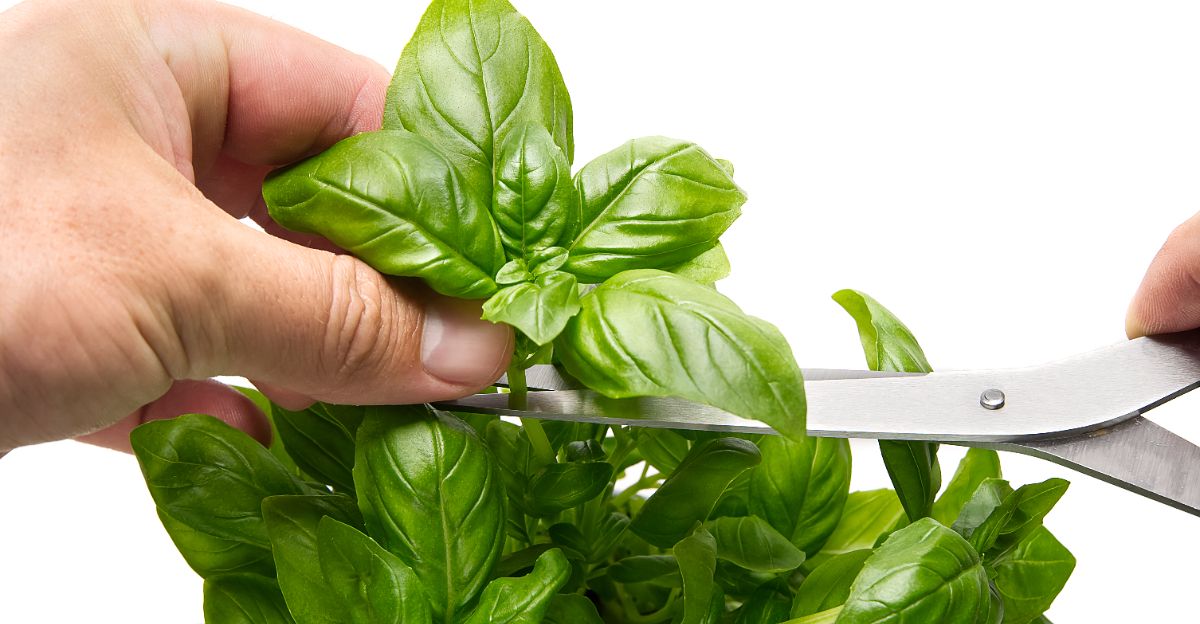
Use your fingers or small scissors. Either works fine as long as you are clean and precise about where you cut.
After pinching, you will notice two new shoots sprouting from the spot where you made the cut. Those shoots will grow out sideways, giving the plant a wider, rounder shape.
Pinch those new shoots once they get a few inches long, and the branching effect multiplies again.
2. Early Trimming Encourages More Side Branches
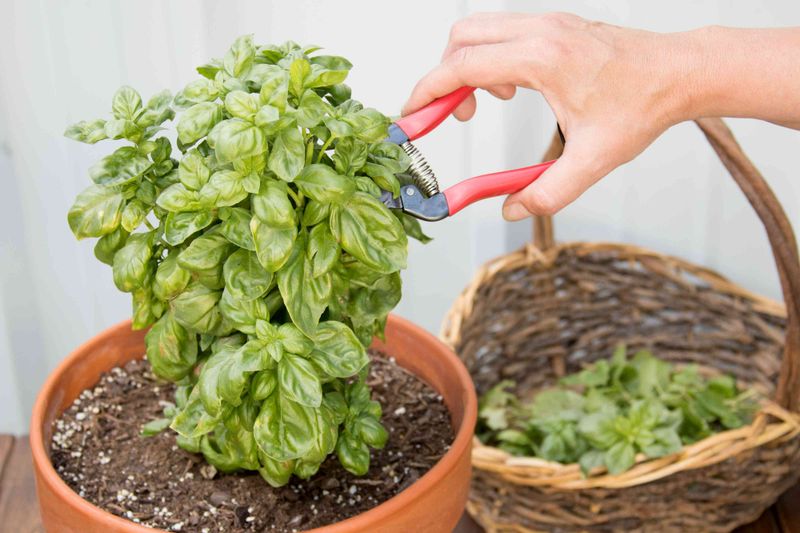
Trim early, trim often. That is the rule most experienced basil growers live by, and it pays off in a big way once the plant hits its stride mid-season.
When you trim a young basil plant in the first few weeks of growth, you are training it. Plants naturally want to grow upward toward light.
Early trimming interrupts that pattern and pushes growth outward instead. Side branches form at every node where you cut, and each branch becomes a new source of leaves.
A plant with eight or ten side branches produces far more harvestable leaves than one with just two or three tall stems. The difference is dramatic when you actually compare them side by side.
Aim to make your first trim when the plant has at least three sets of leaves on the main stem. Cut above the lowest set of leaves to give the plant plenty of room to push out new growth on both sides of the stem.
Your Georgia Garden Changes Every Week. Your Plan Should Too.
Gardening in Georgia changes quickly throughout the season. Every Friday you’ll receive a simple weekly plan showing exactly what to plant, prune, fertilize, harvest, and protect so you never miss the right timing.
Never strip a plant bare. Always leave at least two sets of healthy leaves in place so the plant can keep photosynthesizing and recovering.
3. Flower Bud Removal Extends Leaf Production Longer
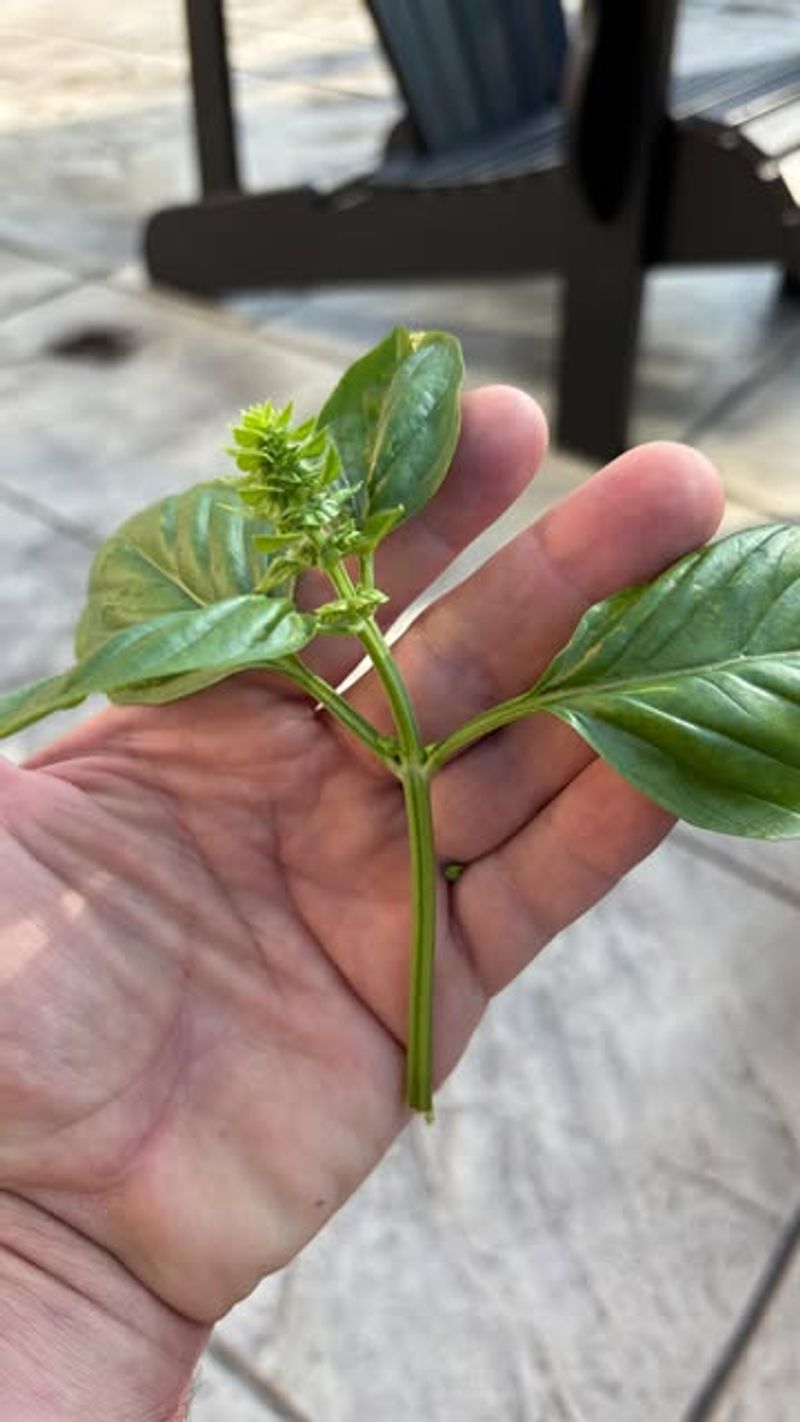
Basil wants to flower. Once it does, leaf production slows down sharply and the flavor in the remaining leaves starts to change.
Catching those flower buds early is one of the best habits you can build.
Flower buds appear at the very top of each stem, usually as small clustered spikes with tiny leaves packed tightly together. They look different from regular leaves and are easy to spot once you know what to search for.
As soon as you see them forming, pinch them off completely.
Removing the flower buds signals the plant to stay in its vegetative growth phase. It keeps pushing out new leaves instead of shifting energy toward seed production.
A plant that never successfully flowers will keep producing lush, flavorful leaves for weeks longer than one that is allowed to bolt.
In warm climates, basil can start forming flower buds by midsummer. Heat and long days both trigger bolting.
Staying on top of bud removal during this period makes a real difference in how long your plant stays productive.
Check your plants every few days during the hottest weeks. Buds can go from tiny to fully open surprisingly fast in high heat.
Once flowers fully open and seeds begin to form, the plant shifts focus entirely and leaf quality drops.
4. Sharp Snips Reduce Stress Around Tender Growth
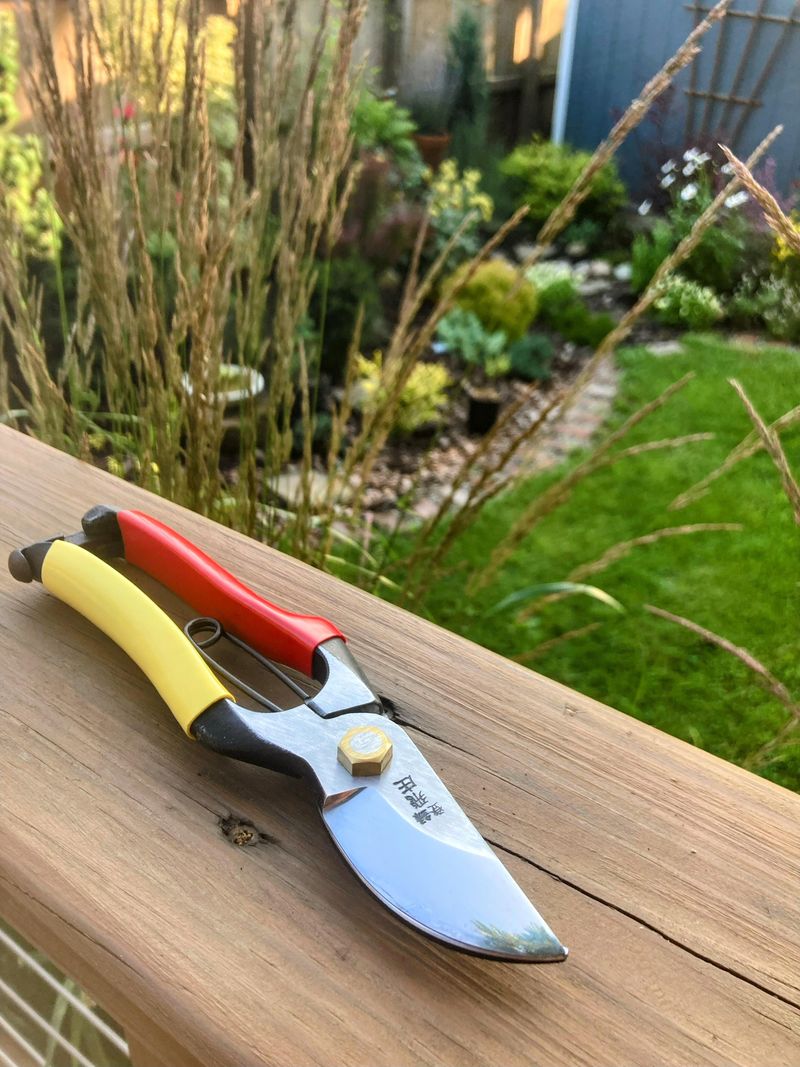
Dull scissors do more harm than most gardeners realize. Tearing or crushing a basil stem instead of cutting it cleanly leaves a ragged wound that takes longer to recover and invites problems.
Basil stems are soft and tender compared to woody herbs. Sharp snips slice through cleanly in one motion, leaving a smooth cut surface that heals quickly.
Dull blades pinch the stem and can cause bruising along the cut edge. That bruising shows up as darkened, wilted tissue around the wound.
Clean cuts also matter for overall plant health. Damaged tissue at the cut site is more vulnerable to fungal issues, especially in humid conditions.
Keeping your cutting tools sharp and wiping them down between uses reduces that risk significantly.
You do not need expensive pruning tools for basil. A basic pair of small herb scissors or a sharp set of kitchen shears works perfectly well.
The key is keeping the blade sharp and clean. Run them over a sharpening stone occasionally or replace inexpensive scissors when they start to drag instead of cut.
Where you cut matters just as much as how you cut. Always snip just above a leaf node, which is the point on the stem where two leaves branch off in opposite directions.
5. Morning Harvesting Helps Leaves Stay More Flavorful
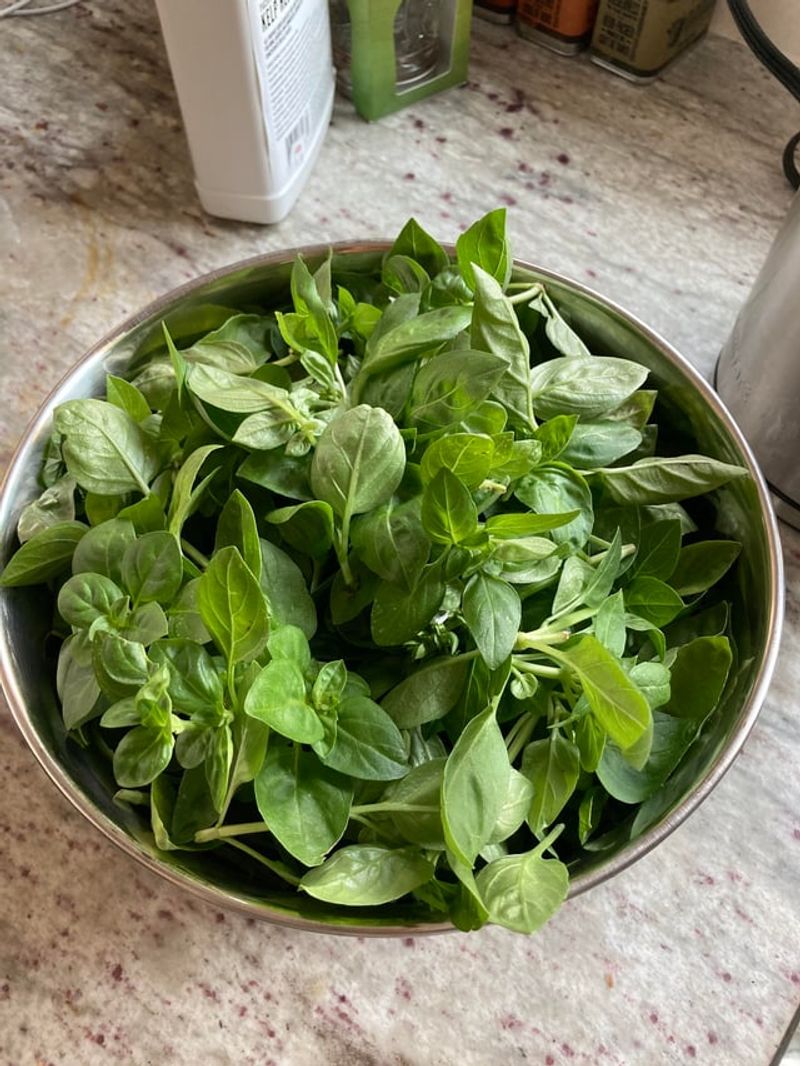
Timing your harvest makes a real difference in how your basil tastes. Leaves picked in the morning tend to be more aromatic and flavorful than those picked later in the day.
Basil stores its essential oils most efficiently overnight when temperatures are cooler. By morning, those oils are concentrated in the leaves before the heat of the day causes them to volatilize and partially escape into the air.
Picking leaves early captures them at their peak.
Morning harvesting also gives the plant the entire day to recover before temperatures drop again at night. Plants pruned in the morning have hours of warm sunlight ahead of them to push new growth and seal cut surfaces.
That recovery window matters, especially during active growing periods.
Avoid harvesting in the middle of a hot afternoon when the plant is already under heat stress. Cutting stressed plants tends to slow their recovery and can cause wilting at the cut sites.
Early morning, before temperatures climb, is consistently the best window.
Pick leaves from the outer edges and upper stems rather than stripping from the base. Outer leaves are usually the most mature and flavorful.
Leaving younger inner leaves intact keeps the plant producing steadily without interruption.
6. Crowded Centers Benefit From Occasional Thinning
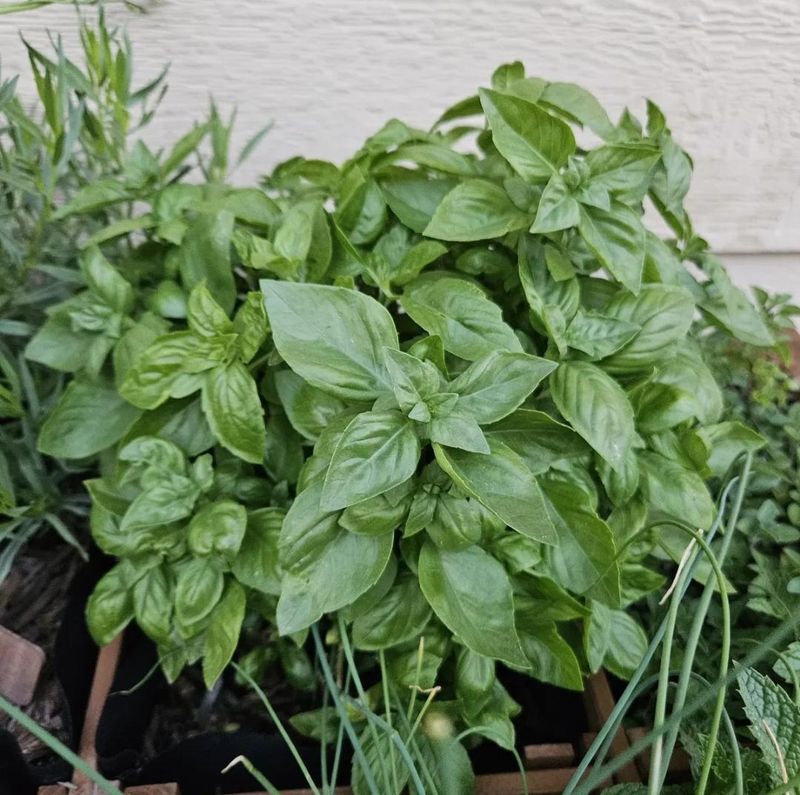
A bushy basil plant looks great from the outside, but the inside can get surprisingly crowded as the season goes on. Poor air circulation in the center of a dense plant creates the kind of damp, shaded conditions that slow growth and encourage fungal issues.
Thinning the center occasionally keeps airflow moving through the plant. It sounds counterintuitive to remove healthy stems, but opening up the interior actually helps the outer growth thrive.
Light can reach deeper into the plant, and moisture dries off the leaves faster after rain or watering.
Look for stems that are crossing over each other or growing inward toward the center of the plant. Those are the first candidates for removal.
Snip them at the base where they meet the main stem or a larger branch. Removing just two or three crowded stems can open up the interior noticeably.
Do not over-thin. Removing too much at once stresses the plant and slows overall production.
A light thinning every few weeks is far more effective than one aggressive session that strips out large sections of growth.
Thinning also gives you usable leaves. The stems you remove during thinning are perfectly good for cooking.
Nothing goes to waste.
7. Regular Cutting Keeps Fresh Growth Coming Back
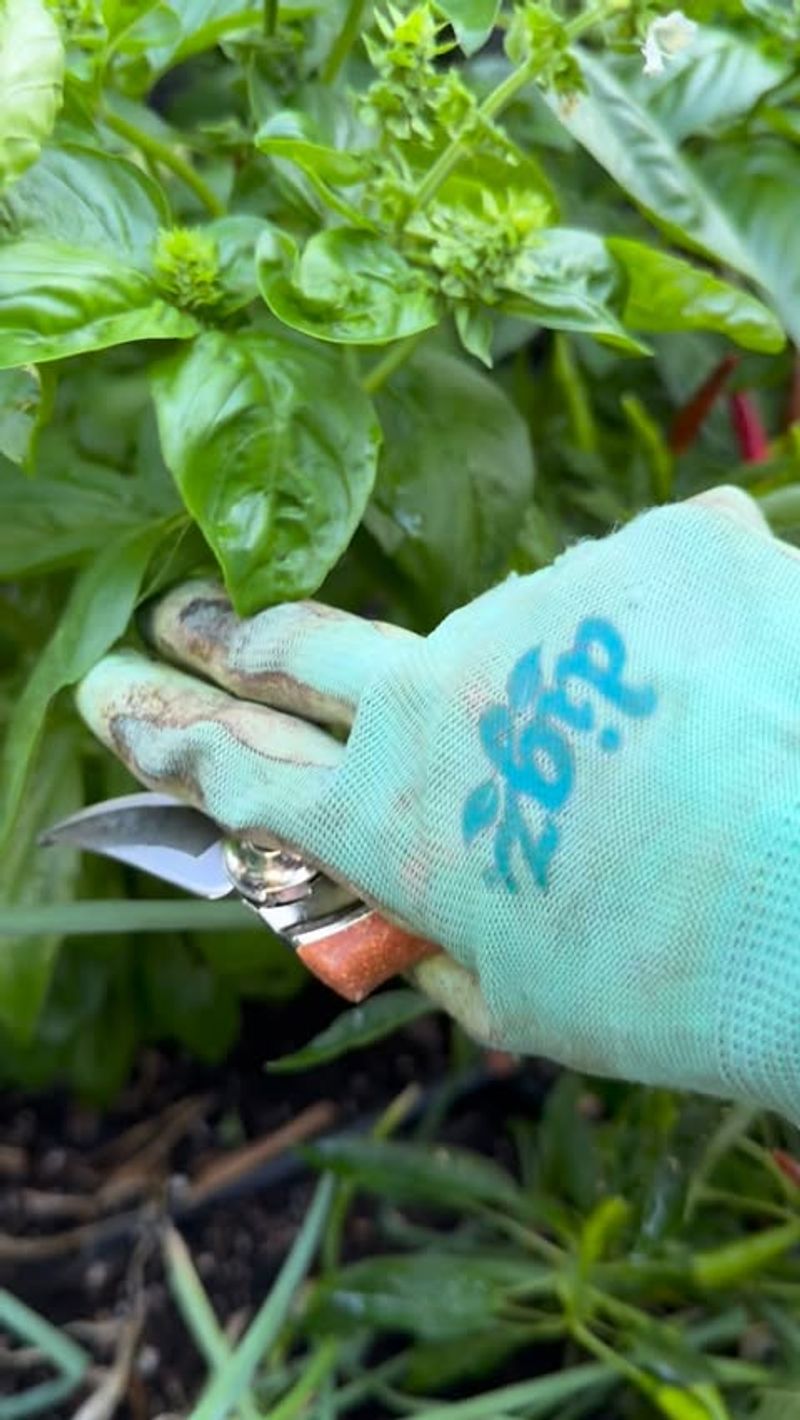
Consistency is the real secret behind a basil plant that produces all season. Cutting regularly, even when you do not necessarily need the leaves right then, keeps the plant in active growth mode.
Plants that go uncut for too long start to slow down. They reach a kind of plateau where growth stalls and the plant begins focusing on reproduction rather than producing new leaves.
Regular cutting resets that cycle and keeps the plant in its most productive phase.
A good rule of thumb is to cut back about one-third of the plant every one to two weeks. That level of trimming is enough to stimulate strong regrowth without putting too much stress on the plant at once.
More frequent light cuts tend to outperform less frequent heavy ones.
Keep a small basket or bowl nearby when you garden so you can collect trimmings as you go. Even small amounts of basil add up quickly.
Regular cuts mean you always have fresh leaves on hand without needing to harvest a large amount all at once.
After a good cutting session, the plant may look a bit sparse for a few days. Do not worry about that.
Basil bounces back fast in warm weather.