8 Holiday Leftovers Virginians Can Compost, And What To Throw Away
Your leftover holiday potato peels can sit in a landfill for years, slowly releasing methane instead of feeding the soil.
Researchers digging up old landfills have pulled out readable newspapers and recognizable food scraps from decades earlier.
Buried scraps get squeezed away from air, so the microbes that normally break them down cannot do their job. That trapped waste turns into a heat-trapping gas, which feels like a sad ending for Grandma’s sweet potato casserole.
I started saving kitchen trimmings in a lidded bucket after one Virginia Thanksgiving left our trash can overflowing by Friday. You might notice how fast peels and shells pile up between carving the turkey and slicing the pie.
Some of those scraps can turn into crumbly, dark garden gold by spring, while others belong in the garbage. So which Virginia leftovers earn a spot in your backyard pile, and which ones invite raccoons to dinner?
1. Sweet Potato Peels And Carrot Tops Belong In The Bin
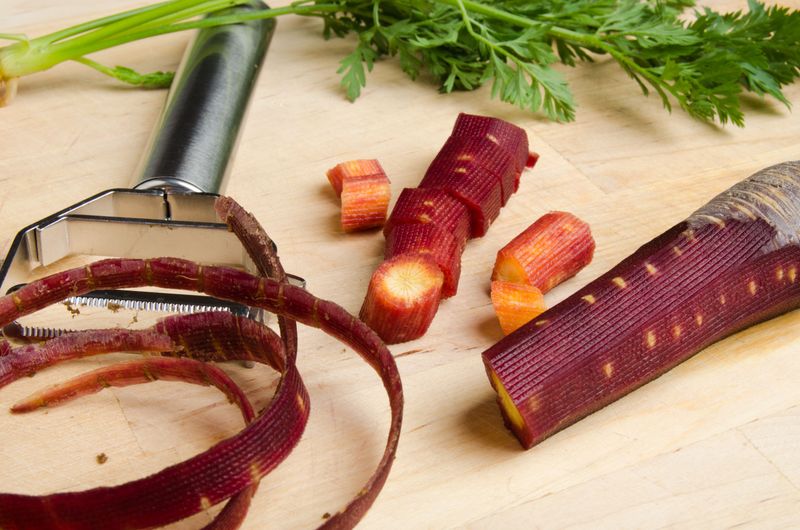
My cutting board looks like a vegetable crime scene by noon on any big holiday cooking day. Those orange curls of sweet potato peel are some of the easiest scraps your pile will ever digest.
Raw vegetable trimmings count as greens, which means they bring nitrogen and moisture that feed hungry compost microbes. Carrot tops, celery ends, and onion skins can join the peels without any special preparation at all.
Chopping bigger pieces into smaller chunks gives microbes more surface area, so everything breaks down faster in cold weather. I keep a cheap knife near my scrap pail just for hacking up stubborn ends and thick stalks.
Corn cobs and husks also belong here, though cobs can take many months to soften inside the pile. Plenty of Virginia gardeners simply fish out the leftover cobs later and toss them back in for another round.
Plain roasted vegetables are fine in small amounts, as long as they are not swimming in butter or oil. Green beans drenched in creamy sauce or bacon drippings should head to the trash instead of the bin.
Winter slows decomposition across most of Virginia, so expect your pile to look lumpy until warmer weather returns. A thick layer of dry leaves on top helps hide fresh scraps from curious noses and keeps smells down.
By late spring, those peels will have vanished into dark, earthy material for your tomato beds. Few holiday traditions in Virginia give back quite as generously as a scrap pail parked beside the sink.
2. Stale Cornbread And Dinner Rolls Can Join The Pile
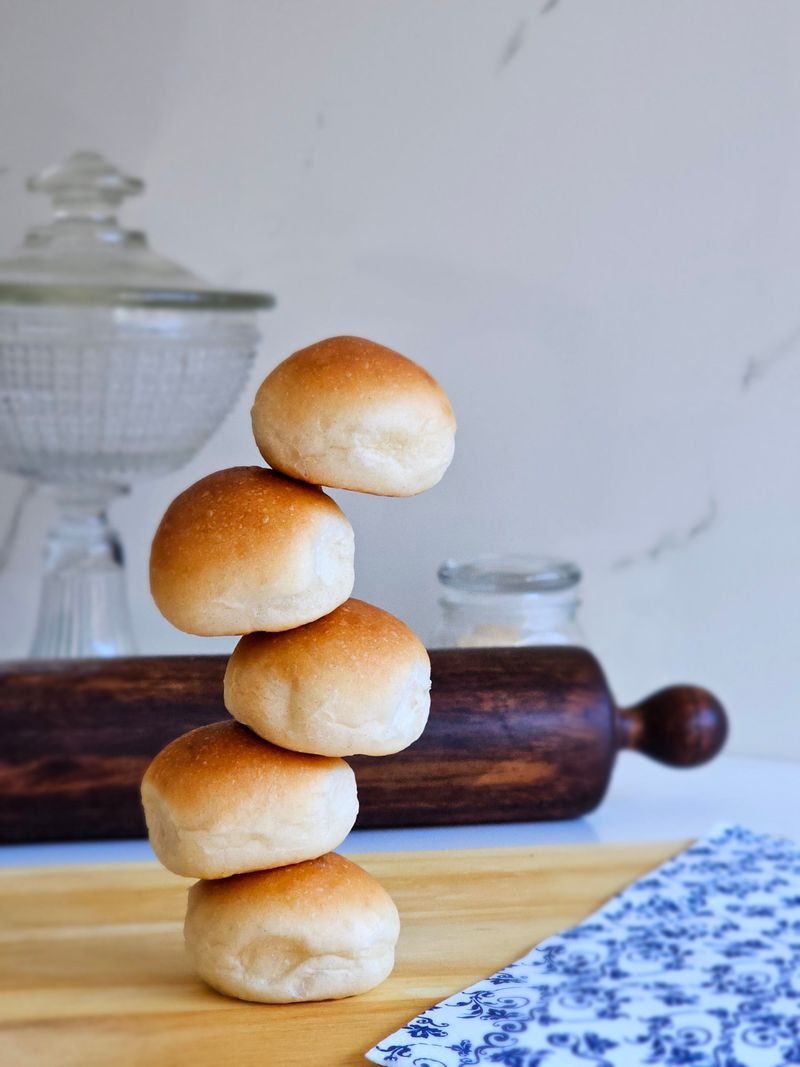
Nobody wants the last rock-hard dinner roll sitting in the basket three days after the big family feast. Your compost pile, however, will happily accept plain bread and cornbread in modest amounts without much fuss.
Bread breaks down quickly because microbes love the simple starches inside each crumb and crust. Tearing rolls into small pieces speeds things along and keeps big soggy lumps from forming in the middle.
Bread does come with one real drawback, since its smell can attract mice, rats, and neighborhood raccoons. Burying it at least several inches deep and covering it with leaves makes your bin far less tempting.
I learned this lesson after a raccoon dragged half a cornbread pan across my lawn one chilly December night. Now every bread scrap goes straight into the center of the pile, under a generous blanket of browns.
Plain cooked rice and unsauced pasta can follow the same rules, added sparingly and buried well. Mac and cheese, buttery stuffing, and garlic bread loaded with oil belong in your kitchen trash can.
Many university extension programs suggest beginners skip bread entirely if pests already visit their yard often. A closed bin with a tight lid and wire mesh underneath gives you much more flexibility here.
Moldy bread is fine for compost, by the way, since mold is simply part of nature’s cleanup crew. Just keep the moldy loaf away from your face while you carry it outside to the pile.
3. Coffee Grounds And Paper Filters Fuel Winter Compost
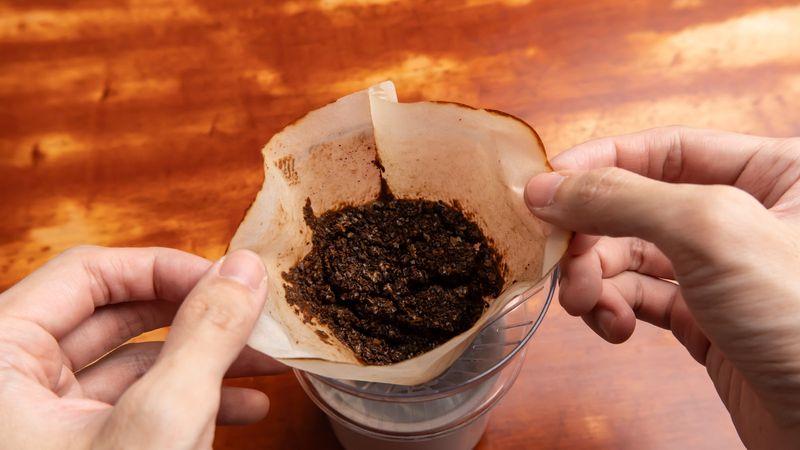
Holiday mornings in my house run on an alarming amount of coffee, especially when relatives arrive before sunrise. All those soggy grounds are a quiet gift to your garden once the mugs finally go into the sink.
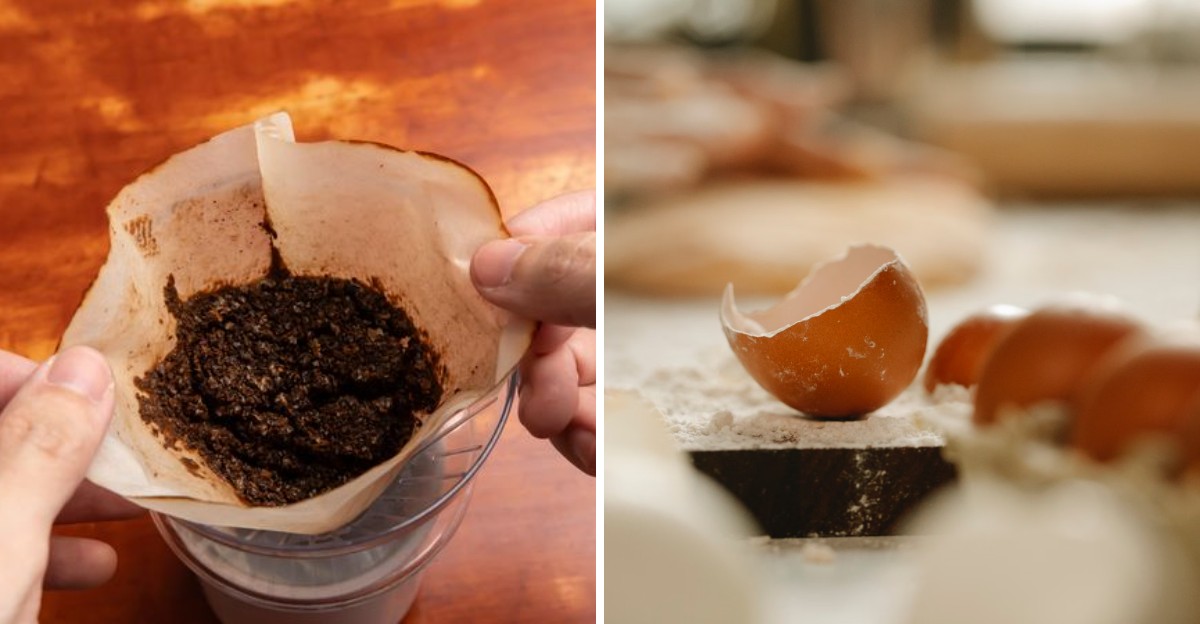
Used coffee grounds count as a green material, even though they look brown, because they carry plenty of nitrogen. That nitrogen helps microbes stay busy, which matters more when cold weather already slows their work down.
Paper coffee filters can go right into the bin along with the grounds, saving you an extra step. Unbleached filters are a popular choice, though most standard paper filters will break down without causing any trouble.
Tea bags are trickier than they seem, since some brands now use plastic mesh or plastic in the seal. Tearing them open and dumping the leaves into the pile is the simplest way to avoid hidden plastic bits.
Coffee grounds work best mixed with plenty of dry leaves or shredded paper rather than dumped in one thick layer. A big clump of wet grounds can pack down tightly and turn slimy instead of breaking down nicely.
Research from Oregon State University found grounds are far less acidic than many gardeners assume once they are composted. You can relax about spoiling your soil, as long as grounds make up a modest share of the pile.
I keep a small lidded container beside the coffee maker just for grounds and filters. It fills fast during the holidays, and my spring garden beds appreciate every scoop.
4. Crushed Eggshells From Holiday Baking Add Calcium
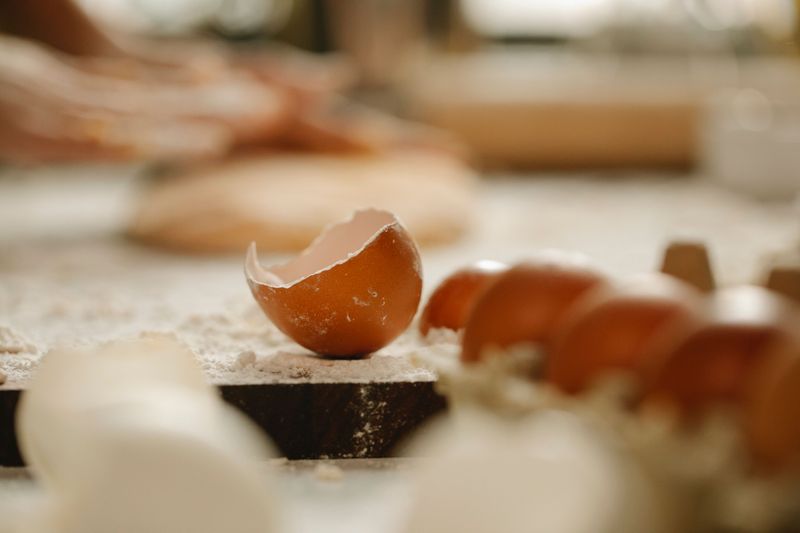
Pie season around here means a mountain of cracked eggshells piling up beside the mixing bowls. Instead of tossing them, I rinse them quickly and set them on a paper towel to dry overnight.
Eggshells are mostly calcium carbonate, which slowly adds calcium to your finished compost and eventually your garden soil. They take a long time to break down, so crushing them first makes a real difference in the pile.
A rolling pin or the bottom of a sturdy mug turns dry shells into small flakes within a minute. Some gardeners even grind them in an old coffee grinder, which creates a fine powder that disappears much faster.
Rinsing shells helps cut down on odors and keeps sniffing critters from getting overly interested in your bin. A quick splash of water under the faucet usually handles any leftover egg white clinging inside.
You will probably still spot tiny white specks in your finished compost months from now, and that is fine. Those little flakes keep working in the soil long after the rest of the pile has turned dark and crumbly.
Eggshells will not fix every garden problem, despite what plenty of online tips may claim about blossom end rot. That tomato issue is mostly tied to uneven watering, so steady moisture matters more than extra shells.
Still, I enjoy the idea that my holiday pumpkin pie helps feed next summer’s garden in a small way. It feels like a sweet little loop from the oven to the soil.
5. Carved Pumpkins And Squash Rinds Break Down Fast
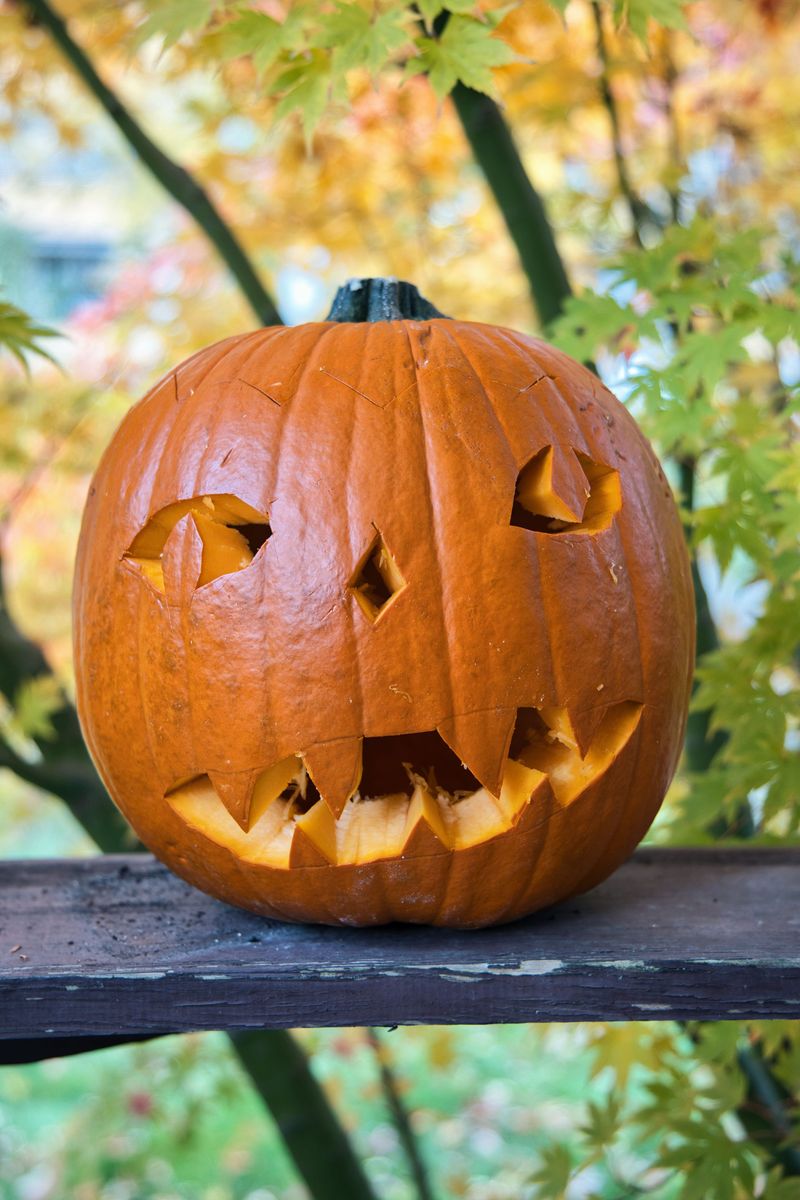
That porch pumpkin slumping by the front steps since October has one last job to do before winter settles in. Pumpkins and winter squash are mostly water, so they collapse into compost surprisingly quickly once you chop them.
Smashing or cutting a pumpkin into chunks helps it break down faster than leaving it whole in the bin. Kids usually love this step, and I admit I enjoy a good pumpkin smash myself every year.
Remove any candles, paint, glitter, or plastic decorations before the pumpkin goes anywhere near the pile. Painted pumpkins carry materials you do not want spreading through your vegetable garden soil next season.
Squash rinds and leftover cooked squash flesh are welcome too, as long as they are not coated in butter or brown sugar glaze. Plain roasted squash breaks down nicely and adds plenty of moisture to a dry winter pile.
Seeds can be a surprise, since many home piles do not get hot enough to stop them from sprouting. You might find volunteer pumpkin vines sprawling across your garden next summer, which some gardeners actually enjoy.
Scooping out seeds first and roasting them as a snack solves the problem while giving you a crunchy treat. A sprinkle of salt and a hot oven is all those pumpkin seeds need to become a family favorite.
Because pumpkins are so wet, balance them with an equal pile of dry leaves or shredded cardboard. That simple mix keeps your bin from turning into a soggy, smelly orange mess.
6. Plain Brown Paper And Cardboard Boxes Make Great Browns
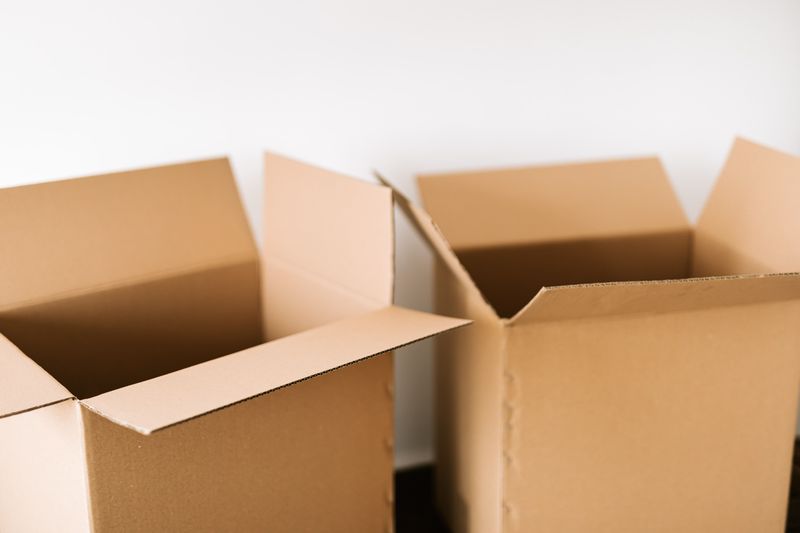
The morning after gift opening, my living room usually looks like a cardboard warehouse tumbled across the rug. Plenty of that paper mess can become valuable carbon for your compost if you sort it carefully first.
Plain brown cardboard boxes, paper grocery bags, and uncoated kraft paper count as browns in compost language. These dry materials balance out wet kitchen scraps, which keeps the pile from smelling sour or feeling slimy.
Shred or tear cardboard into small pieces, and peel off any packing tape, labels, or plastic windows first. Soaking big pieces in water for a few minutes helps them soften and break down noticeably faster.
Shiny wrapping paper is a different story, because many types contain plastic coatings, foil, or glitter. A quick scrunch test helps, since paper that springs back open usually has plastic and belongs in the trash.
Ribbons, bows, and tissue paper with metallic designs should also stay out of your bin entirely this season. Many Virginia localities offer recycling for clean cardboard, so check your local guidelines for anything you cannot compost.
Plain paper napkins and paper towels can go in too, as long as they are not soaked in grease or cleaning sprays. A napkin covered in cranberry sauce is fine, but one wiping up turkey drippings should head to the garbage.
I stash a big flattened box in the garage just for winter browns. Having dry material ready makes it much easier to cover each bucket of fresh kitchen scraps.
7. Fresh Pine Needles And Natural Evergreen Wreaths Can Be Recycled
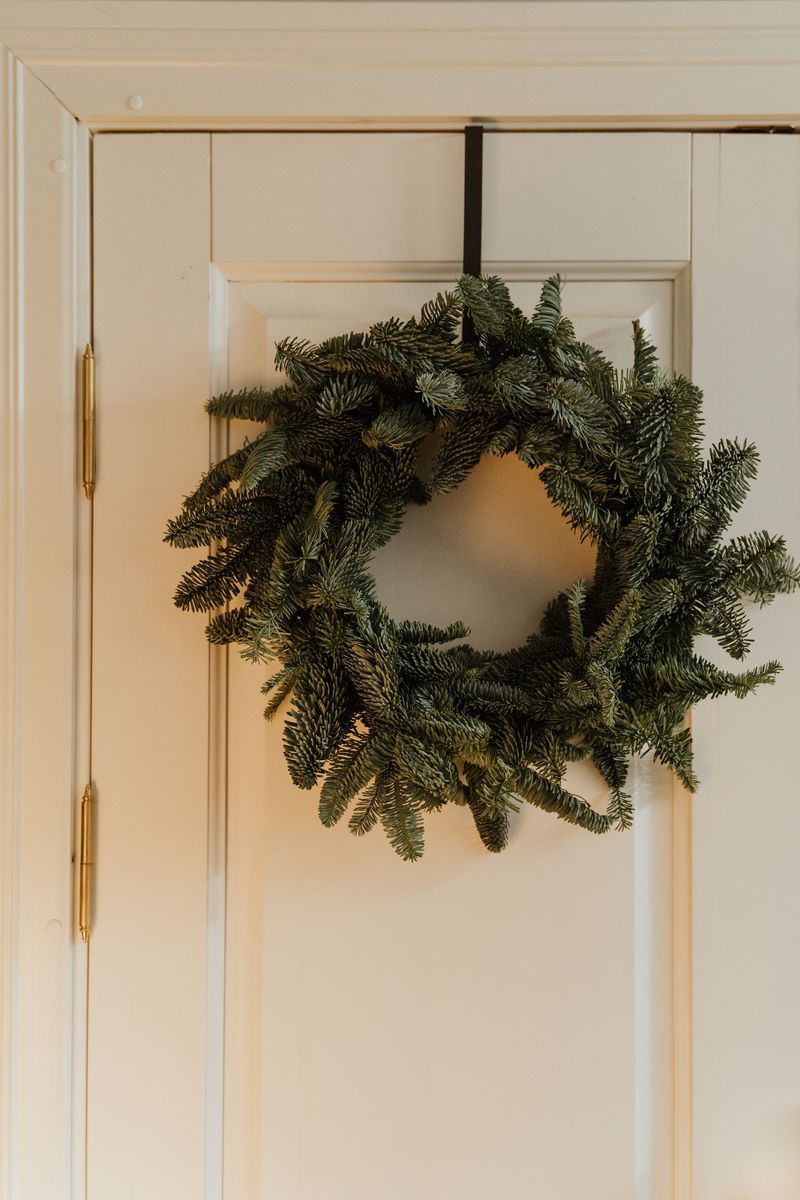
Sweeping up pine needles in January feels like a scavenger hunt that lasts until spring. Those prickly little needles, along with natural wreaths and garlands, can return to the earth instead of filling a garbage bag.
Pine needles break down slowly because of their waxy coating, so add them in small amounts mixed with other materials. Many gardeners worry about acidity, but extension experts note composted needles have little effect on overall soil pH.
Natural wreaths need some prep work before composting, since most hide wire frames, floral picks, and plastic ties. Strip away every bit of metal and ribbon, then cut the evergreen branches into short pieces for your bin.
Thick branches take a long time to break down, so chopping them small or setting them aside for mulch helps. Pinecones can go in whole, though they may still be recognizable in your compost a year later.
Whole Christmas trees are too big for most backyard bins, but many Virginia cities and counties collect them after the holidays. Those trees usually get chipped into mulch, so check your local public works website for pickup dates and rules.
Trees sprayed with flocking or fake snow should not go into compost or most collection programs. Tinsel and leftover hooks also cause problems, so give branches a careful once-over before hauling anything outside.
I like tucking a few evergreen boughs over perennial beds as a light winter cover. They catch falling leaves and look festive long after the lights come down.
8. Cranberries And Citrus Peels Go In While Turkey Bones Stay Out
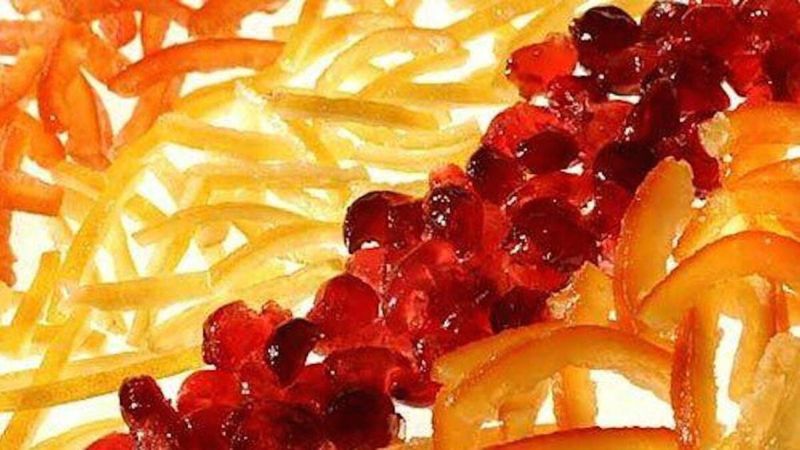
Leftover cranberries roll around my fridge drawer for weeks after the holidays, looking a little wrinkled and sad. Raw cranberries, orange peels, and apple cores can all slip into the compost pile without much trouble.
Citrus peels break down more slowly than softer scraps, so cutting them into smaller pieces helps a lot. Small amounts mixed with other materials work fine in a regular backyard pile or bin.
Now for the leftovers that belong in the trash, starting with the turkey carcass sitting on your counter. Meat, bones, skin, and gravy decompose slowly in home piles and attract raccoons, rats, and roaming dogs.
Dairy foods like creamy casseroles, cheese platters, and buttery mashed potatoes should also skip the backyard bin. Virginia Cooperative Extension advises keeping meat, dairy, and fats out of home compost because of odors and pests.
Greasy foods cause their own trouble, since oil coats scraps and keeps air from reaching hungry microbes. Fried leftovers and stuffing soaked in drippings belong in a sealed trash bag instead of your garden pile.
Some communities offer curbside or drop-off food scrap collection that accepts meat and bones through large commercial facilities. Those operations reach much higher temperatures than a backyard heap, so check whether your area has a program.
When I feel unsure about a scrap, I ask myself if it came straight from a plant without butter or meat. That quick question keeps my compost healthy and my neighbors happy all winter long.