8 Houseplants That Actually Thrive in Dry, Radiator-Heated New York Apartments
New York City law says apartments must stay at least 68 degrees during the day in cold winter weather. Many old radiators blow right past that number, and my fern learned the hard way last January.
Warm air holds more moisture, so heating cold winter air sends indoor humidity plunging toward desert levels. Your cracked lips notice it first, but thin tropical leaves often show crispy brown edges within a few weeks.
I spent two long winters running a noisy humidifier that mostly fogged up my kitchen windows instead. Turns out the smarter move was choosing plants that already love dry, toasty rooms from the very start.
You might notice a few surprises below, including one quirky plant that stores water in a swollen trunk. Ready to see which tough beauties can handle a clanking New York radiator without a single complaint?
1. Snake Plant
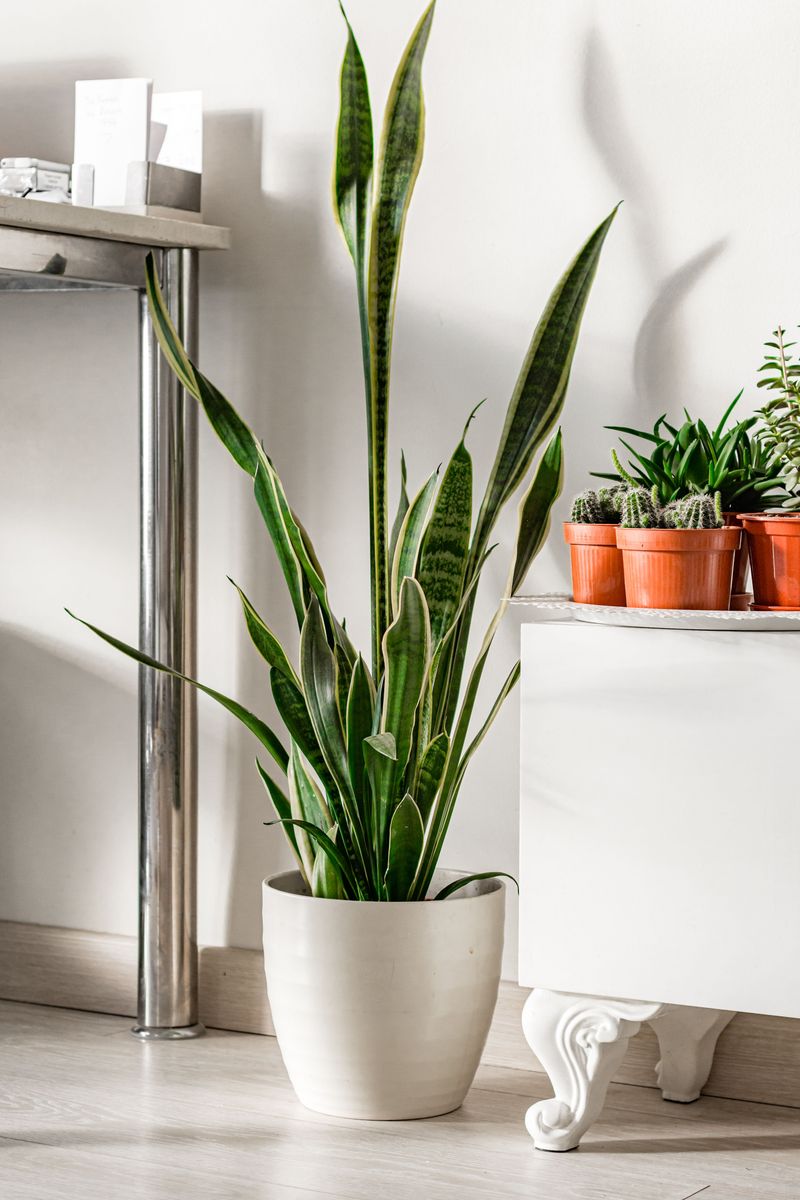
Leaves as stiff as rulers make this West African native look like it was designed by an architect. I keep one beside my clanking radiator in my New York apartment, and it shrugs off the dry heat like nothing happened.
Botanists recently moved snake plant into the genus Dracaena, so you may see Dracaena trifasciata on new labels. Older tags still say Sansevieria trifasciata, and both names point to the same tough, upright houseplant.
Thick leaves store water and use a special type of photosynthesis that helps reduce moisture loss. That clever system lets them handle low humidity far better than thin-leaved tropical plants sitting nearby.
Water only after the soil dries out, which often means every two to four weeks in winter. Radiators can speed up drying, so poke a finger deep into the pot before you grab the watering can.
Soggy soil is the real enemy, because roots sitting in water quickly turn soft and begin to rot. Choose a heavy clay pot with a drainage hole and a gritty cactus mix for steady footing.
Bright, indirect light keeps the leaf patterns crisp, though snake plants tolerate dim corners surprisingly well in most New York apartments. Keep the pot a foot or two away from the radiator so roots avoid getting baked.
Cats and dogs should not chew the leaves, since the ASPCA lists snake plant as toxic to pets. Set it on a tall shelf or plant stand if your furry roommate enjoys sampling anything green.
2. ZZ Plant
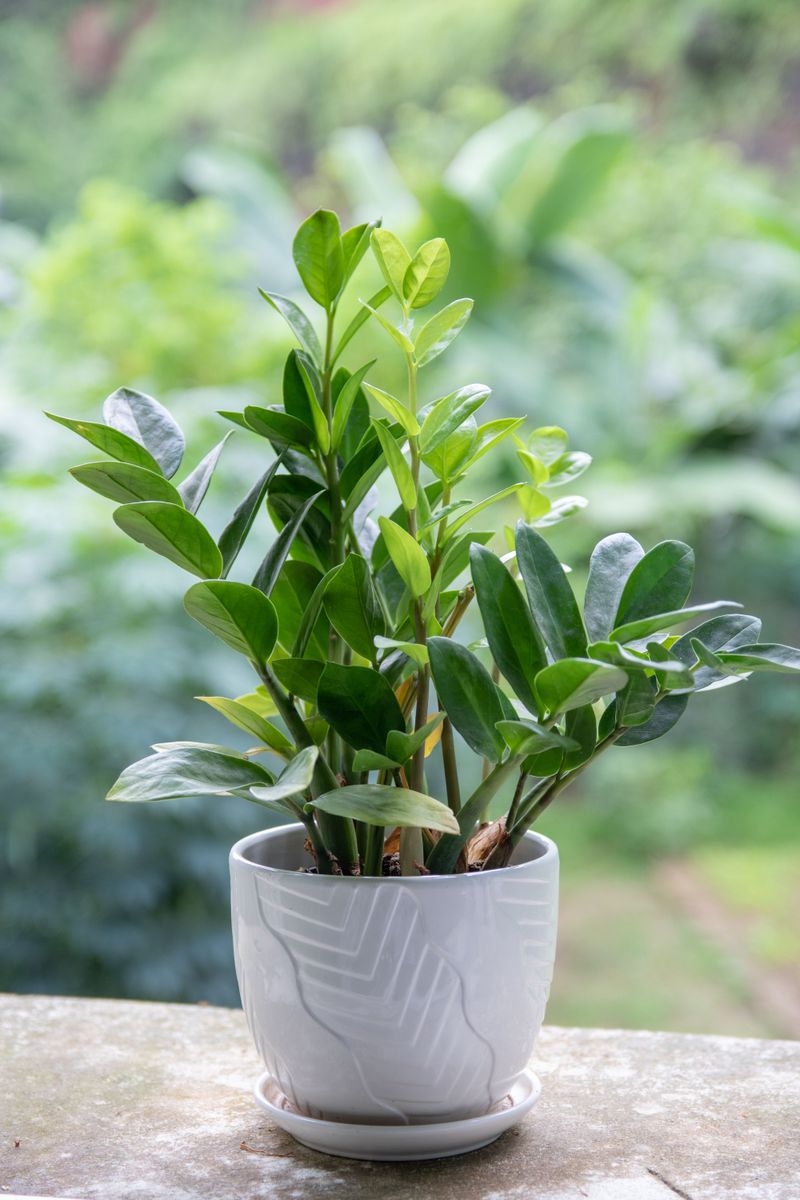
Glossy leaves on a ZZ plant shine so much that guests often reach out to check if it is plastic. Spoiler alert, it is very real, and it happens to love the dry air most apartments produce.
Native to eastern Africa, Zamioculcas zamiifolia grows from thick underground rhizomes that work like built-in water tanks. Those potato-like structures let the plant coast through long dry spells without any drama from you.
I once left mine alone for a month during a busy stretch, and it looked exactly the same. Honestly, forgetting it a little is better than fussing, since extra water causes most ZZ problems.
Wait until the soil feels dry several inches down, then water thoroughly and let the extra drain away. Yellowing stems or mushy bases usually mean the roots stayed wet too long, so scale back right away.
Bright, indirect light encourages faster growth, but a ZZ will hang on in a dim hallway for years. Growth slows in low light, so expect fewer new shoots and reduce watering even more during winter.
Radiator heat suits it fine, though you should avoid placing the pot directly on top of a hot unit. Cold drafts from leaky windows bother it more than dry air, so watch winter placement carefully.
Every part of the plant is toxic if eaten, so keep it away from curious pets and toddlers. Wiping the leaves with a damp cloth removes dust and brings back that famous mirror shine.
3. Jade Plant
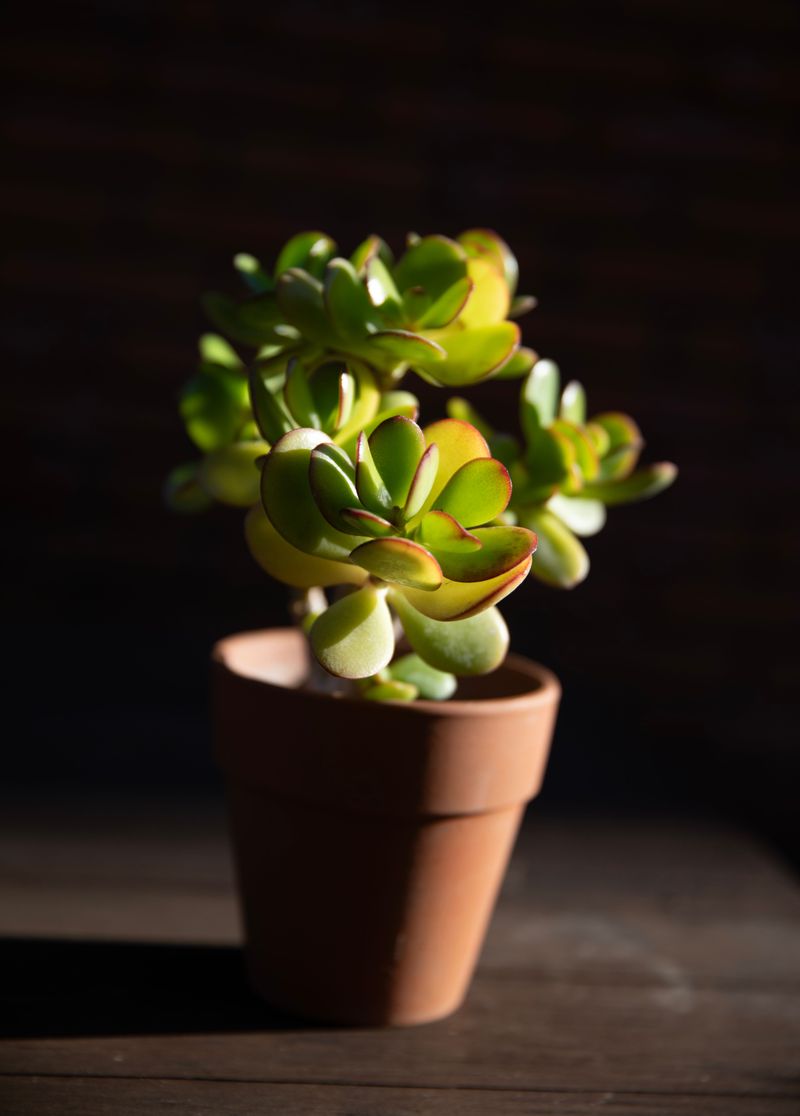
Rubbery, coin-shaped leaves explain why jade plant earned nicknames like money plant and friendship tree over the years. Mine started as a single cutting from a coworker and now looks like a tiny, gnarled tree.
Crassula ovata comes from dry parts of South Africa, where it stores water in plump leaves and stems. That background makes a toasty, low-humidity apartment feel surprisingly comfortable to this sturdy little succulent shrub.
Light matters more than humidity here, so give it the sunniest window you have, ideally facing south or west. Several hours of direct sun keep growth compact and sometimes add pretty red edges to the leaves.
Weak light makes stems stretch and lean, which leaves the plant looking floppy instead of tree-like. A small grow light can help a lot during short winter days in apartments with north-facing windows.
Water deeply when the soil dries out fully, then wait patiently again, especially during the cooler months. Wrinkled leaves mean it is thirsty, while soft, squishy leaves usually signal too much water instead.
Mature jades sometimes produce clusters of small white or pinkish flowers in winter when nights are cool. Blooms are more likely on older plants that get bright light and a slightly drier routine in fall.
Snap off a healthy stem, let the cut dry for several days, then press it into gritty soil. Keep jade away from pets, because the ASPCA lists it as toxic to both cats and dogs.
4. Aloe Vera
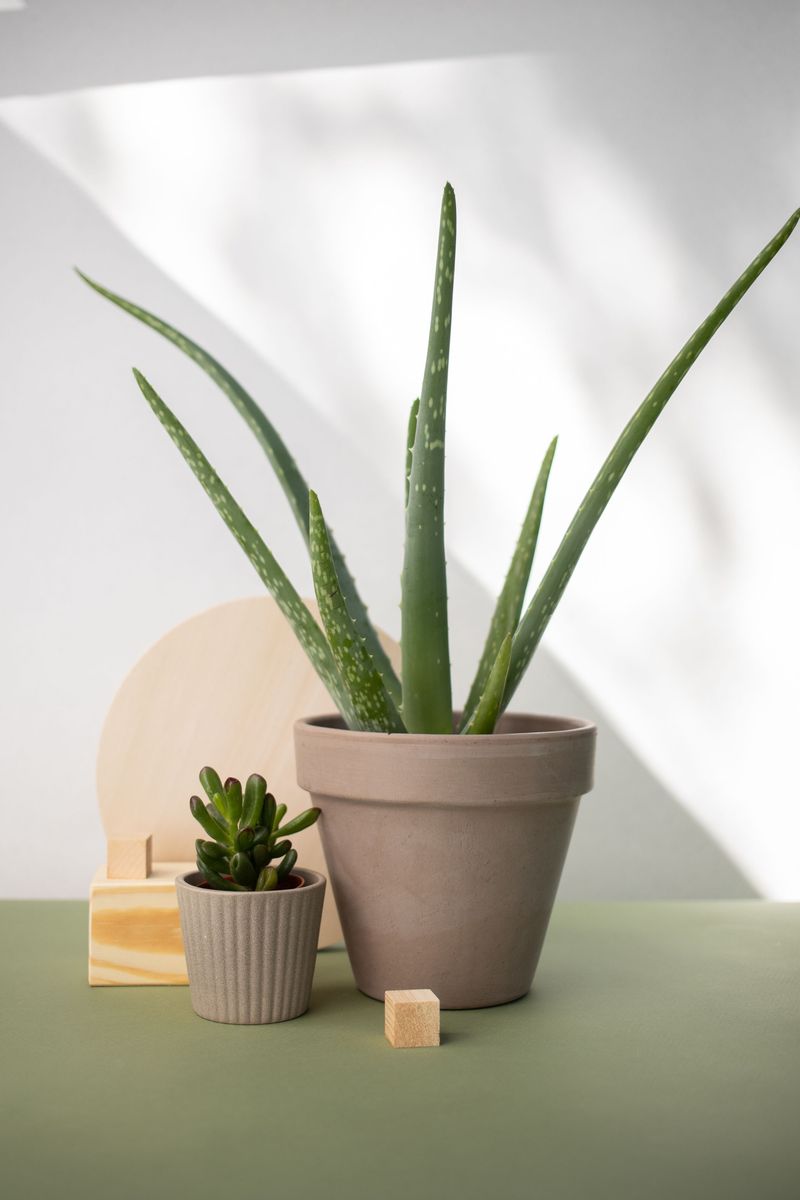
Squeeze a broken aloe leaf and cool, slippery gel oozes out, which explains its spot near many kitchen windows. I keep mine above the sink, and it handles the radiator blasting nearby like a seasoned desert traveler.
Aloe vera likely originated on the Arabian Peninsula, though people have grown it for thousands of years worldwide. Its thick leaves hold water, so dry winter air rarely causes it any real trouble indoors.
Sunlight is the main thing it craves, so park it in a bright south or west window. Indoors, low light makes leaves flop outward and grow pale, which is a clear sign to move it.
Use a terracotta pot because the clay breathes and helps the soil dry out between waterings. A cactus mix with extra perlite gives roots plenty of air and keeps them from staying soggy.
Water thoroughly once the soil is dry, then skip the watering can until it dries out again. During winter, that might stretch to every three or four weeks, depending on how warm your rooms stay.
Healthy plants send up baby pups around the base, which you can separate and pot up on their own. Friends usually appreciate these free plants, and the mother plant enjoys having extra breathing room afterward.
Pet owners should know the ASPCA lists aloe as toxic to cats and dogs if they chew it. Also, only use gel from plants grown for skin use, and check with a doctor about bigger burns.
5. Cast Iron Plant
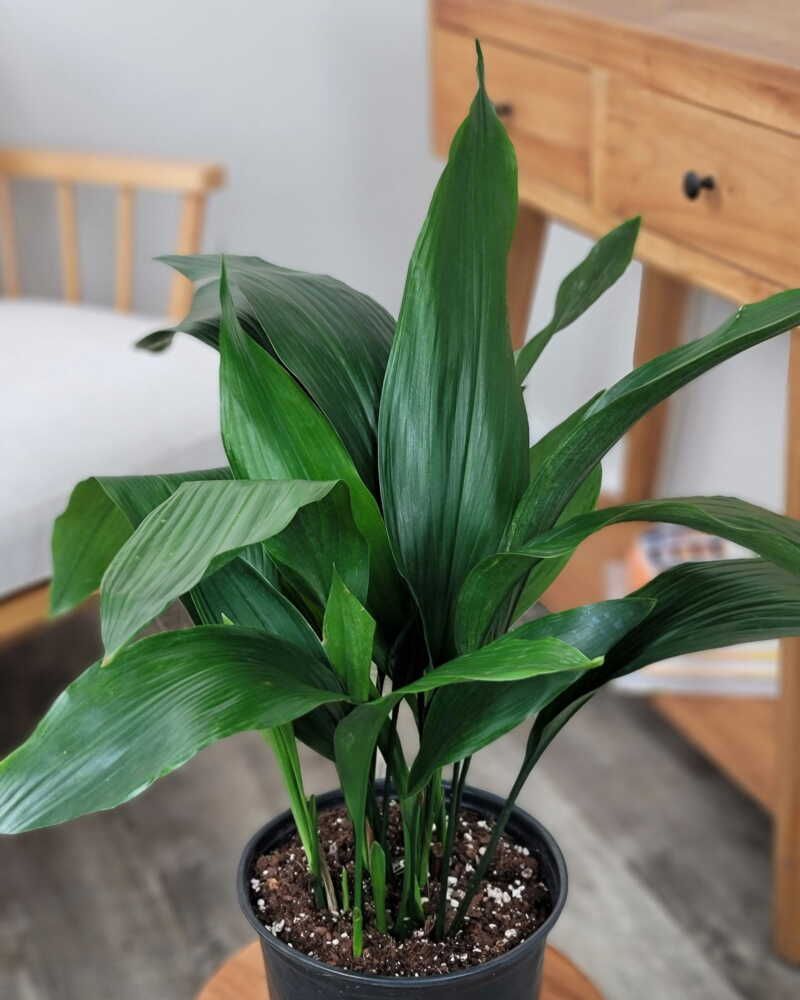
Victorian parlors were dim and smoky, yet this plant kept growing happily, which earned its tough metal nickname. Honestly, I think of it as the plant equivalent of a reliable old bike that refuses to quit.
Aspidistra elatior comes from Japan and nearby islands, where it grows in shady, sheltered woodland spots. Its broad, dark green leaves rise straight from the soil and can reach about two feet tall.
Dry radiator air rarely fazes it, though brown tips can appear if the soil stays bone dry. Low or medium light suits it best, making it a smart pick for north-facing rooms and dark hallways.
Direct sun can bleach or scorch the leaves, so keep it back from bright south-facing windows. Growth is slow, often just a few new leaves each year, so buy a decent size from the start.
Let the top inch or two of soil dry before watering, then soak it and drain well. Wet, heavy soil causes more trouble than missed waterings, especially in cooler drafty apartments during the winter.
Dust settles on those big leaves fast, so wipe them gently with a damp cloth once a month. Clean leaves absorb light better, which helps a shade plant make the most of limited sunshine.
Pet parents can relax a bit, because the ASPCA lists cast iron plant as non-toxic to cats and dogs. That safety, plus its easygoing attitude, makes it a great gift for nervous first-time plant owners in the city.
6. Ponytail Palm
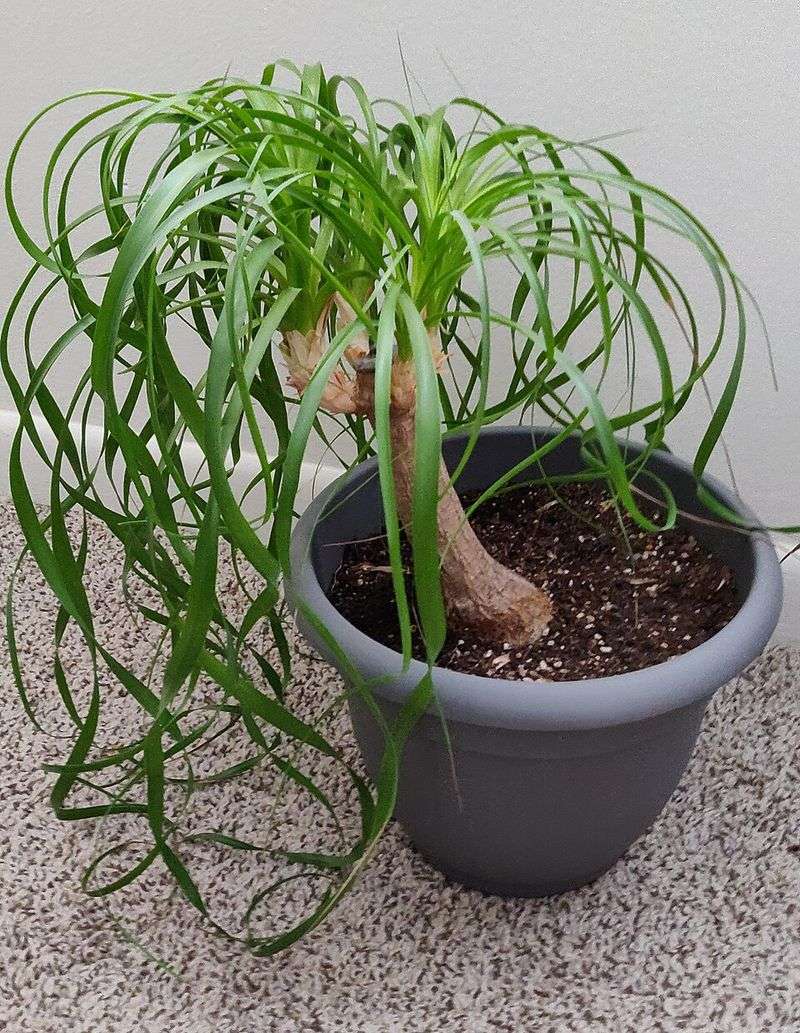
Despite the name, ponytail palm is not a palm at all, and it is actually related to agaves. Its swollen base looks like an elephant’s foot, while curly leaves spill over the top like messy hair.
Beaucarnea recurvata comes from dry regions of eastern Mexico, where it stores water inside that bulging trunk. I laughed the first time I saw one, but its quirky shape grew on me fast.
Bright light keeps it happy, so a sunny south or west window works well in most apartments. It can handle some direct sun indoors, though a slow adjustment helps prevent scorched leaf tips.
Water deeply, then let the soil dry out well before the next drink, since the trunk holds reserves. Winter watering may drop to once a month or less, especially when growth slows in shorter days.
Very dry air can invite spider mites, which leave tiny speckles and fine webbing on the leaves. Check the undersides now and then, and rinse the plant in the shower if you spot pests.
Choose a heavy, wide pot with drainage, because the top-heavy plant can tip over in a light container. Ponytail palms actually like being a little root-bound, so repot only every few years at most.
Indoors it grows slowly, staying a manageable size for years while the trunk slowly gets fatter. The ASPCA lists it as non-toxic to cats and dogs, which makes it a friendly pick for pet homes.
7. Echeveria
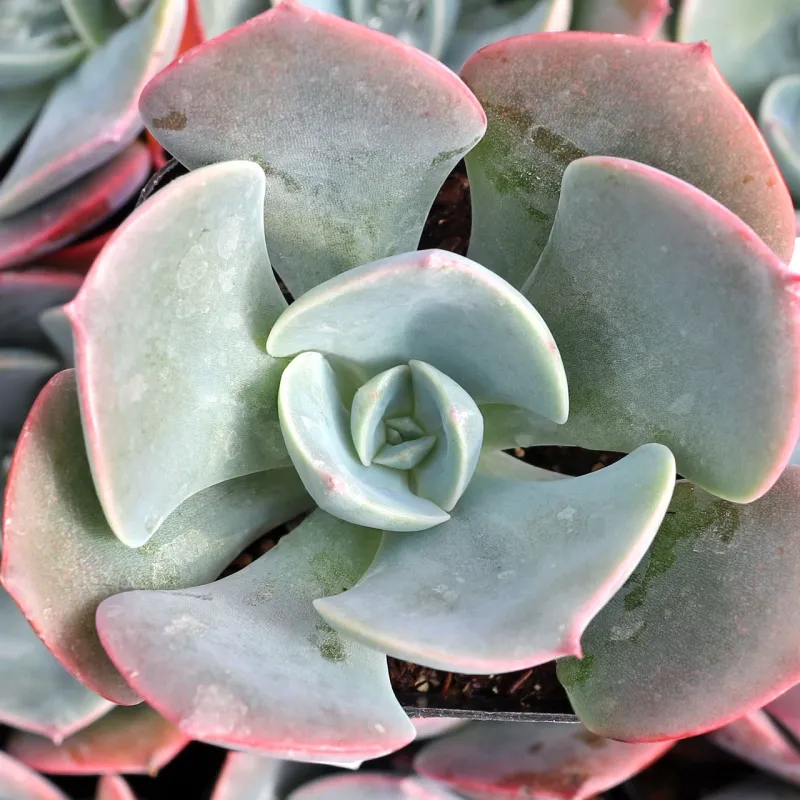
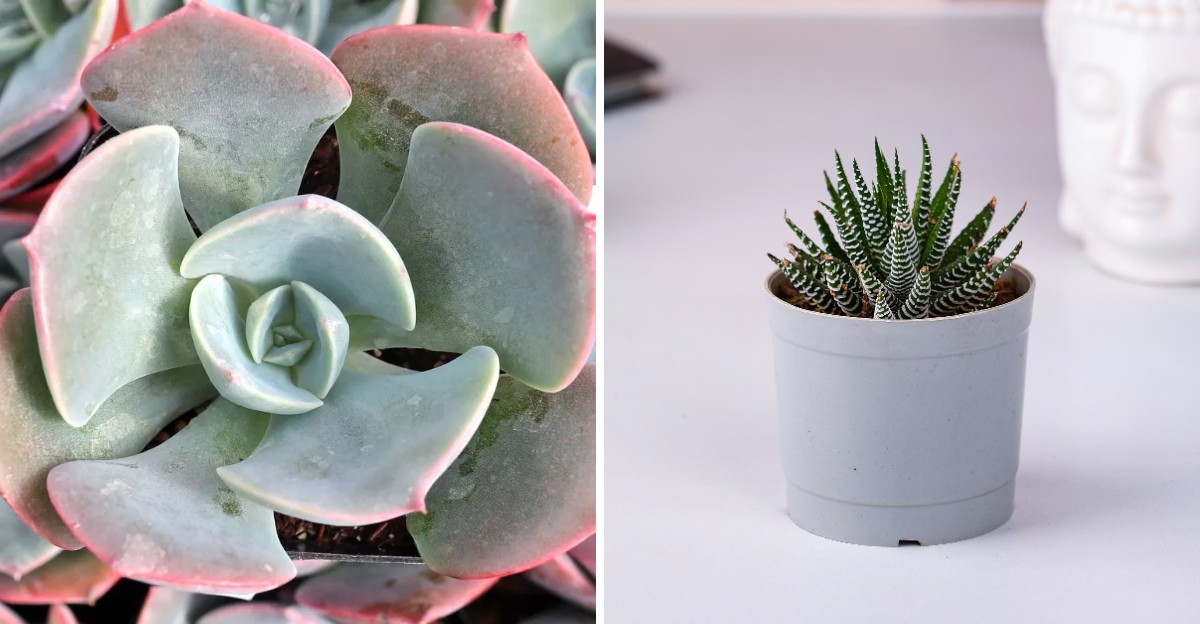
Rosettes on an echeveria look so perfect that they remind me of stone roses carved by a patient sculptor. Powdery blue and dusty pink varieties can make a sunny windowsill in a New York apartment feel like a tiny desert garden.
Most echeverias come from Mexico and Central America, where they grow in dry, rocky spots with strong sun. That history means radiator-dried air feels normal to them indoors, while damp air invites rot and fungus.
Sun is the make-or-break factor, so give them your brightest window with several hours of direct light. Without enough light, rosettes stretch upward and lose their tight shape, a problem growers call etiolation.
If your New York window is shady, a simple LED grow light placed close above them can work wonders. I added one to my bookshelf, and the rosettes tightened up within a couple of months.
Use the soak and dry method, watering deeply and then waiting until the soil dries out fully. Pour water onto the soil instead of the leaves, since moisture trapped in rosettes can cause rot.
Winter usually means watering less, but warm radiator rooms may dry pots faster than you expect. Slightly wrinkled lower leaves are a handy signal that your thirsty plant is ready for another drink.
Old lower leaves shrivel naturally over time, so pluck them off gently to keep pests from hiding. The ASPCA lists echeveria as non-toxic to pets, which adds some welcome peace of mind for New York cat owners.
8. Zebra Haworthia
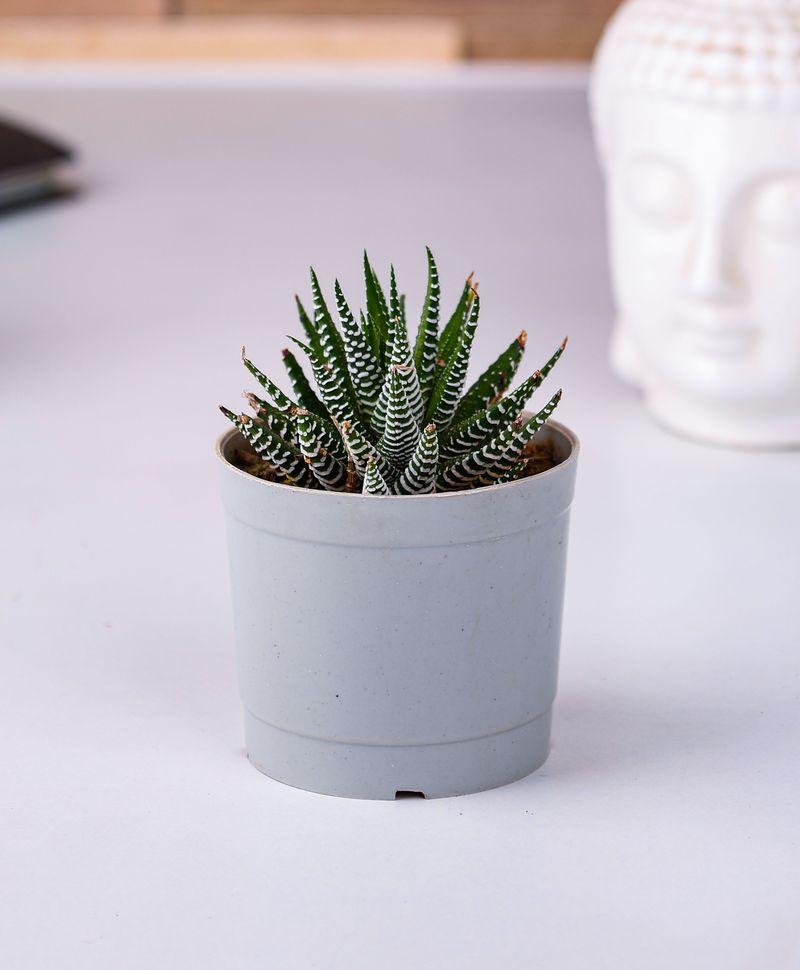
White bumpy stripes on zebra haworthia look like someone dotted them on with a tiny brush and correction fluid. This little South African succulent fits on a desk, which makes it perfect for cramped studio apartments.
Many plants sold as zebra haworthia are now classified as Haworthiopsis attenuata or Haworthiopsis fasciata by botanists. Other haworthia species have translucent leaf tips called windows, which let sunlight reach deeper inside the leaves.
In the wild, many grow tucked under shrubs or rocks, so they handle less light than most succulents. Bright, indirect light works well, and an east-facing window is a sweet spot in many homes.
Too much harsh sun can turn the leaves reddish or brown, which is a sign of stress. Too little light makes them pale and stretched, so look for a happy middle ground indoors.
Water when the soil is dry, soaking it well and letting excess water drain from the pot. Interestingly, many haworthias grow more in cooler seasons, so watch your plant instead of following strict calendars.
A shallow pot with gritty cactus mix suits their small roots and helps the soil dry evenly. I tuck three of mine into one wide bowl, and they make a cute little indoor landscape.
Offsets form around the base, and you can gently separate them when repotting to share with friends. The ASPCA lists haworthia as non-toxic to cats and dogs, so curious pets are less of a worry.