8 Mole Warning Signs Virginia Homeowners Shouldn’t Ignore This Fall
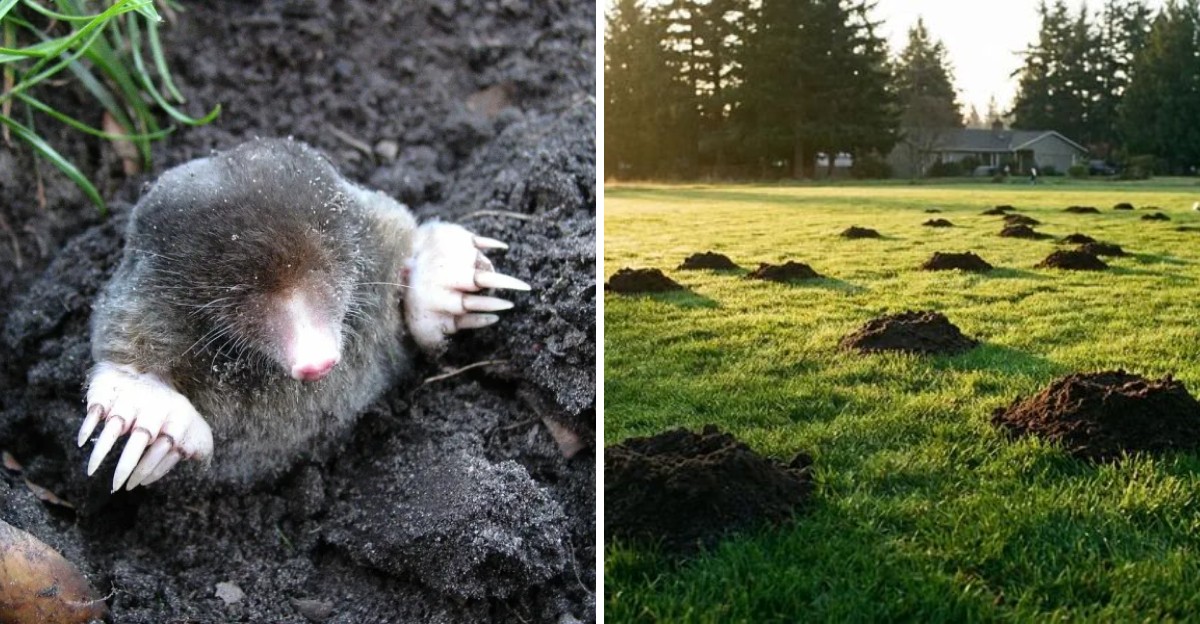
An animal weighing about as much as a deck of cards can tunnel close to eighteen feet in one hour. It swims through soil with oversized front paws, and most Virginia yards offer it a welcoming buffet.
Cool autumn rain softens the ground, and that moisture pulls earthworms closer to the surface again. Our hidden digger follows the worms, so lawns that looked fine in August can suddenly feel lumpy underfoot.
I skipped the early clues one October and spent the next spring patching ruts across my backyard. You might notice the first hints long before the real mess, especially if you walk the grass at sunrise.
A little evidence goes a long way here, and Virginia homeowners have more warning than they realize. While you raked leaves, the moles may have been busy beneath your lawn.
1. Raised Mole Ridges Snake Across Your Lawn
My first raised ridge looked like a lazy garden hose someone had buried just under the grass overnight. Stepping on it felt odd, like walking across a soft pie crust that gave way with a quiet crunch.
Those squiggly lines are feeding runways, dug just below the surface while the mole hunts earthworms and insect larvae. Eastern moles, the most common species in Virginia, can push these shallow tunnels along remarkably fast in moist soil.
Many ridges get used once and then abandoned, so a messy lawn does not automatically mean a huge population. Experts often say just a few moles can create the damage people blame on a whole crowd.
You can test which runways are active with a simple trick I use every fall in my own yard. Press down short sections of ridge with your foot, then mark each spot with a craft stick or small flag.
Check back in a day or two and see which sections have been raised again from below. Those rebuilt spots are your active highways, and they matter most if you plan any trapping later.
Rolling the lawn lightly can flatten old ridges and help grass roots reconnect with the soil underneath. Do this when the ground is damp but not soggy, since soaked soil compacts badly under heavy rollers.
Keep a quick sketch of where ridges appear, because patterns often show up along fences and sidewalk edges. Moles like following those firm borders, and knowing their routes saves you plenty of guesswork later.
2. Volcano Shaped Molehills Pop Up Overnight
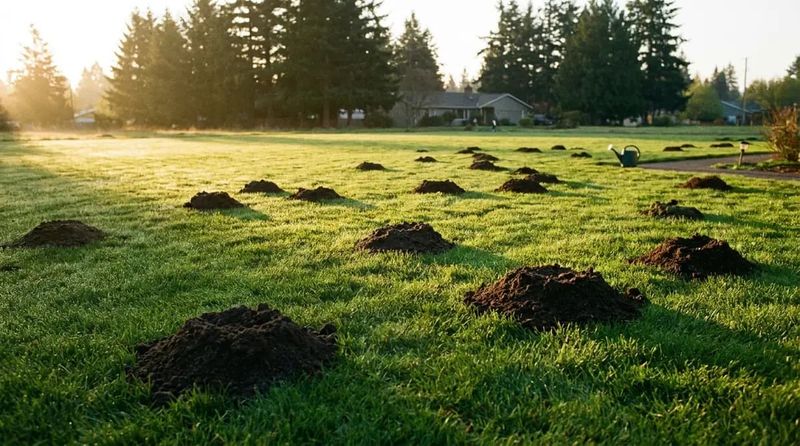
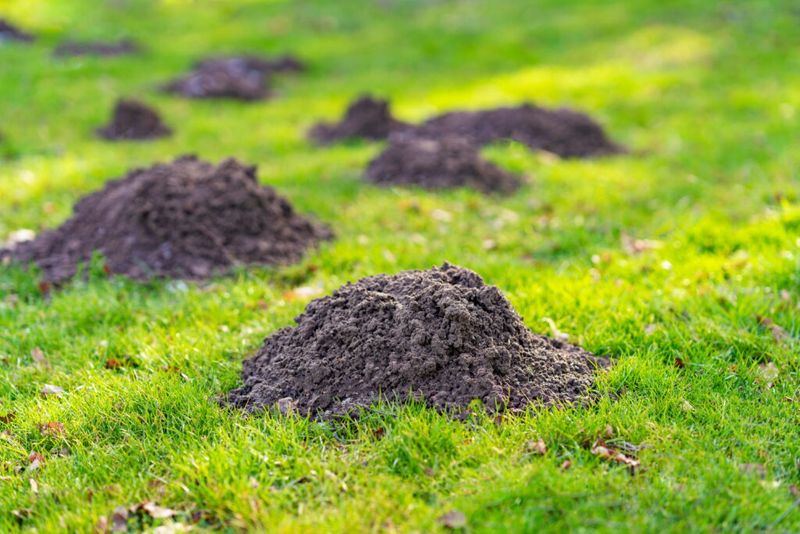
Nothing wakes you up faster than finding six fresh dirt piles where yesterday you had a tidy front lawn. Each one sits there like a tiny brown volcano, round and loose, with crumbly soil spilling out evenly.
Molehills form when moles shove extra soil up from deeper tunnels they use for travel and resting. Unlike the surface ridges, these deeper passages are often reused, so mounds hint at more permanent activity below.
Look closely at the top of a fresh mound, and you usually will not find any open hole. The mole plugs the shaft from below, which helps tell its work apart from other burrowing animals.
Pocket gophers make similar piles in other regions, but they do not live in Virginia, so that mix-up rarely matters here. Chipmunks leave clean, open holes with almost no loose dirt around them, which looks quite different.
I like raking fresh mounds flat each morning, because new ones appearing tell me exactly where digging continues. Spread the soil thinly over nearby bare patches instead of tossing it, since that loose dirt makes decent topdressing.
Mounds near flowerbeds or downspouts often point toward moist soil, which earthworms love and moles follow closely. If the piles cluster in one area, that zone probably holds a tunnel the animal travels every day.
Avoid stomping mounds hard while the ground is wet, because heavy compaction can make grass recovery slower. A gentle rake and a light reseeding before cold weather settles in usually tidies things up nicely.
3. Spongy Turf Sinks Under Your Shoes
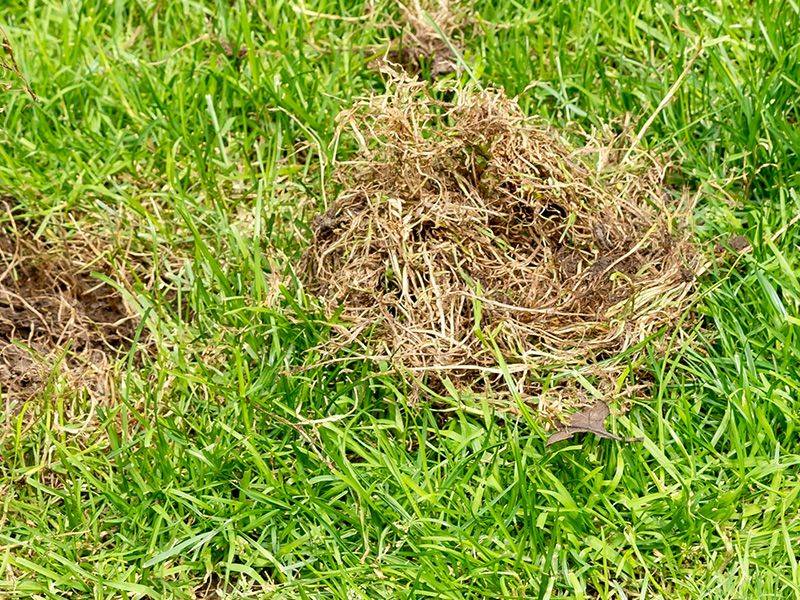
Walking across my lawn one damp morning felt like stepping onto a mattress that someone forgot to fill properly. My shoes sank an inch, then the turf bounced back slightly, which honestly gave me a little shiver.
That springy feeling usually means a web of shallow tunnels runs just under the roots, leaving pockets of air. Grass sitting above those gaps has very little firm soil holding it, so the surface gives way easily.
Spongy ground is easy to miss when leaves cover the yard, since you notice it by feel instead of sight. Try walking slowly across suspect areas in thin-soled shoes, paying close attention to soft spots and dips.
Uneven turf can also cause headaches when mowing, because the mower wheels drop into tunnels and scalp the grass. Ankles do not love it either, especially for kids running around or older relatives visiting for the holidays.
Light rolling helps press the soil back into contact with roots, and that step encourages new growth to anchor. Rent a water-filled roller and fill it only partway, since too much weight compresses heavy clay soils.
Clay soil is common across much of the Piedmont region, so gentle pressure is usually the smarter choice there. Sandier Coastal Plain lawns settle more easily, though they may need extra watering afterward to firm up.
After rolling, watch for spots that feel spongy again within a few days, since that suggests active tunnels nearby. Those areas deserve a closer look before you spend money on seed or new sod this season.
4. Brown Grass Strips Follow Hidden Tunnel Lines
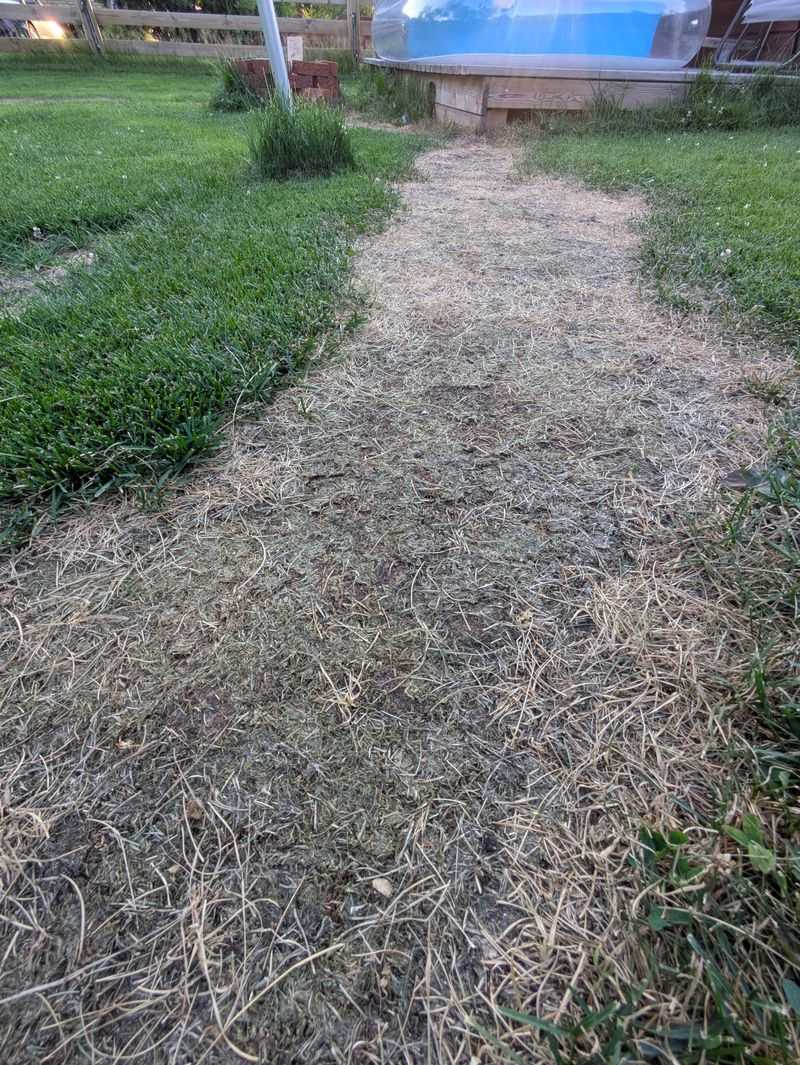
Green grass turning straw colored in skinny stripes looks like something drew on your lawn with a brown marker. I first blamed a fungus, until I noticed every faded line followed a soft, slightly raised ridge.
Moles mostly eat earthworms and insects, not grass, so the browning comes from their digging instead of their appetite. Tunneling lifts the turf and leaves roots hanging in air pockets, where they dry out fairly quickly.
Without steady contact with moist soil, those roots struggle to pull up enough water and nutrients for the blades. A few dry, breezy fall afternoons can turn a healthy strip tan in surprisingly little time.
Before blaming moles, check whether the brown areas match tunnel paths or form circles and random blotches. Fungal diseases like brown patch often create round shapes, while mole damage usually traces winding lines you can follow.
Grubs can also cause brown patches, and you can peel back their damaged turf like a loose carpet. Mole damage feels different, because the grass is lifted from below rather than chewed off at the roots.
Early fall is a fine window for repairing cool-season lawns like tall fescue, which many Virginia homeowners grow. Press the ridges down, water lightly, and overseed thin spots while soil temperatures still support germination.
Keep the repaired areas evenly moist for a few weeks so new seedlings settle in before frost arrives. A little patience now usually pays off with thicker, greener turf when spring finally rolls around again.
5. Uprooted Mums And Tilted Plants In Garden Beds

Finding a freshly planted mum leaning sideways, roots dangling in the air, feels personal after all that careful digging. The culprit probably was not hungry for your flowers, though, since moles rarely eat plant material.
Loose, rich garden soil is easy to tunnel through, and mulch keeps it moist enough to draw earthworms. That combination turns flowerbeds into a favorite hunting ground, especially near watered borders and freshly amended planting holes.
Plants get pushed up or left sitting over hollow pockets as tunnels pass right under them. Small annuals and newly divided perennials struggle most, because their young roots have not yet grabbed the surrounding soil.
If bulbs disappear or roots look gnawed, voles might be the real troublemakers using the mole’s tunnels. I check for chewed roots before blaming anyone, since the fix for each animal differs quite a bit.
For small beds, a buried barrier of hardware cloth can help keep diggers out of your prized plantings. Sink it roughly two feet deep, with a slight outward bend at the bottom for extra protection.
Gently firm uprooted plants back into place right away, then water them well to settle the soil around roots. Most tough perennials bounce back quickly if their roots have not dried out for very long.
Fall bulb planting is a smart time to add wire baskets around tulips and crocus, which voles happily nibble. Daffodils make a friendly alternative, since most digging critters leave their toxic bulbs alone in the ground.
6. Fall Rains Trigger A Fresh Wave Of Mole Tunnels
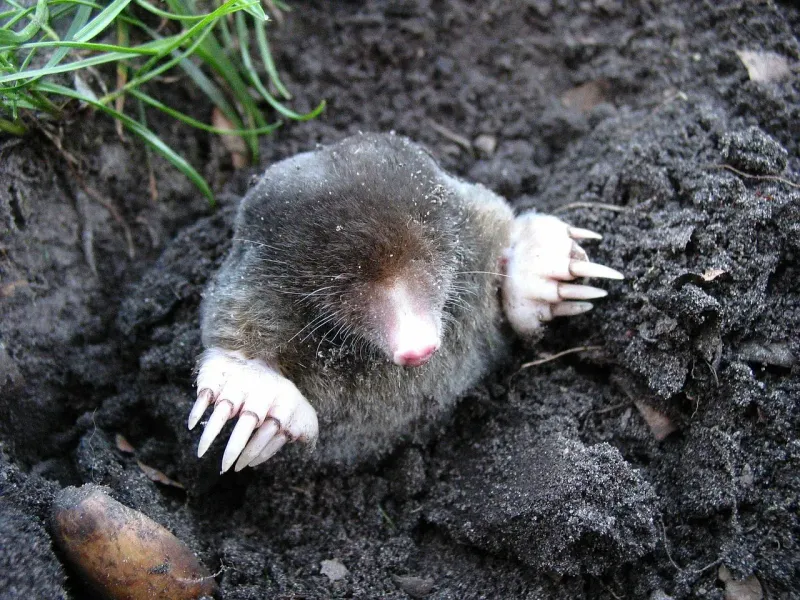
Right after the first soaking autumn rain, my backyard sprouted new ridges like someone had been sketching all night. It felt like the moles had been waiting all summer for permission to start remodeling again.
Moles dig more near the surface when soil is cool and moist, which is why spring and fall bring heavy activity. During hot, dry summer stretches, they usually move deeper, following earthworms down toward cooler, damper soil.
Once fall rains return, worms rise toward the root zone again, and the moles follow right behind them. That shift explains why a quiet summer lawn can look battered by mid-October with little warning.
Eastern moles can extend surface runways surprisingly quickly in soft soil, sometimes covering many feet within a single hour. Just one or two busy animals can make a yard look like a crowded neighborhood overnight.
This season is also when many homeowners decide whether to try trapping, since active tunnels are easy to find. Virginia treats moles as a nuisance species, but check current wildlife rules before you set any trap.
Many extension specialists consider properly placed traps the most reliable control method for moles in home lawns. Castor oil repellents and sonic spikes have mixed or weak research support, so I keep my expectations modest.
If trapping is not your style, simply rolling ridges and reseeding may be enough for many yards. Activity often slows as winter settles in and the soil cools, and that pause buys you some time.
7. Earthworm Rich Soil Rolls Out The Welcome Mat
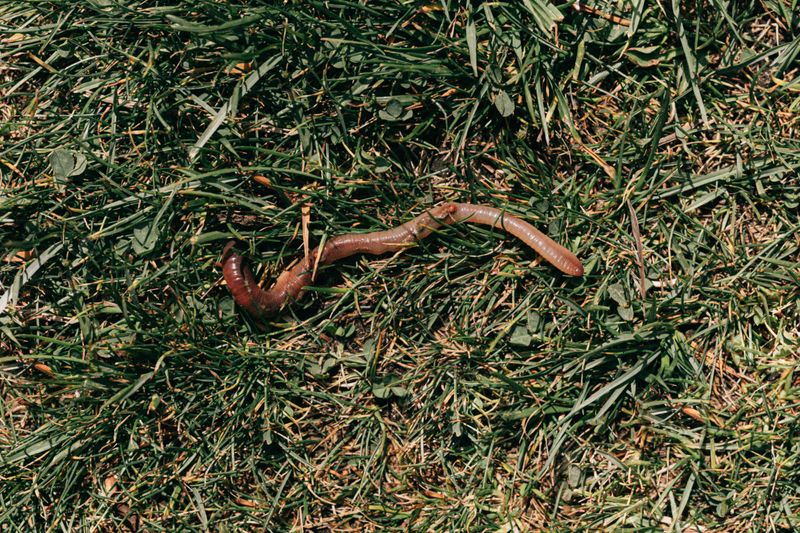
Strange as it sounds, moles moving in can be a backhanded compliment about the health of your soil. Earthworms thrive in moist, rich ground, and a well-fed lawn often hosts plenty of them below the surface.
Moles are hungry little engines, eating a large share of their own body weight in food every single day. Earthworms make up much of that menu, while beetle grubs and other insect larvae fill in the gaps.
Many people buy grub control hoping moles will pack up and leave once the grubs disappear from the lawn. Extension research suggests this rarely works, because earthworms remain behind and keep the moles well fed.
Grub treatments still make sense if you actually find grub damage, usually several grubs per square foot of turf. Dig a small square of sod to check before spending money, since guessing can waste both time and product.
Overwatering also draws worms near the surface, so cutting back on frequent shallow sprinkling can help a bit. Deep, less frequent watering suits fescue lawns better anyway and encourages deeper roots before winter arrives.
I like remembering the upside, too, since moles loosen soil and eat some insects gardeners consider pests. Their tunnels let air and water move deeper into the ground, which benefits soil in ways we rarely notice.
Deciding how much damage you can live with makes the whole situation feel less stressful and more manageable. A back corner full of ridges may be fine, while a front lawn might deserve more of your attention.
8. Small Round Vole Holes Near Mole Runways
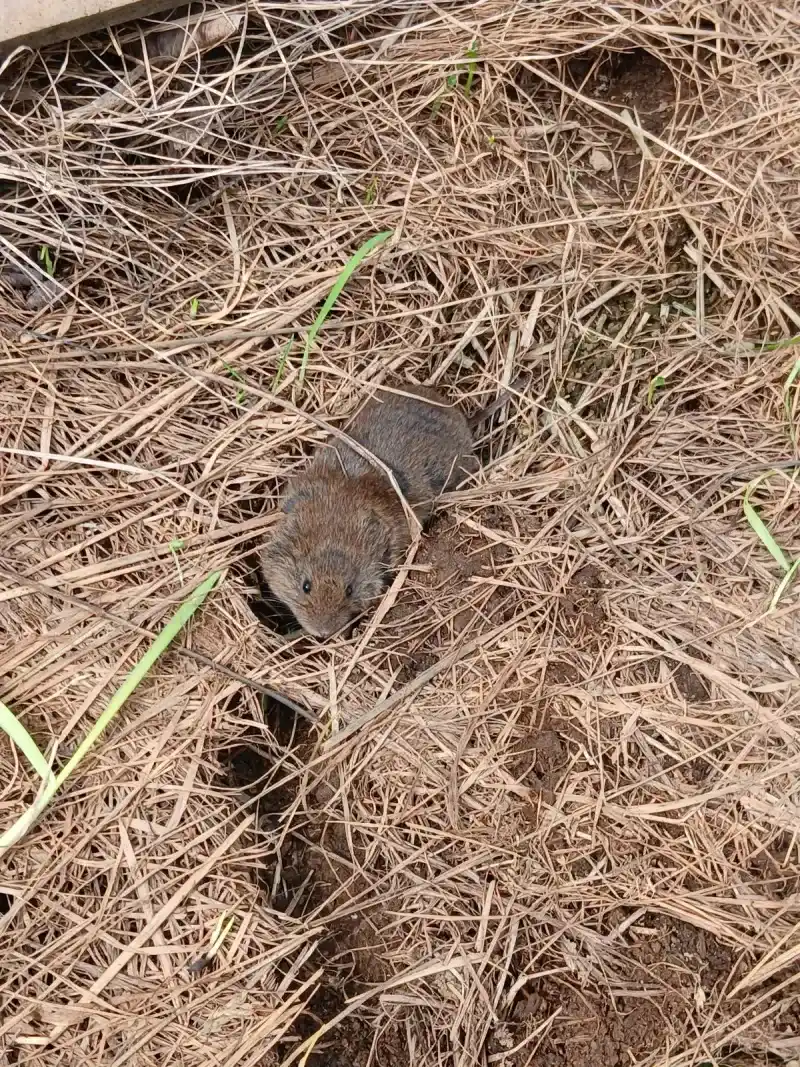
Tiny, clean holes about the width of a quarter can appear along mole tunnels, and they tell another story. Those openings often belong to voles, small plump rodents that happily borrow runways other animals have already dug.
Voles look a bit like mice with short tails, and they eat plants instead of insects and worms. Pine voles and meadow voles both live in Virginia, and they can chew roots and bulbs underground.
Moles get blamed for missing hostas and girdled shrubs, but voles usually cause that kind of feeding damage. Spotting their holes and narrow surface paths through grass helps you aim your efforts at the right animal.
Meadow voles create winding trails in turf that show up clearly after snow melts in late winter. Pine voles stay mostly underground, so checking the roots of struggling plants becomes your best clue for finding them.
Pull mulch a few inches away from trunks and stems this fall, since thick mulch gives voles cozy cover. Keeping grass trimmed around beds also leaves them feeling exposed to hungry hawks and owls overhead.
Snap traps baited with apple slices or peanut butter, placed inside covered runways, often help with vole problems. Cover them with a box or bucket to protect pets and songbirds from any accidental contact.
I find this detective work oddly satisfying, because one clue often leads straight to the next one. Once you know who is digging, the fix becomes far simpler and your fall yard feels yours again.