How California Gardeners Plant Paperwhites Outdoors For Holiday Blooms
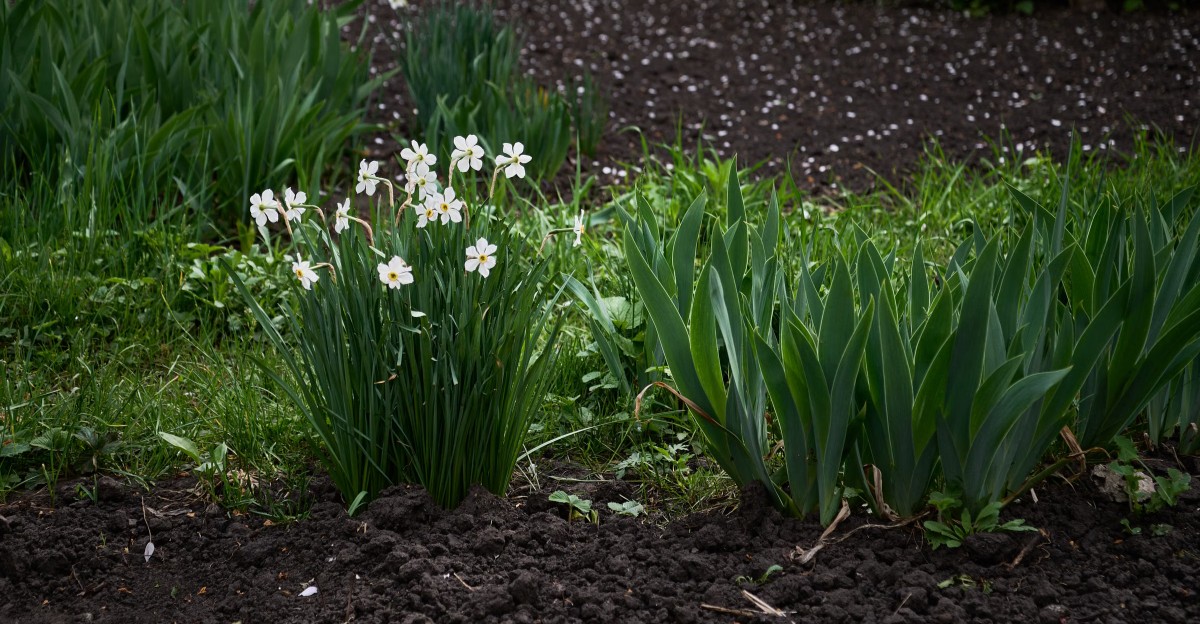
Bulbs tucked into the ground during the first half of November can open fragrant white clusters right around Christmas in many California gardens. Wait much longer, and the show usually lands after the holidays.
I love a plant that handles its own chores. Each papery bulb already stores enough food for this year’s flowers, so fertilizer is optional at first. Winter storms often take care of most of the watering, too. Soggy, waterlogged soil is the one thing they truly dislike.
To be fair, their perfume divides households. Plenty of people enjoy that sweet, musky scent, yet a few swear it smells like a forgotten gym bag. I plant mine along the front walk anyway, and visitors usually lean in for a second sniff.
A bag of bulbs and one free afternoon this week could have holiday blooms waiting by your front door.
Paperwhite Bulbs Have a Head Start Most Spring Bulbs Lack
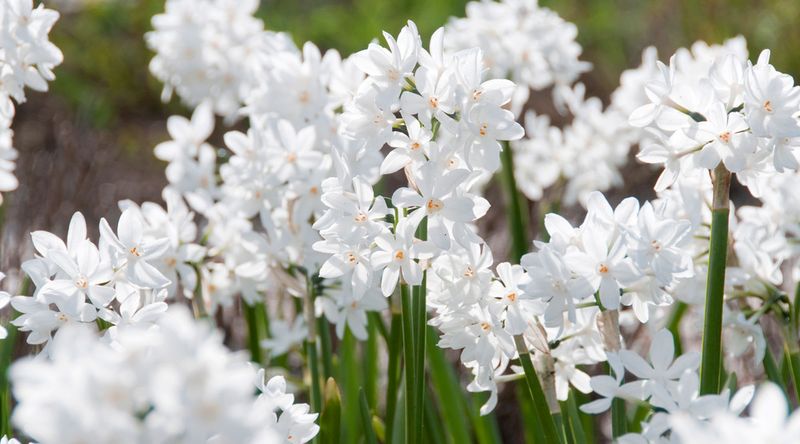
Tulips and hyacinths need weeks of cold before they bloom well. Paperwhites, a type of Narcissus also called tazetta daffodils, skip that requirement. Their roots start growing as soon as the bulb meets moist soil.
That quirk comes from their family history. Wild tazetta daffodils grow around the Mediterranean, where winters are cool and wet and summers are hot and dry. Large parts of California share that same rhythm, so the bulbs feel right at home.
In the ground, paperwhites grow best in USDA Zones 8 through 11. That covers coastal areas, most of Southern California, the Bay Area, and much of the Central Valley. In the mountains or high desert, hard freezes can harm the leaves and flowers, so pots you can move are the safer choice there.
I find it fun that these bulbs actually prefer our dry summers. While they rest underground, they want little or no water. Then the first fall rains wake them up.
Did you know? Old homesteads across the West often still have clumps of tazetta daffodils blooming in winter. Many were planted decades ago and simply kept coming back, with nobody tending them at all.
October and November Planting Puts Paperwhite Flowers on the Holiday Calendar
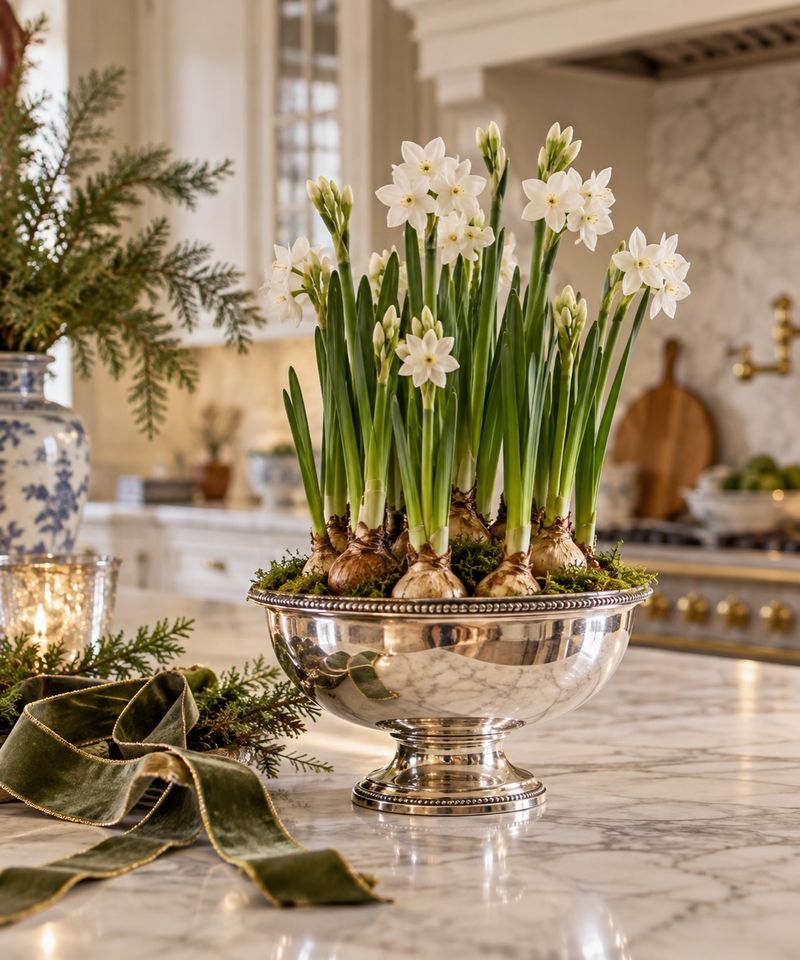
Timing is the real trick here. Paperwhites usually bloom about four to six weeks after planting indoors, and outdoors in cooler fall soil it can take a bit longer. Counting backward from the holidays gives you your planting date.
For early December blooms, aim to plant in mid to late October. For flowers closer to Christmas, plant during the first half of November. Bulbs planted after late November may still bloom nicely, but likely after the holidays wrap up.
Personally, I like to plant in small batches every two weeks from October into early December. That way you get a rolling show of white clusters instead of one big burst. It also protects you if a warm spell or cold snap speeds up or slows down one batch.
Weather matters too. Warm days speed growth, while chilly nights slow it down. A sunny Southern California bed may bloom faster than a foggy spot along the North Coast.
Once bulbs settle into the ground and come back year after year, they follow their own schedule. Established clumps often bloom anywhere from late fall into winter, depending on rain and temperature. Expect a little natural variety in timing after the first season.
A Sunny Garden Bed With Fast Drainage Keeps Narcissus Bulbs Happy
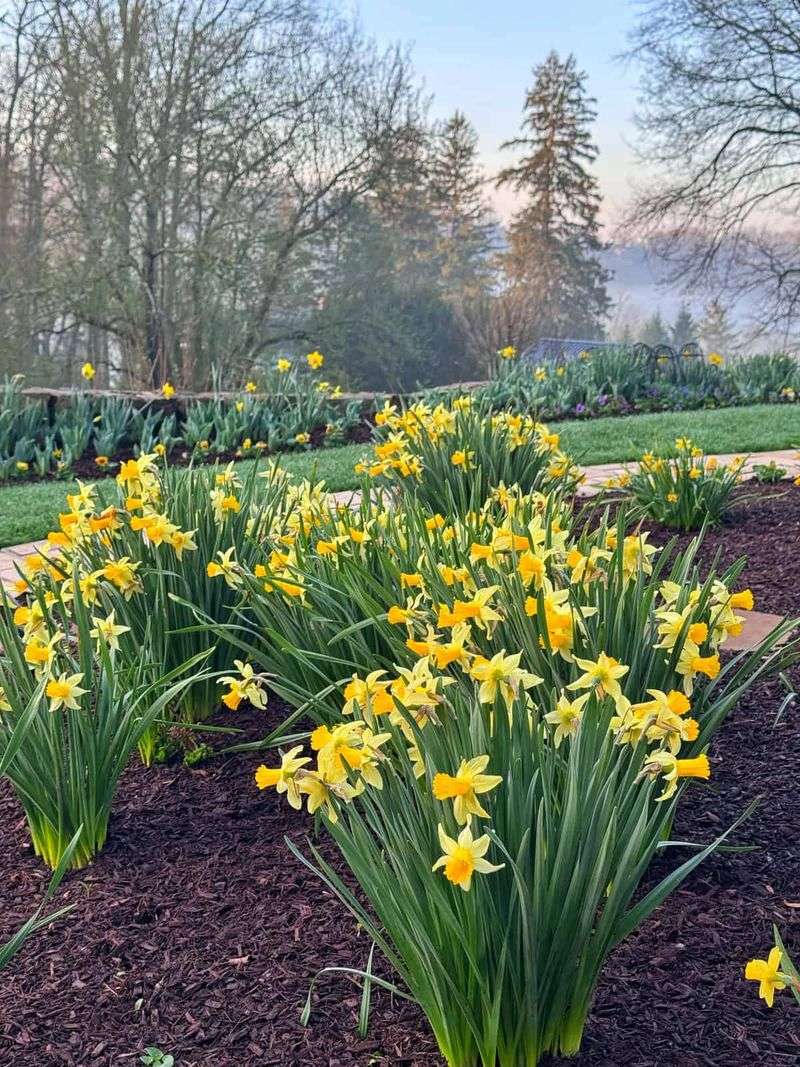
Soggy soil is the number one enemy of a paperwhite bulb. Water that sits around the bulb for days can lead to rot, and a mushy bulb rarely recovers. Picking the right spot matters more than almost anything else.
Look for full sun to light shade. In winter, the sun sits lower in the sky, so a spot that feels bright in summer might be shady by December. Aim for at least six hours of direct light if you can manage it.
Paperwhites are not picky about soil type. They handle clay, loam, and sandy soil fairly well. The key is drainage, so skip low spots where puddles linger after a storm.
Got heavy clay? Mix in a few inches of compost, or build a raised bed or mound. Planting along a slope works nicely too, since water runs away from the bulbs.
I love tucking them near a walkway, front door, or patio. Their perfume is strong, and you want to catch it as you pass by. A sunny strip along a south-facing wall also helps protect them on the rare frosty night.
Pointy Side Up and About Six Inches Down Gets Paperwhite Bulbs Started Right
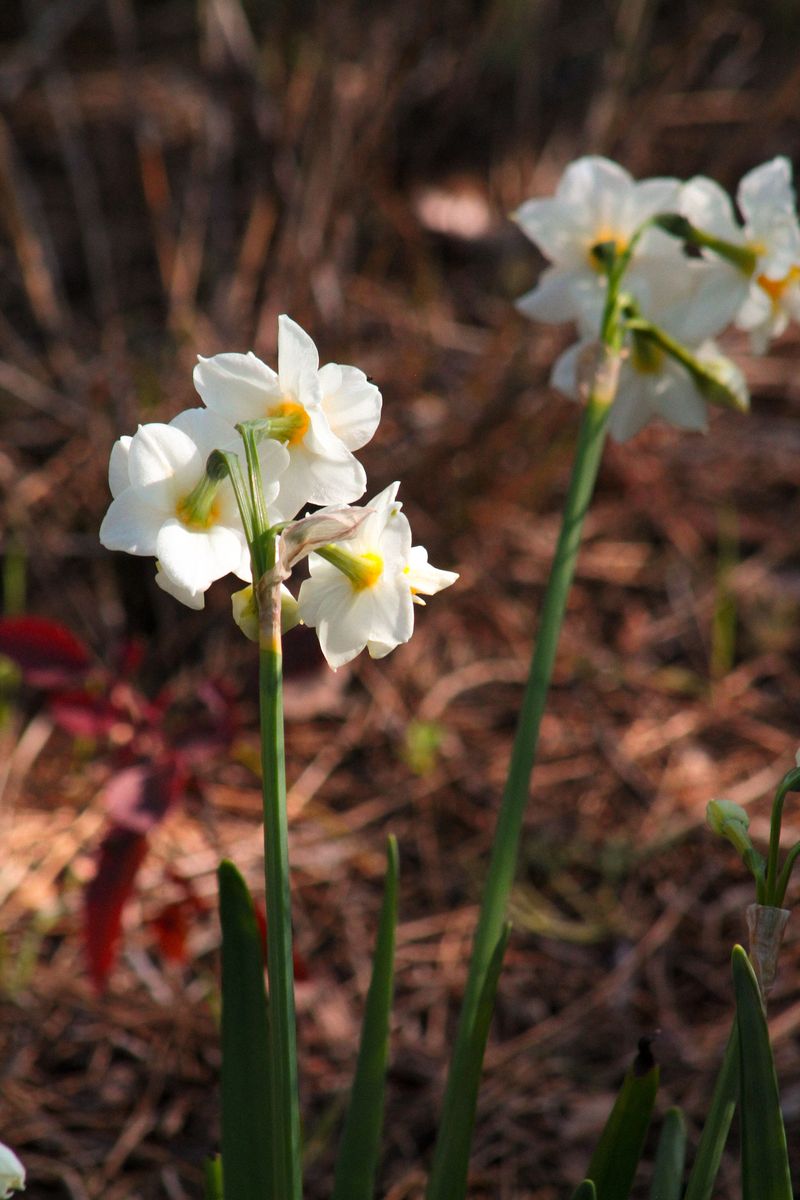
Grab a trowel and a handful of firm, plump bulbs. Skip any that feel soft, smell musty, or show gray mold. Healthy bulbs are heavy for their size, like a good onion.
Dig holes about five to six inches deep, which is roughly two to three times the height of the bulb. Set each one with the pointy tip facing up and the flat root end down. Space them around three to five inches apart.
For a fuller look, plant in groups of five to nine instead of single rows. A cluster looks like a bouquet popping out of the ground. Rows can look a little stiff, especially in a casual cottage garden.
Cover the bulbs with soil and press gently to remove air pockets. Then give the bed a good soak to settle everything in place. That first drink wakes up the roots.
A light layer of mulch helps keep soil moisture steady and weeds down. Keep it thin, though, maybe an inch or two. Thick mulch can stay wet and slow the shoots on their way up.
Planting a little deeper also gives stems sturdier support later.
Winter Rain Does Most of the Watering for Your Paperwhite Shoots
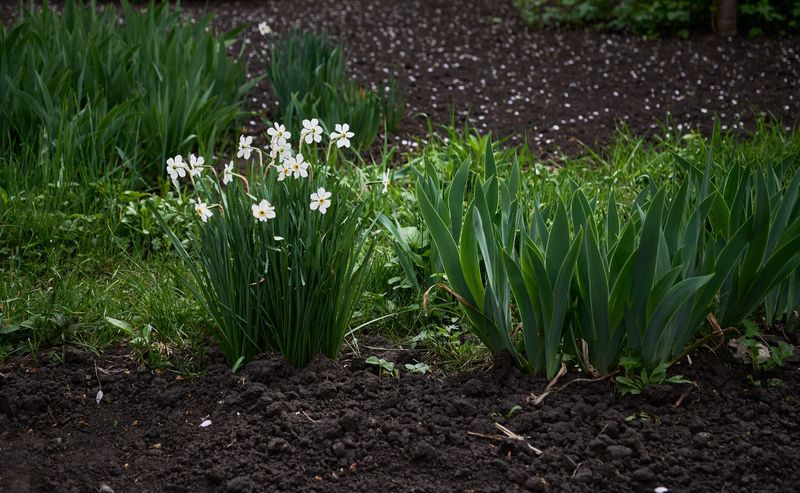
Here comes the lazy gardener’s favorite part. Once those bulbs are planted and watered in, California winter rains often handle much of the work. You mostly just watch and wait.
During dry stretches, check the soil with your finger. If the top inch or two feels dry, water deeply. You want the ground moist like a wrung-out sponge, not muddy.
Overwatering causes more trouble than underwatering with these bulbs. If your sprinklers run on a summer schedule, adjust them before planting. Many yards get plenty of moisture from storms between December and February.
Fertilizer is optional in the first season. The bulb already stores enough food for this year’s flowers. For bulbs you plan to keep, a light bulb fertilizer with phosphorus and potassium when shoots appear can help next year’s show.
Tall, floppy stems are common, especially in warm weather or low light. More sun helps keep them shorter. A thin bamboo stake or soft garden twine can hold up any leaning clusters.
Bonus tip: heavy rain can knock flowers flat. Planting near a low hedge or fence gives them a little shelter from wind and downpours.
Ziva, Inbal, and Golden Soleil d’Or Paperwhites Each Bring Something Different
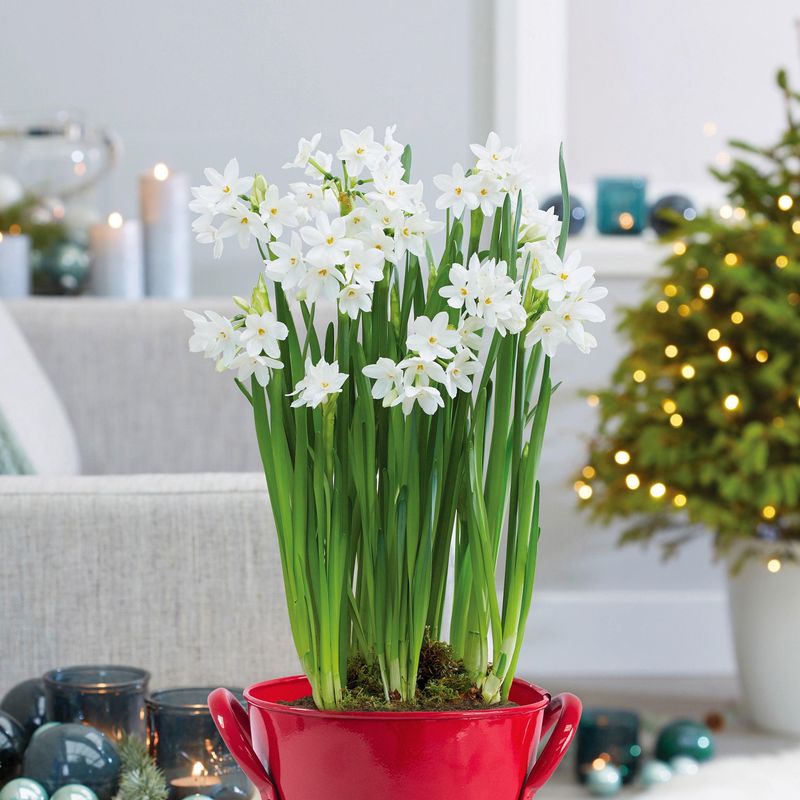
Not every paperwhite smells the same, and that surprises a lot of folks. Some people love the strong perfume, while others think it smells a bit musky. Choosing the right variety solves that problem.
‘Ziva’ is the classic choice you often see in stores. It blooms fast and reliably, with a powerful, spicy scent. Plant it outdoors where the breeze can carry the fragrance around.
‘Inbal’ offers clean white flowers with a lighter scent. ‘Nir’ has slightly larger blooms and a softer smell too. Either works well near a front porch if strong perfume bothers you.
Want a splash of color? ‘Grand Soleil d’Or’ has bright yellow petals and orange cups, and it has been grown in gardens for centuries. ‘Wintersun’ features white petals with sunny yellow centers.
I like mixing a few types together for a longer, more interesting display. Different varieties may bloom at slightly different times. That staggered timing stretches the season nicely.
Buy bulbs early in fall for the best selection. Local nurseries and garden centers often stock them by September or October. Larger bulbs usually produce more flower stems, so they are worth a few extra cents.